Alaska Thunder Fuck (Cannabis Strain) — Strainpedia
Alaska Thunder Fuck is a long-standing cannabis cultivar with a distinctly old-school profile: bright pine, sharp fuel, and a clear sativa lean that separates it from sweeter modern dessert lines. Its reputation comes less from hype and more from a rugged, energetic expression that has kept it relevant in legacy cannabis circles for decades.
The strain’s exact origin story is still debated, which is part of its appeal among collectors and historians. In practical terms, growers and consumers usually describe it as a tall, fragrant plant with citrus-pepper nuance, resinous buds, and an effect style that trends lively before settling into a lighter physical ease.
Quick Facts
| Genetics | North American sativa-dominant lineage; exact parentage is disputed |
|---|---|
| Original Breeder | Not clearly documented |
| Variety | Sativa-dominant Hybrid |
| Flowering Time | Approximately 8–10 weeks indoors |
| Yield Potential | Moderate to high, depending on training and environment |
| Plant Height | Medium to tall |
| Climate Preference | Warm, temperate, well-ventilated environments |
| Difficulty | Moderate |
Strain Classification
| Type | Sativa-dominant Hybrid |
|---|---|
| Genetic Family | Old-school North American sativa line with possible Afghan-related influence |
| Primary Terpenes | Myrcene, Pinene, Caryophyllene* |
| Original Breeder | Not clearly documented |
| Breeding Lineage | Legacy sativa selection with disputed parentage; often described as a regional line refined through informal preservation rather than a single well-recorded breeding release |
*Exact terpene dominance may vary by phenotype and cultivation method.
Scientific & Botanical Overview
Botanically, Alaska Thunder Fuck tends to show the structural hallmarks of a sativa-leaning cannabis plant: more vertical growth, longer internodes, and flower sites that can elongate before tightening into finished colas. That architecture is useful for reading the cultivar in the garden, because it often signals a plant that rewards canopy planning and moderate environmental control rather than compact, set-and-forget handling.
From a breeding perspective, the strain matters because it represents a pre-dessert, pre-cookie style of cannabis selection where aroma and vigor were prioritized over sugary novelty. Its profile often lands in the pine-fuel-earth lane, with terpene expression that can feel sharper and more outdoor-leaning than many contemporary hybrids. Depending on the cut, phenotypes may vary in density, resin coverage, and finish time, which is why experienced growers often evaluate individual plants rather than assuming one uniform expression.
Appearance
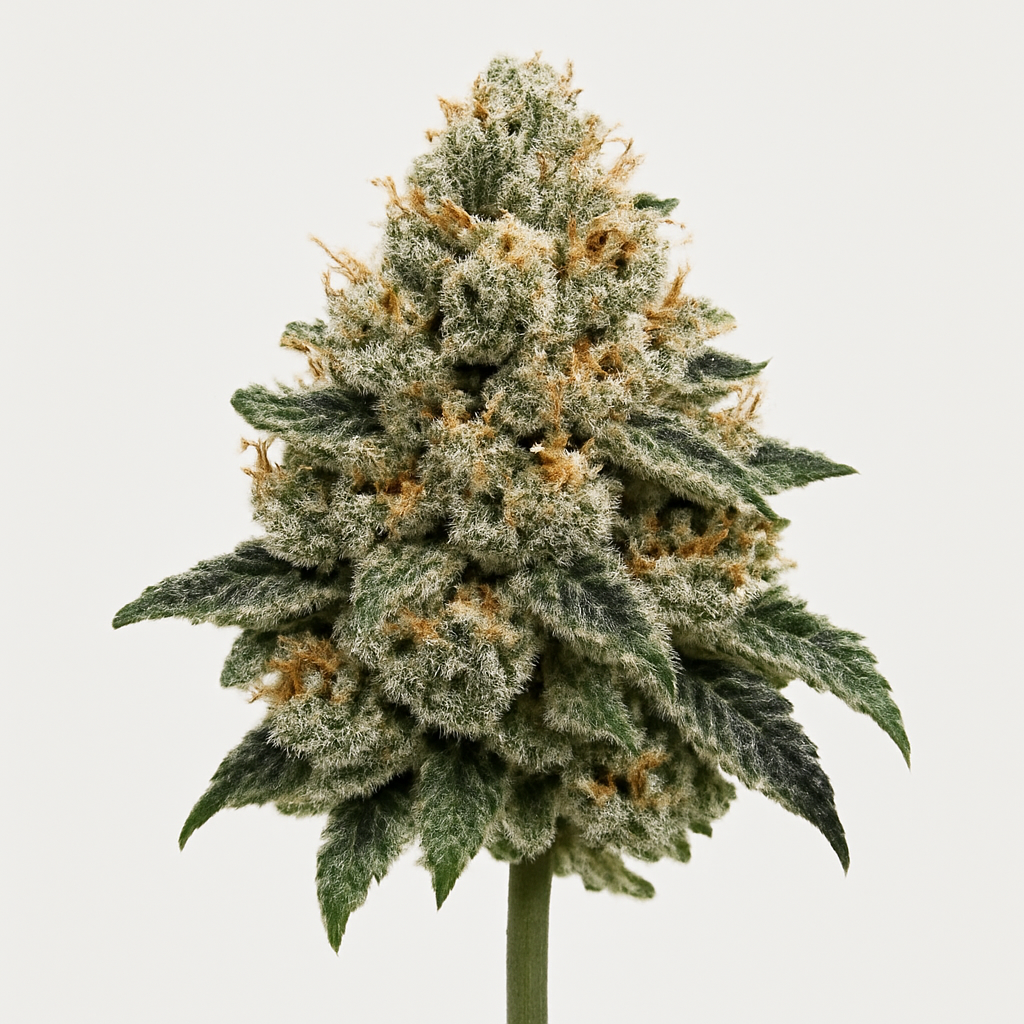
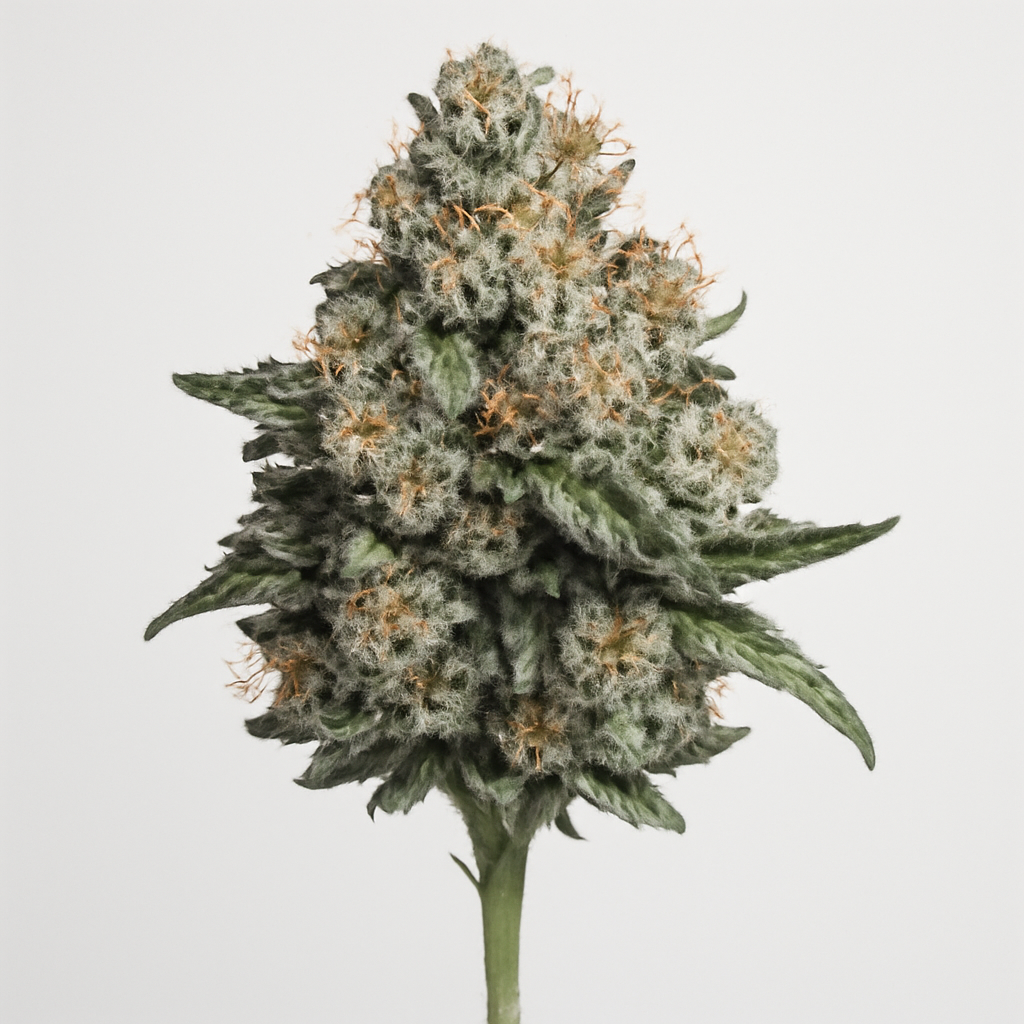
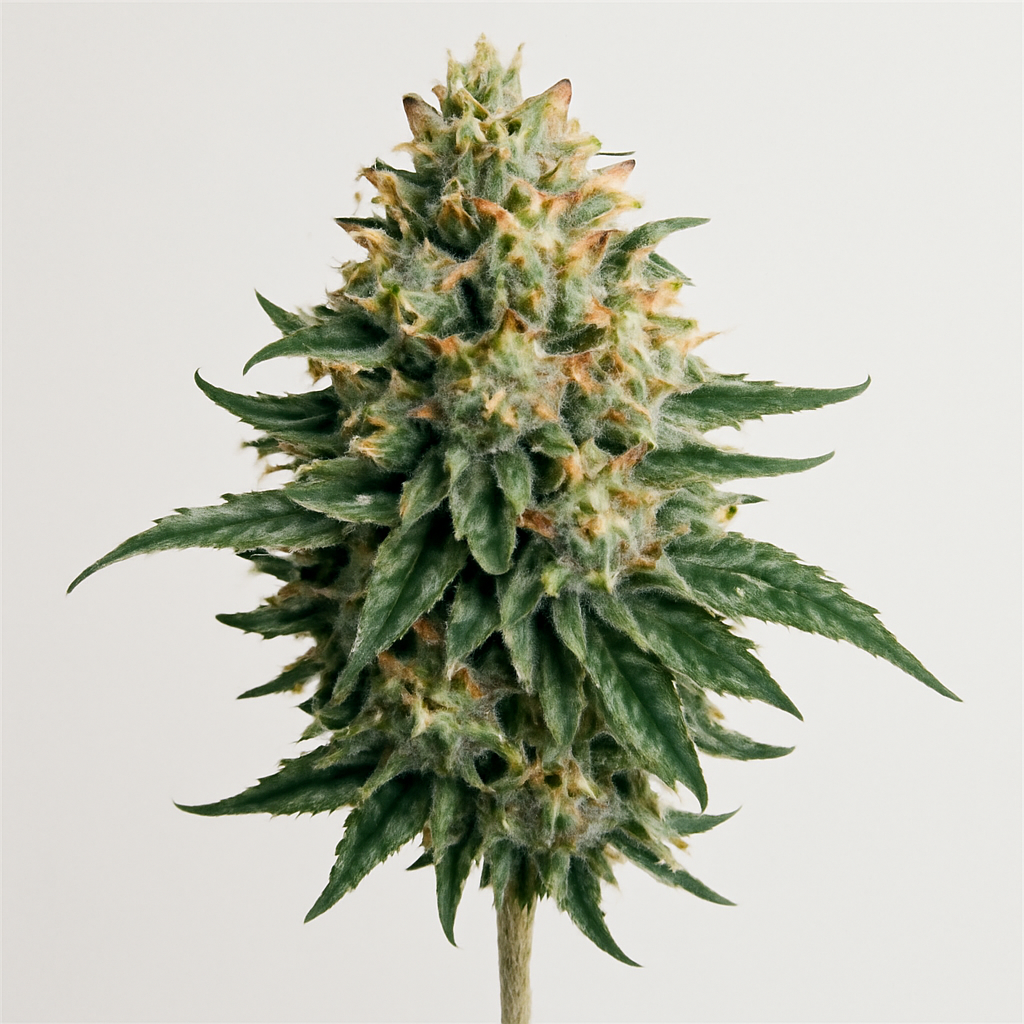
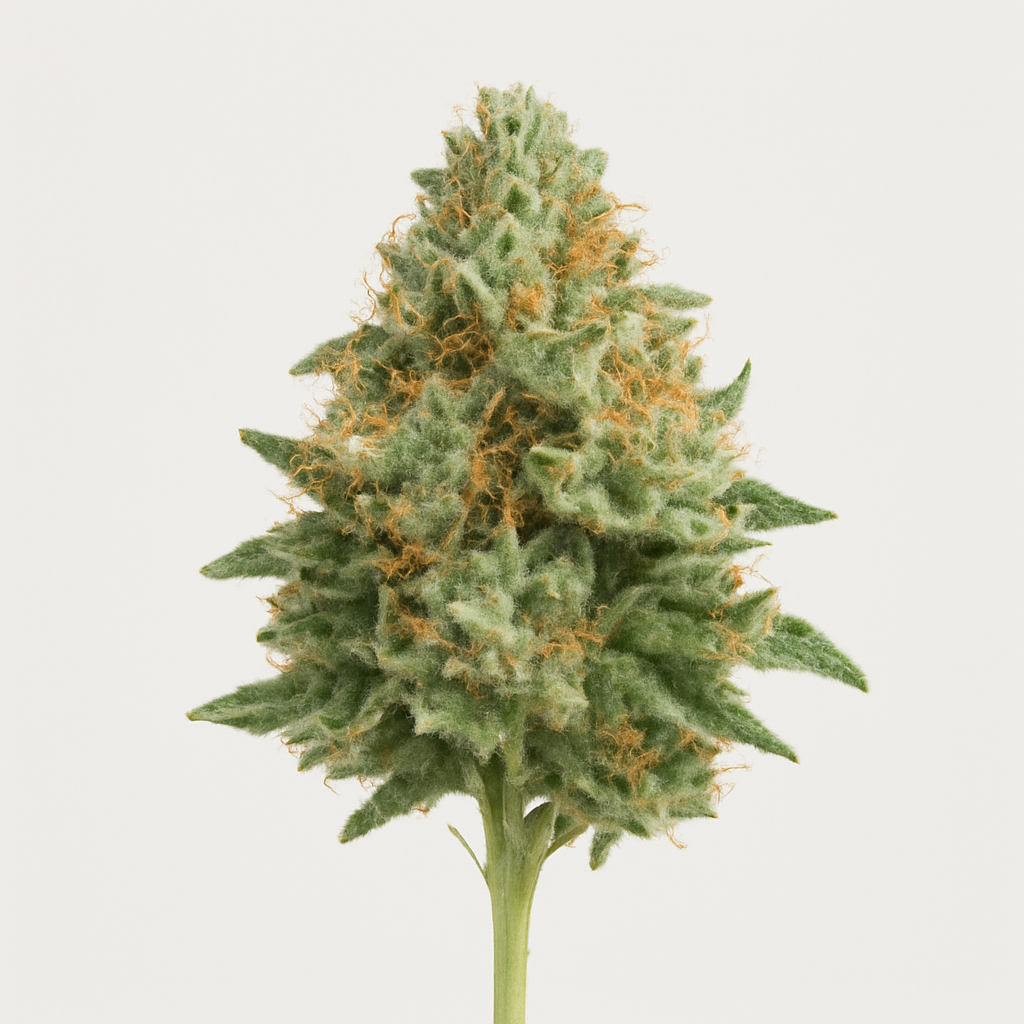
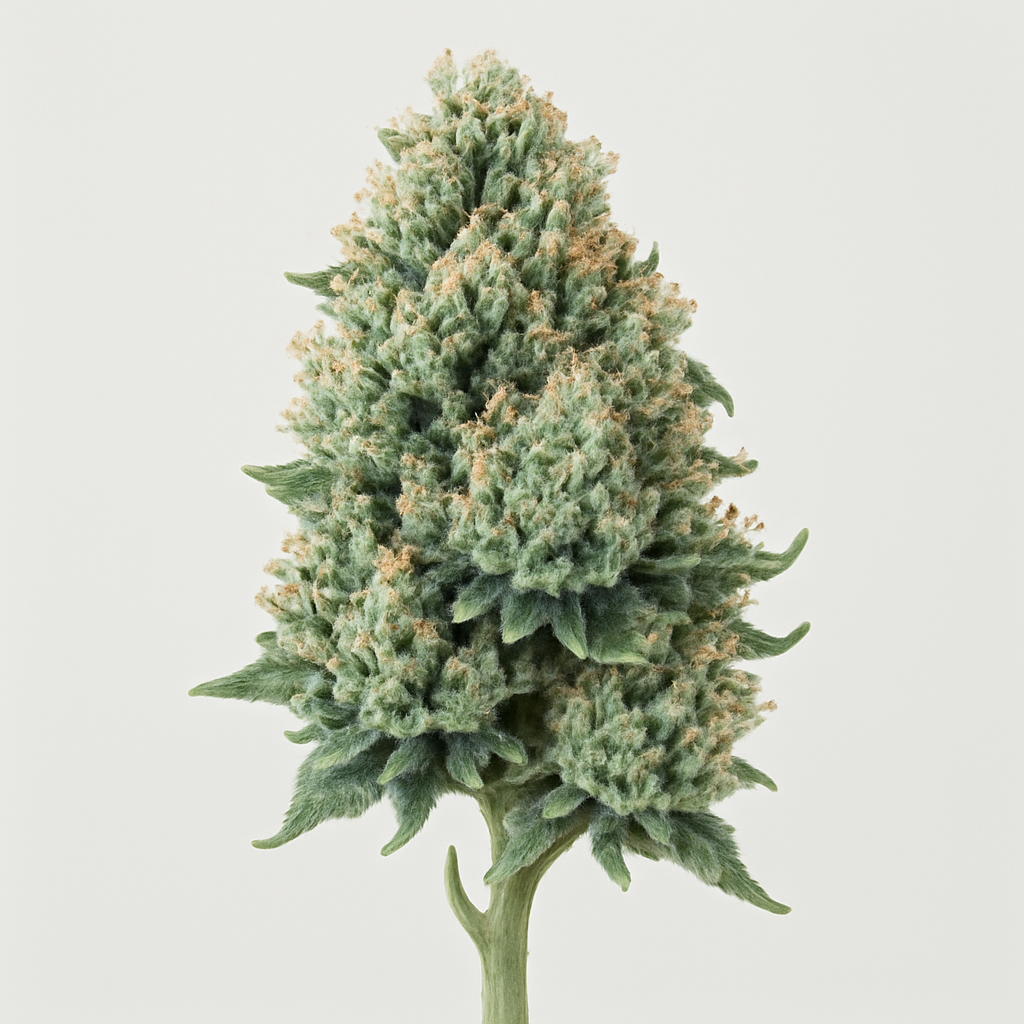
Finished flowers are commonly elongated and somewhat tapered, with calyxes that stack into spear-shaped colas rather than dense golf-ball nuggets. The color range usually centers on medium to deep green, though cooler finishes may bring out lighter frost and occasional muted purple tones in select phenotypes.
Orange to rust-colored pistils are often visible across the surface, especially when the buds are fully matured. Trichome coverage can be substantial, giving the flowers a crystalline sheen that complements the strain’s sharper aroma profile. Some expressions look looser and airier, while others tighten up into a more compact structure under strong light and disciplined feeding.
Effects & Use-Cases (Reported)
- Commonly reported effects: upbeat, mentally bright, alert, conversational, mildly relaxing
- Use-case context: often chosen for daytime sessions, creative tasks, social settings, or situations where users prefer a lighter physical finish
- Body character: typically present but not heavy, with a gentle easing quality rather than deep sedation
- Note: These observations are anecdotal and do not constitute medical claims.
Observational Note: The strain is frequently described as beginning with an active headspace before softening into a calmer, less tense body state. That progression is one reason it remains a familiar reference point for people who prefer sativa-leaning flowers that do not feel overly racy.
Potency Note: Well-grown examples can test at meaningful THC levels, so the effect may feel more intense than the strain’s legacy reputation suggests. Batch variation is common, especially across older cuts and different cultivation methods.
Aroma & Flavor Profile
- Aroma: pine-forward, diesel-like, earthy, citrus peel, sweet herb
- Flavor: lemon rind, skunk, green herb, pepper, woody fuel
- Aftertaste: lingering pine and spice with a dry, resinous finish
- Terpene associations: commonly aligned with Myrcene, Pinene, and Caryophyllene.
Searches for Alaska Thunder Fuck usually point to its pine-diesel aroma and lemon-pepper flavor, and that is exactly where the strain stands apart from sweeter modern hybrids. The sensory profile is brisk, woody, and slightly skunky, with a finish that feels classic rather than confectionary.
Tested Cannabinoid & Terpene Ranges
| Compound | Typical Range* | Notes |
|---|---|---|
| Δ⁹-THC | ~18–24% | Often potent enough to feel immediately active in the headspace. |
| CBD | <0.5% | Usually present only in trace amounts. |
| Myrcene | ~0.20–0.60% | Can add earthy depth and a slightly softer finish. |
| Pinene | ~0.15–0.45% | Frequently linked to the strain’s sharp pine character. |
| Caryophyllene | ~0.10–0.35% | May contribute pepper, spice, and dry fuel notes. |
*Ranges are estimates and may vary by phenotype, harvest timing, and testing methods.
Cultivation Notes
- Light Cycle: 18/6 for vegetative growth; 12/12 for flowering
- Humidity: Moderate, with lower humidity in late flower to protect resinous buds
- Stretch: Moderate to strong early-flower stretch
- Training: Responds well to topping, LST, and canopy leveling
- Odor Control: Recommended; the scent becomes pungent in mid to late bloom
- Harvest Window: Approximately 8–10 weeks indoors
Alaska Thunder Fuck generally rewards growers who keep the canopy open and avoid crowding the lower branches. Because of its sativa-leaning structure, airflow and support can matter as much as feeding strategy once flowers begin to stack. A careful dry and cure help preserve the sharp pine-and-fuel character that makes the cultivar recognizable.
Grower Notes (Week-by-Week Snapshot)
- Weeks 1–3: Rapid vertical growth begins, with long internodes and fast leaf production that may call for early training.
- Weeks 4–5: Flower sites establish, stretch becomes more obvious, and scent starts shifting toward pine and fuel.
- Weeks 6–8: Buds thicken and trichome coverage increases; careful humidity control becomes more important.
- Weeks 9–10: Final ripening sharpens aroma and resin production, with harvest timing guided by trichome maturity and desired effect profile.
Genetic Lineage
Alaska Thunder Fuck is best understood as a legacy selection rather than a cleanly documented modern breeder release. It is generally described as a sativa-dominant line with disputed parentage, and some accounts place it in a broader North American landrace-influenced context while others mention Afghan-related stock. Because the records are inconsistent, it is more accurate to treat the strain as a preserved old-school cultivar whose identity was shaped through long-term selection and regional circulation.
In practice, that lineage helps explain the strain’s personality: an active top-end effect, resinous flowers, and a terpene profile that leans piney, earthy, and fuel-heavy. Those traits fit the broader family of heritage sativas that were kept alive for flavor, vigor, and a recognizable high rather than for dessert-style novelty.
Research Insights
Alaska Thunder Fuck remains relevant because it occupies a different lane from the dominant modern dessert and cookie genetics that shape much of today’s market. For search intent, it attracts consumers who want a classic pine-fuel sativa, breeders looking for old-school vigor, and collectors interested in strains with a murky but culturally important history. Its continued visibility also shows how legacy cultivars survive through reputation, phenotype preservation, and repeated menu demand rather than through a single tidy origin story.
Frequently Asked Questions
Is Alaska Thunder Fuck a sativa or indica?
It is generally classified as a sativa-dominant hybrid. Most descriptions emphasize taller structure, brighter mental effects, and a lighter body finish than a classic indica.
What does Alaska Thunder Fuck taste like?
It usually tastes like pine, lemon peel, herbal skunk, and peppery fuel. The finish is often dry and resinous rather than sweet.
How long does Alaska Thunder Fuck take to flower?
Most indoor grows finish in approximately 8–10 weeks, though individual phenotypes and growing conditions can shift that window slightly.
Who bred Alaska Thunder Fuck?
The original breeder is not clearly documented. The strain is widely treated as a legacy cultivar with inconsistent historical records rather than a single officially archived release.
What makes this strain different from sweeter modern hybrids?
Its personality is more piney, fuel-forward, and old-school than candy-like. That classic terpene profile, along with its sativa structure, gives it a very different presence in both flower jars and garden rooms.
Educational Disclaimer: This page is provided strictly for scientific and horticultural reference. Cannabis cultivation, possession, and use are regulated by local laws. This content does not promote illegal activity or constitute medical advice. Always comply with applicable regulations in your jurisdiction.
Rate and review this strain
Ratings and reviews are accepted only from signed-in Google accounts.
Sign in with Google to leave a rating and written review.
Latest Reviews
0 reviewsNo reviews yet. Be the first Google user to rate and review this strain.