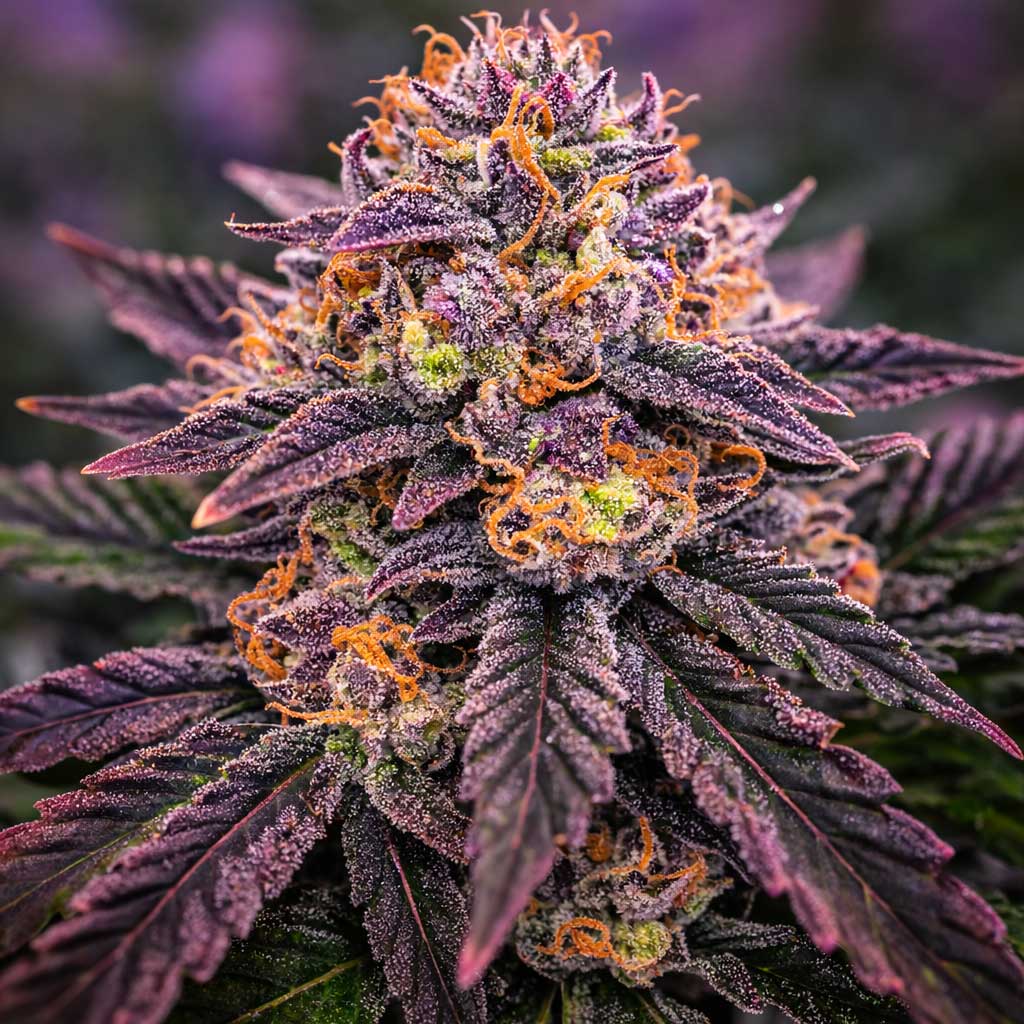
Pie Scream Cake (Cannabis Strain)
Pie Scream Cake, also known as Piescream Cake, is an elite indica-dominant hybrid cultivar, typically cited as 70% indica / 30% sativa. Developed through a high-profile collaboration between Mean Gene from Mendocino (Freeborn Selections) and Skunktek, this strain is widely recognized for its award-winning resin production and dessert-like aromatic profile blending creamy vanilla, tart cherries, and pungent gas.
Pie Scream has become a staple in modern horticultural discussions surrounding exotic terpene evolution. The information below is provided strictly for scientific and botanical reference.
Quick Facts
| Feature | Details |
|---|---|
| Genetics | Wedding Pie x (Gelato 33 x Cherry Limeade F5) |
| Variety | Indica-dominant hybrid (approx. 70% indica / 30% sativa) |
| Flowering Time | 8–10 weeks (56–70 days indoors) |
| Yield Potential | 400–500 g/m² (moderate) |
| Plant Height | 100–140 cm; medium-tall with significant lateral stretching |
| Climate Preference | Mediterranean / controlled indoor (requires low humidity in late flower) |
| Difficulty | Advanced (sensitive to nutrients and environmental fluctuations) |
Scientific & Botanical Overview
Bred by the pioneers at Freeborn Selections, Pie Scream represents a complex poly-hybrid stabilization. The plants are characterized by greasy resin, a cultivator term used to describe a high concentration of liquid-state terpenes and cannabinoids that make the buds feel oily to the touch.
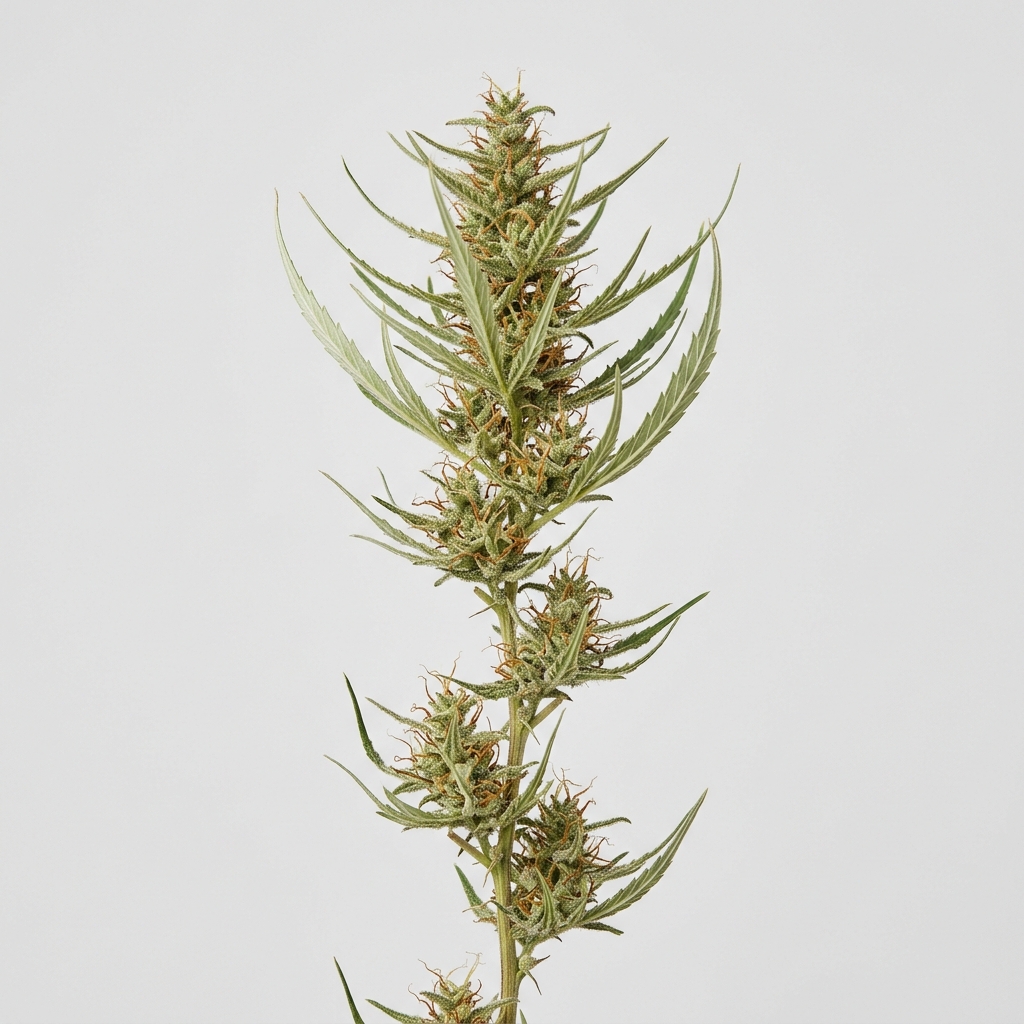
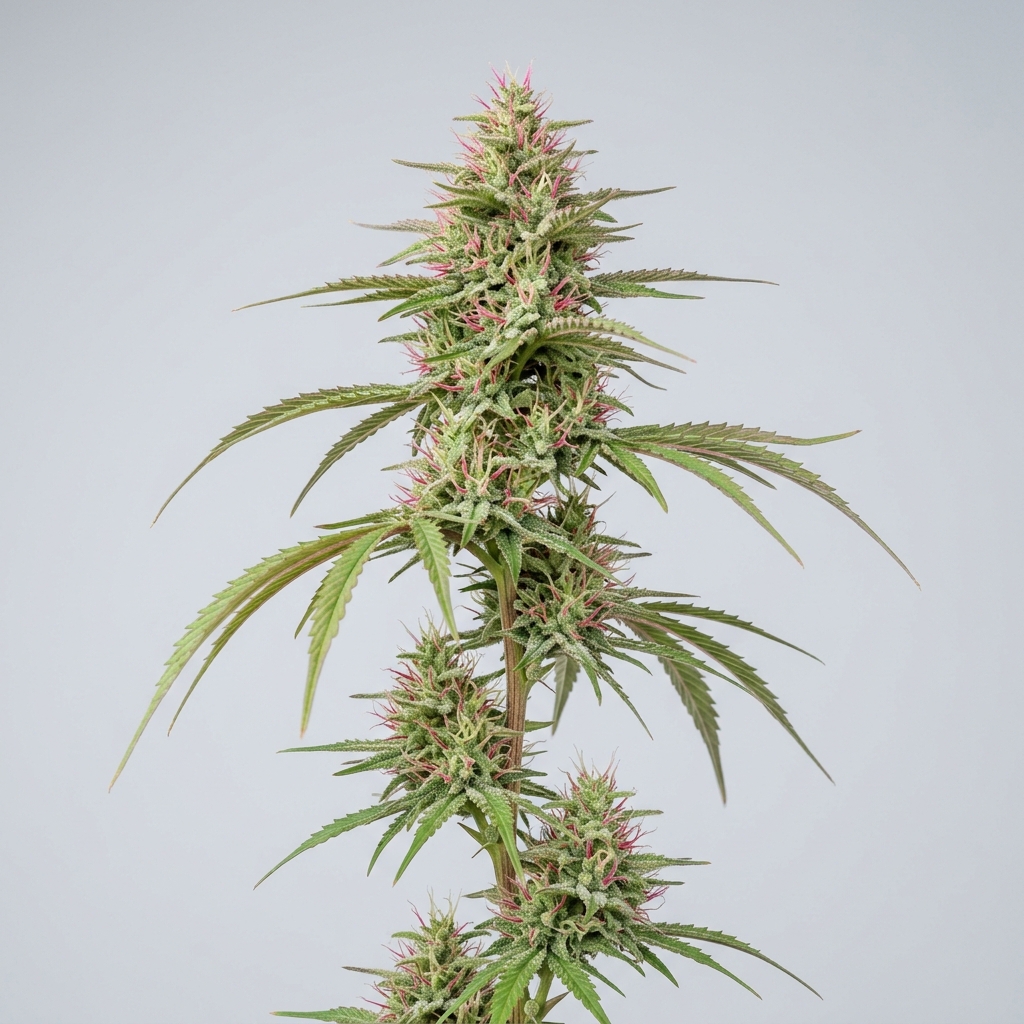
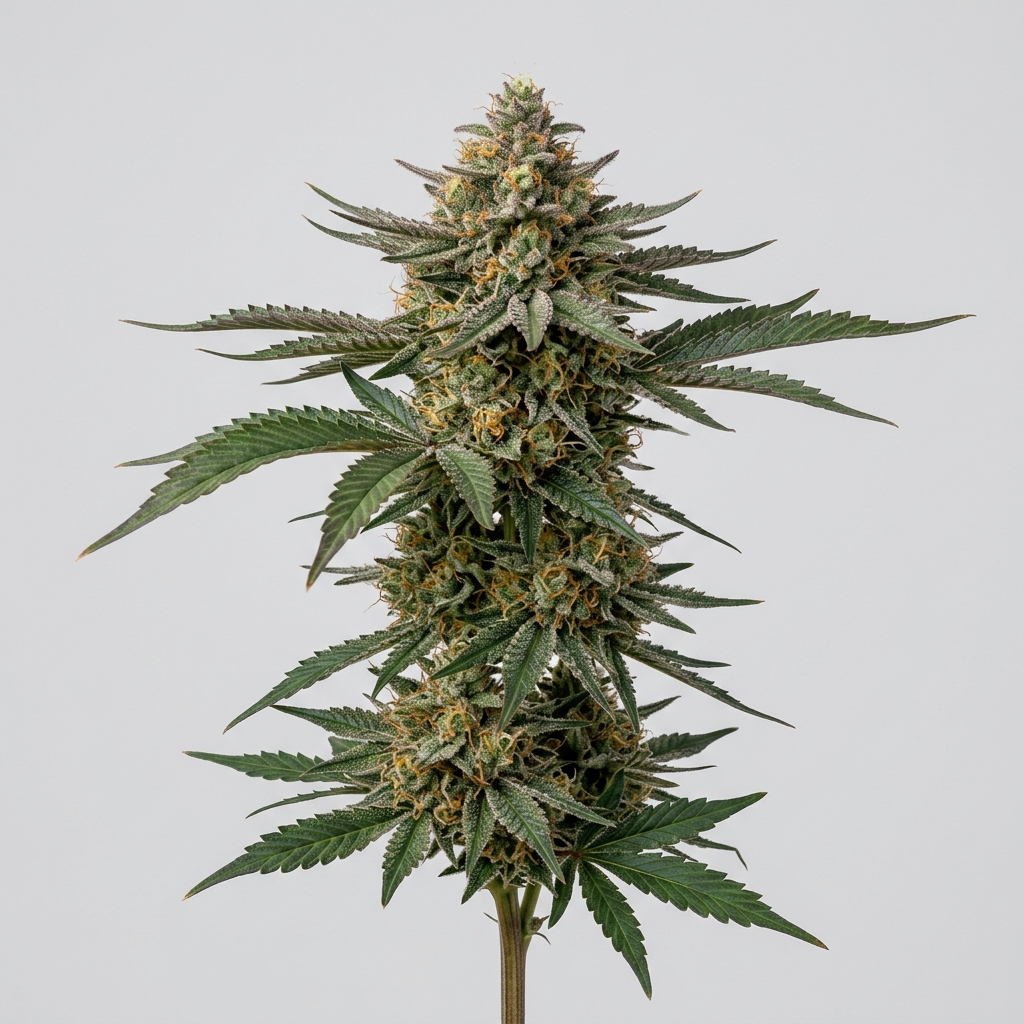
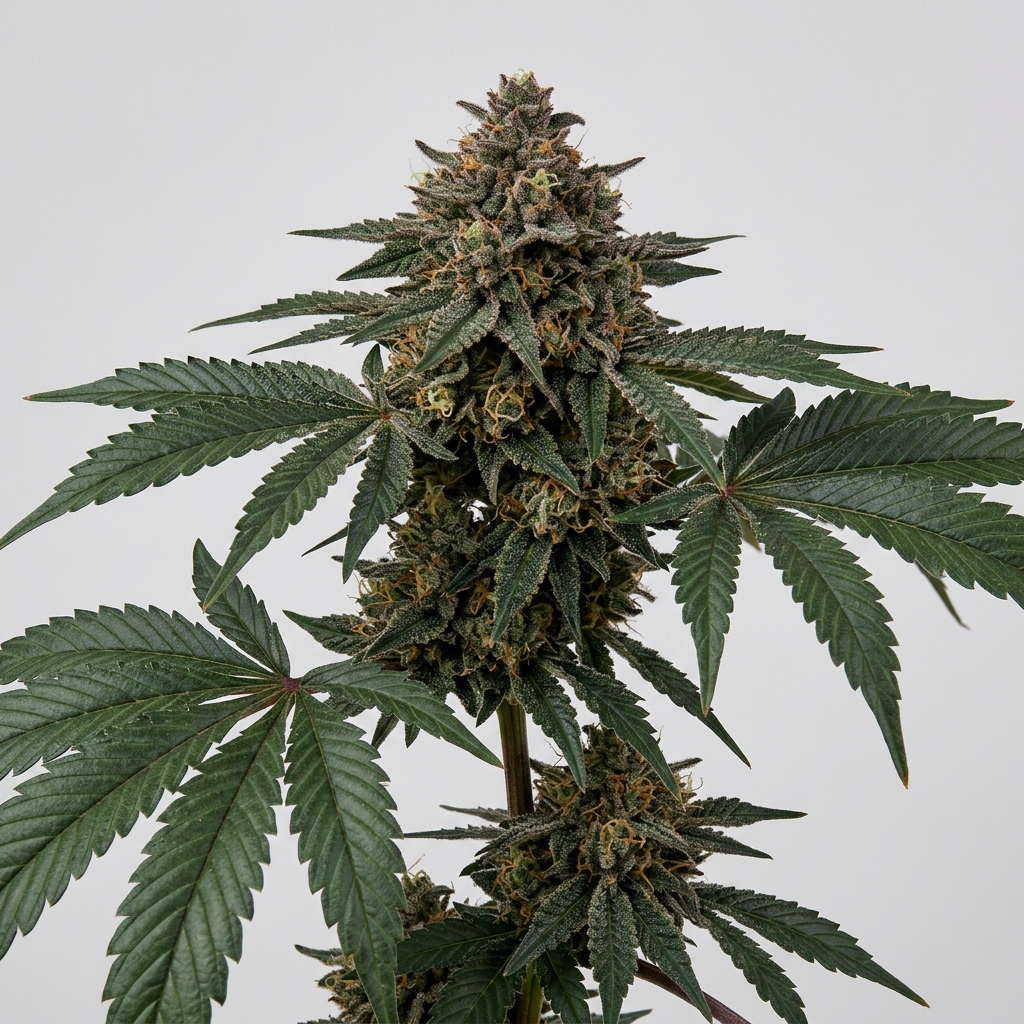
The morphology often displays deep forest greens contrasted by vivid violet sugar leaves. Because of its Cherry Limeade ancestry, the plant exhibits a unique serration pattern in its foliage and produces dense, golf-ball-sized clusters encased in a thick, amber-tinted trichome blanket.
Effects & Use-Cases (Reported)
Commonly reported effects: Initial cerebral euphoria, fits of giggles, heavy eyelid relaxation, and a profound increase in appetite, often described as a physical melting sensation.
Use-case context: Best suited for evening or nighttime use. It is highly valued by those seeking a heavy experience to unwind after high-stress activity and is frequently selected by concentrate makers due to its exceptional wash return and terpene retention in live rosin.
Note: These are observational reports, not medical claims. Outcomes are not guaranteed.
Aroma & Flavors
Aroma: A pungent, multi-layered bouquet featuring sour cherry, fermented dough, and a heavy chem or fuel-like finish that lingers in the room.
Flavor: Rich and velvety on the inhale with distinct notes of vanilla bean and toasted nutty crust, followed by a sharp, citrusy lime and skunk exhale.
Terpene associations: Limonene (dominant), Caryophyllene, Myrcene, and trace amounts of Ocimene.
Tested Cannabinoid & Terpene Ranges
| Compound | Typical Range* | Notes |
|---|---|---|
| Δ9-THC | ~24–33% | Extremely potent; known for a rapid onset and long duration. |
| CBD | ~0–0.5% | Negligible levels typical of modern high-THC exotics. |
| Limonene | ~0.6–1.2% | Provides the citrus pop and the initial euphoric head-rush. |
| Caryophyllene | ~0.5–0.9% | Contributes to the gas aroma and physical muscle relaxation. |
| Myrcene | ~0.3–0.7% | Enhances the sedative couch-lock potential in late stages. |
| Humulene | ~0.1–0.3% | Adds to the earthy, hoppy undertones of the pie crust flavor. |
*Ranges are literature- and lab-report-informed references and can differ with environment, harvest timing, and analytical methods.
Cultivation Notes
- Light Cycle: 18/6 vegetative; 12/12 flowering
- Humidity Targets: 45–55% in early flower; drop to 35–40% in final weeks to prevent botrytis in dense colas
- Nutrition: Prefers an organic-heavy regimen; can be sensitive to synthetic nitrogen spikes during the mid-flowering stage
- Training: High-stress training (HST) such as topping is recommended early to manage the stretch. Responds exceptionally well to scrogging (Screen of Green) to support heavy, resin-laden branches
- Harvest Window: Mid-to-late October outdoors (Northern Hemisphere)
Grower Notes (Week-by-Week Snapshot)
- Weeks 1–3 (The Stretch): Significant vertical growth; ensure adequate spacing between canopy and light source.
- Weeks 4–6: Resin production begins early; the greasy texture becomes apparent; odor control (carbon filters) is mandatory due to extreme pungency.
- Weeks 7–8: Calyxes swell and purple hues intensify if nighttime temperatures are lowered slightly.
- Weeks 9–10: Ripening; trichomes transition from clear to milky/amber. A longer flush is often recommended to smooth out the heavy fuel notes.
- Post-Harvest: A 14-day slow dry at 16 °C / 60% RH is critical to preserve the volatile Cherry Limeade top notes.
Genetic Lineage
Pie Scream is the result of crossing Wedding Pie with a male (Gelato 33 x Cherry Limeade F5). While Wedding Pie provides the structural integrity and berry-gas foundation, the Cherry Limeade F5 infusion from Mean Gene adds a rare, sharp citrus complexity and an elite resin quality highly sought after by professional hashishins and connoisseurs.
Research Insights
Recent interest in Pie Scream centers on its high Limonene-to-Caryophyllene ratio. Researchers studying the entourage effect suggest that Pie Scream’s ability to induce heavy physical relaxation while maintaining a giggly, social headspace may be linked to limonene modulating the more sedative properties of its indica-heavy lineage.
This makes it a primary candidate for discussions involving mood elevation paired with physical relaxation in botanical and terpene-focused research.
Frequently Asked Questions
Is Pie Scream an indica or sativa?
Pie Scream is an indica-dominant hybrid, usually cited in a 70/30 or 80/20 ratio.
What does Pie Scream taste like?
It is commonly described as tasting like creamy vanilla ice cream, tart cherries, and funky, gaseous diesel.
How potent is Pie Scream?
Pie Scream is considered very potent. With THC levels often exceeding 28%, it is regarded as one of the stronger dessert-style strains on the market.
Is Pie Scream hard to grow?
Yes. It is generally considered an advanced strain because of its specific environmental needs and the precision required during drying and curing to maintain flavor quality.
Educational Disclaimer
This page is provided for scientific and horticultural reference only. Cannabis laws vary by jurisdiction, so always ensure compliance with local regulations.
Rate and review this strain
Ratings and reviews are accepted only from signed-in Google accounts.
Sign in with Google to leave a rating and written review.
Latest Reviews
0 reviewsNo reviews yet. Be the first Google user to rate and review this strain.