Cherry Chino (Cannabis Strain) — Strainpedia
Cherry Chino is a sophisticated dessert-style hybrid cannabis cultivar often described as a balanced 50% Indica and 50% Sativa. The strain is created by crossing the fruit-forward Cherry Pie with Chino, a cultivar commonly associated with Kush Mints or Gelato-derived genetics.
Known for its café-inspired aromatic profile and creamy terpene expression, Cherry Chino has gained popularity among craft cultivators for its distinctive “Cherry Macchiato” flavor. The information below is provided strictly for scientific and horticultural reference.
Quick Facts
| Genetics | Cherry Pie x Chino (lineage may vary by breeder) |
|---|---|
| Variety | Hybrid (Approx. 50% Indica / 50% Sativa) |
| Flowering Time | 8–9 weeks (56–63 days indoors) |
| Yield Potential | 450–500 g/m² (Moderate to High) |
| Plant Height | 100–140 cm; sturdy mid-sized structure |
| Climate Preference | Temperate / Controlled indoor environments |
| Difficulty | Intermediate |
Strain Classification
| Type | Balanced Hybrid |
|---|---|
| Genetic Family | Cherry / Cream Hybrid Lineage |
| Primary Terpenes | Limonene, Caryophyllene, Myrcene, Linalool |
| Breeding Lineage | Cherry Pie x Chino |
Scientific & Botanical Overview
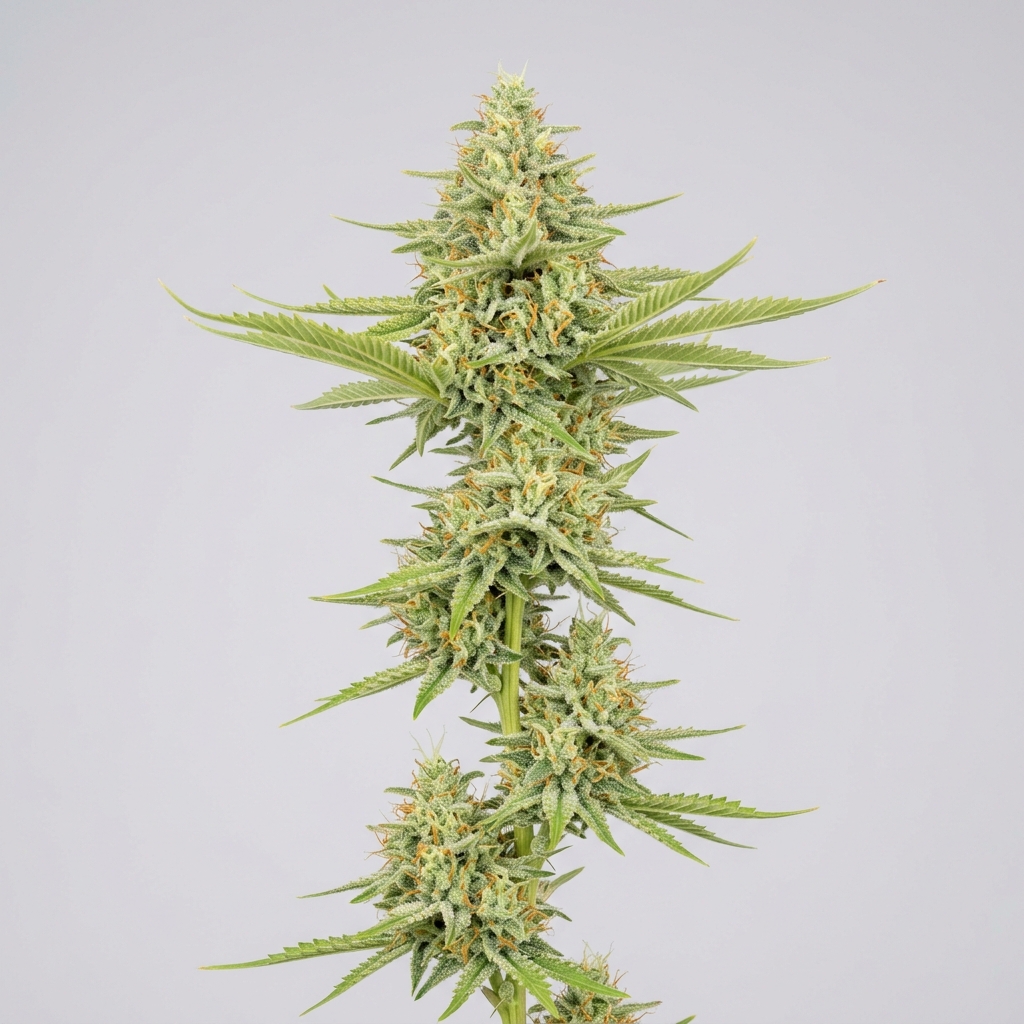
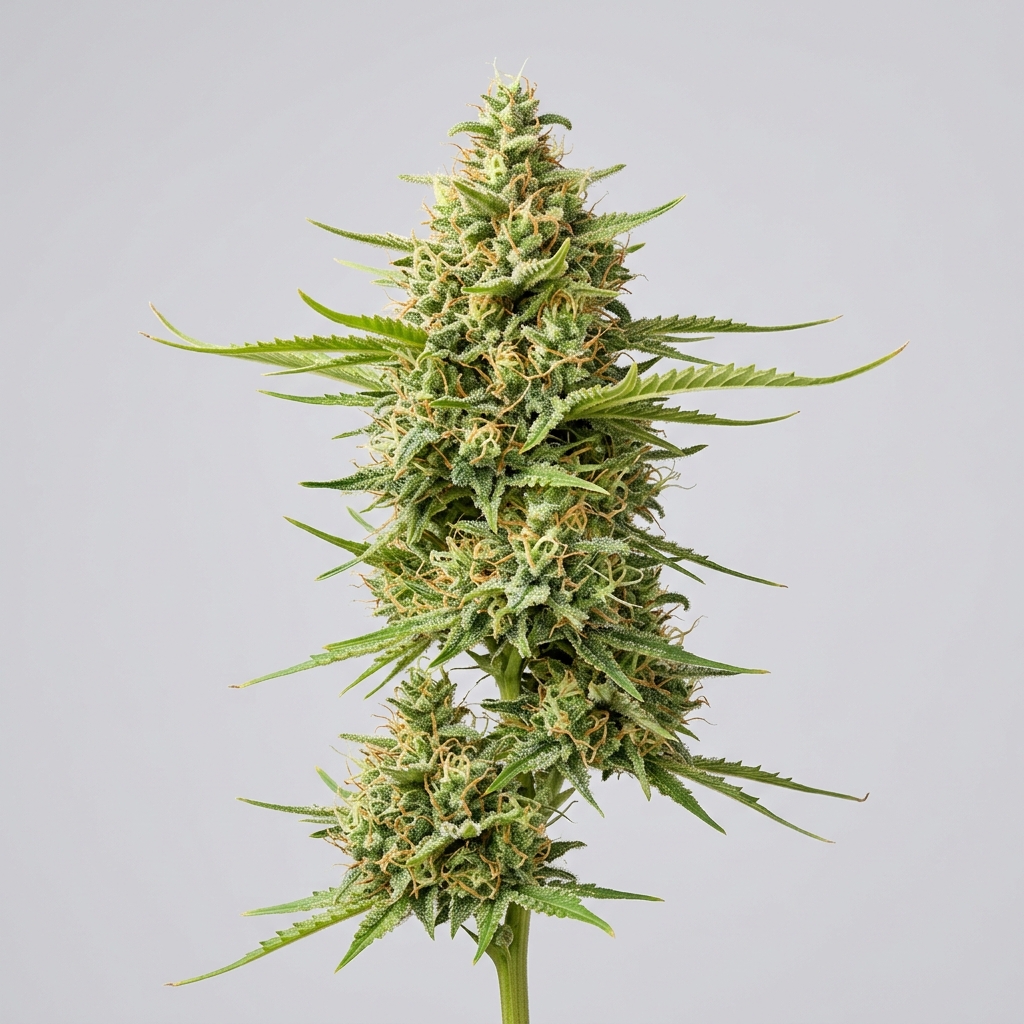
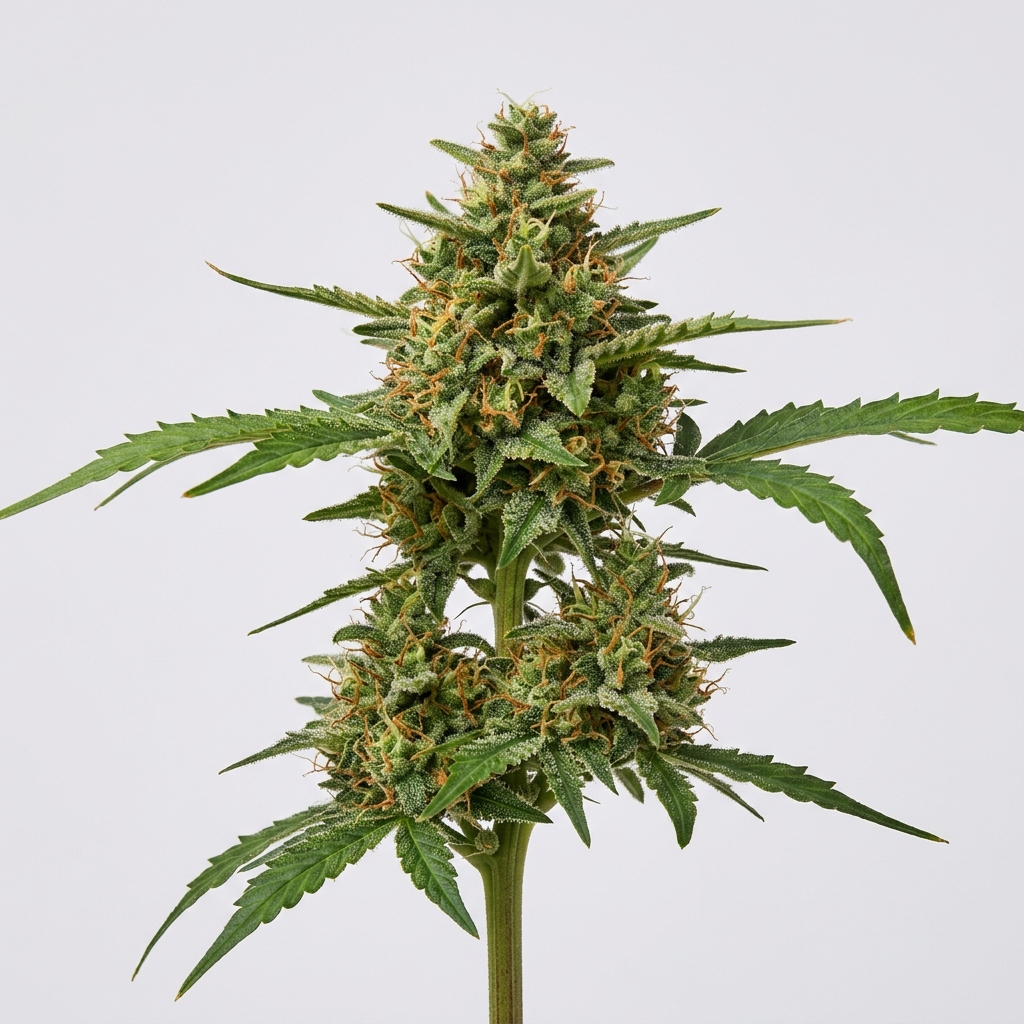
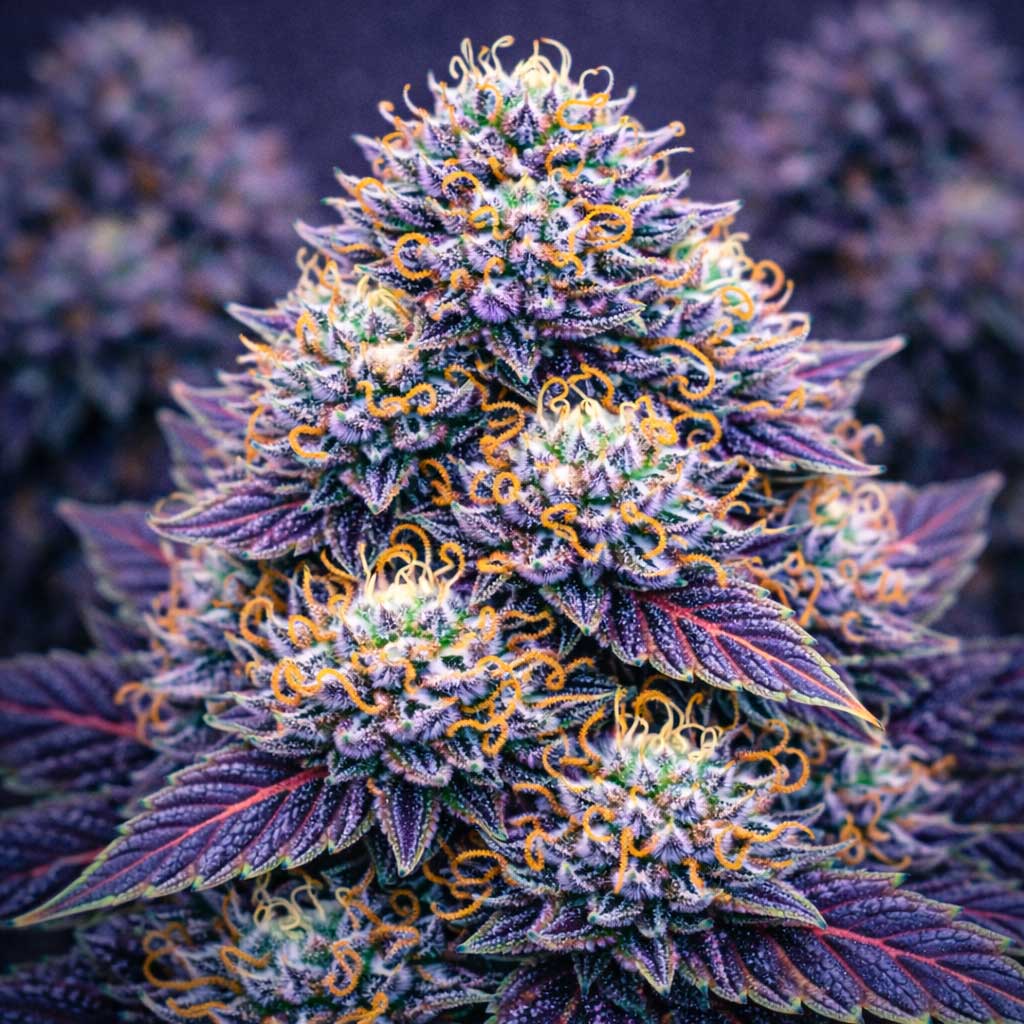
Cherry Chino plants typically exhibit a symmetrical growth pattern with thick branches capable of supporting dense flowers. The buds are chunky and resin-rich, developing a frosted appearance as trichomes accumulate during late flowering.
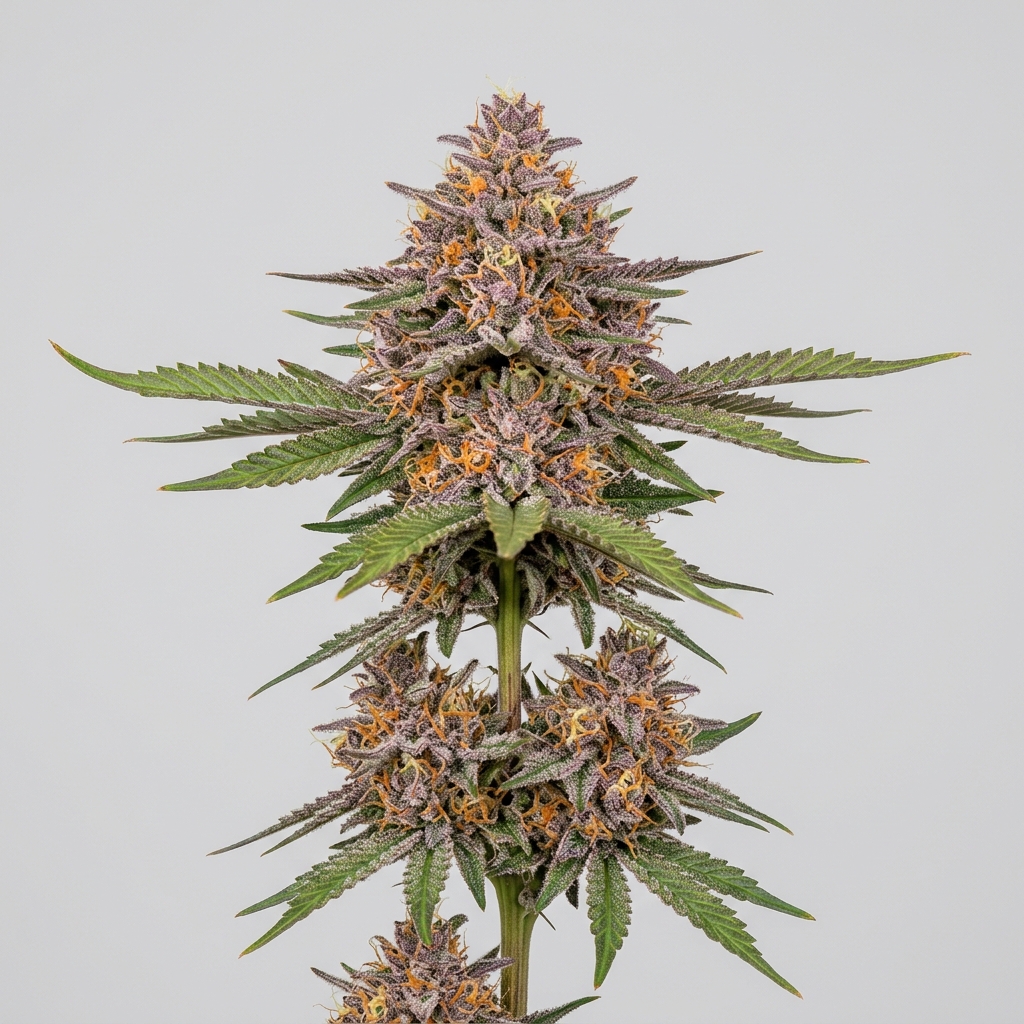
The coloration commonly includes olive green calyxes accented by lavender, purple, or maroon hues along the sugar leaves. Botanically, the strain is recognized for producing volatile aromatic esters that contribute to its creamy flavor and smooth smoke profile.
Appearance
The flowers of Cherry Chino are compact and dense, often covered in thick trichome layers that give the buds a sparkling appearance. Bright orange pistils weave through the buds while purple highlights occasionally develop during the final flowering stages.
Effects & Use-Cases (Reported)
- Commonly reported effects: gentle mood elevation combined with smooth physical relaxation.
- Use-case context: frequently selected for afternoon relaxation, creative tasks, or calm social activities.
- Note: These observations are anecdotal and do not represent medical claims.
Aroma & Flavor Profile
- Aroma: sweet cherry pastry, toasted hazelnut, creamy vanilla, and roasted coffee notes.
- Flavor: cherry syrup and steamed milk on the inhale followed by nutty cappuccino-like undertones.
- Terpene associations: Limonene (dominant), Caryophyllene, Myrcene, Linalool.
Tested Cannabinoid & Terpene Ranges
| Compound | Typical Range* | Notes |
|---|---|---|
| Δ⁹-THC | ~20–24% | Moderate-to-high potency typical of modern hybrid cultivars. |
| CBD | ~0.1–0.5% | Generally present in trace concentrations. |
| Limonene | ~0.5–0.9% | Associated with citrus brightness and mood elevation. |
| Caryophyllene | ~0.4–0.7% | Contributes spicy depth and nutty aromatic complexity. |
| Myrcene | ~0.3–0.6% | Supports physical relaxation and earthy undertones. |
| Linalool | ~0.1–0.3% | Adds subtle floral softness to the terpene profile. |
*Ranges represent literature-informed estimates and may vary depending on phenotype, cultivation conditions, and laboratory analysis.
Cultivation Notes
- Light Cycle: 18/6 vegetative growth followed by 12/12 flowering.
- Humidity Targets: Around 50% during vegetative growth and 40–45% during flowering.
- Nutrition: Moderate feeding schedule with additional magnesium support during mid-flower.
- Training Techniques: Topping or mainlining helps maintain an even canopy.
- Harvest Window: Early October for outdoor cultivation in the Northern Hemisphere.
Grower Notes (Week-by-Week Snapshot)
- Weeks 1–2: Moderate stretch as the plant establishes its flowering structure.
- Weeks 3–4: Early trichome production with sweet fruit and nut aromas emerging.
- Weeks 5–6: Bud density increases while resin production peaks.
- Weeks 7–8: Color fade may reveal lavender or maroon hues.
- Week 9: Ripening stage with mature terpene expression.
Genetic Lineage
Cherry Chino combines the fruity sweetness of Cherry Pie with the creamy complexity of Chino. Cherry Pie contributes stone-fruit aromas and stable hybrid structure, while the Chino lineage introduces roasted, nutty, and dessert-like flavor characteristics.
Research Insights
The terpene interaction between Limonene and Caryophyllene is often discussed in relation to balanced hybrid experiences. Limonene may contribute uplifting sensory effects, while Caryophyllene may provide grounding qualities that support calm focus.
Frequently Asked Questions
Does Cherry Chino taste like coffee?
Many descriptions compare its flavor profile to a cherry-flavored coffee beverage due to its roasted and creamy terpene notes.
Is Cherry Chino related to Kush Mints?
Many Chino phenotypes are connected to Kush Mints or Gelato genetics, which contribute the creamy dessert-style flavor.
Is it suitable for daytime use?
Yes, its balanced hybrid nature makes it suitable for daytime or afternoon relaxation without heavy sedation.
Is it difficult to cultivate?
It is considered moderately challenging and benefits from stable environmental conditions to maximize terpene expression.
Educational Disclaimer: This page is provided strictly for scientific and horticultural reference. Cannabis cultivation, possession, and use are regulated by local laws. This content does not promote illegal activity or constitute medical advice. Always comply with applicable regulations in your jurisdiction.
Rate and review this strain
Ratings and reviews are accepted only from signed-in Google accounts.
Sign in with Google to leave a rating and written review.
Latest Reviews
0 reviewsNo reviews yet. Be the first Google user to rate and review this strain.