Cherry Starfruit (Cannabis Strain) — Strainpedia
Cherry Starfruit is a modern hybrid cannabis cultivar commonly described as a balanced 50/50 hybrid. The strain merges the rich dessert-like sweetness of Cherry Pie with the tropical complexity of Starfruit genetics, producing plants with exceptional resin production and a layered fruit-forward terpene profile.
Cherry Starfruit is frequently recognized for its vibrant aroma combining tart cherries with tropical citrus notes reminiscent of starfruit (carambola). In cultivation and botanical discussions, it is often highlighted for its dense trichome coverage and balanced effects. The information below is provided strictly for scientific and horticultural reference.
Quick Facts
| Genetics | Cherry Pie x Starfruit (lineage may vary by breeder) |
|---|---|
| Variety | Hybrid (Approx. 50% Indica / 50% Sativa) |
| Flowering Time | 8–9 weeks (56–63 days indoors) |
| Yield Potential | 450–500 g/m² (Moderate to High) |
| Plant Height | 100–140 cm; balanced, spruce-like structure |
| Climate Preference | Temperate / Controlled Indoor |
| Difficulty | Intermediate |
Strain Classification
| Type | Balanced Hybrid |
|---|---|
| Genetic Family | Cherry / Tropical Fruit Hybrid |
| Primary Terpenes | Myrcene, Limonene, Caryophyllene, Ocimene |
| Breeding Lineage | Cherry Pie x Starfruit |
Scientific & Botanical Overview
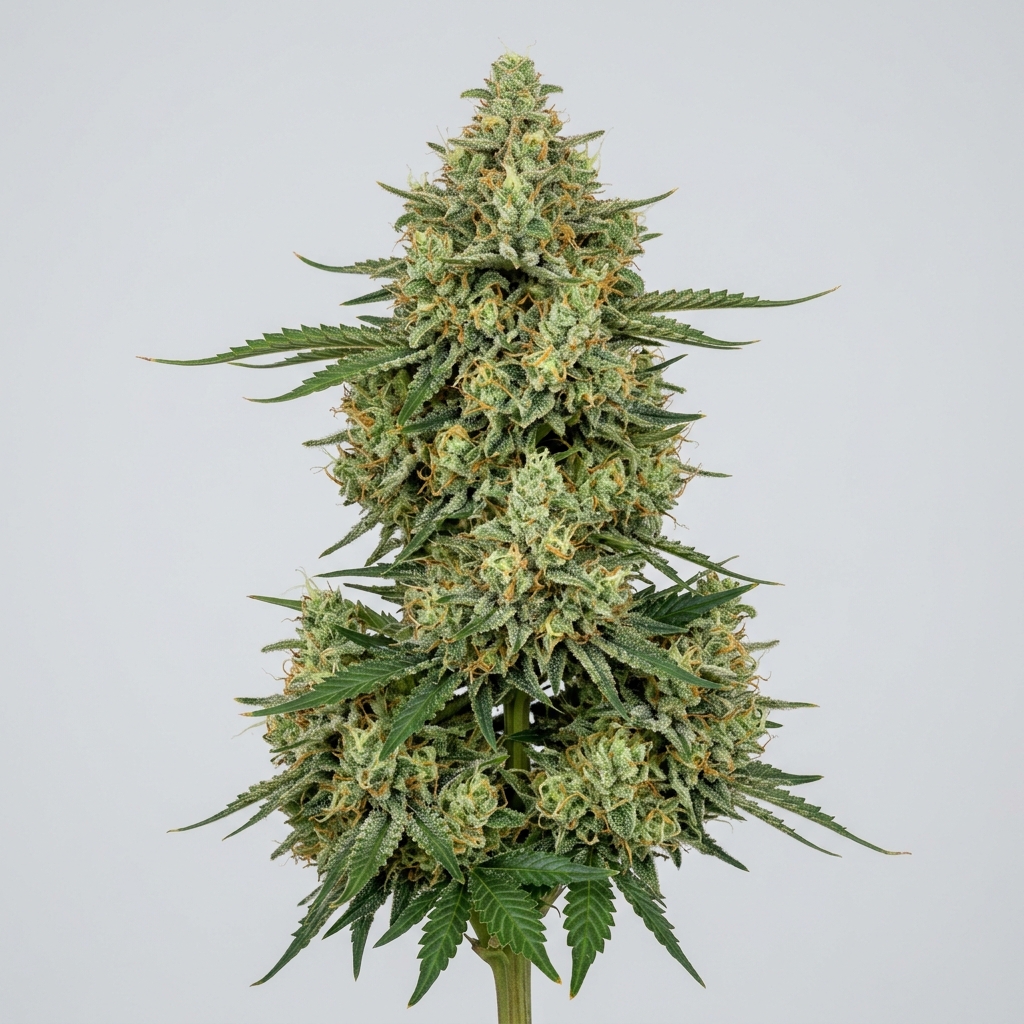
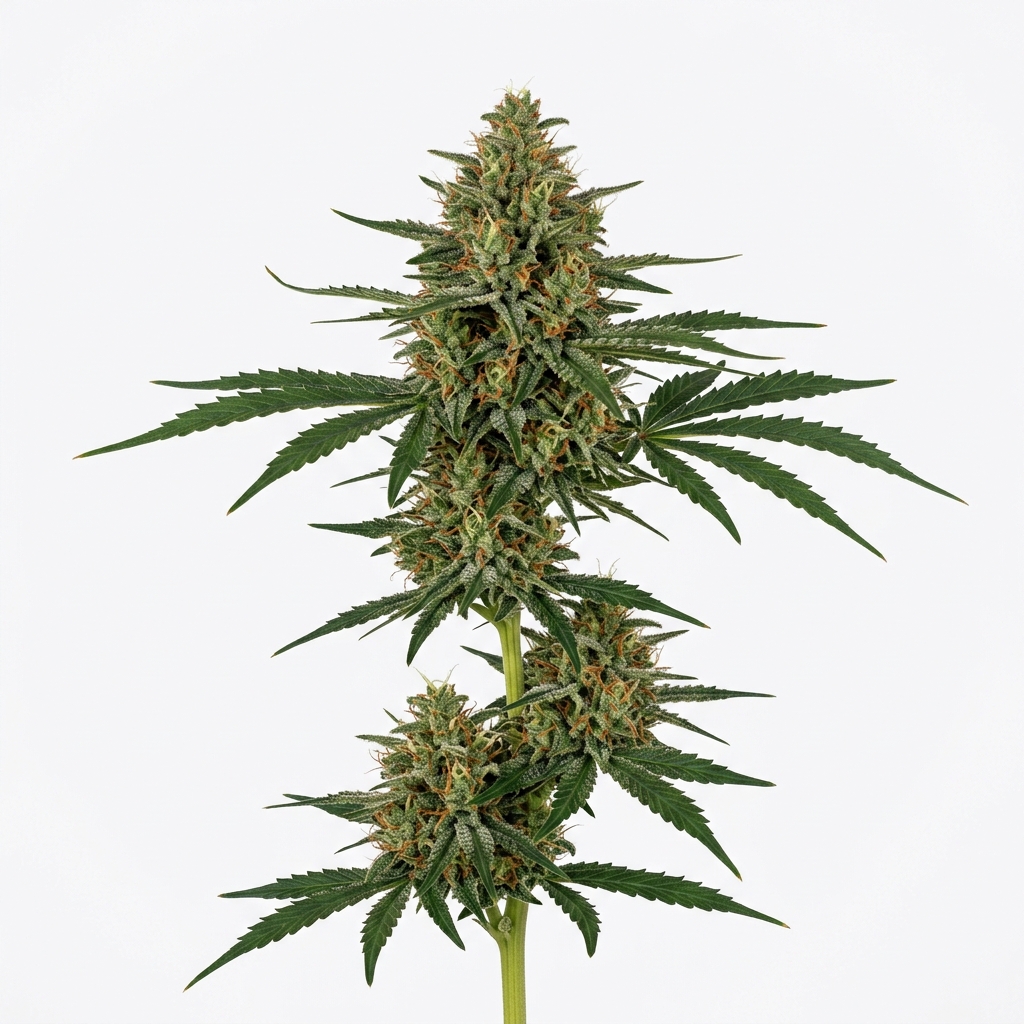
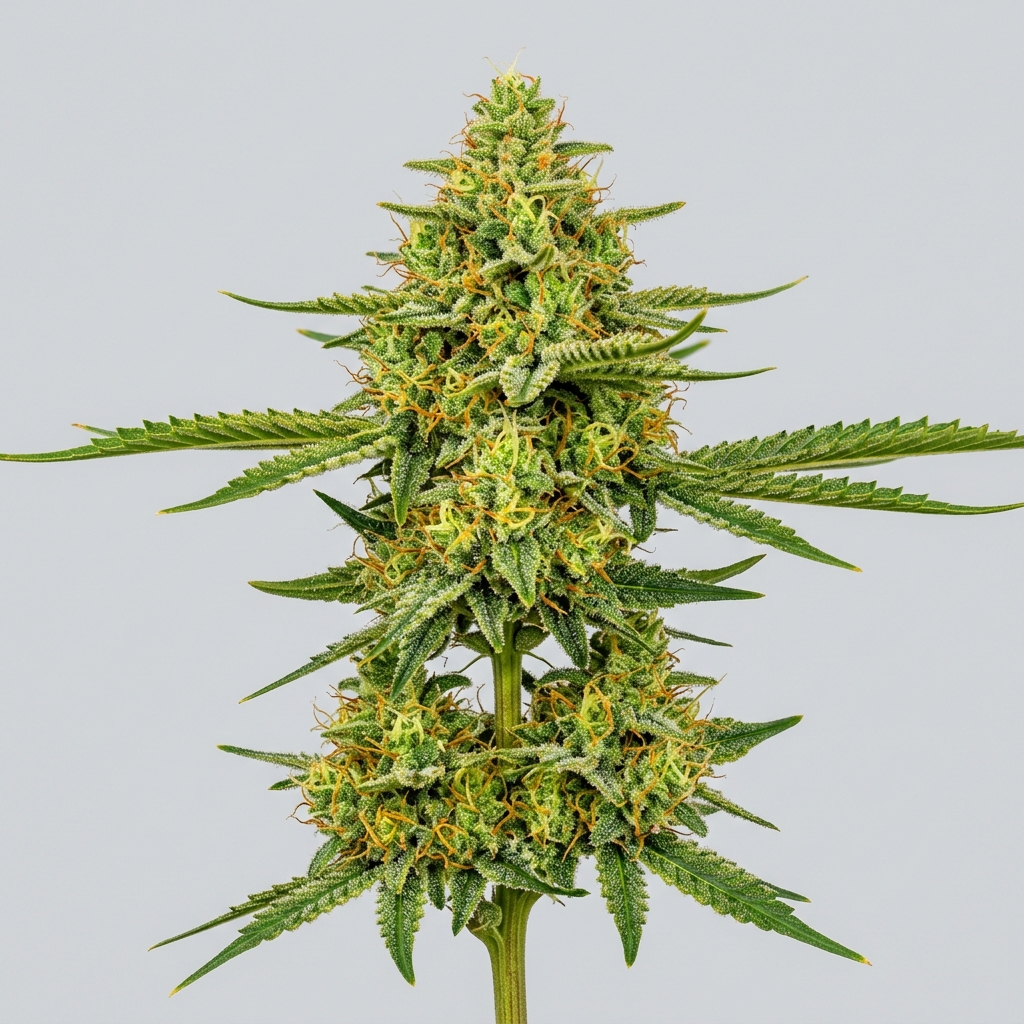
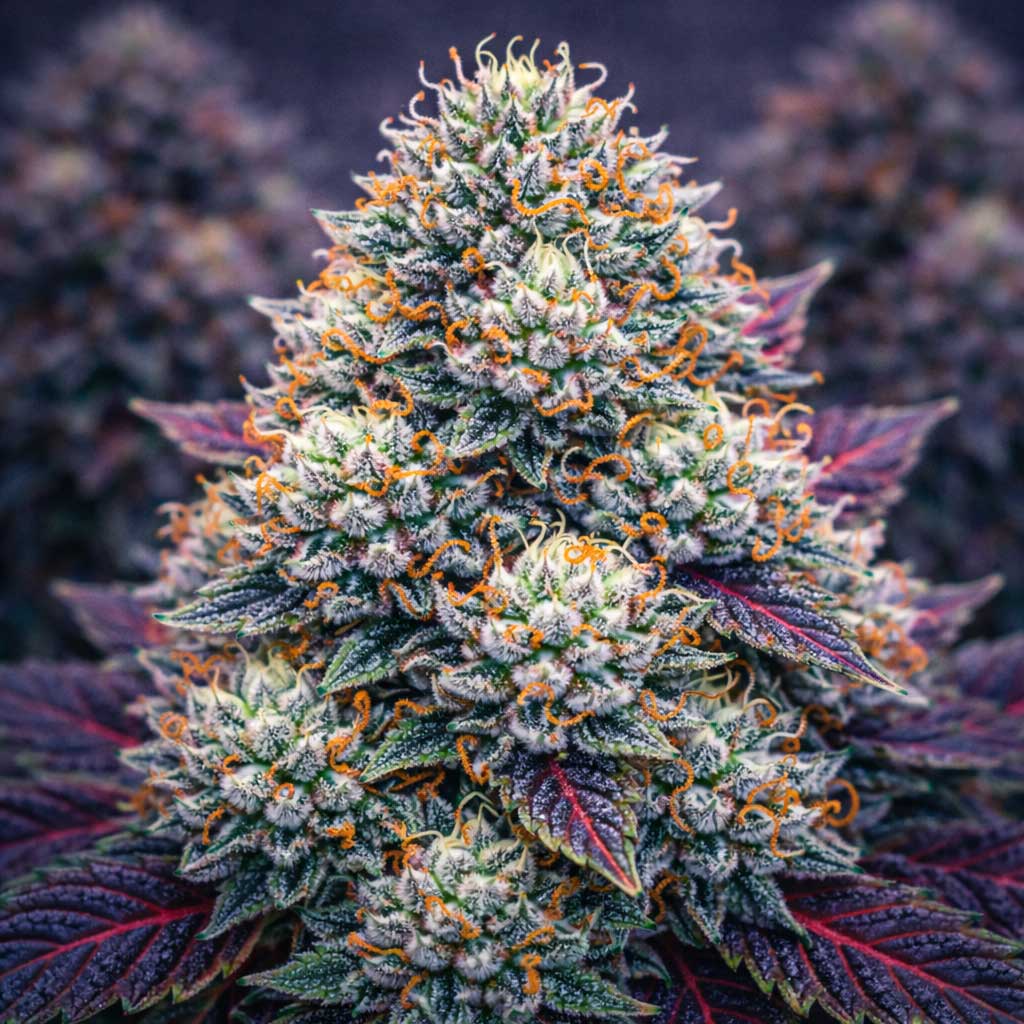
Cherry Starfruit plants typically exhibit a symmetrical “spruce-like” structure with a dominant central cola and well-developed lateral branching. Internodal spacing tends to be relatively short, allowing buds to form dense clusters along each branch.
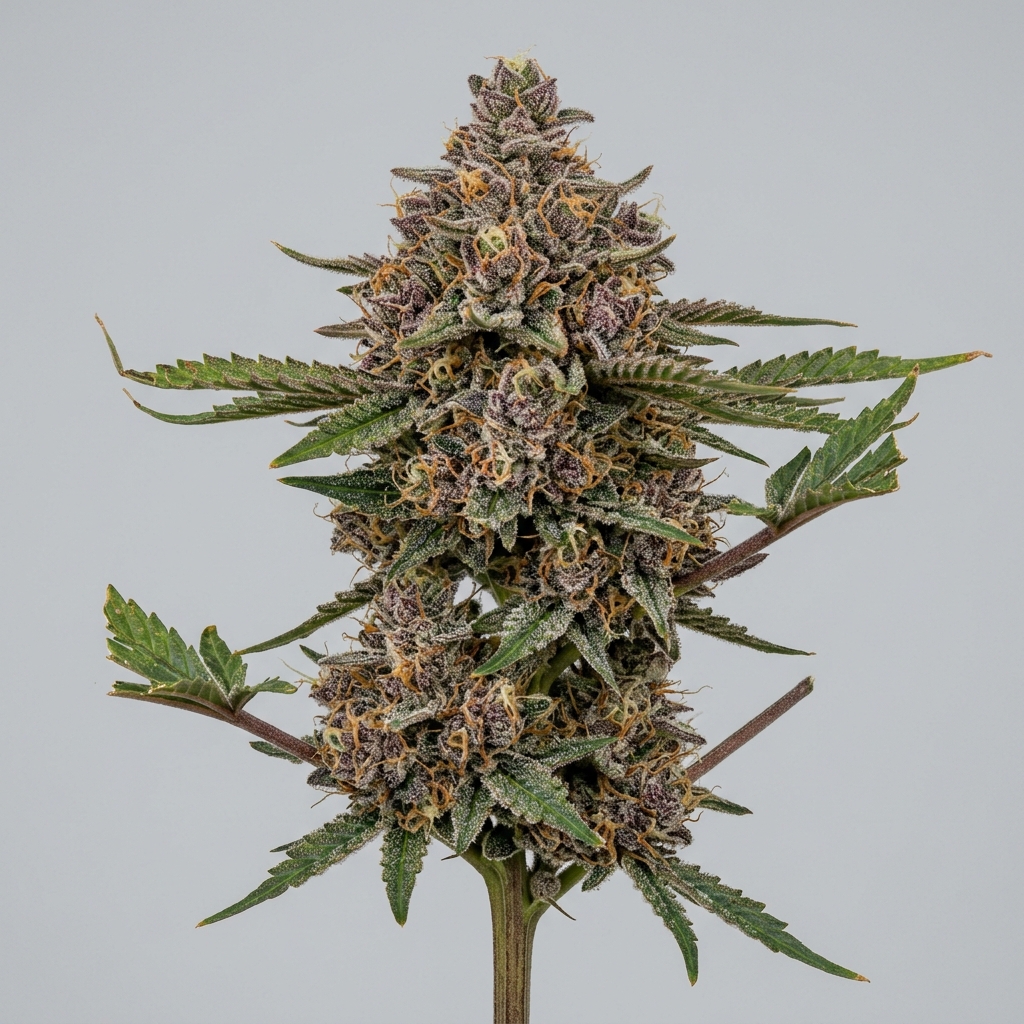
The flowers are known for their shimmering resin coverage due to abundant capitate-stalked trichomes. Leaves are usually a deep glossy green and may develop subtle purple hues in cooler flowering environments. The influence of the Starfruit parent can also introduce slightly broader leaf morphology compared to traditional Cherry-line hybrids.
Appearance
Cherry Starfruit buds are medium to large and heavily frosted with trichomes, often appearing wet or crystalline under light. Bright orange pistils contrast against lime-green flowers, while occasional purple accents may develop during late flowering stages.
Effects & Use-Cases (Reported)
- Commonly reported effects: uplifting mental clarity, balanced euphoria, and mild body relaxation.
- Use-case context: often selected for creative activities, social environments, or daytime productivity.
- Note: These descriptions reflect anecdotal observations and are not medical claims.
Aroma & Flavor Profile
- Aroma: sweet cherries, tropical starfruit, papaya, citrus, and subtle earth.
- Flavor: bright citrus inhale with tropical berry sweetness followed by a creamy, slightly herbal finish.
- Terpene associations: Myrcene (dominant), Limonene, Caryophyllene, Ocimene.
Tested Cannabinoid & Terpene Ranges
| Compound | Typical Range* | Notes |
|---|---|---|
| Δ⁹-THC | ~22–26% | High potency with balanced delivery. |
| CBD | ~0.1–0.5% | Typically present only in trace amounts. |
| Myrcene | ~0.6–0.9% | Provides earthy base and mild relaxation. |
| Limonene | ~0.4–0.7% | Responsible for citrus aroma and uplifting qualities. |
| Caryophyllene | ~0.3–0.5% | Adds spicy complexity and depth. |
| Ocimene | ~0.1–0.3% | Contributes sweet tropical and herbal notes. |
*Ranges are literature-informed estimates and may vary based on phenotype, growing environment, and laboratory analysis.
Cultivation Notes
- Light Cycle: 18/6 vegetative; 12/12 flowering.
- Humidity Targets: 50–55% during vegetative growth and 40–45% during flowering.
- Nutrition: Balanced mineral feeding and silica supplementation can support heavy colas.
- Training Techniques: Topping and low-stress training (LST) help develop a wider canopy.
- Harvest Window: Late September to early October outdoors in Northern Hemisphere climates.
Grower Notes (Week-by-Week Snapshot)
- Weeks 1–2: Moderate stretch with development of strong central leader.
- Weeks 3–4: Early trichome production appears on sugar leaves.
- Weeks 5–6: Rapid bud expansion and stronger tropical aromas.
- Weeks 7–8: Trichomes become milky and terpene expression peaks.
- Week 9: Final ripening stage with slight amber trichome development.
Genetic Lineage
Cherry Starfruit originates from a cross between Cherry Pie and a Starfruit lineage. Cherry Pie contributes dessert-like berry sweetness and hybrid stability, while the Starfruit parent introduces tropical citrus terpenes and increased resin production typical of boutique modern cultivars.
Research Insights
The terpene Ocimene present in Cherry Starfruit is commonly associated with tropical aromatic profiles. Botanical research suggests Ocimene may play a role in plant defense mechanisms while contributing uplifting sensory characteristics when combined with limonene-rich terpene expressions.
Frequently Asked Questions
What does Cherry Starfruit smell like?
Most descriptions mention a blend of tart cherries, citrus, tropical fruit, and light herbal notes.
Is Cherry Starfruit good for daytime use?
It is often described as a balanced hybrid suitable for daytime creativity or social activities.
How long does Cherry Starfruit take to flower?
Typical flowering time is approximately 8–9 weeks when grown indoors.
Does Cherry Starfruit produce a lot of resin?
Yes. Many cultivators report heavy trichome production, making it visually frosty and aromatic.
Educational Disclaimer: This page is provided strictly for scientific and horticultural reference. Cannabis cultivation, possession, and use are regulated by local laws. This content does not promote illegal activity or constitute medical advice. Always comply with applicable regulations in your jurisdiction.
Rate and review this strain
Ratings and reviews are accepted only from signed-in Google accounts.
Sign in with Google to leave a rating and written review.
Latest Reviews
0 reviewsNo reviews yet. Be the first Google user to rate and review this strain.