Cherry Ember (Cannabis Strain) — Strainpedia
Cherry Ember is a high-potency hybrid cannabis cultivar recognized for its striking visual presentation and an intense “cherry-gas” aromatic profile. Although relatively rare, it has gained traction in premium craft markets for producing a heavy-hitting yet comparatively mentally clear experience. The information provided below is intended strictly for scientific, botanical, and horticultural reference.
Quick Facts
| Genetics | Often associated with Cherry Kush x an undisclosed high-THC parent |
|---|---|
| Variety | Hybrid (Approx. 50% Indica / 50% Sativa) |
| Flowering Time | 8–10 weeks (56–70 days indoors) |
| Yield Potential | 450–550 g/m² (Moderate to High) |
| Plant Height | 100–140 cm; medium, sturdy structure with heavy lateral branching |
| Climate Preference | Mediterranean / Temperate; prefers controlled humidity |
| Difficulty | Intermediate |
Strain Classification
| Type | Hybrid |
|---|---|
| Genetic Family | Cherry-leaning Hybrid (craft-market phenotype group) |
| Primary Terpenes | Myrcene, Limonene, Caryophyllene, Pinene |
| Breeding Lineage | Cherry Kush x (Undisclosed High-THC Parent) |
Scientific & Botanical Overview
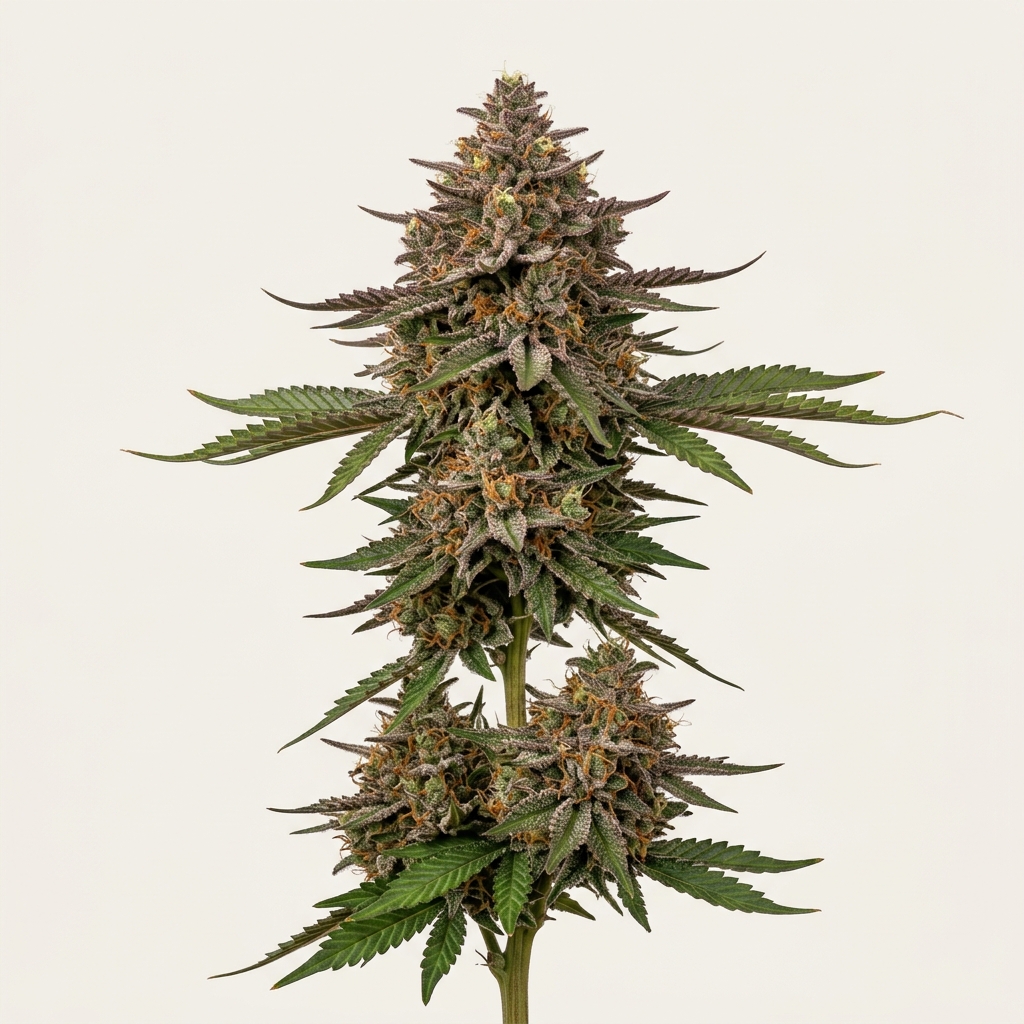
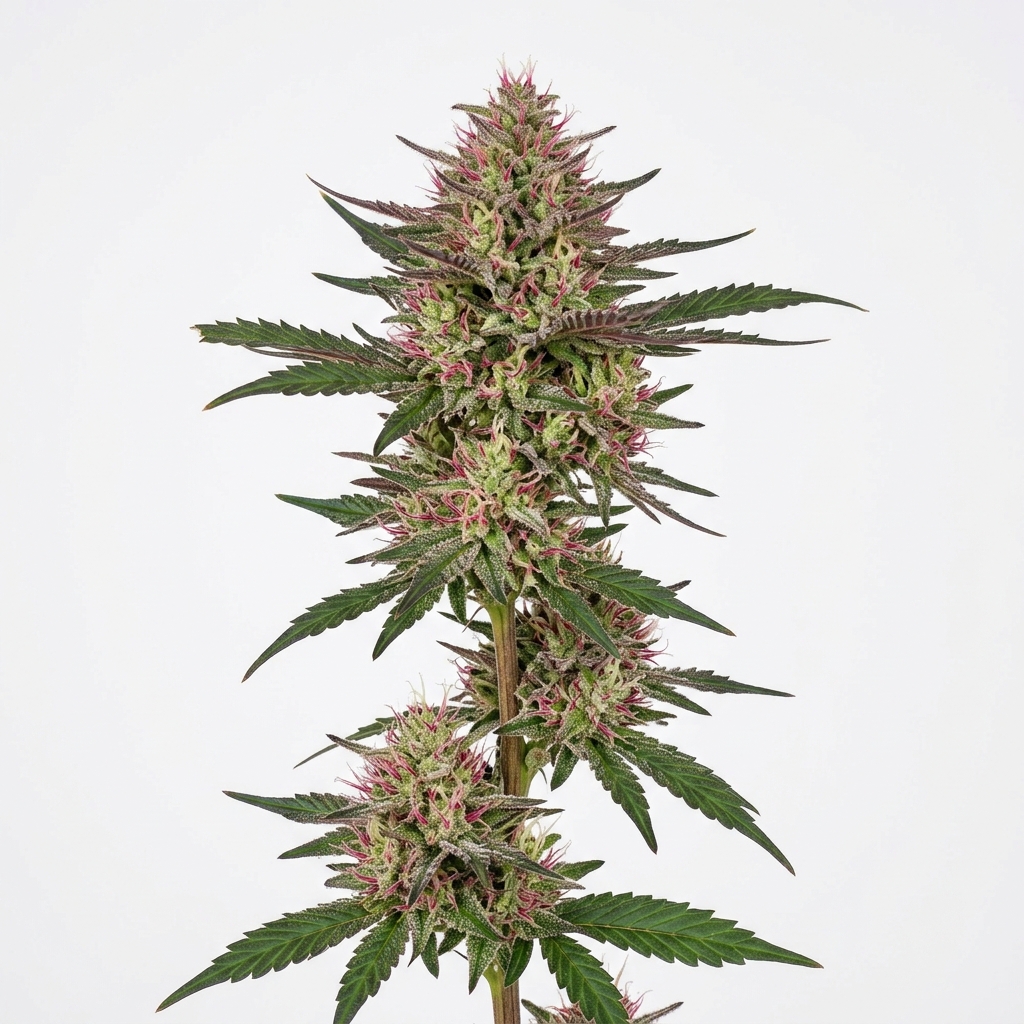
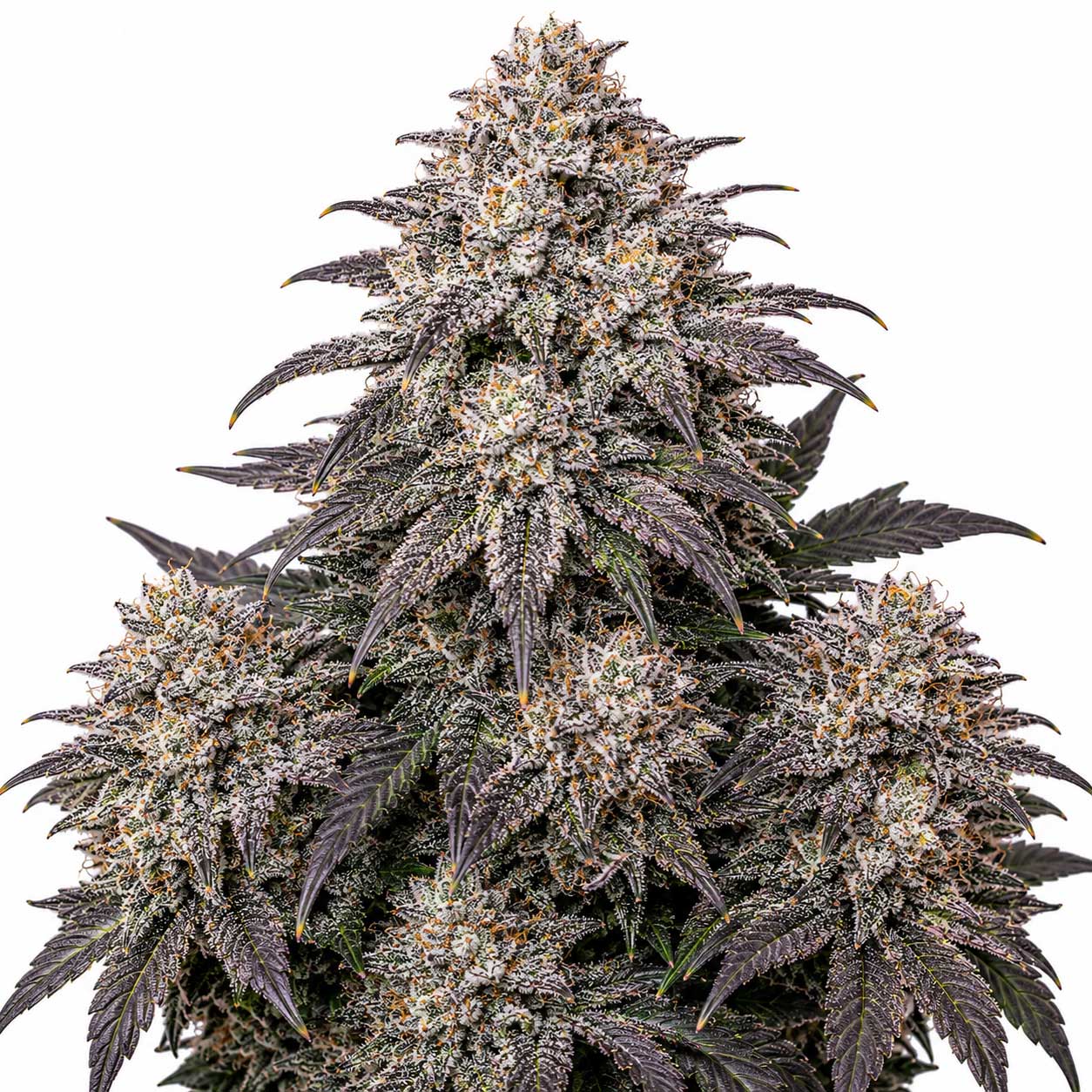
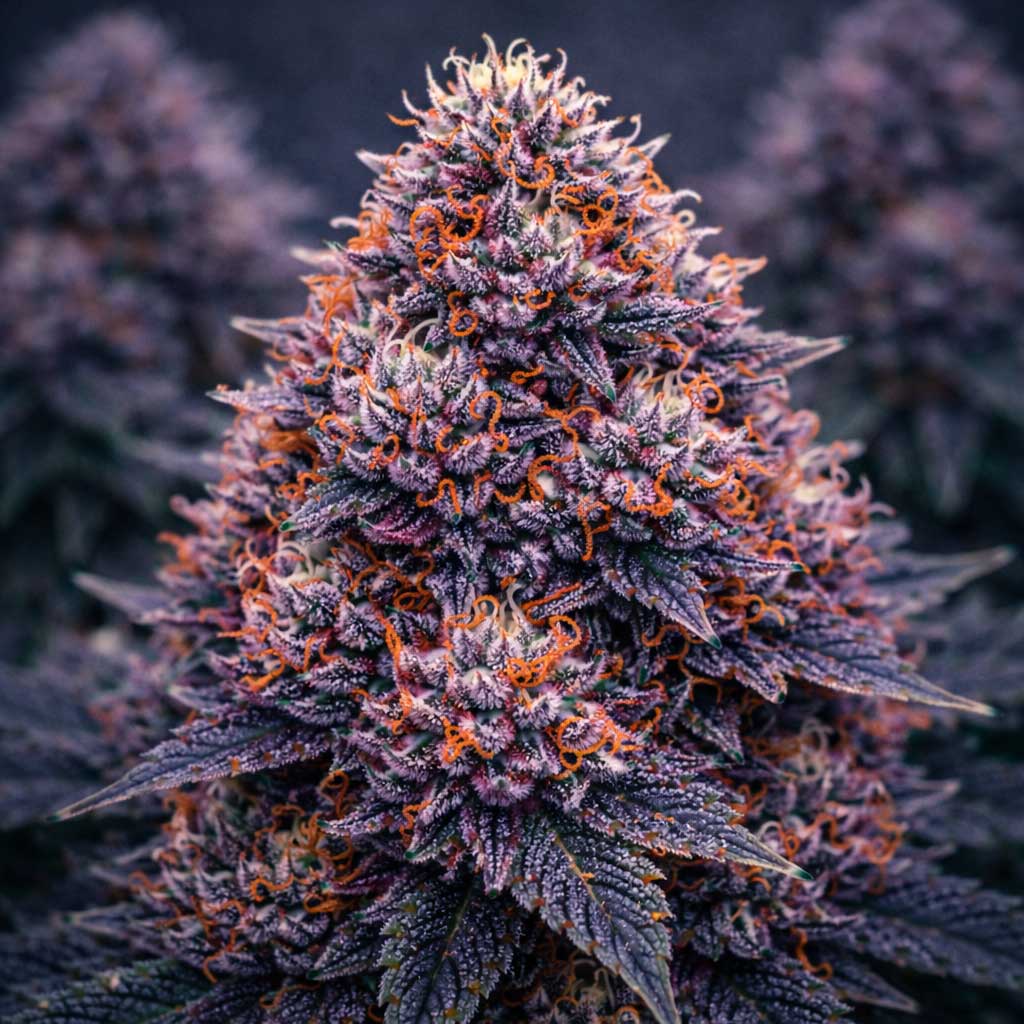
Cherry Ember is distinguished by extreme resin density and vibrant coloration. Plants commonly produce dense, forest-green flowers accented by deep violet to “ember” purple hues. In many phenotypes, the surface can appear nearly white due to a thick coating of crystalline trichomes.
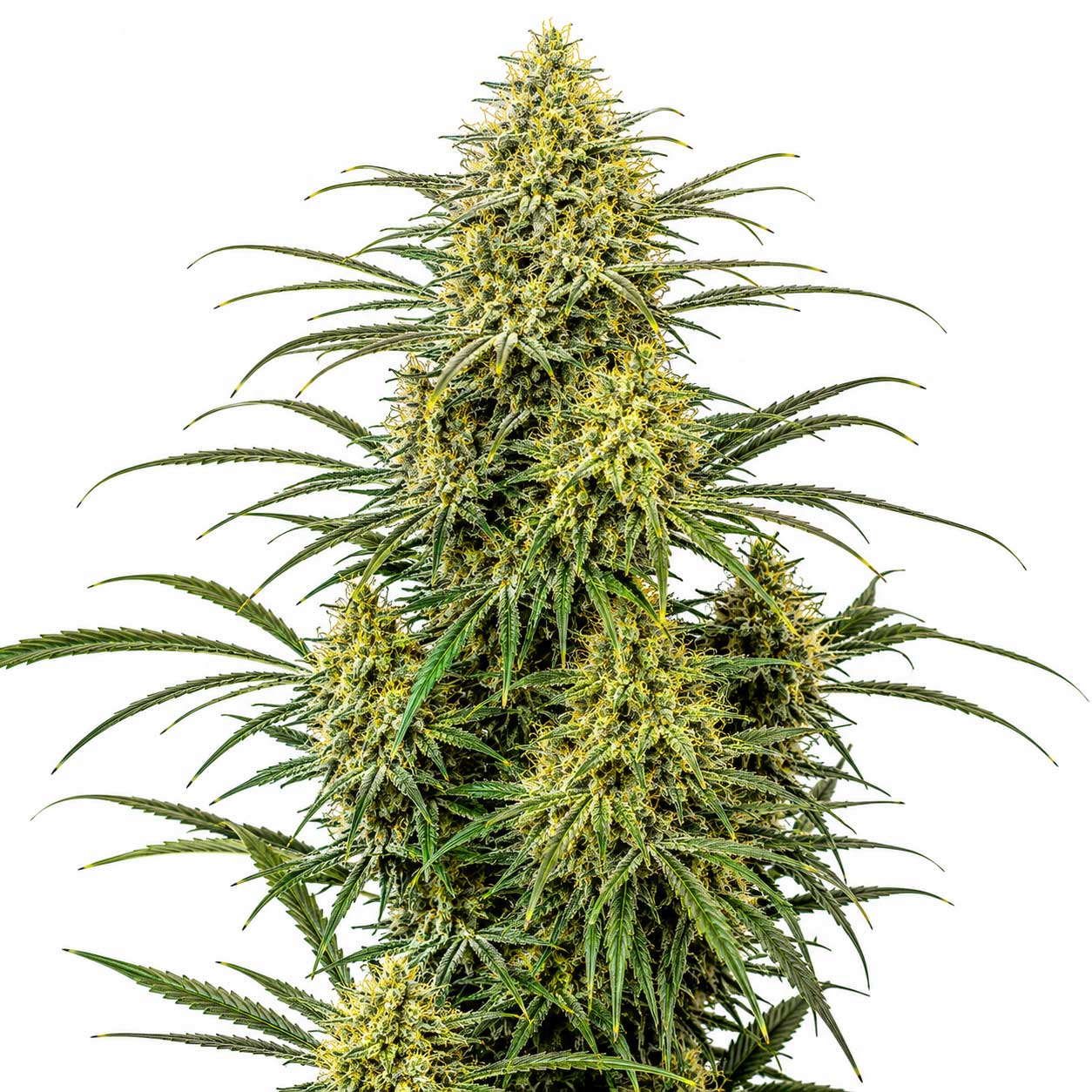
Structurally, the cultivar is often described as bushy and robust with heavy lateral branching, suggesting a stabilized hybrid architecture optimized for cannabinoid output. It is frequently noted for high secondary metabolite production and a notably sticky texture during late flowering and harvest handling.
Appearance
Flowers are typically compact and resin-heavy with pronounced trichome coverage. Coloration commonly includes deep greens with purple or reddish “ember” tones near maturity. Orange pistils contrast against dark tissue, while the trichome layer produces a frosted, high-contrast finish.
Effects & Use-Cases (Reported)
- Commonly reported effects: profound euphoria, an uplifting cerebral spark, and warm body relaxation often described as “happy” and “tranquil.”
- Use-case context: frequently described as versatile but leaning toward social relaxation or creative sessions where focus is desired without excessive mental tension.
- Note: These descriptions reflect observational reports and anecdotal experiences and do not constitute medical claims. Individual responses may vary.
Aroma & Flavor Profile
- Aroma: maraschino cherry sweetness layered with burnt fuel/diesel; broken flower may release fermented fruit and damp-earth notes.
- Flavor: tart cherries and berries on inhale, transitioning to a smooth, spicy, slightly nutty exhale with a lingering diesel finish.
- Terpene associations: Myrcene (dominant), Limonene, Caryophyllene, Pinene.
Tested Cannabinoid & Terpene Ranges
| Compound | Typical Range* | Notes |
|---|---|---|
| Δ⁹-THC | ~27–31% | Frequently reported in ultra-high potency tiers; may vary by batch and testing method. |
| CBD | ~0.1–0.2% | Typically minimal. |
| Myrcene | ~0.6–1.0% | Associated with earthy depth and a heavier physical relaxation profile. |
| Limonene | ~0.4–0.8% | Often linked to bright, citrus-like lift and aromatic sharpness. |
| Caryophyllene | ~0.2–0.5% | Adds spicy, fuel-like complexity and aromatic depth. |
| Pinene | ~0.1–0.4% | Contributes crisp, pine-like brightness and top-note clarity. |
*Ranges represent literature-informed and lab-report-informed references and can vary based on phenotype selection, environment, harvest timing, and analytical methods.
Cultivation Notes
- Light Cycle: 18/6 vegetative; 12/12 flowering.
- Humidity Targets: 50–60% RH in veg; ~40% RH in the final 2 weeks of bloom to reduce mold risk in dense colas.
- Nutrition: Often described as a heavier feeder; many growers report strong results with high-quality organic inputs and a mid-to-late bloom P-K emphasis.
- Training Techniques: Responsive to SCROG (Screen of Green) and structured canopy methods (e.g., mainlining) to improve light distribution and flower-site development.
- Harvest Window: Late October outdoors (Northern Hemisphere).
Grower Notes (Week-by-Week Snapshot)
- Weeks 1–2 (Transition): Moderate stretch; early canopy shaping and leaf-tucking may improve airflow and light penetration.
- Weeks 3–5: Flower sites develop rapidly; cherry-forward aromatics begin to emerge. Maintain steady airflow.
- Weeks 6–8: Calyxes swell and resin density increases; “ember” coloration may intensify with cooler night temperatures.
- Weeks 9–10: Ripening phase; harvest timing is often guided by trichome maturity (clear → milky → amber).
- Post-Harvest: Slow drying and extended curing are commonly recommended to preserve the gas-cherry terpene balance.
Genetic Lineage
Cherry Ember is generally believed to involve Cherry Kush paired with an undisclosed high-potency parent—often speculated to be a Diesel- or Gelato-leaning selection—intended to elevate resin production and potency ceilings while maintaining a cherry-forward aromatic base. Exact parentage may vary depending on producer or phenotype line.
Research Insights
The combination of Myrcene with measurable Pinene is frequently discussed as a potential contributor to the “functional tranquility” reported by some users—where deep physical relaxation is described alongside comparatively preserved mental clarity. Terpene ratios and cannabinoid content can vary substantially by phenotype and cultivation environment.
Frequently Asked Questions
How potent is Cherry Ember?
Cherry Ember is often reported in ultra-high THC ranges (commonly above ~27%), though results can vary by batch, phenotype, and laboratory testing methodology.
What makes Cherry Ember different from other cherry strains?
It is commonly described as more fuel-forward (“cherry-gas”) than bakery-leaning cherry cultivars, with heavier pungent diesel notes layered over tart fruit.
Does Cherry Ember turn purple?
Many phenotypes can develop deep purple or ember-toned coloration, especially when late-flower temperature differentials are introduced.
Is Cherry Ember suitable for daytime use?
Despite hybrid classification, its reported potency can be heavy for some individuals. It is frequently described as better suited for late afternoon or evening contexts.
Educational Disclaimer: This page is provided strictly for scientific and horticultural reference. Cannabis cultivation, possession, and use are regulated by local laws. This content does not promote illegal activity or constitute medical advice. Always comply with regulations in your jurisdiction.
Rate and review this strain
Ratings and reviews are accepted only from signed-in Google accounts.
Sign in with Google to leave a rating and written review.
Latest Reviews
0 reviewsNo reviews yet. Be the first Google user to rate and review this strain.