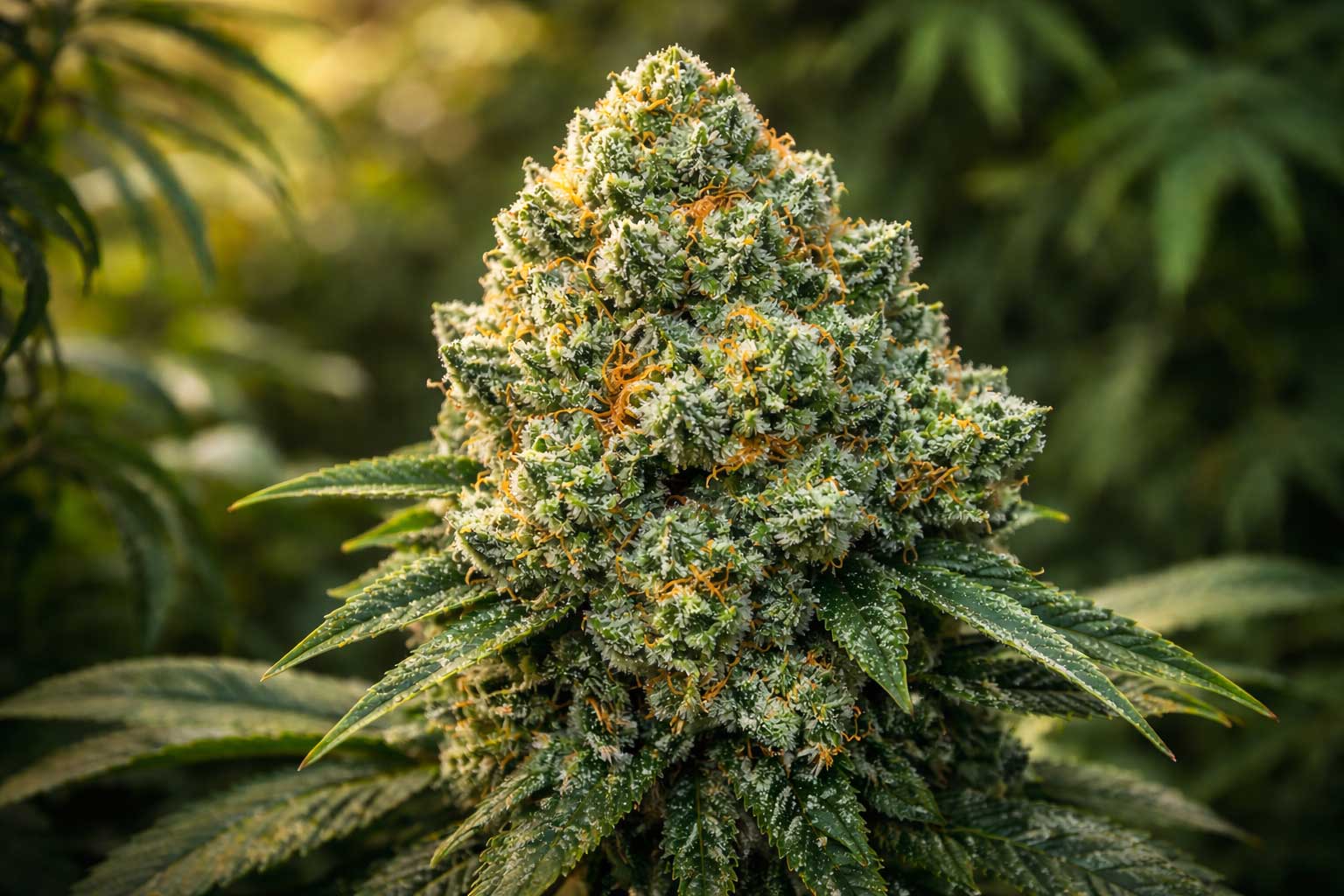
Durban Poison (Cannabis Strain)
Durban Poison is a legendary pure sativa landrace originating from the port city of Durban, South Africa, celebrated globally for its electric, clear-headed energy and highly functional effects. Testing typically between 17% and 24% THC, this unhybridized cultivar is characterized by its oversized, glassy resin glands, massive stretch during flowering, and a distinct aroma dominated by sharp anise, sweet pine, and spicy licorice. As a foundational building block for modern exotic genetics, it remains the premier choice for growers seeking a classic, high-yielding landrace with a rapid finish for a pure sativa.
Unlike contemporary poly-hybrids that often induce physical heaviness, this cultivar offers a clean cerebral lift that functions as the espresso of the cannabis world. Its unique chemical profile, rich in rare cannabinoids and specialized terpenes, delivers a sensory experience and growth structure that have made it a staple in both botanical preservation and boutique cultivation.
Quick Facts
| Feature | Details |
|---|---|
| Genetics | Pure Sativa Landrace (South Africa) |
| Variety | 100% Sativa |
| THC Range | 17% – 24% |
| Flowering Time | 8 – 10 weeks (56–70 days) |
| Yield Potential | Moderate to High (400–500 g/m²) |
| Plant Height | Tall (150–200+ cm) |
| Climate Preference | Warm, semi-arid, Mediterranean |
| Difficulty | Moderate (requires height management) |
Scientific & Botanical Overview
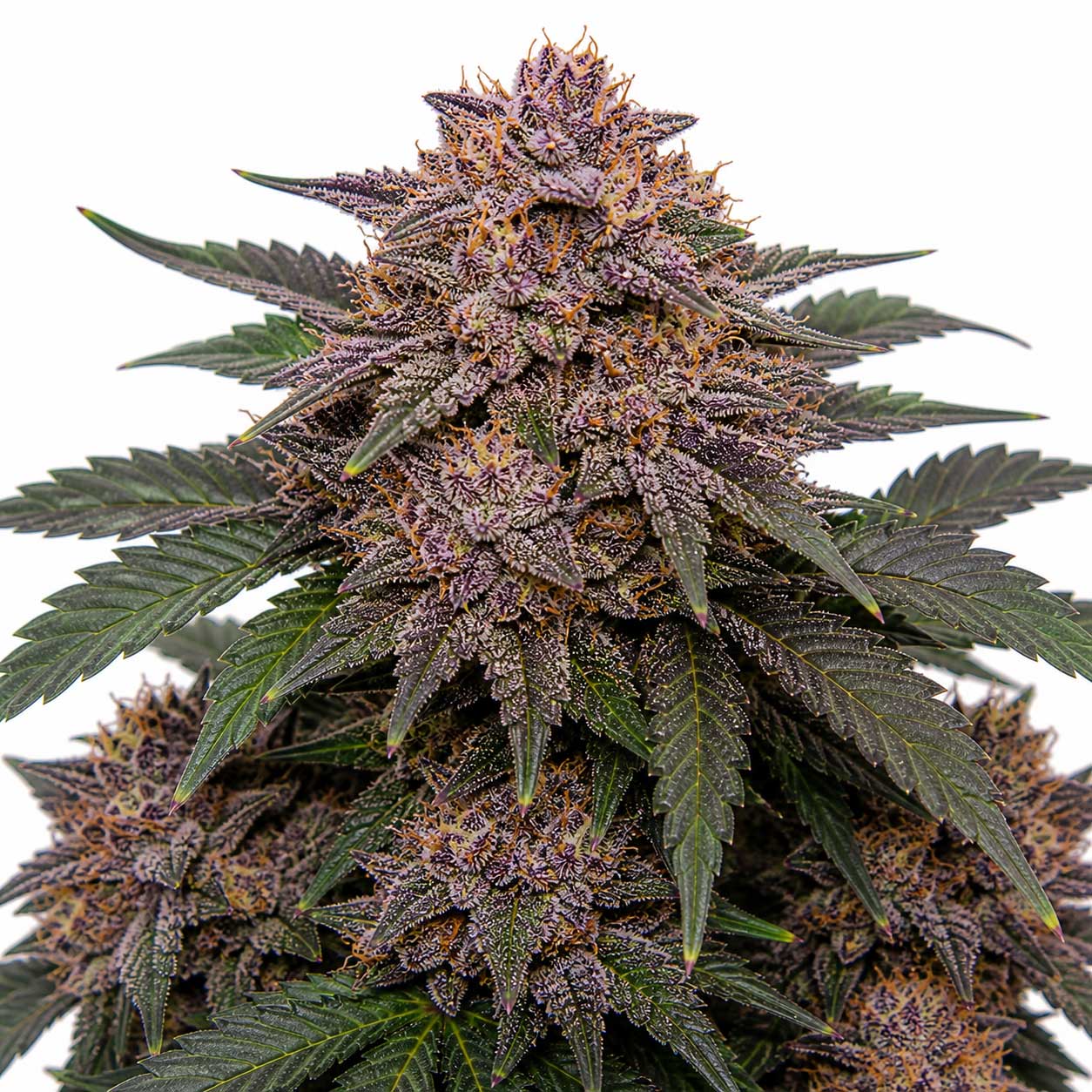
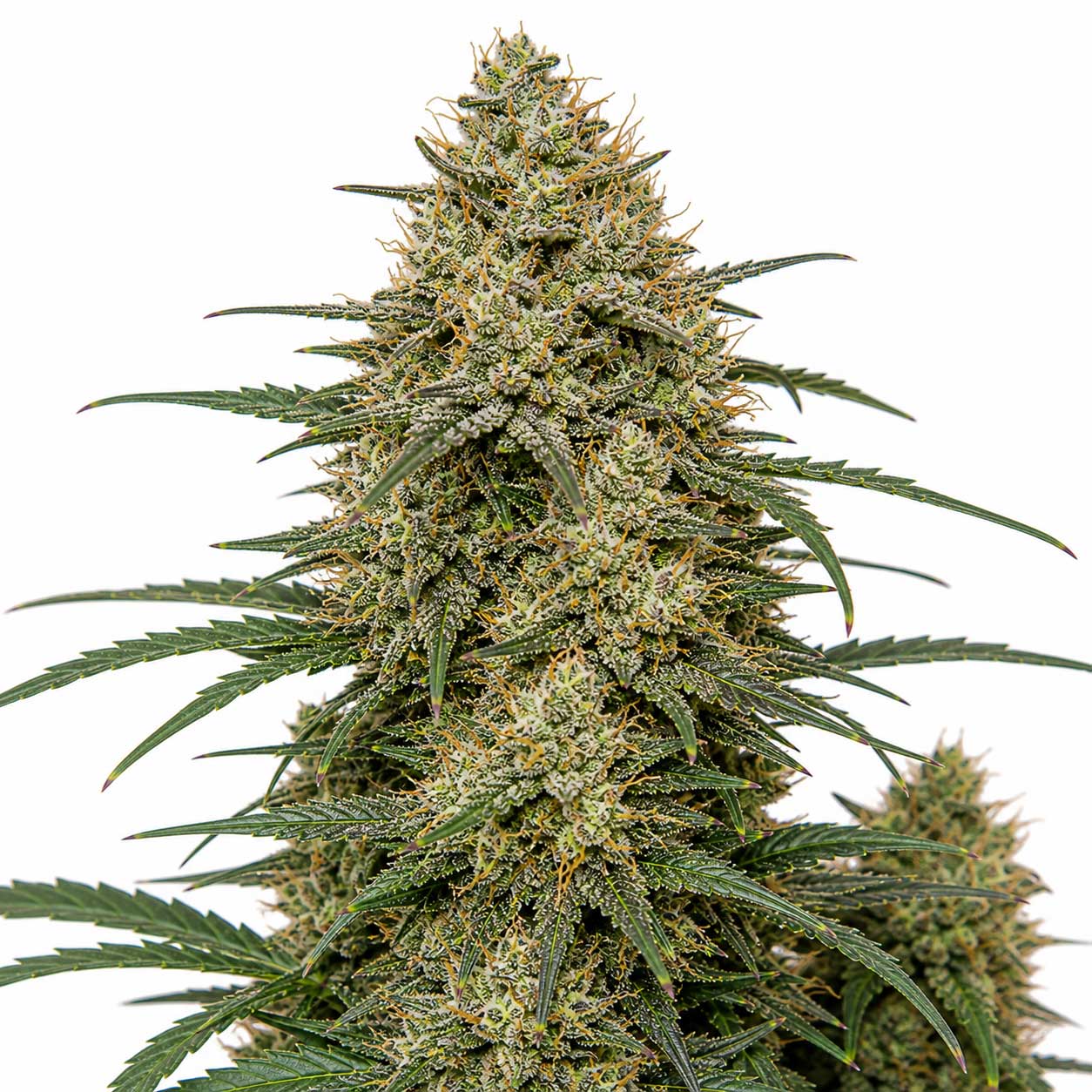
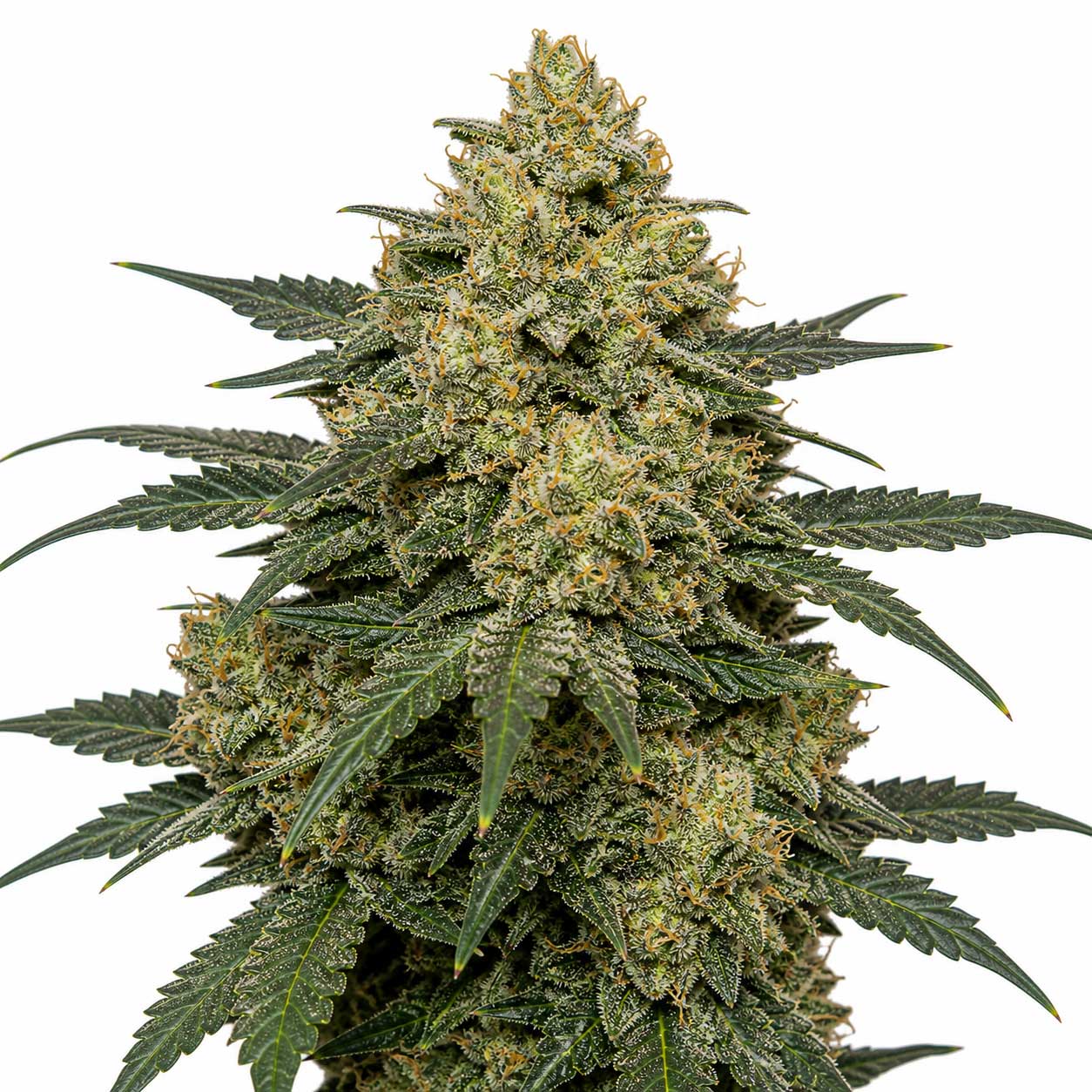
Durban Poison displays classic landrace sativa morphology, characterized by its exceptionally tall, slender stalks, wide internodal spacing, and thin, narrow-fingered fan leaves. The buds form in elongated, spear-like colas that, despite their sativa heritage, develop a surprising density covered in unusually large, bulbous trichome heads.
The cultivar is highly distinguished in cannabinoid research for its natural synthesis of tetrahydrocannabivarin (THCV), a rare cannabinoid that often works in tandem with THC to produce a rapid, clear-headed onset. This chemical expression is supported by a robust vascular system that allows the plant to transport nutrients efficiently during its explosive vegetative stretch.
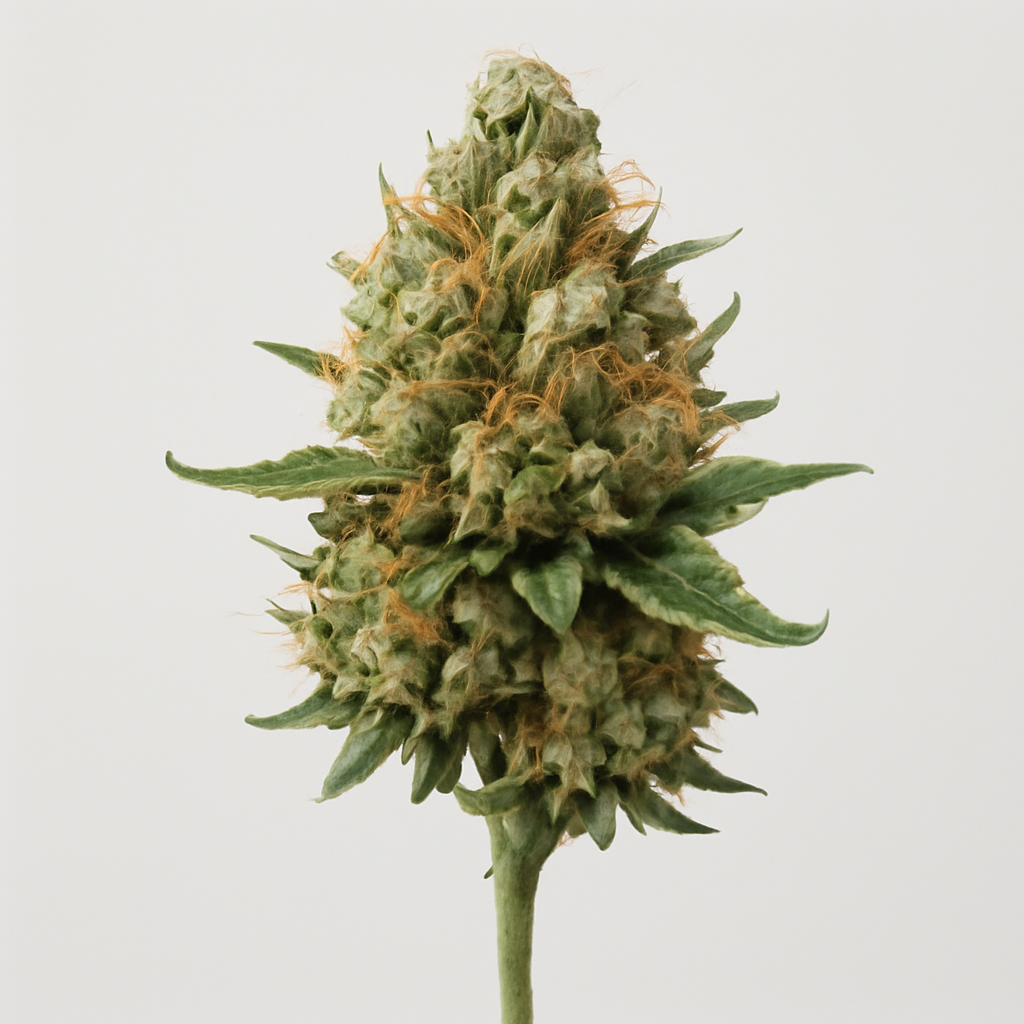
Its resin-rich flowers exhibit a high calyx-to-leaf ratio, making harvest and trimming exceptionally efficient compared to broad-leaf varieties. Under optimal conditions, the late-stage flowers display vivid orange pistils winding through pale green, resin-coated bracts.
Effects & Use-Cases (Reported)
Commonly reported effects: Users frequently describe an immediate surge of cerebral energy, heightened focus, and a sharp increase in creative motivation. The experience is widely noted for its lack of physical heaviness, maintaining a clean, functional trajectory from onset to finish.
Use-case context: This cultivar is highly favored for daytime productivity, outdoor activities, artistic endeavors, and social engagement. It serves as an excellent option for those looking to combat mental fatigue without compromising physical mobility.
Note: These observations are based on historical and anecdotal reports and do not constitute medical advice or claims.
Aroma & Flavors
Aroma: A pungent, complex bouquet of sweet black licorice, fresh pine needles, and warm cloves, underscored by a subtle citrus zest.
Flavor: The inhale delivers a sweet, herbal anise flavor, transitioning to a spicy, woody, and slightly chemical finish on the exhale.
Terpene associations:
Terpinolene, Myrcene, and Pinene.
Tested Cannabinoid & Terpene Ranges
| Compound | Typical Range* | Notes |
|---|---|---|
| Δ9-THC | 17.0% – 24.0% | Purely cerebral, fast-acting stimulation |
| THCV | 0.5% – 1.5% | Rare cannabinoid noted for clear, energetic properties |
| Terpinolene | 0.8% – 1.4% | Dominant terpene driving the signature anise aroma |
| Myrcene | 0.3% – 0.6% | Adds a subtle herbal depth to the profile |
| Pinene | 0.2% – 0.5% | Contributes to the sharp pine notes and mental clarity |
*Ranges are literature-informed references and may vary based on phenotype, cultivation environment, and analytical testing methods.
Cultivation Notes
- Height Management: Expect an explosive stretch of 200% or more once flowering is induced; early topping, LST, or ScROG training is essential for indoor spaces.
- Nutrient Sensitivity: As a landrace, it prefers a moderate organic nutrient regimen and can easily experience nutrient burn from heavy synthetic salts.
- Environmental Preferences: Thrives in warm, low-humidity environments during late flower to prevent moisture retention in its long, spear-like colas.
- Pest and Mold Resistance: Highly resilient against common pests and powdery mildew due to its evolutionary adaptation to outdoor environments.
- Lighting: Responds exceptionally well to high-intensity, full-spectrum LED setups or direct sunlight, which can help maximize THCV expression.
Grower Notes (Week-by-Week Snapshot)
- Weeks 1–3: The vegetative-to-flower transition triggers rapid vertical growth. Ensure training nets are in place to manage the canopy height.
- Weeks 4–6: Elongated bud sites begin to cluster along the branches. The signature sweet anise and pine aroma becomes increasingly pungent as resin glands swell.
- Weeks 7–9: Colas fill out into sticky, resin-drenched spears. Watch for trichomes to turn mostly cloudy with a few amber heads before harvesting.
- Post-Harvest: Hang dry for 10 to 14 days at 60°F (15°C) and 60% relative humidity, followed by a minimum of three weeks curing to fully clarify the delicate terpene profile.
Genetic Lineage
Durban Poison is a pure, unadulterated sativa landrace preserved from seeds collected in South Africa during the late 1970s. Unlike modern poly-hybrids, its genetic makeup has remained remarkably stable, preserving the authentic traits of its native ancestral environment.
Its clean genetic line has made it one of the most valuable breeding tools in cannabis history. It serves as the direct maternal or paternal ancestor to legendary modern lineages, including the famous Girl Scout Cookies family and countless other contemporary dessert strains.
Research Insights
Research focuses on its naturally elevated levels of THCV. Researchers study this rare cannabinoid for its unique interactions with the endocannabinoid system, particularly its potential to modulate appetite and provide a more focused, less anxious psychoactive experience than THC alone.
Additionally, the dominance of terpinolene in a pure sativa framework provides valuable insights into terpene-cannabinoid synergy. The combination of high terpinolene with pinene and low myrcene is increasingly recognized as the primary chemical driver behind the strain’s famously stimulating, non-sedating profile.
Frequently Asked Questions
Is Durban Poison a pure sativa?
Yes, Durban Poison is one of the few true 100% pure sativa landrace strains available on the modern market, preserved without hybridization.
What does Durban Poison smell like?
It has a highly distinct, pungent aroma of sweet black licorice (anise) combined with fresh pine, earthy spices, and a faint hint of citrus.
Does this strain cause couch-lock?
No. Durban Poison is famous for its clean, energetic, and uplifting effects, making it highly functional and ideal for daytime use.
Is Durban Poison difficult to grow indoors?
It is moderately challenging due to its extreme vertical stretch. Indoor growers must use training techniques like topping or trellising to manage its height.
Educational Disclaimer
This profile is intended strictly for scientific, educational, and botanical reference. Cannabis cultivation and consumption are subject to varying legal regulations depending on jurisdiction. Always consult local laws before propagating or utilizing this cultivar.
Rate and review this strain
Ratings and reviews are accepted only from signed-in Google accounts.
Sign in with Google to leave a rating and written review.
Latest Reviews
0 reviewsNo reviews yet. Be the first Google user to rate and review this strain.