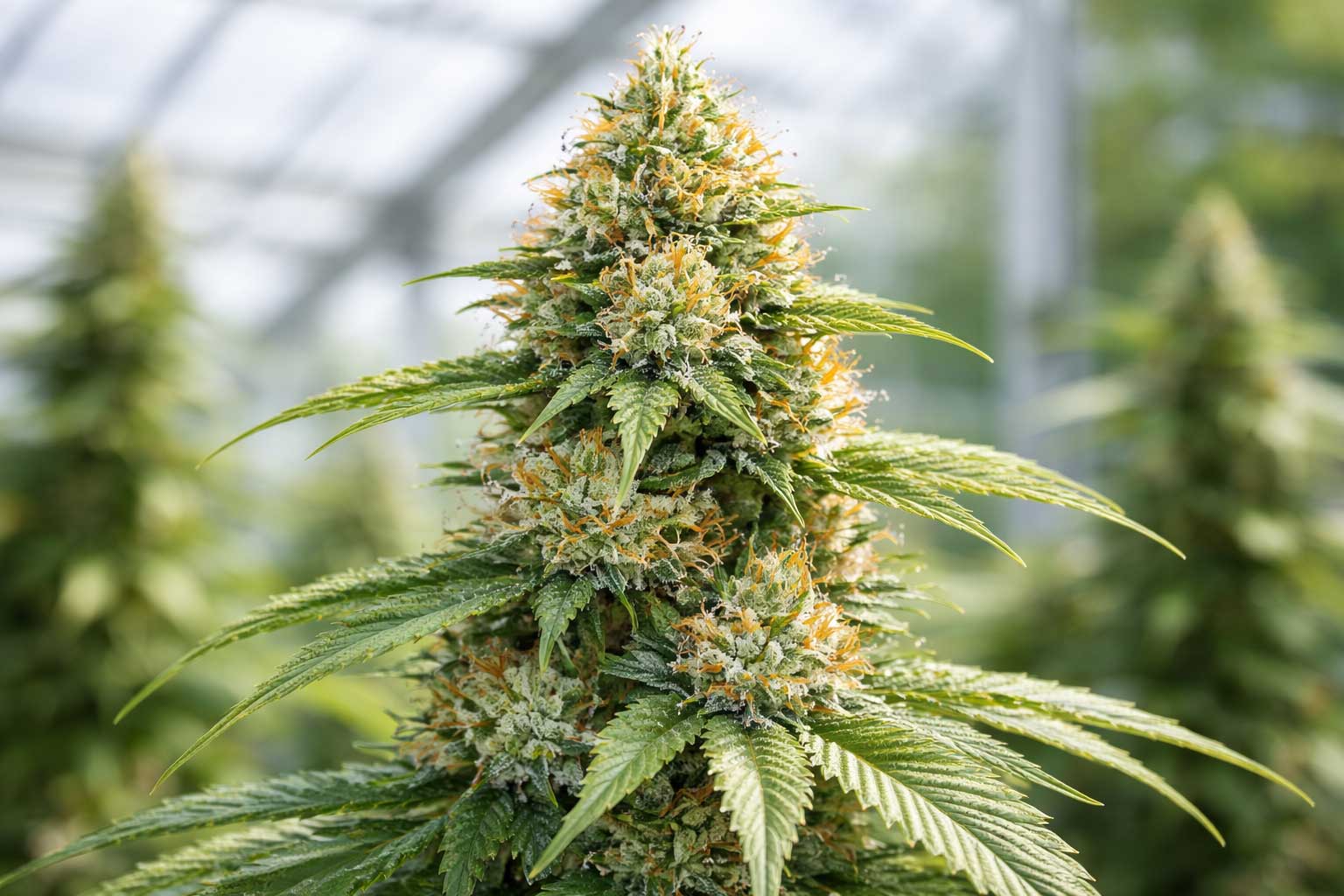
Sour Diesel (Cannabis Strain) — Strainpedia
Sour Diesel, often referred to as “Sour D,” is a historic Sativa-dominant Hybrid and one of the most influential “Foundational Genetics” cultivars of the modern fuel-forward era. Rising to prominence in the 1990s, Sour Diesel helped establish the now-iconic “diesel” terpene lane—defined by sharp gasoline notes, sour citrus brightness, and pungent herbal depth. Its tall architecture, energizing cerebral profile, and unmistakable aromatic intensity cemented its place as a genetic and cultural cornerstone in contemporary cannabis breeding.
Quick Facts
| Genetics | Commonly described as Chemdawg lineage × Super Skunk (origin narratives vary) |
|---|---|
| Breeder | Early East Coast preservation; multiple stabilized seed lines exist |
| Variety | Sativa-dominant Hybrid (~70% Sativa expression) |
| Flowering Time | 9–11 weeks (63–77 days indoors) |
| Yield Potential | 450–600 g/m² (Medium–High with canopy training) |
| Plant Height | 130–200 cm; significant vertical stretch |
| Climate Preference | Warm, dry climates or controlled indoor systems with strong airflow |
| Difficulty | Intermediate–Advanced (odor control and canopy management essential) |
Scientific & Botanical Overview
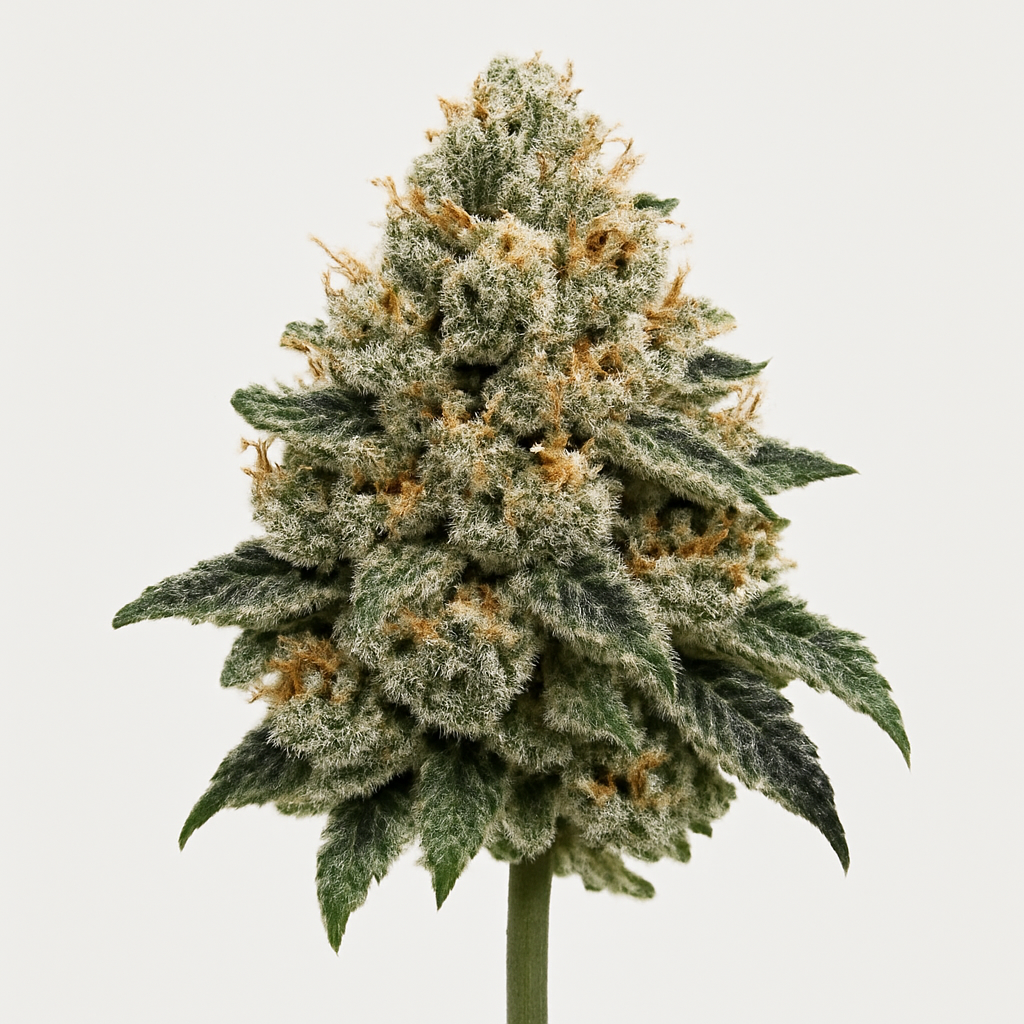
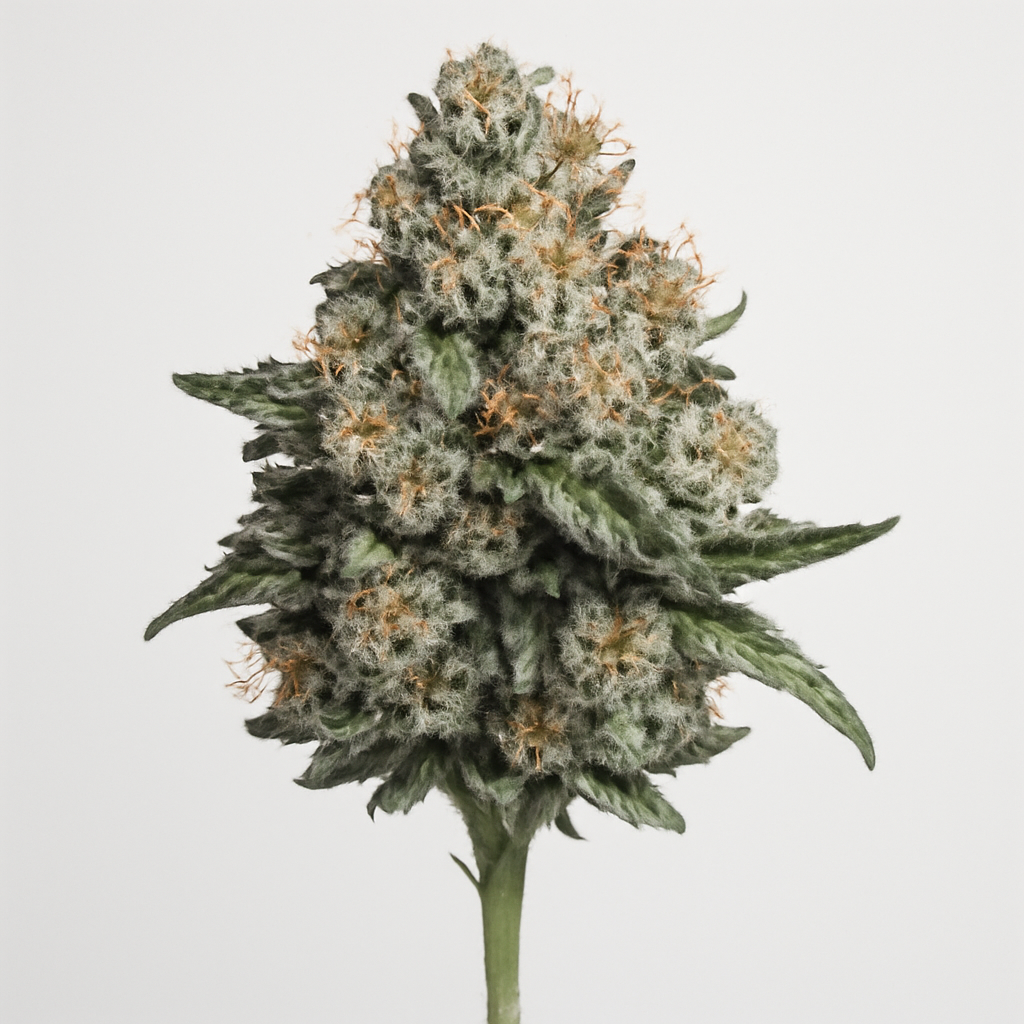
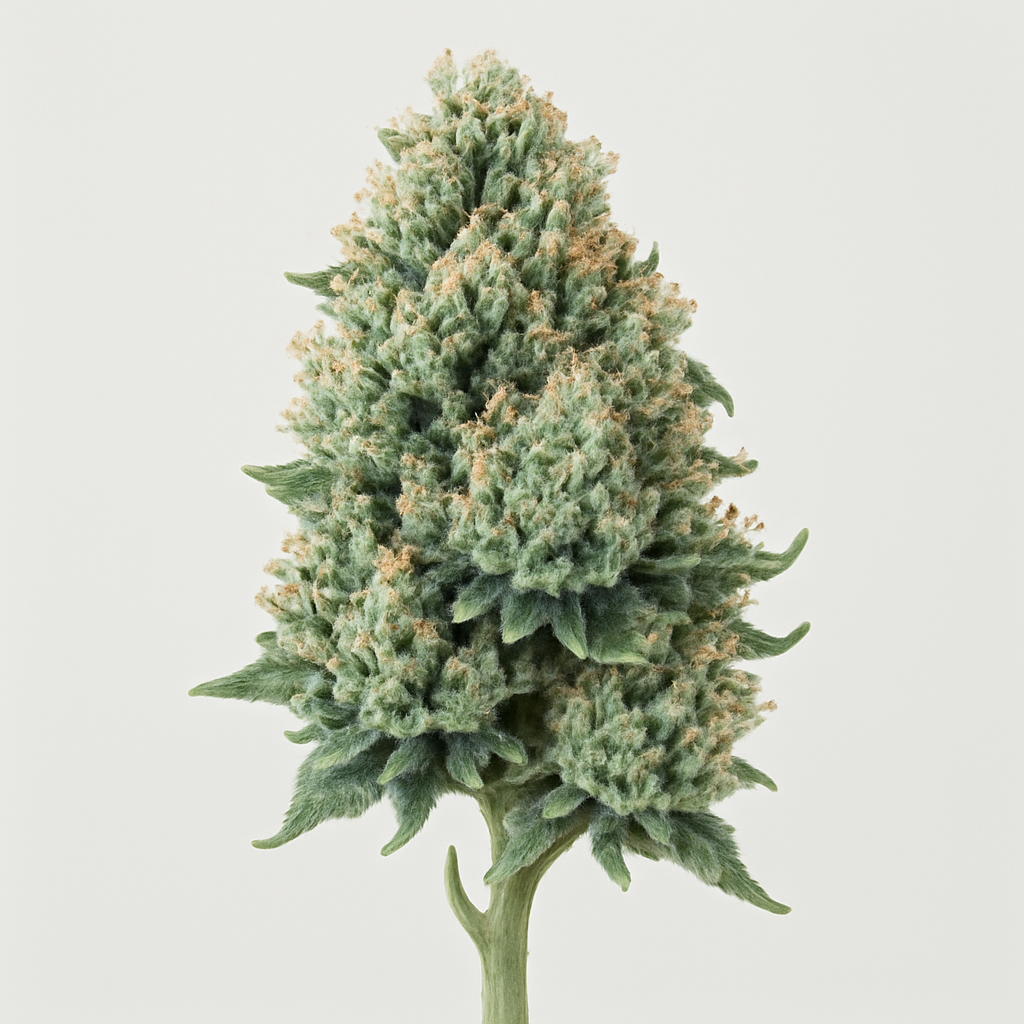
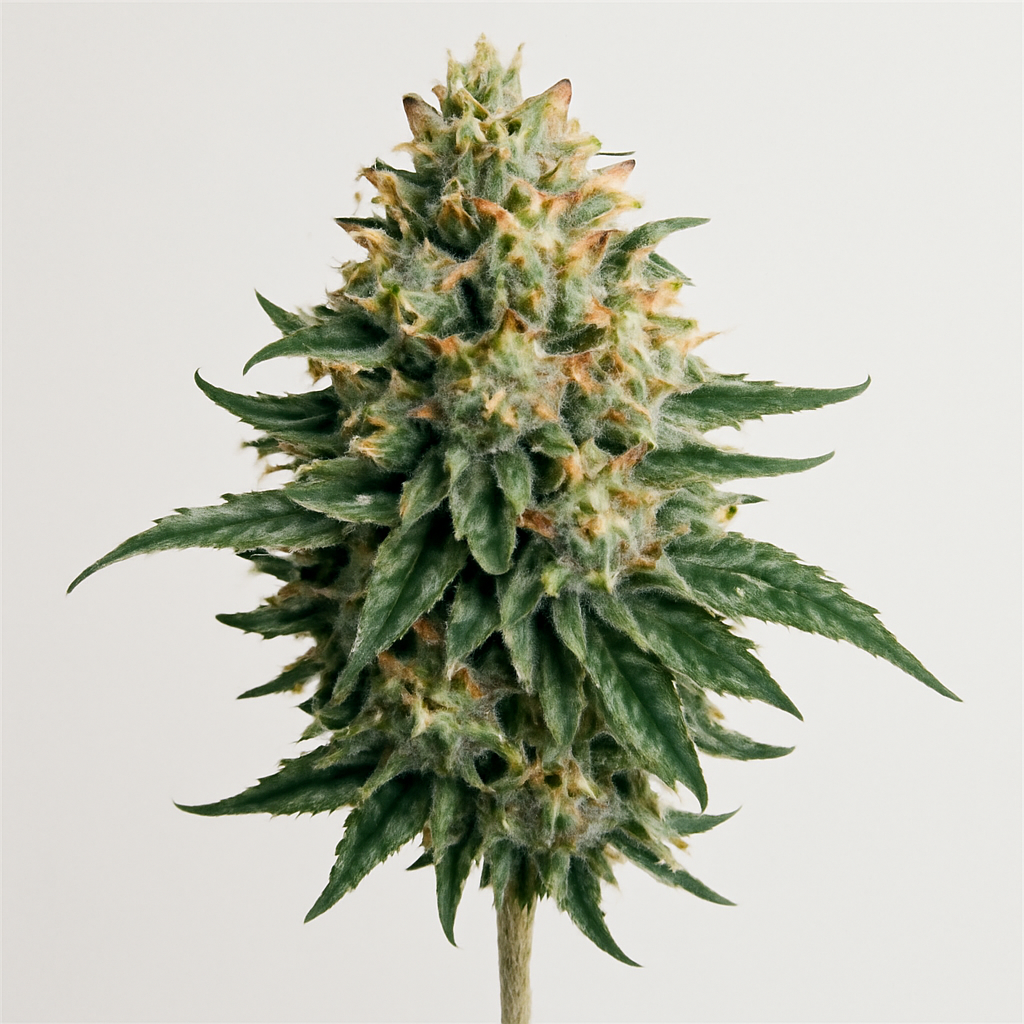
Sour Diesel expresses distinctly Sativa-leaning morphology, including elongated internodes, narrow leaflets, and spear-shaped colas. During early flowering, vertical stretch can be pronounced, requiring proactive canopy management techniques such as topping or screen-of-green (ScrOG) systems.
Its resin glands often appear bright and glassy, coating calyx surfaces and sugar leaves. A defining feature of Sour Diesel is terpene volatility—the sharp fuel-forward aroma can remain pronounced throughout drying and curing. This aromatic persistence contributed to its rise as a reference cultivar for diesel-forward hybrid development.
Effects & Use-Cases (Reported)
- Commonly reported effects: mental stimulation, uplifted mood, sustained focus.
- Use-case context: daytime productivity, creative environments, social settings.
- Functional profile: rapid cerebral onset followed by gradual physical ease.
- Note: Observational reports only; not medical claims.
Aroma & Flavors
- Aroma: sharp diesel fuel, sour citrus zest, herbal spice.
- Flavor: tangy citrus inhale layered with pungent gasoline undertones.
- Signature finish: lingering gassy sharpness with subtle earthy bitterness.
- Terpene associations: limonene, caryophyllene, myrcene (phenotype-dependent).
Tested Cannabinoid & Terpene Ranges
| Compound | Typical Range* | Notes |
|---|---|---|
| Δ⁹-THC | ~18–24% | High-potency tier with cerebral-forward character. |
| CBD | <1% | Generally trace levels. |
| Limonene | Moderate–High | Contributes citrus brightness and mood lift. |
| Caryophyllene | Moderate | Adds peppery spice and structural depth. |
| Myrcene | Low–Moderate | Supports mild physical settling. |
| Terpene Profile | Diesel / Sour Citrus / Herbal Spice | Defining template of the modern “fuel” category. |
*Ranges vary depending on phenotype, cultivation practices, harvest timing, curing conditions, and laboratory analysis.
Cultivation Notes
- Light Cycle: 18/6 vegetative; 12/12 flowering
- Stretch: Significant during weeks 1–3 of flowering
- Humidity Targets: 40–50% during late flower
- Odor Control: Strongly recommended due to terpene volatility
- Harvest Window: Mid–Late October outdoors (Northern Hemisphere)
Grower Notes (Week-by-Week Snapshot)
- Weeks 1–2: Rapid vertical stretch; establish canopy control.
- Weeks 3–4: Flower stacking begins; support elongated colas.
- Weeks 5–7: Resin production intensifies; fuel aroma becomes dominant.
- Weeks 8–11: Ripening phase; monitor trichome maturity and terpene expression.
- Post-Harvest: Dry at 18–20°C, 55–60% RH to preserve volatile diesel compounds.
Genetic Lineage
Sour Diesel is commonly linked to Chemdawg-influenced lines combined with Skunk heritage, though exact origin documentation varies across preservation accounts. Its lineage contributed to the rise of fuel-forward cultivars and influenced numerous hybrid developments throughout the late 1990s and early 2000s.
Research Insights
The limonene-forward chemotype frequently associated with Sour Diesel provides a reference model for studying terpene-driven cerebral stimulation in Sativa-dominant hybrids. Its aromatic volatility and persistence through curing have made it a focal point in discussions regarding terpene preservation and environmental impact on aromatic expression.
Why Sour Diesel Is “Foundational Genetics”
Sour Diesel solidified the diesel terpene category and influenced countless modern hybrids. Its tall Sativa structure, energizing profile, and sharp fuel-forward aroma established it as a benchmark cultivar in both breeding and cannabis culture.
Frequently Asked Questions
Is Sour Diesel a true Sativa?
It is widely classified as Sativa-dominant, though phenotype expression can vary.
Why does Sour Diesel smell like fuel?
Its terpene composition produces volatile aromatic compounds often described as diesel or gasoline-like.
Is it difficult to grow?
It requires canopy management due to stretch and strong odor control for indoor cultivation.
Why is Sour Diesel considered foundational?
It defined the diesel terpene lane and influenced generations of Sativa-dominant hybrid breeding.
Educational Disclaimer: This page is provided for scientific and horticultural reference only and does not constitute medical or promotional advice. Cannabis cultivation, possession, and use are regulated by local laws. Always comply with applicable legislation in your region.
Rate and review this strain
Ratings and reviews are accepted only from signed-in Google accounts.
Sign in with Google to leave a rating and written review.
Latest Reviews
0 reviewsNo reviews yet. Be the first Google user to rate and review this strain.