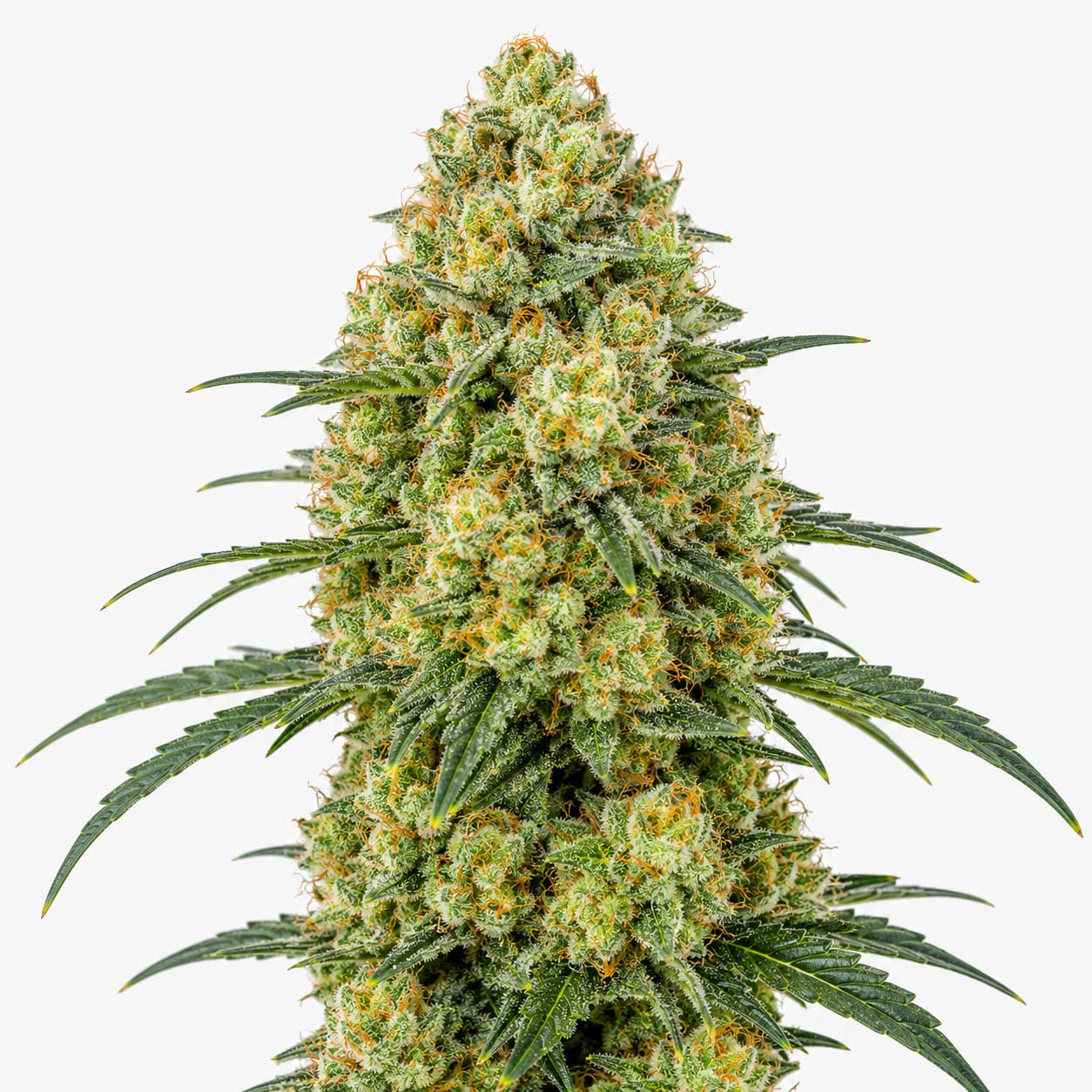
OG Kush (Cannabis Strain)
OG Kush is a premier, high-velocity hybrid cannabis cultivar commonly described as a balanced hybrid with an approximate 55% indica / 45% sativa profile. Originally emerging from Florida in the early 1990s before being perfected in Los Angeles, it remains a nationwide standout in the 2026 connoisseur market for its aggressive fuel-citrus intensity, foundational genetics, and a polished modern effect profile.
Recognized as the most influential genetic pillar in modern breeding, OG Kush is widely believed to be a cross between Chemdog, Lemon Thai, and Hindu Kush. It is associated with dense, neon-green buds and elite boutique appeal, offering a bright euphoric effect profile that feels mentally sparking yet physically profound. The information below is provided strictly for scientific and botanical reference.
Quick Facts
| Feature | Details |
|---|---|
| Genetics | Chemdog × Hindu Kush × Lemon Thai |
| Variety | Balanced hybrid |
| THC Range | 20%–26% |
| Flowering Time | 8–9 weeks (56–63 days indoors) |
| Yield Potential | 400–500 g/m² (Moderate) |
| Plant Height | 100–140 cm; medium stretch with a lanky, “vine-like” structure |
| Climate Preference | Dry / Arid / Controlled Indoor (sensitive to high humidity and mildew) |
| Difficulty | Intermediate (demands consistent environmental control and nutrient management) |
Scientific & Botanical Overview
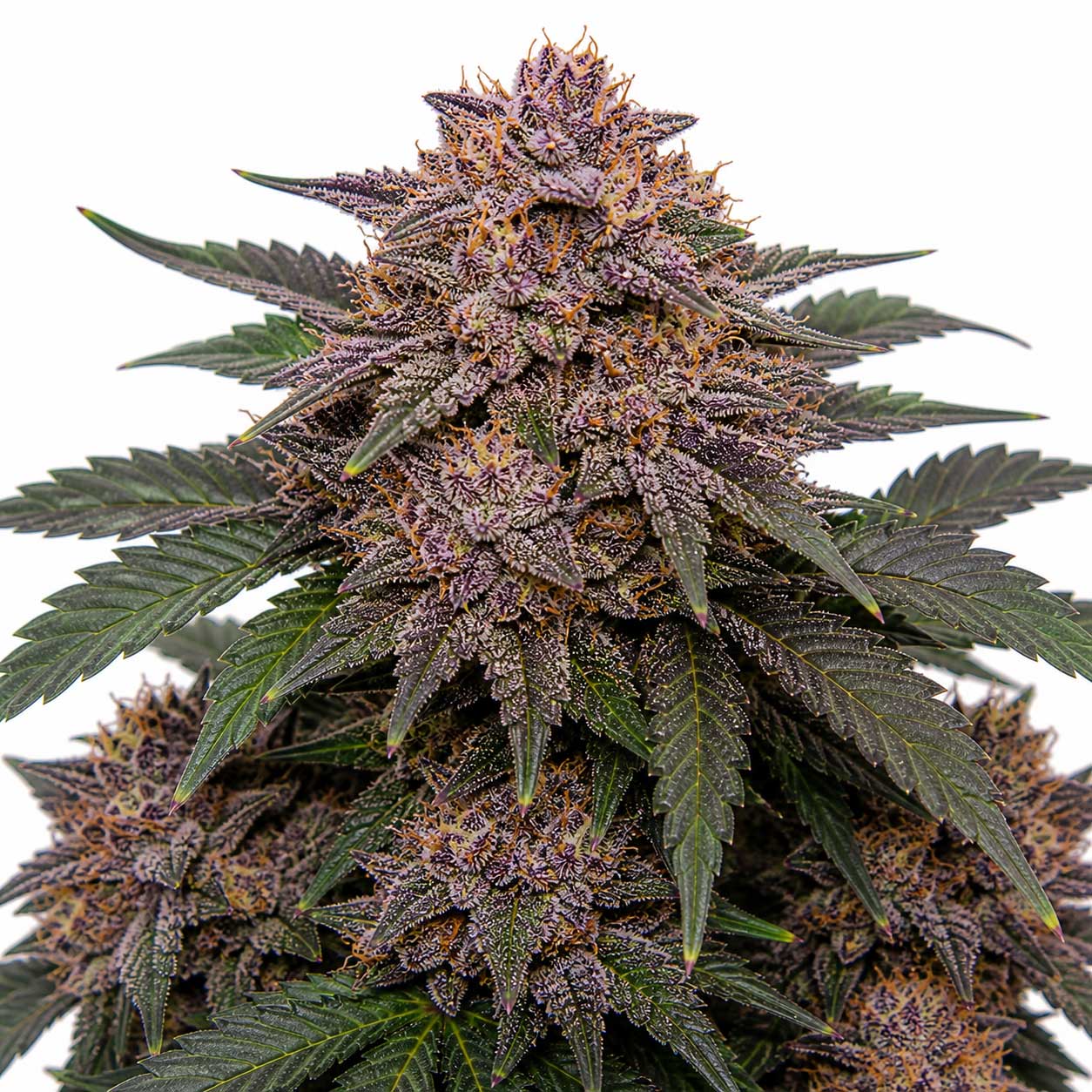
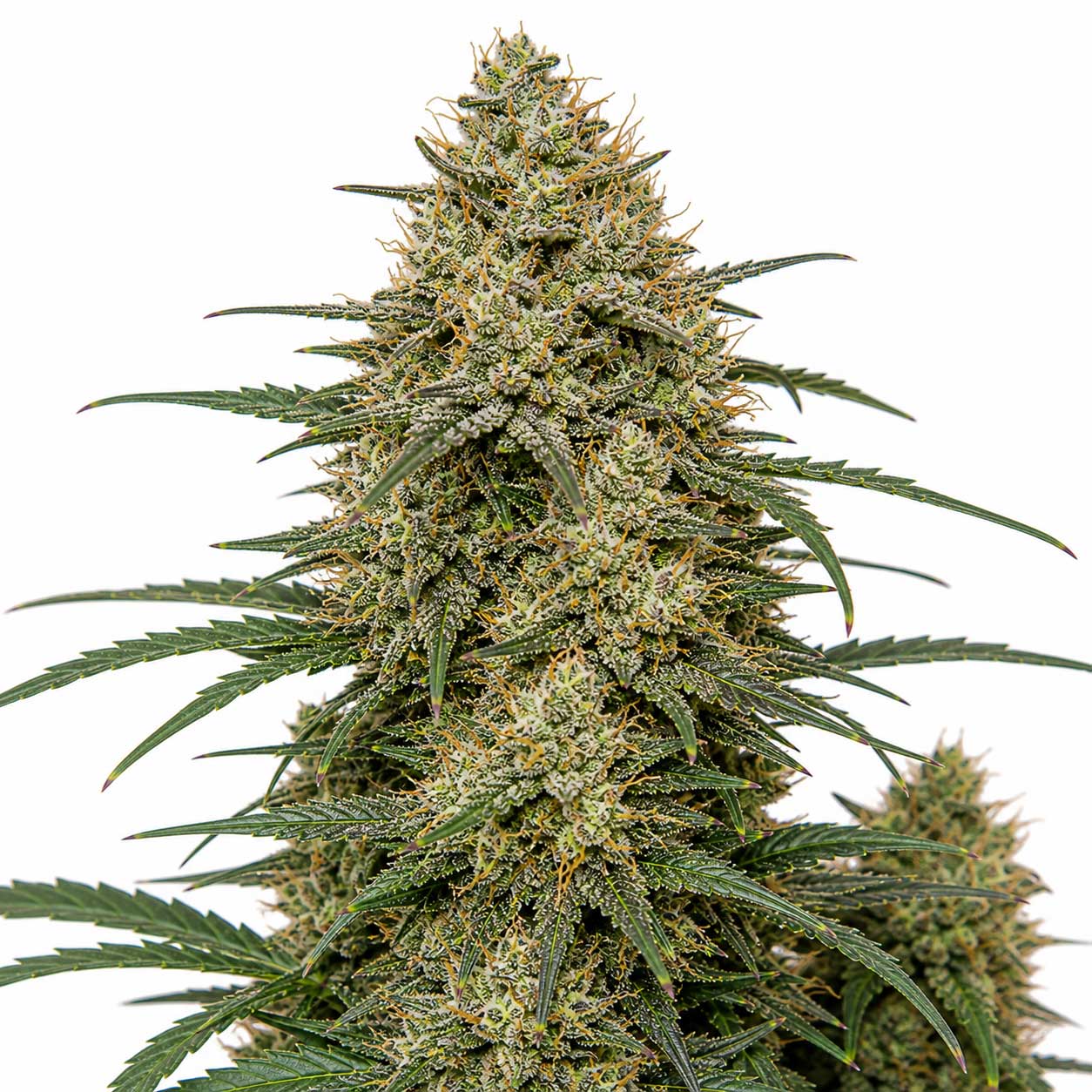
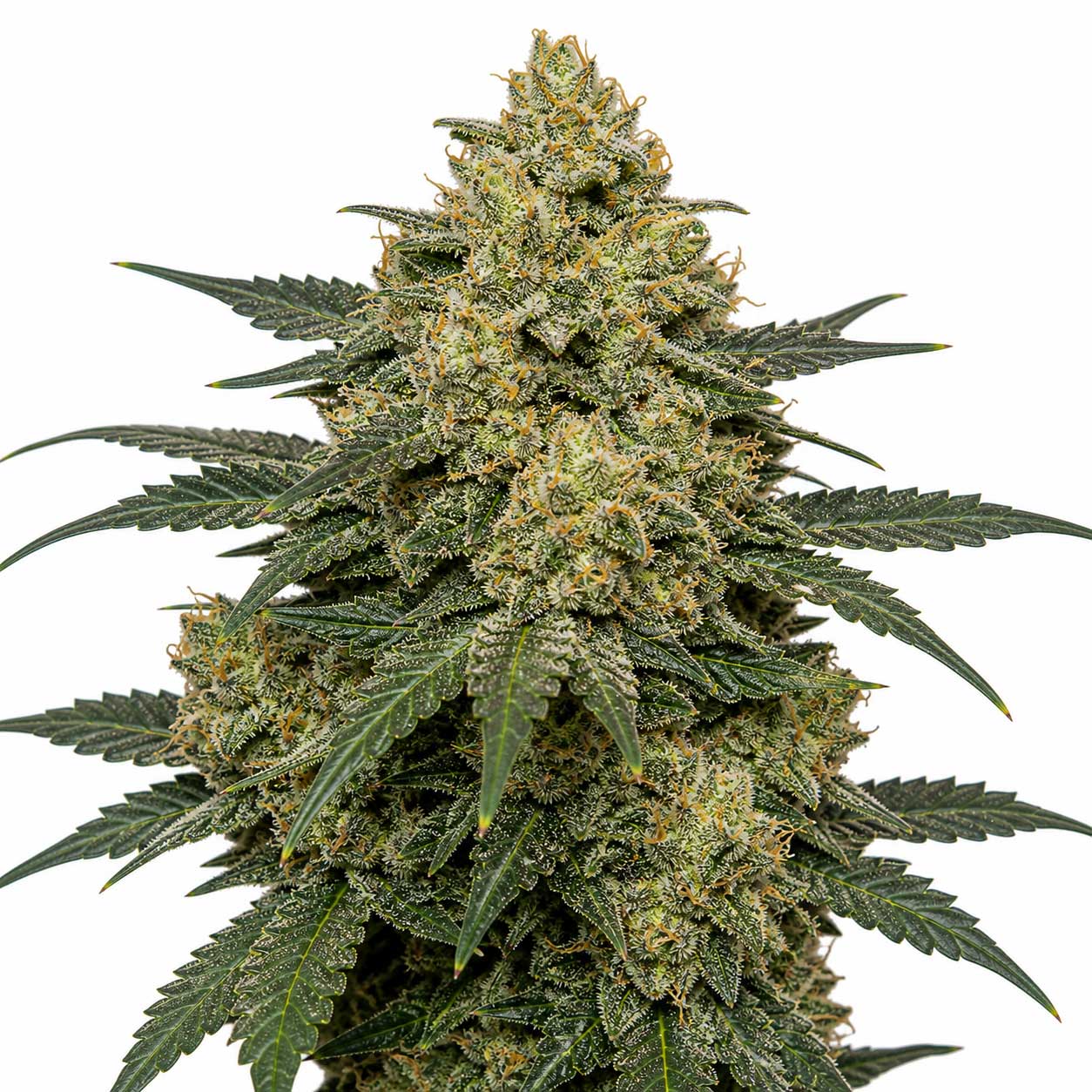
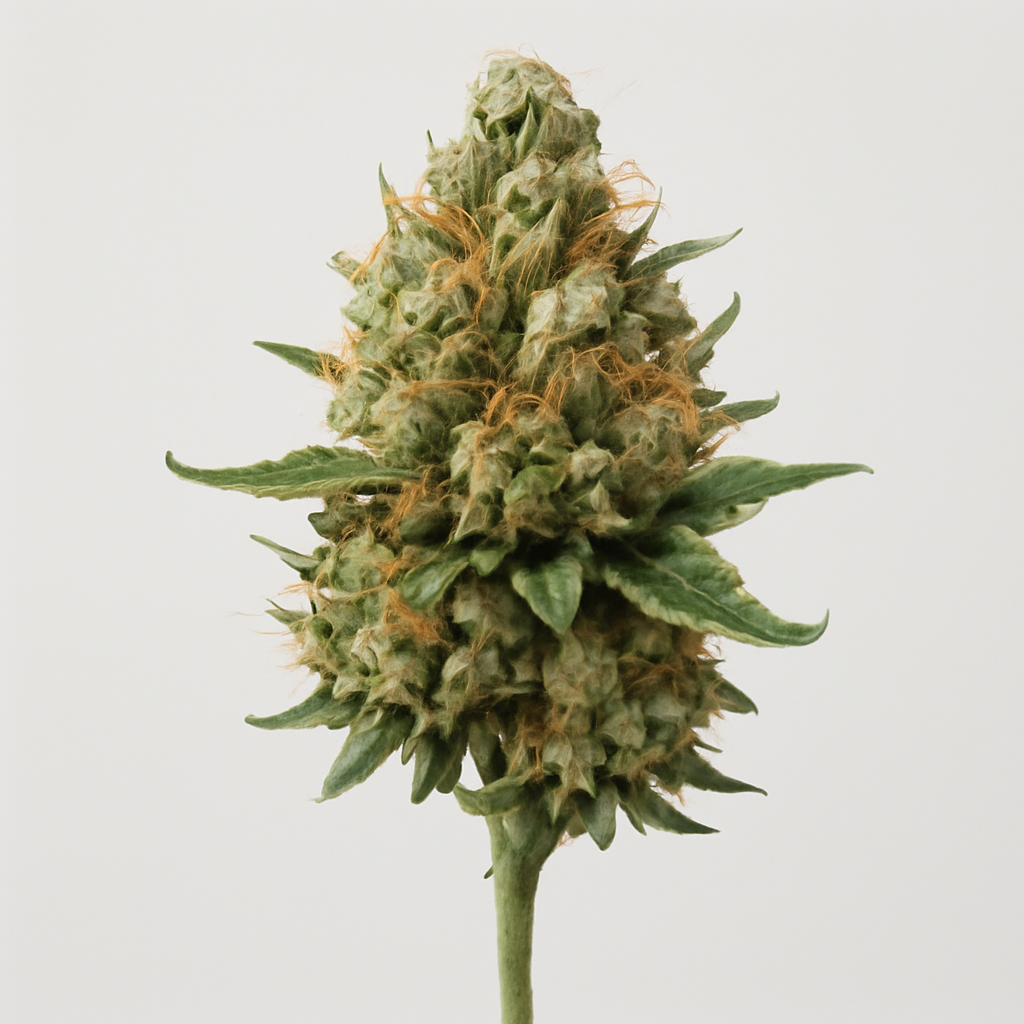
OG Kush exhibits a striking morphology, producing small-to-medium “popcorn” style buds that are exceptionally dense and resinous. The flowers are typically a vibrant neon-green with a heavy coating of silver glandular trichomes and thin, orange pistils. This premium visual finish set the 2026 standard for “top-shelf” boutique flower.
Botanically, the cultivar stands out for its high concentration of myrcene and limonene, a pairing often associated with a sharper, more “caustic-citrus” aromatic definition than sweet dessert hybrids. This combination helps create the industrial-kerosene and zesty-lemon profile that distinguishes OG Kush from more conventional floral or earthy crosses.
OG Kush is especially notable because it combines legacy “Chemdog” vigor with substantial physical depth and sensory clarity rather than leaning into simple sedation or industrial fuel notes alone.
Effects & Use-Cases (Reported)
Commonly reported effects: a rapid cerebral onset, enhanced sensory perception, elevated mood, and a smoothing full-body tingle often described as high-definition euphoria.
Use-case context: OG Kush is highly versatile and is often associated with evening social sessions, creative brainstorming, and stress reduction. Many users describe it as mentally sparking and physically cushioned, making it a strong option for those who want energy and presence without an overly racy finish.
Note: These observations are anecdotal reports and should not be interpreted as medical claims.
Aroma & Flavors
Aroma: A loud bouquet of pungent fuel, zesty lemon, earthy pine, spicy skunk, and subtle herbal sharpness.
Flavor: The inhale is commonly described as zesty and citrus-forward with fuel notes, while the exhale becomes smoother, doughy, peppery, and lightly herbal.
Terpene associations: Myrcene, Limonene, Caryophyllene, and Linalool.
Tested Cannabinoid & Terpene Ranges
| Compound | Typical Range* | Notes |
|---|---|---|
| Δ9-THC | 20.0%–26.0% | Potent and consistent range associated with a clean-feeling, high-impact experience |
| CBG | 1.0%–2.0% | Notable minor-cannabinoid presence often linked to focused mental clarity |
| Myrcene | 0.8%–1.4% | Drives the earthy-fuel aroma and the deep physical relaxation |
| Limonene | 0.6%–1.0% | Supports the tart citrus zing and the bright euphoric onset |
| Caryophyllene | 0.4%–0.8% | Adds spicy depth and helps support overall body comfort |
*Ranges are literature-informed references for 2026 boutique harvests and may vary by phenotype, cultivation environment, harvest timing, and analytical method.
Cultivation Notes
- Light Cycle: 18/6 vegetative and 12/12 flowering.
- Humidity Targets: Keep strictly between 40% and 45% during the final 3 weeks. The dense buds are susceptible to mold if humidity spikes.
- Nutrition: High feeder that responds well to organic amendments and specific attention to calcium-magnesium during mid-flower.
- Training: Topping and trellising (SCROG) are highly recommended to manage its “leggy” stretch and increase light penetration.
- Harvest Window: Early-to-mid October outdoors in the Northern Hemisphere.
Grower Notes (Week-by-Week Snapshot)
- Weeks 1–3 (The Solidification): Low to moderate stretch; the plant requires support as it develops a thin, lanky branch structure.
- Weeks 4–6: Resin production ramps up; the room fills with an intense lemon-fuel aroma as the small, dense buds begin to “frost” over.
- Weeks 7–9: Final finishing phase, where buds harden to a rock-like density and silver trichome coverage reaches its peak.
- Post-Harvest: A slow 14-day dry around 16 °C and 60% RH followed by at least a 6-week cure is essential to preserve the volatile fuel-citrus terpenes.
Genetic Lineage
OG Kush is commonly described as a masterpiece cross between Chemdog, Hindu Kush, and Lemon Thai. Chemdog contributes the industrial gas profile and high-impact potency. Hindu Kush provides the resin density and physical depth, while Lemon Thai adds the zesty citrus notes and cerebral energy.
This pairing helps explain why OG Kush feels sharper, zippier, and more sensory-forward than many standard hybrid crosses while still preserving physical comfort and elite bag appeal.
Research Insights
OG Kush is notable in discussions around Myrcene-Limonene-Caryophyllene interplay. This combination is often associated with alertness, mood elevation, and a smoother mental tone, which may help explain why many users describe the cultivar as euphoric and vividly creative without becoming heavy.
From a breeding and market perspective, OG Kush remains a global benchmark, serving as the genetic father of dozens of modern classics including GSC, Bubba Kush, and Headband.
Frequently Asked Questions
Is OG Kush a daytime or nighttime strain?
OG Kush is generally considered an “anytime” or late-afternoon hybrid because of its balanced, functional euphoria and calming physical finish.
What does “OG” stand for?
While debated, “OG” most commonly stands for “Ocean Grown” (referencing its California coastal heritage) or “Original Gangster.”
Why is it so famous?
Its fame stems from its unrivaled potency, unique fuel-lemon aroma, and its role as the genetic backbone for most modern West Coast cannabis.
What makes OG Kush stand out?
Its standout traits include an unmistakable pungent lemon-gas aroma, dense resin-crusted buds, and a reputation as a high-velocity hybrid powerhouse.
Educational Disclaimer
This page is provided for scientific and horticultural reference only. Cannabis laws vary by jurisdiction; always ensure compliance with local regulations.
Rate and review this strain
Ratings and reviews are accepted only from signed-in Google accounts.
Sign in with Google to leave a rating and written review.
Latest Reviews
0 reviewsNo reviews yet. Be the first Google user to rate and review this strain.