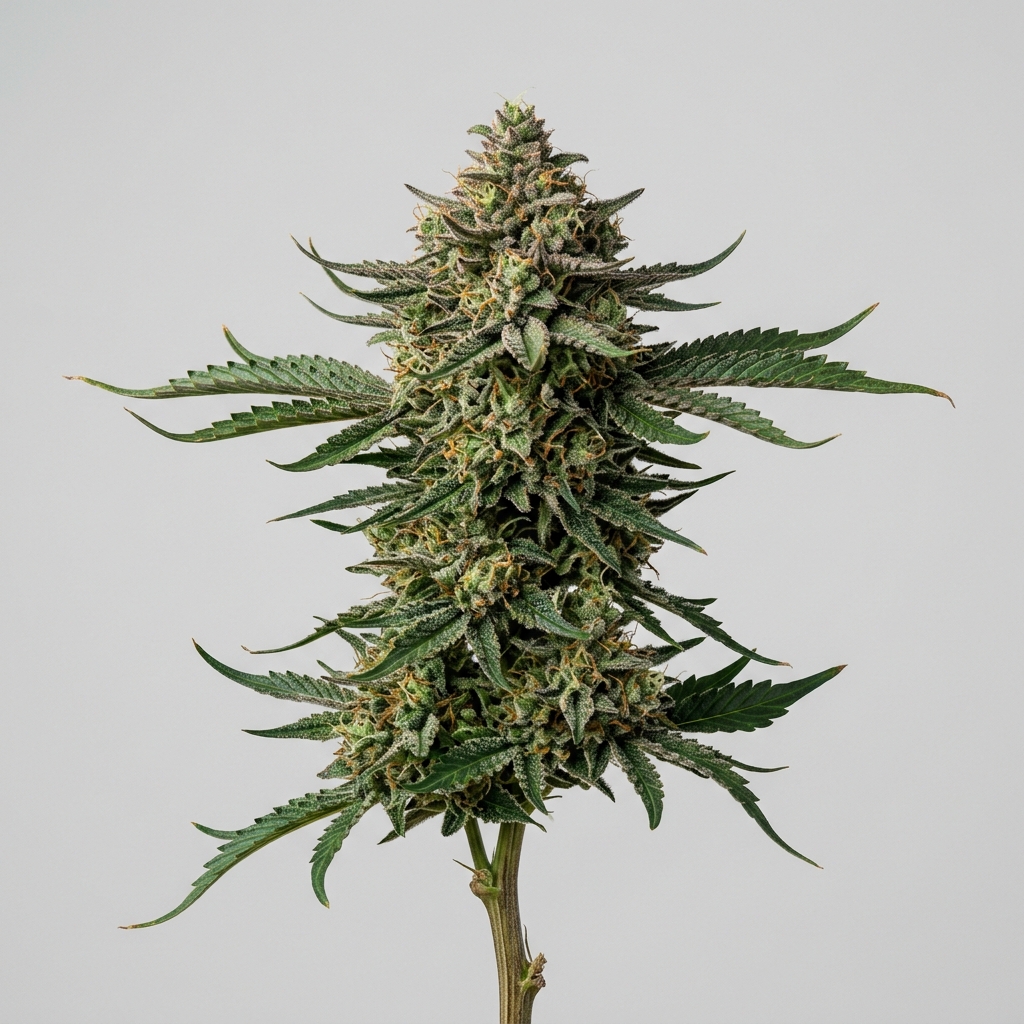
Cookie Dough (Cannabis Strain)
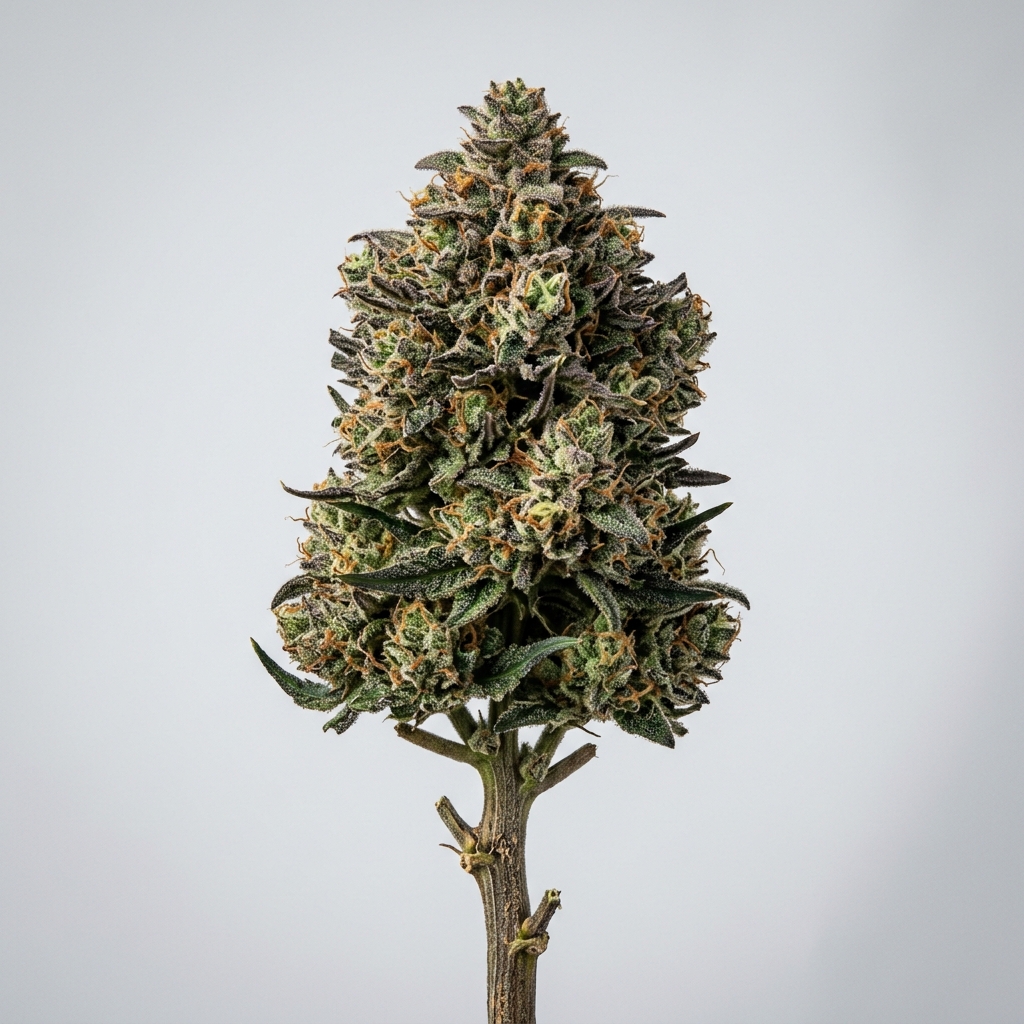
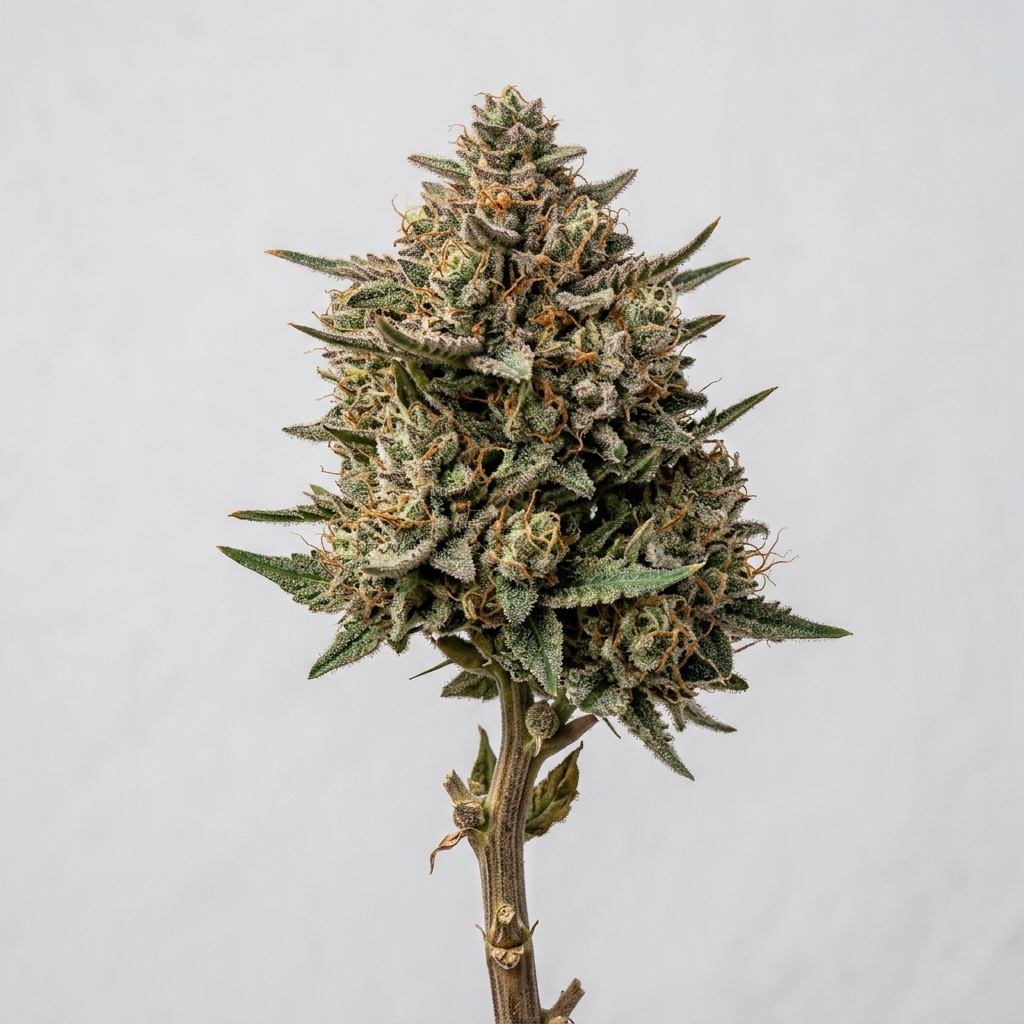
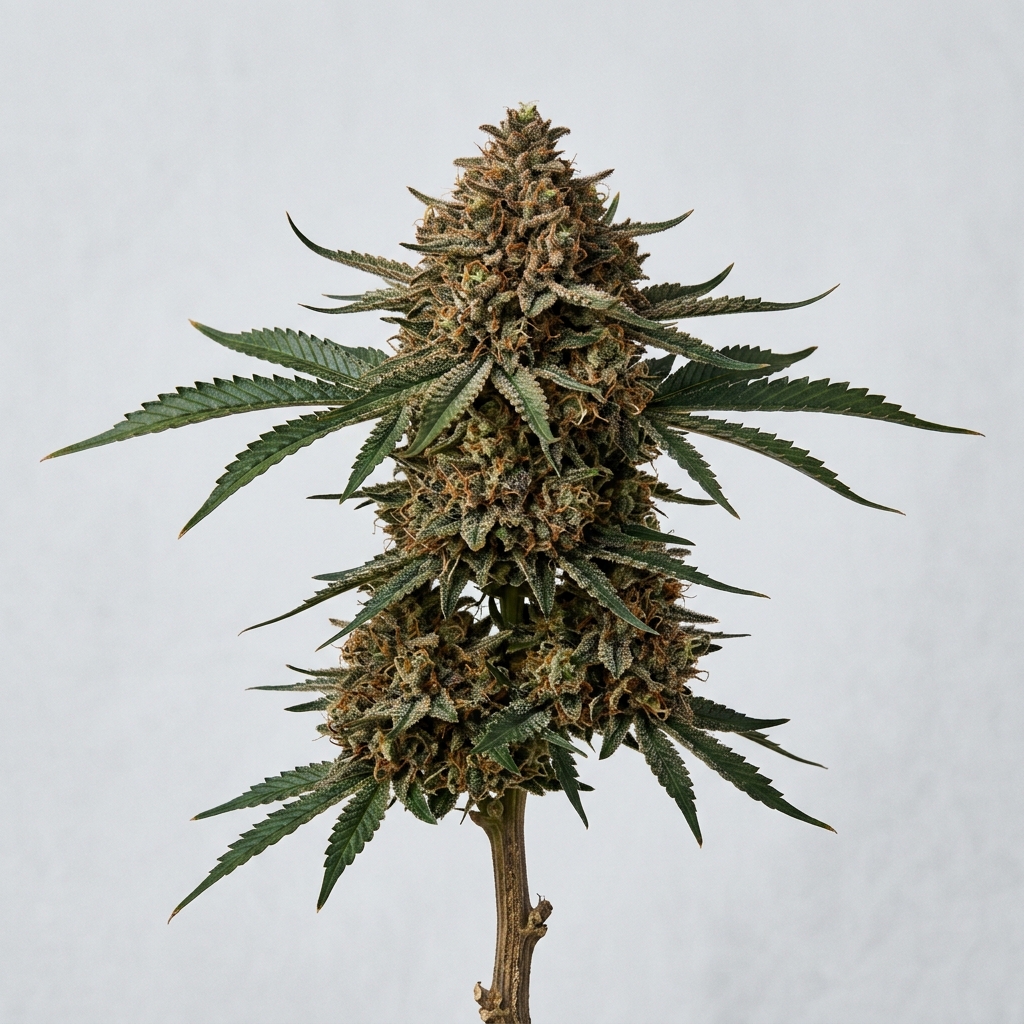
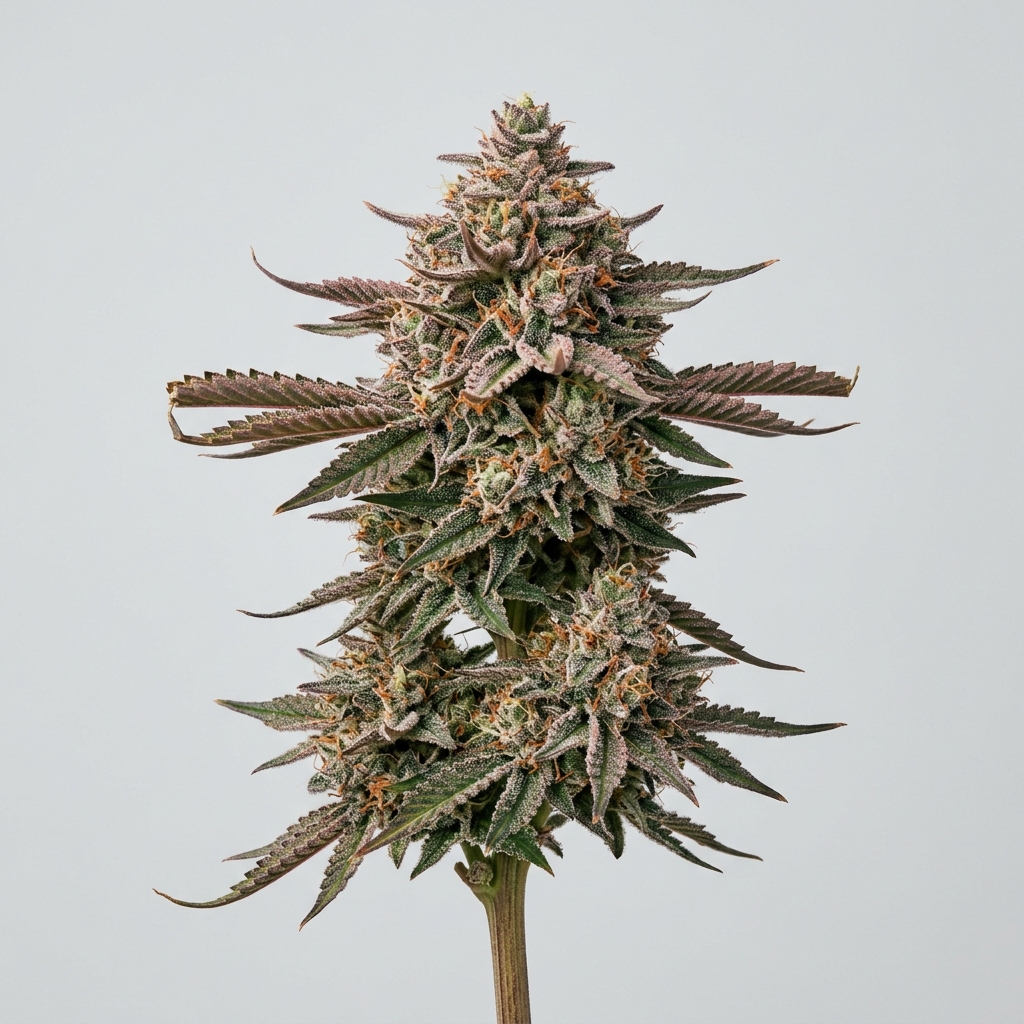
Cookie Dough is a sought-after indica-dominant hybrid, widely recognized as a specific, terpene-rich phenotype of the legendary Girl Scout Cookies. Boasting a THC range typically between 20% and 25%, this cultivar is celebrated by enthusiasts for its deeply indulgent flavor profile and potent, body-focused relaxation. As a standout in the modern dessert strain category, it maintains the structural integrity and high resin production characteristic of its elite GSC lineage.
When examining this cultivar from a scientific and botanical reference, growers often note its dense, trichome-laden floral clusters that take on a distinctively frosted appearance as harvest approaches. The expression of secondary metabolites in this phenotype emphasizes sweet, buttery, and vanilla-forward notes, creating a complex sensory experience that remains a benchmark for connoisseurs of the “cookie” family of genetics.
Quick Facts
| Attribute | Details |
|---|---|
| Genetics | Girl Scout Cookies Phenotype |
| Variety | Indica-dominant hybrid (~70% indica / 30% sativa) |
| THC Range | 20%–25% |
| Flowering Time | 8–10 weeks |
| Yield Potential | Moderate to High |
| Plant Height | Medium |
| Difficulty | Moderate |
Scientific & Botanical Overview
From a morphology perspective, Cookie Dough exhibits classic indica characteristics, including broad, dark green foliage and a sturdy, compact frame. The plant structure is often characterized by significant lateral branching, which supports dense, resinous colas. Its development is highly sensitive to environmental factors, necessitating precise control over humidity and light intensity to maximize the production of aromatic compounds.
The chemical profile of this cultivar is dictated by a complex interplay between cannabinoids and a terpene matrix dominated by caryophyllene, limonene, and myrcene. These compounds not only contribute to the plant’s defense mechanisms and ecological fitness but also dictate the organoleptic properties that define its market appeal. Understanding the interplay of these variables is essential for cultivators aiming to achieve the full phenotypic expression of this specialized genetic line.
Effects & Use-Cases (Reported)
Commonly reported effects of Cookie Dough include a slow-building, heavy physical relaxation accompanied by a gentle cerebral uplift. Users often describe a sense of calm that settles into the limbs, making it a frequent choice for late-afternoon or evening sessions.
In terms of use-case context, it is often utilized by those seeking to unwind after a demanding day. Anecdotally, many individuals find the strain’s sedative properties helpful for quiet reflection or relaxing leisure activities, though its potency suggests a cautious approach for those with lower tolerance levels.
Aroma & Flavors
Aroma: Sweet, doughy, and subtly nutty with earthy undertones reminiscent of fresh-baked goods.
Flavor: A smooth, creamy mouthfeel featuring notes of vanilla, brown sugar, and a slight spicy finish.
Terpene associations: Caryophyllene (spice), Limonene (citrus/sweet), and Myrcene (earthy).
Tested Cannabinoid & Terpene Ranges
| Compound | Typical Range* | Notes |
|---|---|---|
| Δ9-THC | 20–25% | Primary psychoactive |
| Caryophyllene | 0.4–0.8% | Spicy/Peppery |
| Limonene | 0.3–0.6% | Citrus/Sweet |
*Ranges may vary by phenotype, cultivation environment, harvest timing, and analytical method.
Cultivation Notes
- Training: Responds well to Low-Stress Training (LST) and topping to encourage an even canopy.
- Nutrients: Requires a balanced feeding schedule with increased Phosphorus and Potassium during the flowering phase.
- Harvest Timing: Monitor trichome maturity; harvest when cloudy white with a touch of amber for optimal effect.
- Environment: Prefers a controlled indoor climate with stable humidity levels below 50% during late flower to prevent mold.
Grower Notes (Week-by-Week Snapshot)
- Weeks 1–3: Focus on vegetative growth; ensure adequate nitrogen and light to establish a strong frame.
- Weeks 4–6: Transition to flowering; stretch begins, and initial flower sites start to develop.
- Weeks 7–9: Peak bud development; heavy resin production occurs, monitor for humidity.
- Post-Harvest: Proper drying and curing are critical to preserve the delicate sweet-dough terpene profile.
Genetic Lineage
The genetics of Cookie Dough are rooted directly in the Girl Scout Cookies lineage. It is classified as a specific phenotype—a variation of the original cross—that has been selected for its pronounced dessert-like aroma and specific growth characteristics. Because it is a selection from the GSC gene pool, it carries the iconic traits of its parentage while expressing a unique sensory signature.
Research Insights
Modern studies into cannabis chemovars highlight how specific phenotypes like Cookie Dough can produce distinct terpene-to-cannabinoid ratios. The combination of caryophyllene and limonene is of particular interest to researchers investigating the “entourage effect,” where these compounds may modulate the overall experience of the primary cannabinoids.
Frequently Asked Questions
Is Cookie Dough the same as Girl Scout Cookies?
Cookie Dough is a specific phenotype derived from Girl Scout Cookies, meaning it shares the same foundational genetics but has been selected for its unique doughy aroma and specific growth traits.
Is this strain suitable for beginners?
Due to its moderate cultivation difficulty and high potency, it is generally better suited for intermediate growers, though beginners can succeed with careful attention to environmental control.
What does Cookie Dough taste like?
It is best known for a sweet, buttery, and vanilla-like flavor profile that mimics the scent of unbaked cookie dough.
Educational Disclaimer
This page is provided for scientific and horticultural reference only. Cannabis laws vary by jurisdiction; always ensure compliance with local regulations.
Rate and review this strain
Ratings and reviews are accepted only from signed-in Google accounts.
Sign in with Google to leave a rating and written review.
Latest Reviews
0 reviewsNo reviews yet. Be the first Google user to rate and review this strain.