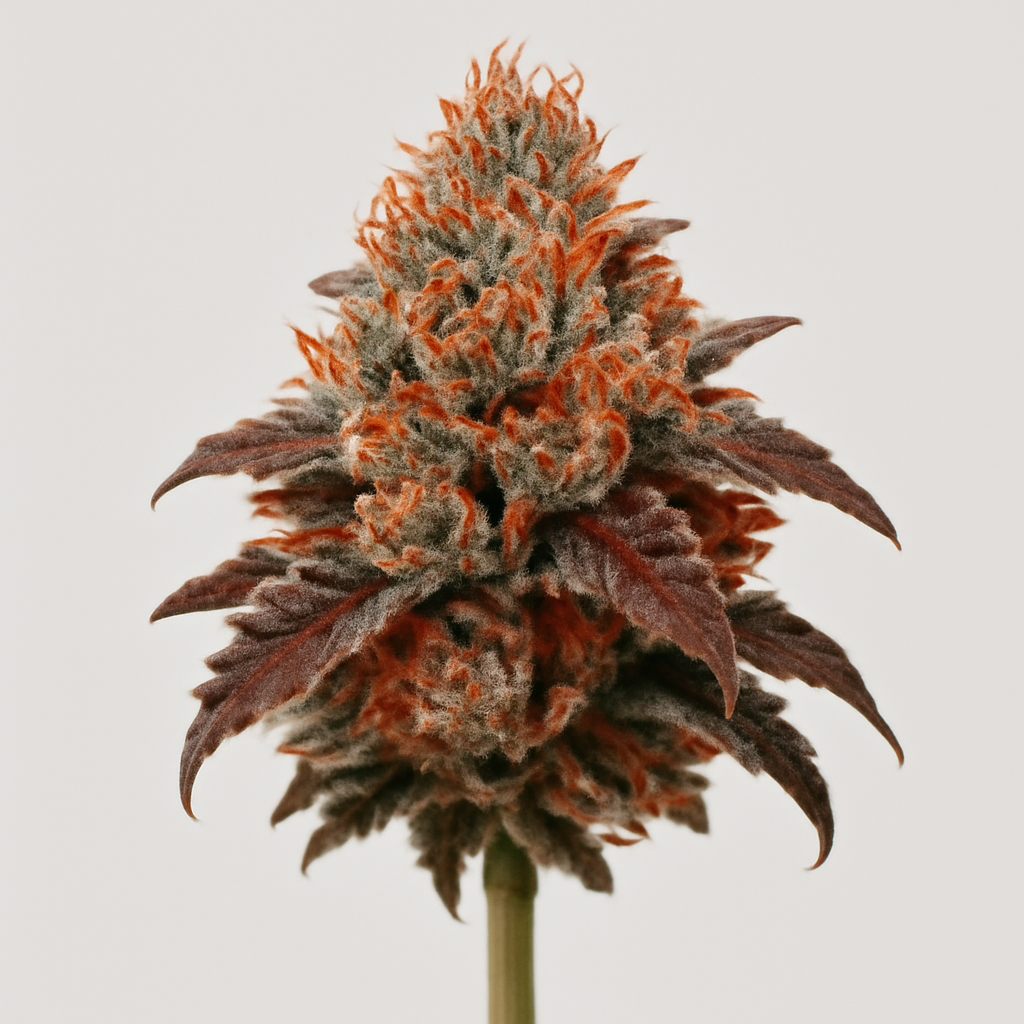
Red Dragon (Cannabis Strain) — Strainpedia
Red Dragon is an old-school indica-leaning hybrid built around sweet berry aromatics, warm spice, and a notably resinous finish. Its Afghani and Himalayan Gold heritage gives the cultivar a grounded, soothing profile that tends to read as flavorful first and forceful second, with buds that often show rich green tones and occasional reddish highlights.
Compared with louder dessert strains, Red Dragon feels more classically aromatic: floral incense, pine, and earthy sweetness sit together in a way that points back to its regional breeding roots. The plant generally finishes in a compact indoor window, and the terpene profile is often described as layered rather than sharp, which gives the strain lasting appeal among legacy-flower buyers and breeders alike.
Quick Facts
| Genetics | Afghani x Himalayan Gold |
|---|---|
| Original Breeder | Sensi Seeds |
| Variety | Indica-dominant Hybrid |
| Flowering Time | Approximately 8–9 weeks indoors |
| Yield Potential | Moderate to high under stable indoor conditions |
| Plant Height | Medium |
| Climate Preference | Warm, dry, Mediterranean-leaning environments with good airflow |
| Difficulty | Moderate |
Strain Classification
| Type | Indica-dominant Hybrid |
|---|---|
| Genetic Family | Mountain and landrace-inspired indica hybrid with classic hashplant influence |
| Primary Terpenes | Myrcene, caryophyllene, pinene |
| Original Breeder | Sensi Seeds |
| Breeding Lineage | Afghani x Himalayan Gold |
*Exact terpene dominance may vary by phenotype and cultivation method.
Scientific & Botanical Overview
Botanically, Red Dragon presents as a compact, resin-forward hybrid with a clear indica bias in structure and finish time. The cultivar’s architecture typically favors shorter internodes, sturdy lateral growth, and dense floral stacking, traits that are consistent with its Afghani-leaning parentage.
From a breeding perspective, the strain is notable because it connects rugged regional genetics with a sweeter aromatic layer that broadens its sensory profile. That combination gives Red Dragon a useful niche in collections where breeders or connoisseurs want hashplant resilience, aromatic complexity, and a flowering window that remains commercially practical.
Appearance
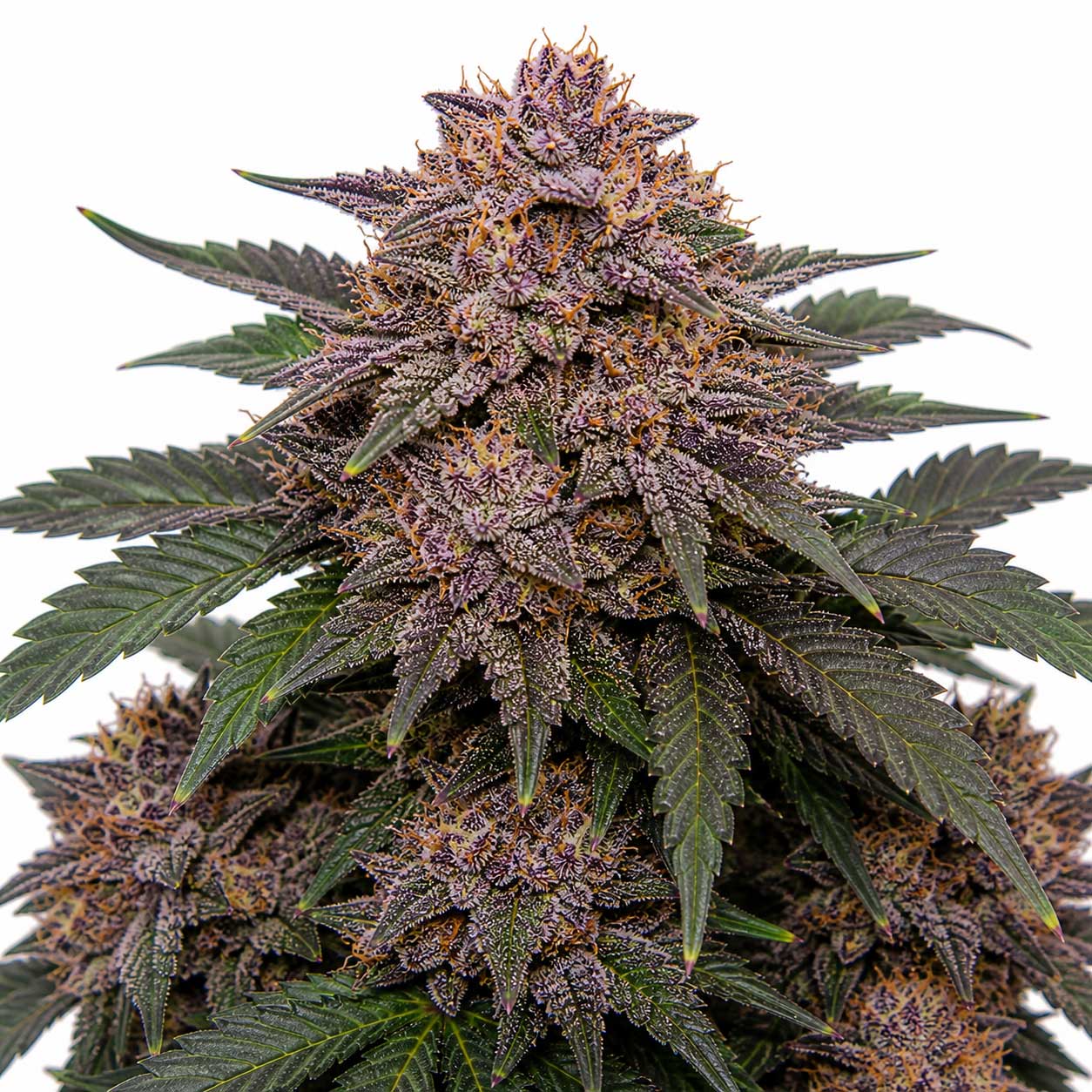
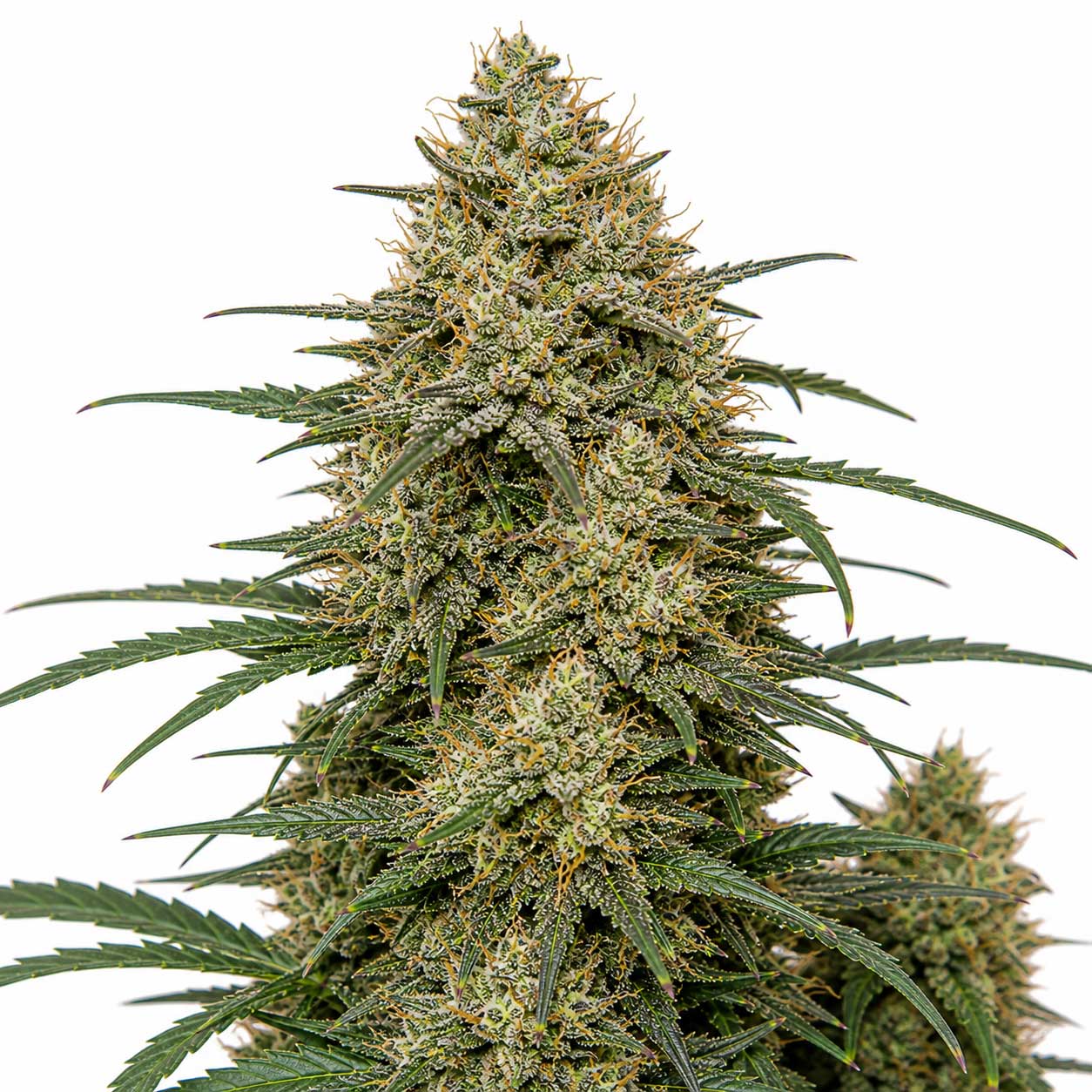
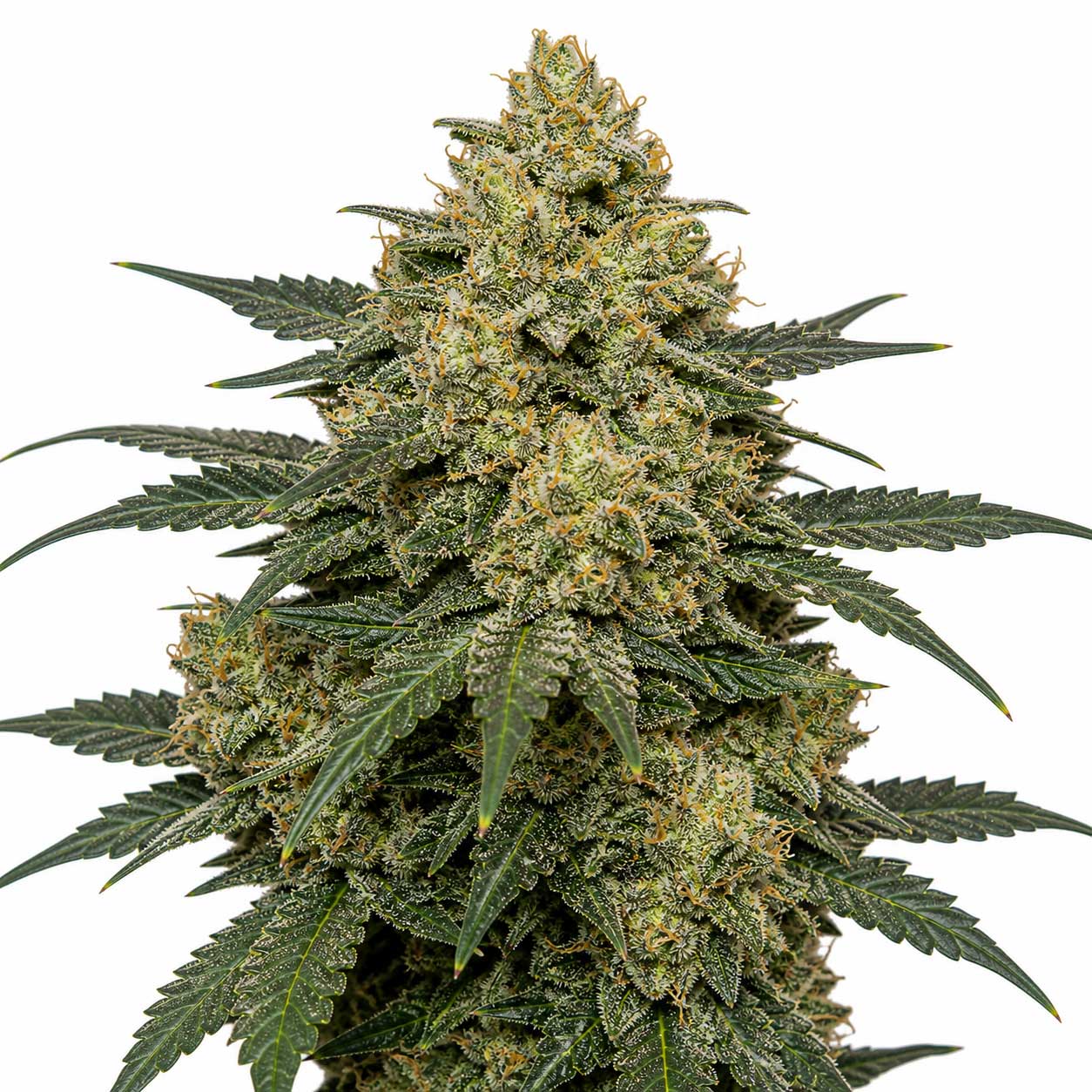
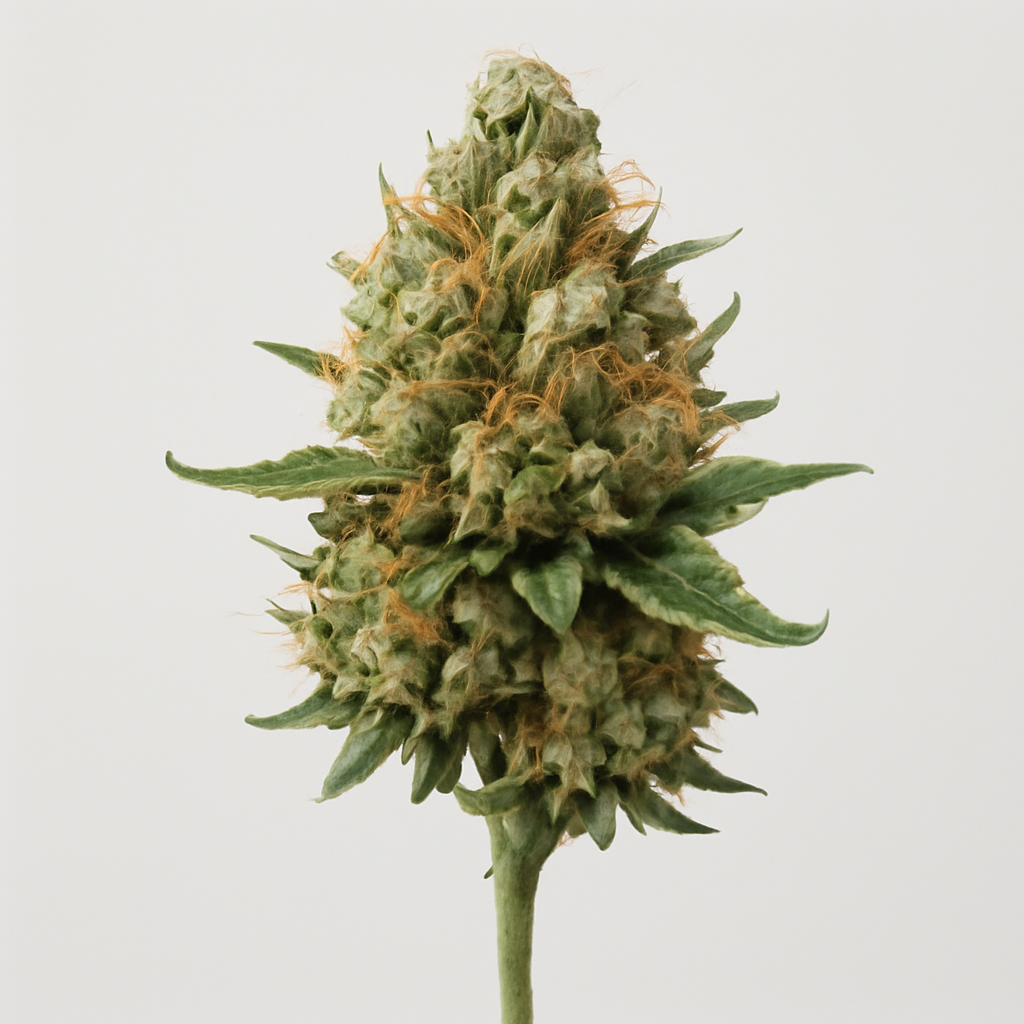
Red Dragon buds are usually compact and weighty, with a conical or spear-like form that reflects its indica influence. The flowers often carry a dense trichome coat, giving the surface a frosted look that becomes more pronounced near maturity.
Color expression can range from medium green to darker olive, with bright orange pistils weaving through the calyxes. In cooler finishes, some phenotypes may show red or burgundy accents on sugar leaves, which adds to the strain’s visual identity without making that coloration universal across every plant.
Effects & Use-Cases (Reported)
- Commonly reported effects: calm onset, mild cerebral uplift, body relaxation, evening wind-down, reduced mental noise
- Use-case context: often chosen for late-day sessions, quiet social settings, or relaxed personal downtime rather than high-energy activities
- Body character: usually described as smoothing and settling, with a gradual physical heaviness that does not always feel overwhelming
- Note: These observations are anecdotal and do not constitute medical claims.
Observational Note: Red Dragon tends to express its effects in a measured way, with the head change arriving before the body settles in. That sequencing is part of what makes it feel classic rather than flashy.
Potency Note: Well-grown flower can test at respectable THC levels, but the strain’s reputation rests as much on comfort and flavor as on sheer intensity. Phenotype, harvest timing, and cure quality can shape the experience significantly.
Aroma & Flavor Profile
- Aroma: sweet berry, earthy spice, floral incense, pine, herbal musk
- Flavor: berry candy, spiced earth, sweet pine, light citrus, incense
- Aftertaste: lingering sweet-spice finish with herbal depth and a faint woody edge
- Terpene associations: commonly aligned with myrcene, caryophyllene, and pinene.
For readers searching for Red Dragon weed flavor or aroma, the most accurate short version is sweet berry layered over spice and incense, not a sugary dessert profile. The smoke or vapor often opens with fruit and warm earth before resolving into piney herbal tones that stay present on the palate.
Tested Cannabinoid & Terpene Ranges
| Compound | Typical Range* | Notes |
|---|---|---|
| Δ⁹-THC | ~16–22% | Often lands in a moderate-to-potent range, depending on phenotype and cure. |
| CBD | <1% | Typically low and not a defining cannabinoid for this cultivar. |
| Myrcene | ~0.20–0.70% | Commonly associated with the strain’s earthy, grounding aroma and fuller body impression. |
| Caryophyllene | ~0.15–0.50% | Often contributes spice, pepper, and a slightly dry finish. |
| Pinene | ~0.10–0.35% | Helps support the pine note and keeps the profile from reading too heavy. |
*Ranges are estimates and may vary by phenotype, harvest timing, and testing methods.
Cultivation Notes
- Light Cycle: 12/12 for flowering indoors
- Humidity: Moderate during early flower, then lower humidity late in bloom to protect dense colas
- Stretch: Modest to moderate, with a fairly controlled vertical response
- Training: Responds well to topping, selective pruning, and low-stress training
- Odor Control: Recommended during mid-to-late flower because the sweet spice profile becomes more pronounced
- Harvest Window: Approximately 8–9 weeks indoors
Red Dragon is generally straightforward for growers who already understand how to manage compact, resinous hybrids. The main priorities are airflow, canopy balance, and avoiding excess humidity around the densest flowers. Cooler nights can be useful for color expression, but they are not required for quality.
Grower Notes (Week-by-Week Snapshot)
- Weeks 1–3: Expect steady vegetative establishment, with strong node spacing and a structure that is easy to train before flowering begins.
- Weeks 4–5: Bud sites begin to stack, the plant’s aroma becomes more noticeable, and careful canopy management helps light reach lower flowering points.
- Weeks 6–8: Resin production increases quickly, flowers thicken, and the berry-spice profile becomes more defined as trichomes mature.
- Weeks 9–10: Final ripening focuses on density, aroma clarity, and trichome maturity; some phenotypes may finish slightly earlier within the standard range.
Genetic Lineage
Red Dragon is generally described as a cross between Afghani and Himalayan Gold. Afghani genetics are often associated with compact stature, dense bud formation, and strong resin output, all of which fit the strain’s growth habit and flower texture. Himalayan Gold is commonly linked to sweeter aromatics and a more expressive flavor profile, which helps explain the berry and floral notes found in Red Dragon.
Because older catalog information can vary in how it records lineage, the exact historical framing is sometimes presented with minor differences. Even so, the broad breeding story remains consistent: a sturdy, mountain-influenced indica line shaped into a more aromatic and marketable flower with a recognizable sweet-spice signature.
Research Insights
Red Dragon matters in the modern market because it sits at the intersection of legacy genetics and sensory character. It offers a clear alternative to candy-heavy contemporary hybrids by leaning into spice, incense, pine, and berry in a way that still feels approachable to newer consumers. For search visibility, it also serves a specific user intent: people looking for an older, breeder-catalog strain with documented lineage, moderate flowering time, and a distinct aromatic identity.
Frequently Asked Questions
What type of strain is Red Dragon?
Red Dragon is generally classified as an indica-dominant hybrid with classic regional genetics and a compact flowering structure.
Who bred Red Dragon?
Sensi Seeds is the breeder most commonly associated with Red Dragon, though older references may vary slightly in how the cultivar is documented.
What does Red Dragon taste like?
Most descriptions center on berry, spice, pine, and a mild incense-like finish rather than a sugary dessert profile.
How long does Red Dragon take to flower?
Indoors, Red Dragon usually flowers in about 8 to 9 weeks, depending on phenotype and growing conditions.
Is Red Dragon better suited for day or night use?
It is more often associated with evening use because the reported effects trend toward relaxation and a slower physical unwind.
Educational Disclaimer: This page is provided strictly for scientific and horticultural reference. Cannabis cultivation, possession, and use are regulated by local laws. This content does not promote illegal activity or constitute medical advice. Always comply with applicable regulations in your jurisdiction.
Rate and review this strain
Ratings and reviews are accepted only from signed-in Google accounts.
Sign in with Google to leave a rating and written review.
Latest Reviews
0 reviewsNo reviews yet. Be the first Google user to rate and review this strain.
Follow New Cultivar Records
Get newly documented genetics, breeder history, research highlights, and important Strainpedia discoveries by email.