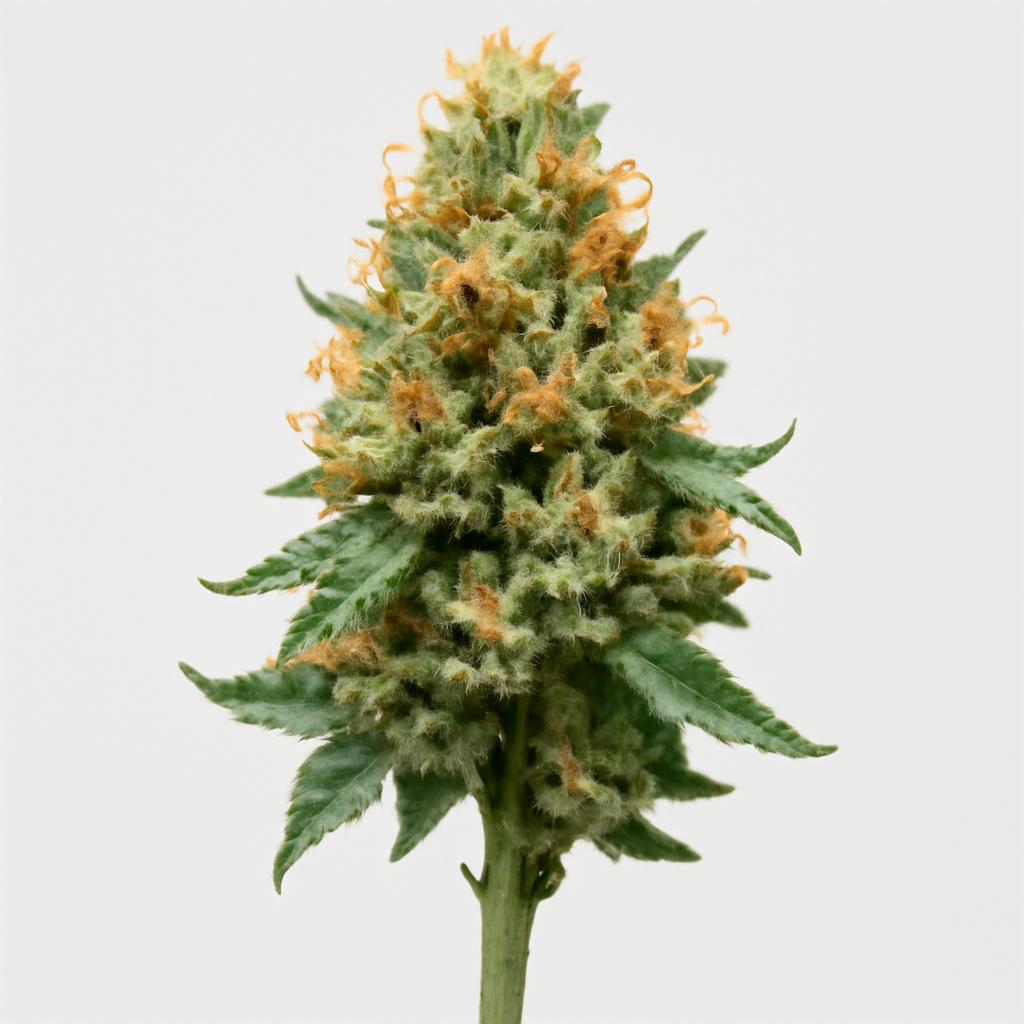
Golden Goat (Cannabis Strain) — Strainpedia
Golden Goat stands apart for its unusually bright, tropical fragrance wrapped around a skunky backbone, a profile that has made it a favorite in legacy cannabis circles. Its sativa-leaning structure, lively flavor identity, and often energetic effect style give it a character that feels more vivid than heavy.
The strain is generally associated with a community-preserved Hawaiian-Romulan and Island Sweet Skunk lineage, though source details are not always consistent across old cuts and catalog references. In the flower itself, that heritage shows up through elongated buds, citrus-forward aromatics, and a resin layer that can look almost frosted under strong light.
Quick Facts
| Genetics | Golden Goat x Island Sweet Skunk (widely reported) |
|---|---|
| Original Breeder | Cecil C. |
| Variety | Sativa-leaning Hybrid |
| Flowering Time | Approximately 9–10 weeks indoors |
| Yield Potential | Moderate to high, depending on training and phenotype |
| Plant Height | Medium to tall |
| Climate Preference | Warm, stable conditions with strong airflow |
| Difficulty | Moderate |
Strain Classification
| Type | Sativa-leaning Hybrid |
|---|---|
| Genetic Family | Skunk-leaning tropical hybrid with Hawaiian influence |
| Primary Terpenes | Terpinolene, myrcene, caryophyllene* |
| Original Breeder | Cecil C. |
| Breeding Lineage | Generally reported as a cross involving Island Sweet Skunk and a Hawaiian-Romulan-derived Golden Goat parentage |
*Exact terpene dominance may vary by phenotype and cultivation method.
Scientific & Botanical Overview
Botanically, Golden Goat expresses a hybrid architecture that often leans toward sativa morphology: longer internodes, narrower leaflets, and bud sites that develop into stretched colas rather than compact rock-like clusters. This growth pattern is consistent with a cultivar carrying pronounced tropical and skunk genetics, where vigor and aroma intensity tend to be more noticeable than sheer bulk.
From a breeding perspective, the strain is interesting because it sits at the intersection of sweet island-style fruit notes and sharper old-school skunk character. That combination can produce phenotypes with noticeable resin production and an aroma that shifts from candy-like on the nose to tangy, savory, and herbal as the flower is broken apart.
Appearance
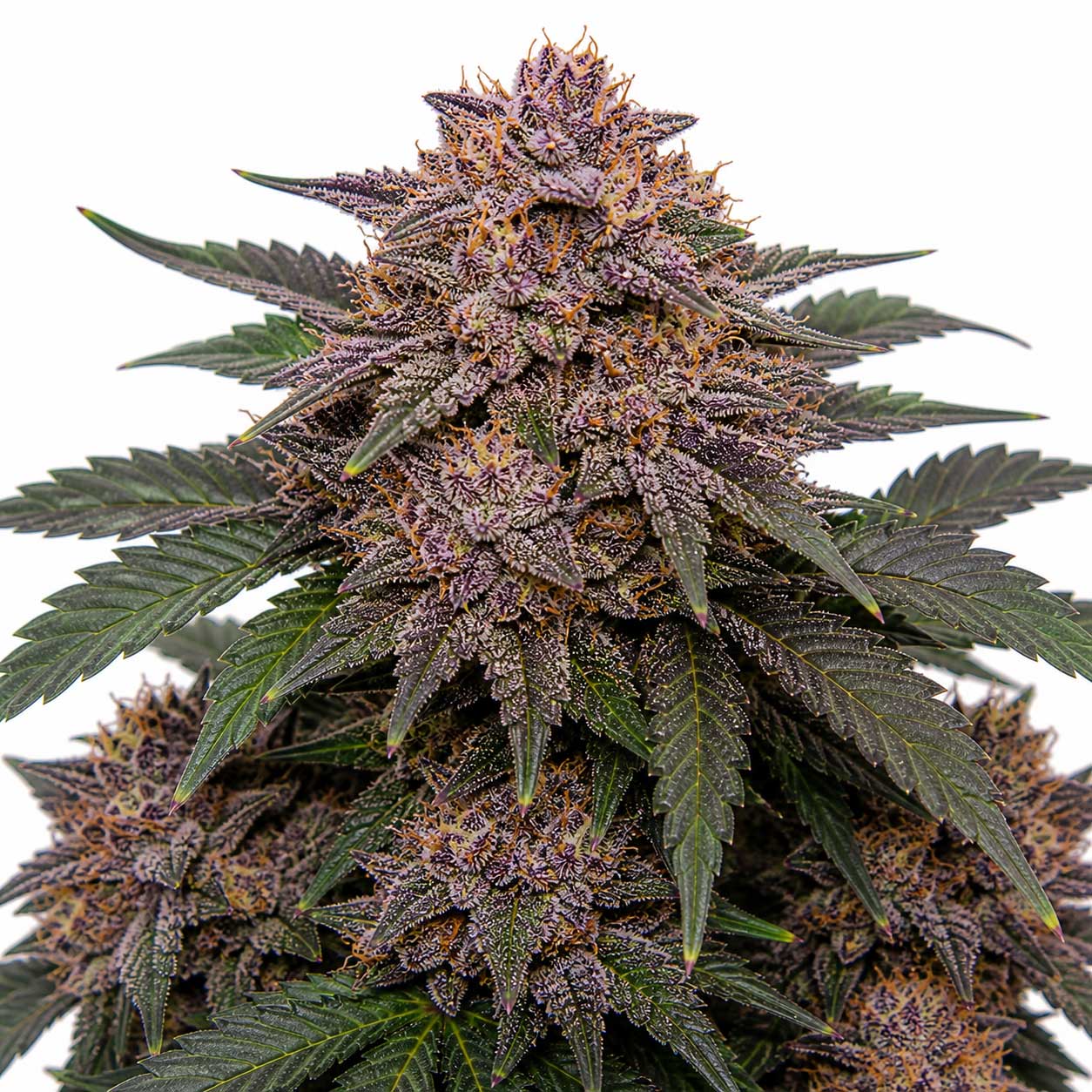
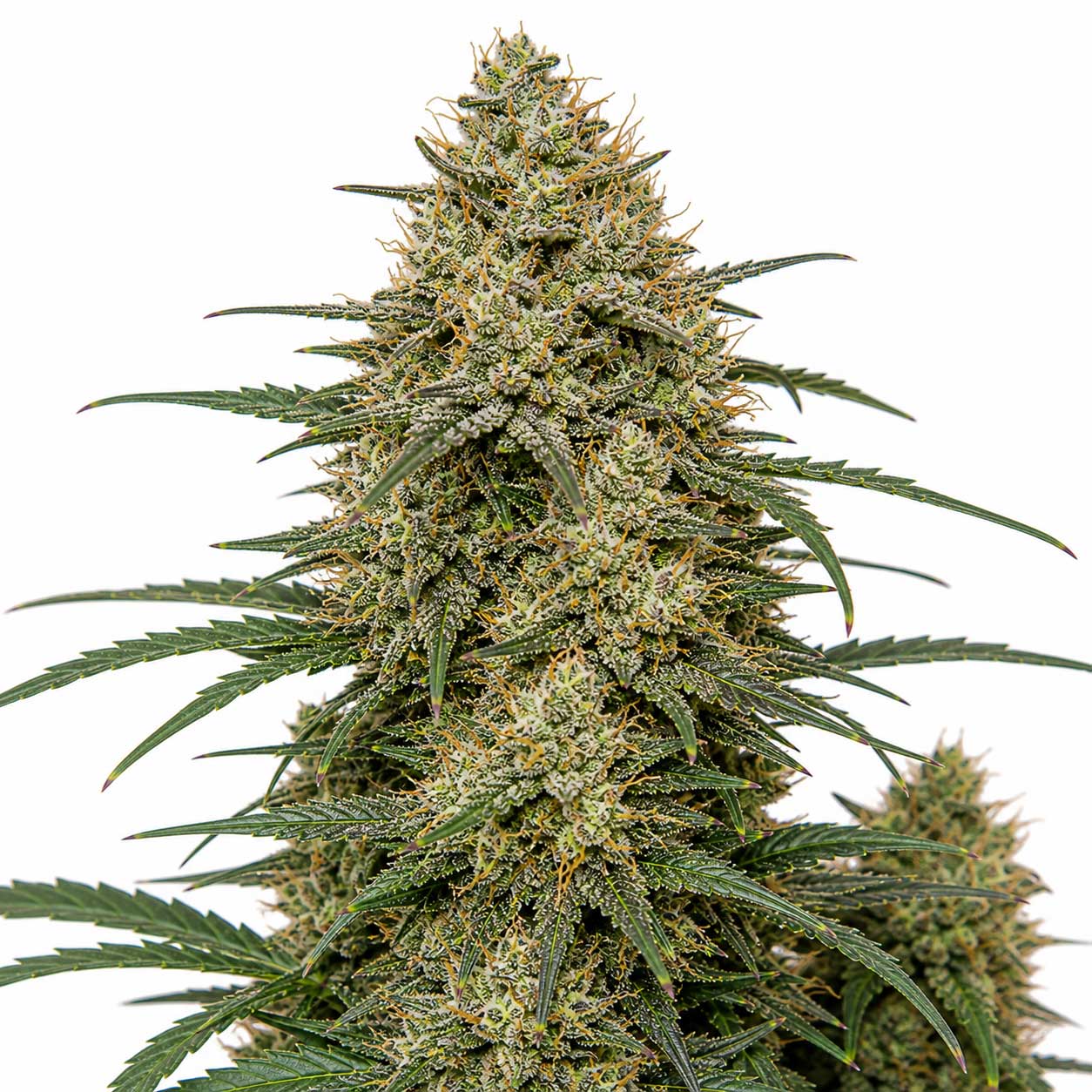
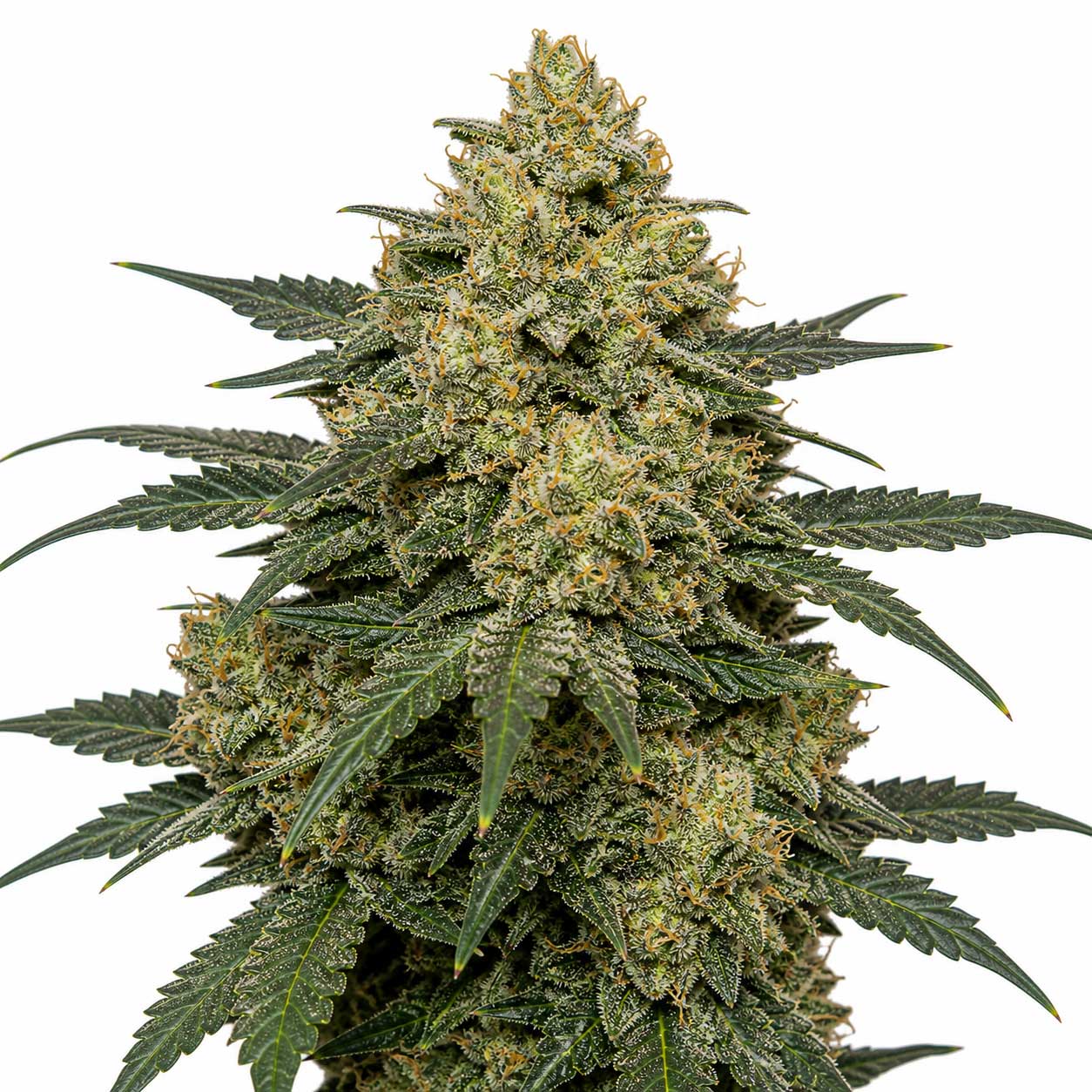
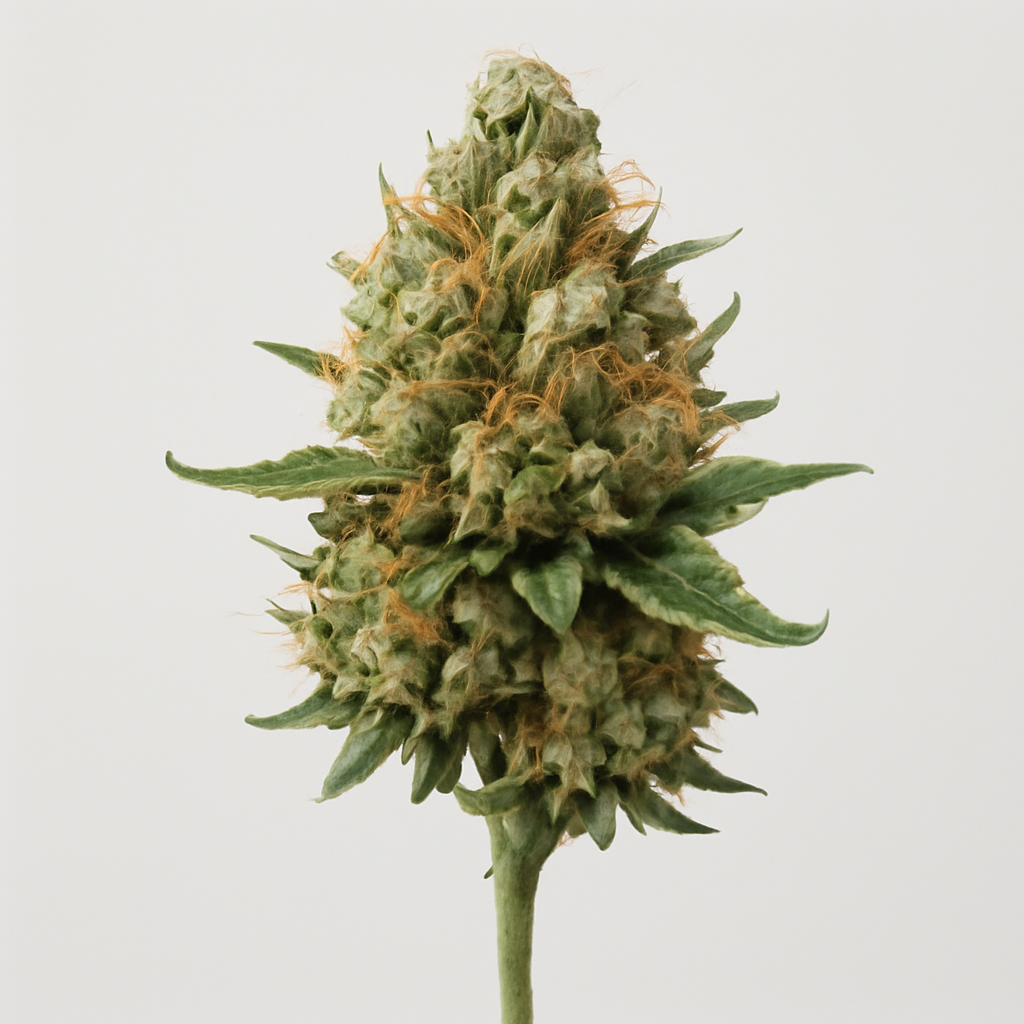
Golden Goat buds are often medium-density and elongated, with a somewhat loose sativa profile that still carries a strong resin coat. Flower color typically ranges from bright lime green to deeper forest green, and many cuts show vivid orange pistils that stand out clearly against the pale trichome layer.
Phenotype variation is part of the appeal here. Some plants produce lighter, airier spears with a sparkling finish, while others stack more tightly and show a heavier frosting on the calyxes and nearby sugar leaves. Under proper maturation, the flowers can take on a luminous, almost golden sheen that suits the name well.
Effects & Use-Cases (Reported)
- Commonly reported effects: uplifted mood, mental clarity, sociability, quick onset, and creative stimulation.
- Use-case context: Often chosen for daytime sessions, social settings, or periods when a brighter, more active headspace is preferred.
- Body character: Usually described as light to moderate in the body, with the focus staying more on the cerebral side.
- Note: These observations are anecdotal and do not constitute medical claims.
Observational Note: Golden Goat is frequently talked about as a strain that arrives with a quick lift rather than a slow build. The experience is often described as talkative, alert, and slightly electric, especially when the flower is fresh and terpene-rich.
Potency Note: Potency can vary significantly across cuts, but the strain is generally considered strong enough for experienced consumers while still retaining a lively, functional profile in many batches.
Aroma & Flavor Profile
- Aroma: tropical fruit, sweet citrus, funky skunk, herbal spice
- Flavor: mango, lemon zest, sweet skunk, light pepper
- Aftertaste: lingering citrus peel with a skunky, slightly herbal finish
- Terpene associations: commonly aligned with terpinolene, myrcene, and caryophyllene.
For searchers looking up Golden Goat aroma or flavor, the most reliable description is a bright tropical-citrus profile backed by a classic skunky edge. On the palate, that can read as mango candy, lemon rind, and peppery herb, with enough funk underneath to keep it from feeling purely sweet.
Tested Cannabinoid & Terpene Ranges
| Compound | Typical Range* | Notes |
|---|---|---|
| Δ⁹-THC | ~18–24% | Commonly tests in the mid-to-high range, though cut and harvest timing matter. |
| CBD | <0.5% | Typically low CBD, with no notable CBD emphasis in most samples. |
| Terpinolene | ~0.3–0.9% | Often linked to the bright, fruity-top note and airy pine-citrus lift. |
| Myrcene | ~0.2–0.7% | May soften the profile with a ripe, musky fruit depth. |
| Caryophyllene | ~0.15–0.5% | Contributes pepper, spice, and a faint woody undertone. |
*Ranges are estimates and may vary by phenotype, harvest timing, and testing methods.
Cultivation Notes
- Light Cycle: 18/6 in vegetative growth; 12/12 for flowering
- Humidity: Moderate humidity early, reduced in late flower to protect dense resinous sites
- Stretch: Noticeable to strong stretch during the first weeks of bloom
- Training: Responds well to topping, low-stress training, and canopy leveling
- Odor Control: Strong odor control is recommended once flowering begins in earnest
- Harvest Window: Approximately 9–10 weeks indoors
Golden Goat benefits from structure early on, especially in smaller indoor rooms where vertical growth can become a factor. Careful pruning and airflow management help preserve flower quality and reduce the risk of moisture-related issues in the interior of the canopy.
Grower Notes (Week-by-Week Snapshot)
- Weeks 1–3: Expect rapid vegetative momentum, active branching, and early stretch after the flip to flower.
- Weeks 4–5: Bud sites begin to define, and the plant often starts broadcasting its citrus-skunk aroma more clearly.
- Weeks 6–8: Resin production increases, pistils stack densely, and the canopy may need support as colas lengthen.
- Weeks 9–10: Mature flowers typically finish with strong fragrance, visible trichome coverage, and a slightly golden cast in some phenotypes.
Genetic Lineage
Golden Goat is generally traced to a cross involving Island Sweet Skunk and a Hawaiian-Romulan-related parent, although exact documentation varies depending on the source and the cut being discussed. The Island Sweet Skunk side is commonly associated with sharp skunk, bright sweetness, and reliable vigor, while the Hawaiian influence is often credited with tropical fruit tones and a more expansive sativa expression.
That combination helps explain why Golden Goat has remained relevant in both older cannabis conversations and newer strain searches. It preserves a recognizable old-school edge while delivering a flavor profile that feels distinctly tropical rather than purely fuel- or hash-driven.
Research Insights
Golden Goat matters in the modern market because it represents a strain with a memorable sensory identity that predates many of today’s dessert-heavy hybrids. In search behavior, it draws attention from users looking for citrus-skunk strains, tropical terpene expressions, and sativa-leaning flower with personality. In breeding terms, it is a useful reminder that classic genetics can still compete on aroma complexity and consumer recall without relying on trend-driven naming.
Frequently Asked Questions
Is Golden Goat more sativa or indica?
Golden Goat is generally considered a sativa-leaning hybrid, with taller structure and a brighter reported effect profile than many compact hybrids.
What does Golden Goat smell like?
Most descriptions point to tropical fruit, sweet citrus, and a funky skunk note, often with an herbal or spicy finish underneath.
Who bred Golden Goat?
Golden Goat is commonly attributed to Cecil C., though older strain documentation can be inconsistent and the exact origin story varies by source.
How long does Golden Goat take to flower?
Indoors, it typically finishes in approximately 9 to 10 weeks, depending on phenotype and growing conditions.
Is Golden Goat difficult to grow?
It is usually viewed as moderately challenging because of its stretch, height management needs, and the importance of controlling odor and airflow late in bloom.
Educational Disclaimer: This page is provided strictly for scientific and horticultural reference. Cannabis cultivation, possession, and use are regulated by local laws. This content does not promote illegal activity or constitute medical advice. Always comply with applicable regulations in your jurisdiction.
Rate and review this strain
Ratings and reviews are accepted only from signed-in Google accounts.
Sign in with Google to leave a rating and written review.
Latest Reviews
0 reviewsNo reviews yet. Be the first Google user to rate and review this strain.
Follow New Cultivar Records
Get newly documented genetics, breeder history, research highlights, and important Strainpedia discoveries by email.