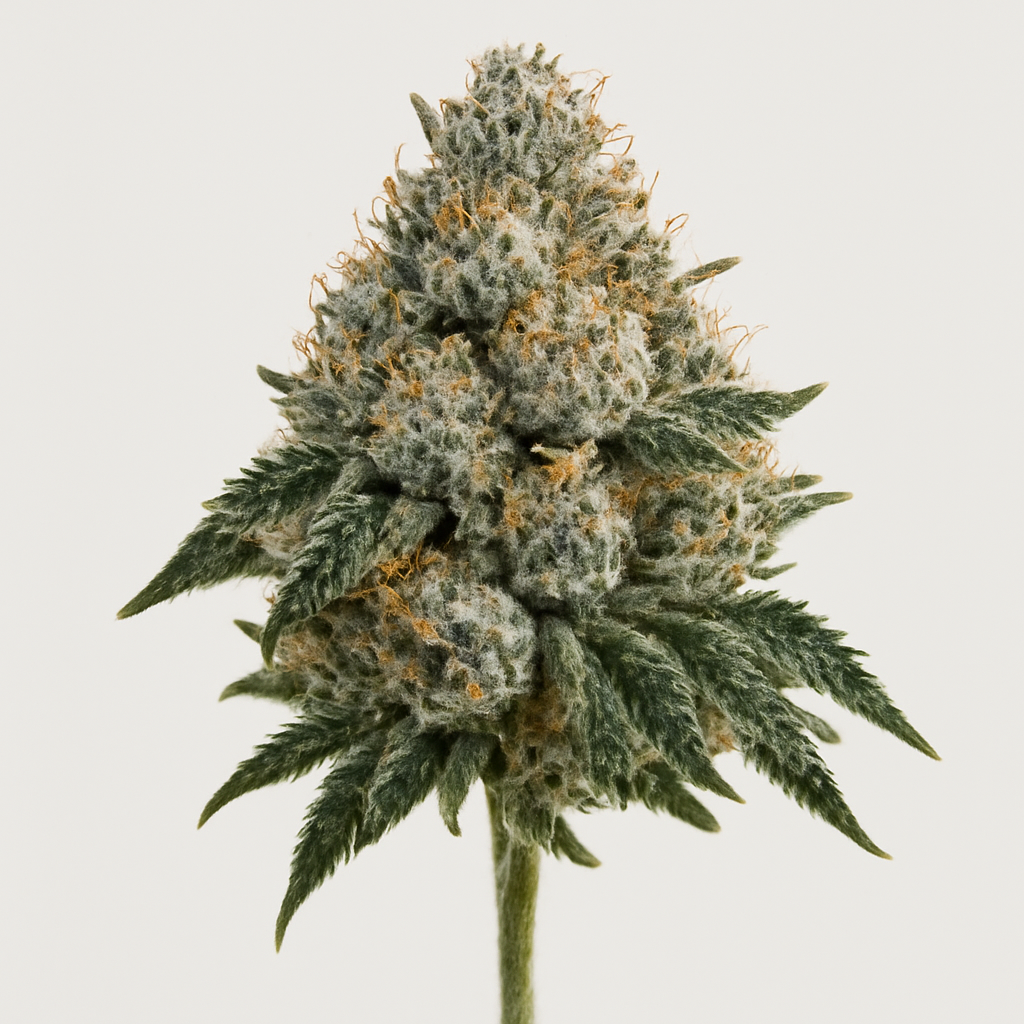
Death Bubba (Cannabis Strain)
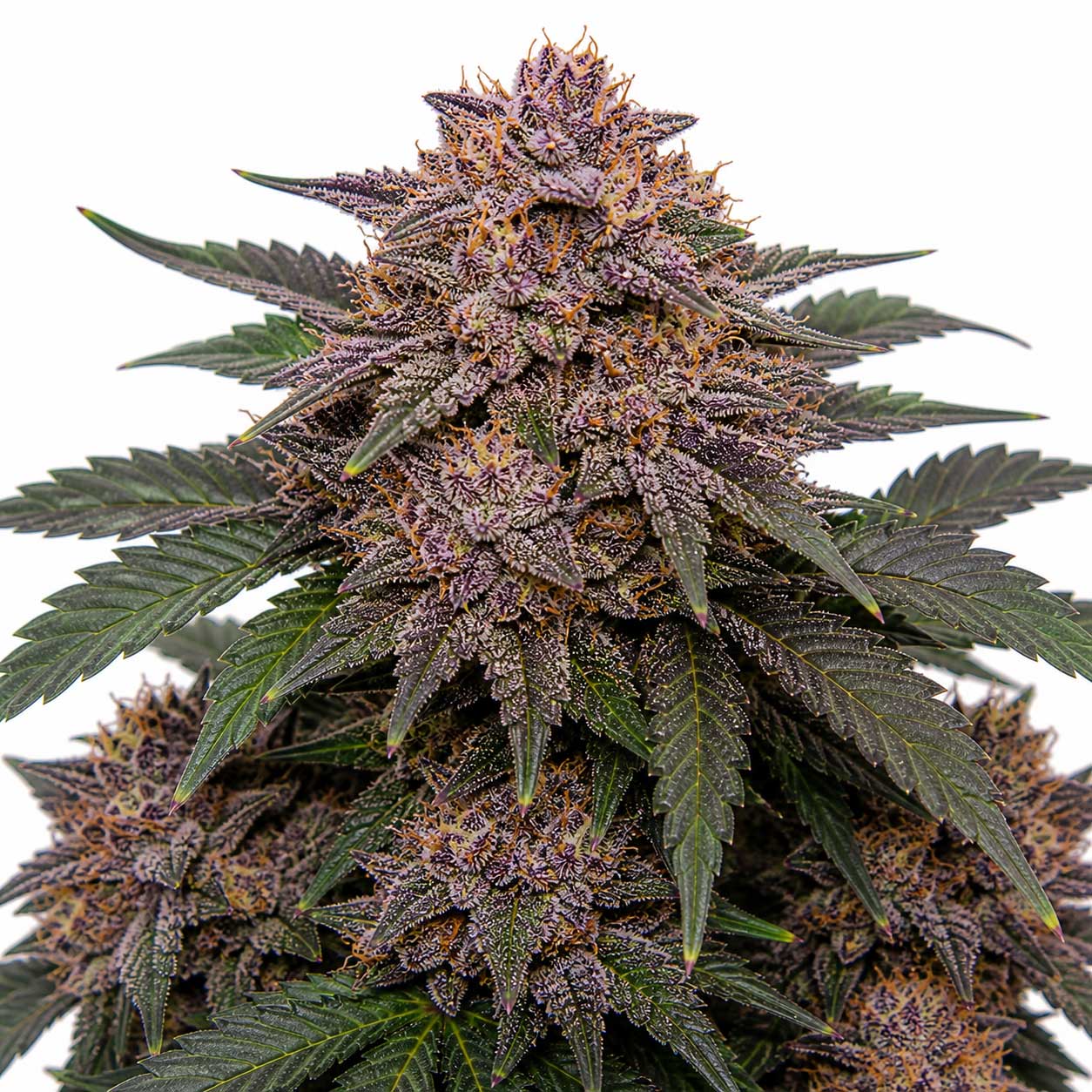
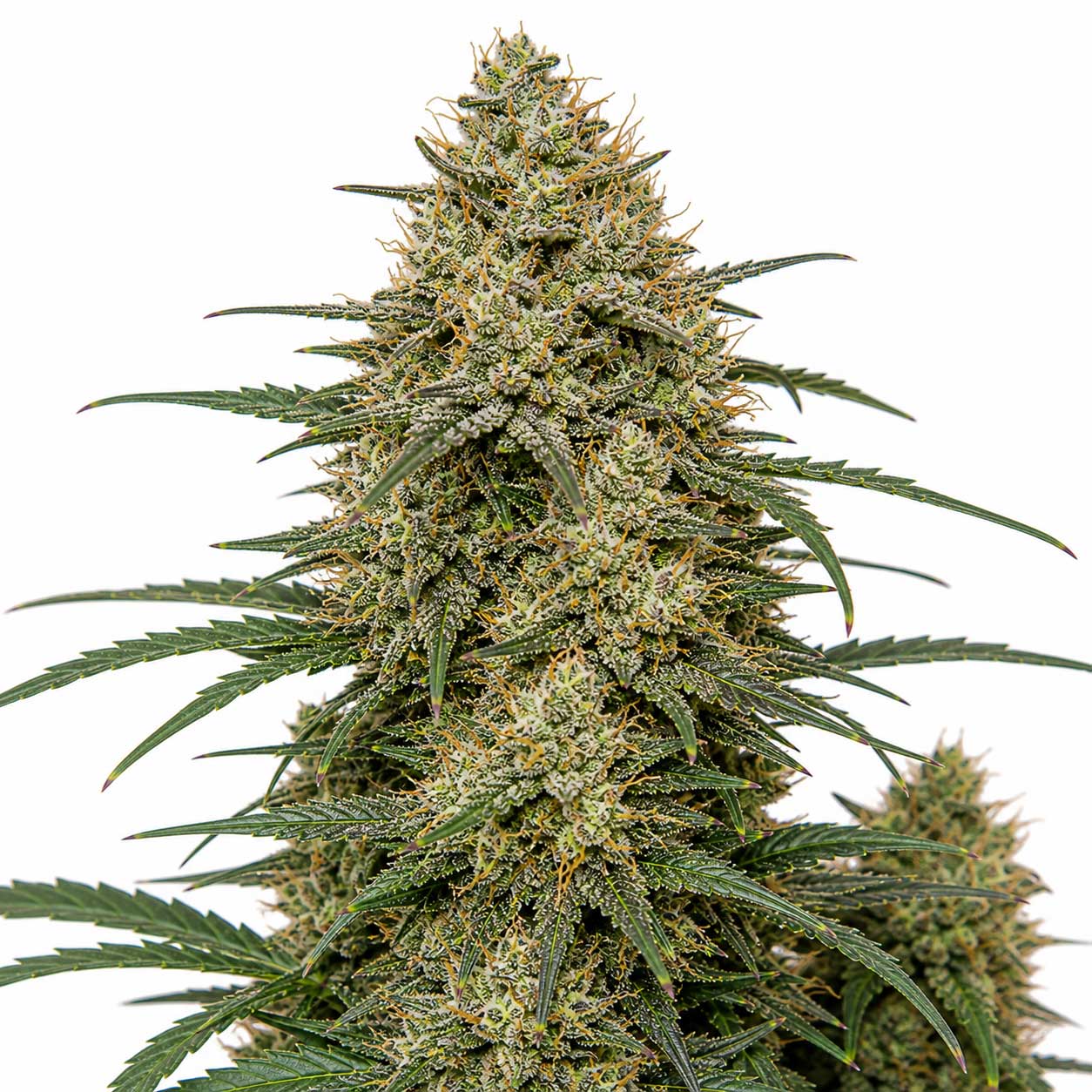
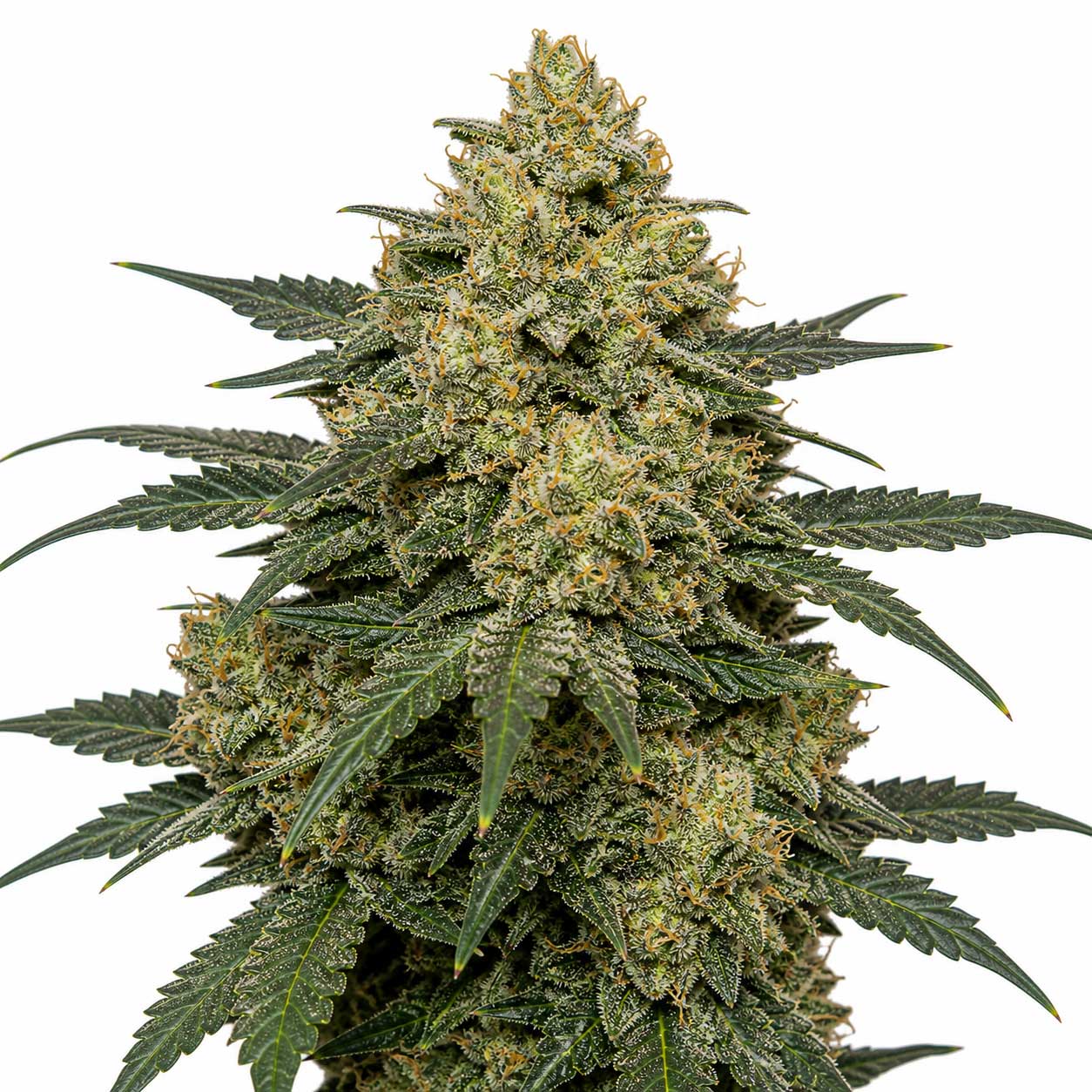
Death Bubba is a potent, indica-dominant hybrid crossing the legendary Bubba Kush and Death Star, typically testing between 18% and 26% THC. Known for its greasy resin production and dense, dark green flowers, this cultivar delivers a sharp aroma of pungent fuel, damp earth, and spicy pine. It exhibits a compact, stout growth habit with minimal stretch, making it a highly sought-after choice for indoor growers seeking heavy-yielding, resin-rich indica structures.
Originating in the legacy markets of British Columbia, this strain has maintained a dedicated following among cultivators and consumers who prioritize classic gas and hash profiles over modern fruit-forward trends. Its reputation is built on physical density, reliable resin coverage, and a deeply settling finish that makes it best suited for evening applications.
Quick Facts
| Field | Details |
|---|---|
| Genetics | Bubba Kush × Death Star |
| Variety | Indica-dominant Hybrid |
| THC Range | 18% – 26% |
| Flowering Time | 8 – 9 weeks |
| Yield Potential | Moderate to High |
| Plant Height | Short to Medium |
| Climate Preference | Warm, dry, well-ventilated |
| Difficulty | Moderate |
Scientific & Botanical Overview
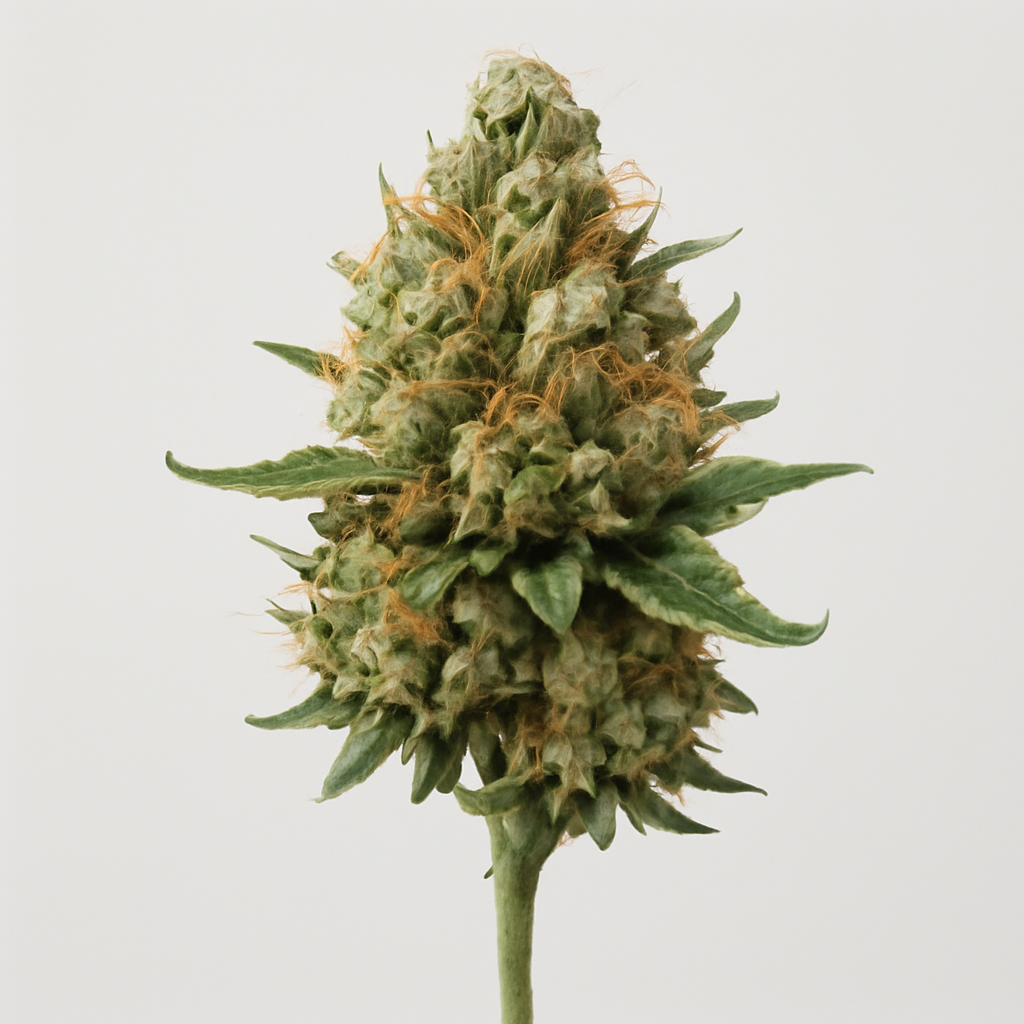
Botanically, Death Bubba exhibits classic indica morphology, characterized by broad fan leaves, tight internodal spacing, and heavy lateral branching. The plant’s structure is naturally stout, focusing its energy on producing dense, tightly packed calyxes that form heavy spear-shaped colas.
During the flowering cycle, the cultivar develops a thick layer of sticky, bulbous trichomes that coat both the buds and the surrounding sugar leaves. This high resin density is inherited from its Bubba Kush parentage, resulting in a greasy texture that remains highly tactile even after a slow cure.
The strain requires active canopy management due to its compact nature, as dense foliage can trap moisture within the lower nodes. Cultivators typically employ selective defoliation early in the flowering phase to ensure adequate light penetration and airflow through the heavy canopy.
Effects & Use-Cases (Reported)
Commonly reported effects: Consumers frequently describe a heavy, physically anchoring sensation accompanied by a quiet, meditative state of mind that progresses into deep relaxation.
Use-case context: Given its deeply settling character, this cultivar is almost exclusively selected for late-evening sessions, nightcaps, or quiet, low-activity rest.
Note: These observations are based on subjective consumer reports and do not constitute medical advice or clinical claims.
Aroma & Flavors
Aroma: A pungent blast of sour diesel and damp earth dominates the initial impression, followed by sharp undertones of pine sap, black pepper, and skunky musk.
Flavor: The smoke or vapor delivers a heavy, hash-like spice on the inhale, transitioning to a woody, herbal earthiness on the mid-palate.
Terpene associations: The aromatic profile is heavily driven by myrcene, caryophyllene, and pinene, which combine to create its signature gas-and-forest signature.
Tested Cannabinoid & Terpene Ranges
| Compound | Typical Range | Notes |
|---|---|---|
| Δ9-THC | 18% – 26% | Often reaches higher limits under optimized indoor setups. |
| CBD | <0.5% | Typically present in trace amounts only. |
| Myrcene | 0.20% – 0.70% | The primary terpene, contributing to the heavy, earthy baseline. |
| Caryophyllene | 0.15% – 0.55% | Adds a distinct peppery spice and fuel-like complexity. |
| Pinene | 0.10% – 0.40% | Responsible for the sharp, pine-forest aromatic top notes. |
Aromatic and cannabinoid percentages are literature-informed estimates and vary based on specific phenotypes, environmental conditions, and cultivation techniques.
Cultivation Notes
- Humidity control: Maintain relative humidity below 45% during the final three weeks of flowering to prevent moisture retention in the dense colas.
- Nutrient requirements: This cultivar responds well to a steady feeding schedule but can be sensitive to nitrogen toxicity in early flower; transition gently to phosphorus-heavy feeds.
- Canopy training: Low-stress training (LST) and topping during the vegetative stage help split the main colas and maximize light exposure across the flat canopy.
- Airflow management: Utilize high-volume oscillating fans both above and below the canopy to keep air moving through the tight branch junctions.
- Phenotype selection: Look for mother plants that exhibit strong lateral branching and a distinct fuel-forward aroma during early vegetative stem rubs.
Grower Notes (Week-by-Week Snapshot)
- Weeks 1–3 (Transition): Expect a modest stretch of roughly 50% to 80% after flipping to 12/12. Clean up the bottom third of the plant to improve airflow.
- Weeks 4–6 (Mid-Flower): Calyxes begin to stack rapidly, and trichome production becomes visible on the sugar leaves. The room will require active carbon filtration as the gas aroma intensifies.
- Weeks 7–9 (Late Flower & Harvest): Buds will swell and harden significantly. Flush the medium during the final 10 days, watching for pistils to turn amber and trichome heads to transition from clear to milky.
- Post-Harvest (Dry & Cure): A slow dry at 60°F (15°C) and 60% relative humidity for 10 to 14 days is essential to preserve the volatile fuel and pine terpenes.
Genetic Lineage
The genetic foundation of Death Bubba is a direct cross between Bubba Kush and Death Star, combining two heavy-hitting indica lines. Bubba Kush contributes its signature earthy spice, dense bud structure, and reliable resin production, while Death Star introduces a sharp, fuel-forward diesel note and increased structural vigor.
Originally bred by Sacred Seeds and popularized through the legacy markets of British Columbia, this hybrid has become a cornerstone of West Coast cannabis culture. Its lineage represents a deliberate effort to intensify the classic gas profile of Kush varieties while maintaining a compact, grower-friendly growth habit.
Research Insights
Analytical testing of Death Bubba reveals a terpene profile dominated by myrcene and caryophyllene, with significant secondary levels of pinene. This specific combination is frequently studied for its potential to produce a heavy physical sensation, as myrcene is associated with sedating qualities while caryophyllene interacts directly with peripheral receptors.
The high concentration of resin glands on the bracts and sugar leaves makes this strain a subject of interest for extraction processors. The physical structure of the trichomes, featuring large heads and sturdy stalks, lends itself well to traditional solventless washing and dry-sifting techniques.
Frequently Asked Questions
Is Death Bubba an indica or sativa?
Death Bubba is an indica-dominant hybrid, typically exhibiting a 70% indica to 30% sativa ratio, characterized by its short stature and heavy physical effects.
What does Death Bubba smell like?
The strain has a highly pungent aroma defined by sour fuel, damp earth, spicy pine, and a rich, hashy undertone.
How long does Death Bubba take to flower?
When grown indoors, this cultivar typically finishes flowering in 8 to 9 weeks, requiring careful humidity control during the final stages.
Is Death Bubba suitable for beginner growers?
It is considered moderately difficult to grow due to its dense canopy and susceptibility to moisture issues, requiring active environmental management.
Educational Disclaimer
This content is for educational and informational purposes only. Cannabis laws and regulations vary by jurisdiction. Cultivation should only be undertaken where legally permitted.
Rate and review this strain
Ratings and reviews are accepted only from signed-in Google accounts.
Sign in with Google to leave a rating and written review.
Latest Reviews
0 reviewsNo reviews yet. Be the first Google user to rate and review this strain.
Follow New Cultivar Records
Get newly documented genetics, breeder history, research highlights, and important Strainpedia discoveries by email.