Alpine Star (Cannabis Strain) — Strainpedia
Alpine Star is an indica-dominant hybrid typically associated with Biscotti and Do-Si-Dos, a pairing that helps explain its cookie-forward flavor, fuel-laced aroma, and dense resin profile. In practical terms, the cultivar tends to present as a compact, frosted flower with a dessert-meets-gas character rather than a bright citrus or tropical profile.
What sets it apart is the way those genetics often translate into a layered sensory experience: sweet dough on the front end, earthy spice in the middle, and a lingering gassy finish. Growers and consumers often note that the plant leans toward tight bud formation, pronounced trichome output, and a calming effect style that fits evening use better than daytime productivity.
Quick Facts
| Genetics | Biscotti x Do-Si-Dos |
|---|---|
| Original Breeder | Not clearly documented |
| Variety | Indica-dominant Hybrid |
| Flowering Time | Approximately 8–9 weeks indoors |
| Yield Potential | Moderate to moderately high, depending on canopy management |
| Plant Height | Medium height with a compact lateral profile |
| Climate Preference | Warm, stable indoor or Mediterranean-style outdoor conditions |
| Difficulty | Moderate |
Strain Classification
| Type | Indica-dominant Hybrid |
|---|---|
| Genetic Family | Cookie-leaning dessert hybrid with gas and earth influence |
| Primary Terpenes | Myrcene*, Caryophyllene*, Limonene* |
| Original Breeder | Not clearly documented |
| Breeding Lineage | Biscotti x Do-Si-Dos |
*Exact terpene dominance may vary by phenotype and cultivation method.
Scientific & Botanical Overview
From a botanical perspective, Alpine Star sits in the modern dessert-hybrid category: compact internodes, dense inflorescences, and a strong tendency toward resin production are all consistent with its reported parentage. The cultivar’s structure suggests a selection focus on flower density and aromatic intensity, with enough hybrid vigor to support trained indoor canopies without becoming unwieldy.
Because breeder documentation is not consistently standardized across all sources, Alpine Star should be understood as a market name that may reflect more than one selection path. Even so, the core expression is fairly coherent: a cookie-gas hybrid with high trichome presence, limited CBD, and THC levels that can test in the upper tier for contemporary recreational flower.
Appearance
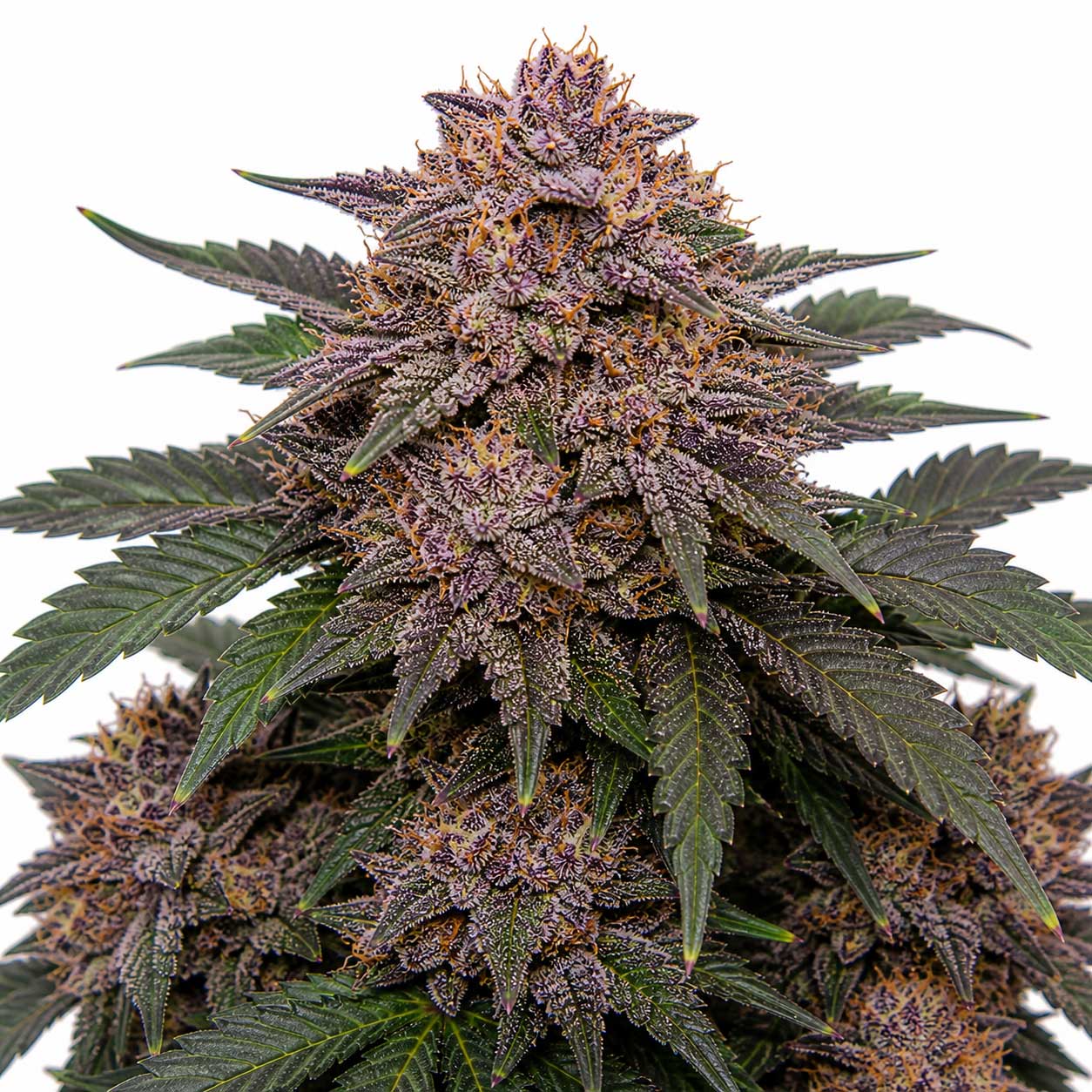
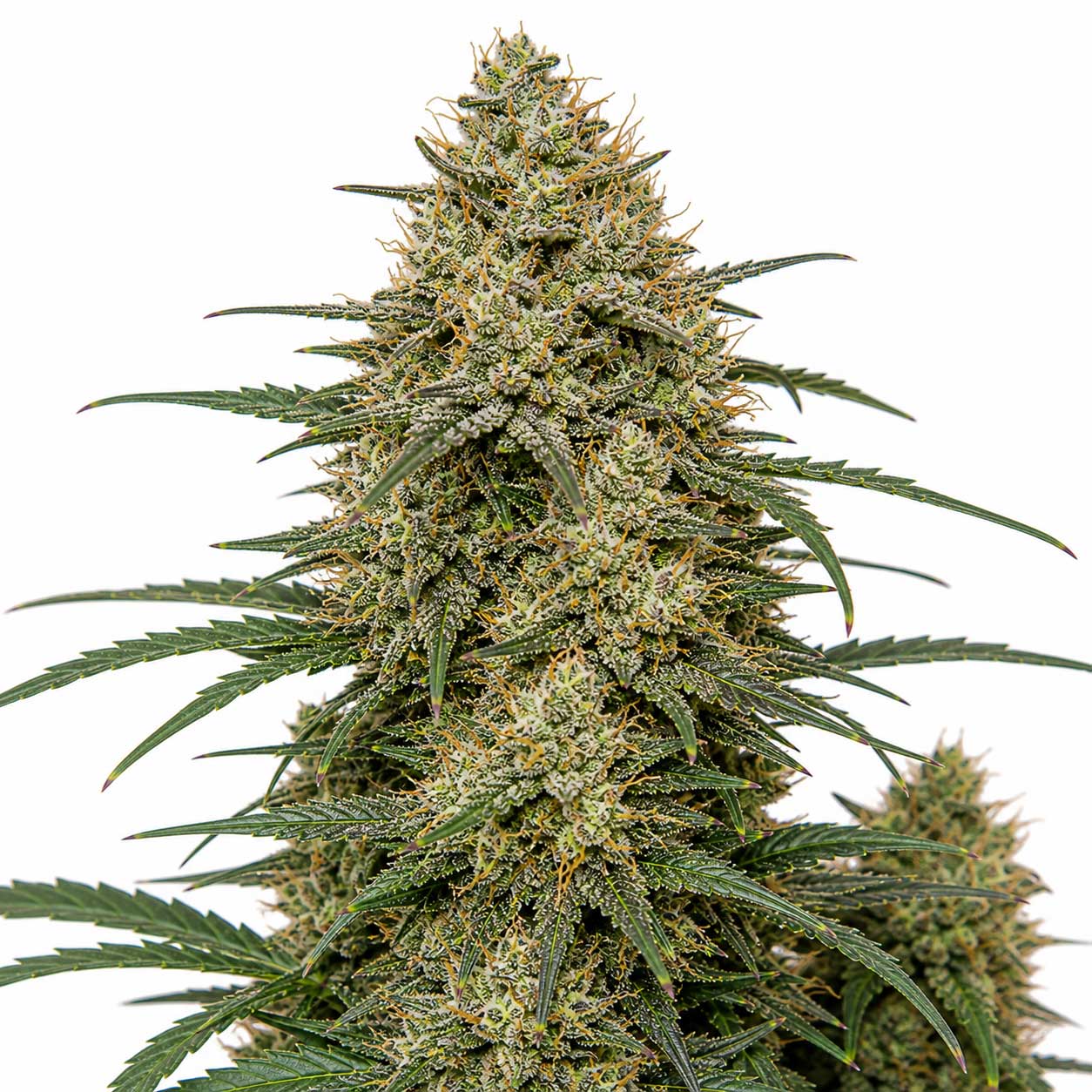
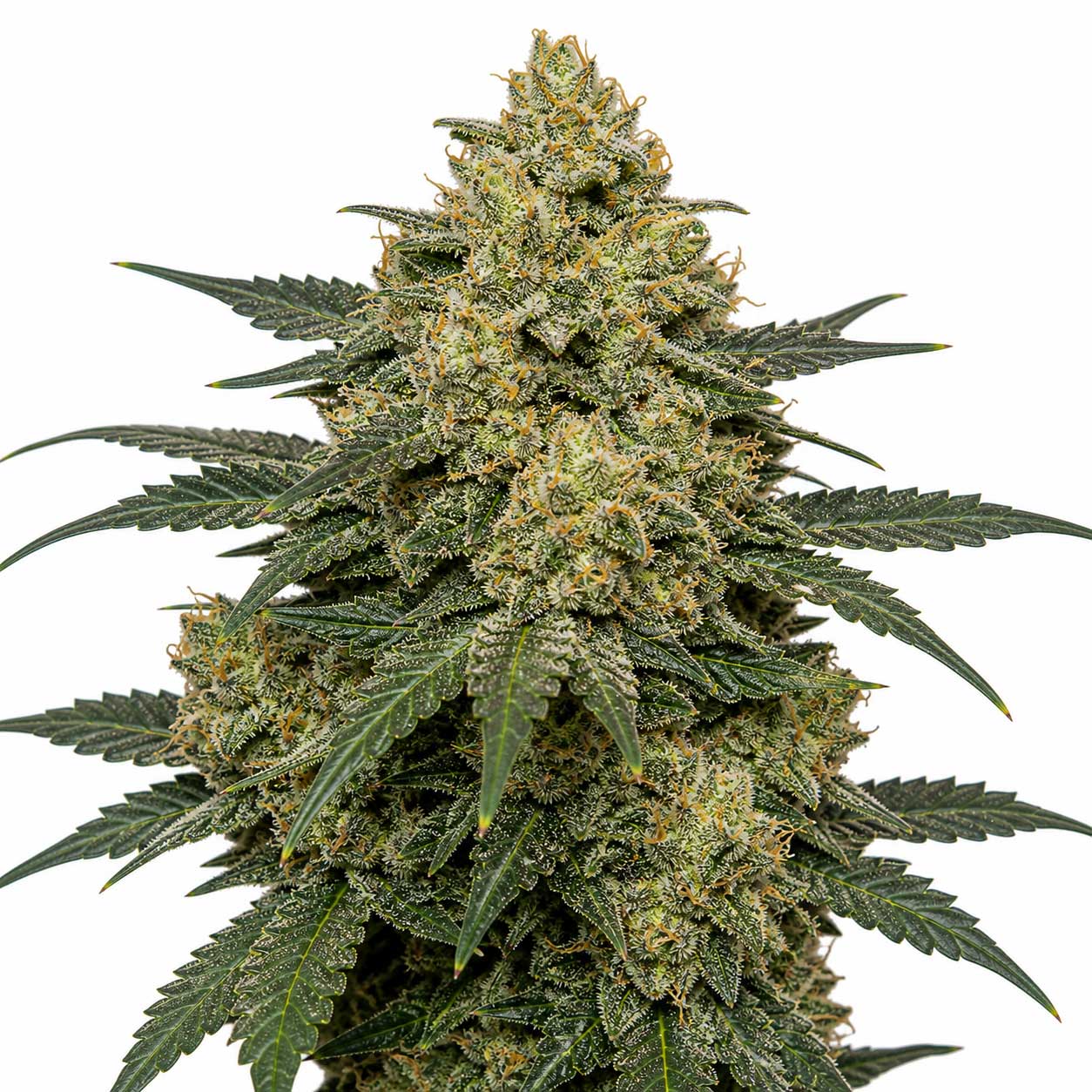
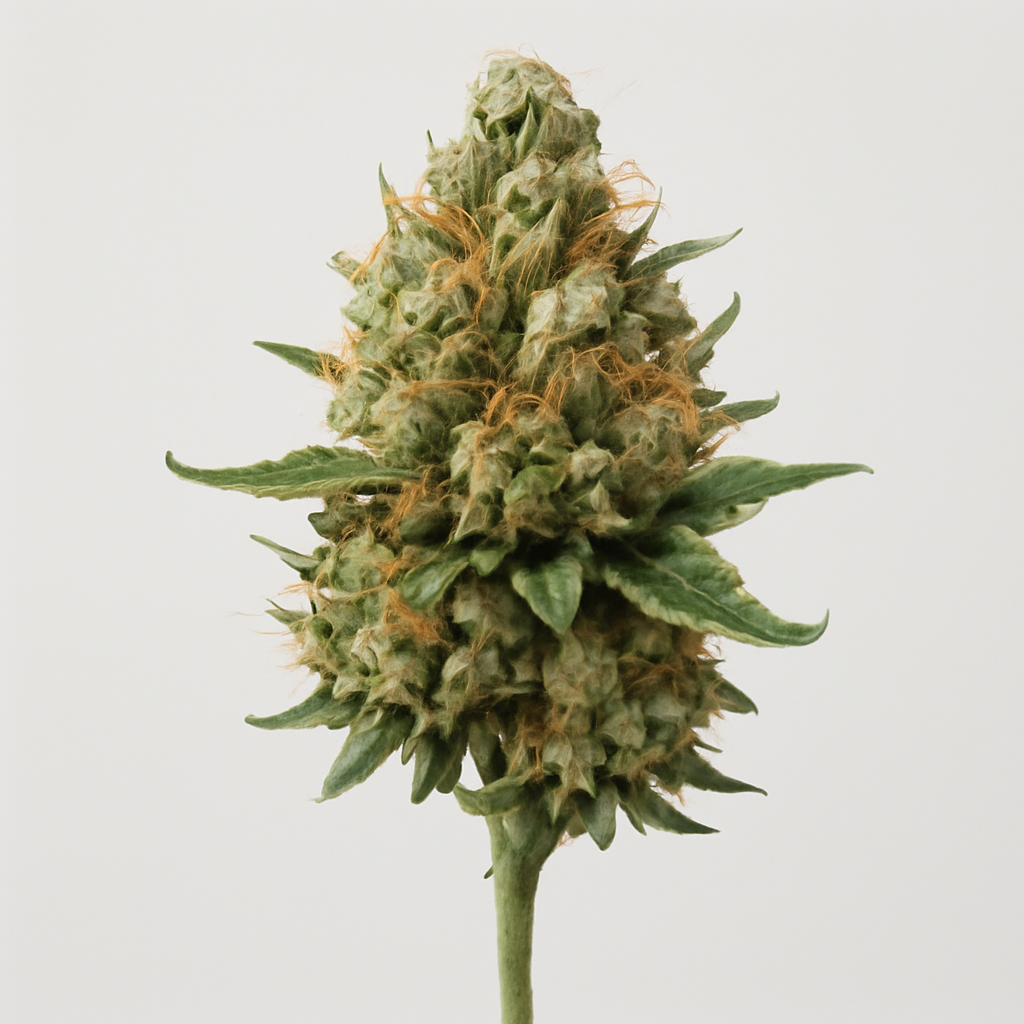
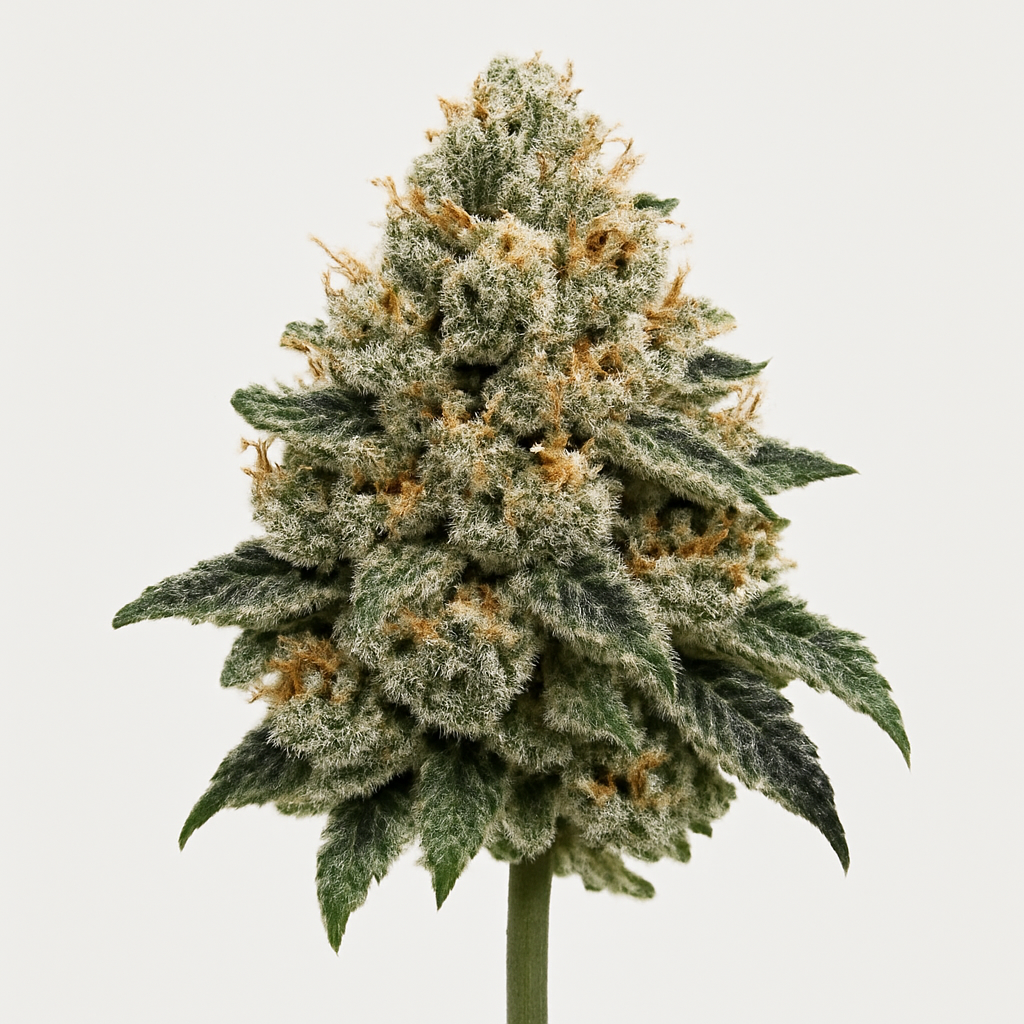
Alpine Star usually produces thick, conical-to-rounded buds with a tightly packed structure and a substantial resin layer. The flower often carries dark green coloration, though some phenotypes show muted purple accents when exposed to cooler late-flower temperatures.
Orange to rust-colored pistils thread through the calyxes, while the trichome coverage can be heavy enough to soften the bud’s surface detail under bright light. Compared with looser sativa-leaning flowers, Alpine Star tends to look dense, polished, and intentionally cultivated for bag appeal rather than long spear-shaped colas.
Effects & Use-Cases (Reported)
- Commonly reported effects: calm onset, uplifted mood, physical relaxation, mild mental haze, and a slow-down in pace.
- Use-case context: Often chosen for late-afternoon or evening sessions, quiet social settings, or times when a heavier hybrid feel is preferred.
- Body character: Frequently described as warm, weighted, and progressively settling rather than sharply sedating.
- Note: These observations are anecdotal and do not constitute medical claims.
Observational Note: Alpine Star tends to land with a hybrid-style entry before shifting into a more grounded body experience. The mental tone is usually less racy than many fuel-heavy strains, which makes it feel smoother and more composed for users who prefer a slower arc.
Potency Note: Because THC can test high, smaller doses are often enough for many consumers. Potency perception may vary with cure quality, terpene expression, and individual tolerance.
Aroma & Flavor Profile
- Aroma: sweet dough, earthy spice, gasoline, ripe berry, and herbal funk.
- Flavor: cookie sweetness, peppery earth, gassy finish, dark fruit, and creamy spice.
- Aftertaste: lingering fuel and baked-sugar notes with a dry, peppered finish.
- Terpene associations: commonly aligned with Myrcene, Caryophyllene, and Limonene.
For searchers looking up Alpine Star strain flavor, aroma, or terpene profile, the short version is dessert dough wrapped in gas and spice. It is not a bright candy strain; its profile is deeper, heavier, and more savory, with enough sweetness to keep the finish rounded.
Tested Cannabinoid & Terpene Ranges
| Compound | Typical Range* | Notes |
|---|---|---|
| Δ⁹-THC | ~22–28% | Often tests high in well-grown indoor flower. |
| CBD | <0.5% | Typically present only in trace amounts. |
| Myrcene | ~0.20–0.60% | May support the strain’s earthy, musky base notes. |
| Caryophyllene | ~0.15–0.45% | Common in peppery, spice-driven dessert hybrids. |
| Limonene | ~0.10–0.35% | Can lift the sweetness and add a faint citrus edge. |
*Ranges are estimates and may vary by phenotype, harvest timing, and testing methods.
Cultivation Notes
- Light Cycle: 18/6 vegetative, then 12/12 for flowering indoors.
- Humidity: Moderate in veg; lower humidity in late flower to protect dense buds.
- Stretch: Usually moderate, with a controlled vertical push after the flip.
- Training: Responds well to topping, SCROG, and selective defoliation.
- Odor Control: Strong aroma development in flower makes filtration advisable.
- Harvest Window: Approximately 8–9 weeks indoors
Alpine Star rewards clean environmental management more than aggressive feeding. It is best handled as a tight, aromatic hybrid that benefits from airflow, steady nutrition, and careful late-flower moisture control. A well-executed cure tends to sharpen the cookie and fuel notes noticeably.
Grower Notes (Week-by-Week Snapshot)
- Weeks 1–3: Plants establish quickly, with moderate stretch and visible node stacking.
- Weeks 4–5: Bud sites thicken, resin begins to build, and the scent turns noticeably sweeter and more pungent.
- Weeks 6–8: Calyxes swell, trichomes intensify, and odor control becomes increasingly important.
- Weeks 9–10: Final ripening emphasizes density, frost, and deeper fuel-spice aromatics before harvest.
Genetic Lineage
Alpine Star is commonly described as a Biscotti x Do-Si-Dos cross, though documentation is not uniformly standardized across all markets. Biscotti is widely associated with dessert-like sweetness, fuel, and a sticky, resinous finish, while Do-Si-Dos often contributes a heavier cookie note, compressed bud structure, and a more indica-leaning posture. In combination, those traits help explain why Alpine Star usually presents as a compact, frosty flower with a rich bakery-and-gas profile rather than a bright fruit cultivar.
Research Insights
Alpine Star matters in the modern market because it sits squarely inside the dessert-gas lineage that continues to dominate premium flower menus. Strains like this help show how contemporary breeding has shifted toward dense bag appeal, high THC expression, and terpene combinations that read as sweet, savory, and fuel-heavy rather than purely fruity. For shoppers and search engines alike, Alpine Star is a useful example of a cultivar where phenotype selection and market naming matter almost as much as the parent cross.
Frequently Asked Questions
Is Alpine Star an indica or sativa strain?
Alpine Star is generally described as an indica-dominant hybrid, with a compact build and a calmer finish than many sativa-leaning cultivars.
What does Alpine Star taste like?
Its flavor is commonly reported as cookie-like and sweet at first, then earthy, peppery, and gassy on the exhale.
How long does Alpine Star take to flower?
Most descriptions place its indoor flowering time at about 8 to 9 weeks, though exact timing depends on phenotype and environment.
What kind of aroma does Alpine Star have?
The aroma often blends sweet dough, spice, fuel, and a faint berry edge, with the gas note becoming more apparent as the buds cure.
Is Alpine Star suitable for beginner growers?
It can be manageable for beginners with good airflow and humidity control, but it is usually easier for growers who already understand canopy management and late-flower odor control.
Educational Disclaimer: This page is provided strictly for scientific and horticultural reference. Cannabis cultivation, possession, and use are regulated by local laws. This content does not promote illegal activity or constitute medical advice. Always comply with applicable regulations in your jurisdiction.
Rate and review this strain
Ratings and reviews are accepted only from signed-in Google accounts.
Sign in with Google to leave a rating and written review.
Latest Reviews
0 reviewsNo reviews yet. Be the first Google user to rate and review this strain.
Follow New Cultivar Records
Get newly documented genetics, breeder history, research highlights, and important Strainpedia discoveries by email.