Moby Dick (Cannabis Strain) — Strainpedia
Moby Dick is a Dutch-bred hybrid that stands apart for how directly it channels its White Widow x Haze heritage. The result is a tall, resin-heavy sativa-leaning cultivar with bright citrus-pine aromatics, a distinctly hazy spice note, and an effect style that is often described as energetic rather than heavy.
In breeder catalogs and legacy grow rooms, this strain has earned attention for its long-flowering structure, strong stretch, and a bud profile that can shift from moderately compact to more open and spear-shaped depending on phenotype. Its flavor identity leans into lemon peel, wood, and incense, while its visual finish is usually marked by pale trichome coverage and vivid orange pistils.
Quick Facts
| Genetics | White Widow x Haze |
|---|---|
| Original Breeder | Dinafem Seeds |
| Variety | Sativa-leaning Hybrid |
| Flowering Time | Approximately 9–11 weeks indoors |
| Yield Potential | Moderate to high with strong canopy management |
| Plant Height | Tall to very tall indoors; vigorous outdoors in warm climates |
| Climate Preference | Warm, dry-to-moderate environments with strong airflow |
| Difficulty | Moderate; stretch and flowering time require planning |
Strain Classification
| Type | Sativa-leaning Hybrid |
|---|---|
| Genetic Family | Classic Dutch hybrid with resinous indica influence and haze-driven sativa structure |
| Primary Terpenes | Terpinolene, limonene, caryophyllene* |
| Original Breeder | Dinafem Seeds |
| Breeding Lineage | White Widow x Haze |
*Exact terpene dominance may vary by phenotype and cultivation method.
Scientific & Botanical Overview
Botanically, Moby Dick is a hybrid that expresses a strong apical growth habit and a flowering architecture shaped by its Haze parentage. The cultivar tends to produce elongated internodal spacing early on, followed by dense resin development as bloom matures, which is a practical reason it remains relevant in modern breeding conversations.
From a breeding perspective, the strain sits in the intersection of two influential lines: White Widow, a resin-forward powerhouse, and Haze, a family known for airborne aroma and longer finishing times. That pairing often creates a flower that smells sharp and bright at first pass, then settles into a deeper incense-and-spice profile after cure.
Appearance
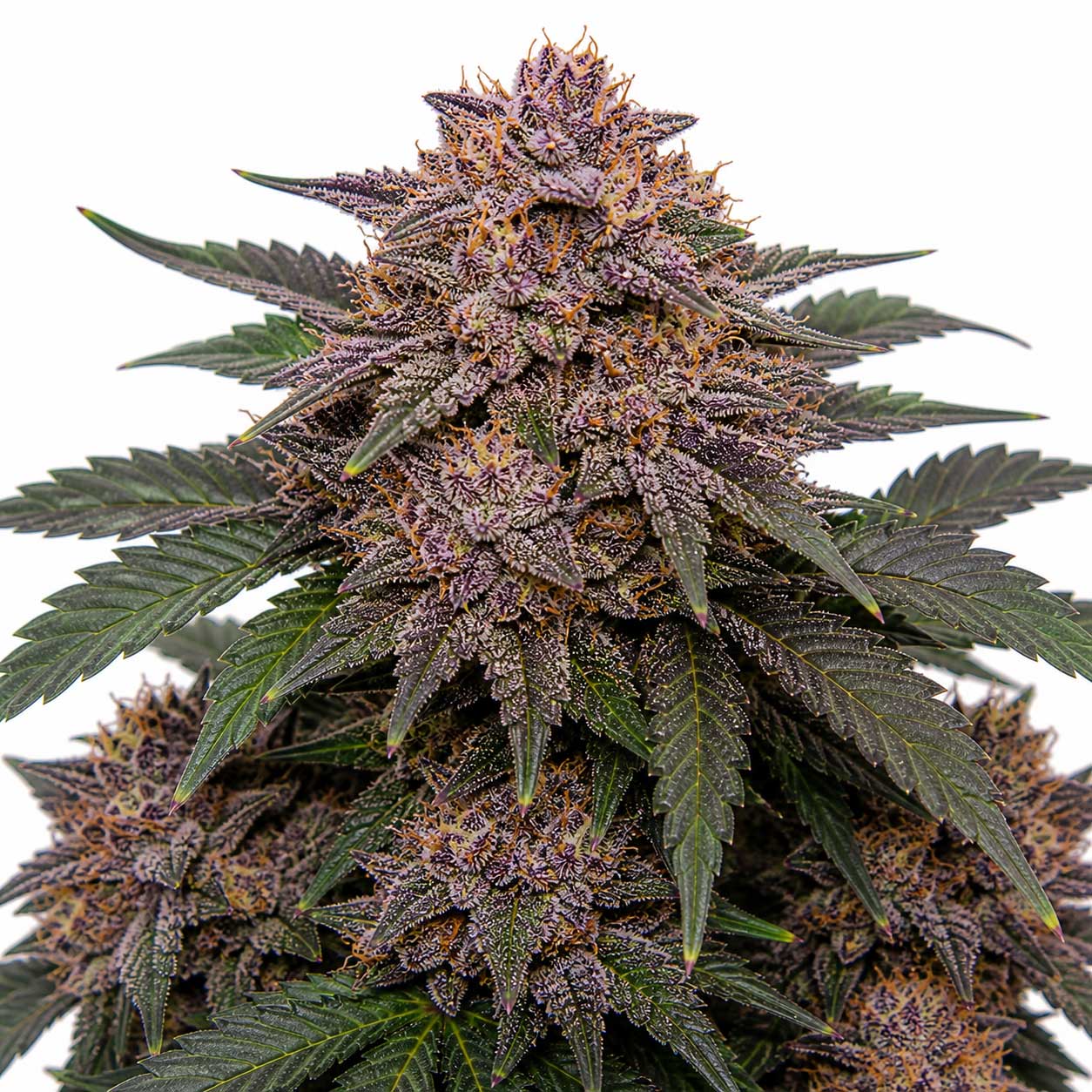
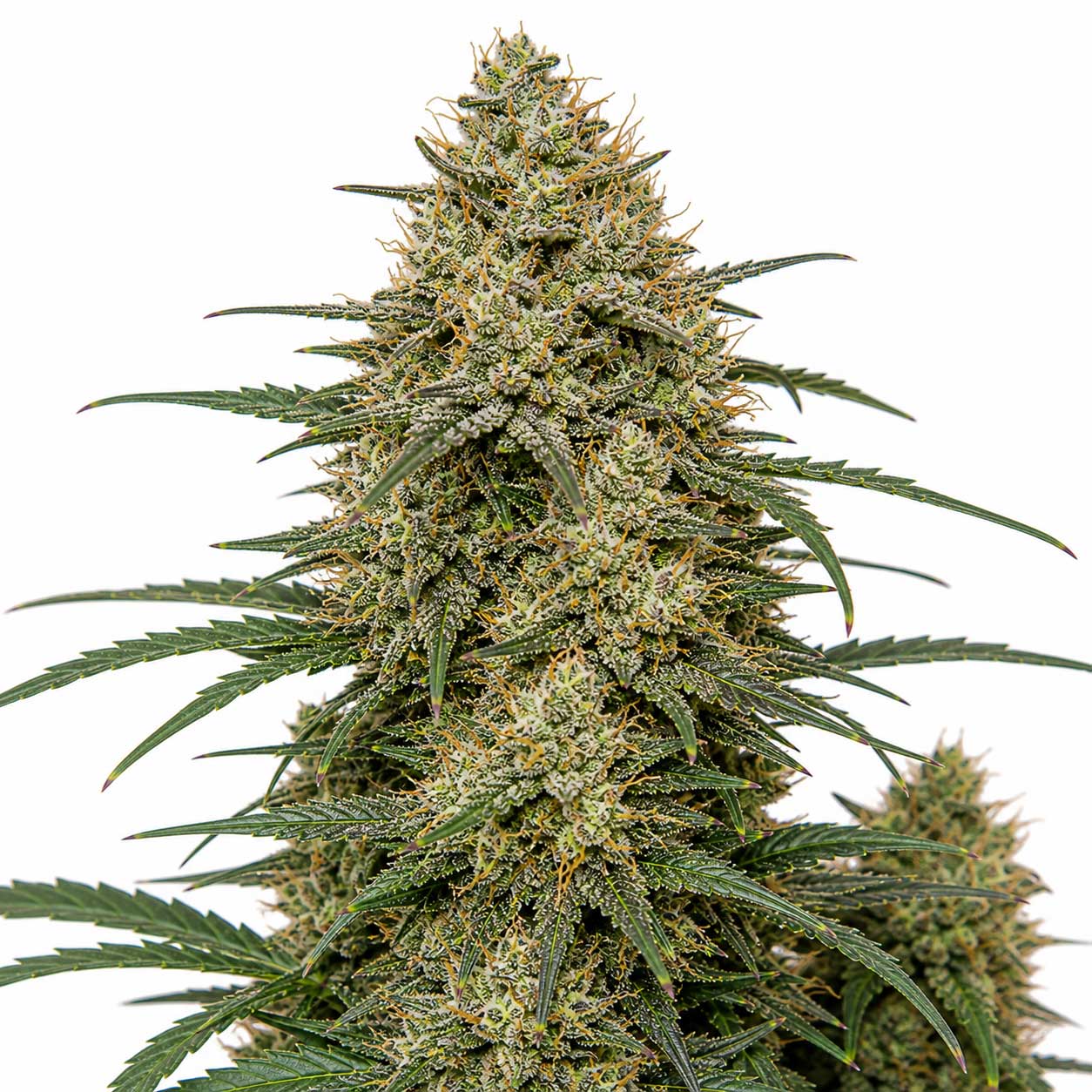
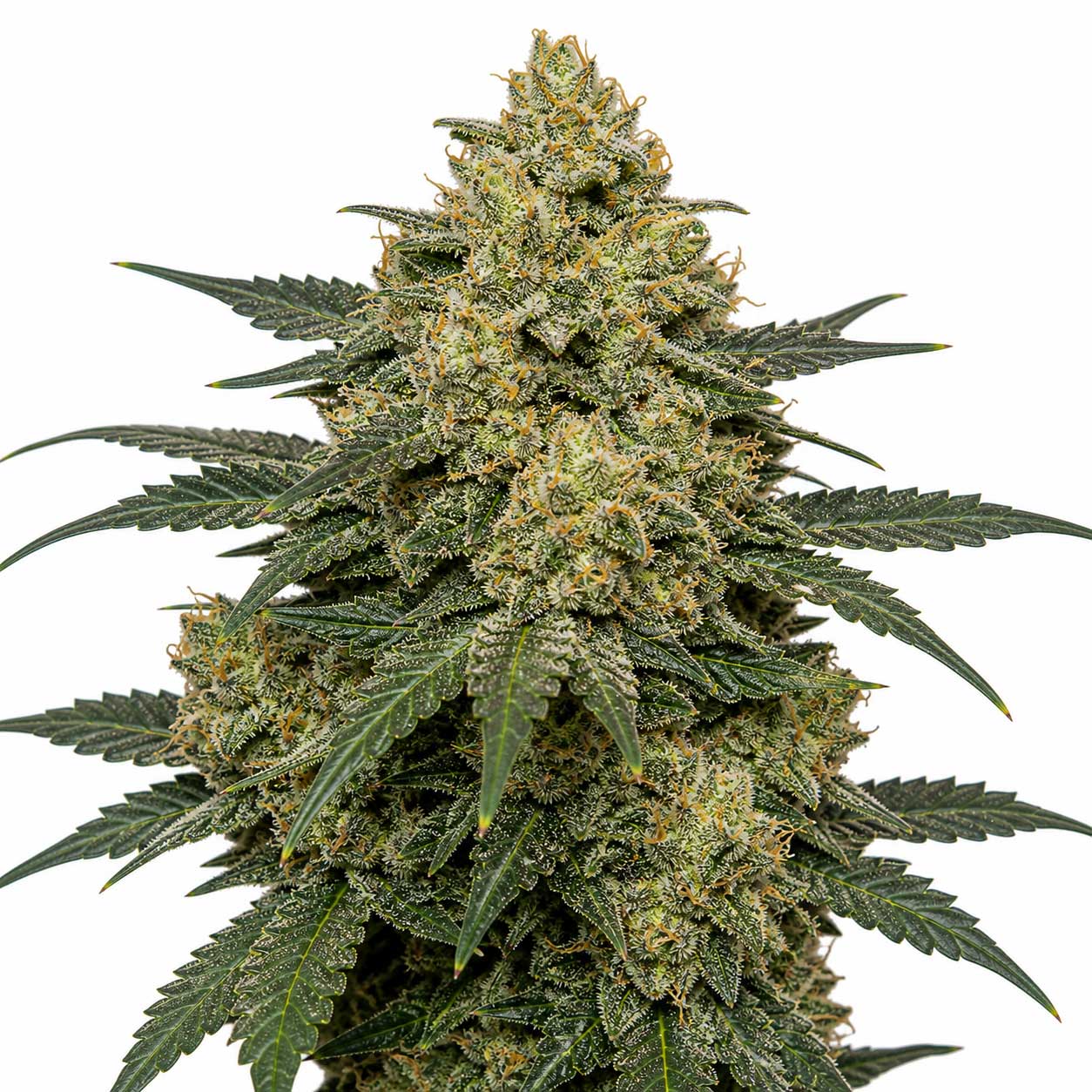
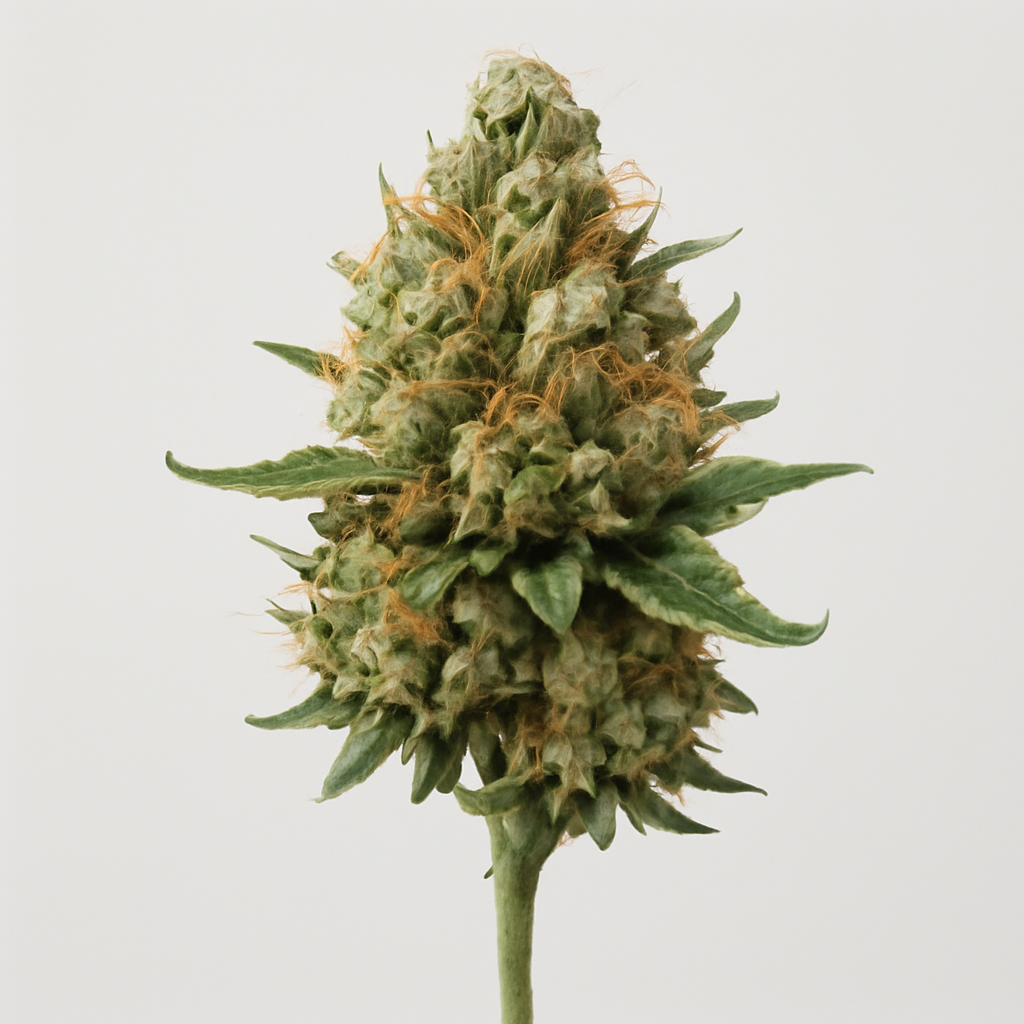
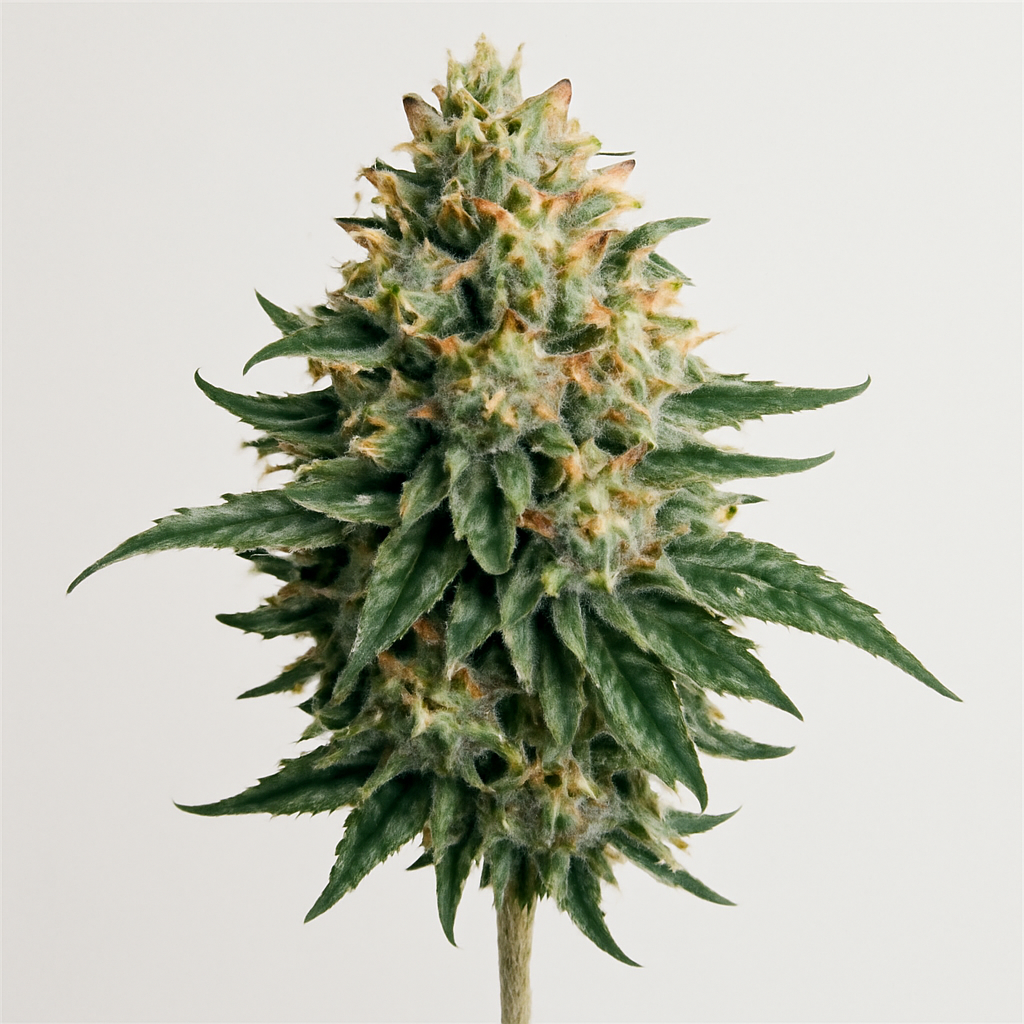
Moby Dick flowers commonly develop into long, pointed colas with a conical profile and enough spacing between calyx clusters to hint at its sativa lean. The color palette usually stays in the green range, from mid-green to lighter lime tones, with abundant orange pistils winding through the bud surface.
Trichome production is one of the strain’s visual signatures; mature flowers often look heavily sugar-coated and can appear pale or frosty under strong light. Phenotype variation is noticeable, with some plants producing denser, more stacked buds and others showing a airier, spear-like structure that reflects the Haze influence more clearly.
Effects & Use-Cases (Reported)
- Commonly reported effects: uplifted, focused, mentally expansive, socially engaging, and longer-lasting
- Use-case context: often chosen for daytime sessions, creative tasks, or situations where a more active headspace is preferred
- Body character: usually light to moderate in physical weight, with the emphasis staying on cerebral stimulation rather than deep relaxation
- Note: These observations are anecdotal and do not constitute medical claims.
Observational Note: The experience is typically described as starting quickly in the head, with a bright, energizing onset that can feel clear and attention-forward before settling into a more sustained sativa-style flow.
Potency Note: Even when measured THC is not extreme by modern standards, the strain’s length of effect and aromatic intensity can make it feel substantial, especially for users sensitive to haze-heavy hybrids.
Aroma & Flavor Profile
- Aroma: citrus zest, pine resin, sweet haze, spicy earth, floral incense
- Flavor: lemon peel, woodsy spice, sweet haze, fresh pine
- Aftertaste: lingering citrus peel with dry herbal spice and a resinous finish
- Terpene associations: commonly aligned with terpinolene, limonene, and caryophyllene.
For readers searching Moby Dick strain flavor or Moby Dick weed aroma, the profile is usually described as a bright hazy citrus on the front end with pine, incense, and mild peppery depth underneath. It reads as cleaner and sharper than dessert-leaning hybrids, which helps it stand out in classic old-school catalog comparisons.
Tested Cannabinoid & Terpene Ranges
| Compound | Typical Range* | Notes |
|---|---|---|
| Δ⁹-THC | ~16–22% | Often moderate to strong, with a cerebral profile that can feel more pronounced than the number suggests. |
| CBD | <0.5% | Usually present only at trace levels. |
| Terpinolene | ~0.20–0.70% | Frequently linked to the strain’s bright, hazy, slightly floral top note. |
| Limonene | ~0.15–0.45% | Supports the lemon peel and citrus-forward aroma impression. |
| Caryophyllene | ~0.10–0.35% | Adds dry spice and peppery depth to the finish. |
*Ranges are estimates and may vary by phenotype, harvest timing, and testing methods.
Cultivation Notes
- Light Cycle: 12/12 during flowering; benefits from a strong vegetative light schedule before flip
- Humidity: Moderate humidity in veg, then lower humidity in flower to protect dense resinous sites
- Stretch: Noticeable early-flower stretch, especially in haze-leaning phenotypes
- Training: Responds well to topping, trellising, and canopy leveling
- Odor Control: Strong late-flower aroma may require filtration indoors
- Harvest Window: Approximately 9–11 weeks indoors
Moby Dick rewards growers who can manage height and keep the canopy even, because its vigor can outpace less structured spaces. It generally performs best with good airflow, careful nutrition, and enough vertical room to let the flowering tips finish without compression.
Grower Notes (Week-by-Week Snapshot)
- Weeks 1–3: Rapid vertical growth, active branching, and a clear need for training to control stretch.
- Weeks 4–5: Flower sites begin stacking; aroma shifts toward citrus, haze, and fresh green spice.
- Weeks 6–8: Resin production builds quickly, pistils multiply, and the colas start to firm up.
- Weeks 9–10: Buds reach full maturity in many phenotypes, with trichomes turning cloudy and the aroma becoming more resinous and complex.
Genetic Lineage
Moby Dick descends from White Widow and Haze, two pillars of modern hybrid development. White Widow is generally associated with heavy resin production, sturdy flower formation, and a more grounded hybrid frame, while Haze is known for long flowering periods, elevated aroma complexity, and a more expansive sativa-style effect. Together, they produce a cultivar that feels unmistakably classic but still relevant in contemporary flower menus.
Research Insights
Moby Dick matters because it preserves a recognizable older breeding style in a market that often favors dessert profiles and compact bloom cycles. Its search interest tends to come from growers and consumers looking for a true haze-leaning Dutch hybrid with a proven structure, memorable aroma, and a lineage that connects directly to foundational cannabis genetics.
Frequently Asked Questions
Is Moby Dick an indica or sativa?
Moby Dick is generally classified as a sativa-leaning hybrid because the Haze influence shapes its growth pattern and effect style.
What does Moby Dick taste like?
It is often described as lemon peel, pine, sweet haze, and dry spice, with a resinous finish that lingers on the palate.
How long does Moby Dick take to flower?
Indoors, it usually finishes in approximately 9–11 weeks, though phenotype and grow conditions can shift that window slightly.
Is Moby Dick difficult to grow?
It is considered moderately difficult mainly because of stretch, canopy management, and a longer bloom period than many modern hybrids.
What makes Moby Dick different from dessert strains?
Instead of creamy or candy-like notes, Moby Dick leans toward bright citrus, pine resin, and haze spice, giving it a more classic old-school profile.
Educational Disclaimer: This page is provided strictly for scientific and horticultural reference. Cannabis cultivation, possession, and use are regulated by local laws. This content does not promote illegal activity or constitute medical advice. Always comply with applicable regulations in your jurisdiction.
Rate and review this strain
Ratings and reviews are accepted only from signed-in Google accounts.
Sign in with Google to leave a rating and written review.
Latest Reviews
0 reviewsNo reviews yet. Be the first Google user to rate and review this strain.
Follow New Cultivar Records
Get newly documented genetics, breeder history, research highlights, and important Strainpedia discoveries by email.