Pink Kush (Cannabis Strain) — Strainpedia
Pink Kush stands out as a Kush-family flower with a plush, dessert-like top note wrapped around classic fuel and earth. Its dense structure, resin-heavy surface, and evening-leaning effect style have made it a familiar reference point for consumers looking for a heavier OG-influenced profile.
Although the exact lineage is not universally documented, Pink Kush is generally treated as an OG Kush descendant or related selection. In the garden it tends to stay compact and responsive to training, while the aroma often develops into a mix of vanilla, floral sweetness, and sharp gas as the buds finish.
Quick Facts
| Genetics | Likely OG Kush descendant; exact parentage not consistently documented |
|---|---|
| Original Breeder | Not clearly documented |
| Variety | Indica-dominant Hybrid |
| Flowering Time | Approximately 8–10 weeks indoors |
| Yield Potential | Moderate to high under steady indoor conditions |
| Plant Height | Short to medium |
| Climate Preference | Warm, dry, and well-ventilated environments |
| Difficulty | Moderate |
Strain Classification
| Type | Indica-dominant Hybrid |
|---|---|
| Genetic Family | Kush / OG Kush-leaning hybrid line |
| Primary Terpenes | Myrcene, caryophyllene, limonene* |
| Original Breeder | Not clearly documented |
| Breeding Lineage | Commonly described as an OG Kush-related selection; precise parent cross remains inconsistent across references |
*Exact terpene dominance may vary by phenotype and cultivation method.
Scientific & Botanical Overview
From a botanical standpoint, Pink Kush is typically expressed as a compact, resinous hybrid with strong apical dominance early in flower and a dense inflorescence pattern by harvest. The cultivar usually rewards controlled canopy management, since its structure can compress airflow if left untrained.
Breeding records for Pink Kush are not fully standardized, so it is best understood as a stabilized selection within the broader Kush ecosystem rather than a universally verified single cross. That framing helps explain why different growers may describe slightly different color expression, aroma intensity, and finishing speed while still recognizing the same underlying profile.
Appearance
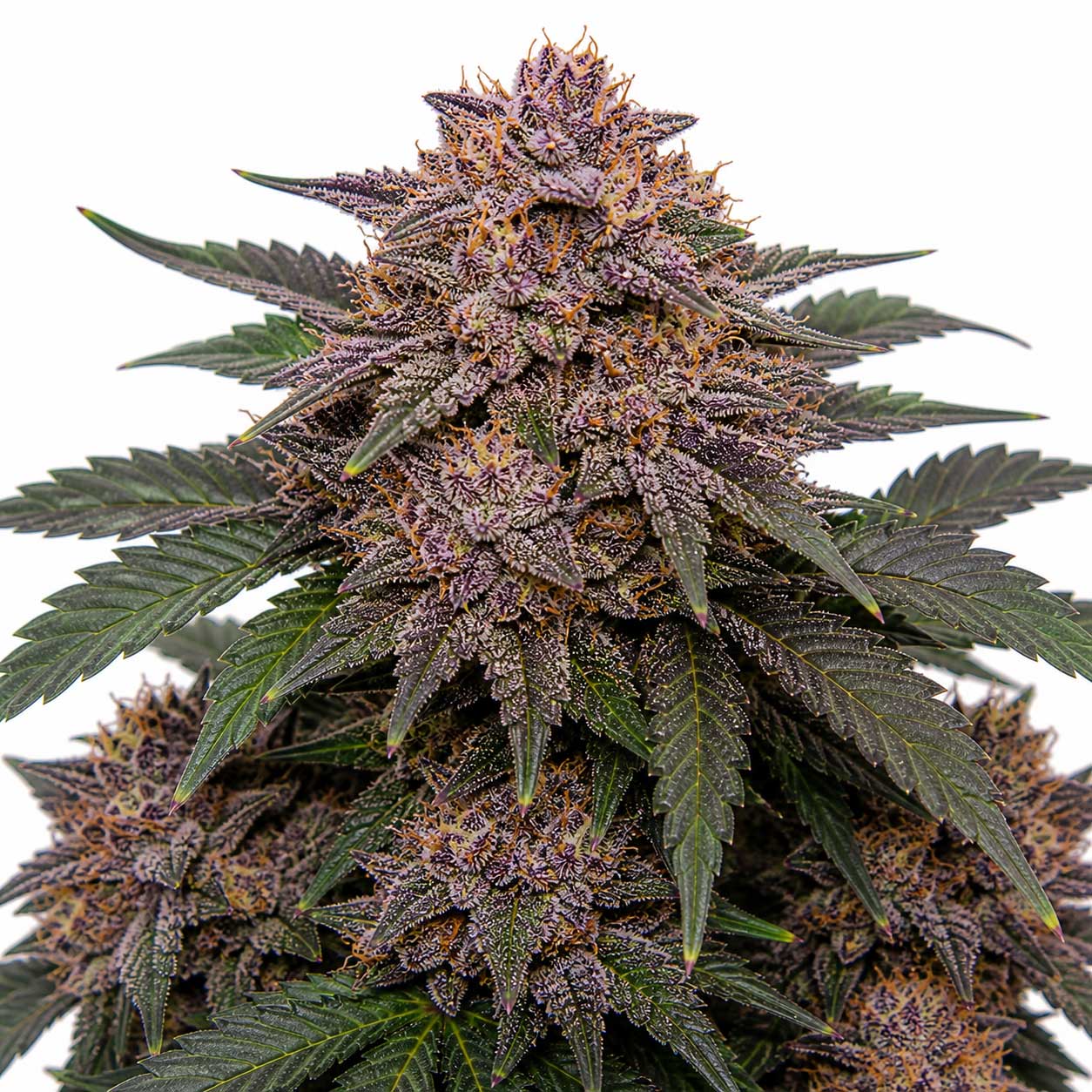
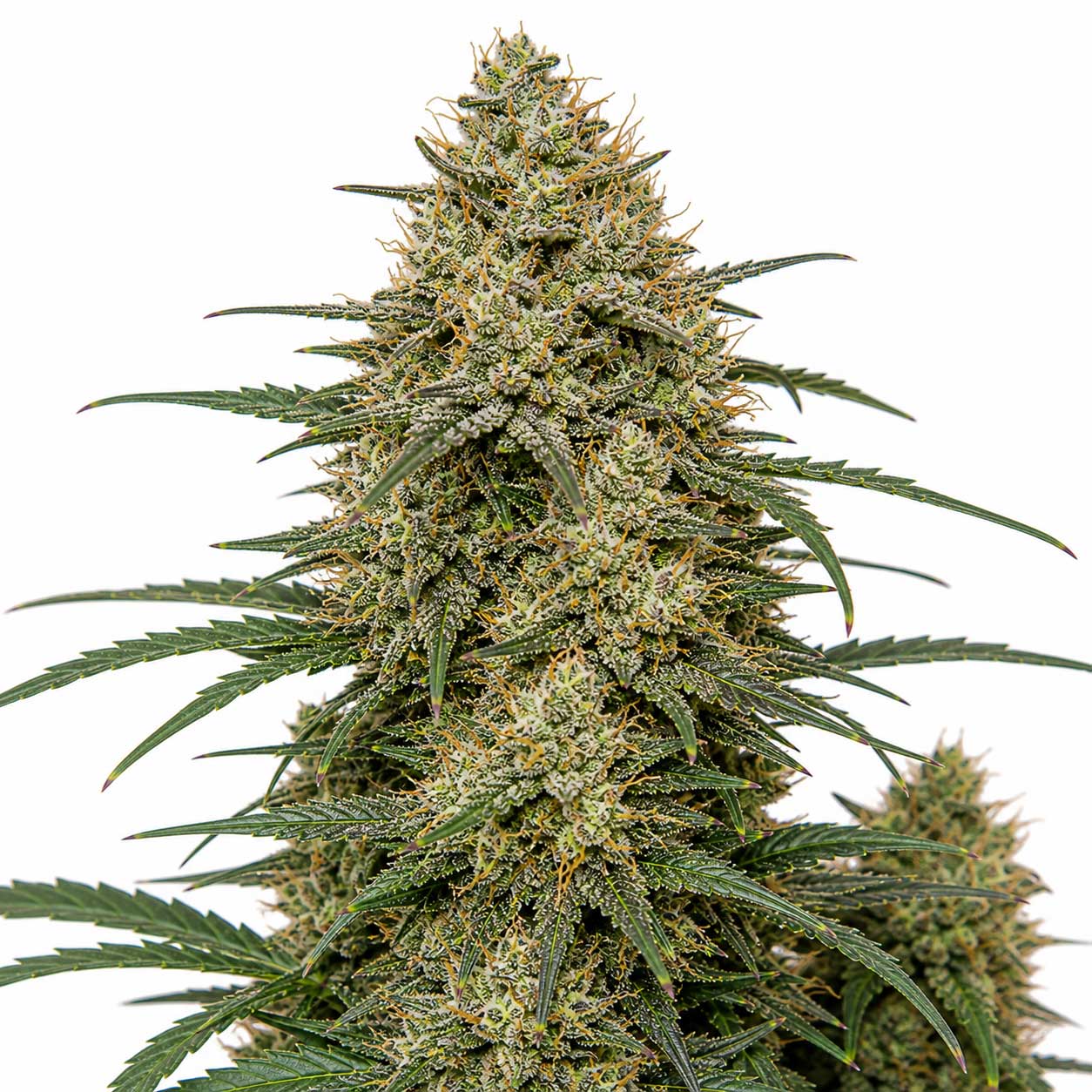
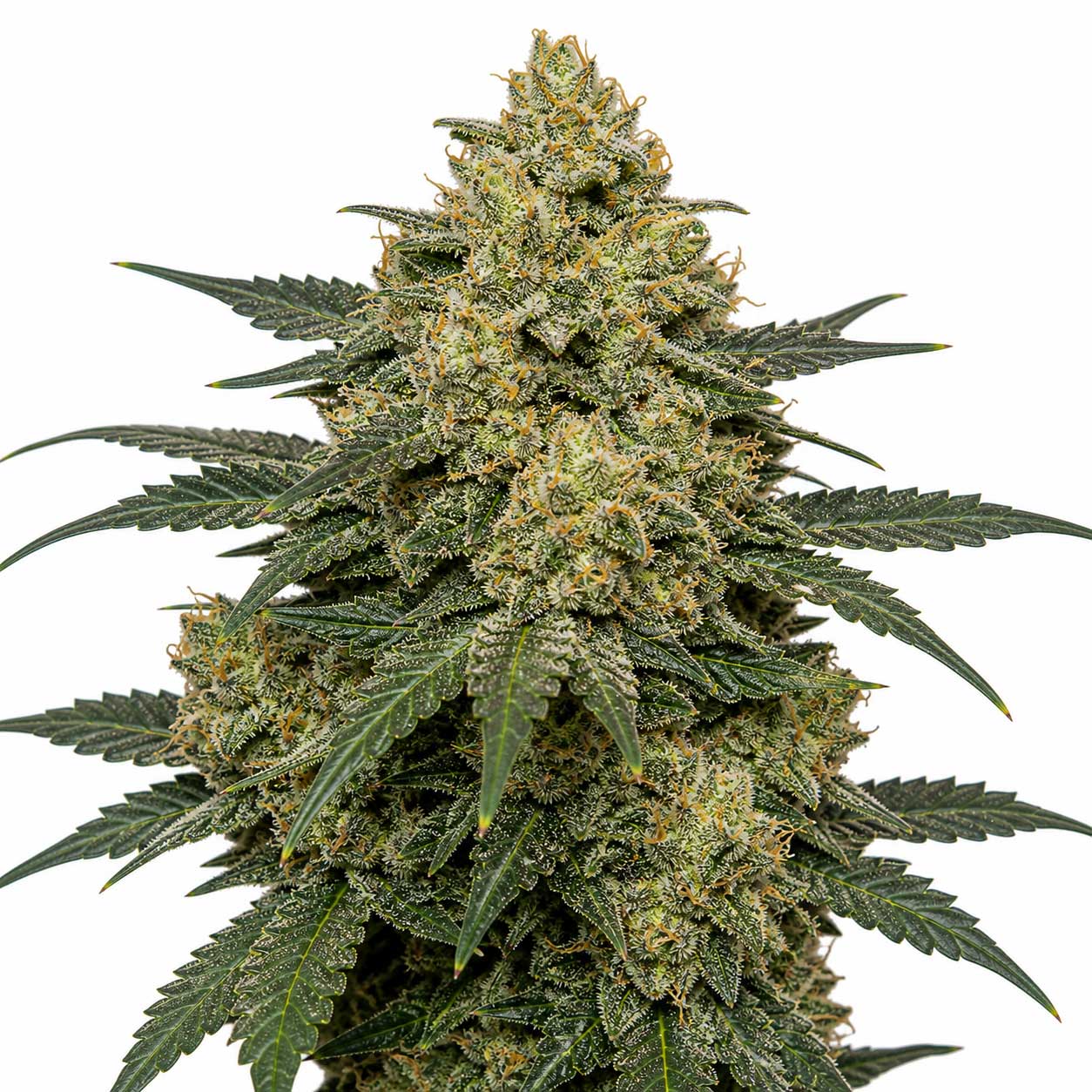
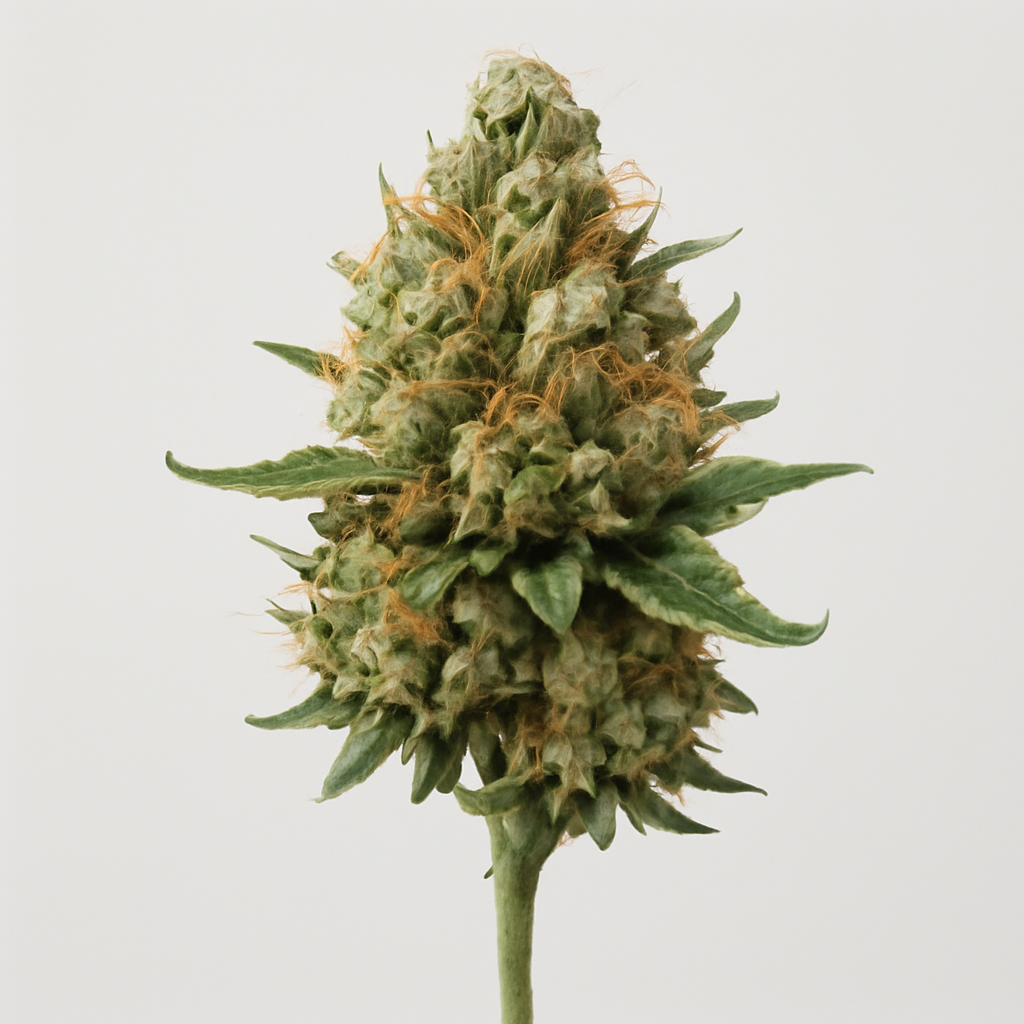
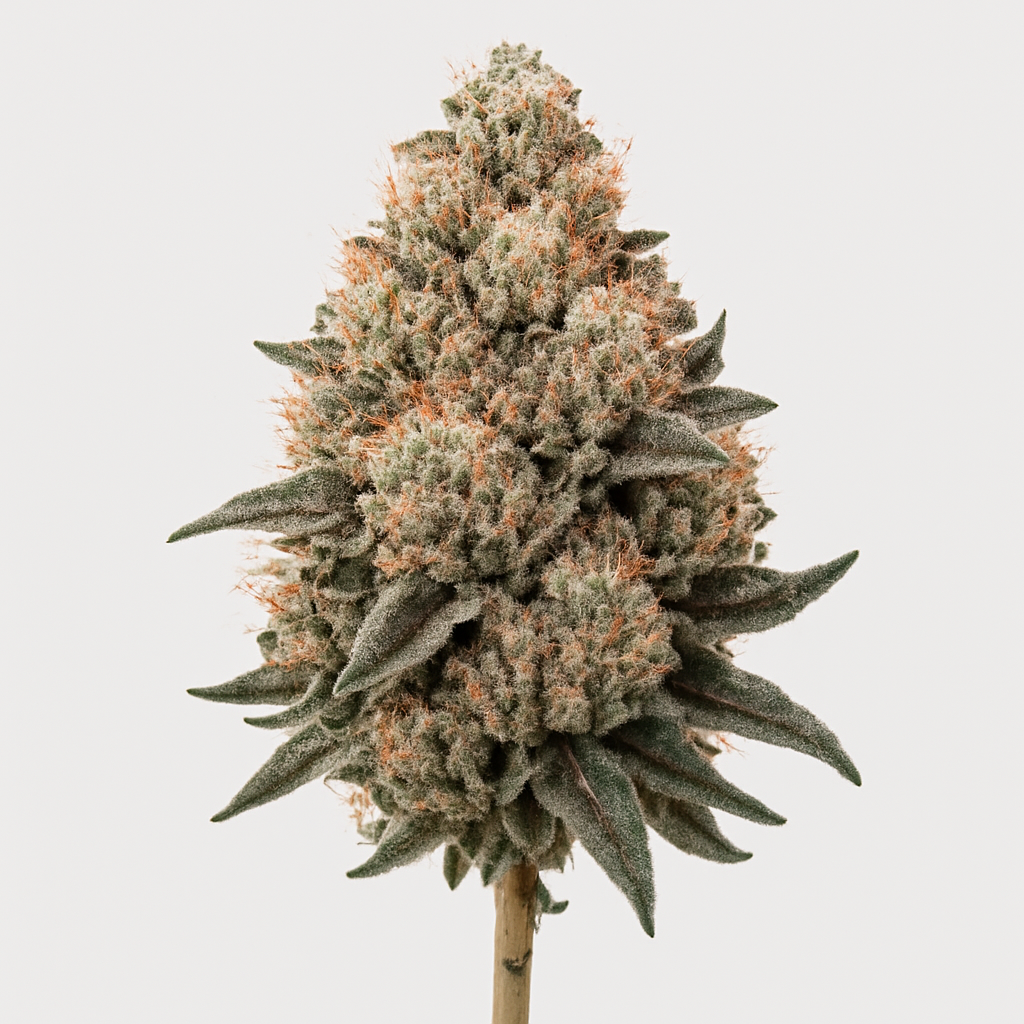
Pink Kush typically produces chunky, spear-shaped buds with a tight calyx-to-leaf ratio and a noticeably heavy trichome coat. The flower often finishes in deep green tones, with vivid orange pistils that thread through the surface and give the buds a layered, textured look.
Some phenotypes show faint pink, lavender, or purplish highlights, especially when temperatures dip late in bloom, but the color shift is more of a phenotype expression than a guarantee. Finished buds usually look dense and polished, with a sticky resin layer that suggests strong extraction potential.
Effects & Use-Cases (Reported)
- Commonly reported effects: a quick lift in mood followed by pronounced body relaxation, calm, and a heavier finish
- Use-case context: often chosen for late-day or evening sessions when a slower pace is preferred
- Body character: frequently described as weighted, soothing, and physically settling rather than sharply stimulating
- Note: These observations are anecdotal and do not constitute medical claims.
Observational Note: Pink Kush tends to present like a classic Kush release: initial mental ease, then a deeper physical fade as the session continues. Many consumers describe it as best suited to quiet, low-demand settings rather than daytime multitasking.
Potency Note: With THC often landing in the upper teens to mid-20s, Pink Kush can feel substantial even in small amounts. Batch variation is common, so terpene expression and harvest timing may influence whether the experience leans more euphoric, sedating, or simply tranquil.
Aroma & Flavor Profile
- Aroma: sweet floral notes, vanilla cream, earthy pine, and a clear gas edge
- Flavor: sweet cream on the inhale, followed by pine, spice, diesel, and herbal earth
- Aftertaste: lingering fuel with a soft floral sweetness and a dry, peppery finish
- Terpene associations: commonly aligned with myrcene, caryophyllene, and limonene.
Searches for Pink Kush flavor usually point to the same core profile: sweet, floral Kush smoke with vanilla-like softness up front and a distinctly gassy back end. That contrast is what separates it from simpler earthy indicas and gives the cultivar its recognizable dessert-meets-fuel identity.
Tested Cannabinoid & Terpene Ranges
| Compound | Typical Range* | Notes |
|---|---|---|
| Δ⁹-THC | ~18–24% | Often tested in the high-potency range, especially in well-finished indoor batches. |
| CBD | <1% | Usually minimal and not a defining feature of the cultivar. |
| Myrcene | ~0.20–0.60% | Commonly associated with the heavier, more relaxing finish. |
| Caryophyllene | ~0.10–0.40% | Often contributes spice, depth, and a dry pepper note. |
| Limonene | ~0.05–0.30% | May add the brighter citrus lift that appears behind the gas and vanilla. |
*Ranges are estimates and may vary by phenotype, harvest timing, and testing methods.
Cultivation Notes
- Light Cycle: 18/6 during veg, then 12/12 for flowering
- Humidity: Moderate humidity early, then lower humidity in late flower to protect dense buds
- Stretch: Usually moderate, with a compact frame that can still double in size depending on the cut
- Training: Responds well to topping, low-stress training, and screen-based canopy control
- Odor Control: Recommended, especially from mid-flower onward when gas and sweetness intensify
- Harvest Window: Approximately 8–10 weeks indoors
Pink Kush is generally manageable for growers who can keep airflow strong and avoid overly humid conditions around the flower sites. Its compact growth habit can be an advantage indoors, but the same density also means good environmental control matters right through the finish.
Grower Notes (Week-by-Week Snapshot)
- Weeks 1–3: Rooted vegetative growth is steady, with short internodes and strong response to early training.
- Weeks 4–5: Stretch begins as flowering sites stack, and the canopy benefits from selective defoliation and support planning.
- Weeks 6–8: Buds thicken quickly, resin production rises, and odor becomes noticeably stronger as fuel notes develop.
- Weeks 9–10: Final swelling, trichome maturity, and color expression often become more visible; careful humidity control is important.
Genetic Lineage
Pink Kush is most often discussed as part of the OG Kush lineage, although exact parentage is not consistently recorded in public breeder material. That makes it less of a cleanly documented named cross and more of a legacy selection whose identity has been reinforced by repeated grower and market use.
In practical terms, the strain is expected to inherit the Kush family’s compact structure, resin production, and fuel-forward aroma, with the sweeter floral edge that gives Pink Kush its specific market appeal. When sources disagree on lineage, the safest editorial approach is to treat it as an OG Kush-related cultivar rather than a fully confirmed pedigree line.
Research Insights
Pink Kush matters in the modern market because it sits at the intersection of legacy OG flavor and dessert-era sweetness without losing the darker, heavier Kush identity. That combination keeps it relevant in dispensary menus and search traffic alike, especially for users comparing gas, vanilla, floral, and indica-leaning flower profiles. It also remains useful in breeding conversations because compact structure, resin density, and strong aroma carry commercial value even when the pedigree is not perfectly documented.
Frequently Asked Questions
Is Pink Kush the same as OG Kush?
No. Pink Kush is generally considered OG Kush-related, but it is typically treated as its own cultivar or selection with a sweeter floral profile and a slightly different market identity.
What does Pink Kush usually smell like?
Most descriptions point to sweet floral notes, vanilla cream, earthy pine, and a noticeable fuel-like finish. The aroma often becomes stronger as the buds cure.
How long does Pink Kush take to flower?
Most indoor grows finish in about 8 to 10 weeks, though phenotype and environment can shift the timing slightly.
Is Pink Kush more relaxing or energizing?
It is usually reported as more relaxing than energizing. Many users describe an initial lift followed by a heavier, calmer body effect.
Is Pink Kush hard to grow?
It is considered moderate in difficulty. The plant is manageable, but dense buds and strong odor mean humidity control and airflow are important.
Educational Disclaimer: This page is provided strictly for scientific and horticultural reference. Cannabis cultivation, possession, and use are regulated by local laws. This content does not promote illegal activity or constitute medical advice. Always comply with applicable regulations in your jurisdiction.
Rate and review this strain
Ratings and reviews are accepted only from signed-in Google accounts.
Sign in with Google to leave a rating and written review.
Latest Reviews
0 reviewsNo reviews yet. Be the first Google user to rate and review this strain.