Matanuska Thunderfuck (Cannabis Strain) — Strainpedia
Matanuska Thunderfuck is an Alaska-associated cultivar with a rugged reputation, defined by pine-forward aromatics, resin-heavy flowers, and a distinctly old-school flavor identity. Rather than chasing dessert notes or modern candy sweetness, this strain leans into earthy musk, herbal spice, and a bright lift that reflects its northern breeding history.
Its lineage is not pinned to a universally agreed commercial cross, which gives the strain a layer of regional mystery that still matters in seed circles and legacy cannabis culture. In the garden, the plant can stretch in bloom and finish with a frosty, slightly wild-looking canopy, making it a notable example of selection-driven heirloom cannabis.
Quick Facts
| Genetics | Alaskan landrace-descended Matanuska Valley selection |
|---|---|
| Original Breeder | Not clearly documented |
| Variety | Sativa-leaning Hybrid |
| Flowering Time | Approximately 8–10 weeks indoors |
| Yield Potential | Moderate to high |
| Plant Height | Medium to tall |
| Climate Preference | Warm, dry, well-ventilated environments with stable humidity |
| Difficulty | Moderate |
Strain Classification
| Type | Sativa-leaning Hybrid |
|---|---|
| Genetic Family | Northern heirloom / landrace-descended selection |
| Primary Terpenes | Myrcene, pinene, caryophyllene* |
| Original Breeder | Not clearly documented |
| Breeding Lineage | Matanuska Valley regional cannabis selection; exact parentage remains inconsistently recorded |
*Exact terpene dominance may vary by phenotype and cultivation method.
Scientific & Botanical Overview
Botanically, Matanuska Thunderfuck is best understood as a regional cannabis selection rather than a neatly standardized commercial hybrid. That matters because heirloom and landrace-descended cultivars often carry broader phenotypic variation, with differences in internode spacing, trichome density, and finishing speed depending on the cut.
From a breeding perspective, the strain is valued for preserving a northern resin profile that tends to express pine, earth, and spice instead of the sweeter terpene stacks dominating much of today’s market. Its structure, flowering behavior, and sensory profile suggest selection in a cooler environment where hardiness and resin production were likely favored over uniformity alone.
Appearance
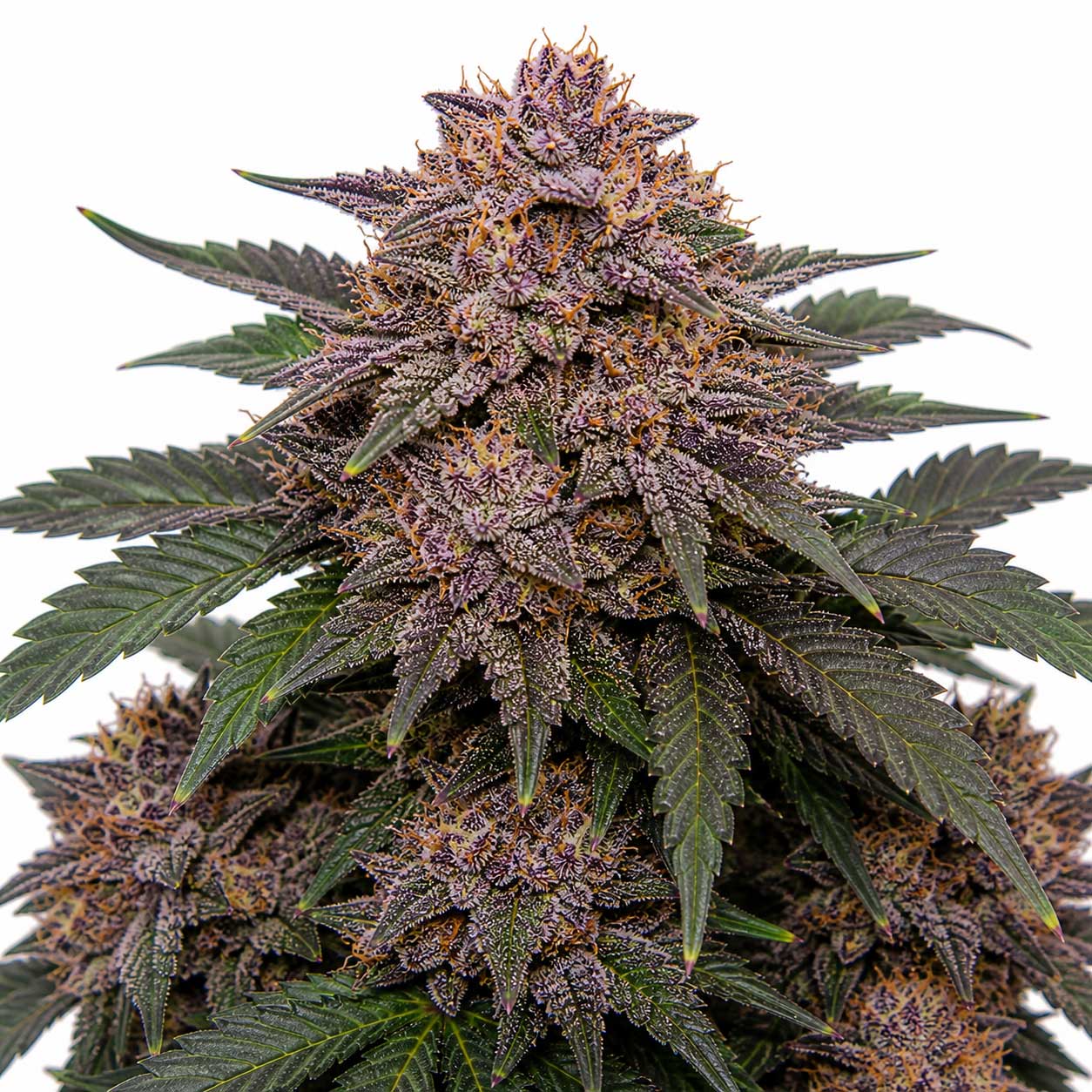
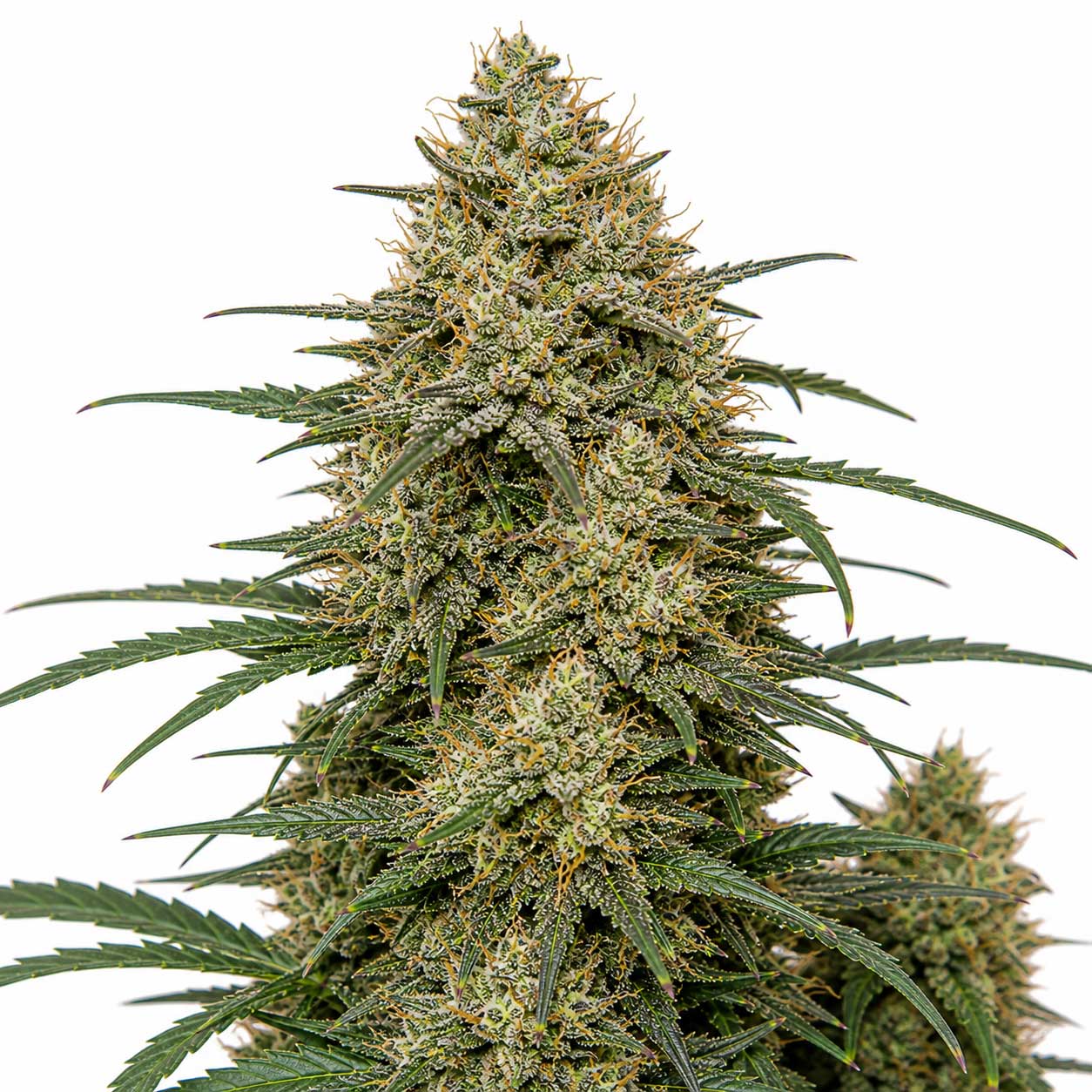
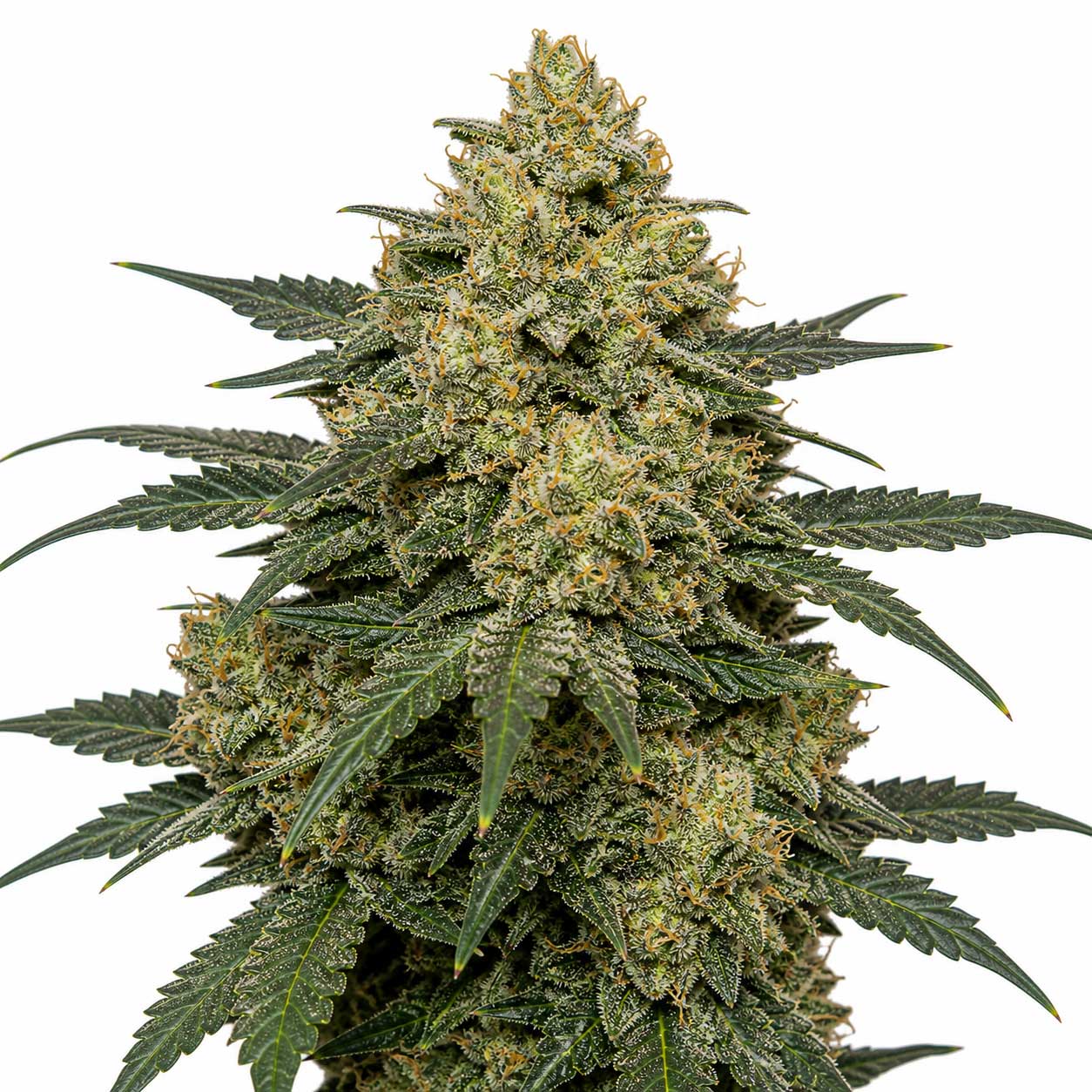
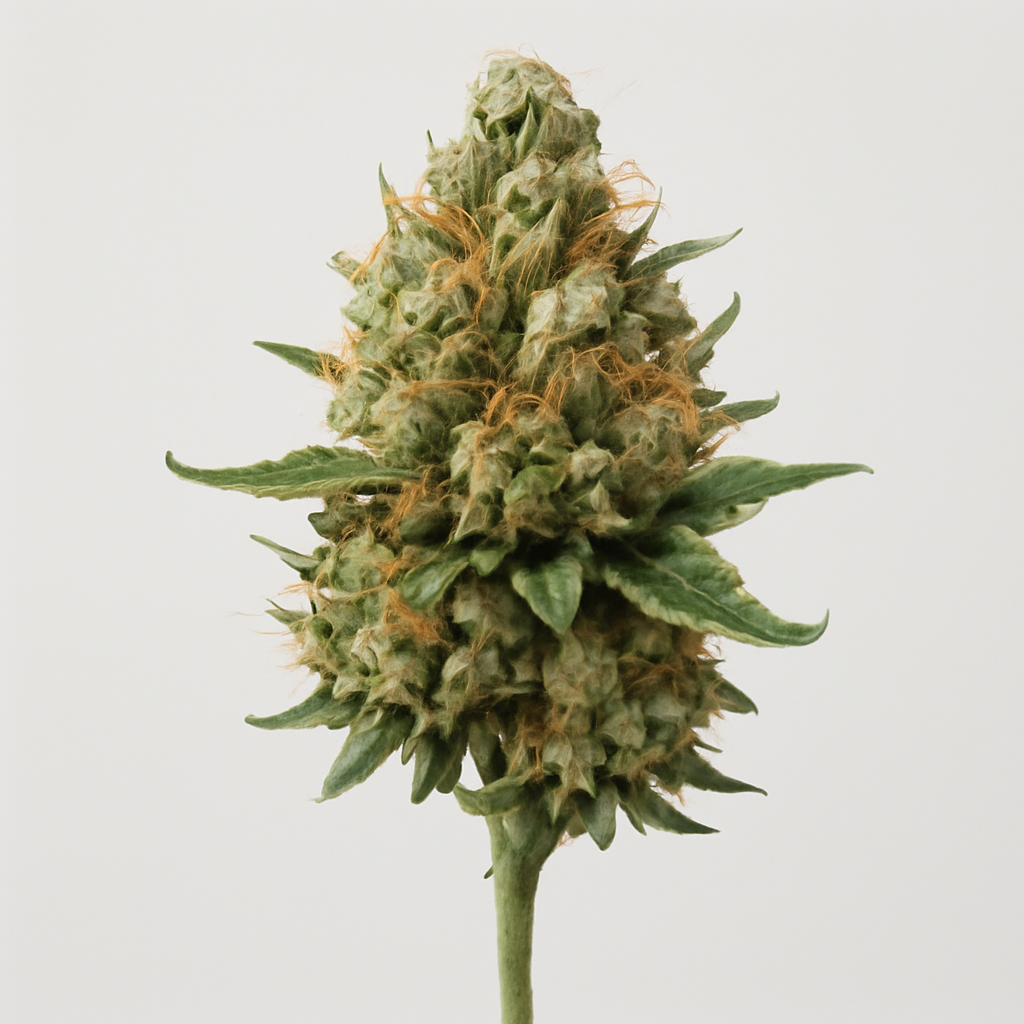
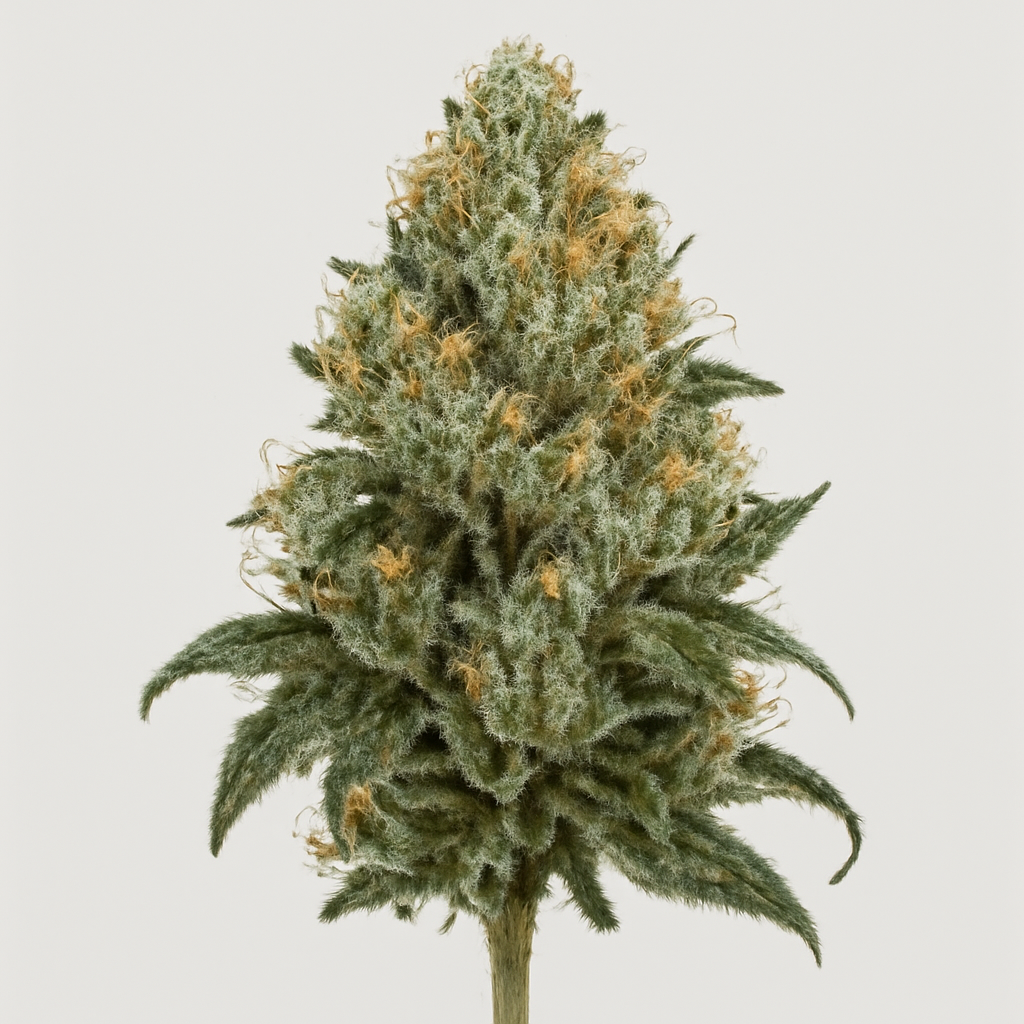
The flowers usually present as dense, elongated spears with a slightly irregular profile, giving the buds a classic field-grown character. Forest-green calyxes are often accented by bright orange pistils and a thick dusting of crystal trichomes that can make the surface look almost sugar-coated.
Depending on the phenotype and finish temperature, some batches show muted purple hues or darker emerald tones under the frost. The overall look is less manicured and more natural than many contemporary boutique hybrids, which is part of its appeal to collectors who value legacy structure and resin-forward flower.
Effects & Use-Cases (Reported)
- Commonly reported effects: upbeat, mentally clear, lightly energizing, relaxed without heaviness
- Use-case context: often chosen for daytime or early evening sessions when users want lift without an overly racy profile
- Body character: commonly described as gently loosening, with a calm finish rather than strong sedation
- Note: These observations are anecdotal and do not constitute medical claims.
Observational Note: Matanuska Thunderfuck is frequently discussed as a strain that starts in the head and settles into a steady, manageable calm. The effect arc is usually described as more spacious than heavy, which helps explain its continued relevance among fans of classic sativa-leaning flower.
Potency Note: Well-grown examples can test solidly into the high teens or low twenties for THC, so the strain may feel sharper than its vintage reputation suggests. The experience is often shaped as much by terpene expression as by raw cannabinoid content.
Aroma & Flavor Profile
- Aroma: pine needles, damp earth, sweet musk, pepper, citrus rind
- Flavor: herbal pine, woody spice, skunky earth, lemon peel, subtle sweetness
- Aftertaste: lingering pine resin with a dry, peppered finish
- Terpene associations: commonly aligned with myrcene, pinene, and caryophyllene.
For searchers looking into Matanuska Thunderfuck flavor, the most consistent descriptors are pine, earth, and spice, with occasional citrus lift on the back end. The nose tends to feel unmistakably northern and resinous, closer to a classic forest floor profile than to modern candy or pastry strains.
Tested Cannabinoid & Terpene Ranges
| Compound | Typical Range* | Notes |
|---|---|---|
| Δ⁹-THC | ~18–24% | Often tested in the mid-to-high range for legacy-style flower. |
| CBD | <1% | Usually low and not a defining feature of the cultivar. |
| Myrcene | ~0.20–0.60% | Supports the earthy, musky baseline and softer body feel. |
| Pinene | ~0.15–0.45% | Tracks with the pine-forward aroma and brisk top note. |
| Caryophyllene | ~0.10–0.35% | Adds pepper, wood, and a drier finish to the profile. |
*Ranges are estimates and may vary by phenotype, harvest timing, and testing methods.
Cultivation Notes
- Light Cycle: 18/6 during vegetative growth; 12/12 for flowering
- Humidity: Moderate in veg, then reduce to roughly 40–50% in bloom
- Stretch: Moderate to pronounced during the first 2–3 weeks of flower
- Training: Responds well to topping, light LST, and canopy management
- Odor Control: Strong pine-spice aroma can become noticeable in mid-flower
- Harvest Window: Approximately 8–10 weeks indoors
Matanuska Thunderfuck is generally best treated as a moderately vigorous cultivar with enough stretch to reward early planning. Keep airflow strong, avoid overwatering late in bloom, and watch for dense interior growth if the canopy tightens up. In cooler finishing conditions, the flowers may hold darker tones and a heavier trichome coat.
Grower Notes (Week-by-Week Snapshot)
- Weeks 1–3: Expect rapid vertical expansion, wider spacing between nodes, and a strong push toward establishing branch structure.
- Weeks 4–5: Bud sites stack quickly, resin begins to build, and the pine-spice aroma starts to sharpen.
- Weeks 6–8: Flower mass thickens, pistils mature, and trichome coverage becomes increasingly prominent across upper colas.
- Weeks 9–10: Final ripening brings denser frost, deeper color in some phenotypes, and a more grounded, resinous finish.
Genetic Lineage
Matanuska Thunderfuck is most often linked to cannabis selections from Alaska’s Matanuska Valley, though exact parentage is not consistently standardized in historical records. What is reasonably documented is the cultivar’s association with northern, selection-heavy breeding rather than a single modern commercial cross.
That background is useful when interpreting the strain’s traits. Regional landrace-descended lines often contribute structural resilience, terpene clarity, and a less polished but more characterful flower profile, while selection over time tends to preserve the piney, earthy aroma that many users still connect with the name.
Research Insights
Matanuska Thunderfuck remains important because it sits at the intersection of heritage cannabis and modern SEO demand. Search interest often reflects curiosity about classic regional strains, but the cultivar also matters in the breeding conversation as a reminder that not all valued genetics come from tightly documented commercial lineages.
In a market saturated with dessert-forward hybrids, this strain stands out for preserving a colder-climate sensory identity: pine, spice, earth, and a clean, lifted effect profile. That combination keeps it relevant for collectors, historians, and growers looking for older terpene architecture rather than the most current trend line.
Frequently Asked Questions
Is Matanuska Thunderfuck a real strain?
Yes. It is a real, long-documented cannabis strain associated with Alaska and legacy cannabis culture, although its exact breeding history is not uniformly recorded.
What does Matanuska Thunderfuck taste like?
It is usually described as piney, earthy, and spicy, with herbal woodiness and a subtle citrus or sweet edge depending on the cut.
Is it more uplifting or sedating?
It is commonly reported as more uplifting at first, with a calm, gently relaxing finish rather than a strongly sedating effect.
How long does Matanuska Thunderfuck take to flower?
Most indoor grows finish in about 8 to 10 weeks, though phenotype and environment can shift that window slightly.
What kind of grower is this strain best suited for?
It is usually a good fit for growers who can manage stretch, airflow, and humidity. Intermediate growers often have the easiest time bringing out its best resin and aroma.
Educational Disclaimer: This page is provided strictly for scientific and horticultural reference. Cannabis cultivation, possession, and use are regulated by local laws. This content does not promote illegal activity or constitute medical advice. Always comply with applicable regulations in your jurisdiction.
Rate and review this strain
Ratings and reviews are accepted only from signed-in Google accounts.
Sign in with Google to leave a rating and written review.
Latest Reviews
0 reviewsNo reviews yet. Be the first Google user to rate and review this strain.