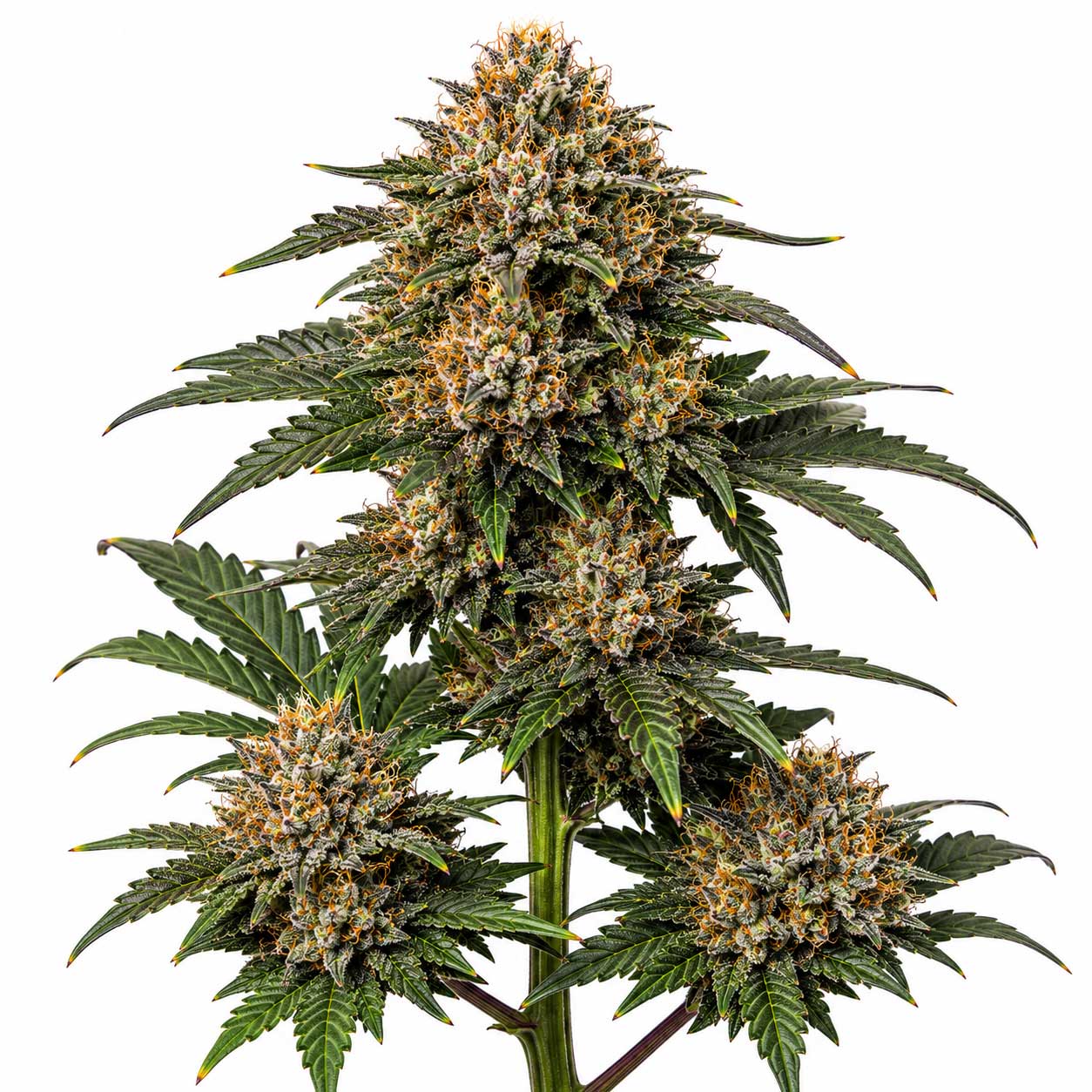
Papaya (Cannabis Strain)
Papaya is an indica-dominant hybrid (testing between 20% and 26% THC) bred from a cross of Mango and Citral #13. Renowned in modern extraction circles for its notable resin quality and heavy wash yields, this cultivar delivers a distinct aroma of ripe mango, sweet papaya, and musky spice. It grows with a compact, sturdy structure, producing dense, trichome-heavy flowers that finish quickly indoors.
While originally prized as a sweet, relaxing flower for evening use, Papaya has earned a legendary status among hash makers who select it for its brittle, easily detached trichome heads. The plant’s physical growth reflects its classic indica heritage, maintaining tight internodal spacing and broad fan leaves that require strategic defoliation to maximize light penetration.
Quick Facts
| Field | Details |
|---|---|
| Genetics | Mango x Citral #13 |
| Variety | Indica-dominant Hybrid |
| THC Range | 20% – 26% |
| Flowering Time | 8 – 9 weeks |
| Yield Potential | Moderate to High |
| Plant Height | Medium (compact) |
| Climate Preference | Warm, dry, well-ventilated |
| Difficulty | Moderate |
Scientific & Botanical Overview
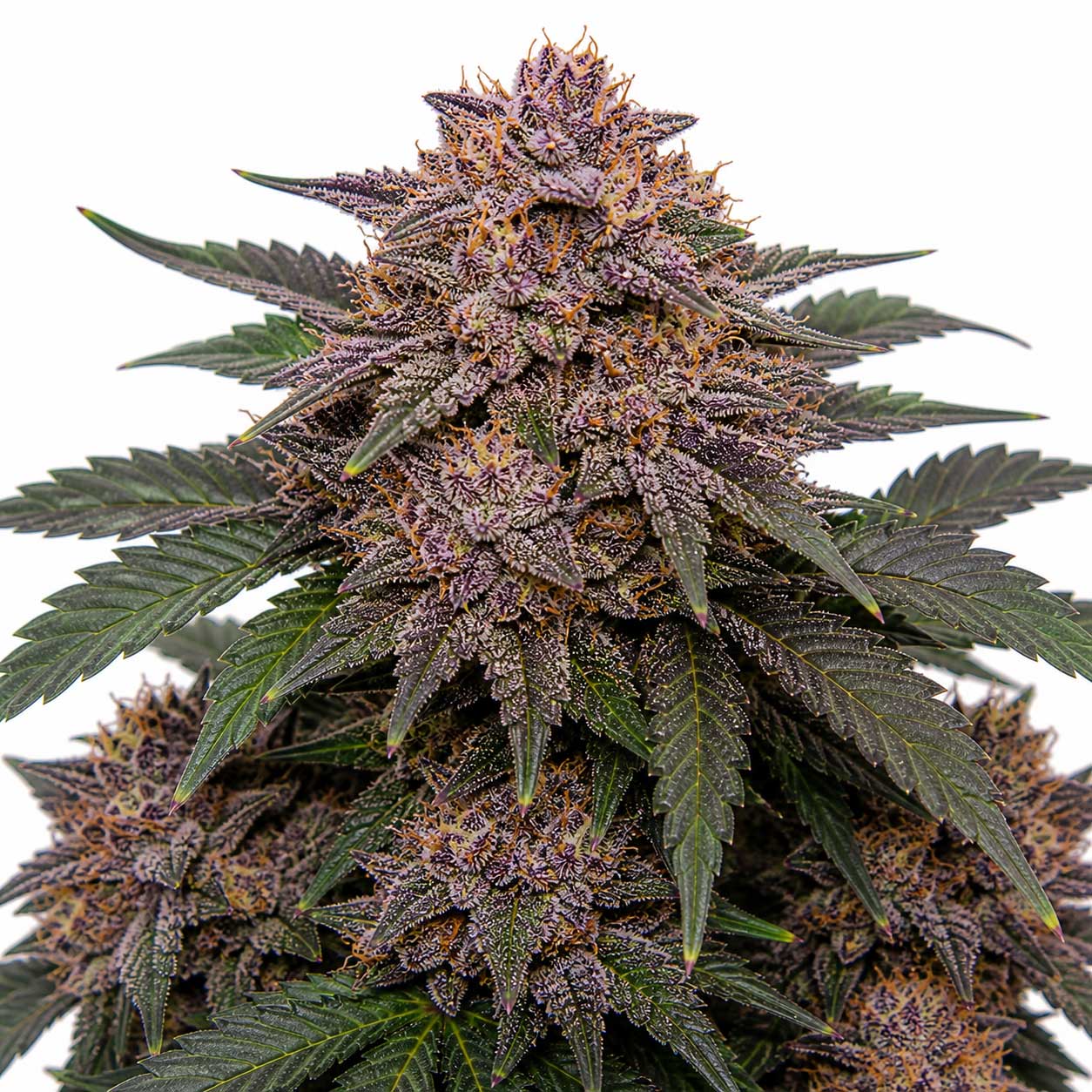
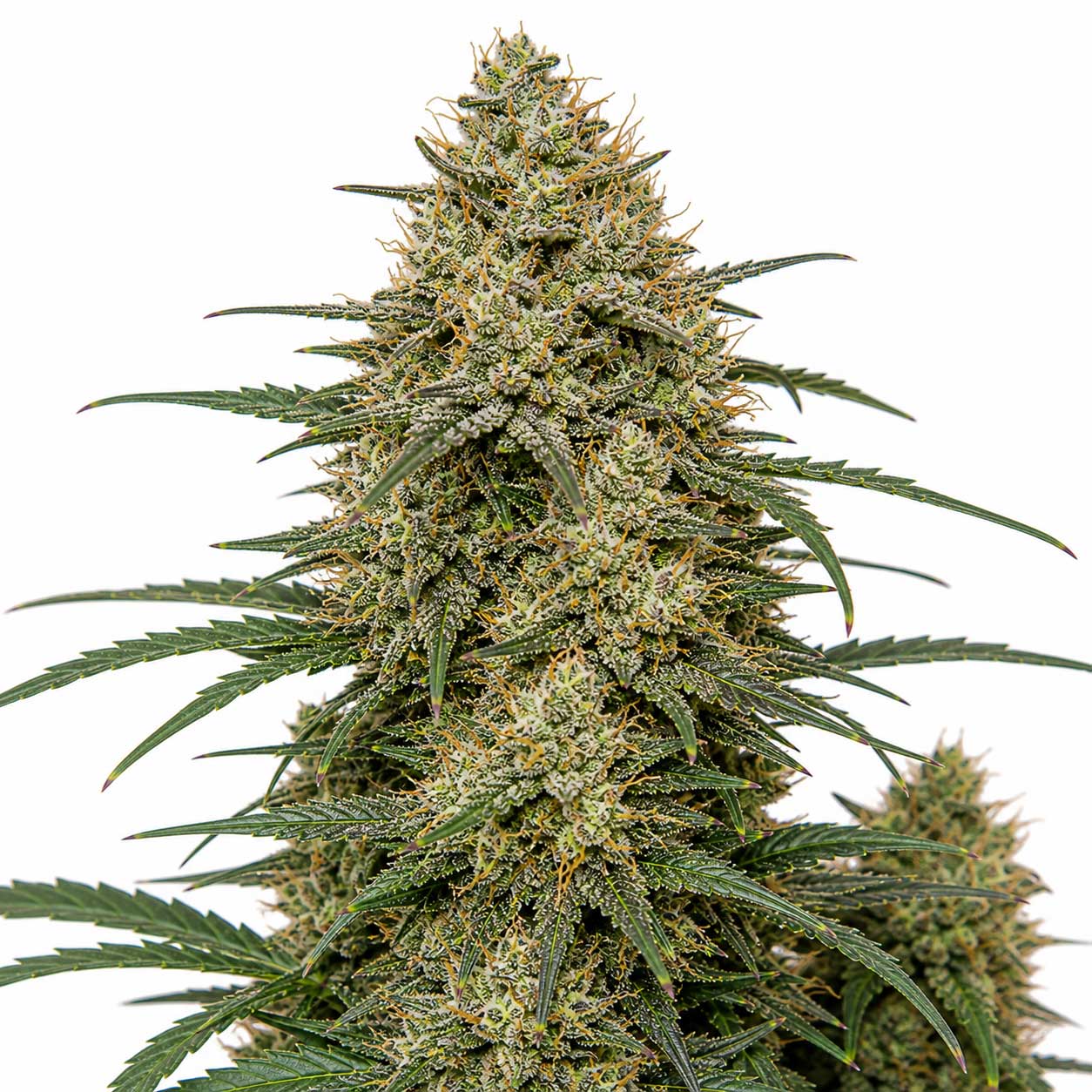
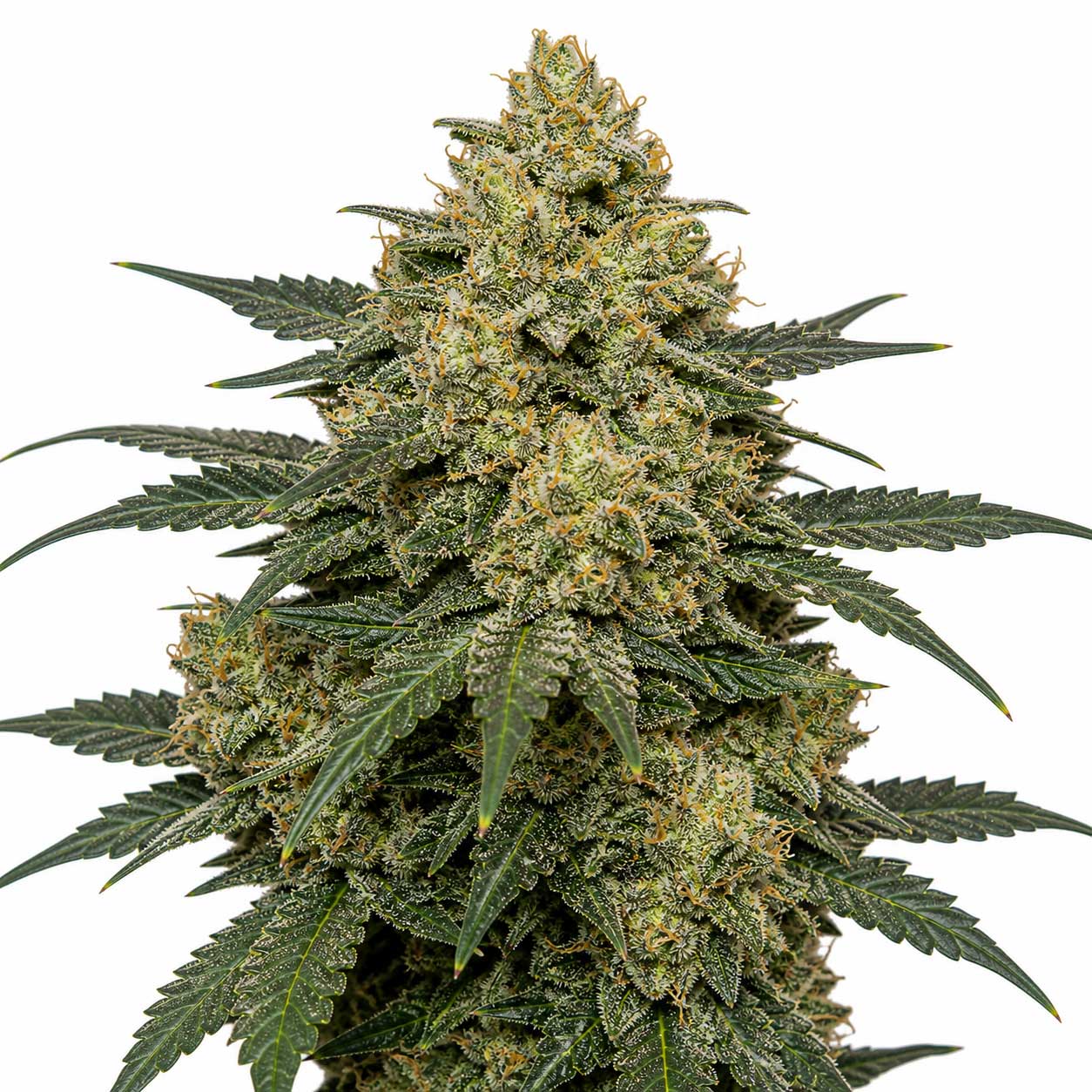
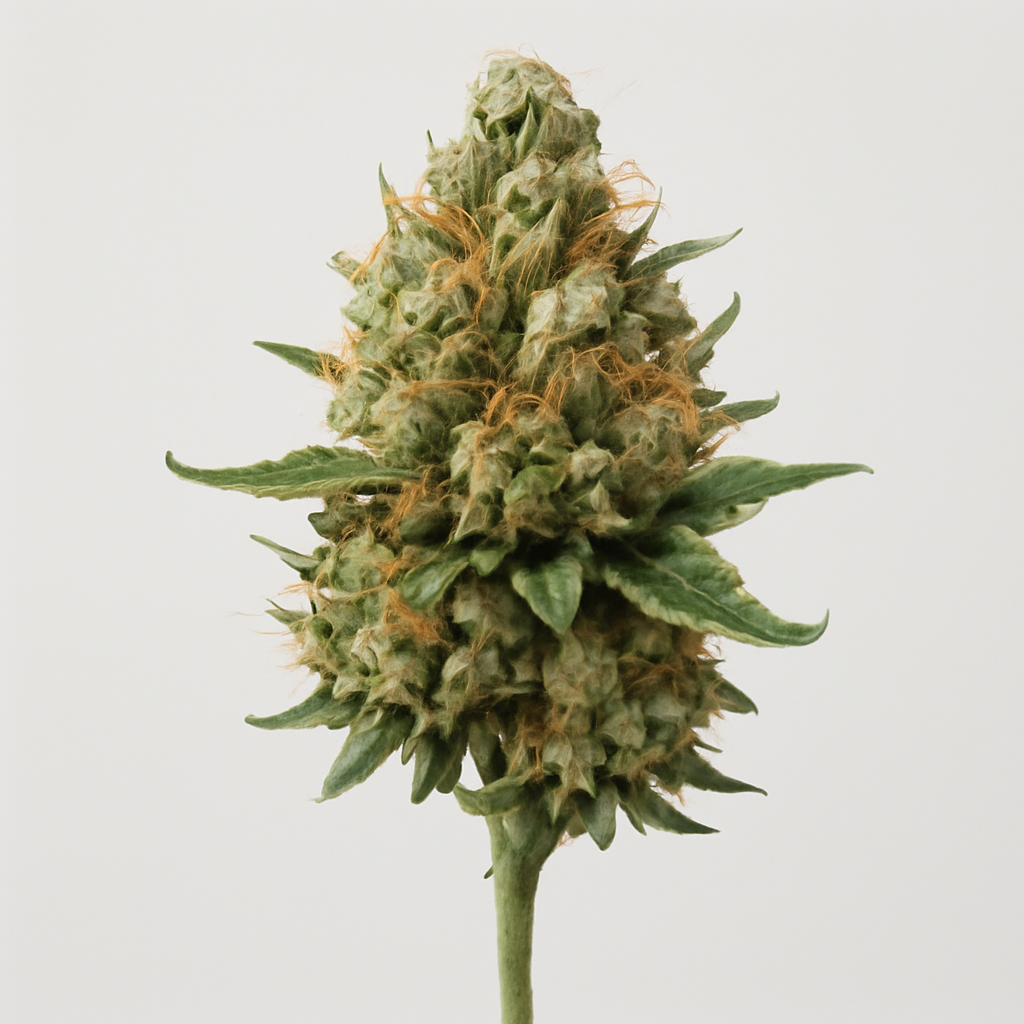
Botanically, Papaya exhibits a classic indica morphology characterized by a stout, bushy frame, thick stems, and a short internodal stretch. The cultivar develops dense, rounded bracts that stack into tight, heavy colas during the mid-to-late flowering stages. Its leaf structure is dominated by broad, dark green fan leaves that shield the lower canopy if left untrained.
The strain’s most notable anatomical feature is its high density of glandular trichomes, which cover the calyxes and sugar leaves in a thick, greasy layer of resin. This resin-rich profile is highly stable across various phenotypes, making it a reliable choice for solventless extraction. Under cooler night temperatures near harvest, some phenotypes display subtle violet hues along the leaf margins.
Cultivators select Papaya for its predictable growth patterns and rapid maturation cycle. The root system is robust, supporting efficient nutrient uptake and allowing the plant to handle moderate feeding regimens without immediate signs of stress.
Effects & Use-Cases (Reported)
Commonly reported effects: Deep physical relaxation, a calm mental state, mild euphoria, and a warm, grounding body sensation.
Use-case context: Typically centers on late-day winding down, quiet evening sessions, or slow-paced social settings where physical ease is preferred over high-energy stimulation.
Note: These observations are anecdotal and do not constitute medical advice. Papaya’s heavy resin profile can deliver a more potent physical onset than its sweet, dessert-like aroma suggests.
Aroma & Flavors
Aroma: Ripe tropical fruit, heavy mango nectar, sweet papaya, and a distinct musky, earthy undertone.
Flavor: Sweet tropical fruit on the inhale, followed by a soft herbal-citrus zest and a faint peppery spice on the exhale.
Terpene associations: Primarily aligned with myrcene, limonene, and caryophyllene, which combine to create its signature sweet-and-spicy profile.
Tested Cannabinoid & Terpene Ranges
| Compound | Typical Range | Notes |
|---|---|---|
| Δ9-THC | 20.0% – 26.0% | Strong potency in well-cured indoor flower. |
| CBD | < 0.5% | Minimal presence in most commercial selections. |
| Myrcene | 0.20% – 0.60% | Drives the ripe tropical fruit and musky base. |
| Limonene | 0.15% – 0.45% | Adds a bright citrus lift to the top notes. |
| Caryophyllene | 0.10% – 0.35% | Introduces a mild peppery spice on the finish. |
Note: Cannabinoid and terpene levels are highly variable and depend on specific phenotype selection, cultivation methods, and curing environments.
Cultivation Notes
- Humidity: Keep relative humidity (RH) below 45% during the final three weeks of flower to protect the dense, compact colas from moisture retention.
- Nutrition: Responds well to a steady, moderate feeding schedule; avoid excessive nitrogen in early flower to prevent leafy bud structures.
- Training: Employ topping and low-stress training (LST) early in veg to promote lateral branching and create an even canopy.
- Harvest: Harvest when trichome heads shift from milky to amber, typically around day 56 to 63, depending on the desired physical effect.
- Phenotype Management: Select phenotypes that show brittle, swollen trichome heads if cultivating specifically for solventless extraction.
Grower Notes (Week-by-Week Snapshot)
- Weeks 1–3 (Transition & Early Flower): The plant undergoes a controlled stretch, usually doubling in height. Focus on selective defoliation of lower fan leaves to improve airflow through the tight internodes.
- Weeks 4–6 (Mid-Flower & Resin Production): Calyxes begin to swell rapidly, and a thick layer of greasy resin develops early. Ensure support stakes or trellis netting are in place to support the weight of the developing colas.
- Weeks 7–9 (Late Flower & Ripening): Reduce temperatures and lower humidity to mimic a dry autumn climate. Flush the growing medium with clean water to encourage the plant to fade and allow the tropical terpenes to fully mature.
- Post-Harvest (Cure): Execute a slow dry at 60°F (15°C) and 60% relative humidity for 10 to 14 days to preserve the delicate volatile monoterpenes before curing in airtight vessels.
Genetic Lineage
Papaya’s lineage traces back to a cross between Mango and Citral #13, a pairing that combined sweet, tropical fruit terpene profiles with classic, sturdy indica growth habits. While Nirvana Seeds and other European breeders popularized variations of this line, the strain has been widely circulated through clone-only selections and regional seed projects, leading to subtle variations in structure and nose.
Despite these minor phenotypic differences, the core genetic identity remains anchored to its parents. The Mango lineage contributes the heavy, myrcene-rich tropical sweetness, while the Citral #13 lineage lends structural rigidity, dense bud architecture, and a subtle, spicy citrus undertone that balances the overall profile.
Research Insights
Analytical testing of Papaya frequently highlights its high concentration of volatile monoterpenes, particularly the interaction between myrcene and limonene. This specific ratio is believed to modulate the physiological uptake of cannabinoids, contributing to the strain’s characteristic calming effects without causing immediate, heavy sedation.
Additionally, the physical structure of Papaya’s trichomes has made it a subject of study among extraction specialists. The strain typically produces capitate-stalked glandular trichomes with weak abscission zones, allowing the resin heads to detach cleanly during ice water agitation, resulting in highly pure solventless concentrates.
Frequently Asked Questions
Is Papaya an easy strain to grow?
Yes, Papaya is generally considered moderately easy to grow. Its compact height and predictable growth habits make it manageable for indoor cultivators, though its dense bud structure requires careful humidity management during late flower.
Why is Papaya so popular for making hash and rosin?
The strain is highly valued by hash makers because it produces abundant, greasy resin with weak trichome necks that break off easily during washing. This results in high yields of flavorful, melt-quality bubble hash and live rosin.
What does Papaya smell like?
Papaya has a rich, sweet aroma dominated by ripe mango, tropical fruit, and papaya nectar, balanced by a subtle background of earthy spice and herbal citrus.
How long does Papaya take to flower?
When grown indoors, Papaya typically finishes its flowering cycle in 8 to 9 weeks (56 to 63 days), depending on the specific phenotype and environmental conditions.
Educational Disclaimer
This strain profile is intended strictly for educational and informational purposes. Cultivation and consumption of cannabis are subject to local laws and regulations. Always consult with a healthcare professional before using cannabis for therapeutic purposes.
Rate and review this strain
Ratings and reviews are accepted only from signed-in Google accounts.
Sign in with Google to leave a rating and written review.
Latest Reviews
0 reviewsNo reviews yet. Be the first Google user to rate and review this strain.