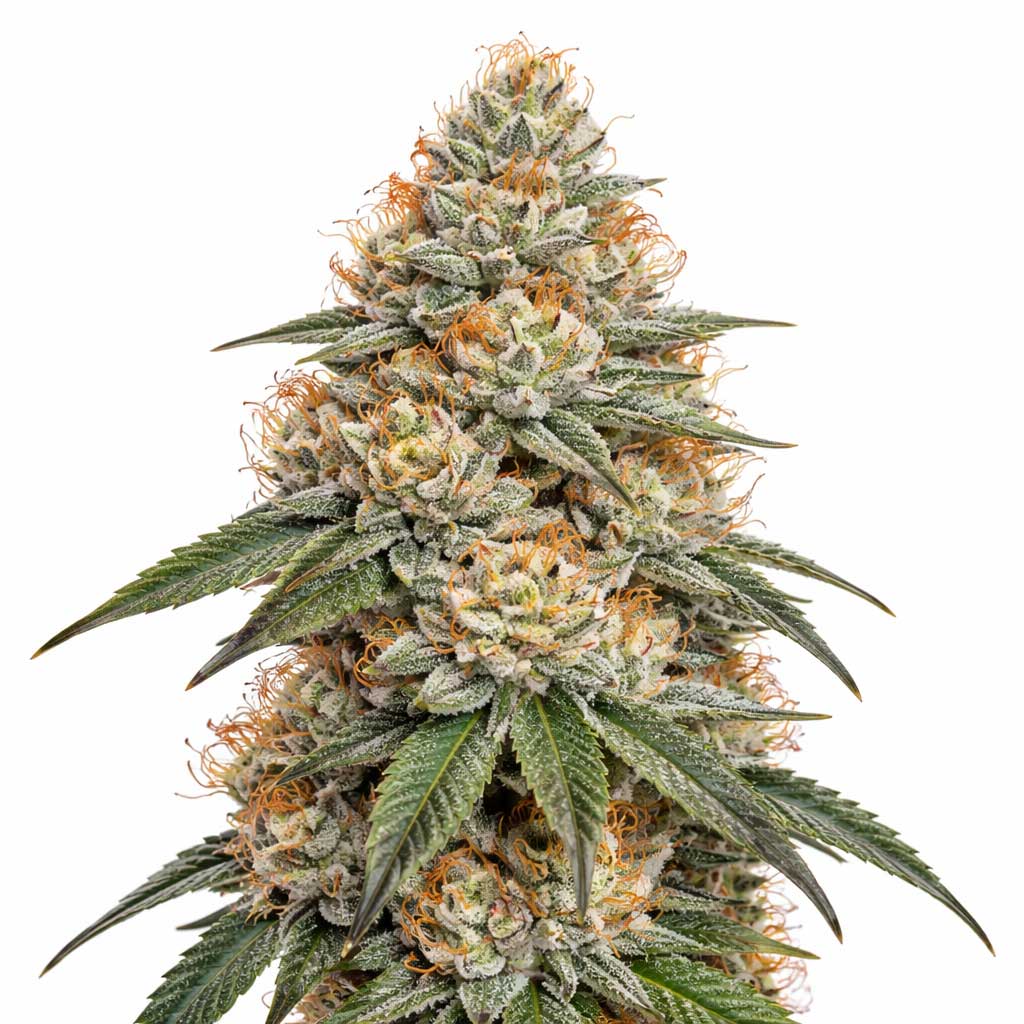
Fire OG (Cannabis Strain)
Fire OG, also known as Fire OG Kush, is a legendary indica-dominant hybrid cultivar widely regarded as one of the most recognizable heavy-hitting strains in the OG Kush family. It is best known for its strong lemon-fuel aroma, dense frosty flowers, and fiery red-orange pistils that give the cultivar its name. Fire OG is commonly described as a cross of OG Kush and SFV OG Kush, and many sources tie its breeding and popularization to the California OG scene, including The Cali Connection and OG Raskal-associated cuts. :contentReference[oaicite:0]{index=0}
Long respected as a benchmark for the classic West Coast gas-and-lemon profile, Fire OG remains popular for its heavy physical finish, strong resin production, and distinctly “loud” OG character. The information below is provided strictly for scientific and botanical reference. :contentReference[oaicite:1]{index=1}
Quick Facts
| Feature | Details |
|---|---|
| Original Breeder | Widely associated with The Cali Connection / Swerve, with strong historical linkage to OG Raskal-associated Fire cuts |
| Genetics | OG Kush × SFV OG Kush |
| Variety | Indica-dominant hybrid (commonly described around 70/30) |
| THC Range | Commonly around 20%–25%+ |
| Flowering Time | 9–10 weeks, with some growers taking it longer depending on phenotype and finish goals |
| Yield Class | Moderate to high, depending on training and environmental control |
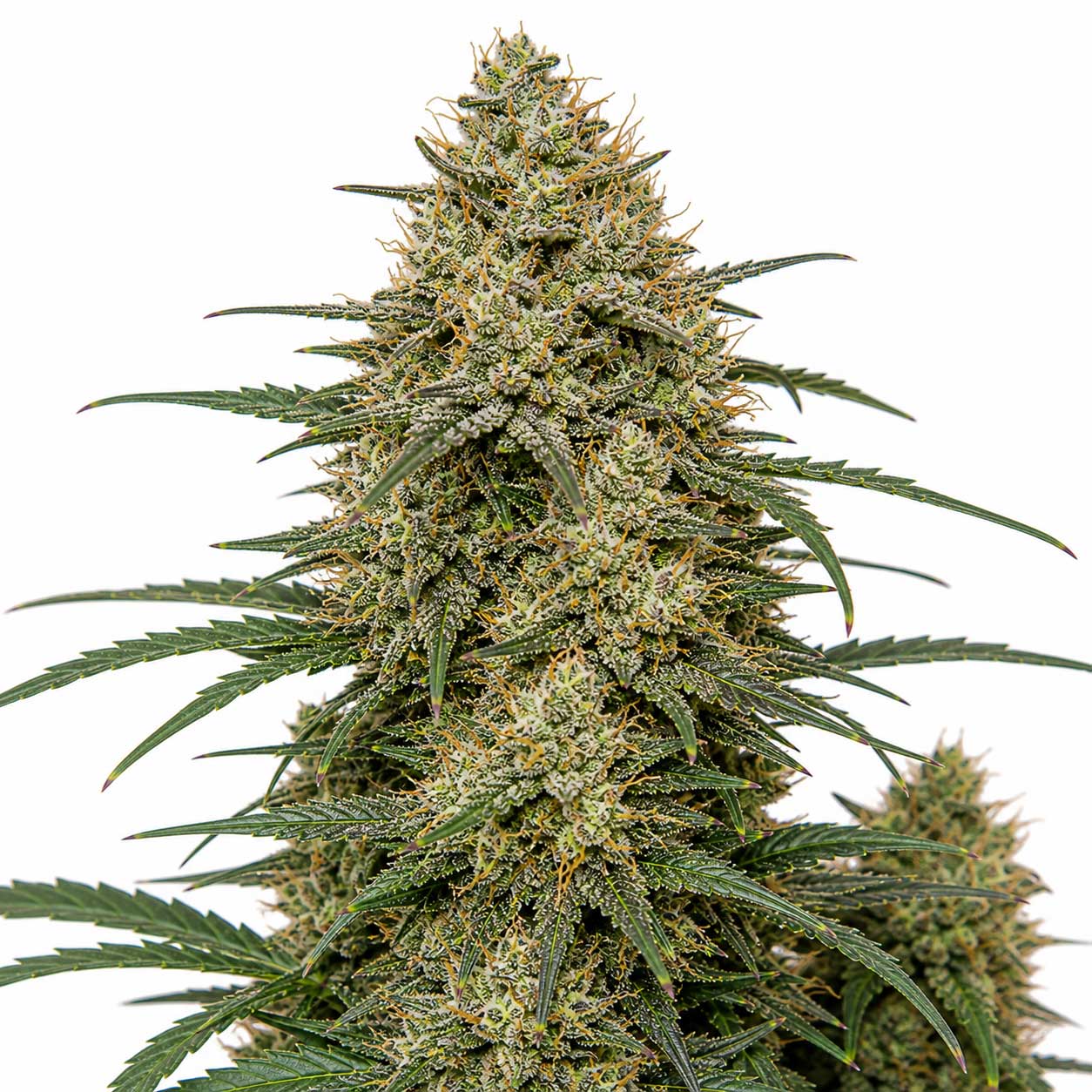
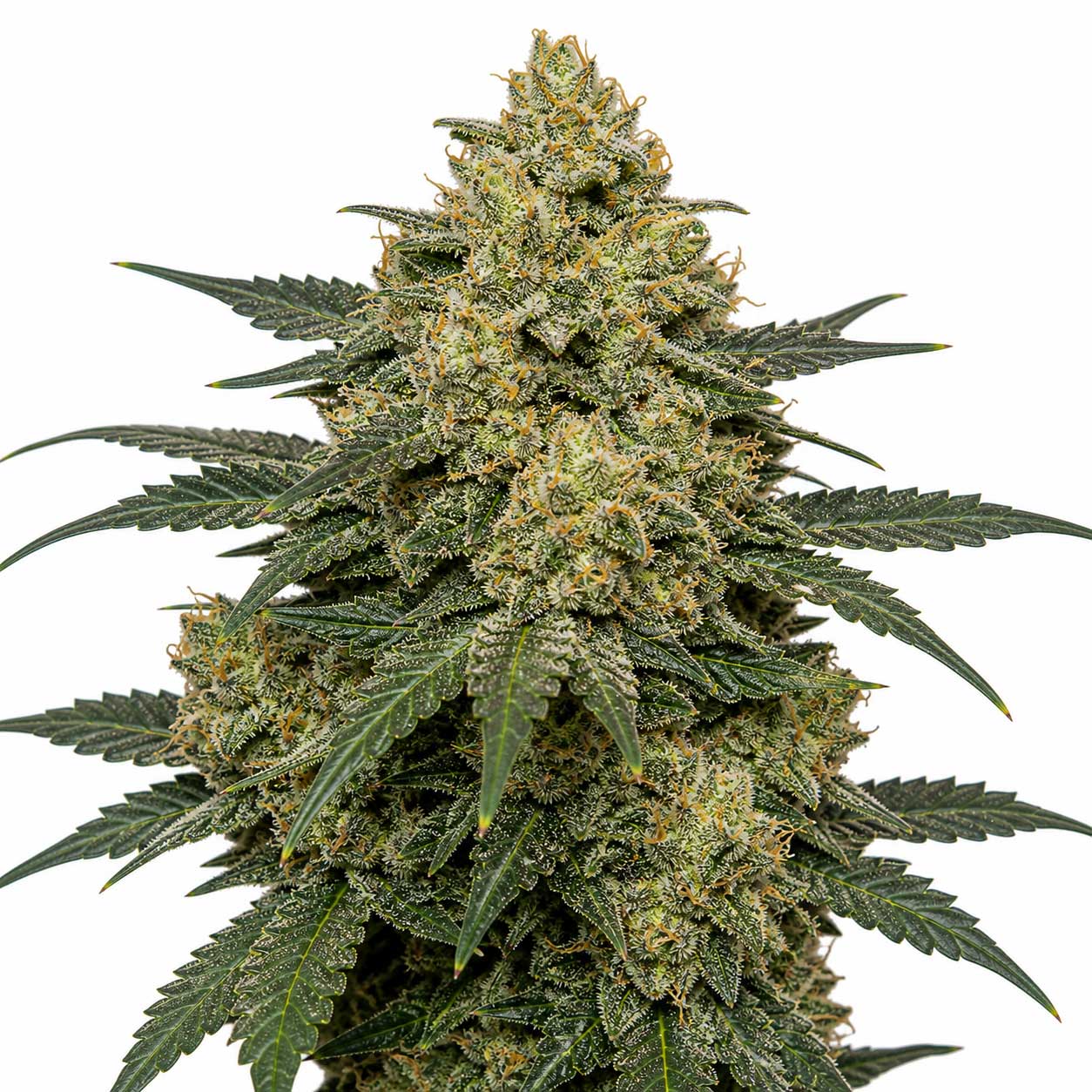
| Plant Structure | Medium-tall OG frame with lankier branching, spear-shaped colas, and heavy red-orange pistil expression |
| Canopy Behavior | Strong early flower stretch; benefits from topping, SCROG, staking, and lower-canopy cleanup |
| Climate Preference | Warm, relatively dry conditions with strong airflow and tight humidity control in flower |
| Grower Difficulty | Intermediate to difficult; nutrient sensitivity, stretch, and mold pressure can make it challenging |
Scientific & Botanical Overview
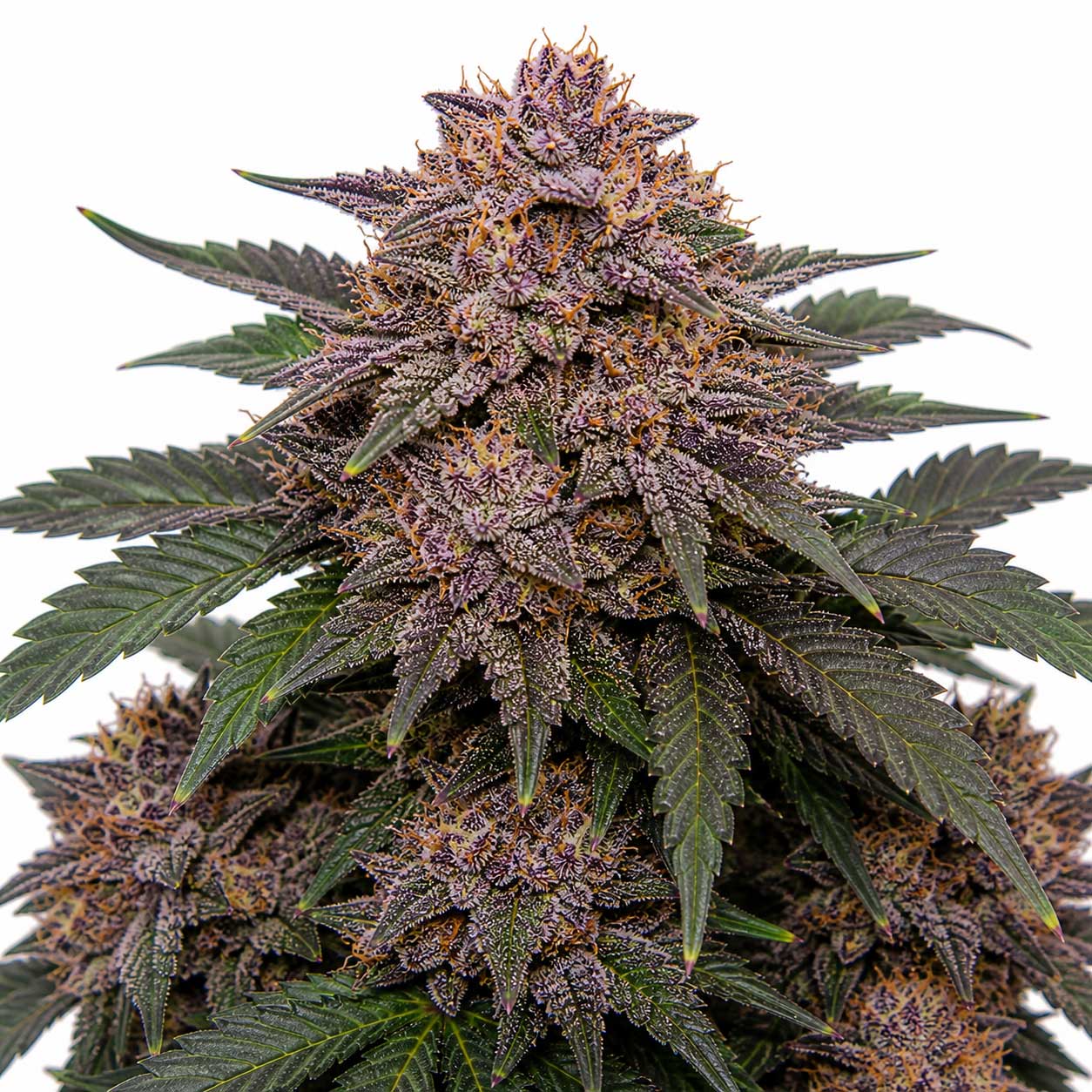
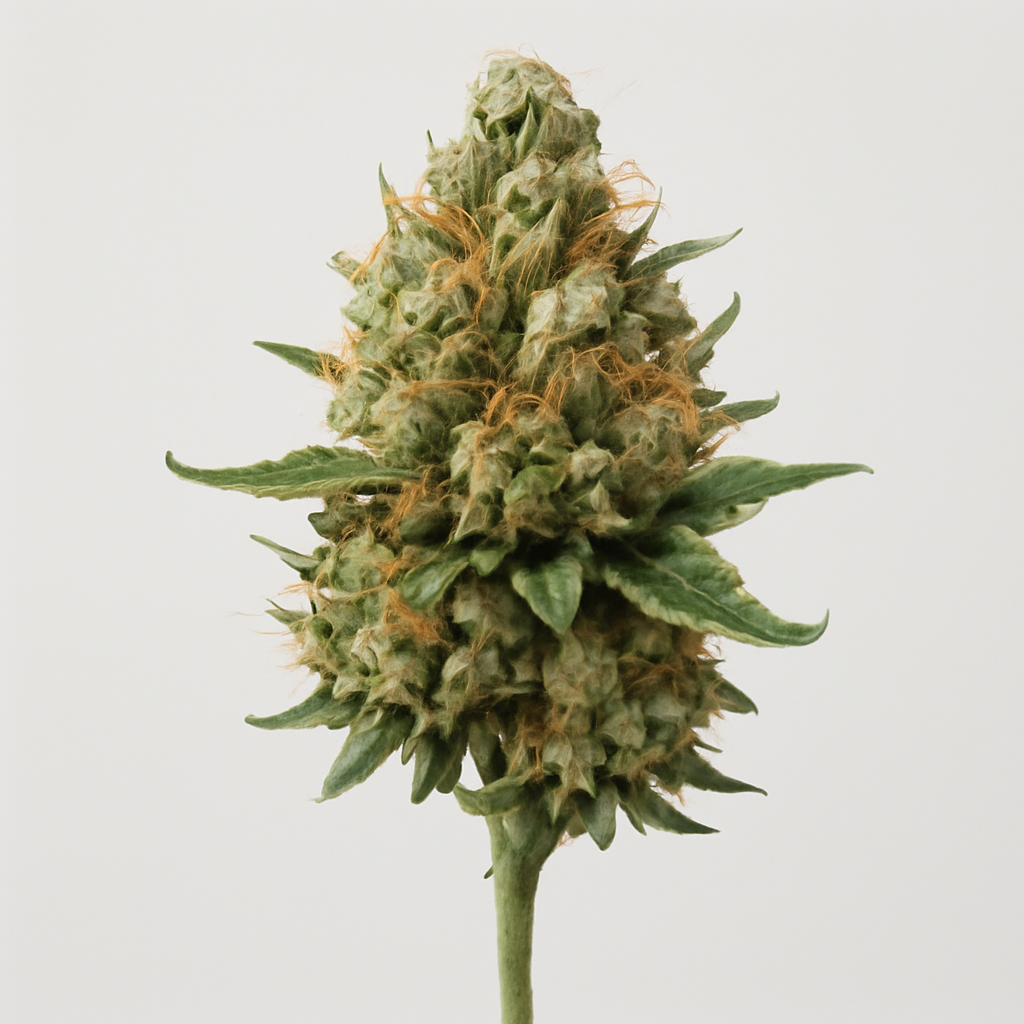
Fire OG typically expresses a classic OG morphology with thinner leaves, longer internodes than compact indica hybrids, and dense frosty spear-like flowers that finish with standout orange-to-red pistils. The flowers are usually lime-to-medium green under a thick resin coat, with the overall look emphasizing frost and fiery hair color more than dark purple coloration. This strong red-haired presentation is one of the defining reasons the cultivar became so recognizable. :contentReference[oaicite:2]{index=2}
From a structural standpoint, Fire OG is known for a relatively floppy OG-style frame that needs support once flowers start gaining weight. It can stretch aggressively in early bloom, which is why many growers rely on topping, trellising, and canopy control to keep the plant productive and upright. Leafly’s grow guidance specifically notes moderate-to-high yield, difficult grow behavior, and strong mold sensitivity if humidity is not controlled. :contentReference[oaicite:3]{index=3}
Botanically, Fire OG is often described as a terpene-forward OG built around lemon, fuel, pine, and earth rather than a dessert-first profile. It preserves the classic Southern California Kush identity while adding a sharper citrus bite and a heavier, more sedative finish than some lighter OG expressions. :contentReference[oaicite:4]{index=4}
Effects & Use-Cases (Reported)
Commonly reported effects: a fast euphoric head rush, long-lasting physical relaxation, couch-lock potential, and a strong appetite-building nighttime finish. Fire OG is frequently described as one of the stronger OG family expressions, with effects that can feel both mentally uplifting at first and physically heavy as the session develops. :contentReference[oaicite:5]{index=5}
Use-case context: Fire OG is most often associated with evening or nighttime use, deep decompression, high-stress days, and situations where a classic heavy OG profile is preferred. Many users and strain references place it squarely in the stronger-tolerance category rather than as a casual daytime cultivar. :contentReference[oaicite:6]{index=6}
Note: These observations are anecdotal reports and should not be interpreted as medical claims.
Aroma & Flavors
Aroma: sharp lemon citrus, pungent diesel fuel, damp earth, and spicy pine.
Flavor: The inhale is commonly described as Lemon Pledge-like citrus and fuel, while the exhale becomes smoother, woodier, earthier, and more peppered with a classic OG backbone. :contentReference[oaicite:7]{index=7}
Terpene associations: Limonene-forward with Myrcene and Caryophyllene commonly cited in supporting roles. :contentReference[oaicite:8]{index=8}
Tested Cannabinoid & Terpene Ranges
| Compound | Typical Range* | Grower-Oriented Interpretation |
|---|---|---|
| Δ9-THC | 20%–25%+ | Strong classic OG potency with long legs and a heavy physical finish |
| CBG | Often around trace to low minor-cannabinoid presence | Adds minor-cannabinoid depth without changing the strain’s THC-led identity |
| Limonene | Often dominant | Drives the cultivar’s signature lemon-fuel bite and early mood uplift |
| Myrcene | Commonly significant | Anchors the earthy body-heavy side and supports couch-lock potential |
| Caryophyllene | Commonly significant | Reinforces the peppery, woody, spicy Kush backbone |
*Ranges vary by phenotype, environment, harvest timing, and cure protocol. Fire OG is best understood as a terpene-forward classic OG rather than a novelty numbers-only hybrid.
Cultivation Notes
- Vegetative Vigor: Moderate to high; lanky and stretchy, usually needing topping and shape control early.
- Light Cycle: 18/6 vegetative and 12/12 flowering.
- Humidity Targets: Around 55% in veg and 40%–45% in late flower; Fire OG is especially mold-sensitive when humidity spikes. :contentReference[oaicite:9]{index=9}
- Nutrition: Often described as a heavier feeder than easier commercial hybrids, but still capable of burning if pushed too quickly.
- EC / Feeding Sensitivity: Moderate to high; growers often report it needs a robust but disciplined feed schedule.
- Training: SCROG, topping, staking, and lollipopping are strongly recommended because of aggressive stretch and branch weakness.
- Support Needs: High to extreme; long spear-shaped colas can drag branches down late in bloom.
- Mold / Moisture Risk: High; multiple grow references note Fire OG can mold easily and needs strong airflow. :contentReference[oaicite:10]{index=10}
- Harvest Window: Commonly around 63–70 days, though some growers take select cuts longer for fuller swell and heavier effect. :contentReference[oaicite:11]{index=11}
Grower Notes (Week-by-Week Snapshot)
- Weeks 1–2 (Foundation): Expect transition into flower with strong upward movement; establish support early.
- Weeks 3–4 (Canopy Set): Stretch continues aggressively, often doubling plant height; finalize trellis and clean the lower canopy.
- Weeks 5–6 (Bloom): Red-orange pistils begin standing out while the room profile turns sharply lemon-gas.
- Weeks 7–8 (Frost Stack): Resin production intensifies, and the plant starts showing the frosty red-haired “on fire” look.
- Weeks 9–10 (Ripening): Bud swell becomes more obvious, with stronger density and a fuller lemon-fuel finish.
- Post-Harvest: A slow cool dry helps preserve the volatile lemon-fuel top notes that define the best Fire OG expressions.
Genetic Lineage
Most modern strain references describe Fire OG as a cross between OG Kush and SFV OG Kush, while breeder-community history also links it to The Cali Connection and OG Raskal-associated Fire cuts. Because naming and clone history in OG lines can be messy, the safest summary is that Fire OG sits squarely inside the California OG Kush family and was refined around the strongest lemon-fuel and red-haired expressions. :contentReference[oaicite:12]{index=12}
This lineage helps explain why Fire OG feels like an amplified OG rather than a departure from the category: it preserves the sour citrus, gas, and structural stretch of OG while pushing the potency and body effect into heavier territory. :contentReference[oaicite:13]{index=13}
Research Insights
Fire OG remains important because it is one of the clearest examples of the classic “gas-lemon” OG profile that shaped West Coast cannabis culture. Modern summaries continue to highlight it as one of the strongest and most recognizable OG descendants, with a sensory profile that still serves as a reference point for newer Kush hybrids. :contentReference[oaicite:14]{index=14}
From a grower’s perspective, Fire OG also illustrates a familiar OG tradeoff: exceptional aroma, effect, and brand value paired with stretch, support issues, and humidity sensitivity. It rewards skilled environmental control much more than brute-force feeding or high-density overcrowding. :contentReference[oaicite:15]{index=15}
Frequently Asked Questions
Who created the Fire OG strain?
Fire OG is widely associated with The Cali Connection and OG Raskal-linked Fire cuts, though exact attribution can vary depending on whether the source is discussing the clone, the line, or later seed versions. :contentReference[oaicite:16]{index=16}
Is Fire OG an indica or sativa?
It is generally described as an indica-dominant hybrid, often around a 70/30 split. :contentReference[oaicite:17]{index=17}
What does Fire OG taste like?
It is most often described as lemon-fuel, earthy pine, pepper, and classic OG gas. :contentReference[oaicite:18]{index=18}
Is Fire OG hard to grow?
Yes. Multiple grow references describe it as difficult because of stretch, nutrient finickiness, and mold sensitivity in flower. :contentReference[oaicite:19]{index=19}
Educational Disclaimer
This page is provided for scientific and horticultural reference only. Cannabis laws vary by jurisdiction; always ensure compliance with local regulations.
Rate and review this strain
Ratings and reviews are accepted only from signed-in Google accounts.
Sign in with Google to leave a rating and written review.
Latest Reviews
0 reviewsNo reviews yet. Be the first Google user to rate and review this strain.