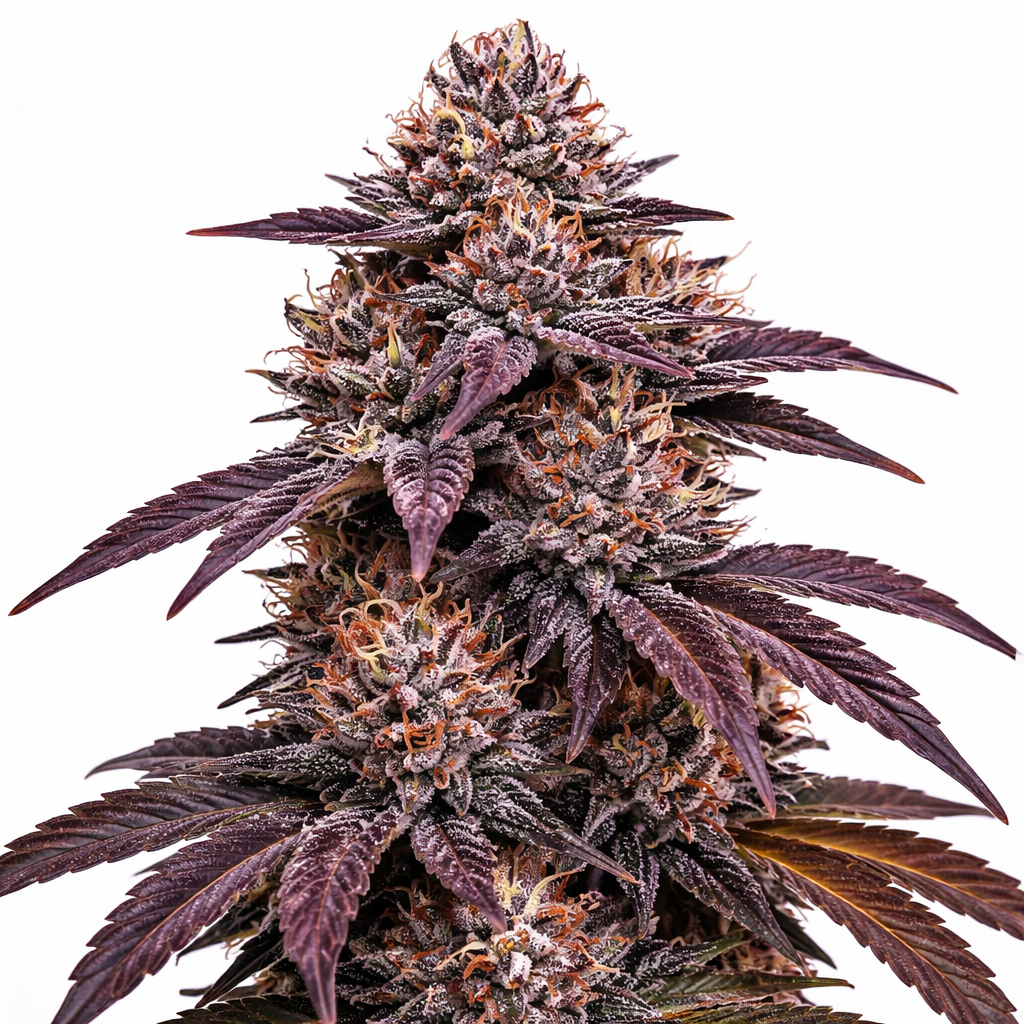
Purple Blackberry Kush (Cannabis Strain)
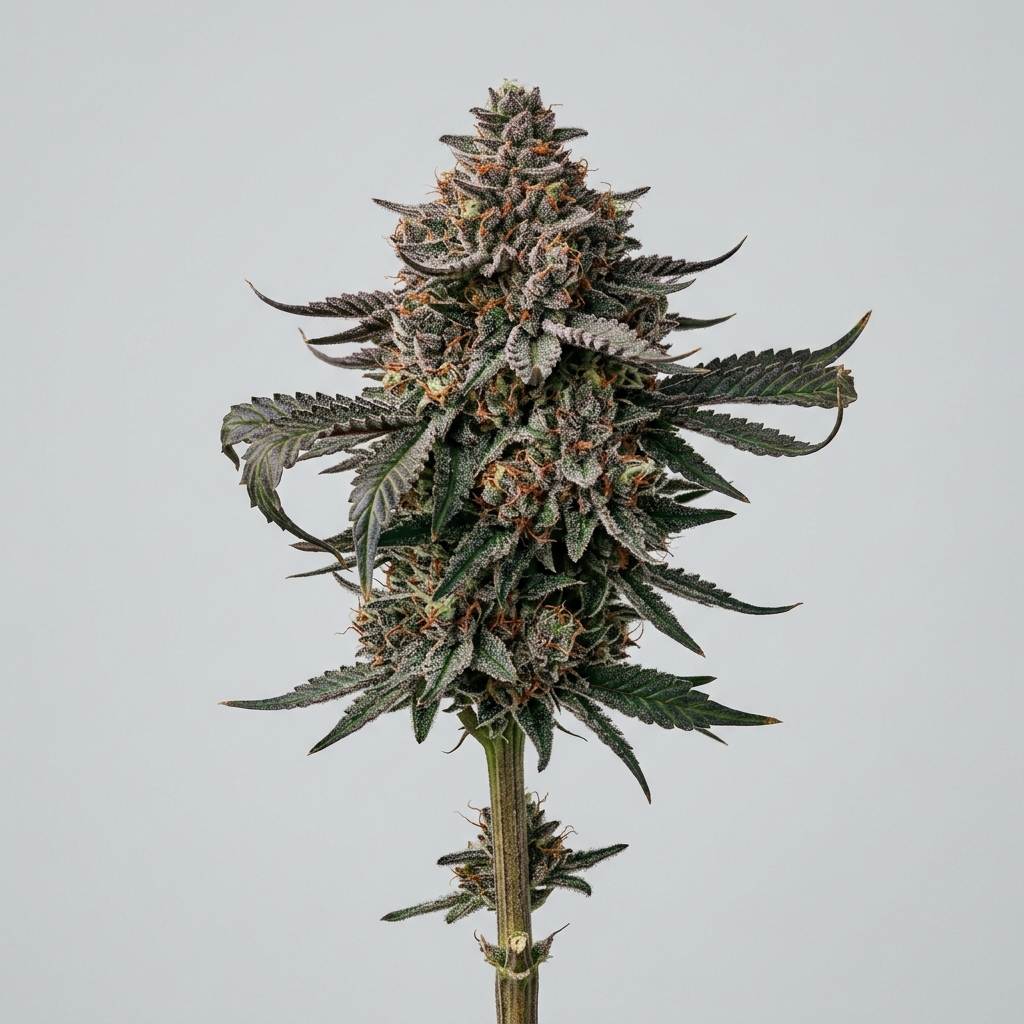
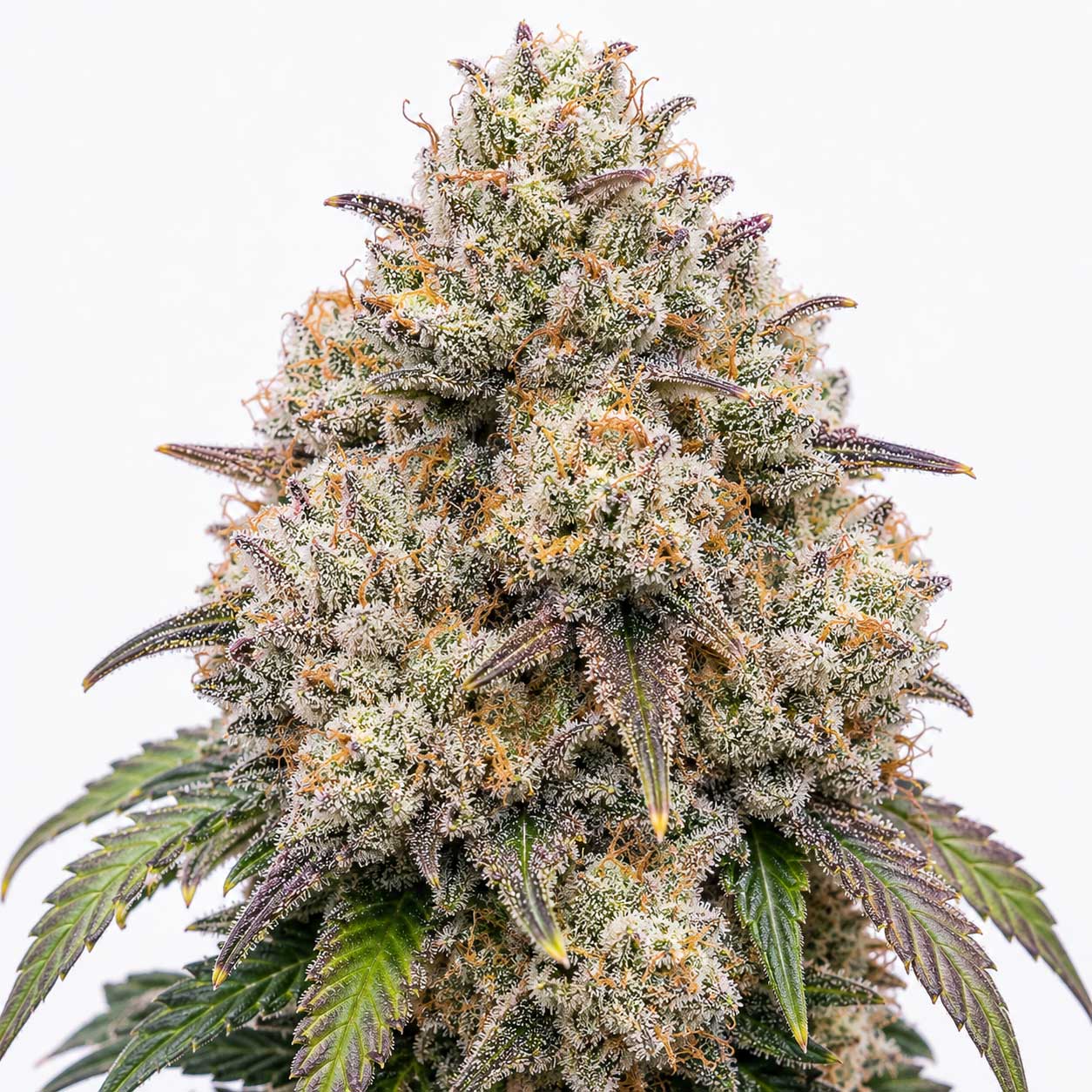
Purple Blackberry Kush is an elite indica-dominant hybrid cannabis cultivar prized for its dramatic purple coloration, dense resinous flowers, and richly layered berry-forward terpene profile. Commonly associated with a cross between Blackberry Kush and Purple Urkle or a similar Purple Afghani-derived line, it has become a favorite among growers and connoisseurs who value visual appeal, soothing physical effects, and a refined “purple” aromatic identity.
Known for its midnight-purple calyxes, silver trichome frosting, and velvety sensory finish, Purple Blackberry Kush offers a sophisticated alternative to louder fuel-dominant hybrids. It combines tart forest-fruit sweetness, floral calm, and classic Kush density in a cultivar that feels both ornamental and deeply functional. The information below is provided strictly for scientific and botanical reference.
Quick Facts
| Feature | Details |
|---|---|
| Genetics | Blackberry Kush × Purple Urkle, with phenotype-dependent variation by breeder or cut |
| Variety | Indica-dominant hybrid |
| THC Range | 20%–24%, often valued more for terpene-cannabinoid synergy than extreme potency alone |
| Flowering Time | 8–9 weeks (approximately 56–63 days indoors) |
| Yield Class | Moderate; strong quality-to-leaf ratio with dense, high-value flower |
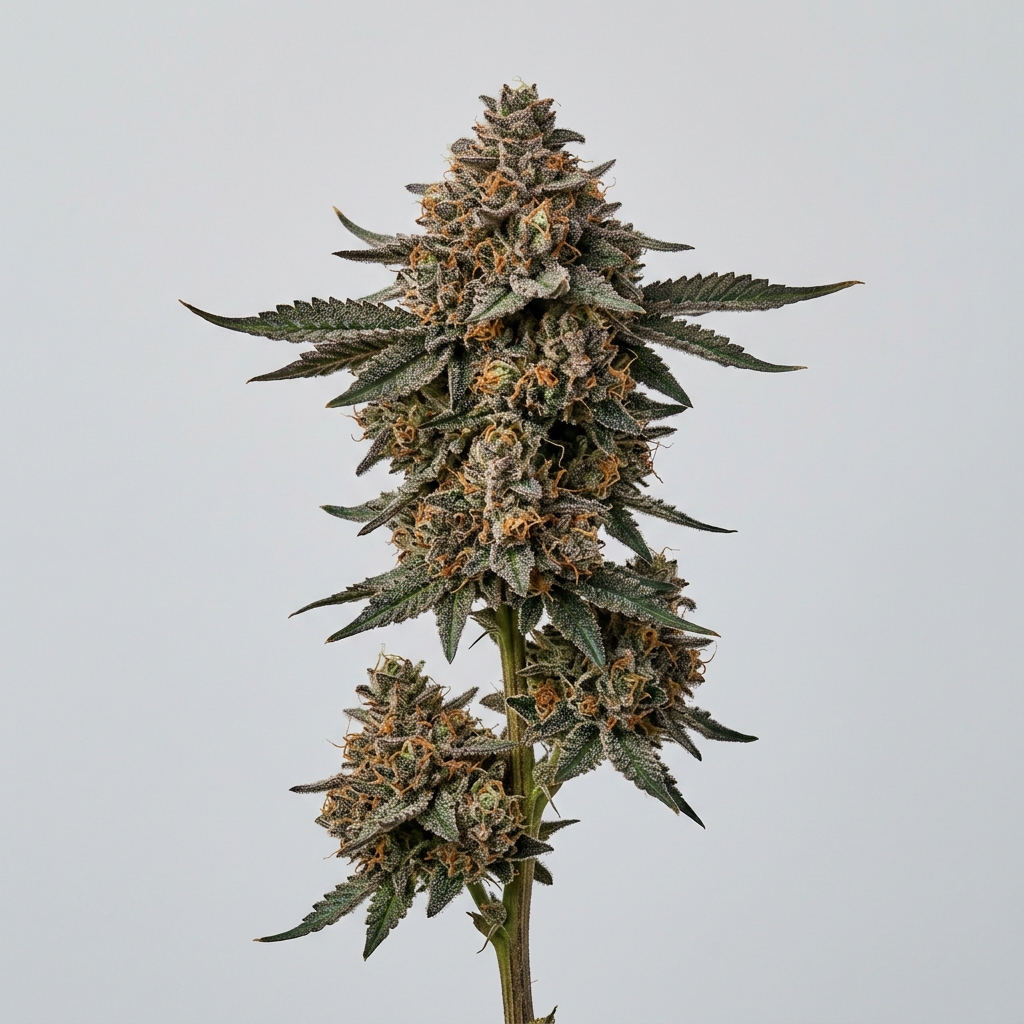
| Plant Structure | Compact stout indica frame with sturdy lateral branching and dense resin-heavy floral clusters |
| Canopy Behavior | Bushy growth with manageable stretch; benefits from lollipopping and modest canopy opening |
| Climate Preference | Controlled indoor or cool-finishing environments where lower nighttime temperatures can intensify purple expression |
| Grower Difficulty | Easy to intermediate; resilient overall, but best results come from disciplined humidity and temperature control |
Scientific & Botanical Overview
Purple Blackberry Kush is notable for its anthocyanin-rich pigmentation, which often gives the flowers and surrounding foliage deep violet, indigo, or nearly black-purple tones. Unlike strains that only show color under stress, this cultivar is often genetically predisposed to strong purple expression, especially when paired with cooler finishing conditions in late flower.
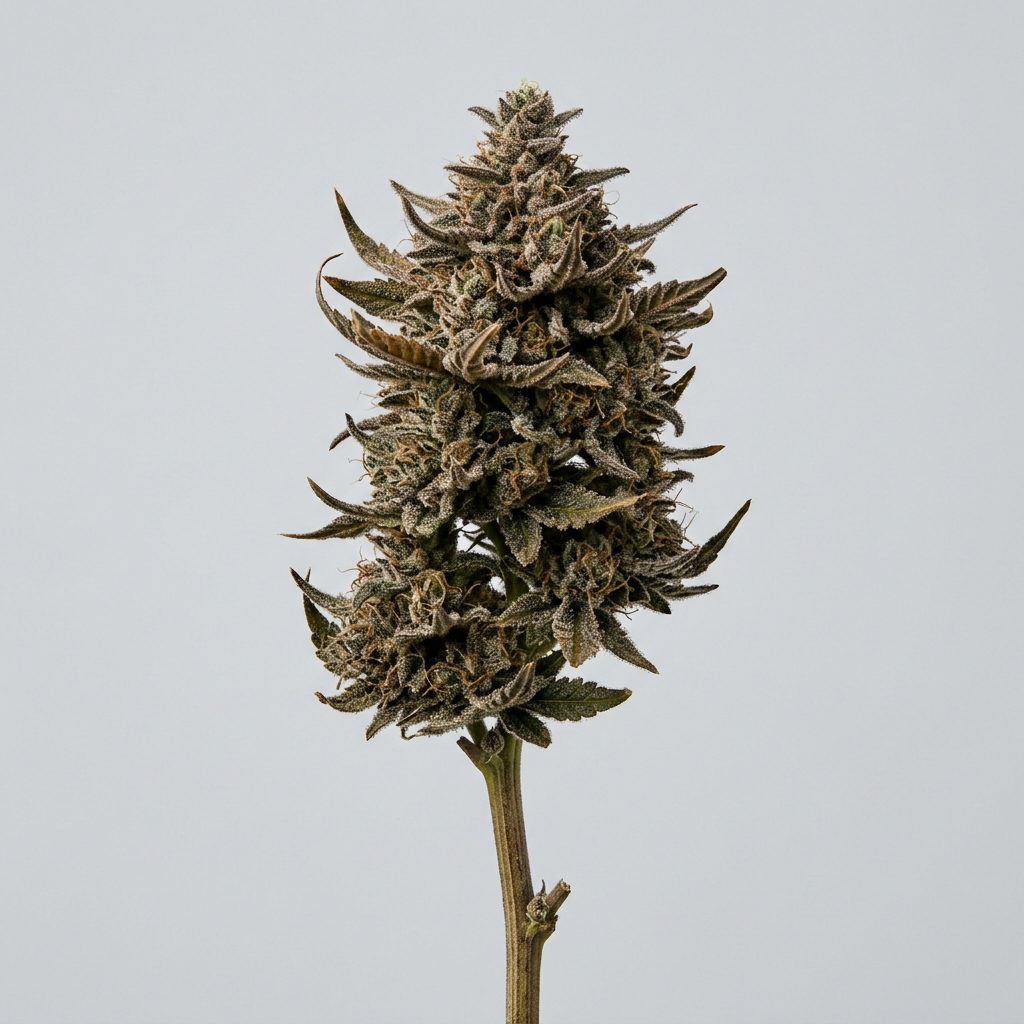
The buds are typically small to medium in size but unusually hard and dense, with a jewel-like appearance created by the contrast between dark calyxes and bright silver trichomes. Structurally, the plant maintains a compact stature with thick stems and reliable lateral support, making it especially suitable for indoor spaces where vertical restraint matters more than aggressive stretch.
From a chemical standpoint, Purple Blackberry Kush is often valued for the stability of its “purple-fruit” terpene profile. Even across slightly different cuts, the cultivar tends to maintain its core identity of berry sweetness, floral calm, earthy Kush depth, and a smoother, less jarring physical effect than sharper gas-dominant indicas.
Effects & Use-Cases (Reported)
Commonly reported effects: a gentle uplift in mood followed by deep physical relaxation, floating body heaviness, calming mental softness, and a sedative finish.
Use-case context: Purple Blackberry Kush is most often associated with evening or nighttime use, stress-heavy days, appetite support, physical decompression, and sessions where a smoother heavy indica feel is preferred over a more aggressive cerebral spike. Many users describe it as deeply relaxing without feeling harsh or mentally chaotic on the front end.
Note: These observations are anecdotal reports and should not be interpreted as medical claims.
Aroma & Flavors
Aroma: Blackberry jam, sweet earth, floral lavender, dark fruit syrup, and a lightly hashy spice finish.
Flavor: The inhale is commonly smooth and sweet with ripe berry and plum notes, while the exhale becomes more earthy, floral, creamy, and softly spiced with a lingering Kush depth.
Terpene associations: Linalool, Myrcene, and Pinene are commonly associated with its berry-floral-purple profile.
Tested Cannabinoid & Terpene Ranges
| Compound | Typical Range* | Grower-Oriented Interpretation |
|---|---|---|
| Δ9-THC | 20%–24% | Moderate-to-high potency that supports long-lasting relaxation without relying solely on extreme THC claims |
| Linalool | Often prominent | Helps define the floral berry tone and contributes to the cultivar’s calmer sensory identity |
| Myrcene | Commonly prominent | Anchors the earthy Kush base and reinforces the cultivar’s heavier body effect |
| Pinene | Secondary, phenotype-dependent | Adds lift and helps keep the berry sweetness from becoming overly flat or syrupy |
*Ranges vary by phenotype, curing style, and cultivation environment. Purple Blackberry Kush is generally valued for its stable “purple” terpene expression more than for chasing the highest THC ceiling.
Cultivation Notes
- Vegetative Vigor: Moderate; plants usually stay controlled and manageable rather than overstretching aggressively.
- Light Cycle: 18/6 vegetative and 12/12 flowering.
- Humidity Targets: Around 55% in veg, dropping toward 40%–45% in late flower to protect the dense buds.
- Nutrition: Often responds well to balanced organic or mineral feeding, with a cleaner late bloom helping color and flavor develop more fully.
- EC / Feeding Sensitivity: Generally robust, though most growers prefer a tapered finish to improve flavor clarity and smoke quality.
- Training: One topping is often enough to create a fuller upper canopy; heavy training is usually unnecessary unless plant count or room shape requires it.
- Support Needs: Low to moderate; stems are usually strong, though denser top sites can lean late in flower.
- Mold / Moisture Risk: Moderate; dense purple flowers still require active airflow and disciplined humidity control during ripening.
- Color Expression: Cooler late-flower nighttime temperatures may significantly enhance the cultivar’s natural purple pigmentation.
- Harvest Window: Around day 60 often balances flavor and effect, while slightly later harvests may increase sedative weight.
Grower Notes (Week-by-Week Snapshot)
- Weeks 1–2 (Foundation): Plants typically establish a broad bushy base with large dark-green fan leaves and a stout overall stance.
- Weeks 3–4 (Transition): Stretch remains manageable, making this a good time for light cleanup and canopy balancing without major structural stress.
- Weeks 5–6 (Bud Set): Flowers begin bulking, and the room profile usually starts showing sweeter berry and floral undertones.
- Weeks 7–8 (The Purple Shift): Cooler nighttime temperatures often intensify anthocyanin expression, and trichomes begin clouding over more visibly.
- Weeks 8–9 (Finish Window): The plant can develop a dramatic purple-heavy final look, with aroma reaching peak sweetness and resin maturity becoming more obvious.
- Post-Harvest: A slow controlled dry helps preserve the berry esters and floral softness that define the cultivar’s best expressions.
Genetic Lineage
Purple Blackberry Kush is commonly described as a cross involving Blackberry Kush and Purple Urkle, though some breeder versions may vary slightly. That lineage makes practical sense: Blackberry Kush contributes dark fruit sweetness, Afghani density, and a rich resinous finish, while Purple Urkle adds the iconic “purple” character, floral depth, and calm body-heavy effect profile.
The result is a cultivar that feels like a concentrated expression of the broader purple Kush family, combining ornamental color, sensory richness, and classic evening-use functionality in one dense compact package.
Research Insights
Purple Blackberry Kush remains especially interesting in discussions around terpenoid-driven relaxation because of its strong berry-floral identity and smoother high relative to sharper pinene- or fuel-dominant varieties. It demonstrates how a cultivar can feel heavily relaxing while still maintaining a softer, more polished sensory entry.
From a grower’s perspective, the strain also highlights the commercial value of stable color expression, high bag appeal, and a dependable compact structure. In other words, it succeeds not only because of potency, but because it combines visual beauty, dense resinous flower, berry-lavender flavor, and reliable nighttime utility.
Phenotype selection still matters. Some cuts may lean more toward jammy blackberry sweetness, while others show stronger floral lavender, darker coloration, or a slightly deeper hashy earth note. That range is part of what keeps the cultivar relevant for both boutique flower markets and purple-line breeding work.
Frequently Asked Questions
Is Purple Blackberry Kush an indica or sativa strain?
Purple Blackberry Kush is generally described as an indica-dominant hybrid with a relaxing, body-led finish.
What makes Purple Blackberry Kush turn purple?
It is typically rich in anthocyanins, and cooler nighttime temperatures in late flower can intensify its natural purple pigmentation.
What does Purple Blackberry Kush taste like?
It is commonly described as sweet blackberry, plum, floral lavender, earthy spice, and creamy Kush depth.
Is Purple Blackberry Kush beginner-friendly?
Yes, it is often considered easier to manage than more temperamental exotic hybrids because of its stout predictable structure and moderate stretch.
What makes Purple Blackberry Kush stand out?
Its standout traits include deep purple buds, dense silver resin coverage, sweet berry-floral aroma, and a smoother heavy-indica experience than many harsher gas-dominant strains.
Educational Disclaimer
This page is provided for scientific and horticultural reference only. Cannabis laws vary by jurisdiction; always ensure compliance with local regulations.
Rate and review this strain
Ratings and reviews are accepted only from signed-in Google accounts.
Sign in with Google to leave a rating and written review.
Latest Reviews
0 reviewsNo reviews yet. Be the first Google user to rate and review this strain.