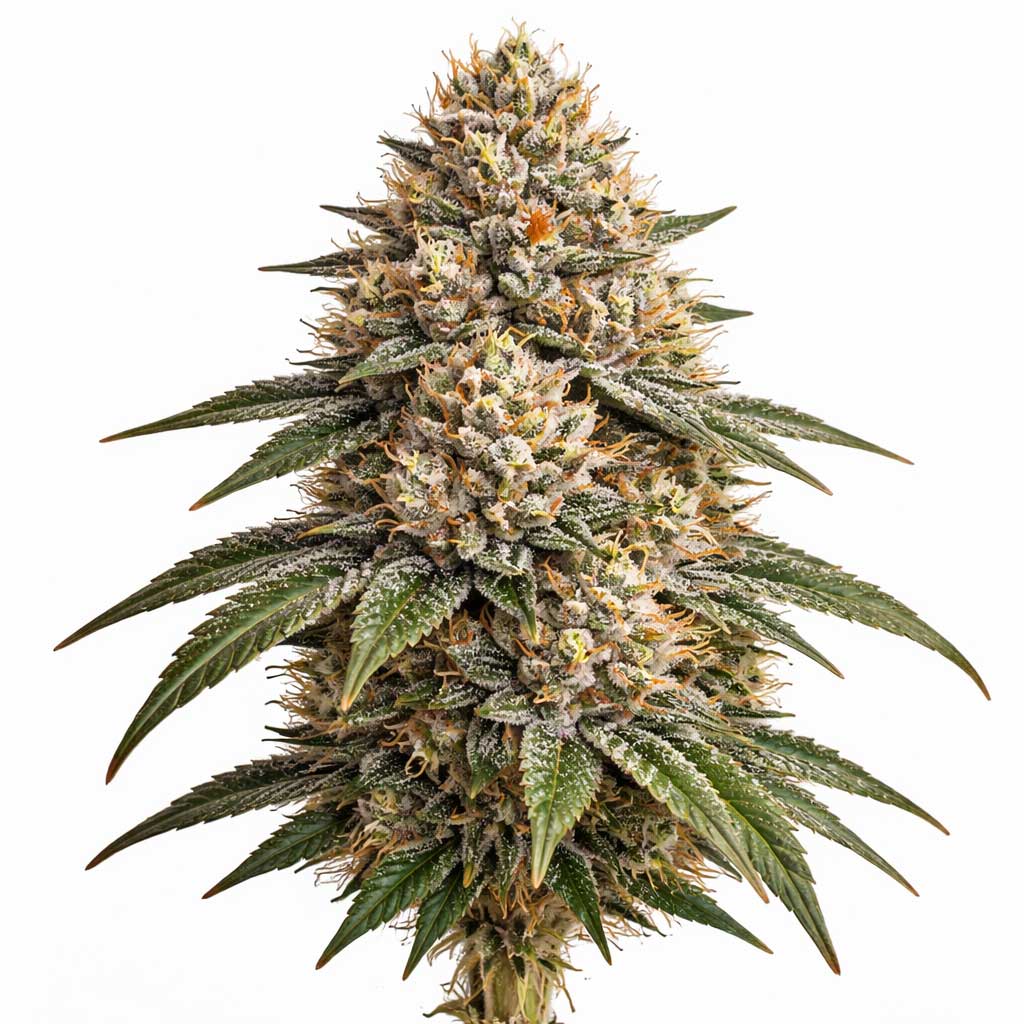
Death Star Strain — Strainpedia
Death Star is an indica-dominant hybrid cannabis strain made from Sensi Star x Sour Diesel, known for its dense resin-coated buds, pungent fuel-forward aroma, and deeply grounding physical profile. This Death Star strain guide is provided strictly for scientific, botanical, and horticultural reference.
Quick Facts
| Genetics | Sensi Star x Sour Diesel |
|---|---|
| Variety | Indica-dominant hybrid (commonly listed around 75% indica / 25% sativa) |
| Flowering Time | Approximately 56–63 days indoors |
| Yield Potential | Moderate to high; dense resin-saturated clusters |
| Plant Height | Medium with a bushy, sturdy structure |
| Climate Preference | Mild Mediterranean-style environments with stable airflow |
| Difficulty | Easy to intermediate (odor control recommended) |
Scientific & Botanical Overview
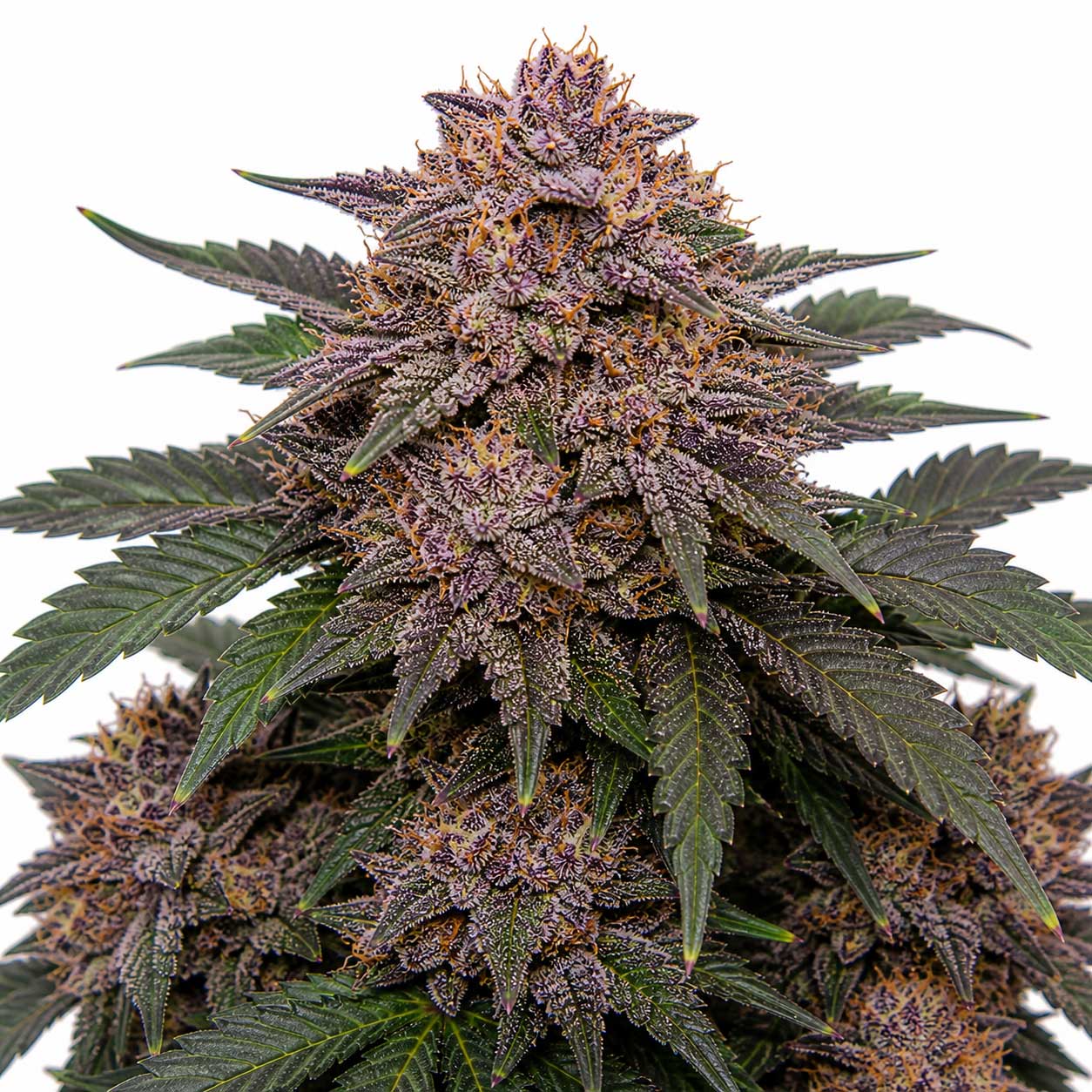
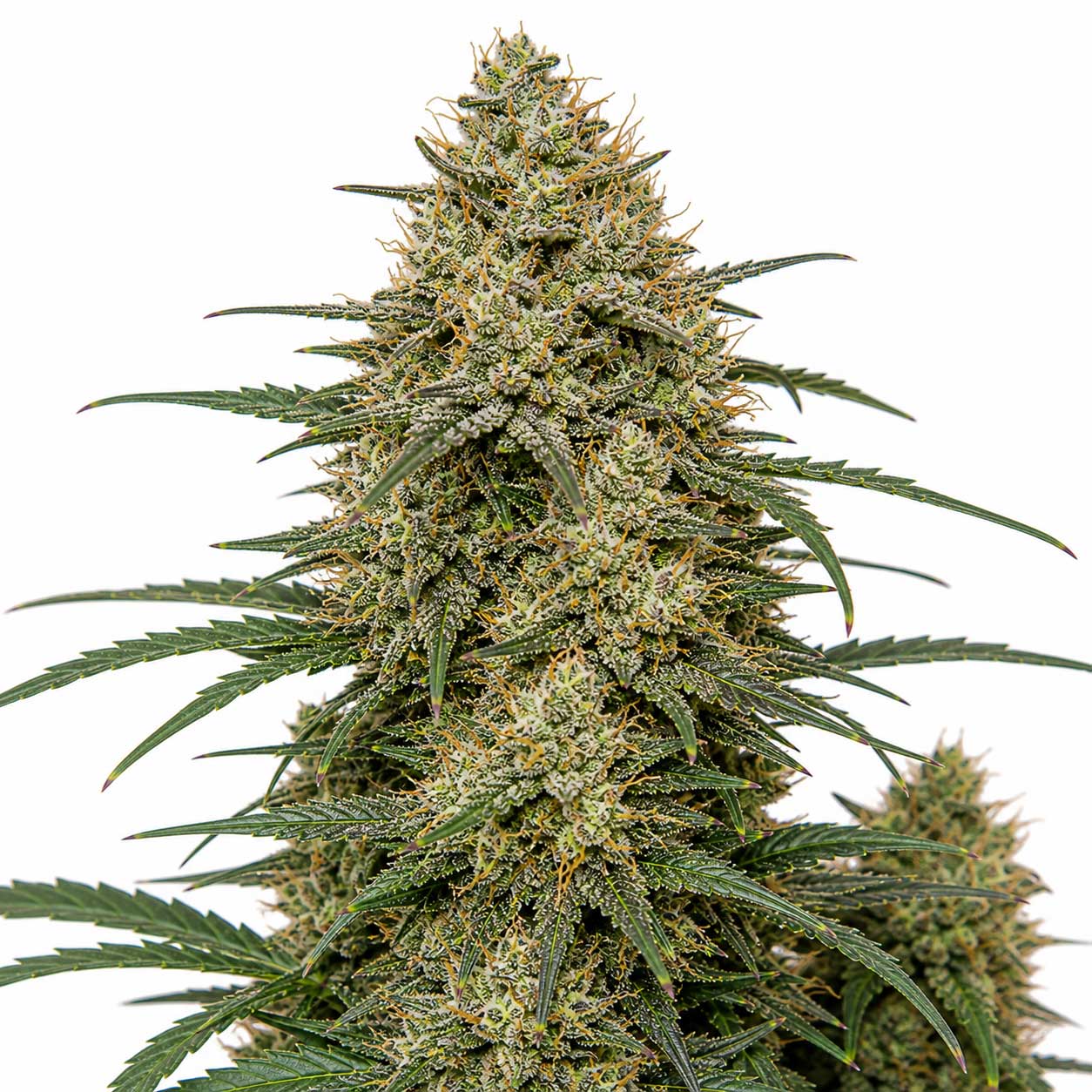
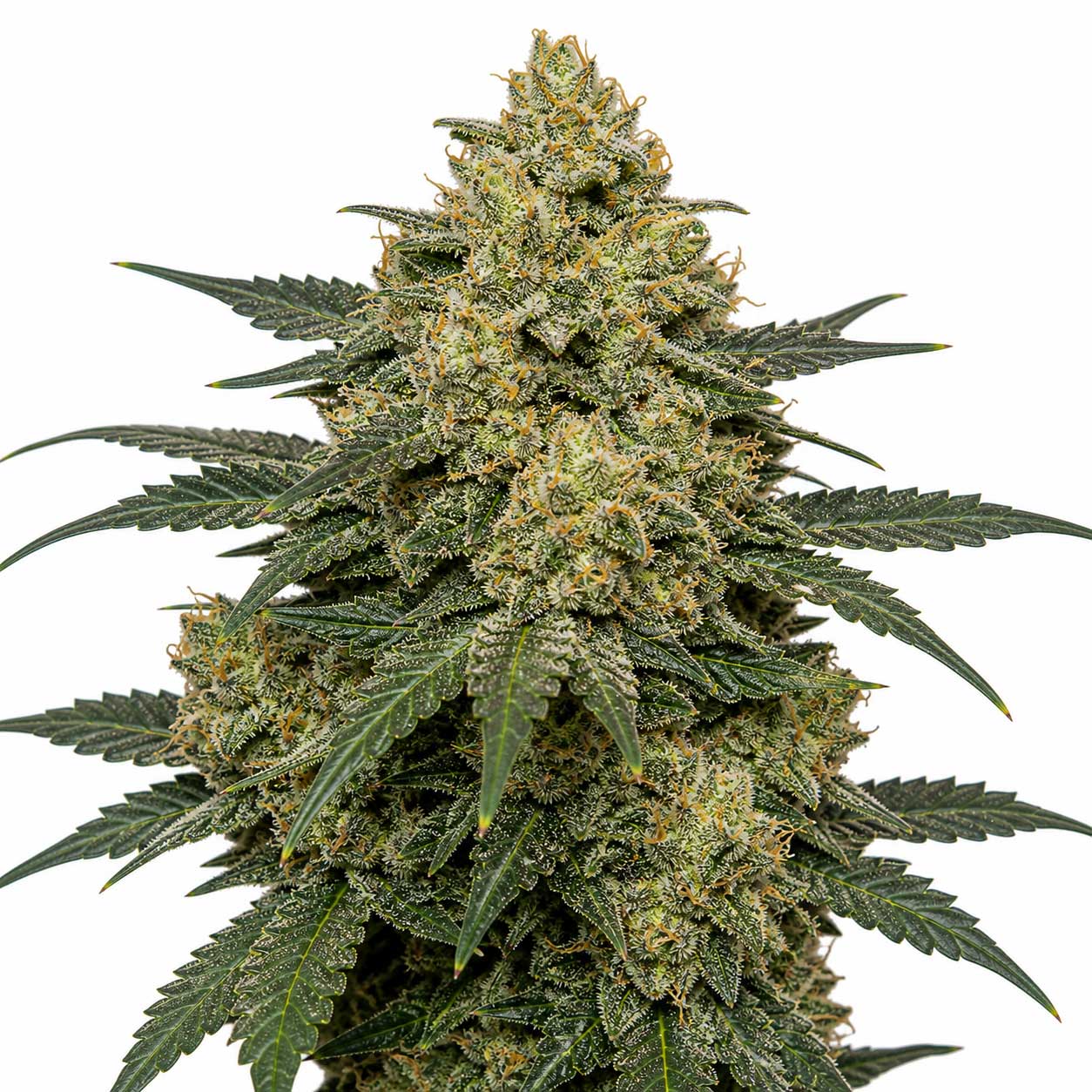
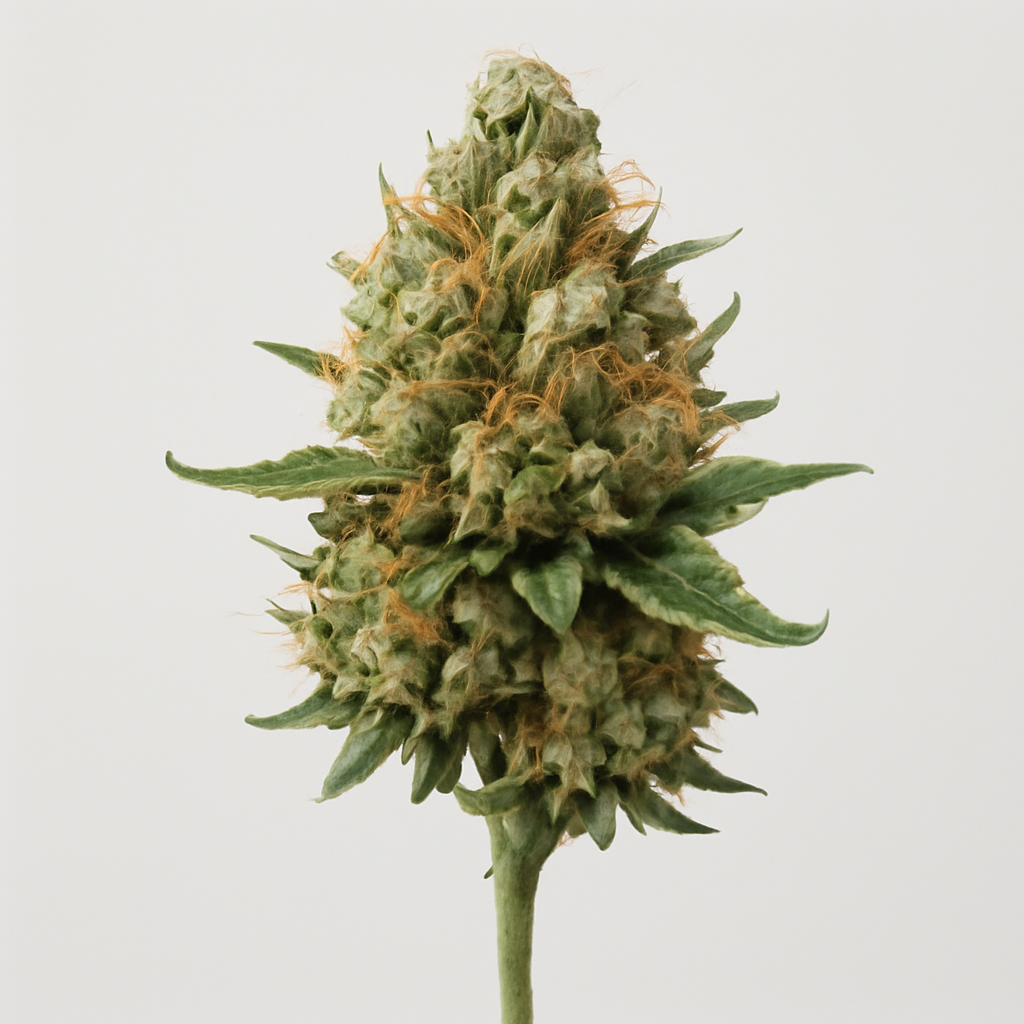
Death Star is widely recognized for its tight bud structure, heavy resin output, and darker visual tone. The flowers are typically small-to-medium in size, extremely dense, and rounded, often displaying deep forest-green coloration with occasional purple shading and bright burnt-orange pistils. The surface is coated in a thick, sticky layer of trichomes, giving the buds a frosted and slightly glossy appearance.
Botanically, Death Star combines the compact strength and resin density of Sensi Star with the more vigorous calyx stacking and aromatic intensity of Sour Diesel. In grower and connoisseur discussions, it is often treated as a classic Death Star weed strain because of its strong structural stability, heavy trichome production, and unmistakable fuel-driven identity.
Effects & Use-Cases (Reported)
- Commonly reported effects: slow-building body heaviness, deep relaxation, mental quieting, and a progressively heavier finish at higher amounts.
- Use-case context: often discussed for nighttime use, quiet indoor sessions, or end-of-day unwinding where a heavier indica profile is preferred.
- Note: These are observational reports, not medical claims; outcomes are not guaranteed.
Among users discussing Death Star strain effects, the cultivar is often associated with a gradual onset that becomes increasingly immersive, transitioning from a lighter head feel into a more pronounced full-body experience. Reported outcomes can vary with dose, terpene expression, tolerance, and environment.
Aroma & Flavors
- Aroma: jet fuel, damp earth, skunk, roasted garlic funk, and subtle fermented citrus.
- Flavor: earthy spice and fuel on the inhale followed by chemical diesel, savory depth, and a slightly sweet-sour finish.
- Terpene associations: myrcene, caryophyllene, and limonene are commonly referenced in descriptions of its fuel-heavy profile.
Tested Cannabinoid & Terpene Ranges
| Compound | Typical Range* | Notes |
|---|---|---|
| Δ⁹-THC | ~20–26% | High potency with a long-lasting and body-focused profile. |
| CBG | ~1% | Often present in minor supporting amounts depending on phenotype. |
| Myrcene | ~1.2–1.8% | Commonly linked to the earthy base and heavier body sensation. |
| Caryophyllene | ~0.6–0.9% | Adds spicy fuel depth and contributes to aromatic complexity. |
| Limonene | ~0.4–0.7% | Provides subtle citrus brightness within the heavier profile. |
*Potency and terpene values can differ significantly with phenotype, environment, harvest timing, curing practice, and analytical method.
Cultivation Notes
- Environment: performs well in stable conditions and shows resilience to minor fluctuations
- Temperature: moderate temperature range is preferred with steady airflow
- Odor Control: strong aroma output makes carbon filtration highly recommended
- Training: responds well to topping and low-stress training; compact structure rarely requires heavy support
- Harvest Window: generally mid-to-late October outdoors in the Northern Hemisphere
Grower Notes (Week-by-Week Snapshot)
- Weeks 1–2 (Transition/Stretch): moderate stretch begins with strong lateral development; canopy shaping helps maintain even growth.
- Weeks 3–4: dense bud sites form along branches; maintain airflow through inner canopy.
- Weeks 5–6: resin production increases significantly and aroma becomes noticeably more pungent.
- Weeks 7–8: buds tighten and gain weight; monitor humidity in dense clusters.
- Weeks 8–9: ripening phase; trichome maturity is often used to determine harvest timing.
Timelines can vary by phenotype and environment; flower density, airflow, and trichome development remain key factors for final quality.
Death Star Strain Review
Death Star is often reviewed as a heavy indica-leaning hybrid valued for its dense buds, strong fuel aroma, and gradual, long-lasting finish. In many Death Star strain review discussions, it is described as a cultivar that stands out for its pungent profile, compact structure, and deeply settling physical presence.
Genetic Lineage
Death Star combines Sensi Star with Sour Diesel, bringing together strong indica density and resin output with fuel-forward aromatic intensity. The Sensi Star side contributes compact structure and stability, while Sour Diesel introduces sharper fuel notes and a more pronounced aromatic punch. In general usage, Death Star is recognized as a Death Star marijuana strain built around dense resin production, bold aroma, and balanced hybrid structure.
Research Insights
In cultivation and profiling discussions, Death Star is frequently referenced for its strong terpene concentration and consistent structure. It is often used as a comparison point for other fuel-forward indica hybrids, particularly those emphasizing density and heavier aromatic expression. Variations between phenotypes may influence aroma sharpness, bud size, and final resin thickness.
Frequently Asked Questions
What strain is Death Star?
Death Star is an indica-dominant hybrid cannabis strain made from Sensi Star and Sour Diesel, known for dense resin-rich buds and a strong fuel-forward aroma.
Is Death Star an indica or sativa?
Death Star is generally classified as an indica-dominant hybrid, commonly listed around 75% indica and 25% sativa.
Why is it called Death Star?
The name is commonly associated with its dense, spherical bud structure and its strong, heavy-hitting profile.
What does Death Star smell like?
Death Star is often described as having a pungent aroma of fuel, earth, garlic-like funk, and subtle citrus undertones.
How long does Death Star take to flower?
Death Star typically flowers in about 8–9 weeks indoors, depending on phenotype and growing conditions.
Is it suitable for beginners?
The plant is relatively hardy and manageable, but its strong aroma and dense bud structure require attention to airflow and odor control.
Educational Disclaimer: This page is provided for scientific and horticultural reference only and does not constitute medical or promotional advice. Cannabis cultivation, possession, and use are regulated by local laws. Always comply with applicable legislation in your region.
Rate and review this strain
Ratings and reviews are accepted only from signed-in Google accounts.
Sign in with Google to leave a rating and written review.
Latest Reviews
0 reviewsNo reviews yet. Be the first Google user to rate and review this strain.