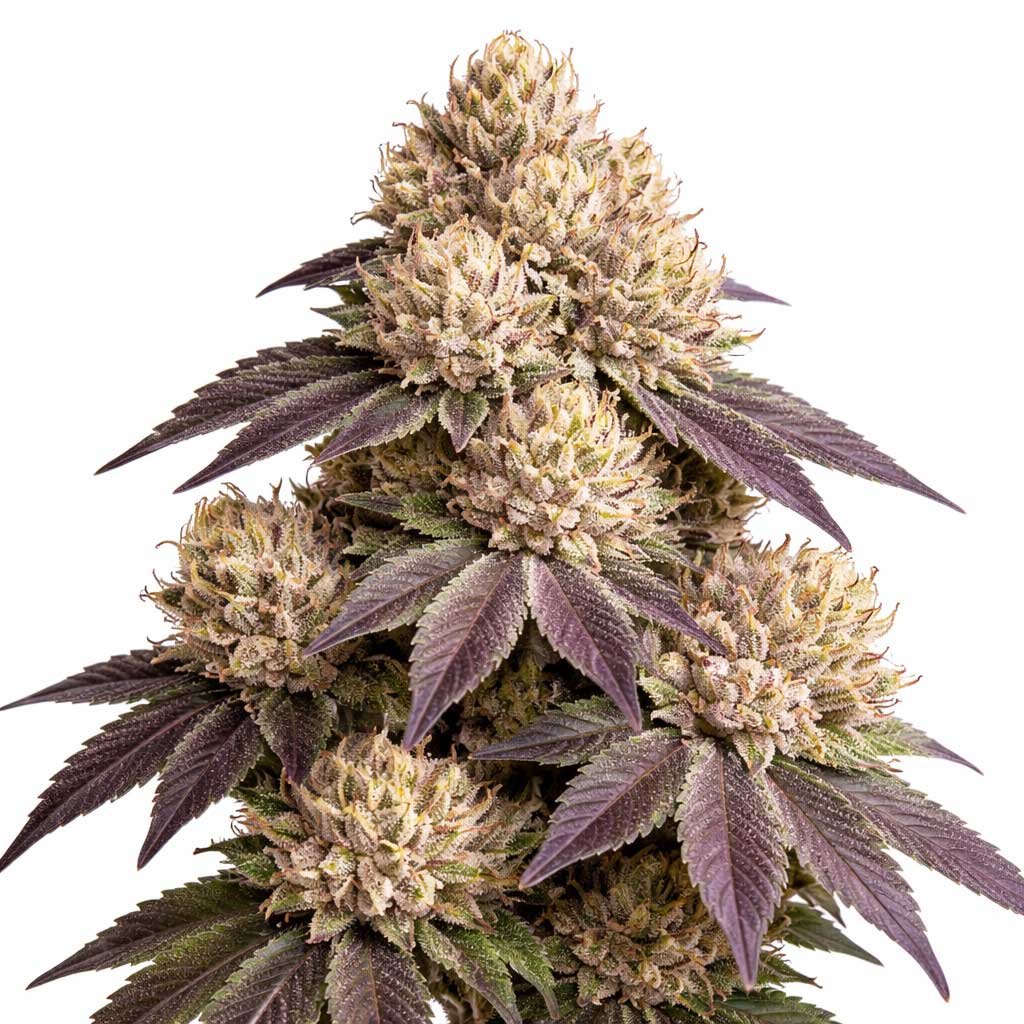
Peanut Butter Breath Strain — Strainpedia
Peanut Butter Breath is a balanced hybrid cannabis strain made from Do-Si-Dos x Mendo Breath, known for its dense frosty flowers, savory nutty terpene profile, and resin-rich modern hybrid structure. This Peanut Butter Breath strain guide is provided strictly for scientific, botanical, and horticultural reference.
Quick Facts
| Genetics | Do-Si-Dos x Mendo Breath |
|---|---|
| Variety | Balanced hybrid (commonly described around 50% indica / 50% sativa) |
| Flowering Time | 8–9 weeks (varies by phenotype) |
| Yield Potential | Moderate (valued for resin density and flower quality) |
| Plant Height | Medium; sturdy with dense branching |
| Climate Preference | Controlled indoor environment / dry late-flower conditions |
| Difficulty | Intermediate (benefits from airflow and careful finishing) |
Scientific & Botanical Overview
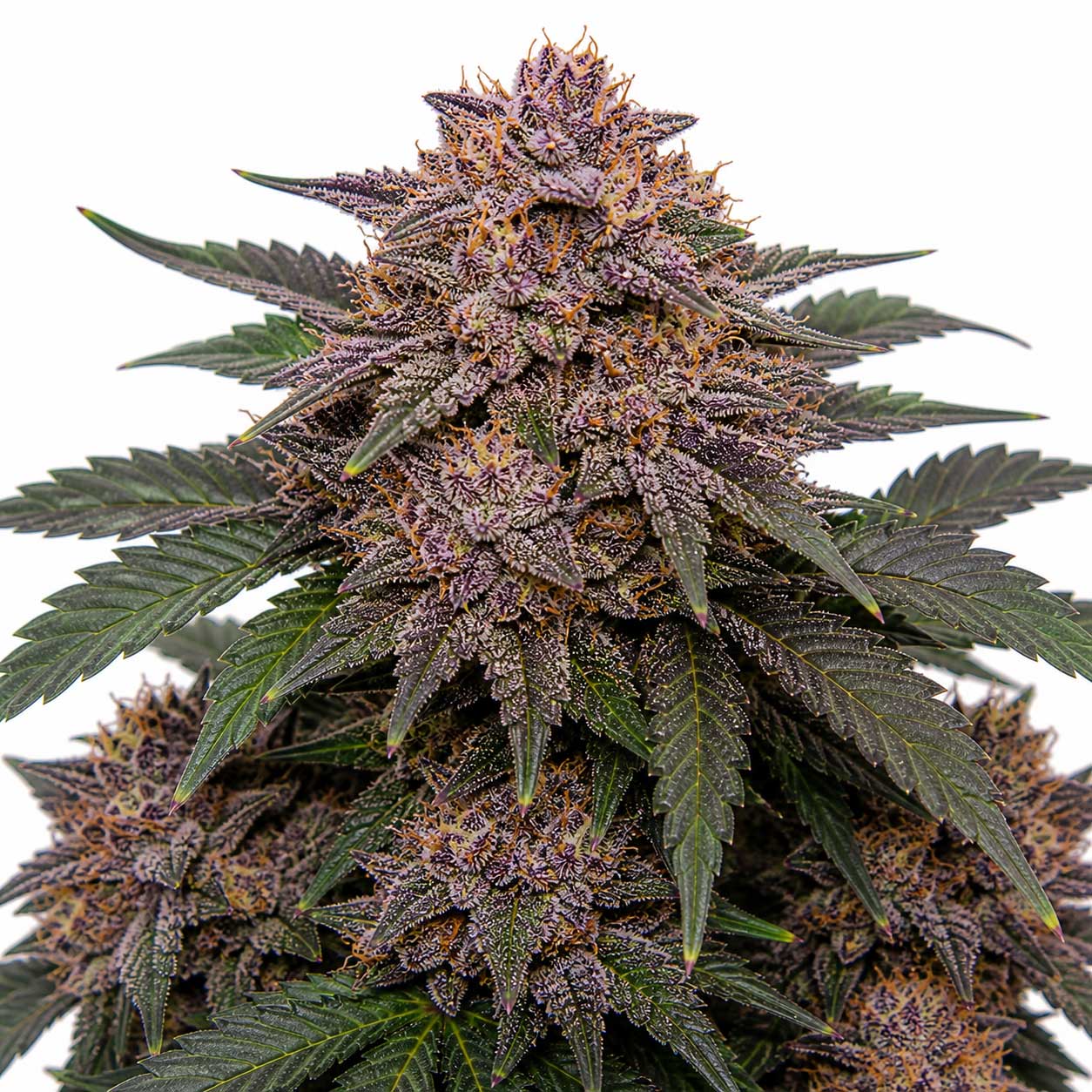
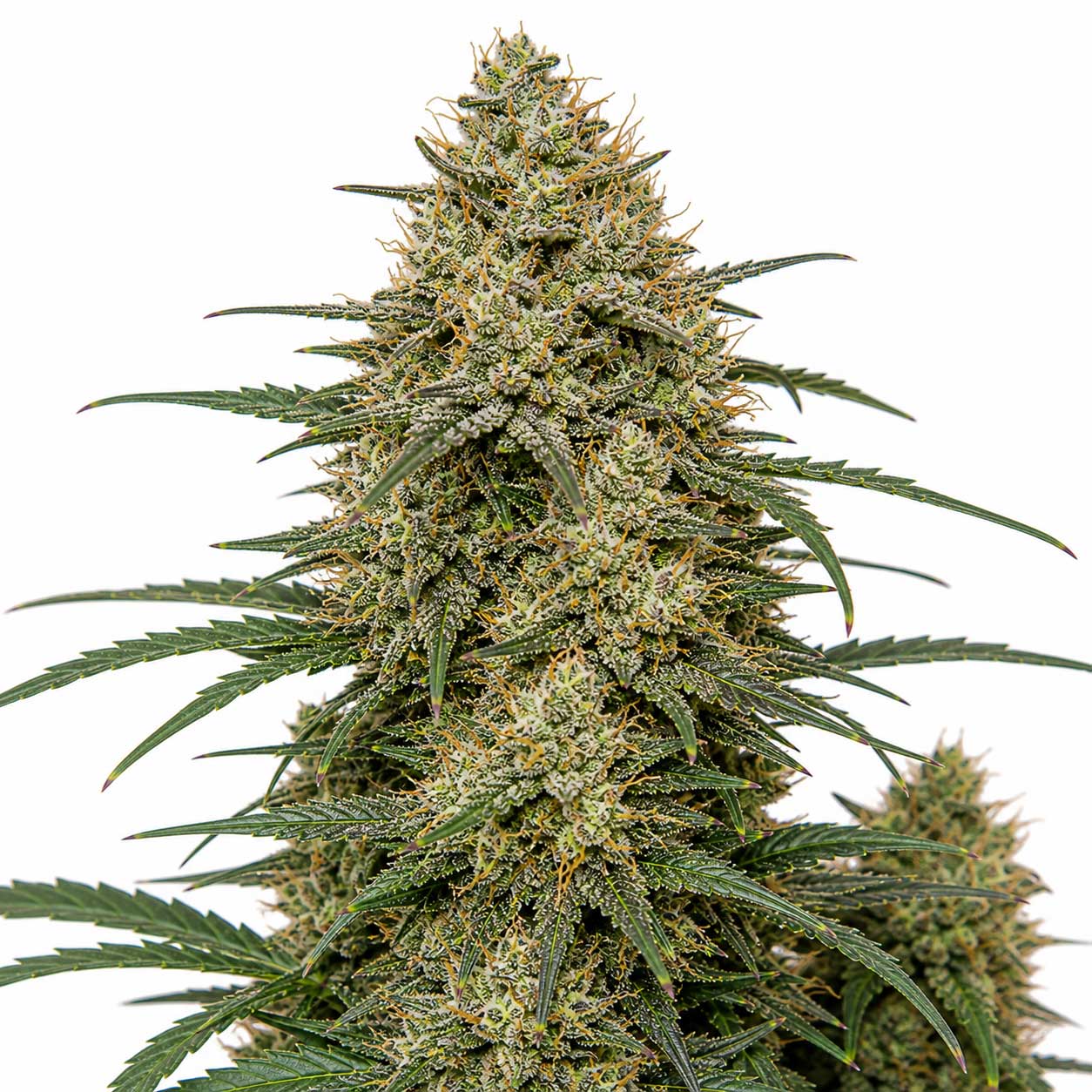
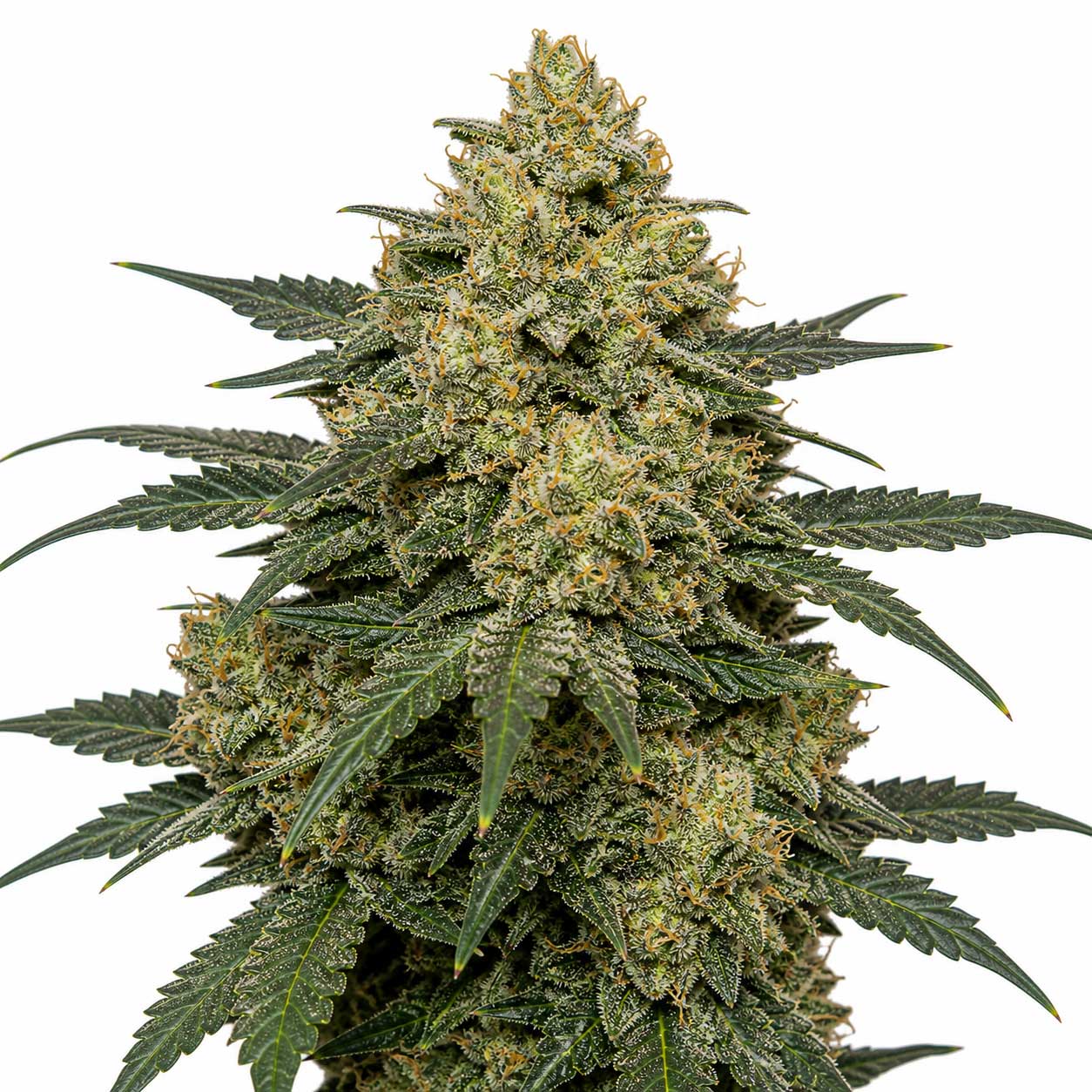
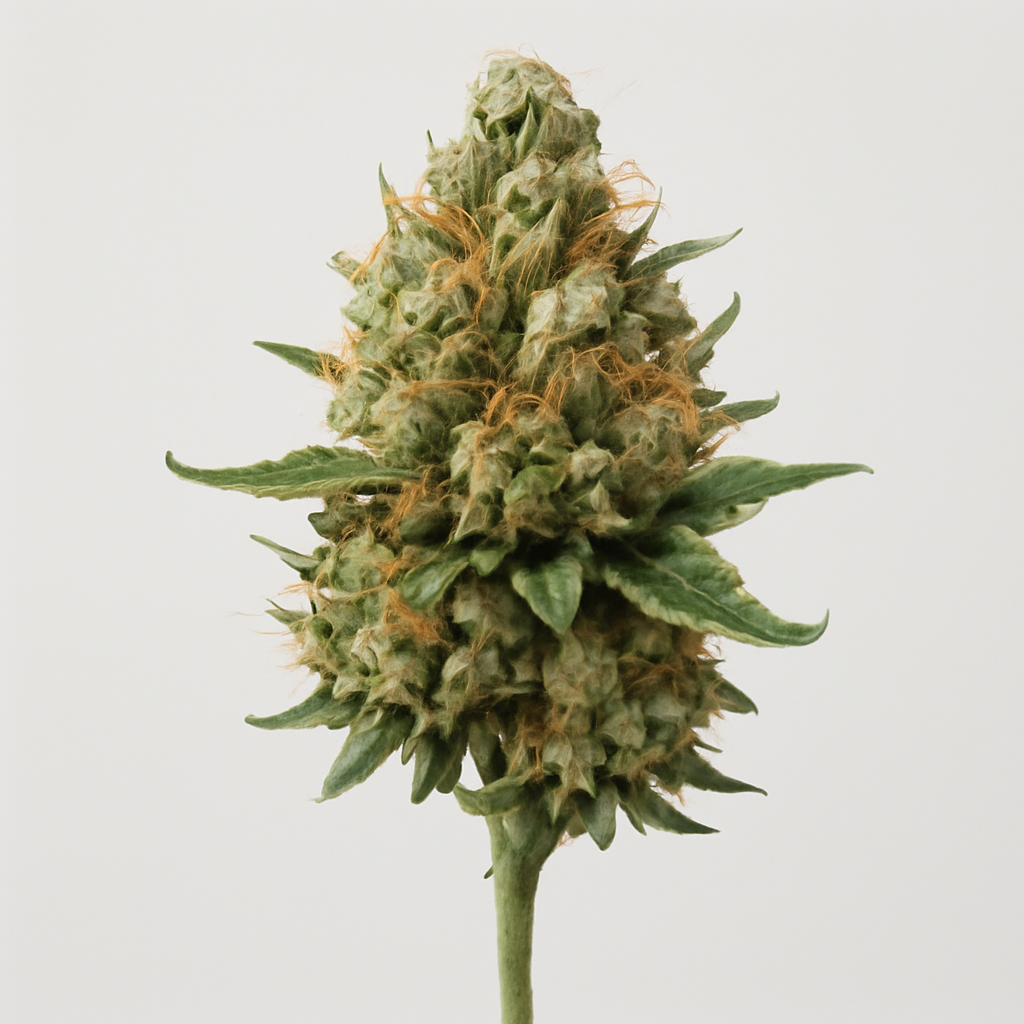
Peanut Butter Breath plants are typically recognized for dense, compact flowers with strong trichome coverage and a chunky calyx structure. The buds often finish in muted green tones with orange pistils and a frosted surface, while the overall flower texture tends to feel firm, resinous, and tightly packed. Its morphology reflects the structural density of Do-Si-Dos alongside the heavier, stockier influence associated with Mendo Breath-type lineages.
In cultivation and consumer-facing discussions, Peanut Butter Breath is often described as a premium Peanut Butter Breath weed strain because of its savory nut profile, thick resin coverage, and heavy modern hybrid flower structure. As with many popular cultivars, phenotype expression may vary somewhat depending on breeder selection, environment, and harvest timing.
Effects & Use-Cases (Reported)
- Commonly reported effects: gradual mental easing, body heaviness, appetite stimulation, and a slower, weighted finish.
- Use-case context: often discussed for evening sessions, quieter social settings, and later-day use where deeper physical calm is preferred.
- Note: These are observational reports, not medical claims; outcomes are not guaranteed.
Among users discussing Peanut Butter Breath strain effects, the cultivar is often associated with a steady onset and a heavier body-centered finish. Reported experiences can vary with dose, terpene expression, tolerance, and environment.
Aroma & Flavors
- Aroma: nutty, earthy, herbal, and savory with a lightly sweet finish.
- Flavor: roasted peanut, earth, and herb-forward notes with a smooth, dense smoke character.
- Terpene associations: caryophyllene, myrcene, and other earthy-spice dominant compounds depending on phenotype.
Tested Cannabinoid & Terpene Ranges
| Compound | Typical Range* | Notes |
|---|---|---|
| Δ⁹-THC | ~20–28% | Potency can vary widely by cut, batch, and cultivation method. |
| CBG | trace–1% | Minor cannabinoid sometimes present in supporting analytical profiles. |
| Caryophyllene | variable | Often linked to the peppery-savory depth in many Peanut Butter Breath expressions. |
| Myrcene | variable | May contribute earthy body depth depending on phenotype. |
| Limonene | trace–variable | Some cuts show a light brighter top note, though savory notes usually dominate. |
*Ranges are broad reference estimates compiled from public strain reporting and may differ significantly with phenotype, environment, harvest timing, curing, and analytical methods.
Cultivation Notes
- Light Cycle: 18/6 vegetative; 12/12 flowering
- Humidity Targets: ~45–50% during flower; steady airflow is recommended around dense tops
- Nutrition: moderate feeder; avoid excess late nitrogen to preserve cleaner finishing expression
- Training: topping, light canopy control, and selective thinning can improve light penetration and reduce interior moisture pockets
- Harvest Window: generally about 8–9 weeks indoors, depending on phenotype
Grower Notes (Week-by-Week Snapshot)
- Weeks 1–2 (Transition/Stretch): establish a clean canopy early and manage lateral growth for even top development.
- Weeks 3–4: flower sites begin stacking; monitor interior airflow as density builds.
- Weeks 5–6: resin production increases noticeably; branches may need support as flowers gain weight.
- Weeks 7–8: aroma deepens into nutty, savory notes; reduce excess nitrogen and maintain stable humidity.
- Weeks 8–9: ripening phase; monitor trichome maturity and dry carefully to preserve the cultivar’s dense, savory finish.
Timelines can shift with genotype and environment; plant health, flower density, and trichome maturity remain more reliable than calendar estimates alone.
Peanut Butter Breath Strain Review
Peanut Butter Breath is often reviewed as a standout savory hybrid valued for dense frosty flowers, nutty earth-forward terpenes, and a heavier, slower-paced finish than brighter dessert cultivars. In many Peanut Butter Breath strain review discussions, it is described as a cultivar with strong resin production, unusual flavor character, and consistently chunky flower formation. Individual impressions can vary by phenotype, batch, and cultivation style.
Genetic Lineage
Peanut Butter Breath combines the dense Cookies-family structure of Do-Si-Dos with the heavier body-oriented depth of Mendo Breath. This pairing helps shape the strain’s compact resinous buds, savory roasted-nut profile, and balanced hybrid framework. In general usage, Peanut Butter Breath is widely recognized as a Peanut Butter Breath marijuana strain built around chunky flower, earthy-nutty terpenes, and strong modern hybrid resin output.
Research Insights
Peanut Butter Breath is often discussed in contemporary cultivar analysis because of its distinctive savory aromatic identity and its role in the popularity of nutty modern hybrids. Public strain reporting commonly cites Do-Si-Dos and Mendo Breath as its parentage, while breeder attribution is frequently linked to ThugPug Genetics. Because commercial sourcing and phenotype selection can vary across markets, individual examples may differ somewhat in nut intensity, density, and finishing character.
Frequently Asked Questions
What strain is Peanut Butter Breath?
Peanut Butter Breath is a balanced hybrid cannabis strain made from Do-Si-Dos and Mendo Breath. It is known for dense frosty flowers, savory nutty terpenes, and a chunky resin-rich structure.
Is Peanut Butter Breath a sativa or indica?
Peanut Butter Breath is generally classified as a balanced hybrid, though some listings describe it as slightly indica-leaning. Exact expression can vary by phenotype and cultivation source.
What does Peanut Butter Breath smell and taste like?
Peanut Butter Breath usually smells nutty, earthy, herbal, and savory. Its flavor is often described as roasted peanut, rich earth, and smooth herbal spice.
What are the typical effects?
Reported effects commonly include gradual mental easing, deeper body relaxation, and a slower finishing profile. Individual responses may differ depending on tolerance, dose, and terpene expression.
How long does Peanut Butter Breath take to flower?
Peanut Butter Breath generally finishes in about 8–9 weeks indoors, although exact timing depends on phenotype and cultivation conditions.
Is it suitable for beginners?
Peanut Butter Breath is usually considered intermediate because its dense flowers and finishing quality benefit from good airflow, stable conditions, and careful post-harvest handling.
Educational Disclaimer: This page is provided for scientific and horticultural reference only and does not constitute medical or promotional advice. Cannabis cultivation, possession, and use are regulated by local laws. Always comply with applicable legislation in your region.
Rate and review this strain
Ratings and reviews are accepted only from signed-in Google accounts.
Sign in with Google to leave a rating and written review.
Latest Reviews
0 reviewsNo reviews yet. Be the first Google user to rate and review this strain.