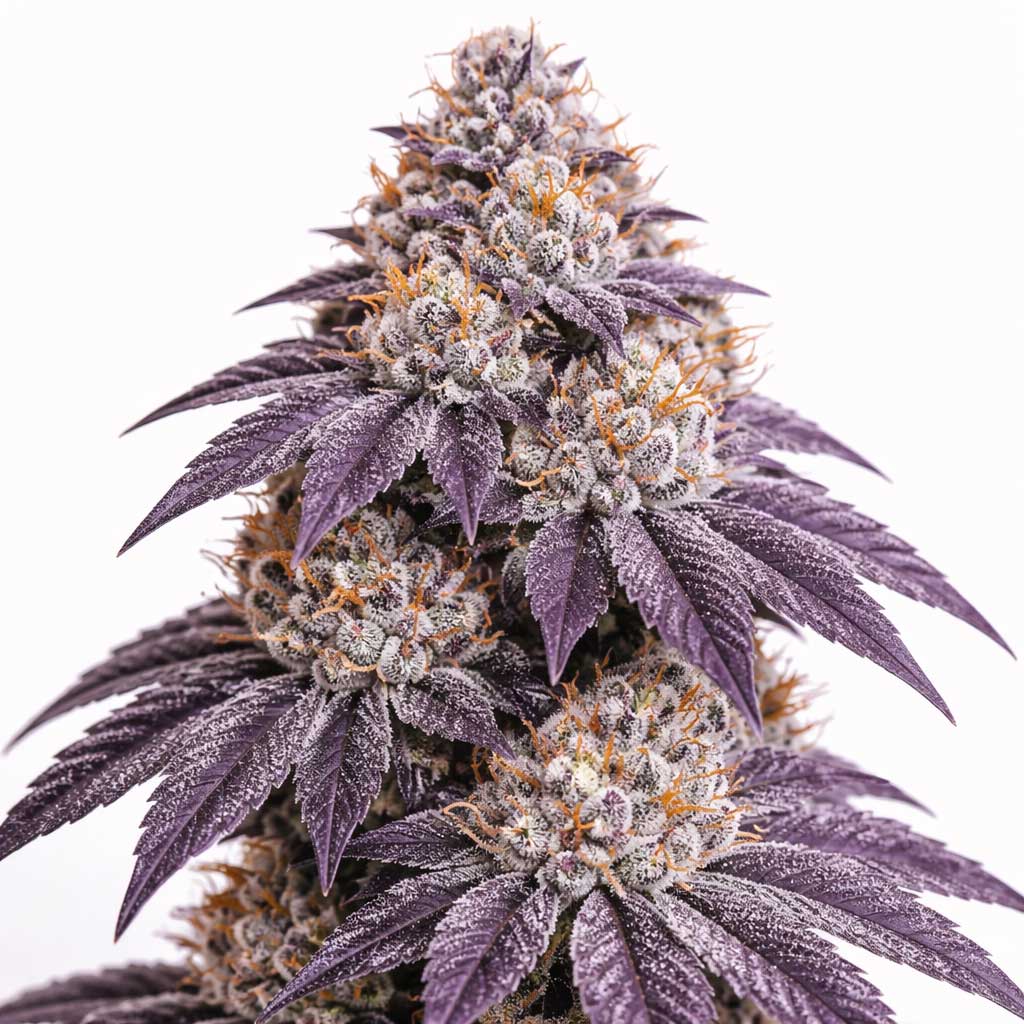
Purple Punch (Cannabis Strain)
Purple Punch is a widely recognized indica-dominant hybrid cannabis cultivar that became one of the defining foundations of modern dessert-style genetics. It is most commonly described as a cross between Larry OG and Granddaddy Purple, a pairing that helps explain its dense flower structure, deep coloration, resin-heavy finish, and rich fruit-sweet aromatic profile. Over time, Purple Punch established a strong reputation among growers and consumers for combining strong visual appeal with a distinctly evening-oriented expression.
What makes Purple Punch especially notable is the way it layers sweetness, color, and resin density into a highly recognizable cultivar identity. Rather than leaning only on purple bag appeal, it also delivers a nostalgic aroma often described through grape candy, dark berry pastry, and soft vanilla-earth undertones. That combination of fast finishing time, broad cultivation appeal, and unmistakable sensory character helped Purple Punch become an influential modern breeding parent. The information below is provided strictly for scientific and botanical reference.
Quick Facts
| Attribute | Detail |
|---|---|
| Genetics | Larry OG × Granddaddy Purple |
| Variety | Indica-Dominant Hybrid (approx. 80% Indica / 20% Sativa) |
| Flowering Time | 7–8 weeks (49–56 days) |
| Yield Potential | Moderate to High (dense, resin-rich flower clusters) |
| Plant Height | Medium; short, bushy, and sturdy |
| Climate Preference | Mediterranean / Sunny (around 22–26°C) |
| Difficulty | Easy (stable and generally resilient) |
Scientific & Botanical Overview
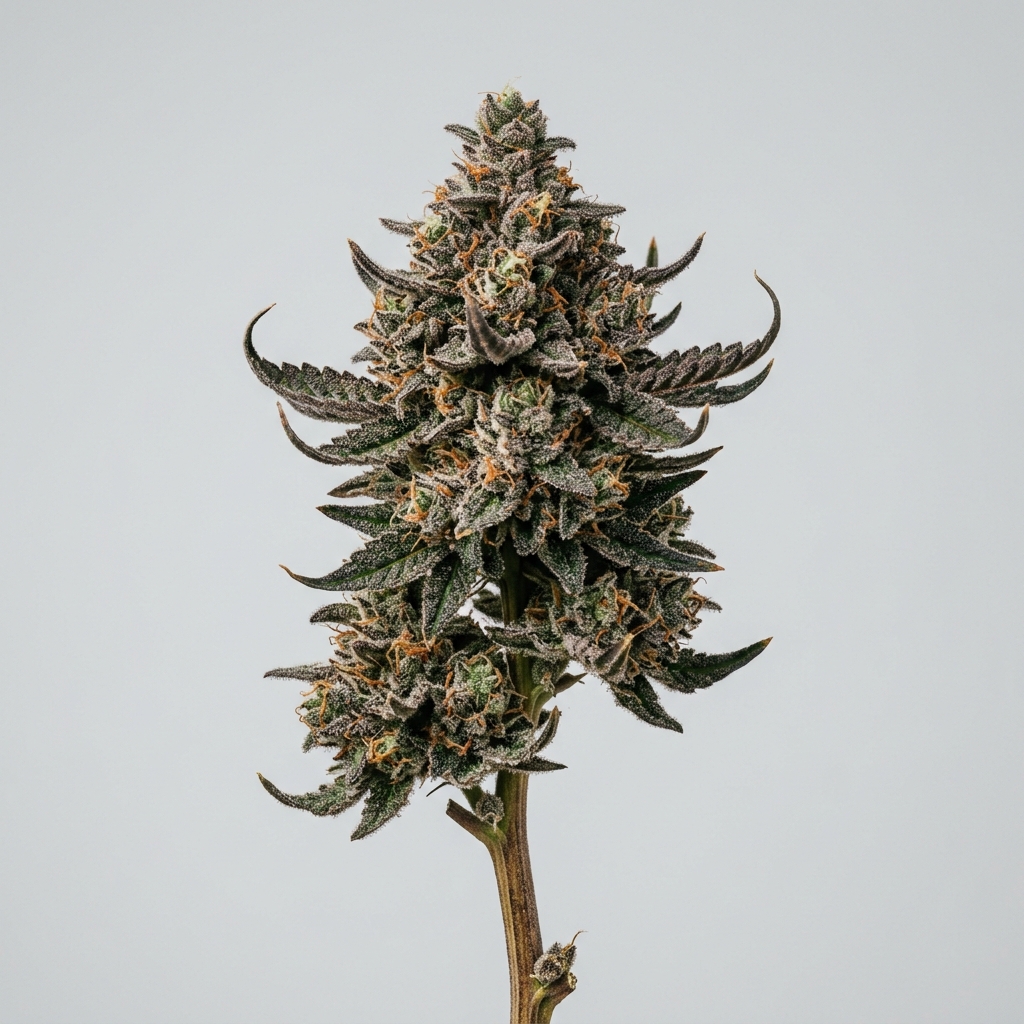
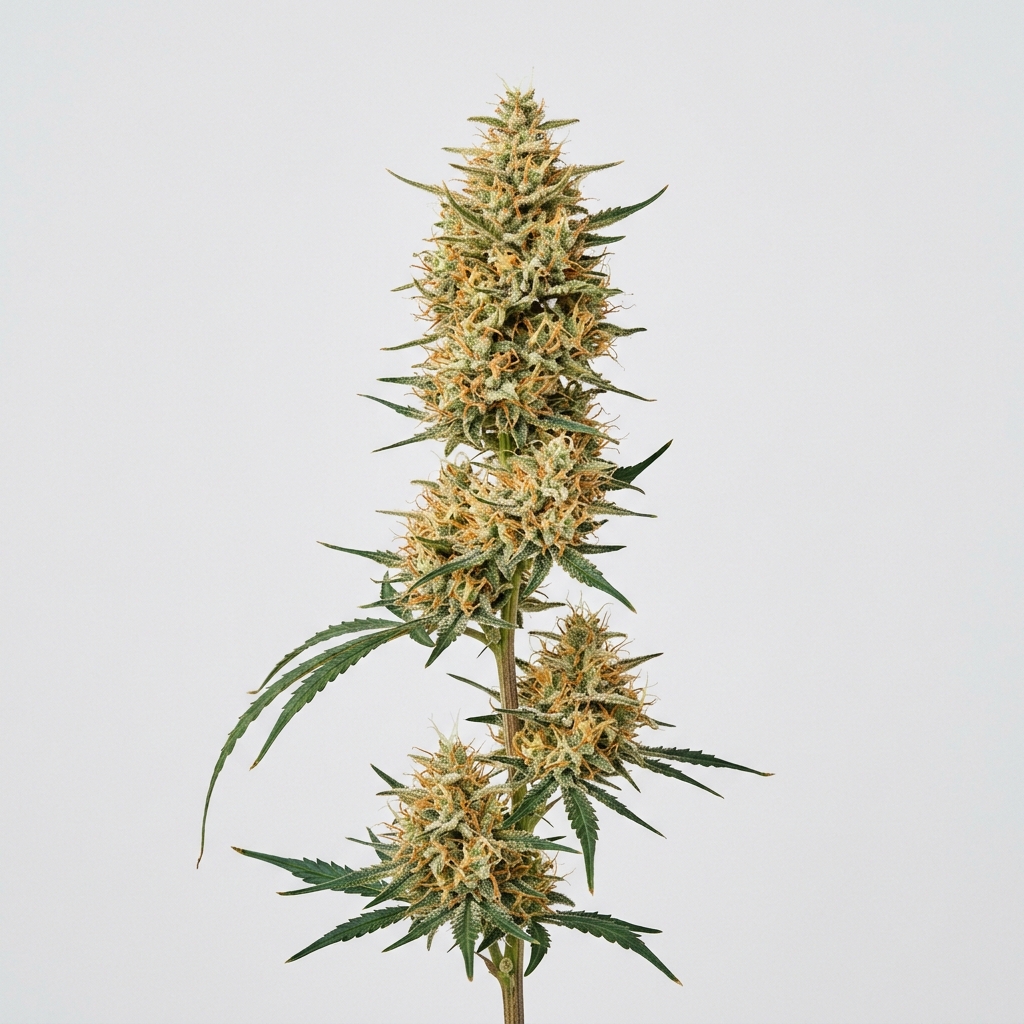
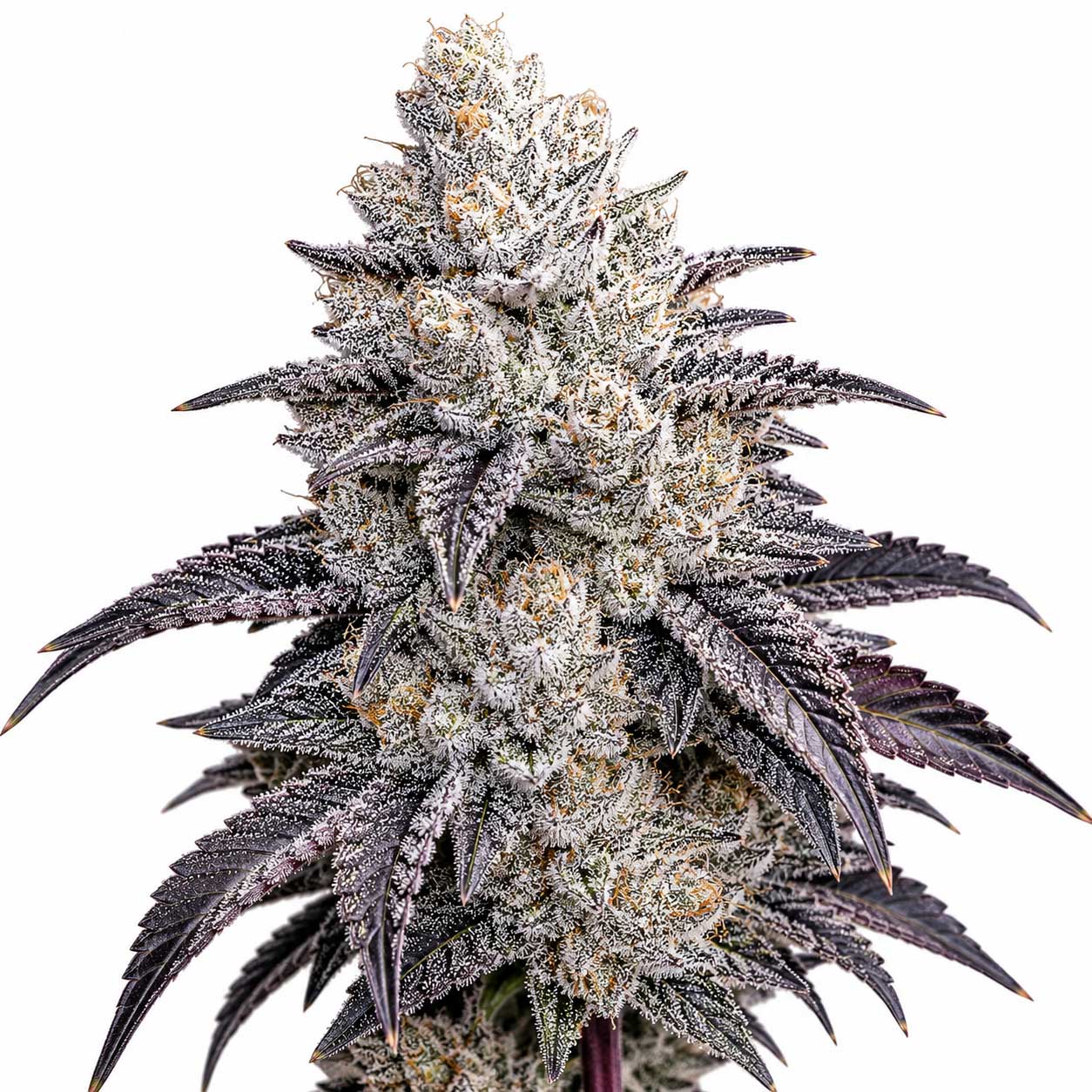
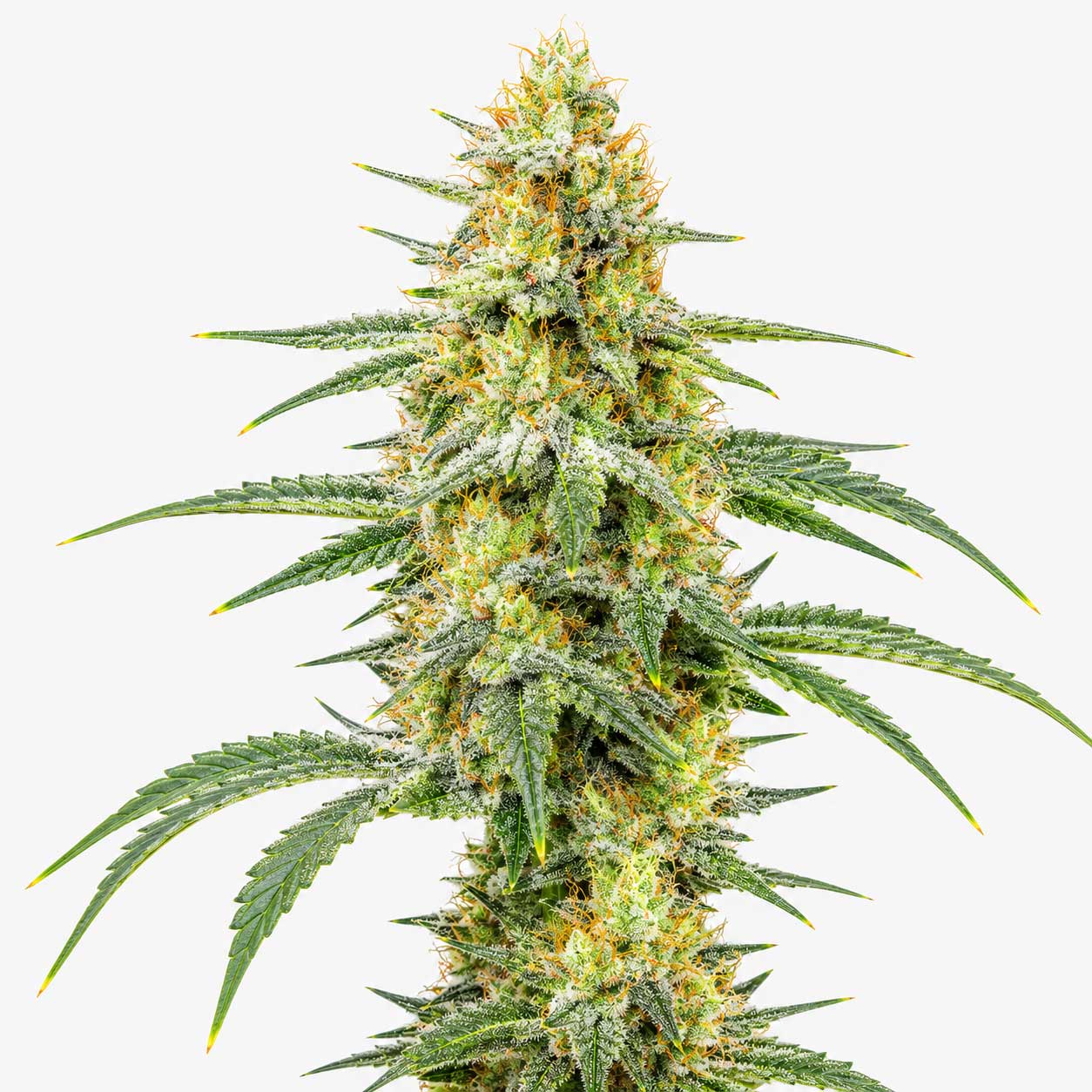
Purple Punch plants are known for their compact form, stout branching, and dense flowers that often mature with heavy purple coloration. Many finished buds show a dramatic contrast between dark violet surfaces, bright orange pistils, and a thick frosted resin coat. In well-expressed selections, the trichome coverage can become so dense that portions of the flower appear dusted in silver-white crystal.
Botanically, the cultivar reflects a practical indoor structure with manageable height, sturdy lateral support, and a comparatively quick flowering window. This faster finish has made Purple Punch especially attractive to cultivators seeking strong aesthetic quality and resin output without a long flowering cycle. Its compact architecture also helps distinguish it from taller, more stretched dessert hybrids.
That balance of short flowering time, rich coloration, and heavy trichome production is central to Purple Punch’s reputation. It is not only a strong standalone cultivar, but also an important genetic contributor to later fruit-sweet and purple-focused breeding lines.
Effects & Use-Cases (Reported)
Commonly reported effects: a euphoric initial head change followed by heavier physical relaxation, body softness, and a slower, more deeply calming overall finish.
Use-case context: Purple Punch is most often associated with late-day or evening settings, quiet indoor routines, after-dinner use, and relaxed downtime where a heavier and more comfort-oriented expression is preferred.
Note: These observations are anecdotal reports and should not be interpreted as medical claims.
Aroma & Flavors
Aroma: Grape candy, tart blueberry, sweet cherry accents, and soft earthy-vanilla undertones.
Flavor: The inhale is often described as sweet and berry-driven with grape pastry character, while the exhale becomes creamier, herbal, and lightly spiced.
Terpene associations: Beta-Caryophyllene, Limonene, and Myrcene.
Tested Cannabinoid & Terpene Ranges
| Compound | Typical Range* | Notes |
|---|---|---|
| Δ9-THC | ~18%–25% | Often reported in a potent but smoother-feeling range |
| CBD | ~1% | Usually reported at low but notable levels |
| Beta-Caryophyllene | ~0.7%–1.1% | Adds spicy depth and helps shape the cultivar’s heavier profile |
| Limonene | ~0.4%–0.8% | Supports the sweeter fruit top notes and brighter initial lift |
| Myrcene | ~0.3%–0.6% | Adds earthy depth and reinforces the cultivar’s calmer finish |
*Ranges are based on breeder-informed and lab-reported references and may vary by phenotype, cultivation environment, harvest timing, and analytical method.
Cultivation Notes
- Light Cycle: 18/6 during vegetative growth and 12/12 during flowering.
- Humidity Targets: Around 45%–50% RH in flower, with strong airflow recommended due to dense bud formation.
- Nutrition: Moderate feeder that often responds well to balanced organic or terpene-supportive feeding programs.
- Training: Topping and lollipopping are commonly used. Trellising is not always required, but can improve lower-site light access and overall canopy efficiency.
- Harvest Window: Late September outdoors in the Northern Hemisphere, depending on environment and phenotype.
Grower Notes (Week-by-Week Snapshot)
- Weeks 1–2 (Transition): Plants stay comparatively controlled in height, with strong branching and a compact structural profile.
- Weeks 3–5: Flower sites begin stacking tightly, resin production ramps up, and darker coloration may start emerging in expressive phenotypes.
- Weeks 6–7: Buds harden significantly, trichome density increases, and the cultivar develops its signature frosted purple finish.
- Post-Harvest: A careful dry and cure are often recommended to preserve grape-sweet aromatics and maintain density without flattening the profile.
Genetic Lineage
Purple Punch is most commonly described as a cross between Larry OG and Granddaddy Purple. Larry OG, often linked to OG Kush × SFV OG, contributes potency, structural strength, and a faint citrus-fuel backbone. Granddaddy Purple, commonly associated with Mendo Purps × Skunk × Afghanistan, contributes the cultivar’s dark coloration, grape-forward aromatic identity, and classic heavy indica character.
This pairing helps explain Purple Punch’s enduring appeal. It combines OG structure and strength with the sweeter, darker, more nostalgic fruit profile of GDP, resulting in a cultivar that feels both richly flavored and visually unmistakable.
Research Insights
Purple Punch is often referenced in terpene-profile discussions as a strong example of an indica-leaning cultivar shaped by elevated Beta-Caryophyllene alongside meaningful contributions from Limonene and Myrcene. This combination is frequently used to explain why the cultivar is often described as physically heavy while still beginning with a lighter euphoric shift.
From a breeding and extract perspective, Purple Punch remains important because of its high resin production, recognizable grape-dessert aroma, and strong visual uniformity. Those traits helped it become both a popular finished flower cultivar and a valuable parent line for later resin-heavy dessert hybrids.
Frequently Asked Questions
Is Purple Punch an indica or sativa?
Purple Punch is generally classified as an indica-dominant hybrid, most commonly described around an 80/20 indica-to-sativa ratio.
Does Purple Punch usually feel heavy?
Many users describe Purple Punch as starting with a brief euphoric lift before moving into a more noticeably calming and body-focused finish.
Is Purple Punch suitable for extraction?
It is widely regarded as a strong candidate for hash and solventless extraction because of its dense trichome production and resin-forward flower structure.
Is Purple Punch easy to grow?
It is often considered relatively approachable because of its manageable height, stable growth pattern, and comparatively fast flowering time.
Educational Disclaimer
This page is provided for scientific and horticultural reference only and does not constitute medical or promotional advice. Cannabis cultivation, possession, and use are regulated by local laws. Always comply with applicable legislation in your region.
Rate and review this strain
Ratings and reviews are accepted only from signed-in Google accounts.
Sign in with Google to leave a rating and written review.
Latest Reviews
0 reviewsNo reviews yet. Be the first Google user to rate and review this strain.