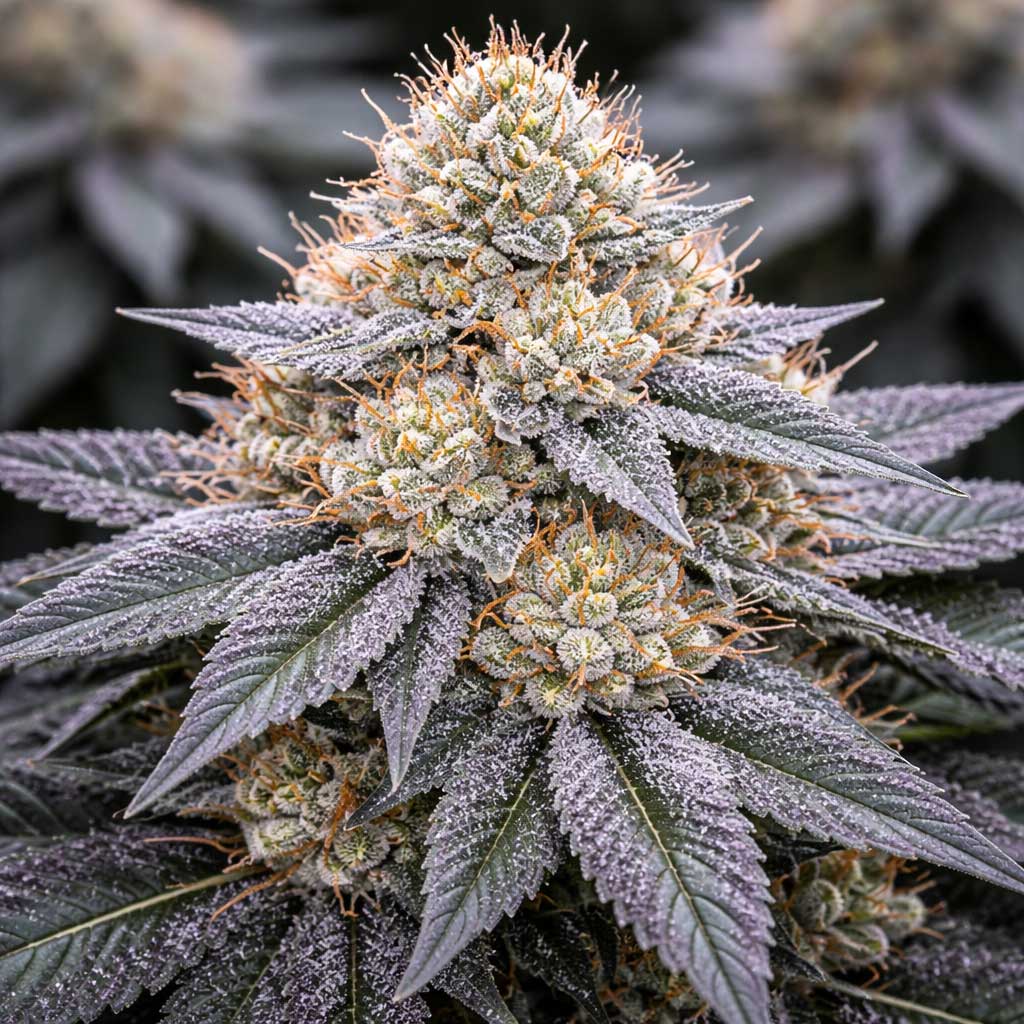
Gasquake (Cannabis Strain)
Gasquake is a high-impact indica-dominant hybrid cannabis cultivar that emerged as a defining heavy-hitter in the 2025–2026 boutique market for its dense resin production, pungent industrial-gas aroma, and deeply weighted physical effects. Developed by In House Genetics, it is most commonly described as a cross between Gary Payton and Platinum, a pairing designed to anchor savory funk and loud fuel notes into a harder, frostier, more physically forceful expression.
What gives Gasquake its identity is the way it combines brute strength with elite visual polish. The flower tends to look dark, dense, and almost shattered by resin, while the aroma pushes sharp diesel, burnt rubber, earthy spice, and a creamy metallic finish. It is a cultivar built for consumers who value both top-shelf bag appeal and unmistakable body impact. The information below is provided strictly for scientific and botanical reference.
Quick Facts
| Attribute | Detail |
|---|---|
| Genetics | Gary Payton × Platinum |
| Variety | Indica-Dominant Hybrid (approx. 80% Indica / 20% Sativa) |
| Flowering Time | 8–9 weeks (56–63 days indoors) |
| Yield Potential | 500–600 g/m² (High) |
| Plant Height | 100–130 cm; sturdy, compact, and heavily resin-coated |
| Climate Preference | Mediterranean / Controlled Indoor (optimized for resin stability) |
| Difficulty | Intermediate (requires management of intense bud density) |
Scientific & Botanical Overview
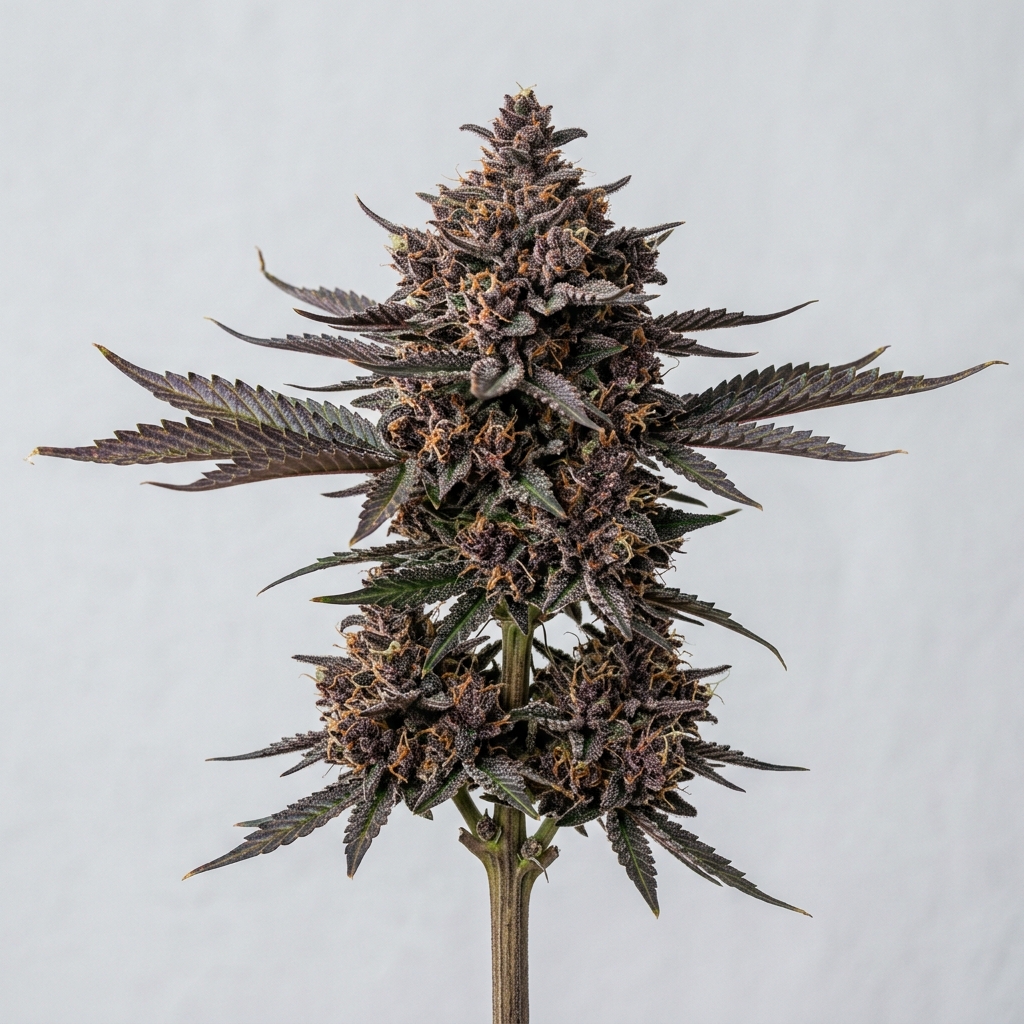
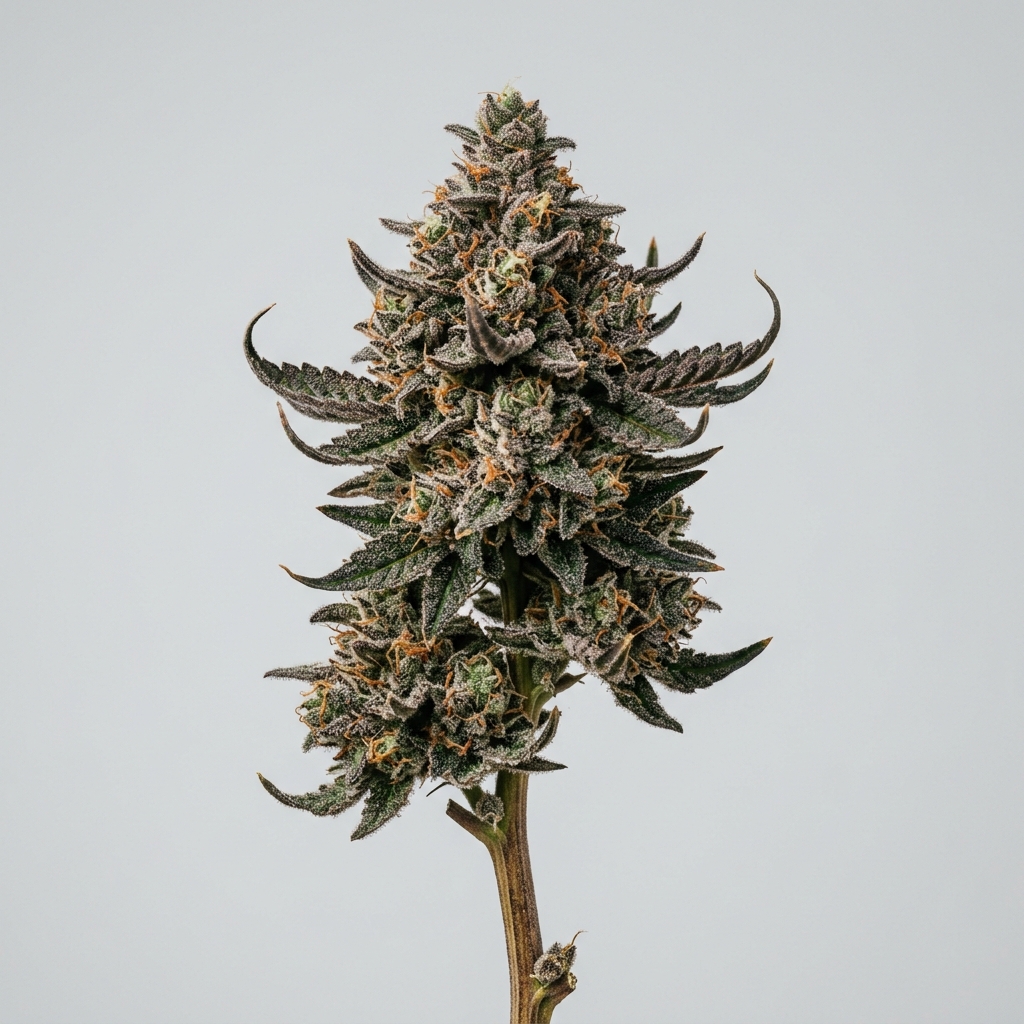
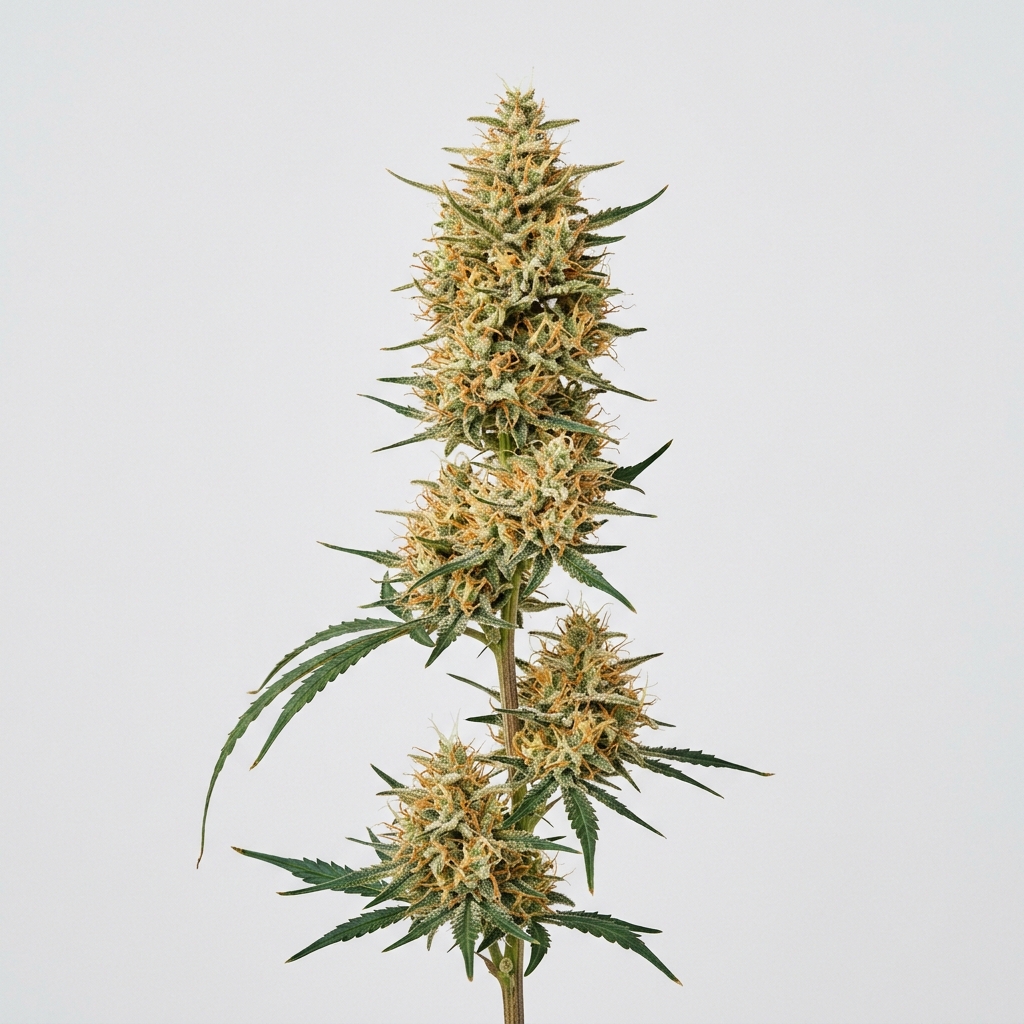
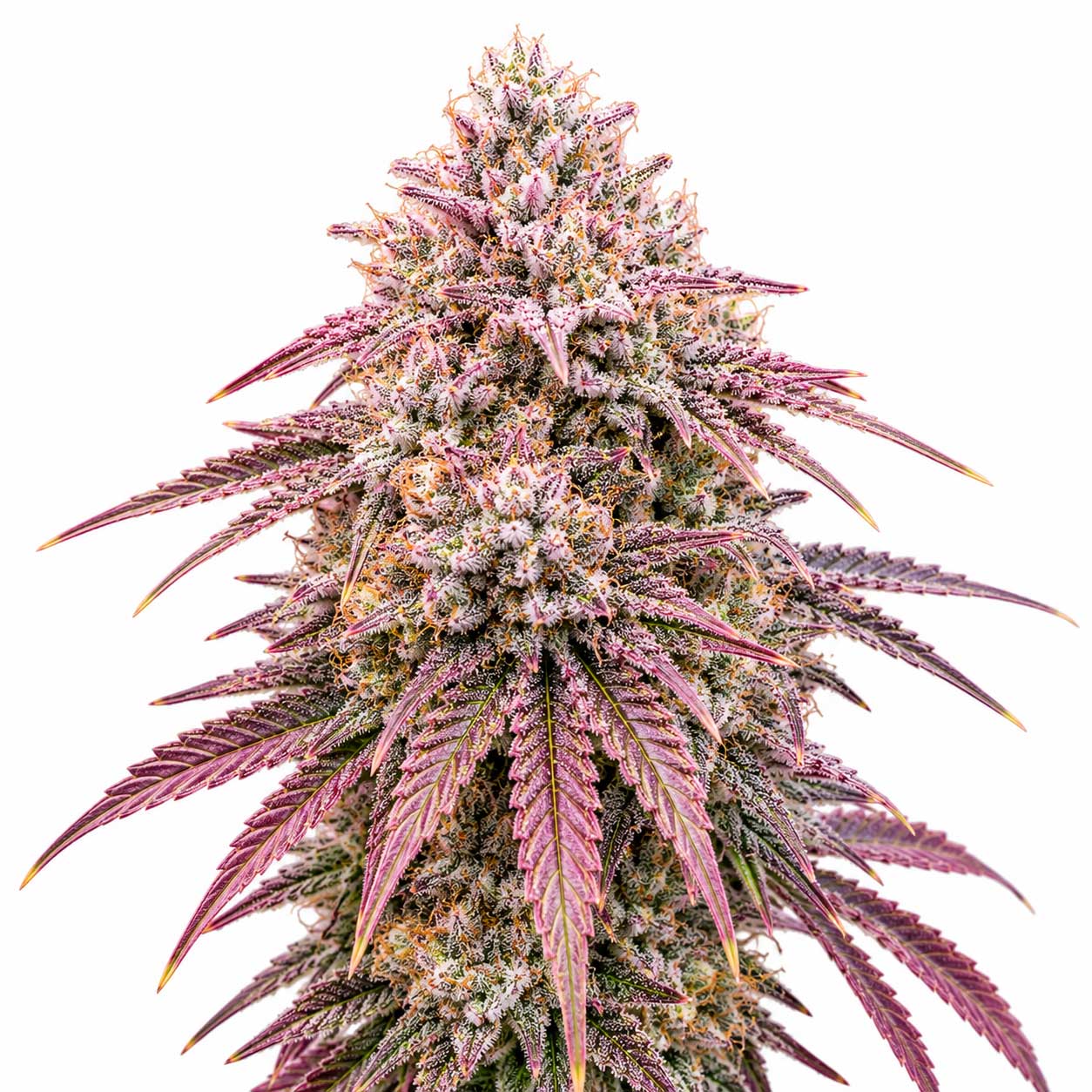
Gasquake typically develops medium-to-large, rock-hard flowers with a deep forest-green to midnight-purple base, often highlighted by copper-toned pistils and a thick, pale crystalline frost. The trichome coverage is so heavy that many phenotypes appear almost cracked or shattered by resin, giving the flower a coated, monolithic appearance associated with modern ultra-premium gas cultivars.
Botanically, the strain is especially notable for its dense flower architecture, high resin output, and terpene profile that leans savory rather than sweet. The aromatic structure often centers on burnt rubber, sharp diesel fuel, pepper, earthy depth, and a metallic creamy finish that sets it apart from more candy-forward hybrids. Instead of presenting as fruity or dessert-like, Gasquake feels darker, louder, and more industrial in character.
That distinction is central to its appeal. Gasquake delivers a modern exotic profile without sacrificing the physical gravity and pungent seriousness expected from harder indica-leaning gas lines.
Effects & Use-Cases (Reported)
Commonly reported effects: heavy physical relaxation, focused cerebral haze, body-weighted calm, and a deeply sedative overall finish.
Use-case context: Gasquake is most often described as an evening or nighttime cultivar. It is frequently chosen for deep decompression, low-stimulation environments, post-work physical easing, and restful end-of-day sessions where users want strong body impact with enough mental smoothness to remain pleasant rather than chaotic.
Note: Many users report a strong “body-anchor” sensation that settles through the torso and limbs, making it especially popular among experienced consumers seeking total physical ease.
Aroma & Flavors
Aroma: Burnt rubber, sharp diesel fuel, nutty-savory funk, metallic cream, and deep earthy undertones.
Flavor: The inhale is commonly described as savory, rubbery, and fuel-forward, while the exhale becomes thicker, creamier, slightly metallic, and peppered with lingering Kush-like spice.
Terpene associations: Caryophyllene, Limonene, Myrcene, and Humulene.
Tested Cannabinoid & Terpene Ranges
| Compound | Typical Range* | Notes |
|---|---|---|
| Δ9-THC | 26%–30% | Elite-tier potency commonly associated with a weighted, physically dominant experience |
| CBG | ~1%–2% | Notable minor-cannabinoid presence often linked to calmer, steadier physical clarity |
| Caryophyllene | 1.1%–1.6% | Dominant terpene driving the peppered gas profile and strong body comfort |
| Limonene | 0.6%–1.0% | Adds brightness and helps lift the otherwise heavy aromatic profile |
| Humulene | 0.3%–0.6% | Contributes earthy-savory depth and reinforces the strain’s grounded physical tone |
*Ranges are based on 2026 boutique harvest references and may vary by phenotype, cultivation environment, harvest timing, and analytical method.
Cultivation Notes
- Light Cycle: 18/6 vegetative and 12/12 flowering.
- Humidity Targets: Keep approximately 40%–45% RH during the final 4 weeks. Its dense flowers and highly adhesive resin can create internal moisture traps if airflow is insufficient.
- Nutrition: Moderate-to-high feeder that often performs well in rich organic soil blends with added silica to support dense, resin-heavy branching.
- Training: Topping and low-stress training are highly effective for opening the interior structure and maximizing light penetration.
- Harvest Window: Early to mid-October outdoors in the Northern Hemisphere.
Grower Notes (Week-by-Week Snapshot)
- Weeks 1–3 (Transition): Stretch is usually moderate and manageable, with the plant building a sturdy, compact frame.
- Weeks 4–6: Resin production escalates rapidly, and the industrial-gas aroma begins to dominate the canopy.
- Weeks 7–9: Flowers harden toward a stone-dense finish, and cooler night temperatures around 16 °C can intensify purple coloration and pale frost contrast.
- Post-Harvest: A slow 14-day dry around 16 °C and 60% RH is often recommended, followed by at least a 6-week cure to preserve volatile savory and gas-heavy aromatic compounds.
Genetic Lineage
Gasquake is built from Gary Payton and Platinum, a combination that merges savory athletic-fuel intensity with a frost-heavy, metallic resin structure. Gary Payton is widely associated with pungent funk, diesel spice, and a balanced but forceful hybrid effect profile, while Platinum contributes heavier physical depth, denser visual frost, and the polished silver-coated aesthetic that defines many elite In House selections.
This pairing helps explain why Gasquake feels louder, darker, and more physically grounding than many modern gas hybrids without losing the boutique visual refinement expected from top-tier exotic flower.
Research Insights
Gasquake stands out in discussions around Caryophyllene-Limonene-Humulene synergy, where sharp aromatic brightness, earthy body comfort, and strong physical decompression align in a more structured, less mentally scattered format. This helps explain why the cultivar is often described as intensely physical while still feeling relatively clean in mental presentation.
From a market perspective, Gasquake reflects continued demand for strains that combine high-trichome aesthetics, loud industrial gas, and a distinctly heavyweight effect profile. Its popularity shows how strongly the premium market still values flowers that look brutally frosted and deliver unmistakable physical authority.
Frequently Asked Questions
How strong is Gasquake?
Gasquake is widely regarded as a high-potency cultivar, with many reported expressions landing in the upper THC range and delivering a strongly body-weighted overall experience.
Does Gasquake really smell like gas?
Yes. It is commonly described as sharply diesel-forward, with burnt rubber, savory funk, and metallic creamy undertones that make the aroma feel louder and more industrial than traditional Kush profiles.
Is Gasquake a daytime or nighttime strain?
It is most often described as a nighttime cultivar because of its heavier physical effects, pronounced body relaxation, and sedative finish.
Educational Disclaimer
This page is provided for scientific and horticultural reference only. Cannabis laws vary globally; ensure compliance with local regulations.
Rate and review this strain
Ratings and reviews are accepted only from signed-in Google accounts.
Sign in with Google to leave a rating and written review.
Latest Reviews
0 reviewsNo reviews yet. Be the first Google user to rate and review this strain.