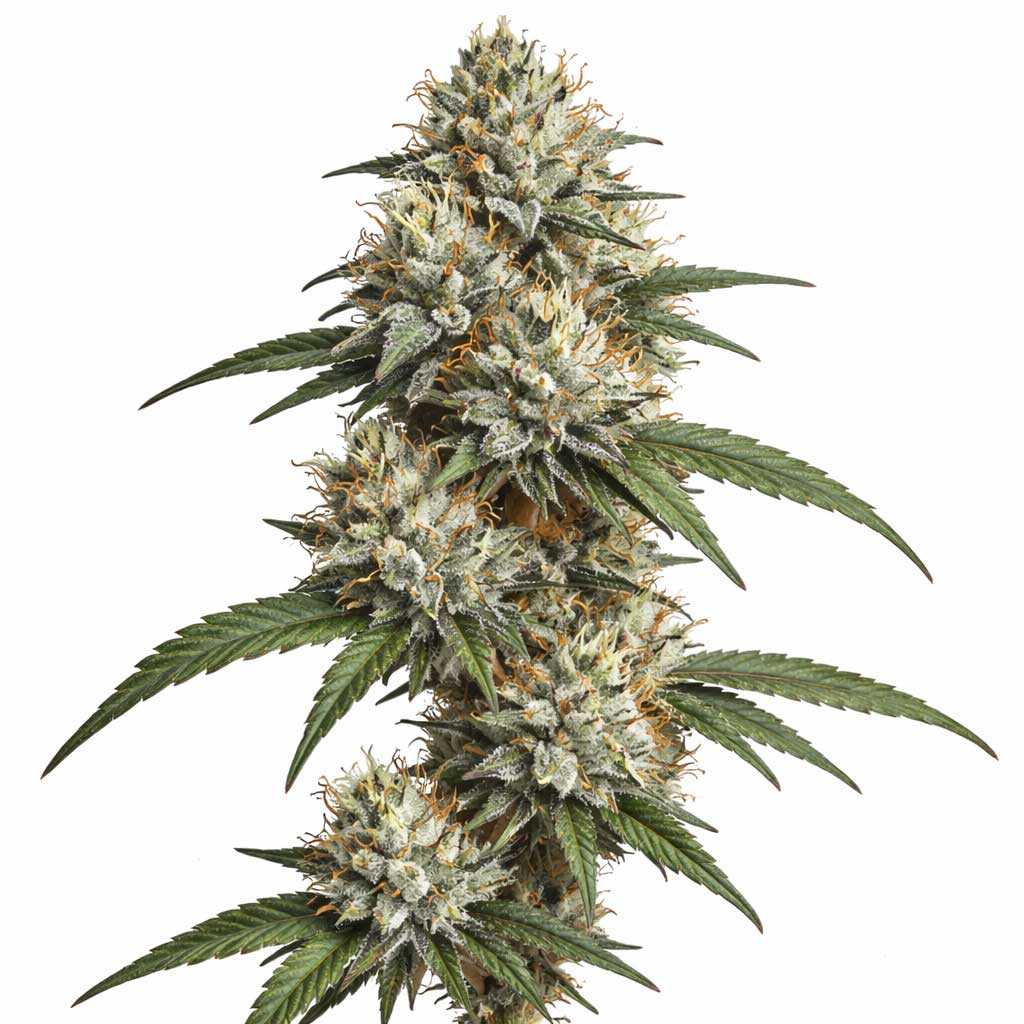
GMO Cookies (Cannabis Strain)
GMO Cookies, also widely known as GMO or Garlic Cookies, is a potent indica-dominant hybrid cannabis cultivar celebrated for its loud savory funk, heavy resin production, and deeply calming body effects. It is most commonly described as a cross between Chemdawg and Girl Scout Cookies, and is widely associated with the original work of Mamiko Seeds. Its reputation rests on two things above all: extreme aroma and serious potency.
Where many modern hybrids chase sweetness, GMO Cookies moves in the opposite direction. This is a strain known for garlic, mushroom, onion, fuel, and earthy spice rather than candy or fruit. That unusual savory profile is exactly what made it so memorable in flower and extraction circles. Dense trichome coverage, a greasy finish, and a long-lasting evening effect have helped keep GMO Cookies firmly established as one of the defining funk-forward modern cultivars. The information below is provided strictly for scientific and botanical reference.
Quick Facts
| Feature | Details |
|---|---|
| Genetics | Chemdawg × Girl Scout Cookies |
| Variety | Indica-dominant hybrid |
| THC Range | 22%–30% |
| Flowering Time | 8–10 weeks indoors |
| Yield Potential | Medium to High |
| Plant Height | Short to Medium; dense, heavy-flowering, and resin-rich |
| Climate Preference | Warm, dry outdoor conditions or controlled indoor rooms with strong airflow |
| Difficulty | Intermediate to Advanced |
Scientific & Botanical Overview
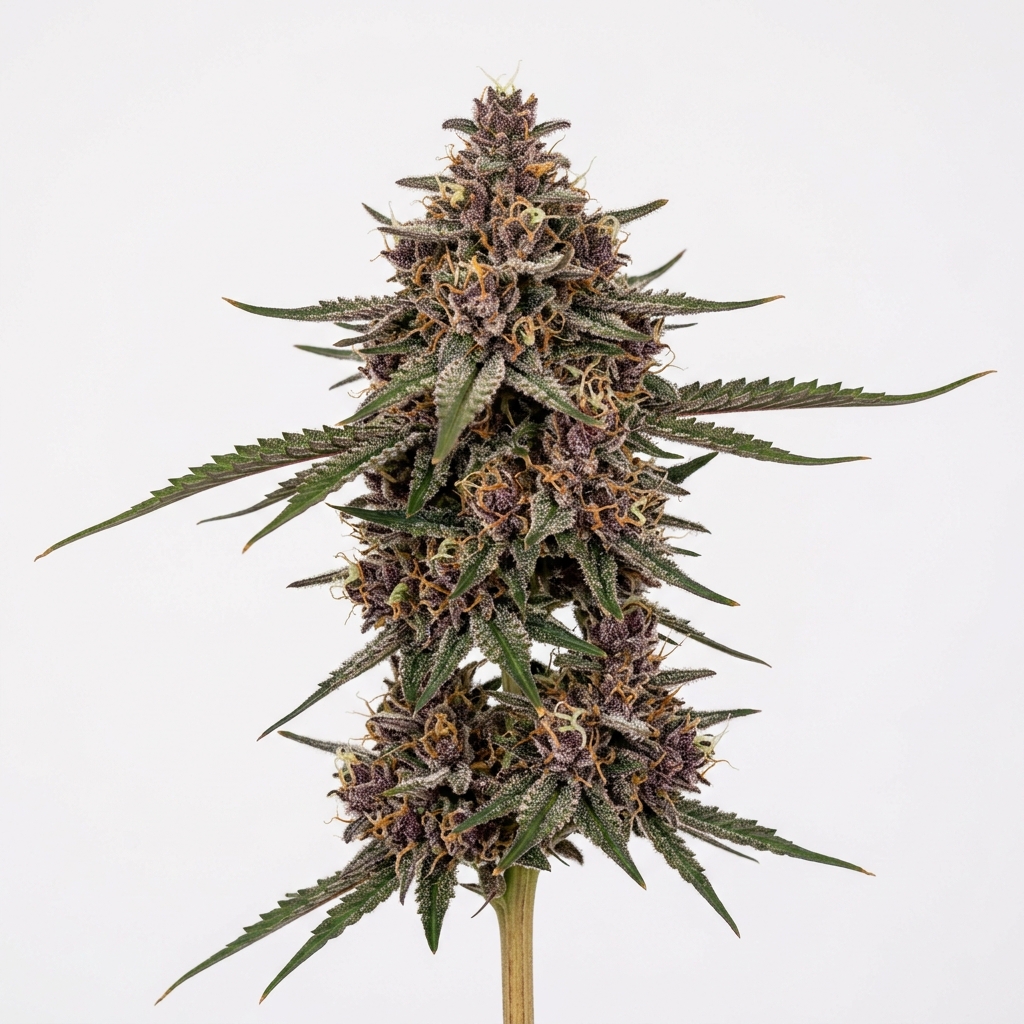
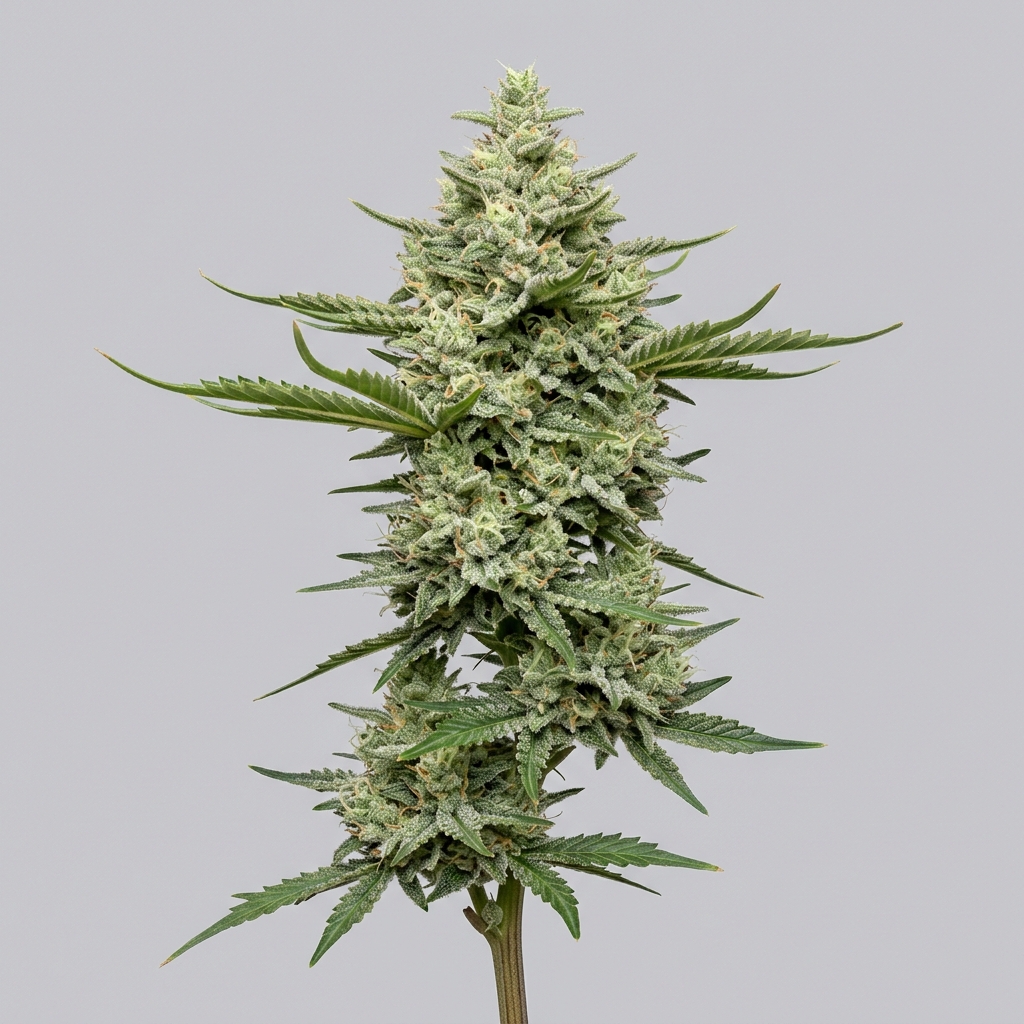
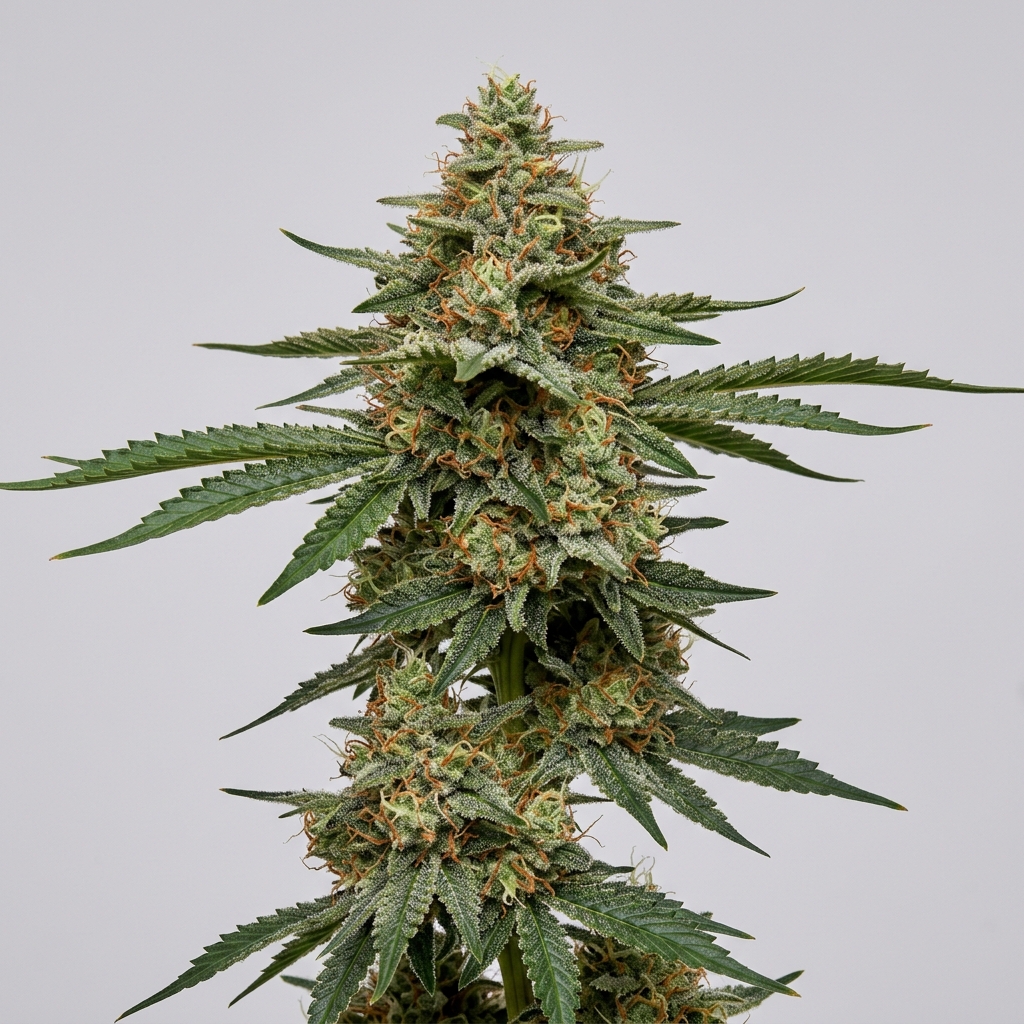
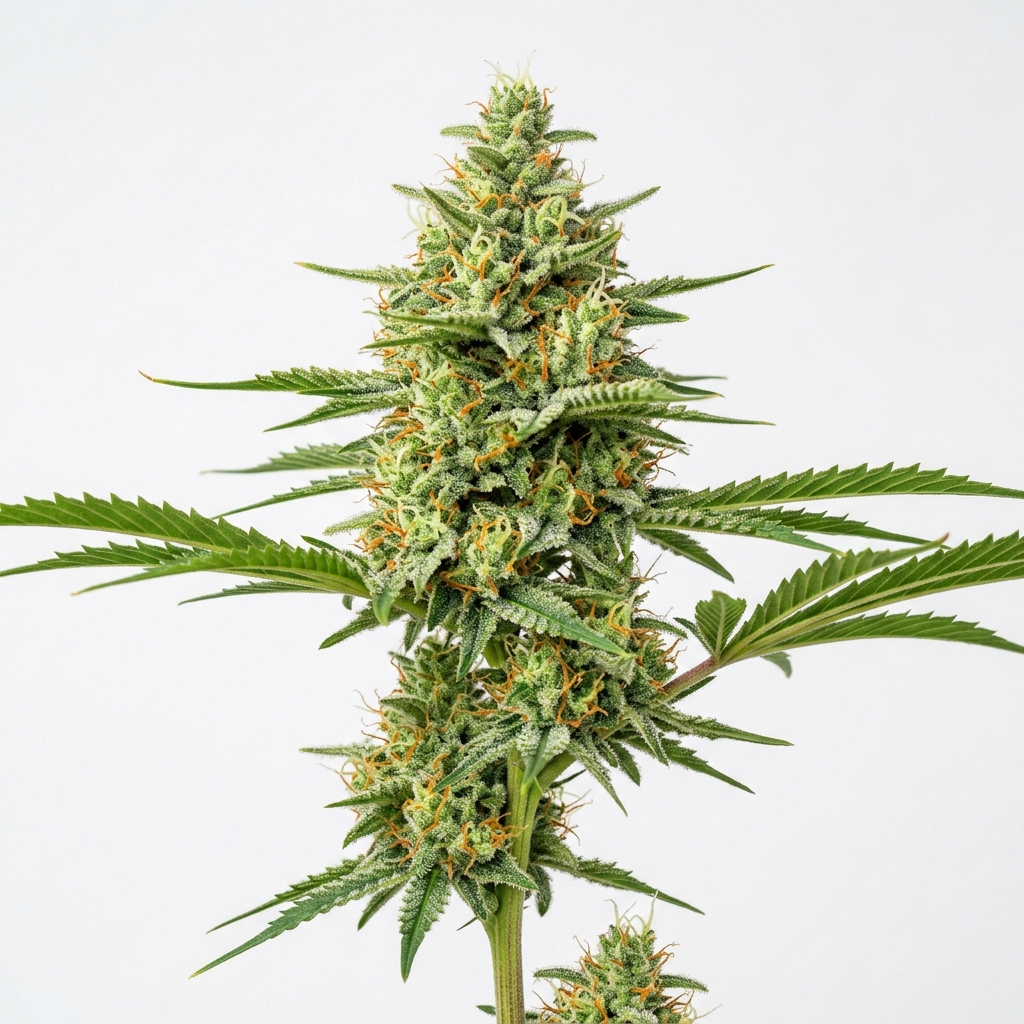
GMO Cookies usually develops thick, dense flowers with medium green coloration, orange pistils, and an exceptionally heavy coat of sticky trichomes. Well-finished buds often look greasy rather than dry, with swollen calyxes and a frosted surface that immediately signals strong resin output. In bag appeal terms, it tends to look less bright and flashy than candy hybrids, but far more rugged, oily, and extraction-oriented.
Its botanical identity is driven by aroma. GMO Cookies is widely recognized for a pungent profile built around garlic, mushroom, onion, rubber, gas, earthy spice, and a dark chem-like backbone. That combination is unusual enough that even experienced consumers tend to remember it instantly. Instead of offering a clean fruit top note, GMO leans into sulfurous depth, savory funk, and a lingering diesel-earth finish that feels unmistakably its own.
What makes GMO Cookies especially important is how strongly it shaped the market for loud savory flower and high-return hash genetics. It proved that a strain did not need to smell sweet to become a top-shelf favorite. In many ways, it helped normalize funk as a premium category rather than a niche curiosity.
Effects & Use-Cases (Reported)
Commonly reported effects: strong physical relaxation, mood-softening euphoria, mental slowing, body heaviness, and a long, sedative finish.
Use-case context: GMO Cookies is most often associated with evening or nighttime use. It is frequently selected for slow end-of-day sessions, indoor unwinding, appetite-friendly downtime, and situations where users want a heavy, long-lasting body-led experience rather than a bright functional lift.
Note: These observations are anecdotal reports and should not be interpreted as medical claims.
Aroma & Flavors
Aroma: Garlic, mushroom, onion, diesel, rubber, earth, and dark spice.
Flavor: The inhale is commonly described as savory, gassy, and earthy, while the exhale becomes more garlicky, peppery, chem-like, and lingeringly funky.
Terpene associations: Caryophyllene, limonene, and myrcene.
Tested Cannabinoid & Terpene Ranges
| Compound | Typical Range* | Notes |
|---|---|---|
| Δ9-THC | 22.0%–30.0% | Commonly reported high-potency range for modern GMO flower |
| CBD | Low / Trace | Usually not a defining cannabinoid in public GMO references |
| Caryophyllene | Commonly prominent | Supports peppery depth and the cultivar’s savory-spice structure |
| Limonene | Commonly prominent | Adds a subtle brightness beneath the darker gas and garlic notes |
| Myrcene | Commonly prominent | Rounds out the heavier body feel and earthy finish |
*Ranges are literature-informed public references and may vary by phenotype, cultivation environment, harvest timing, and analytical method.
Cultivation Notes
- Light Cycle: 18/6 vegetative and 12/12 flowering.
- Humidity Targets: Around 40%–50% RH in late flower is commonly preferred to protect dense resinous buds.
- Nutrition: Balanced bloom feeding is often preferred, with careful support through mid and late flower as buds swell heavily.
- Training: Topping, lower cleanup, and canopy opening are often useful because the plant can become dense and benefit from stronger internal airflow.
- Harvest Window: Typically mid- to late October outdoors in the Northern Hemisphere.
Grower Notes (Week-by-Week Snapshot)
- Weeks 1–3 (Transition): Stretch is usually moderate, with the plant building a sturdier frame rather than a tall open canopy.
- Weeks 4–6: Bud formation becomes more aggressive and the room often starts carrying a sharp savory-chem funk.
- Weeks 7–8: Resin production turns heavy, flowers thicken, and the garlic-diesel profile becomes much more obvious.
- Weeks 9–10: Slower-finishing expressions often continue swelling and deepening in aroma, rewarding patience with richer funk and stronger finish quality.
- Post-Harvest: A patient dry and careful cure are often recommended to preserve the strain’s savory depth while smoothing out harsher chem notes.
Genetic Lineage
GMO Cookies is most commonly described as a cross between Chemdawg and Girl Scout Cookies, and it is widely tied to Mamiko Seeds and the original Chem Cookies work from which the famous GMO selection emerged. Public references also note that the name “Garlic Cookies” became popular in retail settings where the short name “GMO” could be misunderstood.
The lineage helps explain the cultivar’s personality almost perfectly. Chemdawg contributes chem funk, gas, and a rougher aromatic backbone, while Girl Scout Cookies adds density, resin production, and a heavier modern finish. Together, they created a cultivar that feels less like a dessert cross and more like a powerful savory reinterpretation of Cookies-era genetics.
Research Insights
GMO Cookies is often discussed as a benchmark funk cultivar because it pushed garlic-gas-sulfur profiles into the premium mainstream. Its terpene profile is commonly associated with caryophyllene, limonene, and myrcene, but what truly sets it apart is not just terpene labeling; it is the unusually savory aromatic impression those compounds help create in this specific genetic context.
From a market standpoint, GMO Cookies became especially influential in solventless and concentrate culture because of its resin output, terpene persistence, and recognizable flavor transfer. It remains one of the clearest examples of a strain whose value comes as much from aromatic identity as from raw potency.
Frequently Asked Questions
Is GMO Cookies indica or sativa?
GMO Cookies is generally described as an indica-dominant hybrid, often with very heavy evening-style effects.
Why is GMO Cookies also called Garlic Cookies?
The nickname comes from its famously savory aroma, which many users describe as garlicky, earthy, and funky rather than sweet.
What does GMO Cookies taste like?
It is widely described as tasting like garlic, mushroom, onion, diesel, pepper, and earthy chem funk with a long savory finish.
Educational Disclaimer
This page is provided for scientific and horticultural reference only. Cannabis laws vary by jurisdiction; always ensure compliance with local regulations.
Rate and review this strain
Ratings and reviews are accepted only from signed-in Google accounts.
Sign in with Google to leave a rating and written review.
Latest Reviews
0 reviewsNo reviews yet. Be the first Google user to rate and review this strain.