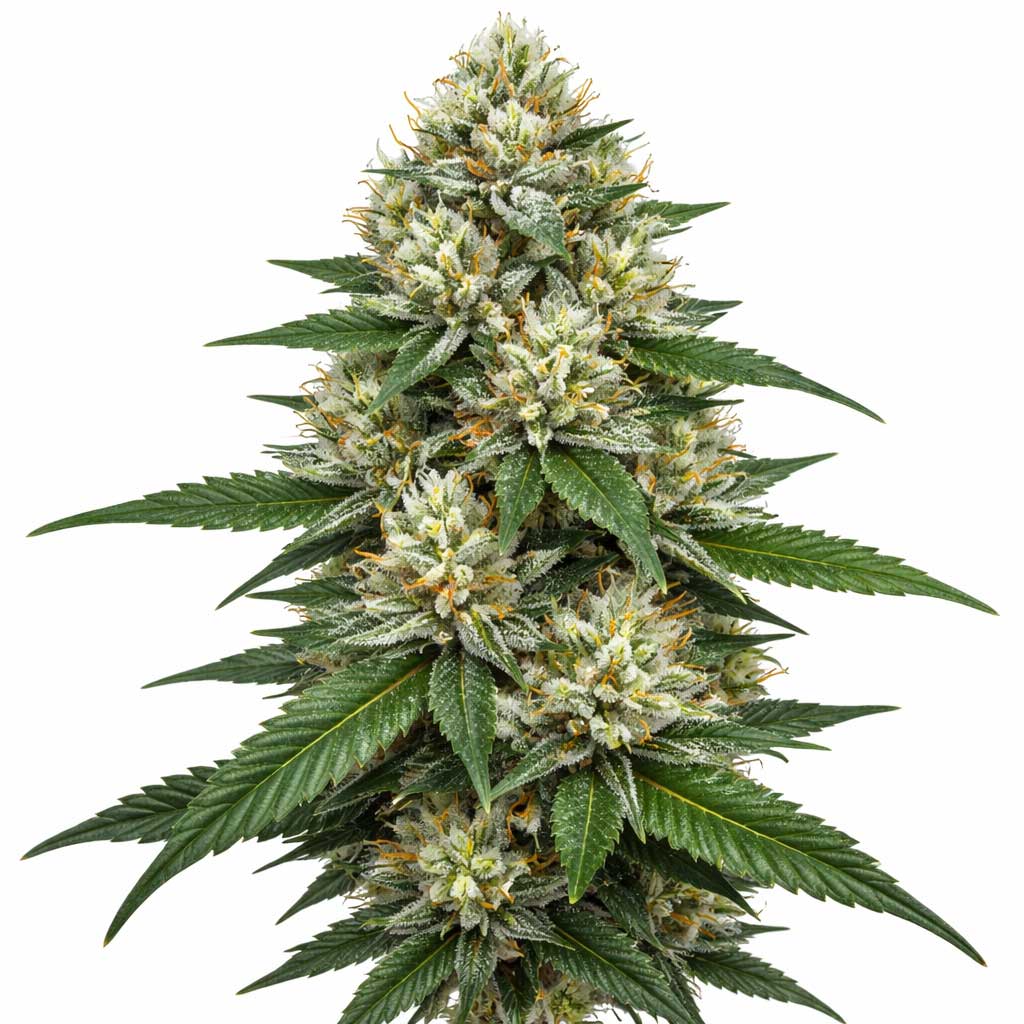
Tahoe OG (Cannabis Strain)
Tahoe OG, also commonly called Tahoe OG Kush, is a classic indica-dominant hybrid cannabis cultivar widely recognized for its fast-hitting body effects, pungent lemon-pine aroma, and heavy nighttime personality. It is most often described as a standout OG Kush phenotype, though some public lineage references also connect it to SFV OG Kush-related ancestry or breeder-selected OG lines.
What gives Tahoe OG its staying power is not novelty, but force. This is the kind of strain that built its name on weight, resin, and unmistakable West Coast OG character. Rather than leaning sweet or candy-like, Tahoe OG pushes toward lemon peel, earthy pine, cracked pepper, and subtle fuel, with a dense, calming effect profile that has kept it relevant for years in flower, concentrate, and breeding circles. The information below is provided strictly for scientific and botanical reference.
Quick Facts
| Feature | Details |
|---|---|
| Genetics | Most commonly described as an OG Kush phenotype; some public references also connect it to SFV OG Kush-related OG lineage |
| Variety | Indica-dominant hybrid |
| THC Range | Often reported around 20%–25% |
| Flowering Time | About 8–10 weeks indoors |
| Yield Potential | Moderate to High; large yields are commonly reported in optimized environments |
| Plant Height | Medium; sturdy, resin-heavy, and OG-leaning in structure |
| Climate Preference | Dry outdoor conditions or controlled indoor rooms with strong airflow |
| Difficulty | Intermediate |
Scientific & Botanical Overview
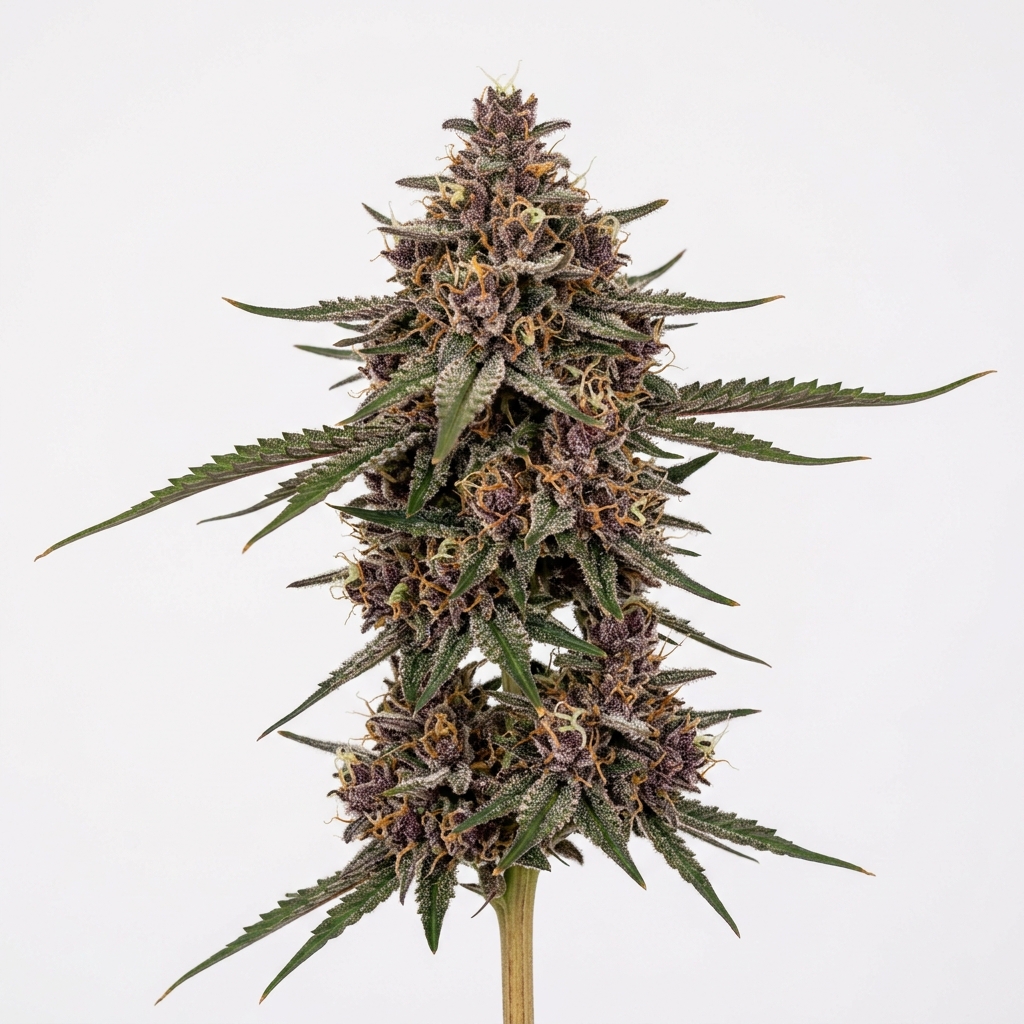
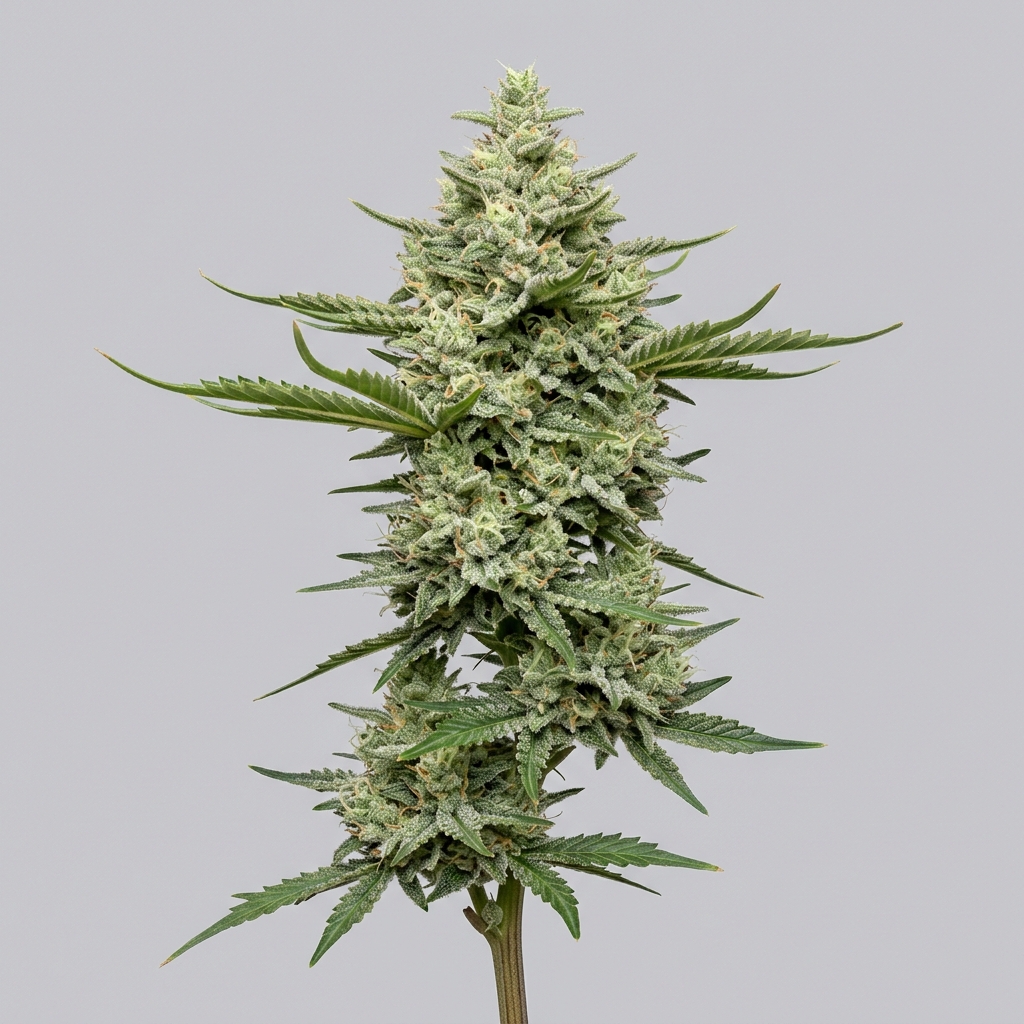
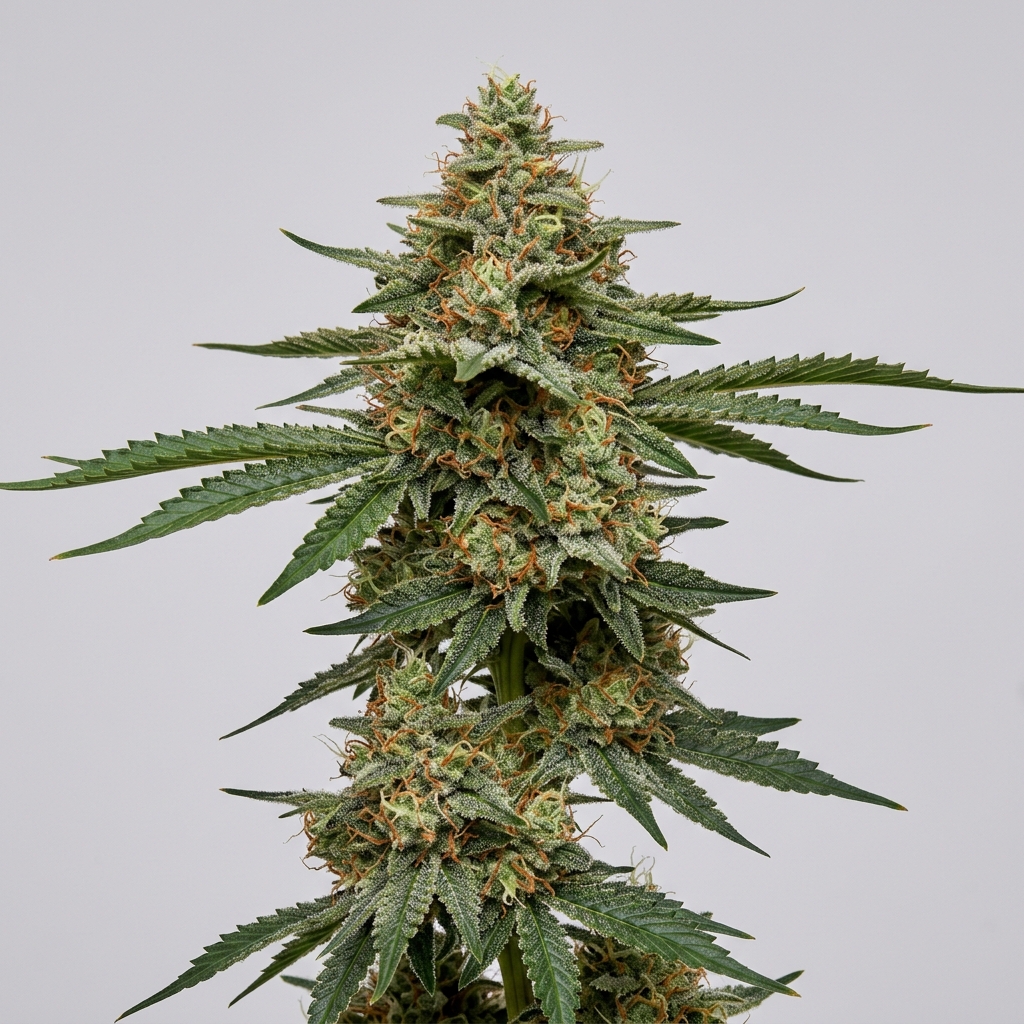
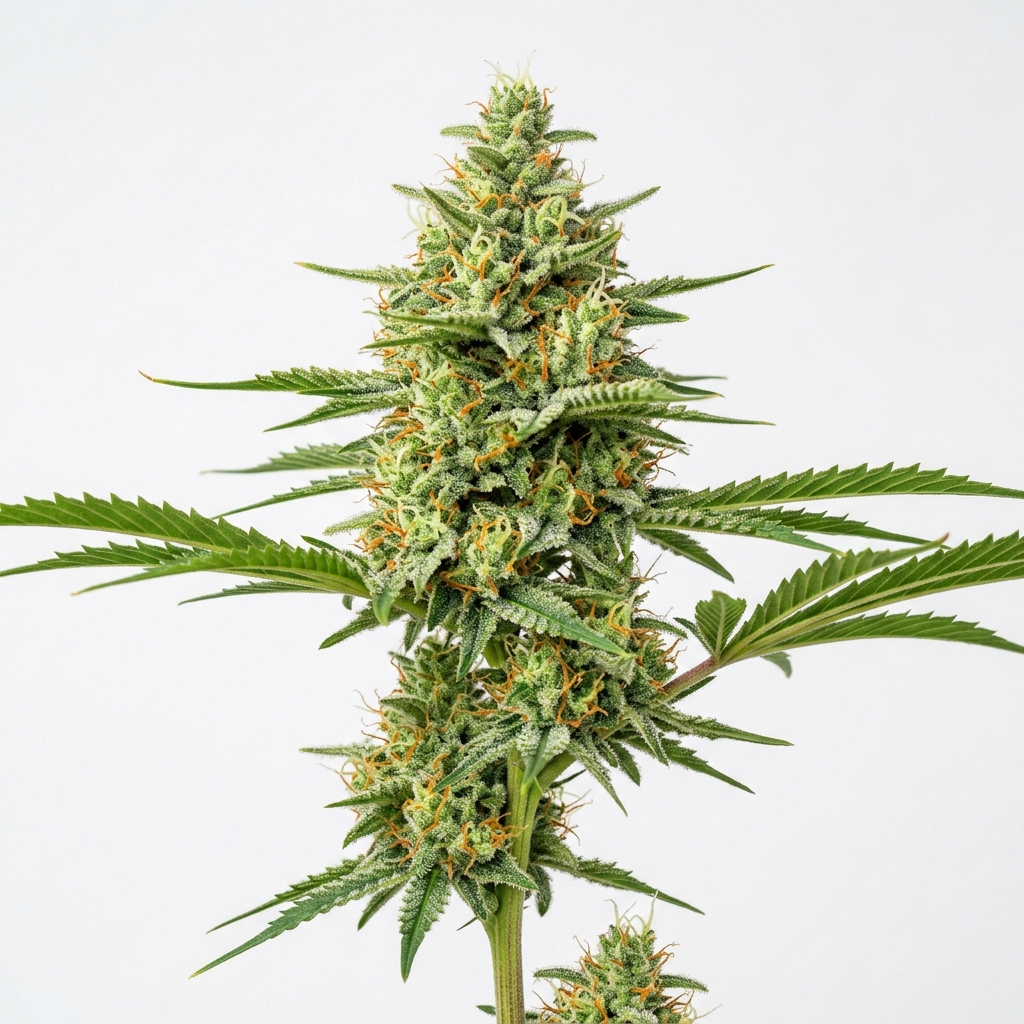
Tahoe OG typically produces dense, resin-rich flowers with medium green coloration, orange pistils, and a heavy frost layer that gives the buds a classic sticky OG finish. Compared with fluffier haze cultivars or sweeter dessert hybrids, the flower structure usually appears tighter, heavier, and more muscular in overall presentation.
Its aromatic profile sits squarely in traditional OG territory. Tahoe OG is widely associated with sharp lemon, earthy pine, cracked pepper, and a faintly skunky or fuel-like undertone. That profile gives it a more rugged, drier, and more serious identity than fruit-forward hybrids. In practical terms, it smells like a true nighttime OG: bright enough to cut through, but grounded by depth and heaviness.
From a cultivar-history perspective, Tahoe OG remains important because it represents one of the more recognizable OG expressions tied to strong body effects and resin-forward production, making it influential both as flower and as breeding stock.
Effects & Use-Cases (Reported)
Commonly reported effects: fast body relaxation, euphoric onset, physical heaviness, mental slowing, and a lazy, sleep-leaning finish.
Use-case context: Tahoe OG is most often associated with nighttime use. It is frequently selected for quiet evenings, staying in, post-work decompression, and situations where users want a strong body-led experience with classic OG depth rather than a bright daytime lift.
Note: These observations are anecdotal reports and should not be interpreted as medical claims.
Aroma & Flavors
Aroma: Lemon peel, pine, earth, pepper, and light fuel.
Flavor: The inhale is commonly described as citrusy, earthy, and slightly sweet, while the exhale becomes more piney, spicy, gassy, and softly skunky.
Terpene associations: Myrcene, Caryophyllene, and Limonene.
Tested Cannabinoid & Terpene Ranges
| Compound | Typical Range* | Notes |
|---|---|---|
| Δ9-THC | 20.0%–25.0% | Commonly cited modern potency range for Tahoe OG flower |
| CBD | Low / Trace | Usually not emphasized in public Tahoe OG references |
| Myrcene | Commonly prominent | Supports the strain’s heavier body tone and earthy depth |
| Caryophyllene | Commonly prominent | Adds peppery structure and reinforces classic OG spice |
| Limonene | Commonly prominent | Brings the bright lemon edge that defines Tahoe OG’s top notes |
*Ranges are literature-informed public references and may vary by phenotype, cultivation environment, harvest timing, and analytical method.
Cultivation Notes
- Light Cycle: 18/6 vegetative and 12/12 flowering.
- Humidity Targets: Around 40%–50% RH in flowering is commonly recommended to reduce moisture buildup in dense colas.
- Nutrition: Balanced bloom feeding is often preferred, with steady support through mid-to-late flower rather than aggressive overfeeding.
- Training: Topping, light defoliation, and canopy opening are commonly useful for improving airflow and light penetration in resin-heavy OG structures.
- Harvest Window: Typically October outdoors in the Northern Hemisphere, with many references placing indoor finish around 60–70 days.
Grower Notes (Week-by-Week Snapshot)
- Weeks 1–3 (Transition): Plants usually begin with moderate stretch and start setting up a firm OG-style frame.
- Weeks 4–6: Bud sites stack more aggressively, resin production becomes obvious, and the lemon-pine aroma starts carrying through the room.
- Weeks 7–8: Flowers gain more weight, the spicy-gassy side becomes stronger, and structure tightens noticeably.
- Weeks 9–10: Slower-finishing expressions can continue packing on resin while the classic Tahoe OG heaviness becomes more defined in both aroma and finish.
- Post-Harvest: A patient dry and careful cure are often recommended to preserve lemon brightness while smoothing the deeper pine-earth spice underneath.
Genetic Lineage
Tahoe OG is most commonly described as a phenotype of OG Kush, though public sources do not always describe its ancestry in exactly the same way. Some lineage discussions connect it to SFV OG Kush-related OG stock, while breeder-oriented references describe Tahoe OG Kush through selected OG breeding lines rather than a simple commercial cross.
What stays consistent across those variations is the cultivar’s identity: strong lemon-pine aroma, dense resin, and a heavier body-led OG effect profile. In practical breeding terms, Tahoe OG behaves like a classic West Coast OG expression with especially strong nighttime weight.
Research Insights
Tahoe OG is often discussed as a benchmark heavy OG because it balances an initial euphoric lift with a much stronger physical drop-off than many more neutral hybrids. That makes it notable not just for aroma, but for how clearly it expresses the body-centered side of the OG family.
From a market standpoint, Tahoe OG continues to matter because it represents a durable type of premium cannabis: lemon-forward, pine-backed, resin-rich OG flower built for evening use. Even as newer exotics dominate shelf attention, Tahoe OG remains a recognizable reference point for consumers looking for traditional West Coast weight and structure.
Frequently Asked Questions
Is Tahoe OG indica or sativa?
Tahoe OG is generally described as an indica-dominant hybrid, though some public listings simplify it as a hybrid with strong indica effects.
What does Tahoe OG taste like?
It is widely described as tasting like lemon, pine, earth, pepper, and light fuel or skunk.
Is Tahoe OG considered a nighttime strain?
Yes. Tahoe OG is most often associated with evening or nighttime use because of its heavy, relaxing, and sleep-leaning effect profile.
Educational Disclaimer
This page is provided for scientific and horticultural reference only. Cannabis laws vary by jurisdiction; always ensure compliance with local regulations.
Rate and review this strain
Ratings and reviews are accepted only from signed-in Google accounts.
Sign in with Google to leave a rating and written review.
Latest Reviews
0 reviewsNo reviews yet. Be the first Google user to rate and review this strain.