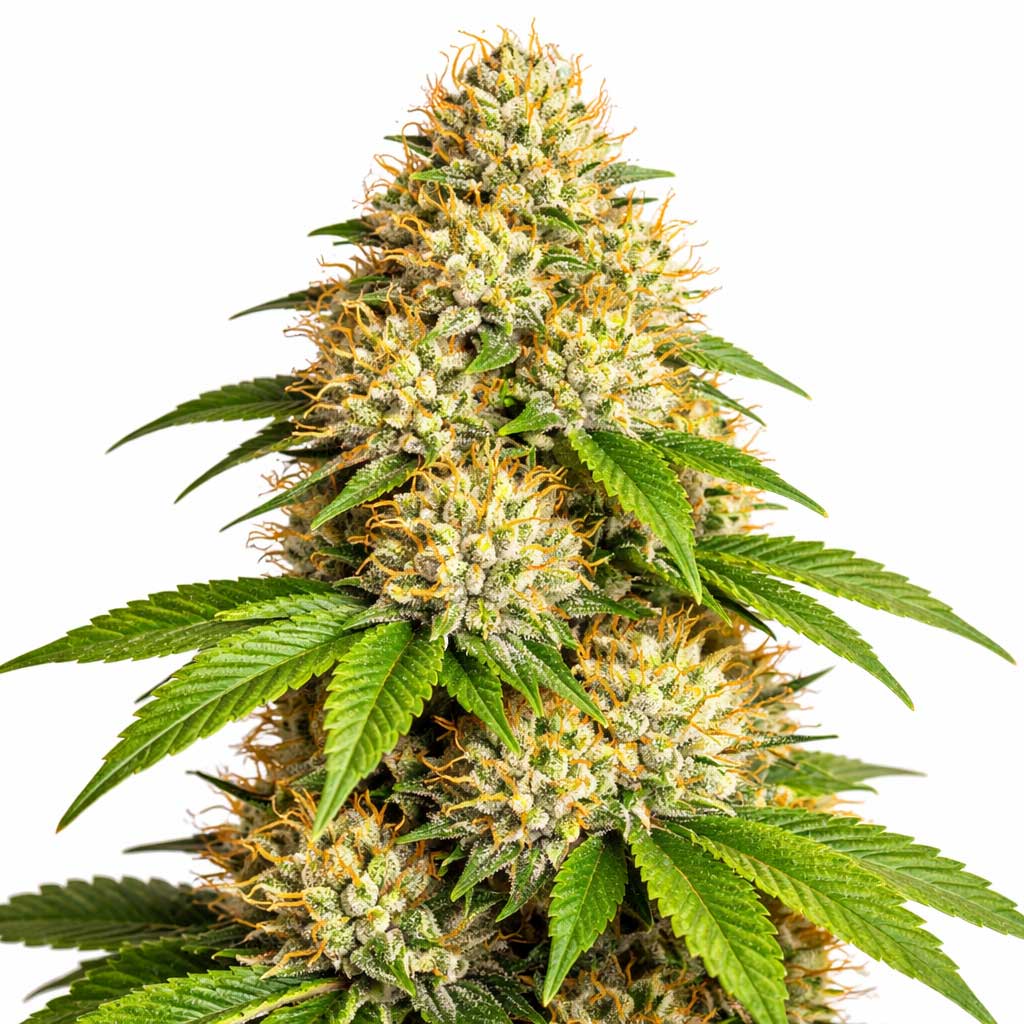
Nectarine Jelly (Cannabis Strain)
Nectarine Jelly is a high-octane, buzzy hybrid cannabis cultivar commonly described as a sativa-dominant hybrid with an approximate 70% sativa / 30% indica profile. Best known as a cross between Peach Panther and Government Oasis, it became a defining cultivar in the 2026 East Coast and New York markets for its electric orchard aroma, sharp terpene clarity, and highly social daytime energy.
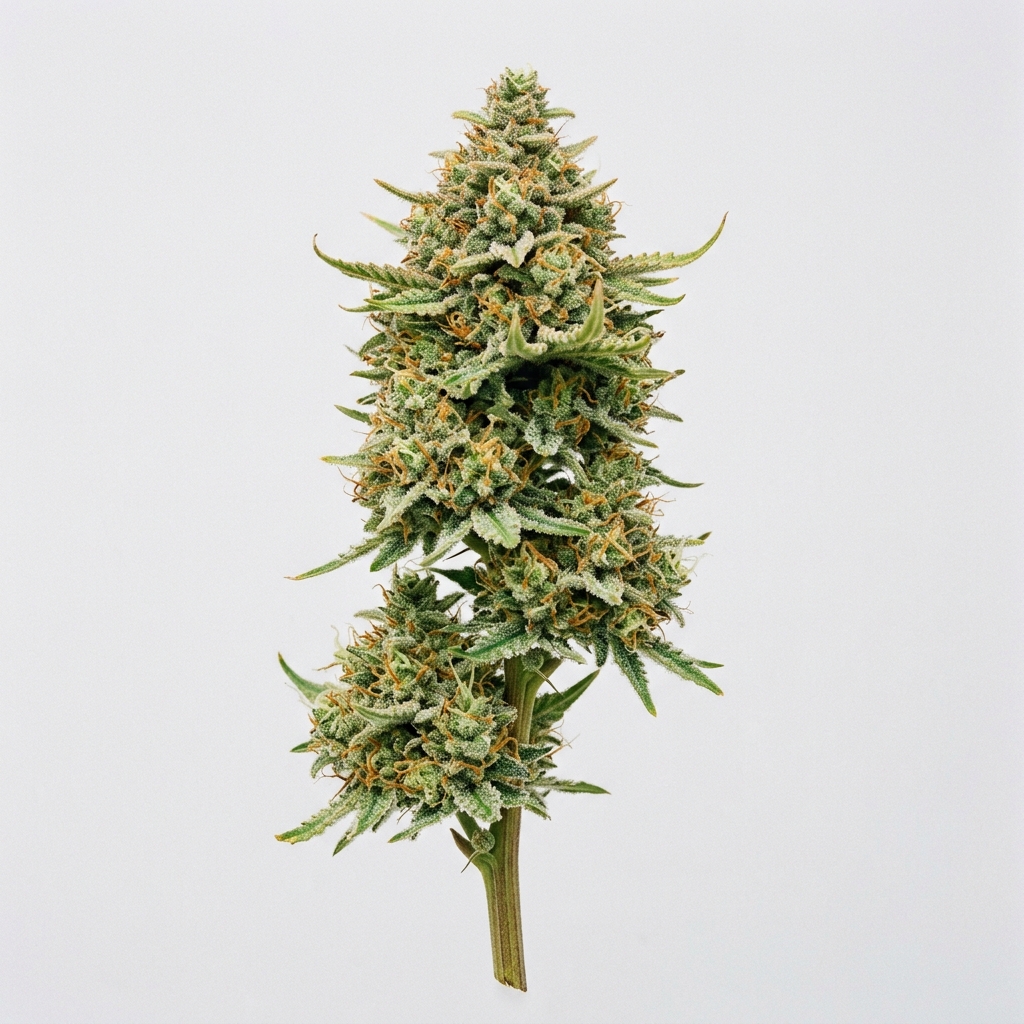
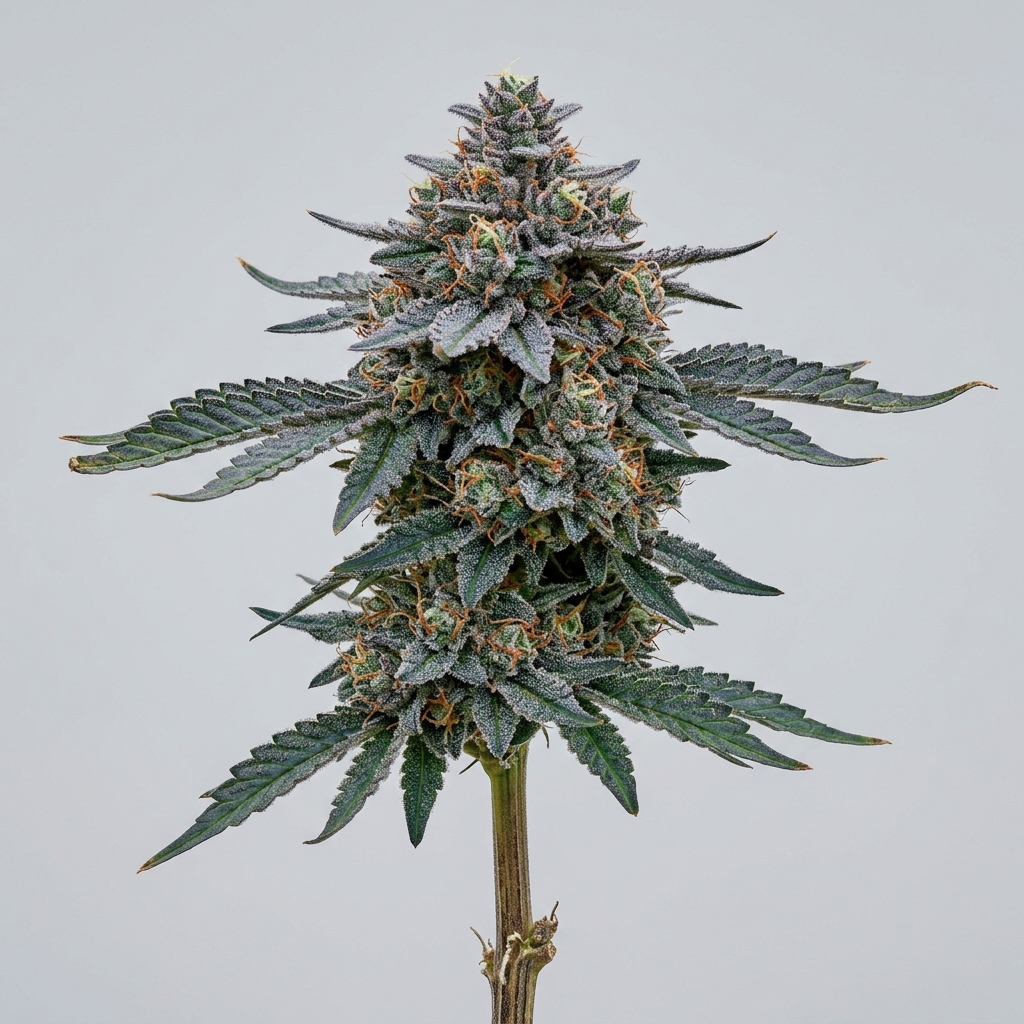
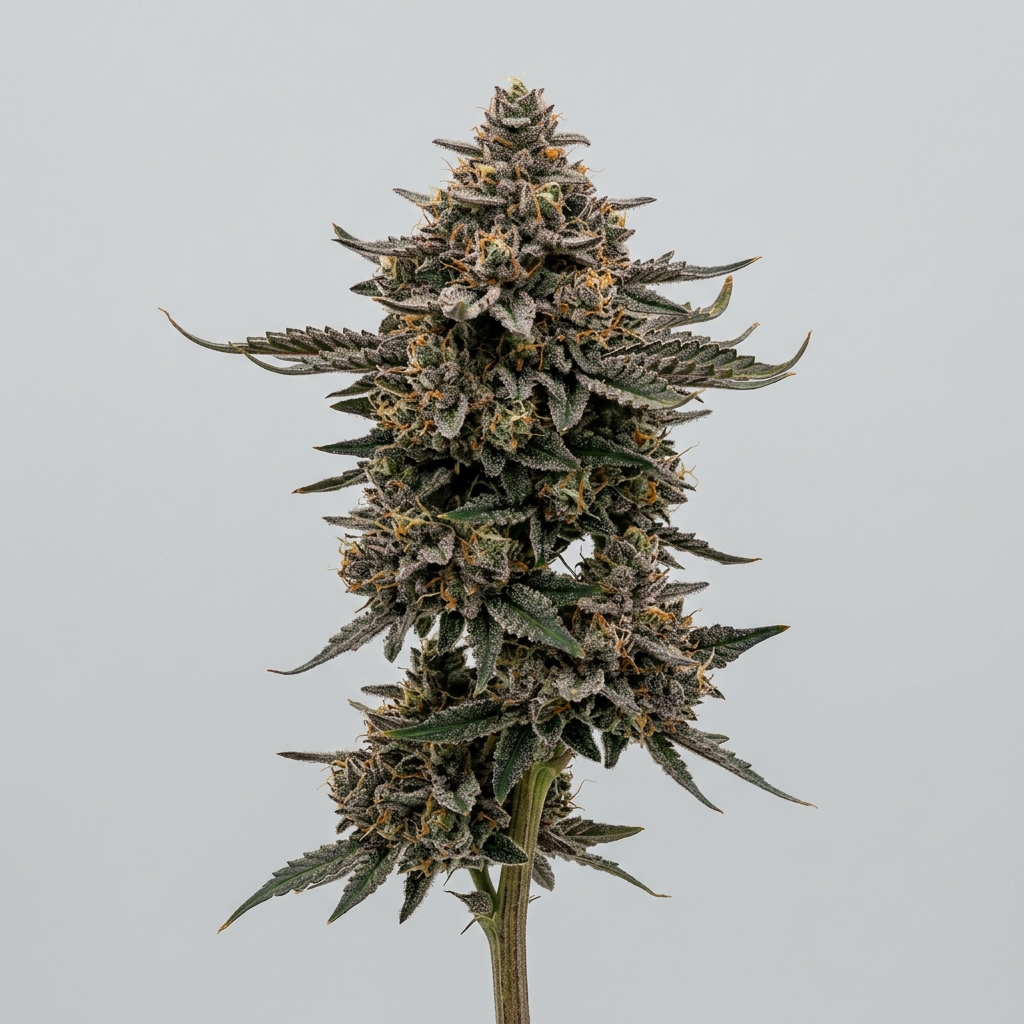
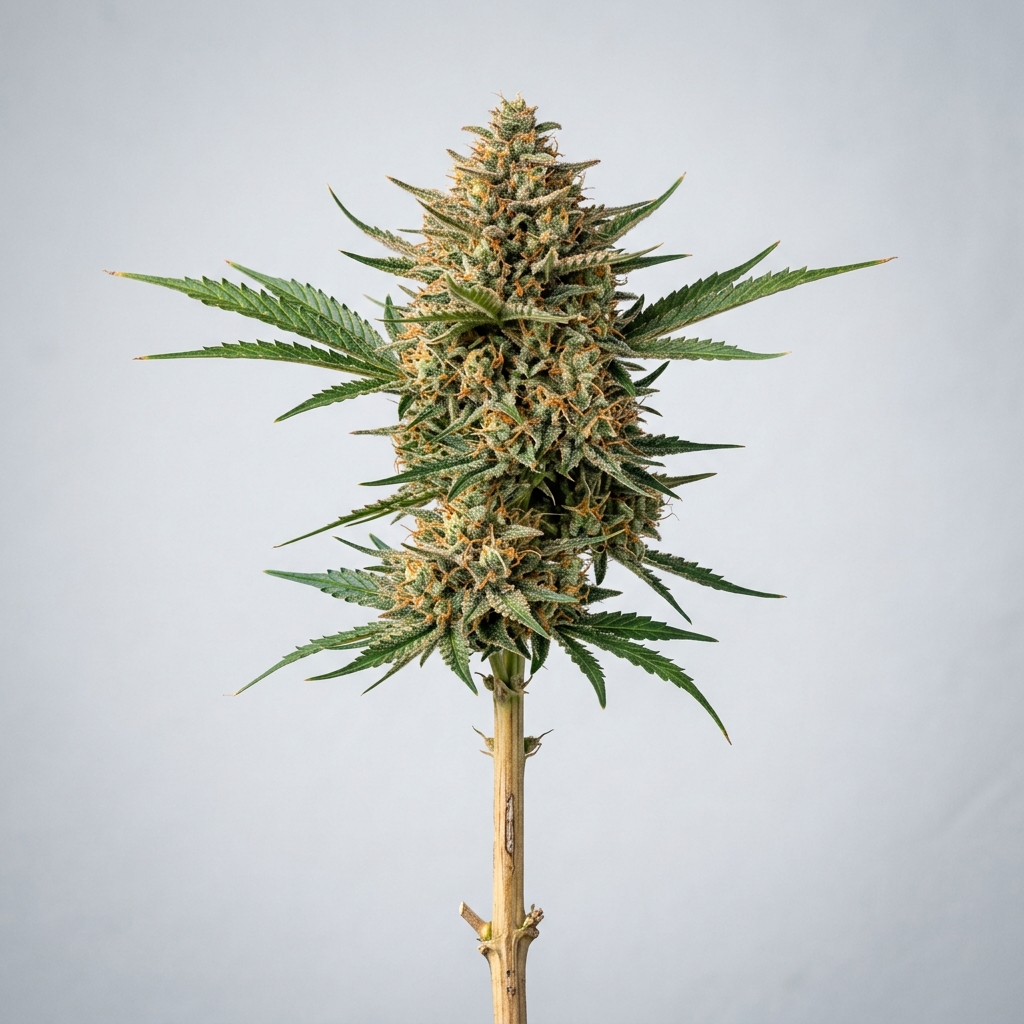
Recognized for fusing syrupy stone-fruit sweetness with a funky diesel backbone, Nectarine Jelly is widely associated with long resinous colas, bright lime-green coloration, and an uplifting but grounded effect profile. The information below is provided strictly for scientific and botanical reference.
Quick Facts
| Feature | Details |
|---|---|
| Genetics | Peach Panther × Government Oasis |
| Variety | Sativa-dominant hybrid |
| THC Range | 24%–28% |
| Flowering Time | 9–10 weeks (63–70 days indoors) |
| Yield Potential | 500–600 g/m² (High) |
| Plant Height | 120–150 cm; vigorous vertical stretch with long, resinous colas |
| Climate Preference | Mediterranean / Greenhouse (thrives with high light intensity) |
| Difficulty | Intermediate (requires management of aggressive sativa stretch) |
Scientific & Botanical Overview
Nectarine Jelly exhibits a racy and productive morphology, producing elongated spear-like colas that stack heavily along vigorous branches. The flowers commonly show a bright lime-green base with vivid orange pistils and a greasy resin texture that reflects strong volatile fruit-ester expression. This combination gives the cultivar a loud boutique look and a highly aromatic flowering profile.
Botanically, the cultivar stands out for its strong terpinolene and limonene expression, which helps create its sharper peach-diesel identity. Compared with softer dessert hybrids, Nectarine Jelly tends to feel more electric, more aromatic, and more stimulating, while still maintaining a grounded backbone from its deeper gas-driven lineage.
Nectarine Jelly is especially notable because it brings modern fruit-forward breeding into a more energetic, daytime-capable category without losing structural density or resin output.
Effects & Use-Cases (Reported)
Commonly reported effects: an immediate buzzy cerebral rush, stronger focus, elevated social energy, and creative momentum often described as liquid sunshine.
Use-case context: Nectarine Jelly is most often associated with morning or daytime use, urban exploration, artistic work, and social settings where a brighter, more stimulating hybrid experience is preferred. Many users describe it as mentally lively and engaging, with enough grounding depth to avoid feeling too thin or scattered.
Note: These observations are anecdotal reports and should not be interpreted as medical claims.
Aroma & Flavors
Aroma: A pungent bouquet of overripe nectarines, syrupy peaches, diesel fuel, and a light savory-garlic funk.
Flavor: The inhale is commonly described as bright and fruity with peach and citrus notes, while the exhale becomes heavier, diesel-forward, spicy, and herbal.
Terpene associations: Terpinolene, Limonene, Myrcene, and Caryophyllene.
Tested Cannabinoid & Terpene Ranges
| Compound | Typical Range* | Notes |
|---|---|---|
| Δ9-THC | 24.0%–28.0% | Potent and energizing range commonly associated with high-clarity daytime effects |
| THCV | 0.5%–1.0% | Occasional trace levels sometimes associated with a racier, more focused feel |
| Terpinolene | 1.0%–1.5% | Supports the electric peach-diesel scent and sharper mental lift |
| Limonene | 0.8%–1.2% | Adds citrus brightness and supports the initial euphoric energy |
| Caryophyllene | 0.4%–0.7% | Adds peppery gas depth and helps ground the physical edge |
| Myrcene | 0.3%–0.6% | Rounds out the sweeter fruit layer and softens the finish |
*Ranges are based on 2026 lab data and premium market releases and may vary by phenotype, cultivation environment, harvest timing, and analytical method.
Cultivation Notes
- Light Cycle: 18/6 vegetative and 12/12 flowering.
- Humidity Targets: Keep between 45% and 55% during flower, with strong air exchange to support long resinous colas.
- Nutrition: Heavy feeder that often responds well to stronger nitrogen support during early stretch and elevated phosphorus during late bulking.
- Training: Topping and SCROG are commonly recommended to control height and increase yield across long rope-like colas.
- Harvest Window: Mid-to-late October outdoors in the Northern Hemisphere.
Grower Notes (Week-by-Week Snapshot)
- Weeks 1–3 (The Surge): Explosive vertical stretch is common, so early canopy control and training are important.
- Weeks 4–6: Resin production begins coating the leaves, and the sweet nectarine aroma starts filling the room with a chemical-gas backing.
- Weeks 7–10: Final finishing phase, where buds stack into heavier resinous spears and cooler nights may intensify the lime-green and orange contrast.
- Post-Harvest: A slow 14-day dry around 16 °C and 60% RH followed by at least a 4-week cure is often recommended to preserve volatile terpinolene-rich fruit esters.
Genetic Lineage
Nectarine Jelly is commonly described as a new-school sativa-leaning cross between Peach Panther and Government Oasis. Peach Panther contributes the stone-fruit sweetness, wet resin texture, and brighter orchard-style flavor profile. Government Oasis adds stronger diesel depth, larger yield potential, and the buzzy potency that gives the cultivar its more city-ready, fast-moving personality.
This pairing helps explain why Nectarine Jelly feels fruitier and more energetic than many gas-dominant hybrids while still preserving enough depth to avoid becoming overly thin or chaotic.
Research Insights
Nectarine Jelly is notable in discussions around Terpinolene-Limonene-Caryophyllene interplay. This terpene combination is often associated with mental alertness, brighter mood, and a more physically comfortable foundation, which may help explain why the cultivar can feel stimulating without becoming overly harsh for experienced users.
From a breeding and market perspective, Nectarine Jelly reflects strong interest in high-energy hybrids that deliver orchard-style fruit aroma, strong resin production, and social daytime utility rather than leaning into heavier dessert or nighttime effects.
Frequently Asked Questions
Is Nectarine Jelly a pure sativa?
Nectarine Jelly is generally described as a sativa-dominant hybrid rather than a pure sativa, with a more stimulating profile that still retains a grounded body component.
What does Nectarine Jelly taste like?
It is commonly described as tasting like fresh nectarines, syrupy peaches, citrus zest, and diesel with a spicy herbal finish.
Why is Nectarine Jelly popular in New York?
Its buzzy, social, and urban-friendly effect profile has made it especially appealing in fast-paced East Coast settings where energetic daytime hybrids are in demand.
What makes Nectarine Jelly stand out?
Its standout traits include nectarine-and-diesel aroma, long resinous lime-green buds, strong daytime energy, and a sharper orchard-style terpene profile.
Educational Disclaimer
This page is provided for scientific and horticultural reference only. Cannabis laws vary by jurisdiction; always ensure compliance with local regulations.
Rate and review this strain
Ratings and reviews are accepted only from signed-in Google accounts.
Sign in with Google to leave a rating and written review.
Latest Reviews
0 reviewsNo reviews yet. Be the first Google user to rate and review this strain.