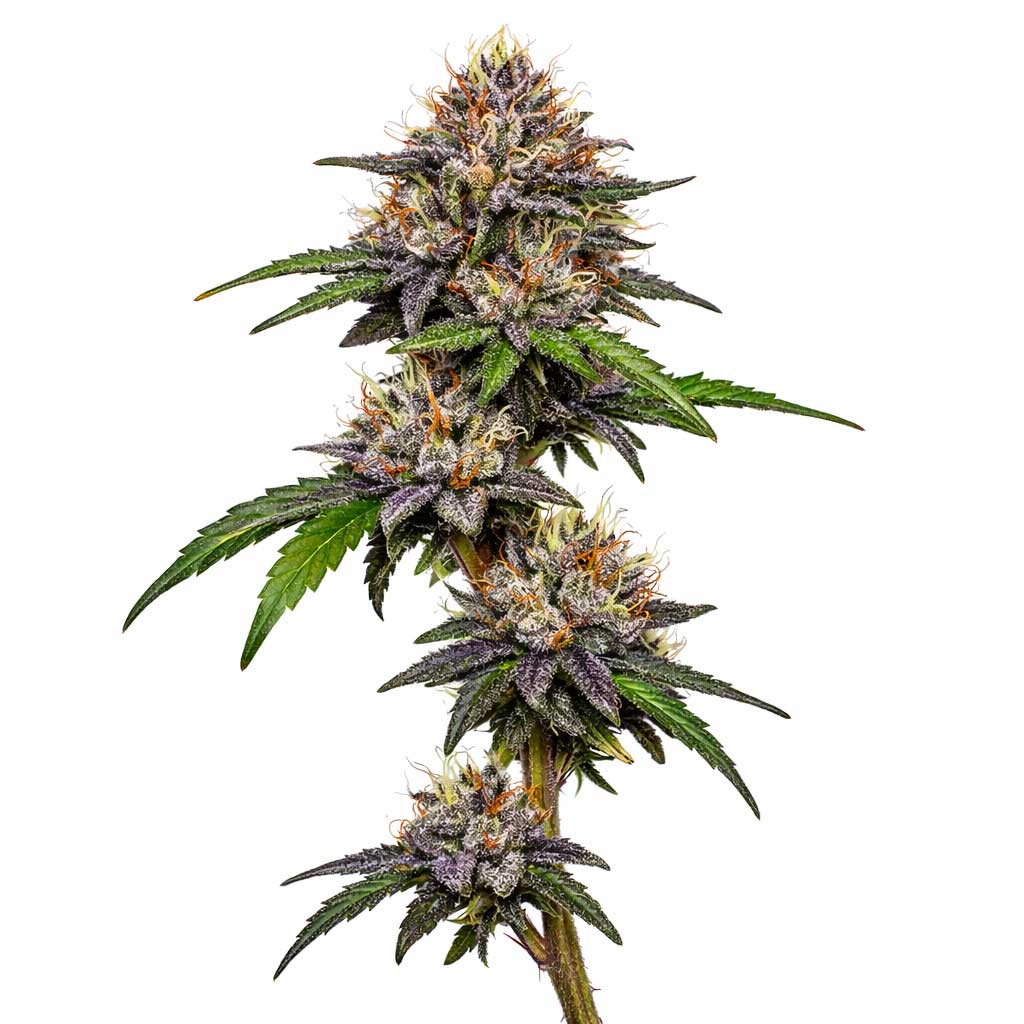
Gary Cherry (Cannabis Strain)
Gary Cherry, also known as Cherry Gary, is a high-profile, boutique hybrid cannabis cultivar commonly described as a balanced hybrid with an approximate 50% indica / 50% sativa profile. Best known as a cross between Gary Payton and Lemon Cherry Gelato, it became a standout in the 2025–2026 exotic market for combining strong potency, dense visual appeal, and a layered gas-and-fruit aroma profile.
Recognized for blending the burnt-rubber gas of Gary Payton with the tart cherry and citrus-forward sweetness of Lemon Cherry Gelato, Gary Cherry is widely associated with dense frosty buds, strong boutique bag appeal, and a hard-hitting yet controlled effect profile. The information below is provided strictly for scientific and botanical reference.
Quick Facts
| Feature | Details |
|---|---|
| Genetics | Gary Payton × Lemon Cherry Gelato |
| Variety | Balanced hybrid |
| THC Range | 25%–30% |
| Flowering Time | 8–9 weeks (56–63 days indoors) |
| Yield Potential | 450–550 g/m² (Moderate to High) |
| Primary Terpenes | Caryophyllene, Limonene, Myrcene, Linalool |
| Vibe | Immediate euphoric impact with focused energy and a light physical anchor |
Scientific & Botanical Overview
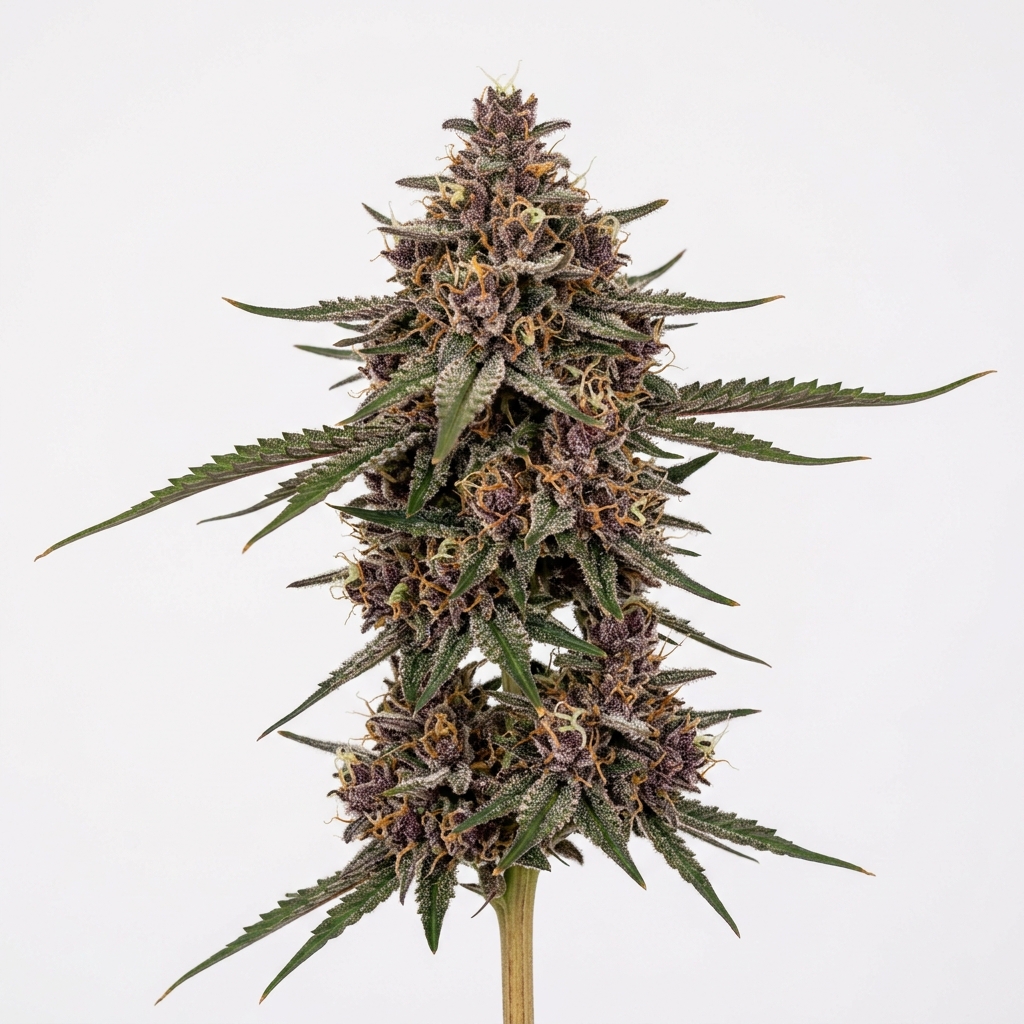
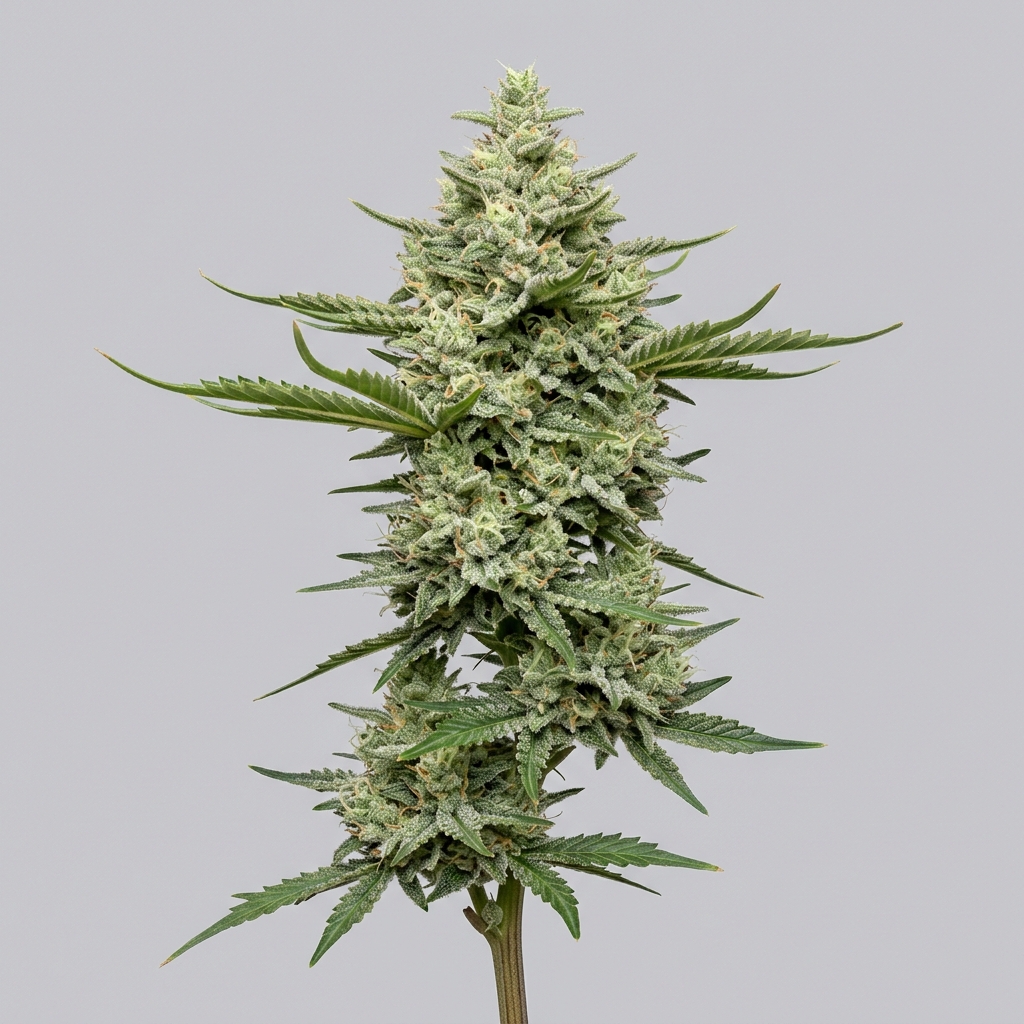
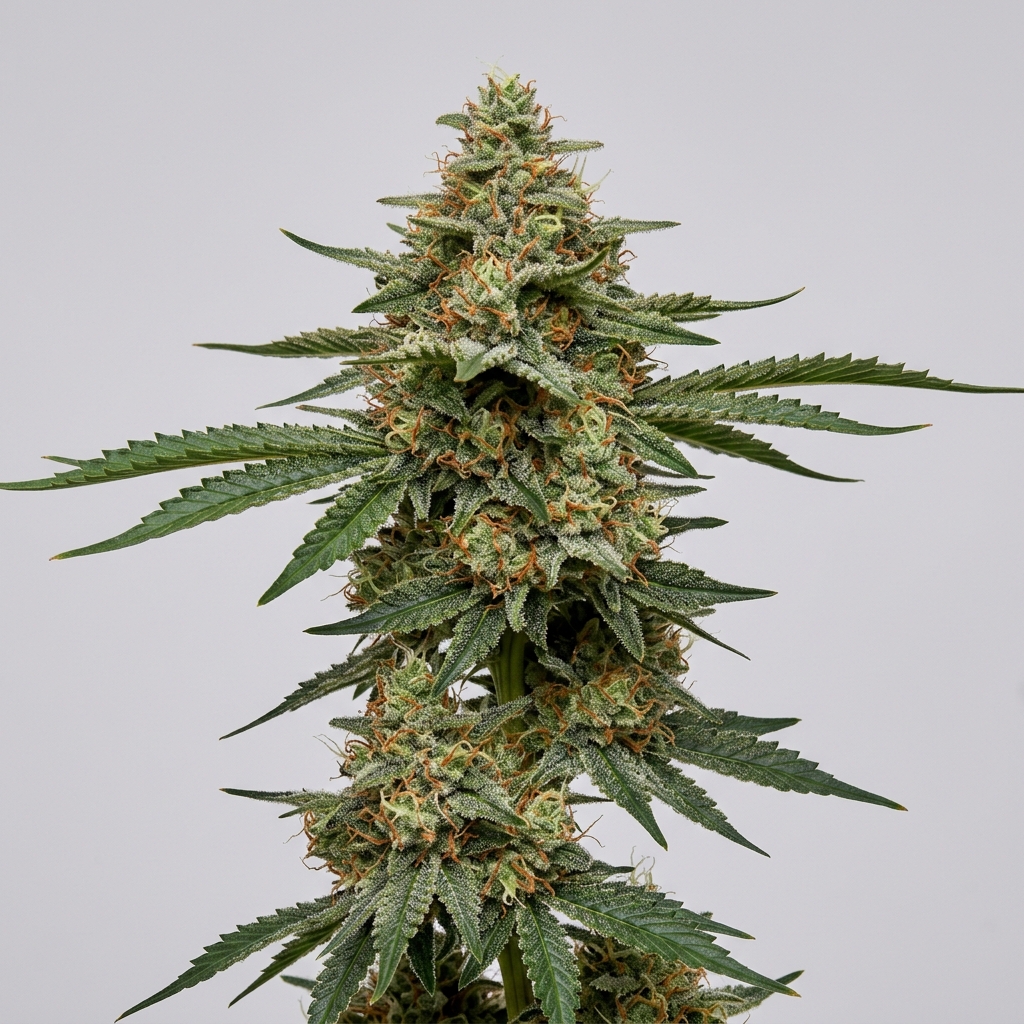
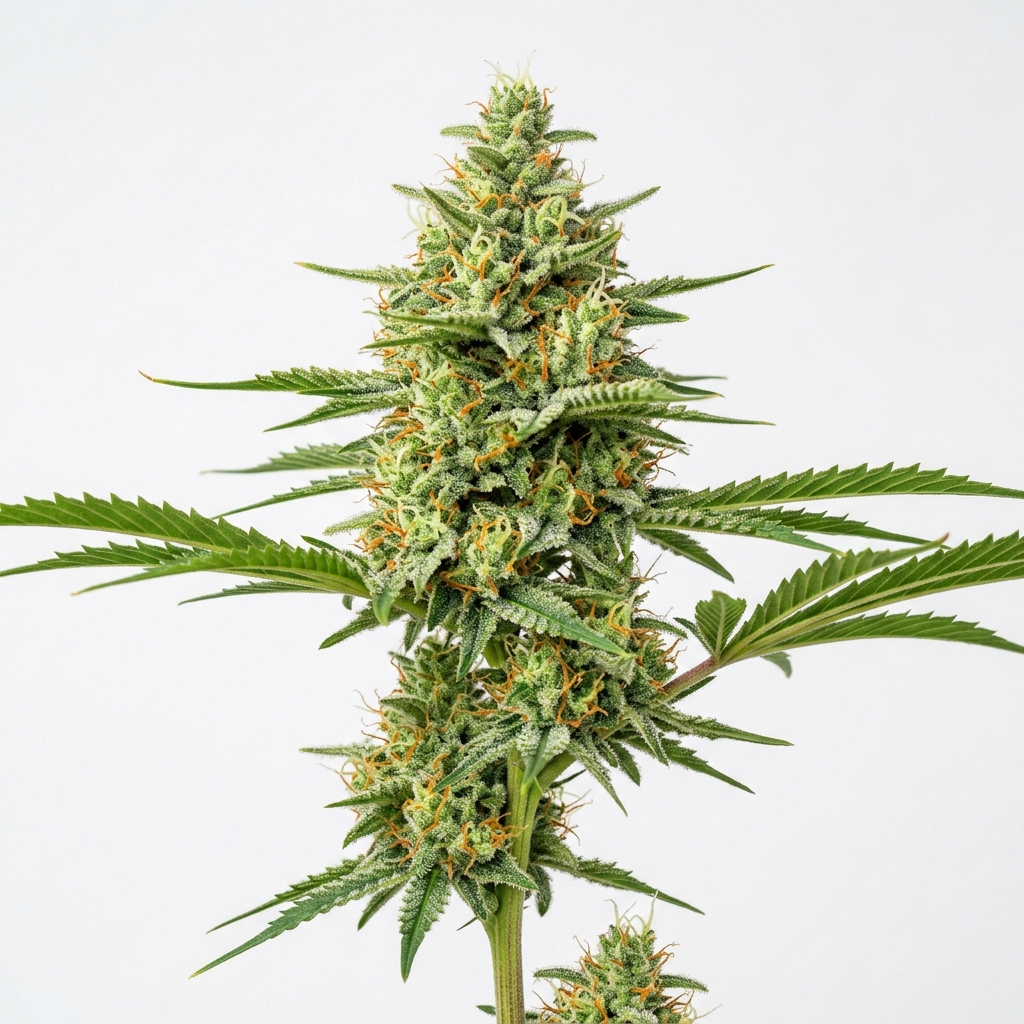
Gary Cherry exhibits a striking morphology inherited from both of its well-known parents. The plants typically produce dense, golf-ball-sized flowers that can appear nearly black-purple in tone, accented by vivid neon-orange pistils and a thick, sticky layer of trichomes. This contrast-heavy appearance gives the cultivar strong boutique shelf appeal and makes it visually stand out even among premium modern hybrids.
Botanically, Gary Cherry is especially notable for its terpene saturation and dense flower structure. The cultivar often produces a room-filling aroma during mid to late flower, and its resin-heavy bud formation is consistent with the frosty, visually loud traits associated with Gelato-derived lines. Its structure is generally sturdy and medium-stretching, with dense stacking that responds well to canopy management.
Gary Cherry is especially notable because it combines heavy exotic-market visuals with a more performance-oriented, high-function hybrid effect profile rather than leaning fully into sedation.
Effects & Use-Cases (Reported)
Commonly reported effects: an immediate hard-hitting cerebral slap, elevated mood, focused euphoric energy, and a light but noticeable physical anchor often described as high-performance relaxation.
Use-case context: Gary Cherry is frequently associated with social settings, creative sessions, and daytime or late-afternoon use for experienced consumers. Many users describe it as potent enough to feel substantial while still preserving mental clarity and forward momentum in moderate amounts.
Note: These observations are anecdotal reports and should not be interpreted as medical claims.
Aroma & Flavors
Aroma: A complex and pungent mix of burnt rubber, musky earth, sweet gas, tart cherry, and bright citrus.
Flavor: The inhale is commonly described as sour lemon-cherry with a doughy creamy sweetness, while the exhale turns savory, gassy, slightly chemical, and lineage-driven in the classic Gary Payton style.
Terpene associations: Caryophyllene, Limonene, Myrcene, and Linalool.
Tested Cannabinoid & Terpene Ranges
| Compound | Typical Range* | Notes |
|---|---|---|
| Δ9-THC | 25.0%–30.0% | Exceptionally potent range commonly associated with top-shelf hybrid flower |
| Caryophyllene | ~0.9%–1.5% | Contributes burnt-rubber gas depth and helps ground the physical experience |
| Limonene | ~0.6%–1.0% | Adds citrus brightness and supports the initial euphoric onset |
| Linalool | ~0.2%–0.5% | Adds a creamy, softer aromatic layer and a smoother mental transition |
| Myrcene | ~0.3%–0.7% | Supports the body component and rounds out the fruit-and-gas profile |
*Ranges are literature-informed references for 2026 boutique harvests and may vary by phenotype, cultivation method, and harvest timing.
Cultivation Notes
- Structure: Medium-height plants with sturdy branches, manageable stretch, and extremely dense bud stacking
- Flower Formation: Compact, golf-ball-style nuggets with heavy frost and strong boutique presentation
- Climate Preference: Mediterranean or controlled indoor environments are often favored, especially for preserving frost and color
- Nutrition: Heavy feeder that often benefits from robust nitrogen in veg and stronger phosphorus and potassium during bloom
- Training: Topping, heavy defoliation, and lollipop-style canopy cleanup are commonly used to improve airflow and light access
Grower Notes (Week-by-Week Snapshot)
- Weeks 1–3 (Transition): Moderate, manageable stretch is typical as the plant builds a rigid, sturdy frame and begins dense interior development.
- Weeks 4–6: Resin production often becomes explosive, and the burnt-rubber gas note may begin to dominate the sweeter cherry layer.
- Weeks 7–9: Final finishing phase, where buds harden considerably and deeper purple to nearly black coloration may intensify with cooler conditions.
- Harvest Window: Outdoor harvest is generally targeted for late September to early October in the Northern Hemisphere.
- Post-Harvest: A slow dry around 16 °C and 60% RH followed by at least a four-week cure is often recommended to preserve the creamy Gelato-like softness alongside the gassy top notes.
Genetic Lineage
Gary Cherry is commonly described as a power cross between Gary Payton and Lemon Cherry Gelato. Gary Payton contributes the hallmark savory gas, stronger potency, and sturdy structure, while Lemon Cherry Gelato brings tart fruit brightness, darker coloration, and the dense boutique bag appeal that has made it one of the most recognizable modern exotic lines.
This pairing helps explain why Gary Cherry feels more fruit-polished than Gary Payton alone while still retaining the stronger savory gas backbone that gives the cultivar its edge.
Research Insights
Gary Cherry is notable in discussions around Caryophyllene-Limonene synergy. This pairing is often associated with a combination of physical comfort and mentally active uplift, which may help explain why many users describe the cultivar as potent but still socially functional in the earlier stages of the experience.
From a breeding and market perspective, Gary Cherry also reflects the boutique trend toward combining famous gas-heavy genetics with proven fruit-forward exotic lines to create cultivars that offer both immediate sensory impact and broader consumer appeal.
Frequently Asked Questions
How strong is Gary Cherry?
Gary Cherry is generally considered a very potent top-shelf hybrid, often better suited to experienced consumers or those with a higher tolerance.
What does Gary Cherry smell like?
It is commonly described as a mix of burnt rubber, musky gas, tart cherry, citrus, and creamy dough-like sweetness.
Is Gary Cherry better than Gary Payton?
It is usually described as different rather than better, offering much of Gary Payton’s power with a sweeter, fruitier, more modern exotic flavor profile.
What makes Gary Cherry stand out?
Its standout traits include dense frosty purple buds, strong gas-and-cherry aroma, high potency, and a balanced effect profile that blends focused energy with physical grounding.
Educational Disclaimer
This page is provided for scientific and horticultural reference only. Cannabis laws vary by jurisdiction; always ensure compliance with local regulations.
Rate and review this strain
Ratings and reviews are accepted only from signed-in Google accounts.
Sign in with Google to leave a rating and written review.
Latest Reviews
0 reviewsNo reviews yet. Be the first Google user to rate and review this strain.