Cherry Zamurai (Cannabis Strain)
Cherry Zamurai, also known as Cherry Samurai, is a rare, high-performance hybrid cannabis cultivar commonly described as an indica-dominant hybrid with an approximate 70% indica / 30% sativa profile. Best known as a cross between Cherry Pie and Samurai Kush, it has emerged in the 2025–2026 boutique market as a sharp, fruit-forward cultivar prized for its quick onset, dense resin production, and deeply grounding effect profile.
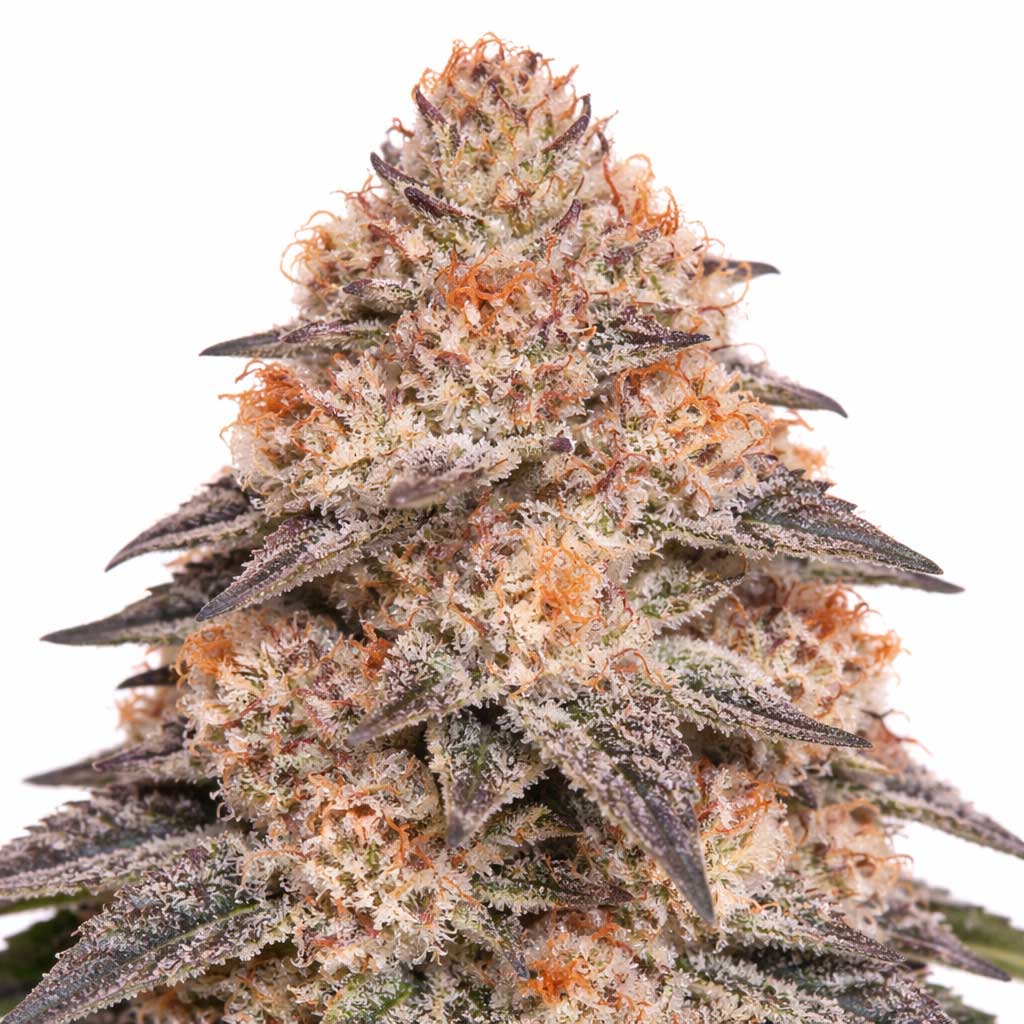
Recognized for its precision terpene identity, Cherry Zamurai combines the tart cherry brightness of Cherry Pie with the woody incense and fuel-heavy depth of the Samurai line. It is widely associated with dense spear-shaped flowers, a silvery trichome coat, and a controlled transition from euphoric mental clarity into calm physical weight. The information below is provided strictly for scientific and botanical reference.
Quick Facts
| Feature | Details |
|---|---|
| Genetics | Cherry Pie × Samurai Kush |
| Variety | Indica-dominant hybrid |
| THC Range | 23%–27% |
| Flowering Time | 8–9 weeks (56–63 days indoors) |
| Yield Potential | 450–500 g/m² (Moderate) |
| Primary Terpenes | Caryophyllene, Humulene, Limonene |
| Vibe | Fast euphoric lift that settles into meditative physical calm |
Scientific & Botanical Overview
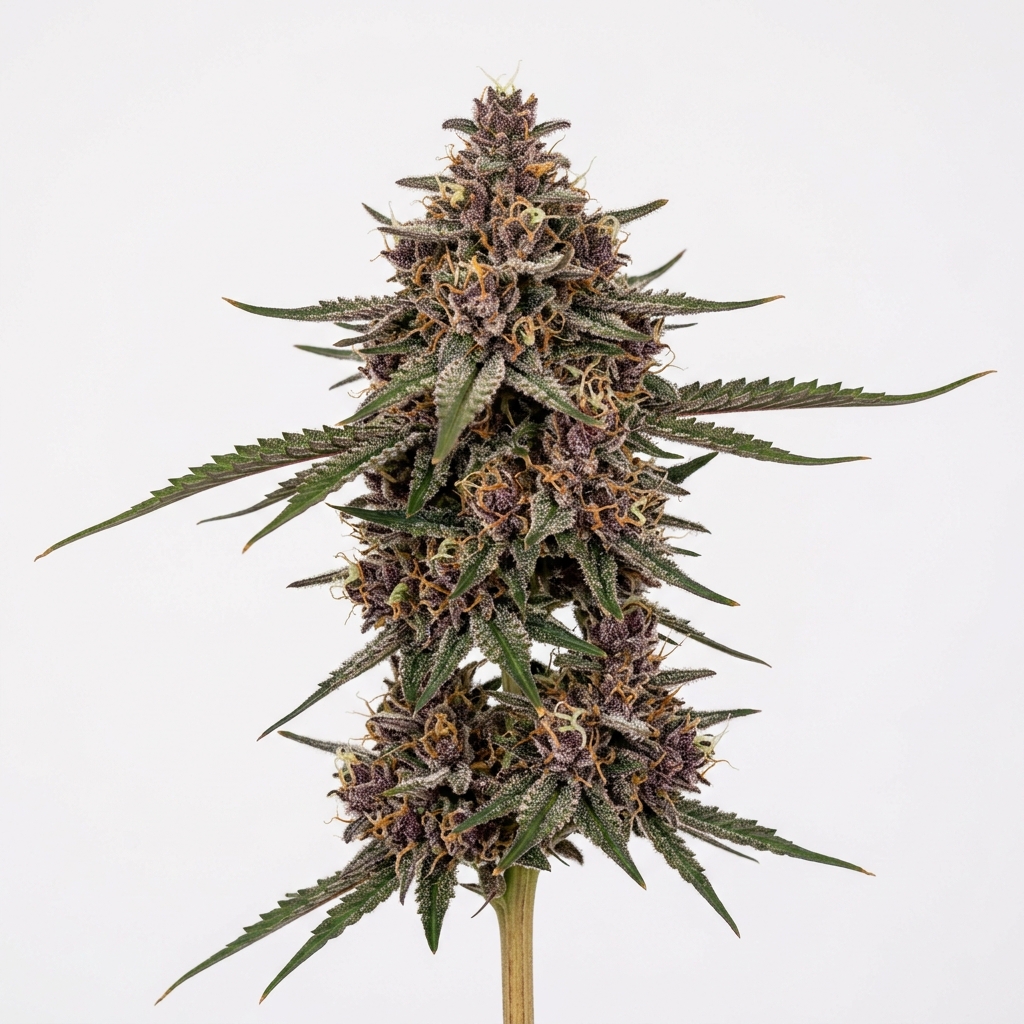
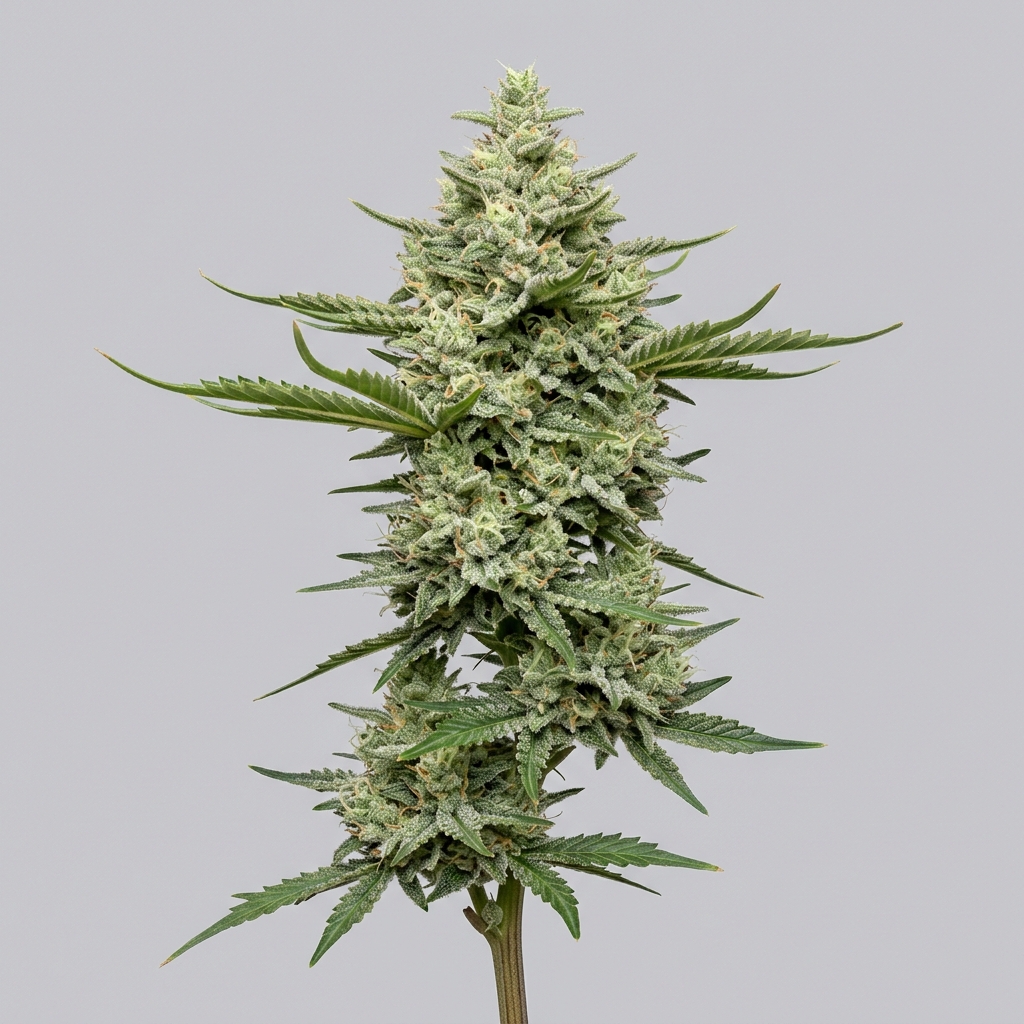
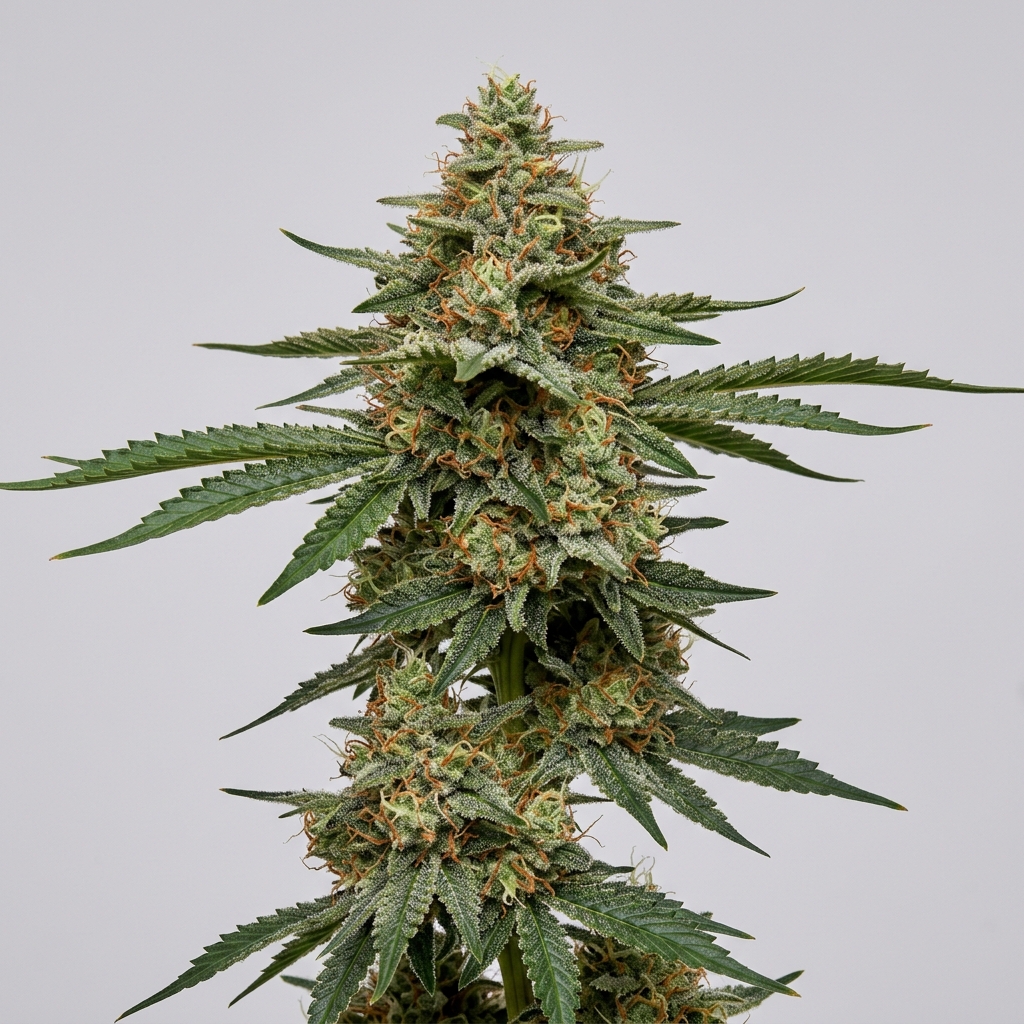
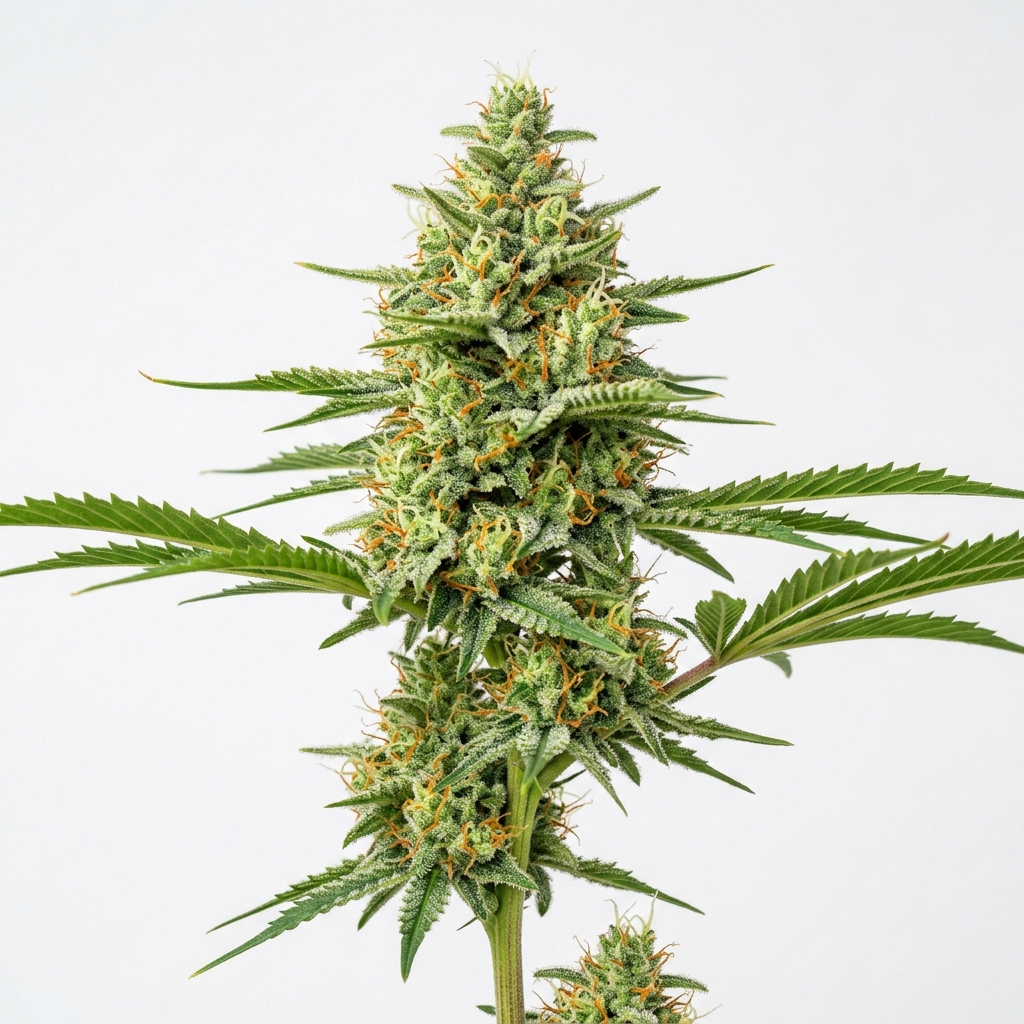
Cherry Zamurai plants typically show a dense, battle-ready structure with thick rigid stems, dark emerald foliage, and compact flower spacing. The buds are often spear-like, heavily stacked, and coated in a sticky layer of resinous trichomes that creates a silvery-white appearance. This compact architecture gives the cultivar a distinctly boutique visual profile while supporting its reputation for density and weight.
Botanically, Cherry Zamurai is notable for pairing sweet fruit esters with a sharper sesquiterpene-driven backbone. Its terpene profile is often associated with caryophyllene and humulene expression, which help create the woody, peppery, incense-like contrast to the sweeter cherry top notes. This combination gives the cultivar a more structured and focused sensory identity than softer dessert-style cherry hybrids.
Cherry Zamurai is especially notable because it appears designed to deliver strong physical grounding and aromatic precision without collapsing entirely into heavy lethargy.
Effects & Use-Cases (Reported)
Commonly reported effects: a sudden euphoric mental strike, sharpened awareness, and a pervasive body calm often described as meditative, heavy, and composed rather than fully sedating.
Use-case context: Cherry Zamurai is most often associated with early evening sessions, contemplative downtime, yoga, decompression after mentally demanding work, and low-key environments where users want to quiet the mind without immediately shutting down. Many experienced consumers describe it as physically substantial but still mentally organized.
Note: These observations are anecdotal reports and should not be interpreted as medical claims.
Aroma & Flavors
Aroma: A pungent blend of fermented black cherries, old-growth sandalwood, and sharp metallic OG-style fuel.
Flavor: The inhale is commonly described as tart and fruity with cherry and plum notes, while the exhale turns drier, spicier, and woodier with lingering black pepper character.
Terpene associations: Caryophyllene, Humulene, and Limonene.
Tested Cannabinoid & Terpene Ranges
| Compound | Typical Range* | Notes |
|---|---|---|
| Δ9-THC | 23.0%–27.0% | Potent and consistent range often associated with high-impact boutique flower |
| Caryophyllene | ~0.8%–1.3% | Adds spicy sharpness and helps ground the physical experience |
| Humulene | ~0.4%–0.7% | Supports woody incense notes and the calmer meditative tone |
| Limonene | ~0.3%–0.6% | Provides a subtle citrus lift to the darker cherry-fuel profile |
*Ranges are literature-informed references and may vary by phenotype, harvest timing, and cultivation environment.
Cultivation Notes
- Structure: Compact, sturdy plants with rigid stems and dense canopy formation
- Flower Formation: Spear-shaped, resin-heavy buds with strong density and boutique finish quality
- Climate Preference: Temperate or controlled indoor environments are often favored for preserving aromatic complexity
- Nutrition: Moderate feeder that is commonly reported to respond well to stable nutrient cycles and organic amendments
- Training: Lollipopping and selective pruning are often used to focus energy into primary colas and improve airflow
Grower Notes (Week-by-Week Snapshot)
- Weeks 1–2 (Transition): Minimal vertical stretch is typical as the plant builds a compact, sturdy canopy and thickens branch structure.
- Weeks 4–6: Flower development intensifies and the incense-fruit aroma becomes increasingly noticeable as resin production builds.
- Weeks 7–9: Final finishing phase, where buds harden significantly and trichome heads become more bulbous and amber-flecked near maturity.
- Harvest Window: Outdoor harvest is generally targeted for late September to early October in the Northern Hemisphere.
- Post-Harvest: A slow dry around 16–18 °C and 60% RH is often recommended to help preserve the woody incense and sandalwood-like aromatic detail.
Genetic Lineage
Cherry Zamurai is commonly described as a cross between Cherry Pie and Samurai Kush. Cherry Pie contributes tart fruit character, mood-lifting brightness, and part of the cultivar’s cherry-forward identity. Samurai Kush, often associated with elite OG-derived stock, contributes the sharper incense profile, fuel undertones, denser physical weight, and the sturdy structural integrity that defines the cultivar’s name and feel.
This pairing helps explain why Cherry Zamurai feels more disciplined, woody, and physically grounded than softer cherry hybrids while still retaining a clear fruit signature.
Research Insights
Cherry Zamurai is notable in discussions around Humulene-Caryophyllene synergy. This terpene combination is often associated with a more centered, grounded experience that can feel physically deep without immediately turning into full sedation. In Cherry Zamurai, that darker terpene structure appears to be balanced by a lighter fruit-lift from limonene and cherry esters.
From a breeding and market standpoint, Cherry Zamurai reflects a growing premium interest in cultivars that combine fruit familiarity with sharper incense, wood, and OG-driven complexity. It represents a more structured and contemplative direction within the broader cherry strain category.
Frequently Asked Questions
Why is it called Cherry Zamurai?
The name is generally linked to its sharp aromatic profile, disciplined structure, and focused, precision-like mental effects paired with cherry-forward flavor.
Is Cherry Zamurai better for day or night?
While technically a hybrid, it is usually considered better suited for the evening because of its heavier physical calm and more meditative overall tone.
How does Cherry Zamurai taste?
It is commonly described as tart cherry and plum on the inhale, followed by woody incense, spice, pepper, and fuel on the exhale.
What makes Cherry Zamurai stand out?
Its standout traits include dense spear-shaped buds, tart cherry and sandalwood aroma, silvery resin coverage, and a meditative effect profile that feels heavy without immediate couch-lock.
Educational Disclaimer
This page is provided for scientific and horticultural reference only. Cannabis laws vary by jurisdiction; always ensure compliance with local regulations.
Rate and review this strain
Ratings and reviews are accepted only from signed-in Google accounts.
Sign in with Google to leave a rating and written review.
Latest Reviews
0 reviewsNo reviews yet. Be the first Google user to rate and review this strain.