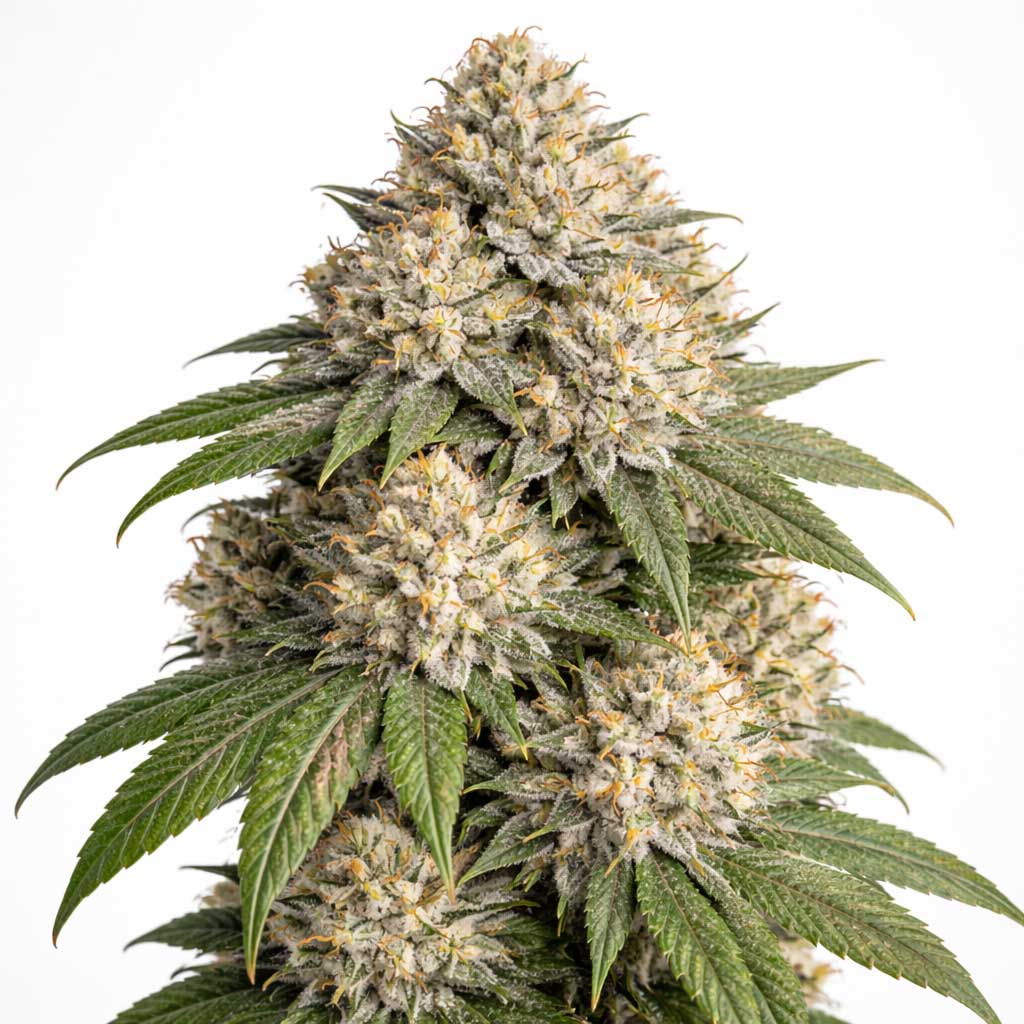
Coconut Milk (Cannabis Strain)
Coconut Milk is a modern, dessert-leaning indica-dominant hybrid cannabis cultivar often described at approximately 70% indica / 30% sativa. While multiple breeders have used the name, the most widely referenced version is commonly described as a cross between Cereal Milk and (Jungle Cake × GMO), a pairing built to combine creamy dessert sweetness with deeper fuel-heavy potency.
Celebrated for its tropical creaminess, pastry-like aroma, and high-potency resin production, Coconut Milk has gained traction in modern boutique cannabis discussions for blending vanilla-coconut sweetness with a pungent, noxious gas finish. It is especially valued for indulgent flavor, frosty presentation, and a rich, body-oriented late-session experience. The information below is provided strictly for scientific and botanical reference.
Quick Facts
| Feature | Details |
|---|---|
| Genetics | Cereal Milk × (Jungle Cake × GMO) |
| Variety | Indica-dominant hybrid (approx. 70% indica / 30% sativa) |
| THC Range | 27%–30% |
| Flowering Time | 9–11 weeks (63–77 days indoors) |
| Yield Potential | 400–550 g/m² (moderate to high) |
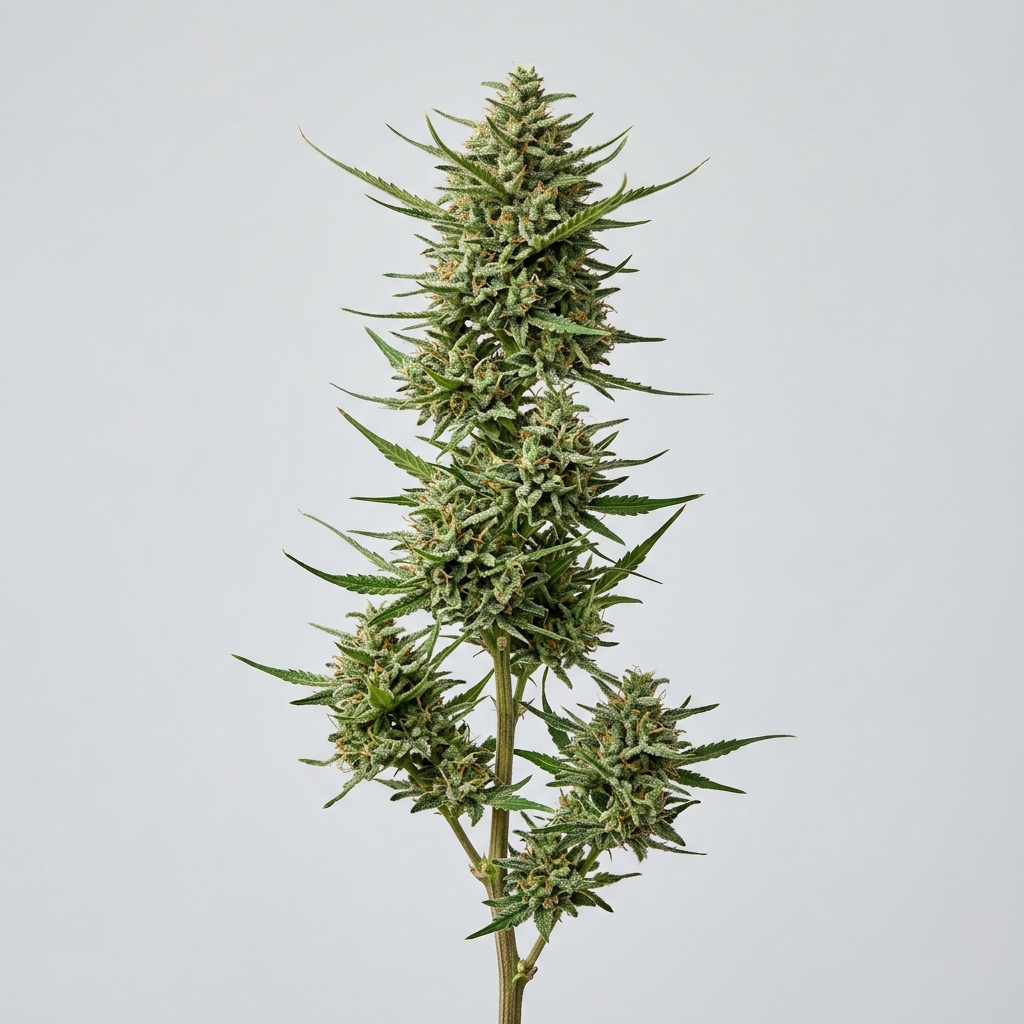
| Plant Height | 100–140 cm; dense, resinous structure |
| Climate Preference | Warm, controlled indoor; often favored for terpene preservation |
| Difficulty | Intermediate; benefits from stable feeding and careful environmental management |
| Vibe | Creamy euphoric lift followed by appetite stimulation and a deep body-heavy finish |
Scientific & Botanical Overview
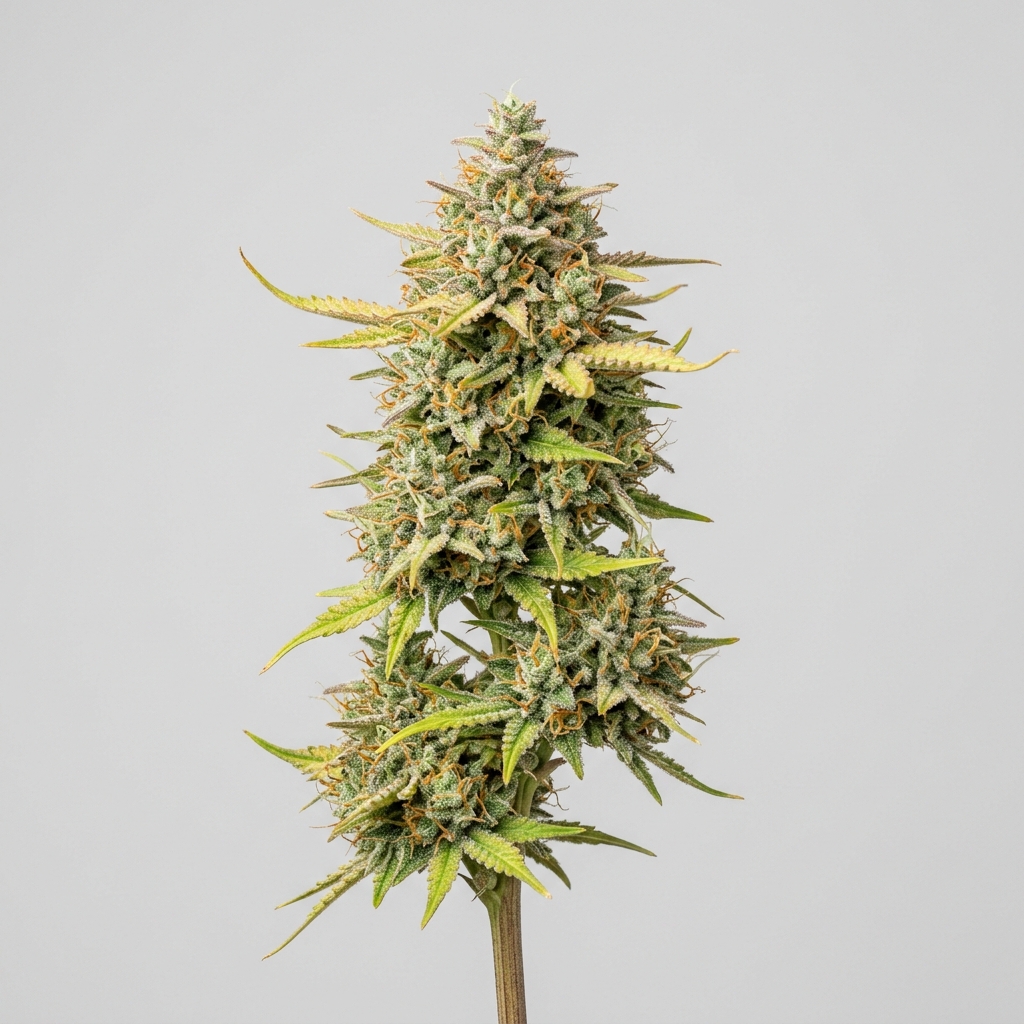
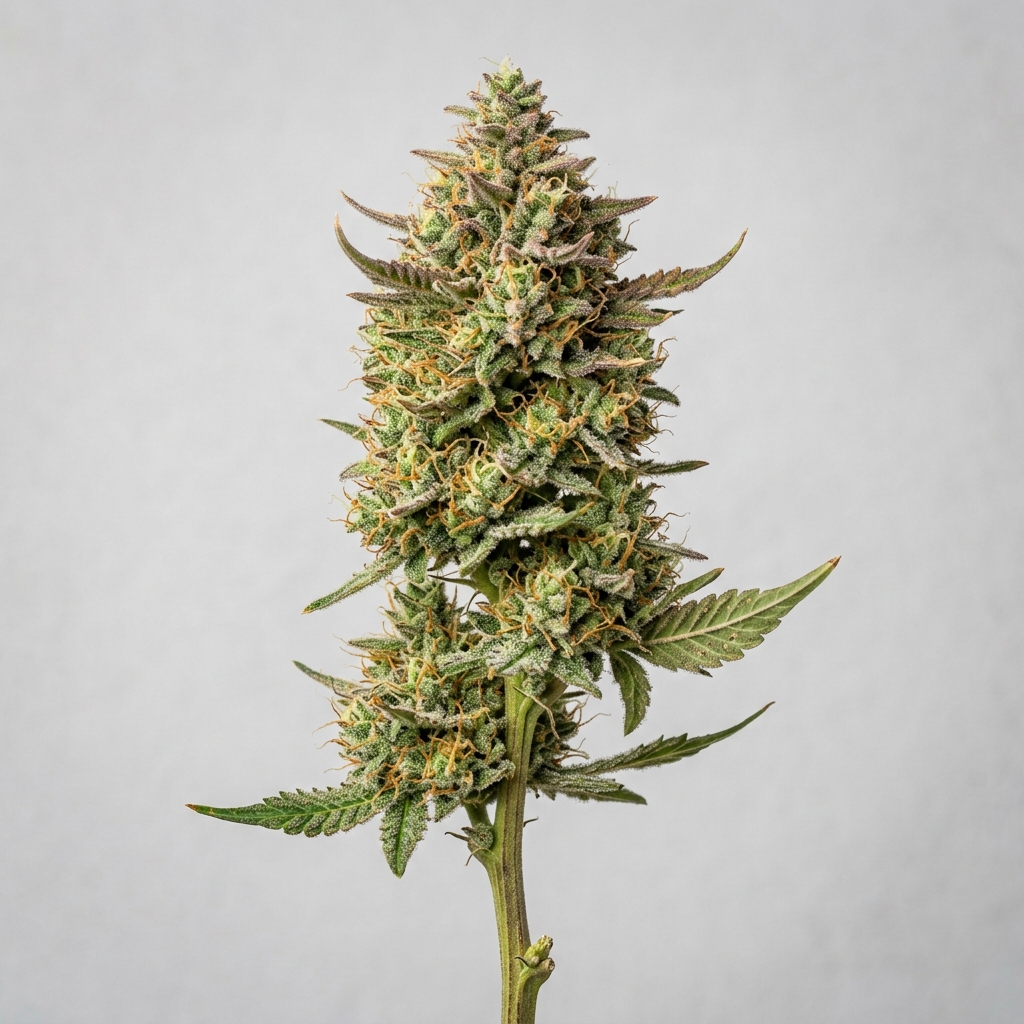
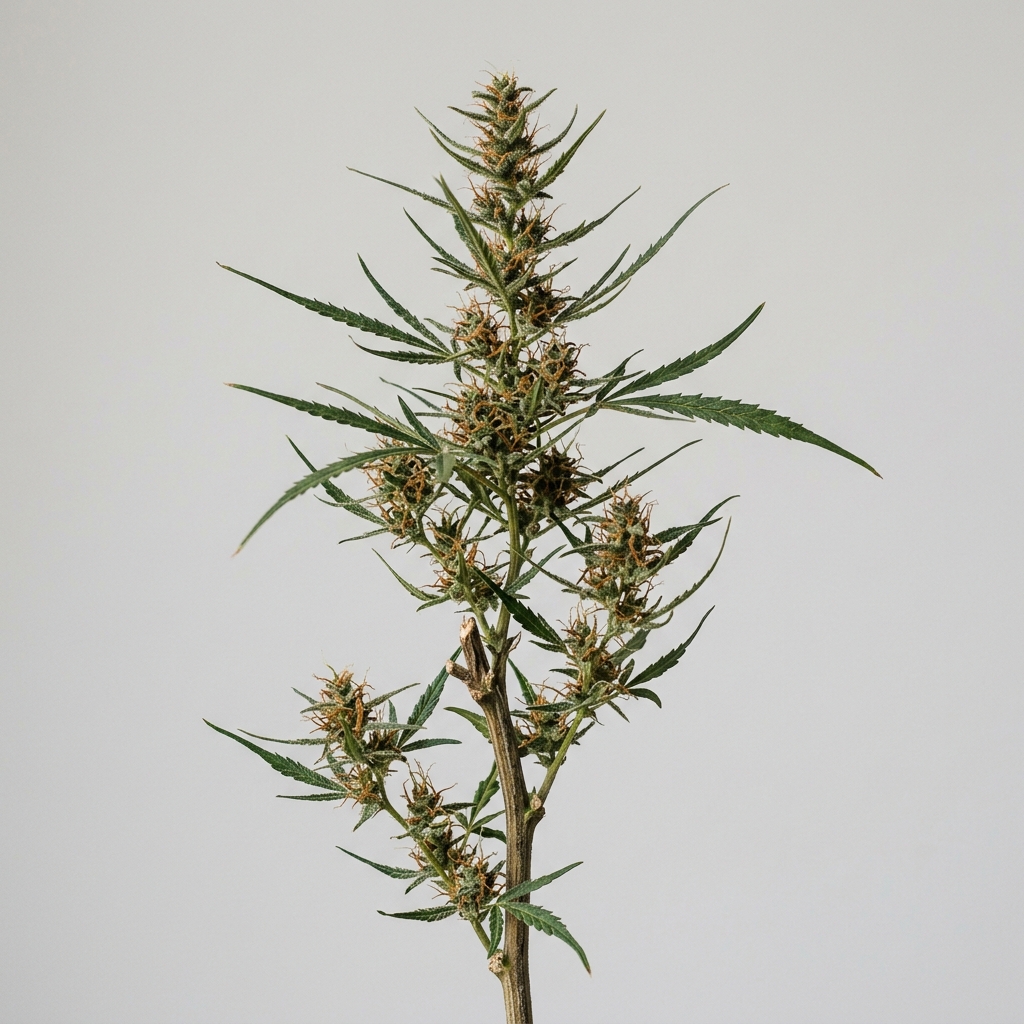
Coconut Milk is a dense, resin-forward cultivar known for chunky, spade-shaped flowers and a thick coating of large-headed trichomes. The plants typically carry deep forest-green foliage, with some phenotypes showing subtle lavender streaks or darker tonal shifts during the late ripening phase. This heavy frost and dense floral formation support the cultivar’s reputation for high-end boutique bag appeal.
Botanically, Coconut Milk is especially notable for combining the sugary “milk” sweetness of Cereal Milk with the heavier gas, structure, and physical depth associated with Jungle Cake and GMO. The result is a polyhybrid expression that feels both dessert-forward and aggressively modern, pairing creamy esters with deeper savory-fuel undertones. Its aromatic profile is often described as unusually lactonic or creamy, which helps distinguish it from more common fruit-only dessert hybrids.
Coconut Milk stands out because it merges tropical dessert sweetness, creamy pastry notes, and pungent fuel-heavy depth into a single profile that feels both indulgent and distinctly potent.
Effects & Use-Cases (Reported)
Commonly reported effects: profound euphoria, giggly mood elevation, appetite stimulation, physical relaxation, and a session arc that may begin relatively functional before settling into a heavier body stone.
Use-case context: Coconut Milk is often associated with creative mood-setting, social sessions, indulgent evening use, and relaxed environments where flavor and atmosphere matter as much as potency. Many users describe it as carefree and highly enjoyable early in the session, though stronger batches are often noted for eventually becoming more physically grounding and mentally foggy.
Note: These observations are anecdotal reports and should not be interpreted as medical claims.
Aroma & Flavors
Aroma: A layered bouquet of creamy vanilla, toasted coconut, sugary cereal milk sweetness, spicy earth, and a pungent diesel-fuel undertone.
Flavor: The inhale is often described as smooth, creamy, and custard-like with coconut and sweet cherry accents, while the exhale becomes nuttier, spicier, more savory, and faintly gassy.
Terpene associations: Caryophyllene, Myrcene, and Limonene.
Tested Cannabinoid & Terpene Ranges
| Compound | Typical Range* | Notes |
|---|---|---|
| Δ9-THC | 27.0%–30.0% | Exceptionally high potency range associated with elite modern dessert-forward hybrids |
| CBD | 0%–1% | Typically minimal CBD presence, consistent with high-THC boutique cultivars |
| Caryophyllene | 0.8%–1.5% | Contributes spicy depth, savory weight, and a stronger body-focused finish |
| Myrcene | 0.6%–1.0% | Supports tropical sweetness and the cultivar’s more relaxing physical character |
| Limonene | 0.4%–0.8% | Adds citrus brightness and may contribute to the euphoric early-session lift |
*Ranges are literature- and lab-report-informed references and may vary by phenotype, environment, harvest timing, and cultivation method.
Cultivation Notes
- Light Cycle: 18/6 during vegetative growth and 12/12 during flowering
- Humidity Targets: 45%–50% during flower, with strong airflow to reduce moisture buildup in dense buds
- Nutrition: Often described as a heavier feeder that responds well to bloom support and stable nutrient scheduling
- Training: Benefits from topping and selective defoliation to improve light penetration across interior flowering sites
- Airflow: Especially important in late bloom because of dense bud structure and high resin output
- Climate: Often performs best in warm, well-controlled indoor environments where terpene preservation is prioritized
Grower Notes (Week-by-Week Snapshot)
- Weeks 1–3 (The Transition): Moderate stretch usually occurs as the plant builds a sturdy frame for later flower weight.
- Weeks 4–6: Aroma begins shifting from fresh green notes into creamier, sweeter dessert territory, while resin becomes clearly visible.
- Weeks 7–10: Bud bulking intensifies and flowers become denser and harder, with fuel notes beginning to compete more strongly against the sweetness.
- Late Flower: Dense resin-coated flowers benefit from disciplined humidity management and careful inspection of inner structure.
- Post-Harvest: A slow, cool dry and patient cure are often considered essential for preserving the cultivar’s coconut-vanilla esters and developing its deeper funky-gas undertones.
Genetic Lineage
Coconut Milk is commonly described as a polyhybrid cross between Cereal Milk and (Jungle Cake × GMO). Cereal Milk contributes the sugary, creamy “milk” identity and dessert-like softness, while Jungle Cake and GMO reinforce stronger resin output, structural density, fuel-heavy complexity, and a more physically weighted finish. This layered parentage helps explain why Coconut Milk feels both luxurious and forceful at the same time.
This lineage is especially notable because it represents a contemporary breeding direction focused on combining playful pastry-like aromatics with unmistakably modern potency and savory gas. Rather than choosing between dessert sweetness and heavy impact, Coconut Milk is built to deliver both.
Research Insights
Coconut Milk is notable in cultivar discussions because it reflects the modern “exotic dessert” trend, where flavor complexity and raw potency are developed in parallel rather than separately. Its creamy aromatic profile suggests a strong role for layered esters and terpene interactions, while the heavier caryophyllene-myrcene foundation may help explain why the experience often shifts from euphoric and social into deeper body-oriented relaxation.
From a breeding perspective, Coconut Milk also illustrates how contemporary hybrids can create strong sensory illusion through chemistry alone. Although no actual coconut is present, the combination of sweet creamy top notes, toasted pastry character, and deeper savory-gas undertones can produce an unmistakably tropical dessert impression that has become highly desirable in boutique flower markets.
Frequently Asked Questions
Is Coconut Milk a true indica?
Technically it is usually described as an indica-dominant hybrid rather than a pure indica, though many reports characterize its body effects as strongly indica-leaning.
Does Coconut Milk actually taste like coconut?
It does not contain coconut, but many users describe a convincing toasted-coconut and creamy-dessert sensory impression created by its specific terpene and ester profile.
How strong is Coconut Milk?
Coconut Milk is generally considered very strong, with reported THC levels often ranging from the high 20s up to around 30% in stronger batches.
How long does Coconut Milk take to flower?
Coconut Milk typically finishes in about 9–11 weeks indoors, or roughly 63–77 days under flowering conditions.
Is Coconut Milk beginner-friendly?
It is more often considered intermediate than beginner-level because its dense flowers, heavier feeding demands, and terpene-sensitive finish benefit from careful environmental control.
Educational Disclaimer
This page is provided for scientific and horticultural reference only. Cannabis laws vary globally; ensure compliance with local regulations.
Rate and review this strain
Ratings and reviews are accepted only from signed-in Google accounts.
Sign in with Google to leave a rating and written review.
Latest Reviews
0 reviewsNo reviews yet. Be the first Google user to rate and review this strain.