Runtz Vuitton (Cannabis Strain) — Strainpedia
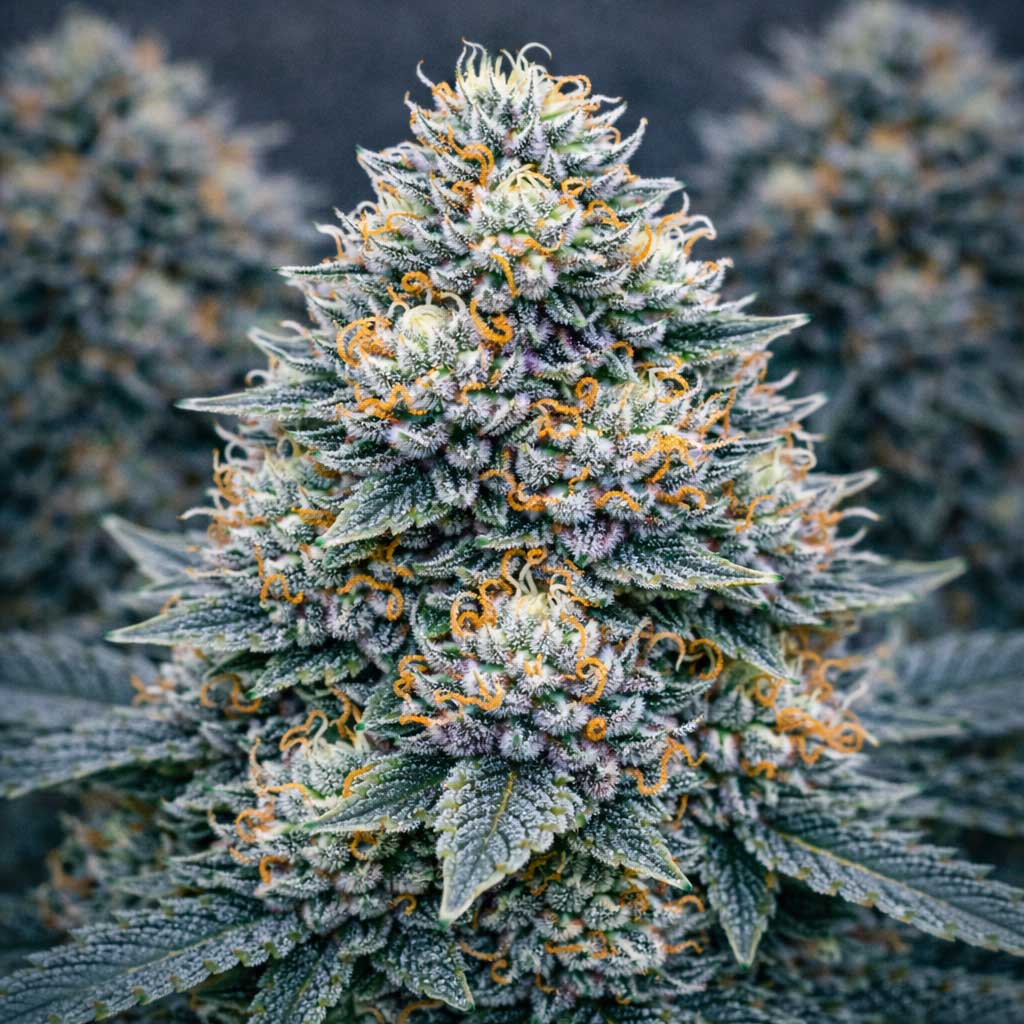
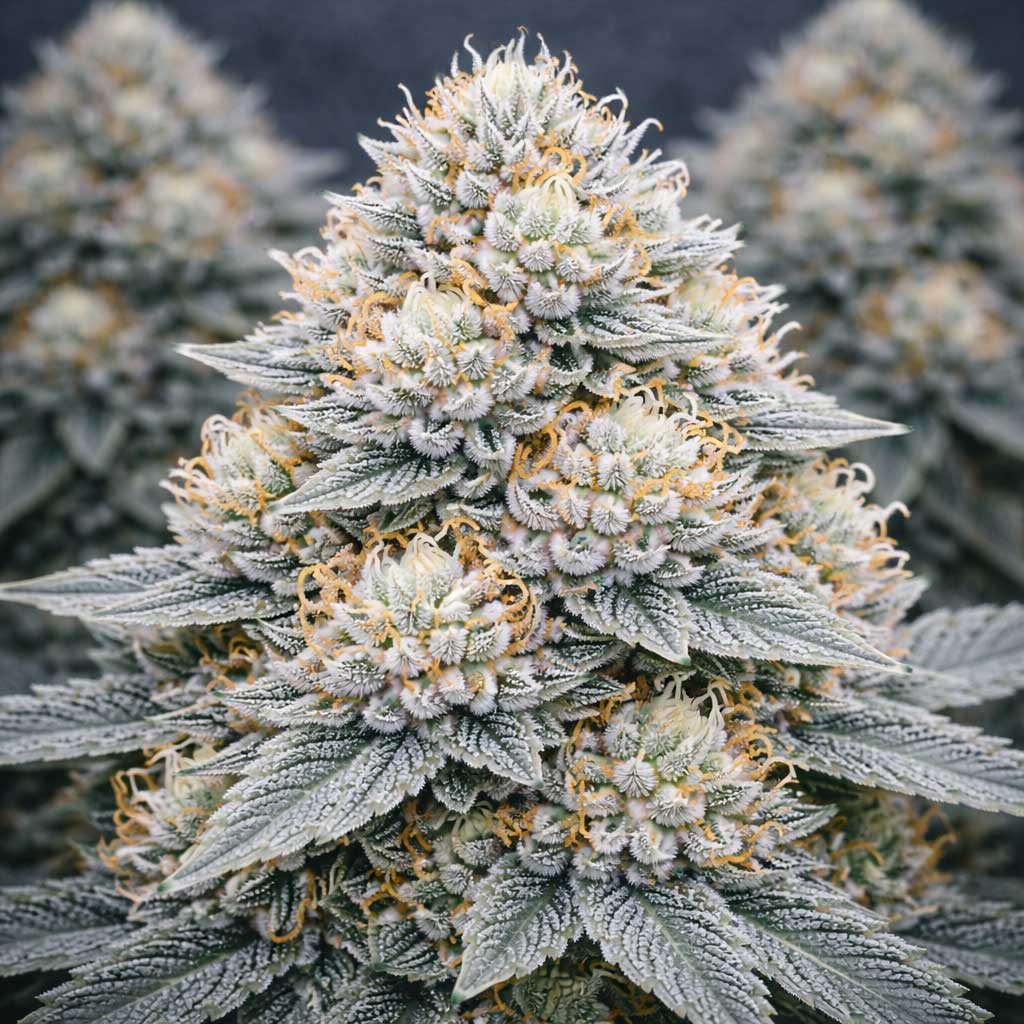
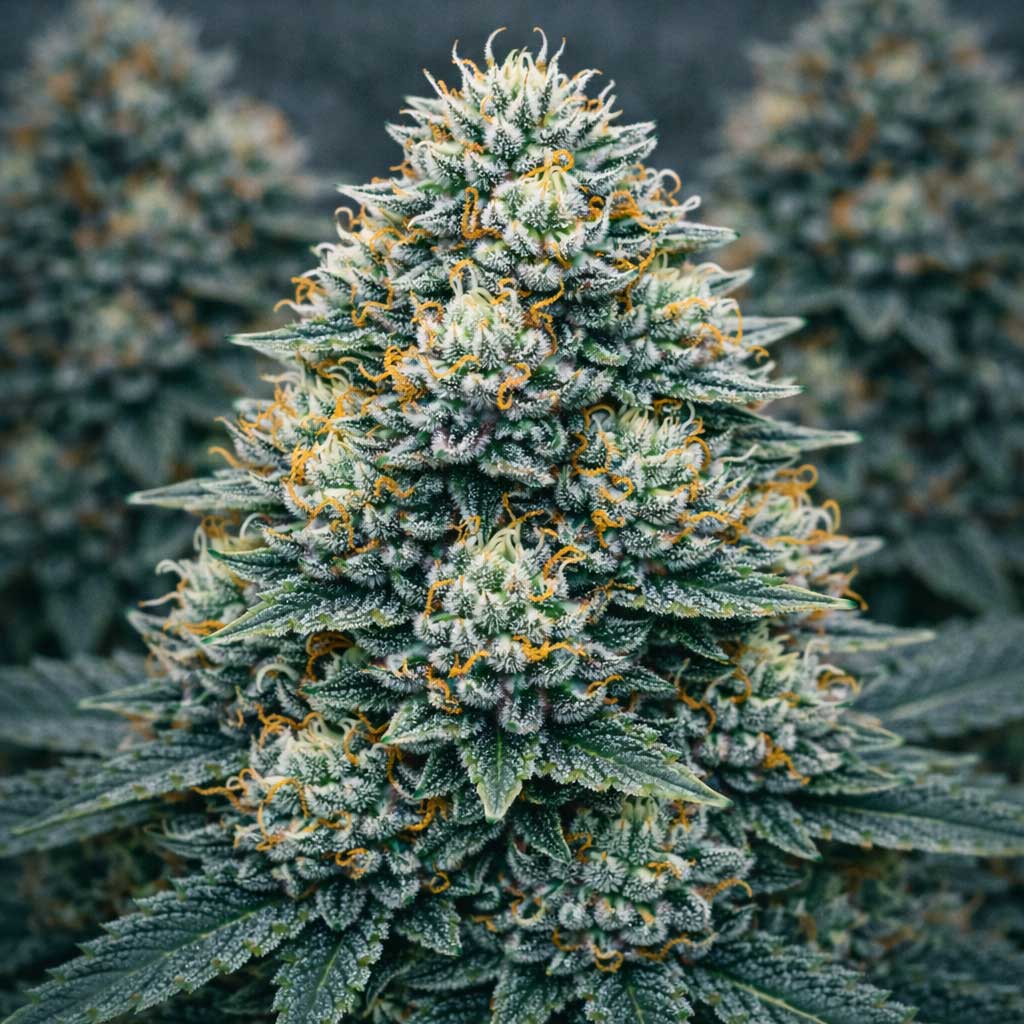
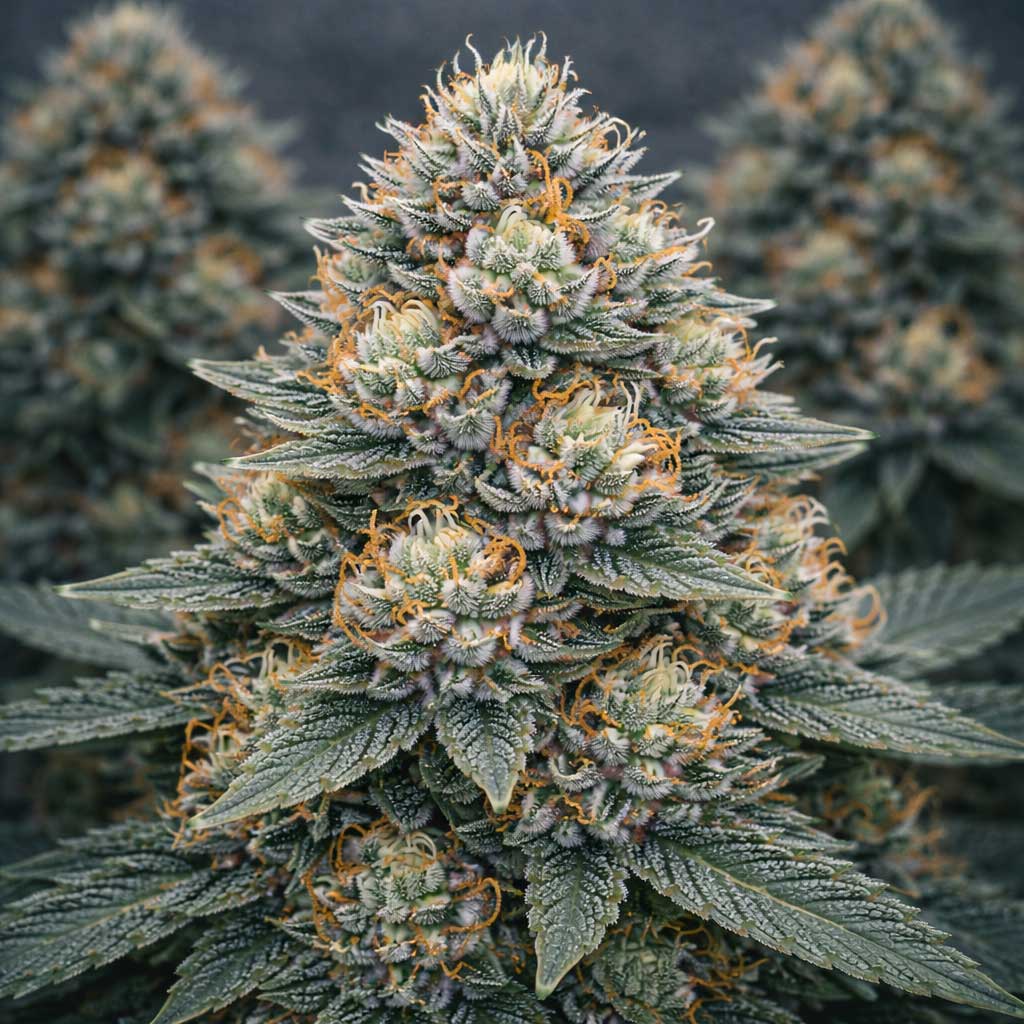
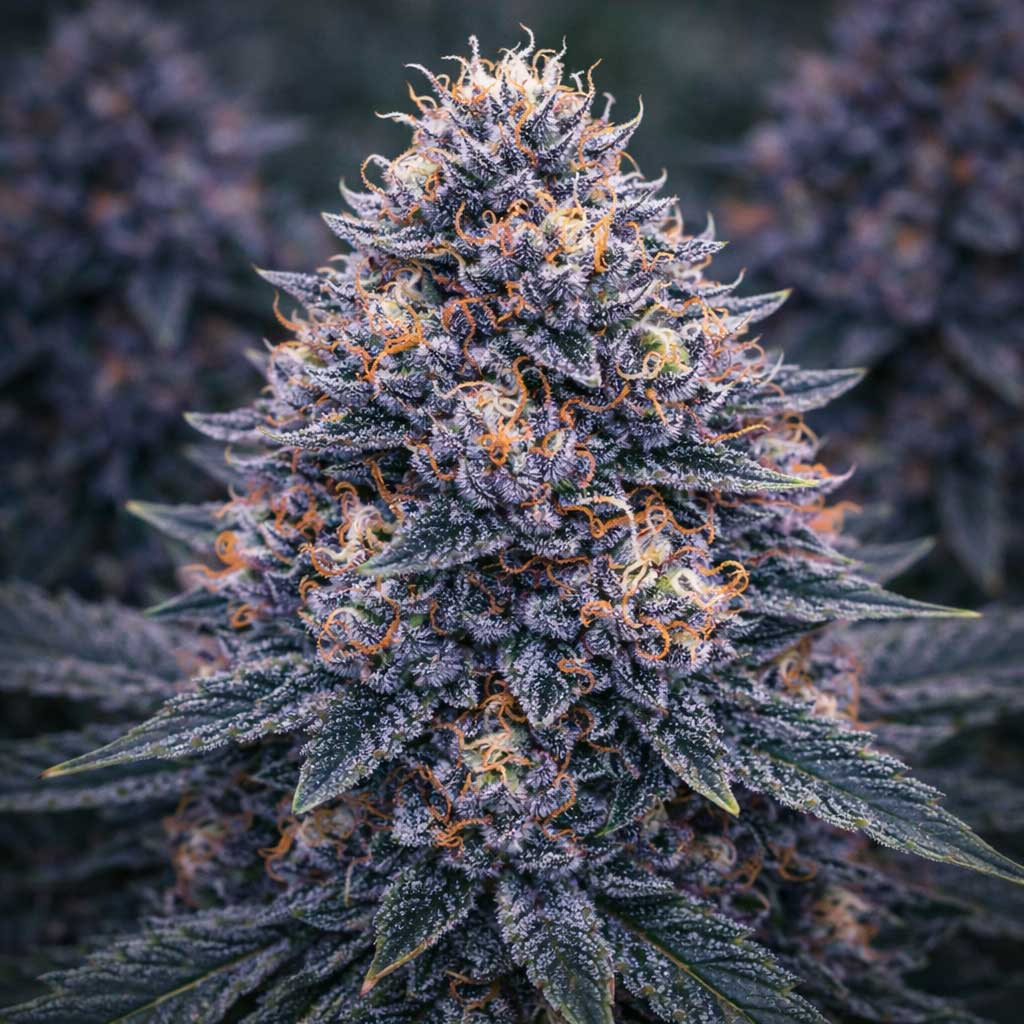
Runtz Vuitton is an ultra-premium Indica-Dominant Hybrid cultivar (often cited as ~70% Indica / 30% Sativa) positioned within the “designer” tier of the broader Runtz family. It is commonly described as a cross of Runtz x Leo, though some sources reference selections tied to Runtz x Gary Payton lineage depending on the breeder and cut. Recognized for deep violet coloration, dense resin coverage, and a perfume-like gassy sweetness, it is frequently referenced in botanical circles for anthocyanin expression and modern bag appeal. The information below is intended strictly for scientific and botanical reference.
Quick Facts
| Genetics | Runtz x Leo (or Runtz x Gary Payton phenotype, depending on cut) |
|---|---|
| Variety | Indica-Dominant Hybrid (approx. 70% Indica / 30% Sativa) |
| Flowering Time | 8–9 weeks (56–63 days indoors) |
| Yield Potential | 450–550 g/m² (Moderate to High) |
| Plant Height | 90–130 cm; compact, stocky, and laterally wide |
| Climate Preference | Temperate with a cooler finish (to enhance purple coloration) |
| Difficulty | Intermediate (Benefits from topping and canopy management) |
Scientific & Botanical Overview
Runtz Vuitton is commonly characterized by chunky, dark-toned flowers with heavy trichome coverage that can appear “platinum” under strong lighting. The plant structure is often reported as compact and shrub-like compared to more stretch-prone Runtz phenotypes. Deep purple to near-black hues are typically linked to anthocyanin expression, which may intensify when temperatures drop late in flower. Dense flower formation and high resin output are frequently cited as defining traits of this cultivar.
Effects & Use-Cases (Reported)
- Commonly reported effects: pronounced body-forward sensation, hazy cerebral euphoria, and notable appetite increase; sometimes described in consumer reports as “luxury relaxation.”
- Use-case context: often selected for late-night sessions or connoisseur-style use; individual tolerance and response vary.
- Note: These are observational reports, not medical claims; outcomes are not guaranteed.
Aroma & Flavors
- Aroma: a floral-gas bouquet combining perfume-like sweetness, sour grape/berry notes, and a creamy diesel undertone.
- Flavor: vanilla-cream and mixed berry on the inhale, followed by a sharper gassy finish that lingers.
- Terpene associations: limonene (dominant), caryophyllene, myrcene.
Tested Cannabinoid & Terpene Ranges
| Compound | Typical Range* | Notes |
|---|---|---|
| Δ⁹-THC | ~25–30% | High potency range reported in lab analyses; results vary by batch and phenotype. |
| CBD | ~0–1% | Generally present at low, trace levels. |
| Limonene | ~0.7–1.1% | Associated with bright citrus/perfume-like sweetness in the aromatic profile. |
| Caryophyllene | ~0.5–0.9% | Contributes spicy, gassy, and fuel-adjacent notes. |
| Myrcene | ~0.3–0.6% | Often associated with heavier, body-forward cultivar profiles. |
*Ranges are literature- and lab-report-informed references and can differ with environment, harvest timing, post-harvest handling, and analytical methods.
Cultivation Notes
- Light Cycle: 18/6 vegetative; 12/12 flowering
- Humidity Targets: ~40% during the final weeks of flower; dense buds benefit from strong airflow to reduce moisture retention.
- Nutrition: Often benefits from stable feeding with adequate potassium during mid-to-late flower; avoid abrupt swings in EC/pH.
- Training: Topping is commonly used to encourage lateral branching and a more even canopy; selective defoliation supports light penetration and airflow.
- Harvest Window: Late September to early October outdoors (Northern Hemisphere).
Grower Notes (Week-by-Week Snapshot)
- Weeks 1–2 (Transition/Stretch): typically moderate stretch; lollipopping and structure work help focus energy on top sites.
- Weeks 3–4: resin development becomes pronounced; canopy airflow becomes increasingly important.
- Weeks 5–6: coloration may shift from green to lavender/purple; aromatics often intensify toward floral-gas notes.
- Weeks 7–9: ripening phase; cooler night temperatures may enhance darker coloration if genetics and conditions allow.
- Post-Harvest: Many growers prefer a longer cure (often 2–3+ weeks) to fully develop creamy floral-gas aromatics.
Timelines shift with genotype and environment; prioritize plant health markers and trichome maturity over calendar counts.
Genetic Lineage
Runtz Vuitton is commonly described as a Runtz-family cultivar built from Runtz (Zkittlez x Gelato) crossed with Leo, with some sources referencing breeder cuts tied to Gary Payton lineage. These pairings are often cited as adding stronger gas-forward complexity and savory undertones to the sweet candy base typical of Runtz genetics.
Research Insights
Discussion of why some high-THC cultivars feel more body-forward than others is sometimes framed under the “entourage effect,” a proposed model exploring how cannabinoids and terpenes may interact. For Runtz Vuitton, consumer and cultivation reports frequently cite a limonene-forward aromatic profile with supporting terpenes such as caryophyllene and myrcene; however, chemical expression and perceived experience can vary by phenotype, batch, and individual response.
Frequently Asked Questions
Is Runtz Vuitton more Indica or Sativa?
Runtz Vuitton is generally classified as an Indica-Dominant Hybrid (often cited around 70% Indica), though exact ratios may vary by source and cut.
What does Runtz Vuitton smell and taste like?
It is commonly described as perfume-like floral sweetness layered with grape/berry notes and a distinct gassy or diesel undertone.
How long does Runtz Vuitton take to flower?
Runtz Vuitton typically flowers in 8–9 weeks (56–63 days) indoors.
Is it suitable for beginners?
Runtz Vuitton is often considered Intermediate. Dense flowers require steady airflow and humidity control late in bloom to minimize moisture risk.
How strong is it?
Reported lab tests commonly place it in a high-THC range (often ~25–30%), though potency varies by batch and phenotype.
Educational Disclaimer: This page is provided for scientific and horticultural reference only and does not constitute medical or promotional advice. Cannabis cultivation, possession, and use are regulated by local laws. Always comply with applicable legislation in your region.