Durban Z (Cannabis Strain)
Durban Z is a high-performance hybrid cultivar that represents a strategic fusion of old-world landrace genetics and modern poly-hybrid breeding. By crossing the “electric” Durban Poison with the terpene-heavy Zkittlez, breeders have produced a chemotype that offers a sophisticated aromatic profile of anise and tropical candy alongside a powerful, daytime-friendly effect.
In the 2026 boutique market, Durban Z is highly sought after by creative professionals and extractors for its unique volatile oil composition. It is a vigorous, tall grower that produces elongated, resin-saturated colas with a distinct lack of the sedative “heaviness” found in many modern hybrids. The information below is provided strictly for scientific and botanical reference.
Quick Facts
| Feature | Details |
|---|---|
| Genetics | Durban Poison × Zkittlez |
| Variety | Sativa-dominant Hybrid (~70/30) |
| THC Range | 20%–25% |
| Flowering Time | 9–10 weeks (63–70 days) |
| Yield Potential | 450–525 g/m² |
| Plant Height | 130–160 cm; tall, slender, and vigorous |
| Difficulty | Moderate (requires height management and patience) |
Scientific & Botanical Overview
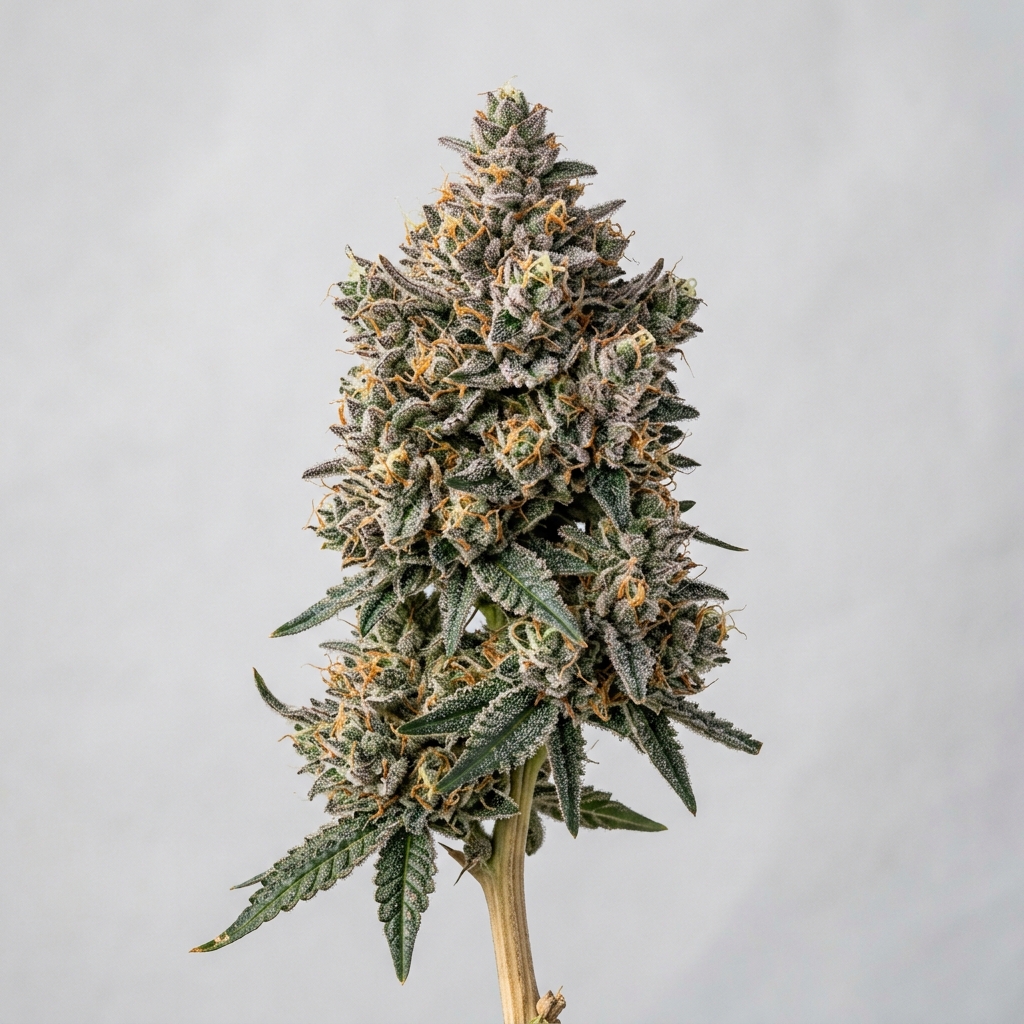
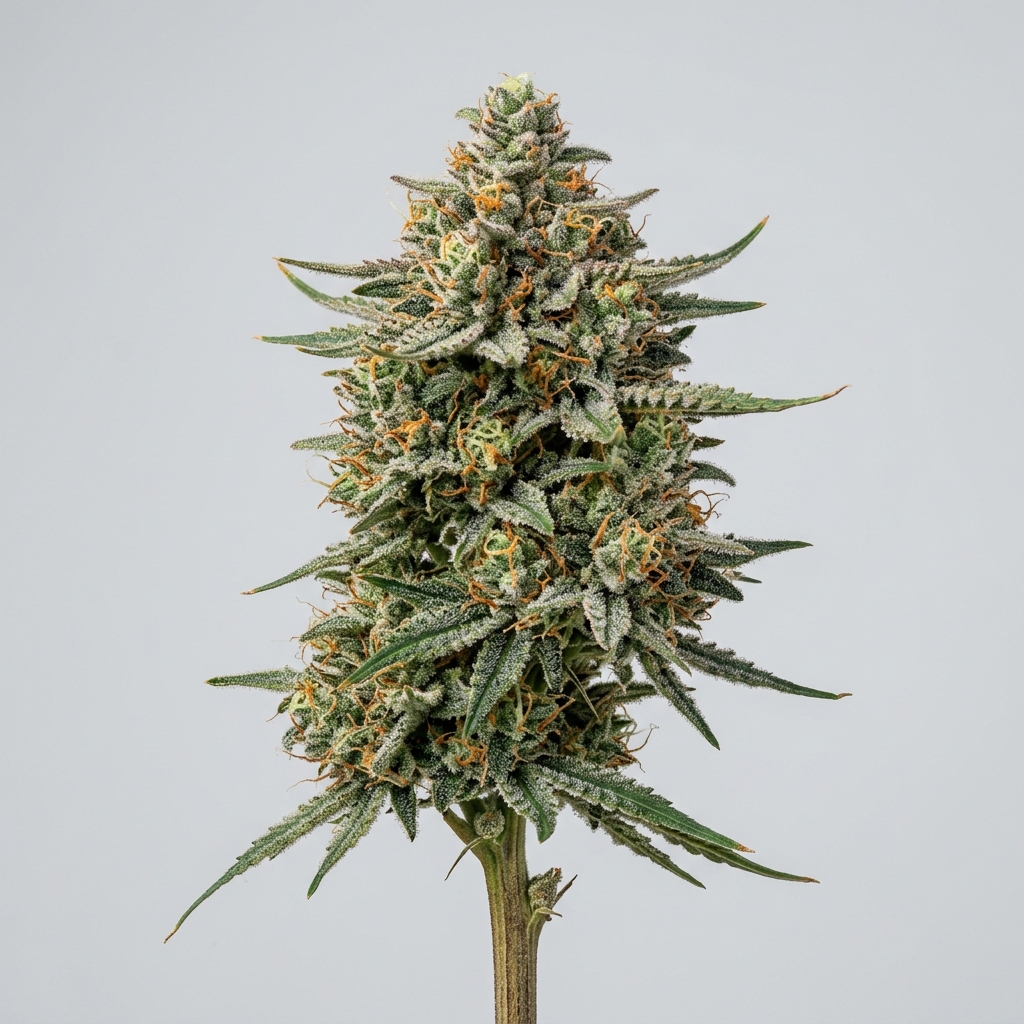
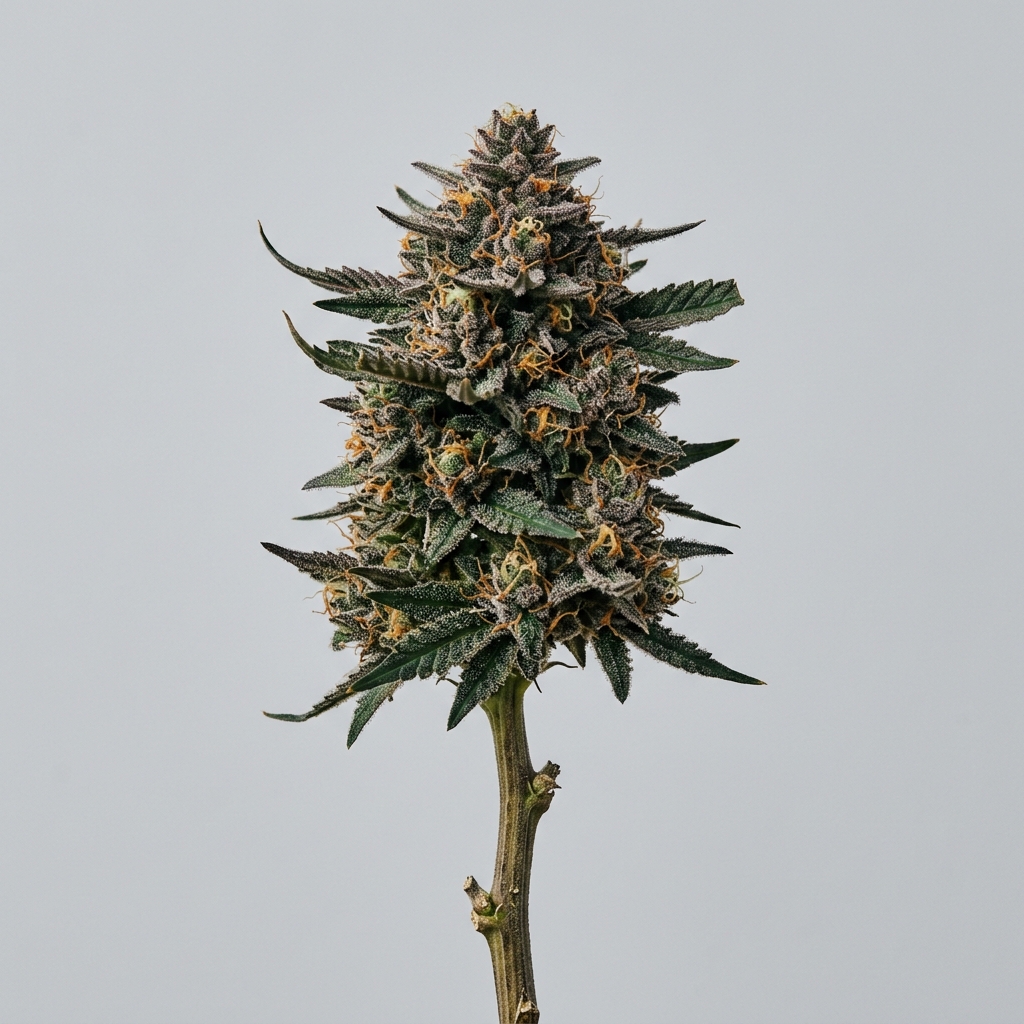
Durban Z exhibits a classic sativa-leaning morphology with narrow fan leaves and significant internodal stretching. The flowers are typically “spear-shaped” and exhibit a bright, neon-green hue with an abundance of vivid orange pistils. The trichome heads are remarkably oily, housing high concentrations of terpinolene, which contributes to its signature spicy-sweet scent.
The chemical profile is a masterclass in synergy; the terpinolene and pinene from the Durban lineage provide the soaring mental energy, while the limonene and caryophyllene from the Zkittlez parentage round out the experience with mood-elevating sweetness and a light physical serenity.
Effects & Use-Cases (Reported)
Commonly reported effects: An immediate, surging cerebral euphoria, heightened sensory perception, and a notable boost in creative focus. It is often described as “highly motivational.”
Use-case context: Frequently selected for artistic brainstorming, morning exercise, or as a natural energy booster for daytime social events. It is a premier “productivity” strain.
Note: These observations are anecdotal reports and should not be interpreted as medical claims.
Aroma & Flavors
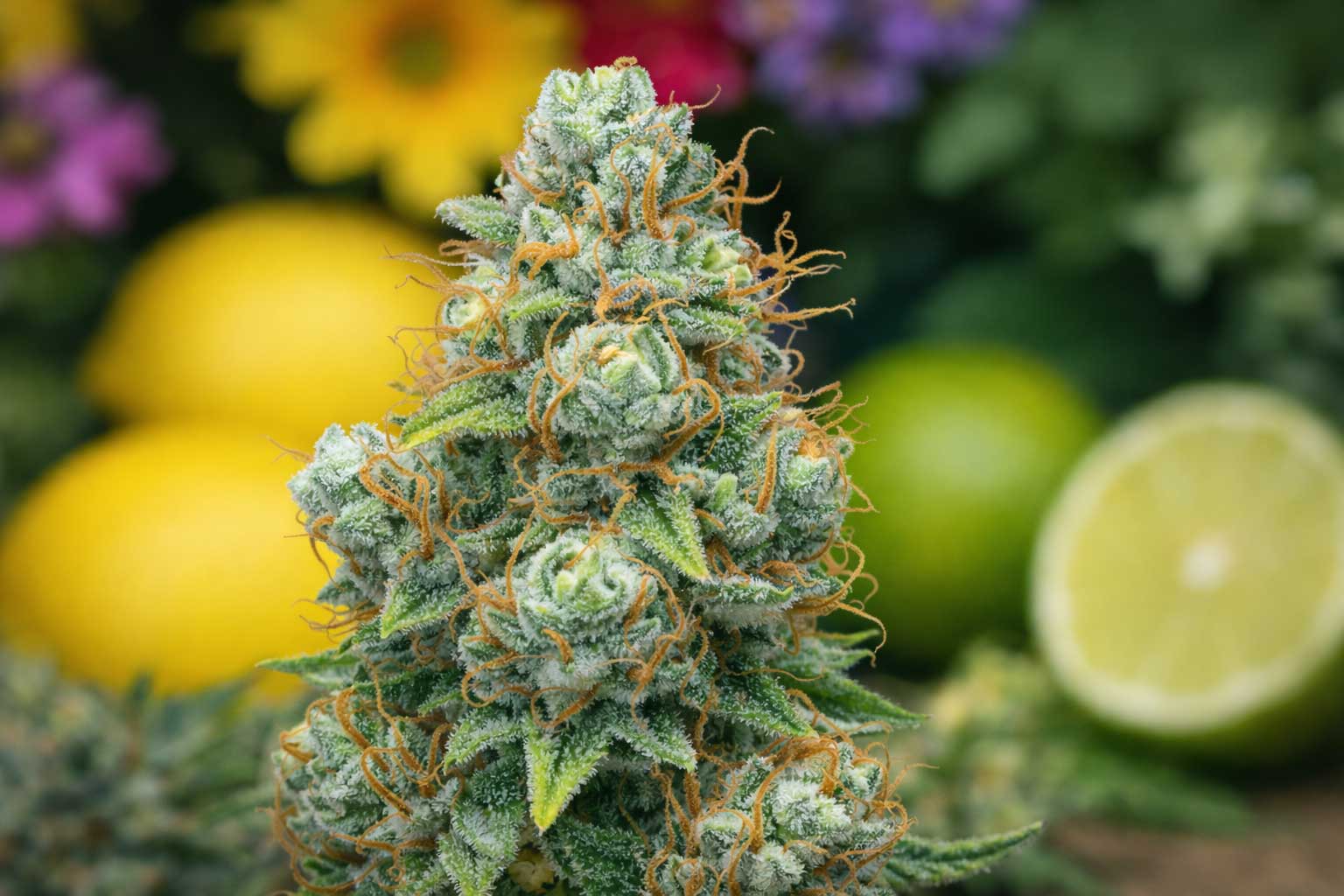
Aroma: Sweet licorice, spicy cloves, candied grapefruit, and a hint of forest pine.
Flavor: Sugary candy and anise on the inhale with a smooth, spicy, and herbal-gas exhale.
Terpene associations: Terpinolene, Limonene, Caryophyllene, and Pinene.
Tested Cannabinoid & Terpene Ranges
| Compound | Typical Range* | Notes |
|---|---|---|
| Δ9-THC | 20.0%–25.0% | Potent but functional for active lifestyles |
| Terpinolene | 0.8%–1.2% | Drives the spicy anise aroma and energetic effects |
| Limonene | 0.5%–0.8% | Adds the tropical candy and mood-lifting qualities |
*Ranges may vary by phenotype, cultivation environment, harvest timing, and analytical method.
Cultivation Notes
- Training: Topping and Screen of Green (SCROG) are essential to manage its aggressive 10-week stretch.
- Nutrients: Prefers a moderate, organic feeding schedule; excessive nitrogen late in flower can mute the “Z” candy terpenes.
- Flowering Time: Patience is required, as the aromatic complexity and resin density peak in the final 7 days.
- Airflow: Critical; while the buds are elongated, they can become quite dense, requiring consistent air movement.
Grower Notes (Week-by-Week Snapshot)
- Weeks 1–3: Explosive vertical stretch. Ensure you have adequate ceiling height early.
- Weeks 4–6: The “anise” and “fruit candy” scents begin to clarify. Resin starts to coat the fan leaves.
- Weeks 7–10: Buds swell and mature; the aroma becomes an intense, sugary-spice bouquet. Trichomes are clear and oily.
- Post-Harvest: A minimum 4-week cure is recommended to allow the complex spicy and sweet notes to fully harmonize.
Genetic Lineage
Durban Z is a genetic cross of Durban Poison and Zkittlez, merging landrace sativa energy with elite candy flavor.
Research Insights
This cultivar is currently featured in terpinolene-limonene interaction studies to observe how these specific terpenes influence cognitive alertness.
Frequently Asked Questions
Is it a Sativa or Indica?
It is a Sativa-dominant hybrid, known for providing energy, creative focus, and mental uplift.
What does it taste like?
Expect a unique combination of sweet tropical candy and spicy black licorice with a piney finish.
Is it easy to grow?
It is moderately difficult due to its height and longer flowering period, but highly rewarding for sativa enthusiasts.
Educational Disclaimer
This page is provided for scientific and horticultural reference only. Cannabis laws vary by jurisdiction; always ensure compliance with local regulations.
Rate and review this strain
Ratings and reviews are accepted only from signed-in Google accounts.
Sign in with Google to leave a rating and written review.
Latest Reviews
0 reviewsNo reviews yet. Be the first Google user to rate and review this strain.