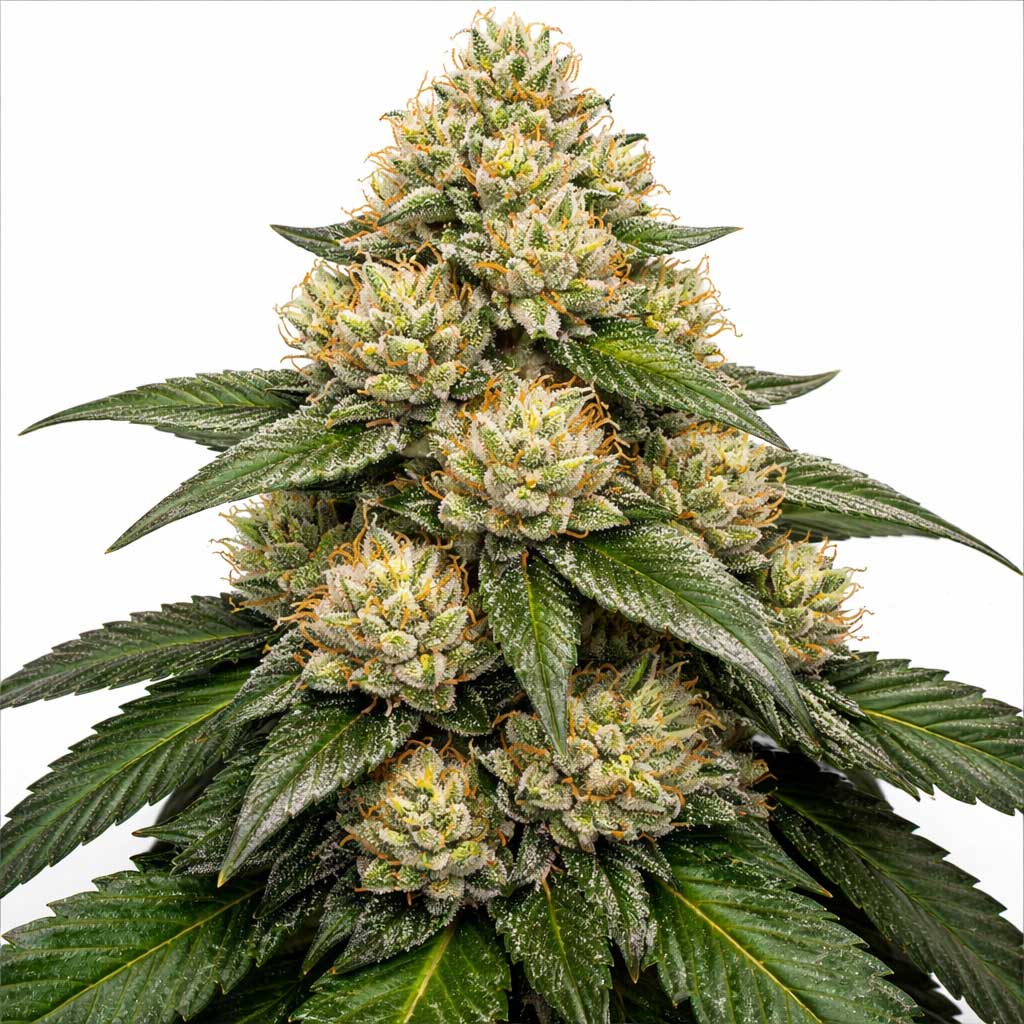
Big Bud Strain — Strainpedia
Big Bud is an indica-dominant hybrid cannabis strain made from Afghani #1 x Skunk #1 x Northern Lights, known for its oversized dense flowers, heavy-yield structure, and branch-support needs in late bloom. This Big Bud strain guide is provided strictly for scientific, botanical, and horticultural reference.
Quick Facts
| Genetics | Afghani #1 x Skunk #1 x Northern Lights |
|---|---|
| Variety | Indica-dominant hybrid (commonly listed around 85% indica / 15% sativa) |
| Flowering Time | Approximately 50–65 days indoors |
| Yield Potential | High; often prized for very heavy bud production |
| Plant Height | Short to medium indoors; taller outdoors depending on environment |
| Climate Preference | Warm Mediterranean-style outdoor climate / controlled indoor environment |
| Difficulty | Beginner to intermediate (benefits from branch support and humidity control) |
Scientific & Botanical Overview
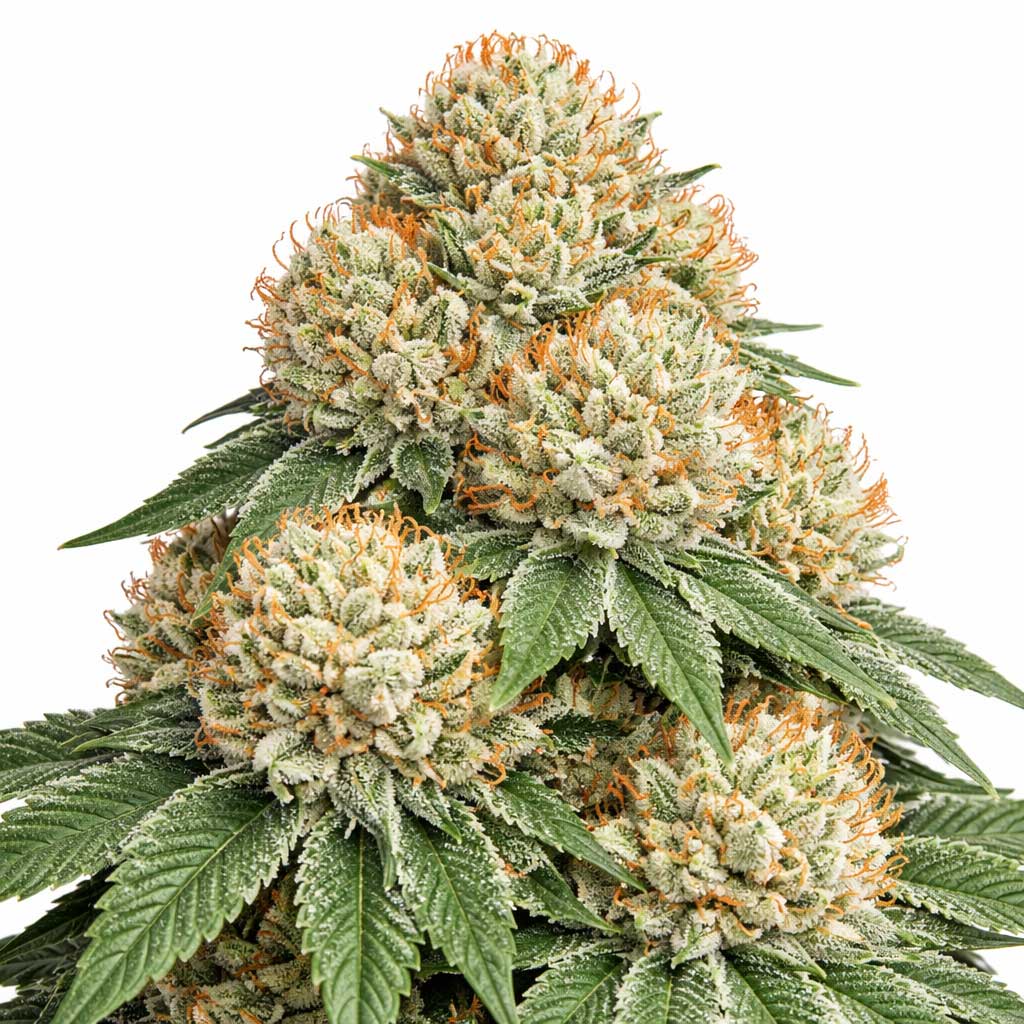
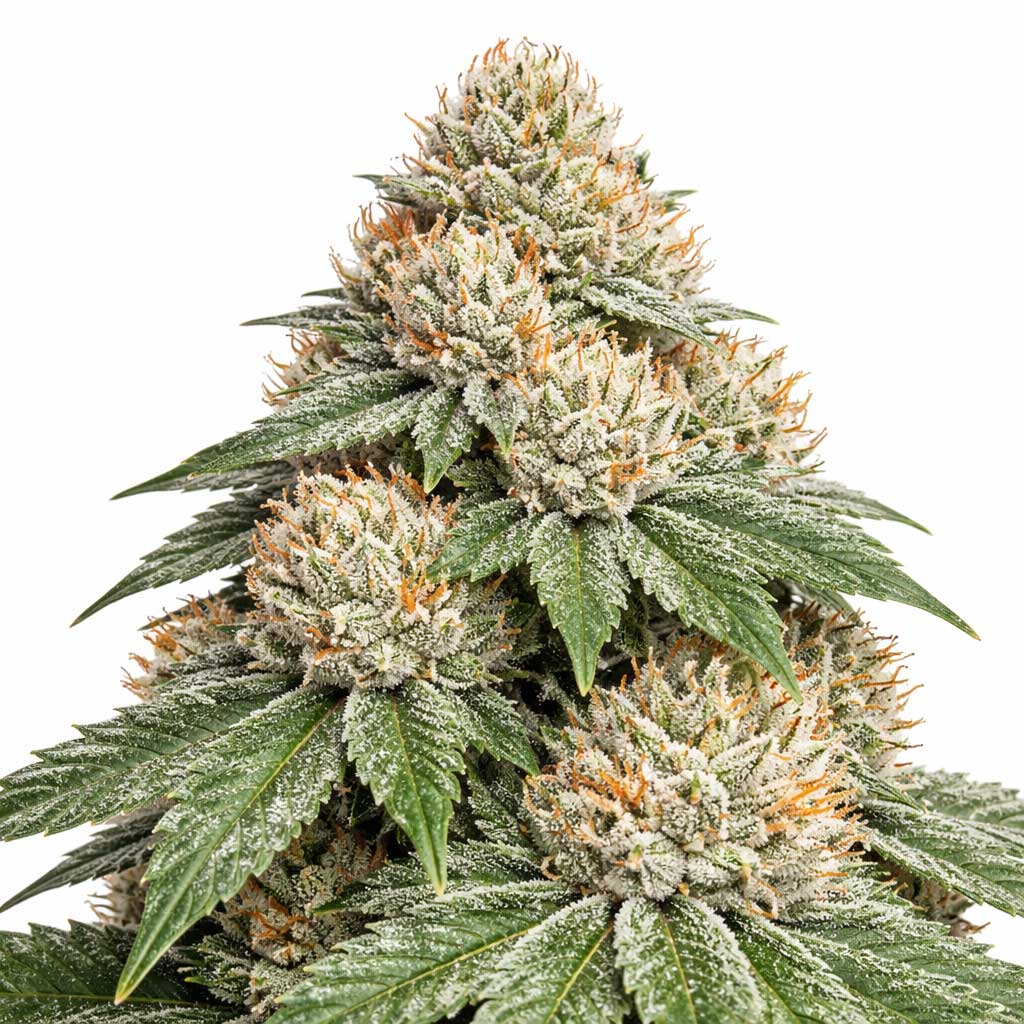
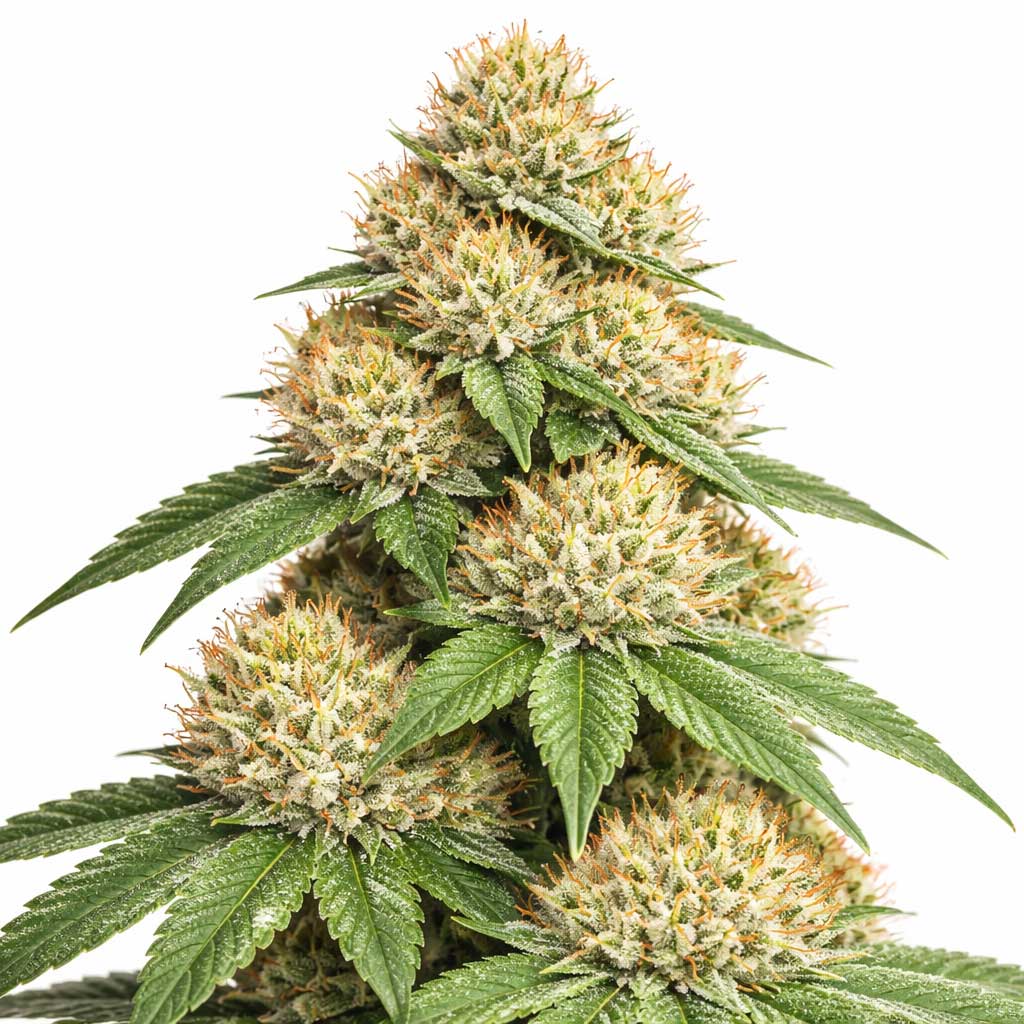
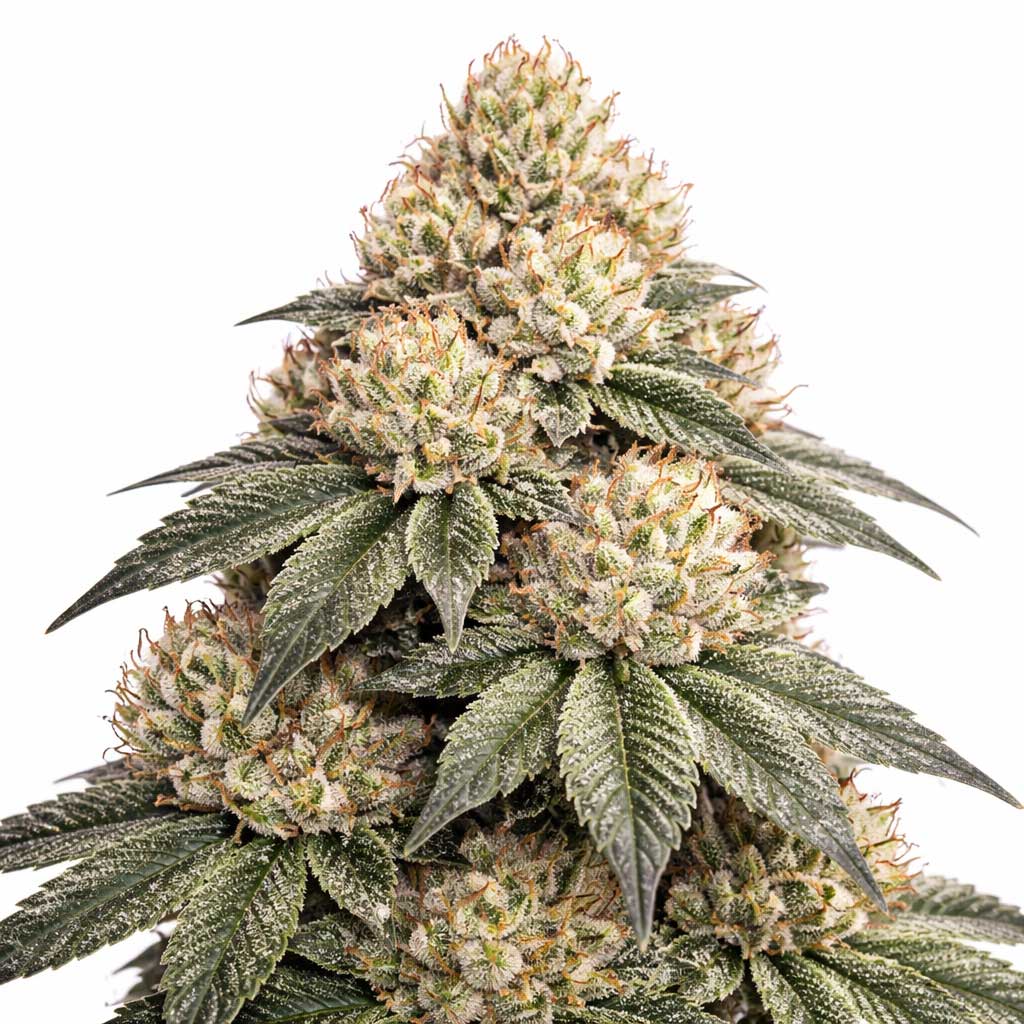
Big Bud is typically recognized for extremely swollen, dense flowers that form around a relatively narrow plant frame with fewer leaves than many comparable hybrids. The buds often develop as thick, heavy clusters with strong trichome coverage, and the overall structure is bred to favor flower mass over leafy bulk. Its morphology reflects the broad-bodied production of Afghani genetics, the vigor of Skunk #1, and the stabilizing, high-yield influence commonly associated with Northern Lights.

In cultivation and consumer-facing discussions, Big Bud is often described as a classic Big Bud weed strain because of its oversized flowers, fast finishing window, and reputation for bumper harvests. As with many long-established cultivars, phenotype expression may vary somewhat depending on breeder selection, environment, and finishing practices.
Effects & Use-Cases (Reported)
- Commonly reported effects: calm body relaxation, slower pacing, and a heavier finish at larger doses.
- Use-case context: often discussed for later-day sessions, quieter settings, or end-of-day unwinding where an indica-leaning profile is preferred.
- Note: These are observational reports, not medical claims; outcomes are not guaranteed.
Among users discussing Big Bud strain effects, the cultivar is often associated with a body-centered finish and a slower overall pace. Reported experiences can vary with dose, phenotype, terpene expression, tolerance, and environment.
Aroma & Flavors
- Aroma: sweet, fruity, skunky, and earthy.
- Flavor: sweet molasses-like fruit with earthy skunk depth.
- Terpene associations: sweet-skunky and earthy profiles are commonly reported across breeder and grow references.
Tested Cannabinoid & Terpene Ranges
| Compound | Typical Range* | Notes |
|---|---|---|
| Δ⁹-THC | Moderate to strong indica-leaning range | Potency varies by breeder line, phenotype, and growing method. |
| CBD | Typically low | Usually not the defining feature of the cultivar. |
| Dominant aroma profile | Sweet / fruity / skunky / earthy | Grower and breeder descriptions commonly emphasize sweet fruit and skunk depth. |
*Potency and terpene values can differ significantly with phenotype, environment, harvest timing, curing, and analytical method.
Cultivation Notes
- Light Cycle: 18/6 vegetative; 12/12 flowering
- Humidity Targets: around 45–50% in flower; steady airflow is recommended around dense tops
- Nutrition: moderate feeder; stable root-zone conditions help support larger flower development
- Training: sea of green, light canopy shaping, and branch support are commonly recommended because buds can become very heavy
- Harvest Window: generally mid- to late October outdoors, climate-dependent
Grower Notes (Week-by-Week Snapshot)
- Weeks 1–2 (Transition/Stretch): establish an even canopy early and plan support points for later flower weight.
- Weeks 3–4: flower sites begin swelling; monitor branch spacing and interior airflow.
- Weeks 5–6: buds bulk rapidly; staking or trellising may be needed as branch load increases.
- Weeks 7–8: aroma deepens into sweet fruit, earth, and skunk; keep humidity stable around the densest tops.
- Weeks 8–9: ripening phase for longer phenotypes; monitor trichome maturity and dry carefully to reduce moisture risk.
Timelines can shift with phenotype and environment; branch load, plant health, and trichome maturity remain more reliable than calendar estimates alone.
Big Bud Strain Review
Big Bud is often reviewed as a classic production-focused hybrid valued for massive flowers, fast indoor flowering, and strong harvest potential. In many Big Bud strain review discussions, it is described as a cultivar that stands out for oversized branch-bending buds, relatively few leaves, and reliable high-yield performance. Individual impressions can vary by phenotype, batch, and cultivation style.
Genetic Lineage
Big Bud is widely described in breeder and grow references as a three-way combination of Afghani #1, Skunk #1, and Northern Lights. This pairing helps shape the strain’s dense oversized flowers, short bloom cycle, and high-output indica-leaning framework. In general usage, Big Bud is widely recognized as a Big Bud marijuana strain built around heavy production, sweet-skunky flower, and strong late-flower branch load.
Research Insights
Current breeder and grow references consistently frame Big Bud as a classic high-yield cultivar with indica-dominant structure, a flowering time of roughly 50–65 days, and a strong need for support as flowers gain mass. Multiple sources also note that it performs especially well indoors and can be well suited to sea-of-green setups. Because breeder lines and market versions can vary, individual Big Bud offerings may differ somewhat in sweetness, height, and final yield expression.
Frequently Asked Questions
What strain is Big Bud?
Big Bud is an indica-dominant hybrid cannabis strain made from Afghani #1, Skunk #1, and Northern Lights. It is known for oversized dense buds, fast flowering, and heavy-yield structure.
Is Big Bud a sativa or indica?
Big Bud is generally classified as an indica-dominant hybrid, with breeder references commonly placing it around 85% indica and 15% sativa.
What does Big Bud smell and taste like?
Big Bud usually smells sweet, fruity, skunky, and earthy. Its flavor is often described as sweet and molasses-like with skunk depth and earthy undertones.
What are the typical effects?
Reported effects commonly include calm body relaxation and a slower overall pace. Individual responses may differ depending on tolerance, dose, and terpene profile.
How long does Big Bud take to flower?
Big Bud generally flowers in about 50–65 days indoors, although exact timing depends on phenotype and cultivation conditions.
Is it suitable for beginners?
Big Bud can be beginner-friendly, but growers still need to manage branch support, airflow, and humidity because the flowers can become very large and heavy.
Educational Disclaimer: This page is provided for scientific and horticultural reference only and does not constitute medical or promotional advice. Cannabis cultivation, possession, and use are regulated by local laws. Always comply with applicable legislation in your region.
Rate and review this strain
Ratings and reviews are accepted only from signed-in Google accounts.
Sign in with Google to leave a rating and written review.
Latest Reviews
0 reviewsNo reviews yet. Be the first Google user to rate and review this strain.