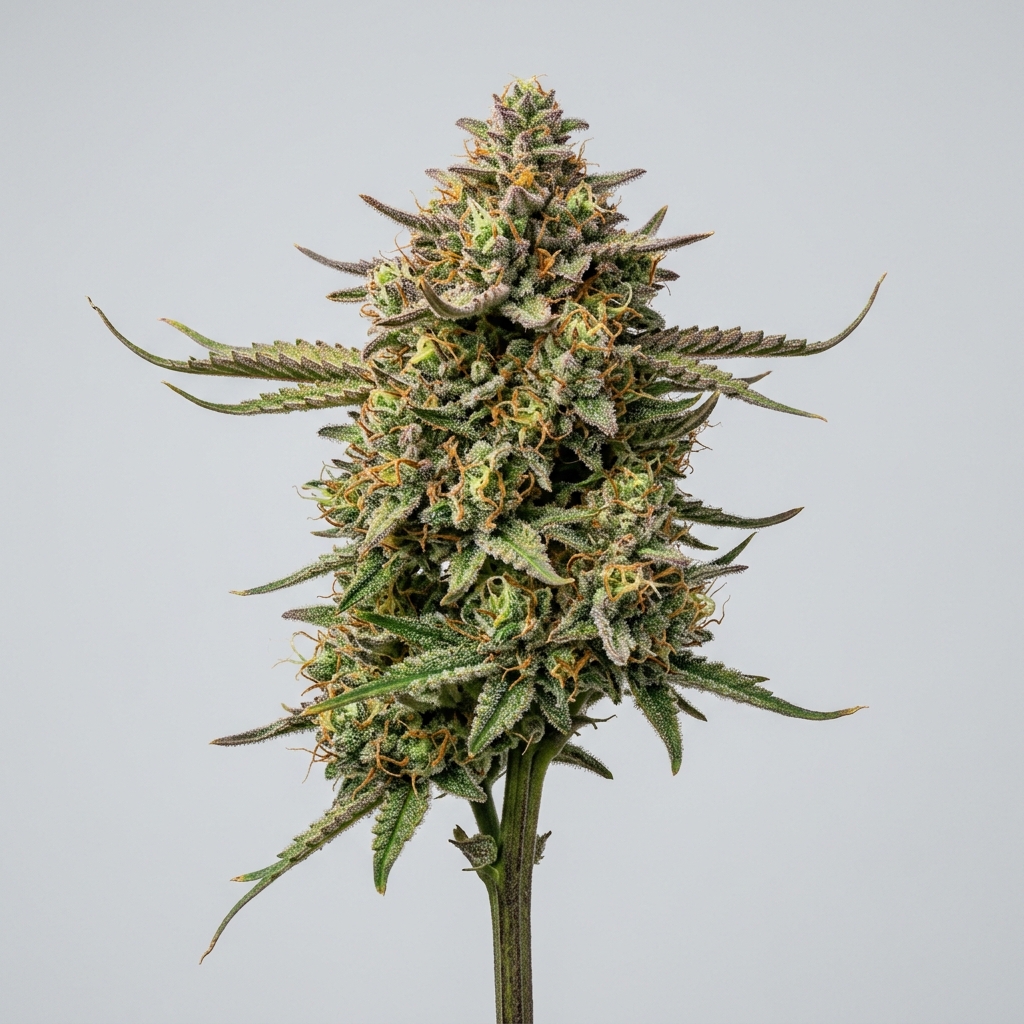
Fruit Tart (Cannabis Strain)
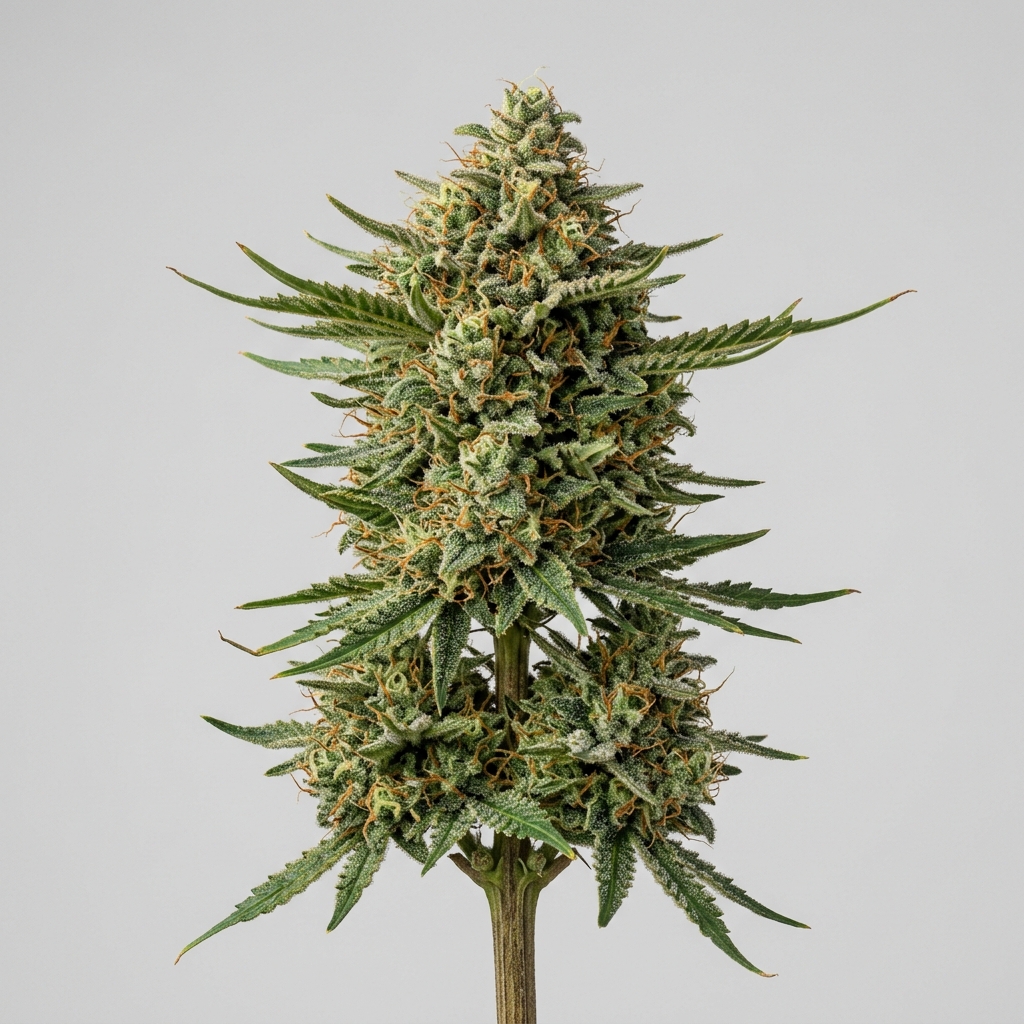
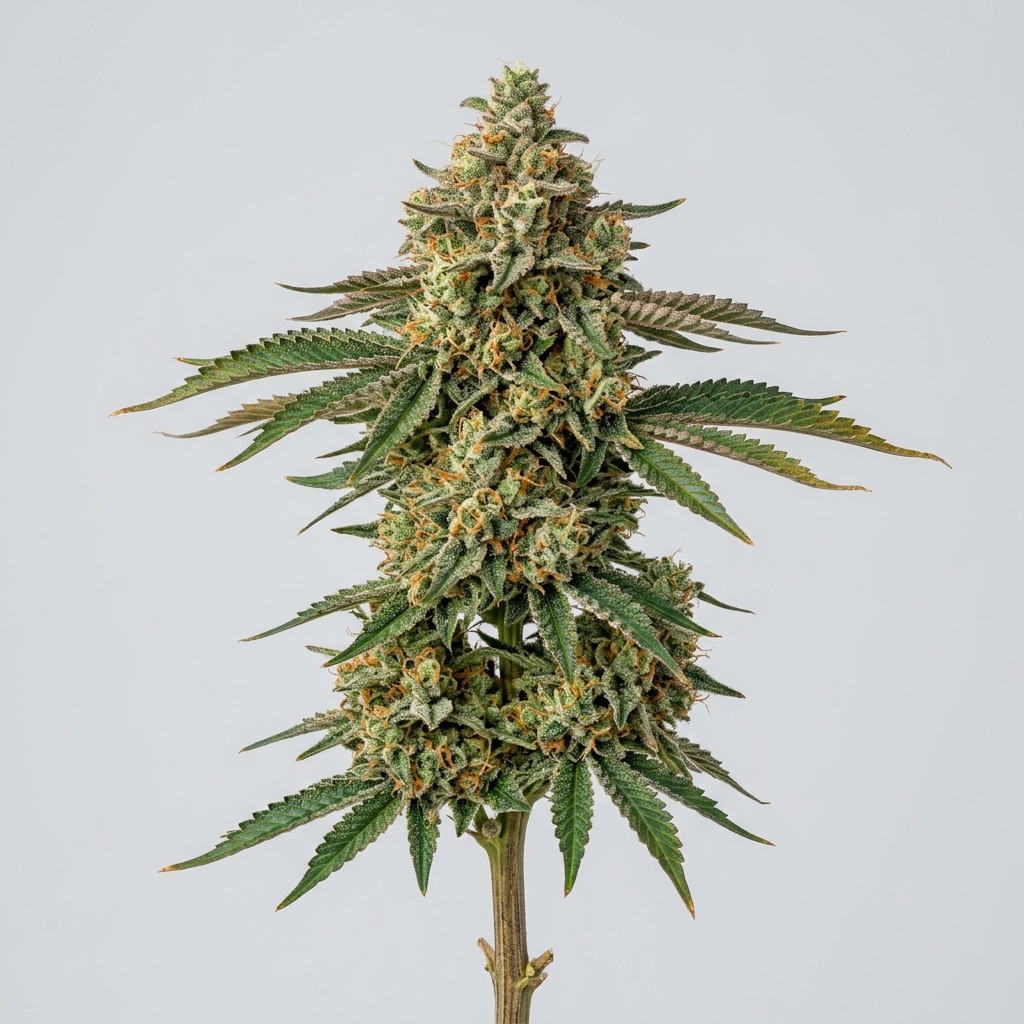
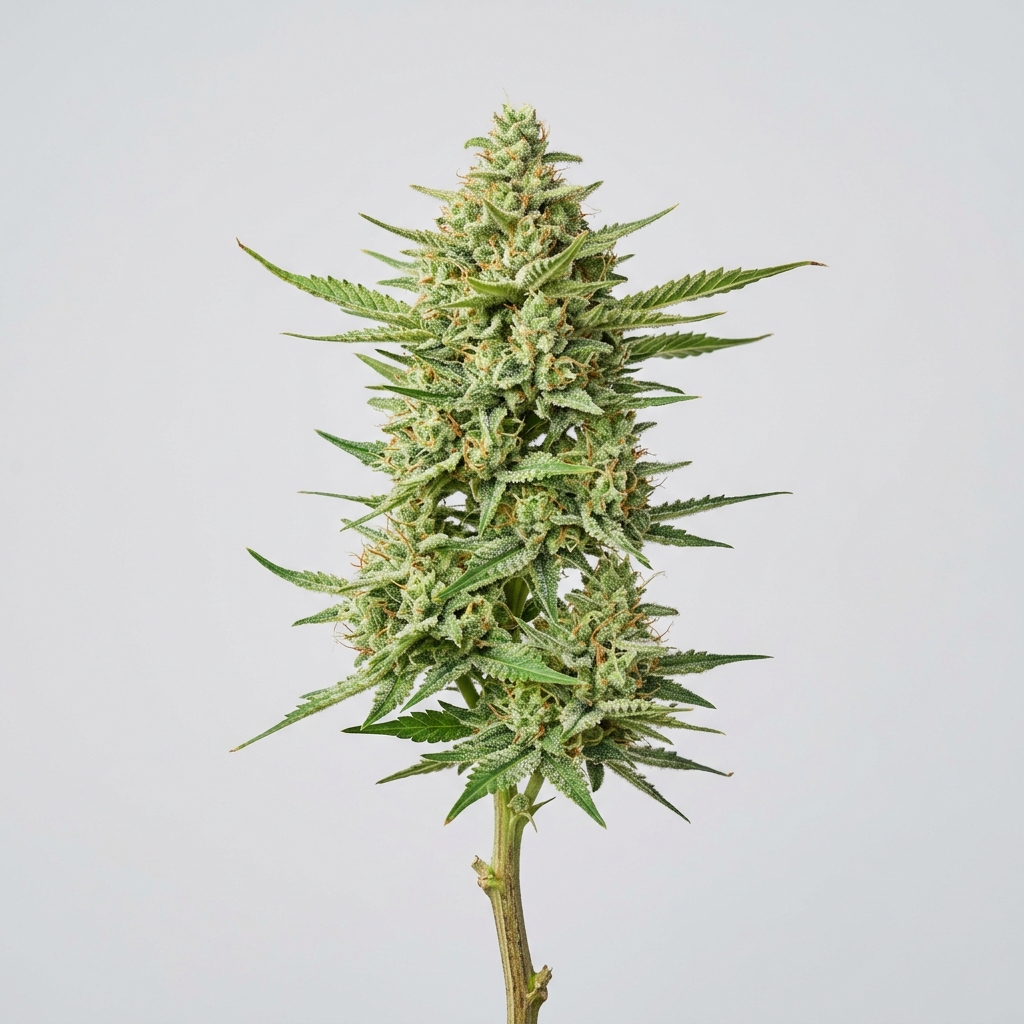
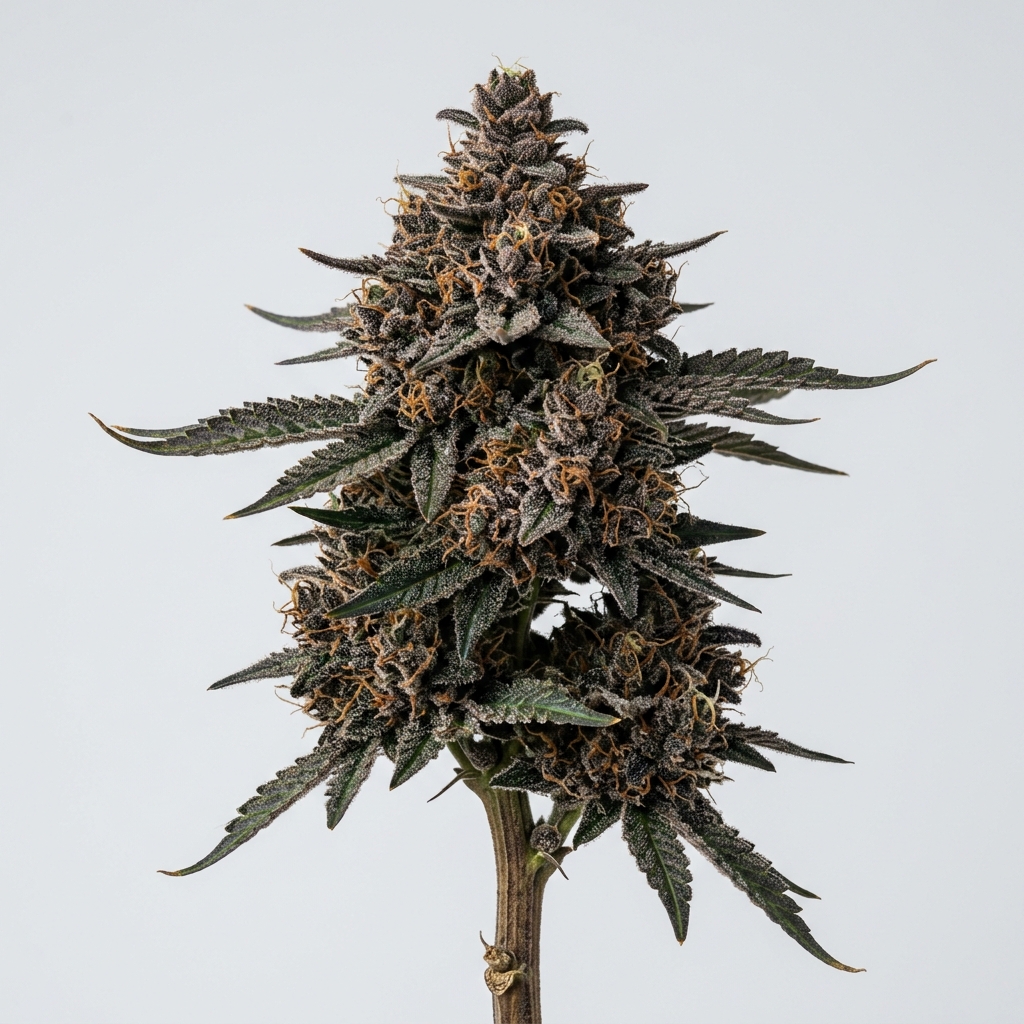
Fruit Tart is a tantalizing hybrid cultivar that has gained popularity among dessert-strain enthusiasts for its vibrant flavor profile and balanced, approachable effects. While its exact genetic origins remain subject to debate within the community, it is widely associated with the Fruity Pebbles lineage, often sought after for its characteristic sweet berry and tropical candy notes. With a THC range typically spanning 18% to 24%, this strain provides a robust experience that leans into its sugary, terpene-rich heritage.
From a scientific and botanical reference, Fruit Tart exhibits classic hybrid vigor, often producing dense, resinous buds that shimmer with a heavy coating of trichomes. The plant structure generally reflects its balanced nature, developing medium-sized foliage that responds well to various training methods. Growers often observe a complex aromatic expression that intensifies during the final stages of flowering, marking it as a standout choice for those prioritizing bag appeal and sensory depth.
Quick Facts
| Attribute | Details |
|---|---|
| Genetics | Unknown (frequently associated with Fruity Pebbles) |
| Variety | Hybrid (~50% indica / 50% sativa) |
| THC Range | 18% – 24% |
| Flowering Time | 8 – 10 weeks |
| Yield Potential | Moderate to High |
| Plant Height | Medium |
| Difficulty | Moderate |
Scientific & Botanical Overview
Fruit Tart demonstrates the plastic nature of modern cannabis breeding, where phenotypic expression is heavily influenced by both lineage and environmental inputs. The plant typically displays vigorous vegetative growth, transitioning into a flowering phase that emphasizes calyx development over excessive leaf production.
Botanically, the cultivar is recognized for its thick, glandular trichomes that house a concentrated blend of secondary metabolites. The interplay between cannabinoids and volatile organic compounds, specifically terpenes, creates the strain’s signature sensory footprint, making it a subject of interest for those studying the entourage effect in hybrid varieties.
Effects & Use-Cases (Reported)
Commonly reported effects of Fruit Tart include an initial cerebral uplift followed by a gentle, body-focused relaxation. Users often describe a euphoric state that encourages creativity and social engagement without overwhelming the senses.
In terms of use-case context, this strain is frequently selected for afternoon or early evening sessions. Its balanced profile makes it suitable for individuals looking to unwind after a productive day or those seeking a flavorful addition to their creative hobbies.
Aroma & Flavors
Aroma: A nostalgic blend of sweet fruit, sugared berries, and a subtle citrus undertone.
Flavor: The taste mirrors the aroma, delivering a creamy, tart berry explosion with a candied finish.
Terpene associations: Likely high in Myrcene, Limonene, and Caryophyllene, contributing to its sweet and spicy profile.
Tested Cannabinoid & Terpene Ranges
| Compound | Typical Range* | Notes |
|---|---|---|
| Δ9-THC | 18% – 24% | Primary psychoactive |
| Myrcene | 0.5% – 1.2% | Earthy base |
| Limonene | 0.3% – 0.8% | Citrus notes |
*Ranges may vary by phenotype, cultivation environment, harvest timing, and analytical method.
Cultivation Notes
- Training: Responds well to topping and LST (Low-Stress Training) to maximize canopy light exposure.
- Nutrients: Prefers a balanced feeding schedule; monitor closely during the mid-flower phase.
- Harvest Timing: Watch trichome maturation; wait for 70-80% milky white heads for optimal flavor.
- Environment: Thrives in controlled indoor settings with stable humidity levels (40-50% in flower).
Grower Notes (Week-by-Week Snapshot)
- Weeks 1–3: Focus on steady vegetative growth; ensure proper light intensity for internodal spacing.
- Weeks 4–6: Rapid vertical growth followed by the onset of early bud site development.
- Weeks 7–9: Resin production accelerates; monitor for potential mold risks in dense clusters.
- Post-Harvest: Proper drying and 2-3 week curing are essential to preserve the delicate fruit terpenes.
Genetic Lineage
The exact lineage of Fruit Tart remains officially unverified, as many cultivars sharing this name have appeared in the legacy and craft markets over time. Lineage reports vary, though the strain is most frequently linked to Fruity Pebbles genetics due to its distinct candy-like terpene profile. It is likely a polyhybrid cross intended to capture the essence of fruit-forward dessert strains.
Research Insights
Research into cannabis cultivars suggests that the terpene profile—specifically the concentration of Myrcene and Limonene—plays a significant role in the user’s sensory experience. These compounds are known for their interaction with the endocannabinoid system, potentially modulating the effects of THC and contributing to the strain’s specific aromatic bouquet.
Frequently Asked Questions
Is Fruit Tart an indica or sativa?
Fruit Tart is classified as a hybrid, typically offering a balanced experience that blends indica and sativa traits.
What is the flavor profile of Fruit Tart?
The strain is best known for its sweet, berry, and tropical candy flavors, often compared to fruit-flavored snacks.
Is Fruit Tart difficult to grow?
It is generally considered a moderate-difficulty strain, suitable for growers with some experience in training and environmental management.
Educational Disclaimer
This page is provided for scientific and horticultural reference only. Cannabis laws vary by jurisdiction; always ensure compliance with local regulations.
Rate and review this strain
Ratings and reviews are accepted only from signed-in Google accounts.
Sign in with Google to leave a rating and written review.
Latest Reviews
0 reviewsNo reviews yet. Be the first Google user to rate and review this strain.