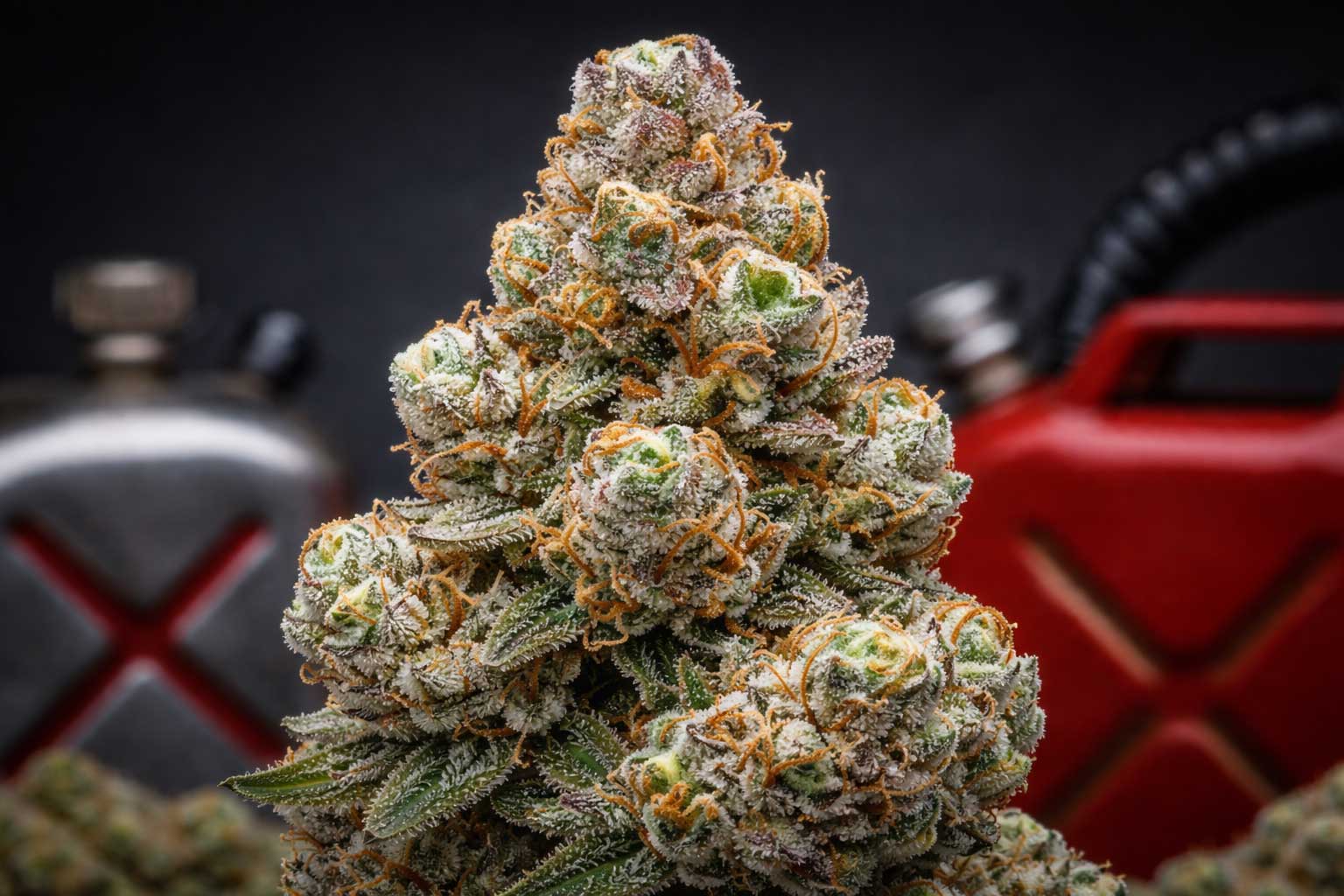
California Octane (Cannabis Strain) — Strainpedia
California Octane is a high-performance Indica-Dominant Hybrid cultivar developed by the renowned Humboldt Seed Company (HSC). In 2026, it has become one of the premier choices for “gas purists,” engineered specifically to deliver extreme bag appeal, heavy resin production, and a loud petrol-forward terpene profile. California Octane is frequently described as a true modern “return to gas,” combining classic OG-style fuel intensity with the modern potency ceiling and structural yield required for top-shelf commercial flower production. The information below is intended strictly for scientific and botanical reference.
Quick Facts
| Genetics | Dream Queen x I-95 x Humboldt OG (triple-cross) |
|---|---|
| Breeder | Humboldt Seed Company (HSC) |
| Variety | Indica-Dominant Hybrid |
| Flowering Time | ~60 days (approx. 8.5 weeks indoors) |
| Yield Potential | Very High (one of the heaviest producers in the HSC catalog) |
| Plant Height | Medium to Tall; stackable cola structure |
| Climate Preference | Warm Outdoor / Controlled Indoor (high resilience to temperature swings) |
| Difficulty | Moderate (vigorous, resilient, but benefits from canopy control) |
Scientific & Botanical Overview
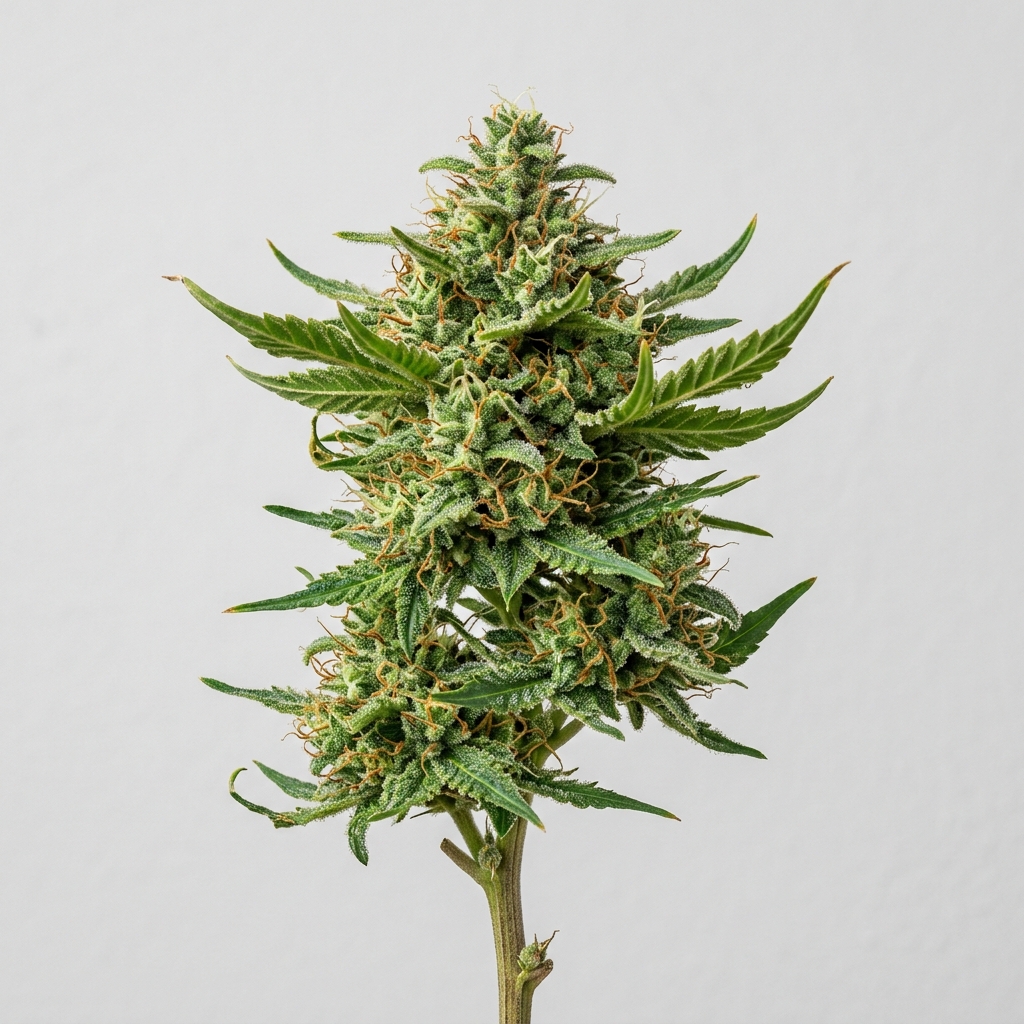
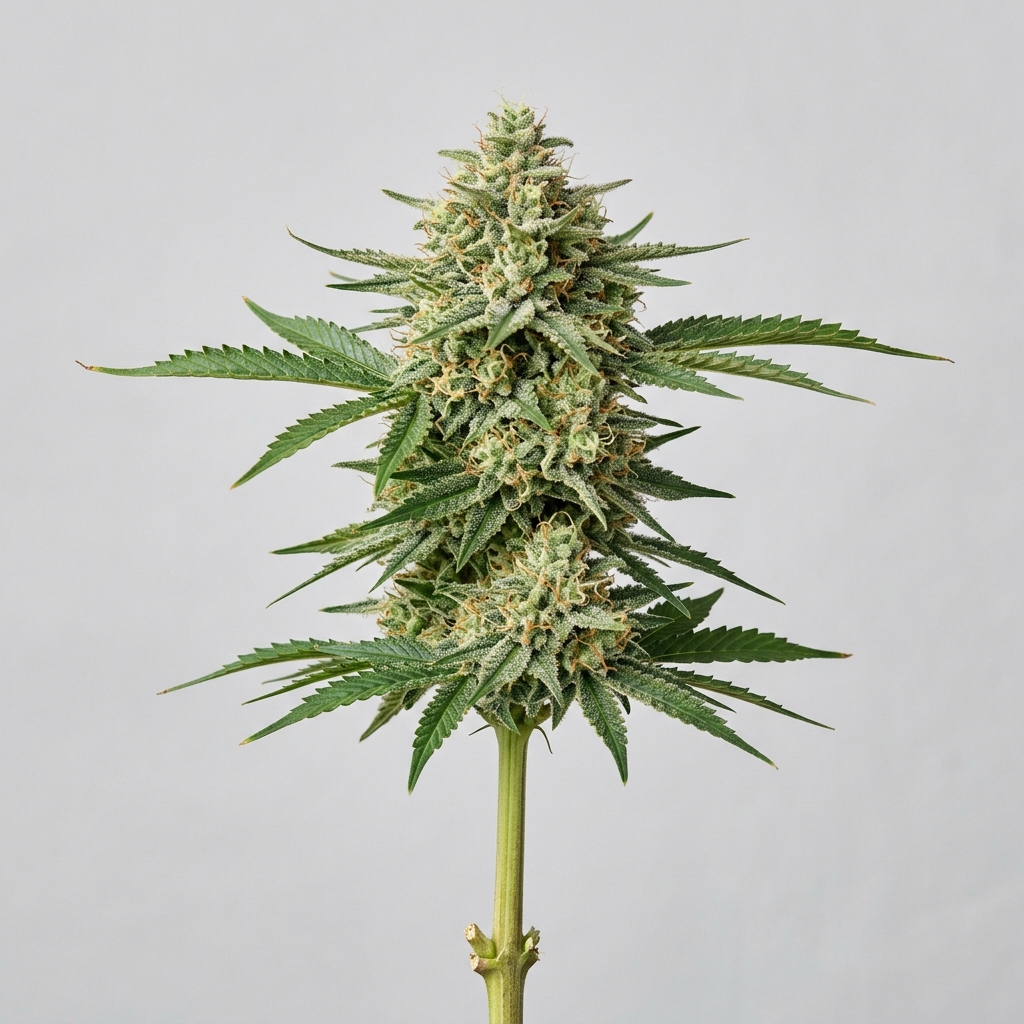
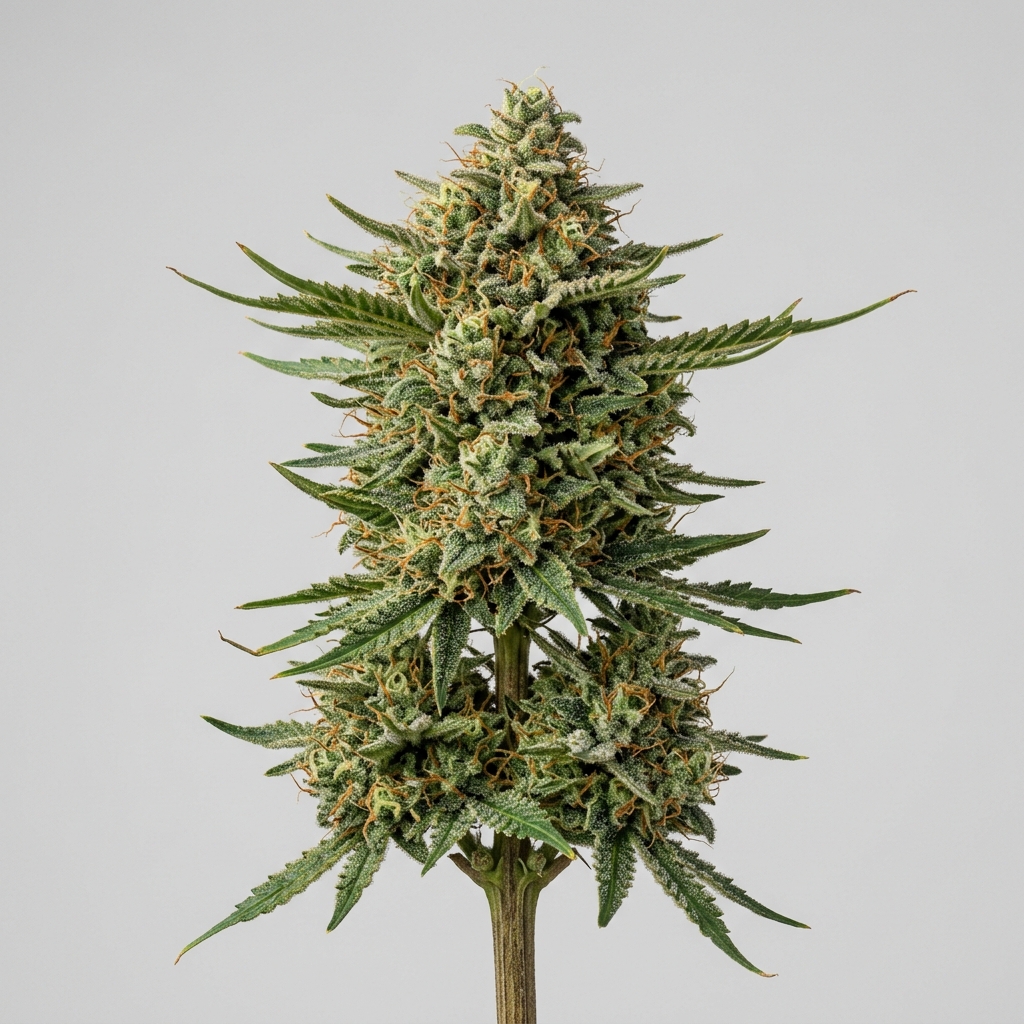
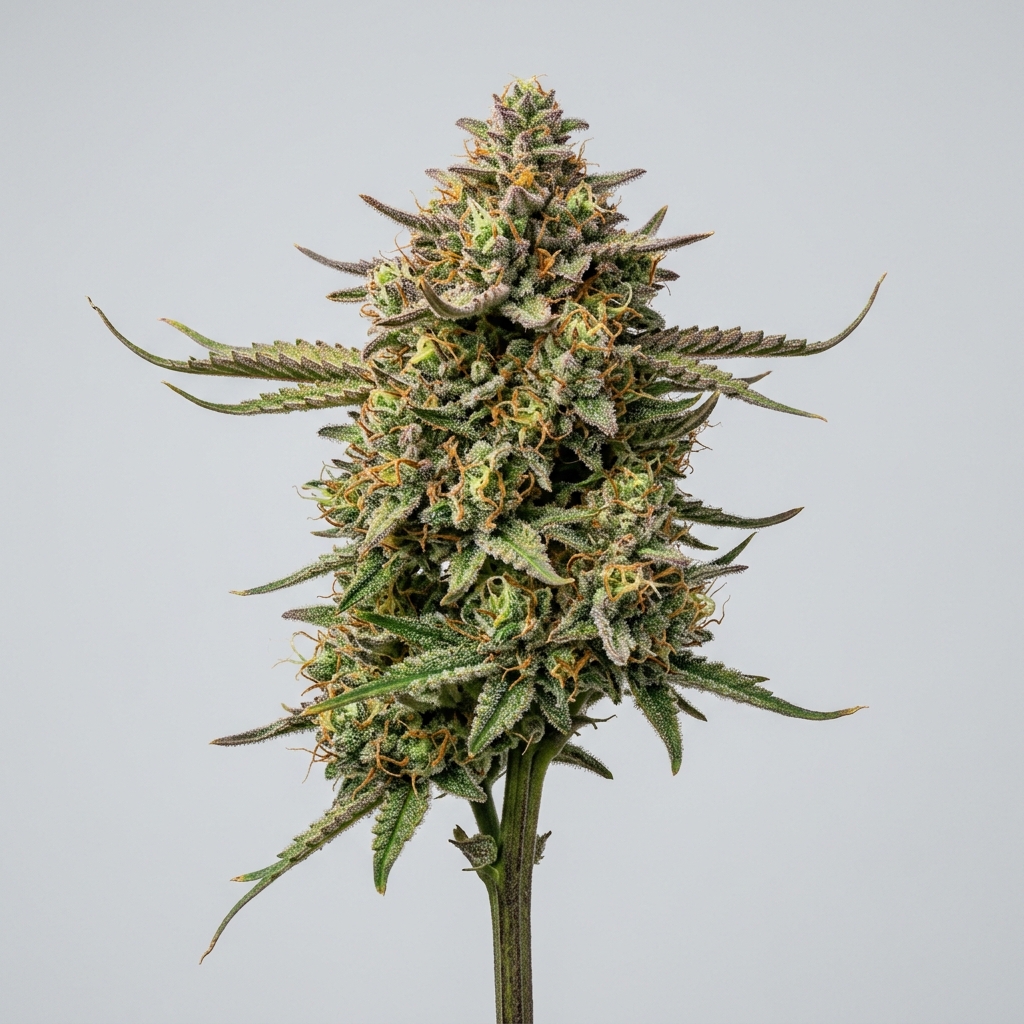
California Octane was bred to maximize the three defining traits of the modern “gas” category: structural vigor, extreme resin output, and unmistakable petrol aroma intensity. Plants typically develop large, stackable colas with deep green tones, silver frost highlights, and dense trichome coverage that contributes to high bag appeal. Bud formation is thick and weighty, often producing a strong diesel odor early in flower that intensifies dramatically late in the cycle. Cultivators frequently describe California Octane as a tough, adaptable plant with strong resistance to environmental stress, making it particularly suited for California-style outdoor cultivation as well as controlled indoor production.
Effects & Use-Cases (Reported)
- Commonly reported effects: hard-hitting calm, forehead pressure, heavy body relaxation, stress release, and a weighty, grounded “solid” high.
- Use-case context: typically selected for evening sessions, couch relaxation, decompression, and unwinding without immediate sleep onset.
- Experience note: often described as numbing in the face and forehead early on, followed by a deep body settle.
- Note: These are observational reports, not medical claims; outcomes are not guaranteed.
Aroma & Flavors
- Aroma: extremely loud pure petrol and chemical gas, often compared to kerosene, exhaust fumes, and diesel fuel.
- Flavor: thick gasoline inhale with sharp chemical funk, followed by a creamy lemon and earthy pine OG finish on the exhale.
- Terpene associations: caryophyllene (suggested dominant), limonene, myrcene.
Tested Cannabinoid & Terpene Ranges
| Compound | Typical Range* | Notes |
|---|---|---|
| Δ⁹-THC | ~26–32% (reported) | High potency; commonly selected by experienced consumers and gas enthusiasts. |
| CBD | ~0–1% | Generally present at low, trace levels. |
| Caryophyllene | Not quantified | Associated with heavy gas intensity, peppery chemical depth, and physical calm. |
| Limonene | Not quantified | Associated with citrus brightness and a cleaner uplifting edge in the high. |
| Myrcene | Not quantified | Associated with sedative body effects and the thick earthy foundation. |
| Terpene Profile | Pure Petrol / Chemical Gas | Kerosene funk, exhaust, creamy lemon finish, pine OG backbone. |
*Ranges are literature- and lab-report-informed references and can differ with environment, harvest timing, cultivation conditions, post-harvest handling, and analytical methods.
Cultivation Notes
- Light Cycle: 18/6 vegetative; 12/12 flowering
- Humidity Targets: 40–50% during flower; dense colas require airflow for moisture control
- Odor Control: very strong fuel aroma late in flower; carbon filtration is strongly recommended indoors
- Nutrition: moderate to heavy feeder; benefits from stable bloom nutrients and consistent calcium/magnesium support
- Training: topping and LST recommended; trellis support can maximize yield and stabilize large stacked colas
- Resilience: bred to withstand outdoor temperature swings, especially in Northern California climates
- Harvest Window: late September to early October outdoors (Northern Hemisphere)
Grower Notes (Week-by-Week Snapshot)
- Weeks 1–2 (Transition/Stretch): moderate stretch; establish trellis and canopy shape early for large cola stacking.
- Weeks 3–4: aggressive flower set begins; remove weak lower growth; aroma starts showing diesel notes.
- Weeks 5–6: peak bulking; resin production increases heavily; gas profile becomes loud and unmistakable.
- Weeks 7–8: ripening; buds become thick and weighty; maintain stable humidity to prevent moisture issues in dense colas.
- Day 60 Harvest Window: harvest based on trichome maturity (cloudy with some amber for a heavier body effect).
- Post-Harvest: Dry 18–20 °C, 55–60% RH to preserve the volatile petrol terpenes and avoid harshness.
Timelines shift with genotype and environment; prioritize plant health markers and trichome maturity over calendar counts.
Genetic Lineage
California Octane is a powerful triple-cross blending Dream Queen, I-95, and Humboldt OG. Dream Queen contributes vigor and yield potential, while I-95 is widely recognized as the primary source of chemically intense octane diesel funk. Humboldt OG provides classic earthy pine structure and stabilizing OG backbone. This genetic combination was engineered by Humboldt Seed Company to satisfy modern 2026 demand for true fuel-heavy profiles that still deliver extreme frost, potency, and commercial-grade production performance.
Research Insights
The “weighty and solid” high of California Octane reflects a terpene-driven entourage effect typical of heavy OG and diesel genetics. Caryophyllene is often associated with spicy fuel depth and body-oriented calm, while myrcene may contribute to the cultivar’s deep relaxation and couch-friendly heaviness. The presence of limonene is frequently linked to subtle mental lift and a cleaner mood profile, helping prevent the high from becoming overly sedative too quickly. In 2026, California Octane is often referenced in breeding discussions as an example of modern gas-focused genetics that preserve classic OG identity while meeting modern commercial potency expectations.
Frequently Asked Questions
Is California Octane an Indica or Sativa?
California Octane is classified as an Indica-Dominant Hybrid, known for heavy relaxation and strong fuel-forward potency.
What does California Octane smell and taste like?
It is famous for a loud petrol aroma, often described as kerosene and chemical gas, followed by creamy lemon and pine OG finish.
What are the typical effects?
Reported effects include face and forehead pressure, deep body relaxation, stress relief, and a weighty couch-friendly calm.
How long does California Octane take to flower?
California Octane typically finishes in about 60 days (around 8.5 weeks) indoors.
Is it suitable for beginners?
California Octane is considered Moderate in difficulty. It is resilient and vigorous, but odor control and canopy support are important for maximizing quality.
Educational Disclaimer: This page is provided for scientific and horticultural reference only and does not constitute medical or promotional advice. Cannabis cultivation, possession, and use are regulated by local laws. Always comply with applicable legislation in your region.
Rate and review this strain
Ratings and reviews are accepted only from signed-in Google accounts.
Sign in with Google to leave a rating and written review.
Latest Reviews
0 reviewsNo reviews yet. Be the first Google user to rate and review this strain.