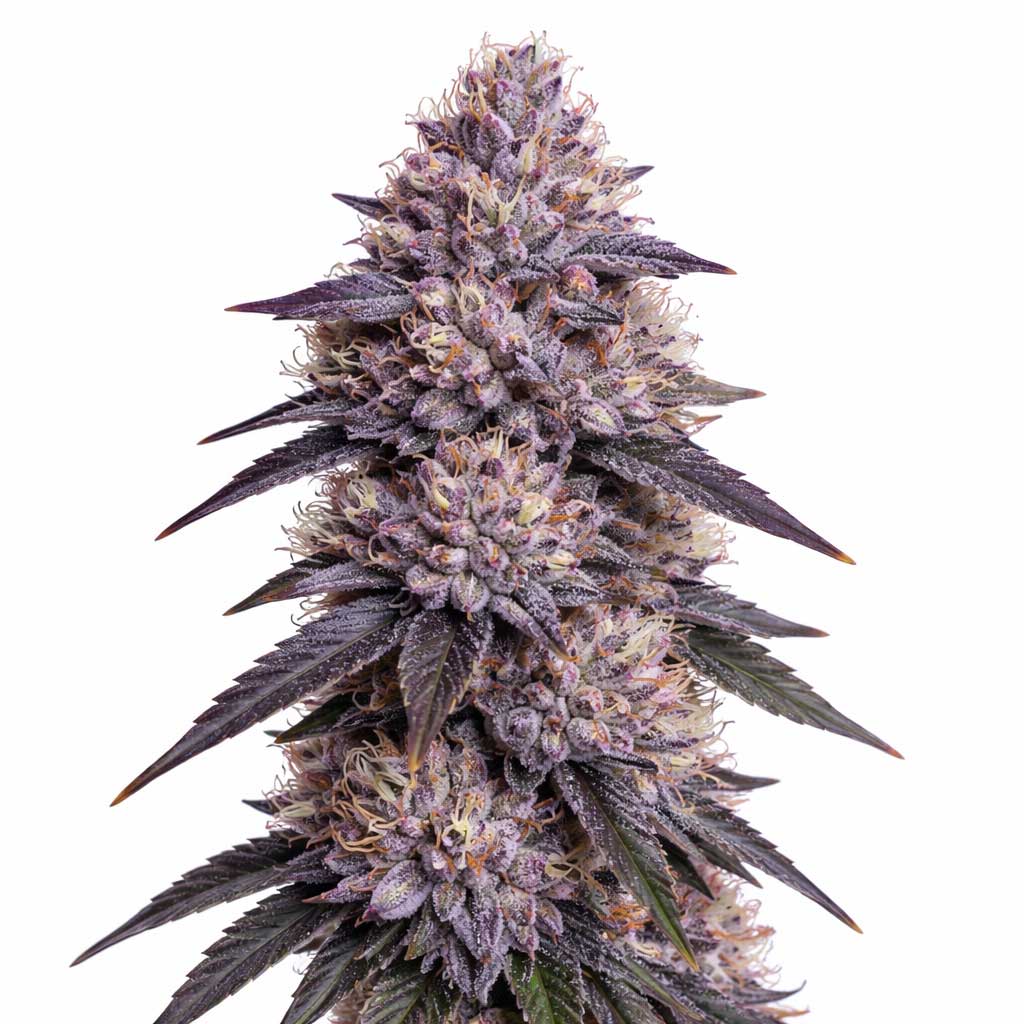
Cotton Candy Lobster (Cannabis Strain)
Cotton Candy Lobster is a high-performance balanced hybrid cannabis cultivar developed by Cipher Genetics from Cotton Candy Runtz and Blue Lobster. It has quickly become one of the most talked-about boutique hybrids in the modern exotic market because it combines candy-forward sweetness, elite visual appeal, and a layered fruit-gas finish that stands out from more ordinary dessert strains.
Known for its dense resin-rich flowers, blue-purple undertones, and sugary aromatic intensity, Cotton Candy Lobster bridges the gap between ultra-sweet candy hybrids and more complex gas-leaning “blue” cultivars. The information below is provided strictly for scientific and botanical reference.
Quick Facts
| Feature | Details |
|---|---|
| Genetics | Cotton Candy Runtz × Blue Lobster |
| Variety | Balanced hybrid |
| THC Range | 24%–28%+, with strong terpene expression in standout cuts |
| Flowering Time | 8–9 weeks (approximately 56–63 days indoors) |
| Yield Class | Moderate; bred more for boutique quality, resin density, and flavor than raw bulk output |
| Plant Structure | Medium-tall frame with elongated spear-like tops, dense golf-ball node formation, and blue-purple color potential |
| Canopy Behavior | Vigorous stretch with long lateral branching; benefits from topping, lollipopping, and dual-layer trellising |
| Climate Preference | Controlled indoor setups with strong light intensity and stable late-flower environmental control |
| Grower Difficulty | Intermediate to advanced; best results come from careful dry-cure handling to preserve volatile candy terpenes |
Scientific & Botanical Overview
Cotton Candy Lobster expresses a complex boutique morphology that reflects both sides of its lineage. The Blue Lobster influence is often seen in the dense, compact node development and strong resin output, while the Cotton Candy Runtz side contributes brighter color expression, sweeter aromatic lift, and a more overt candy-shop identity.
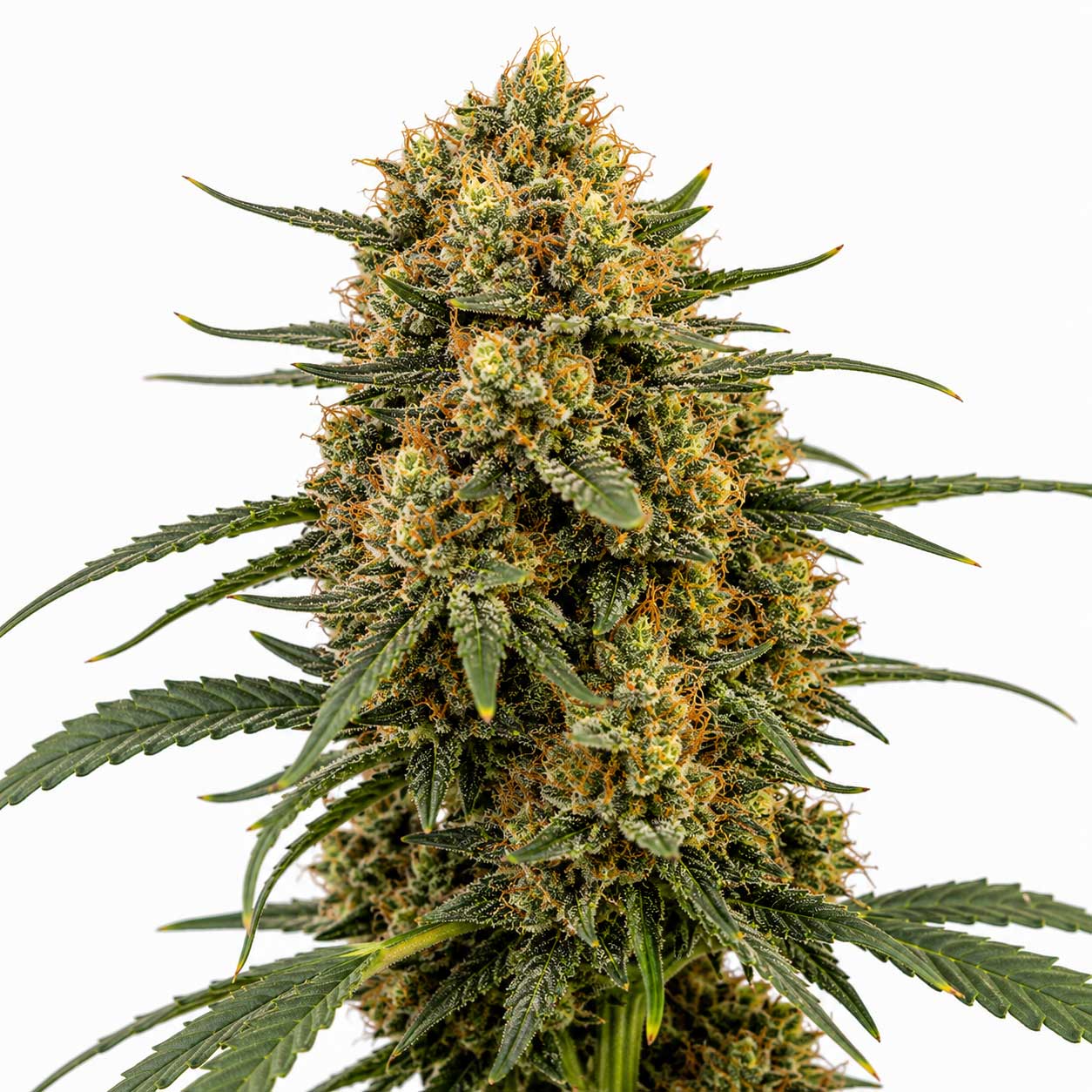
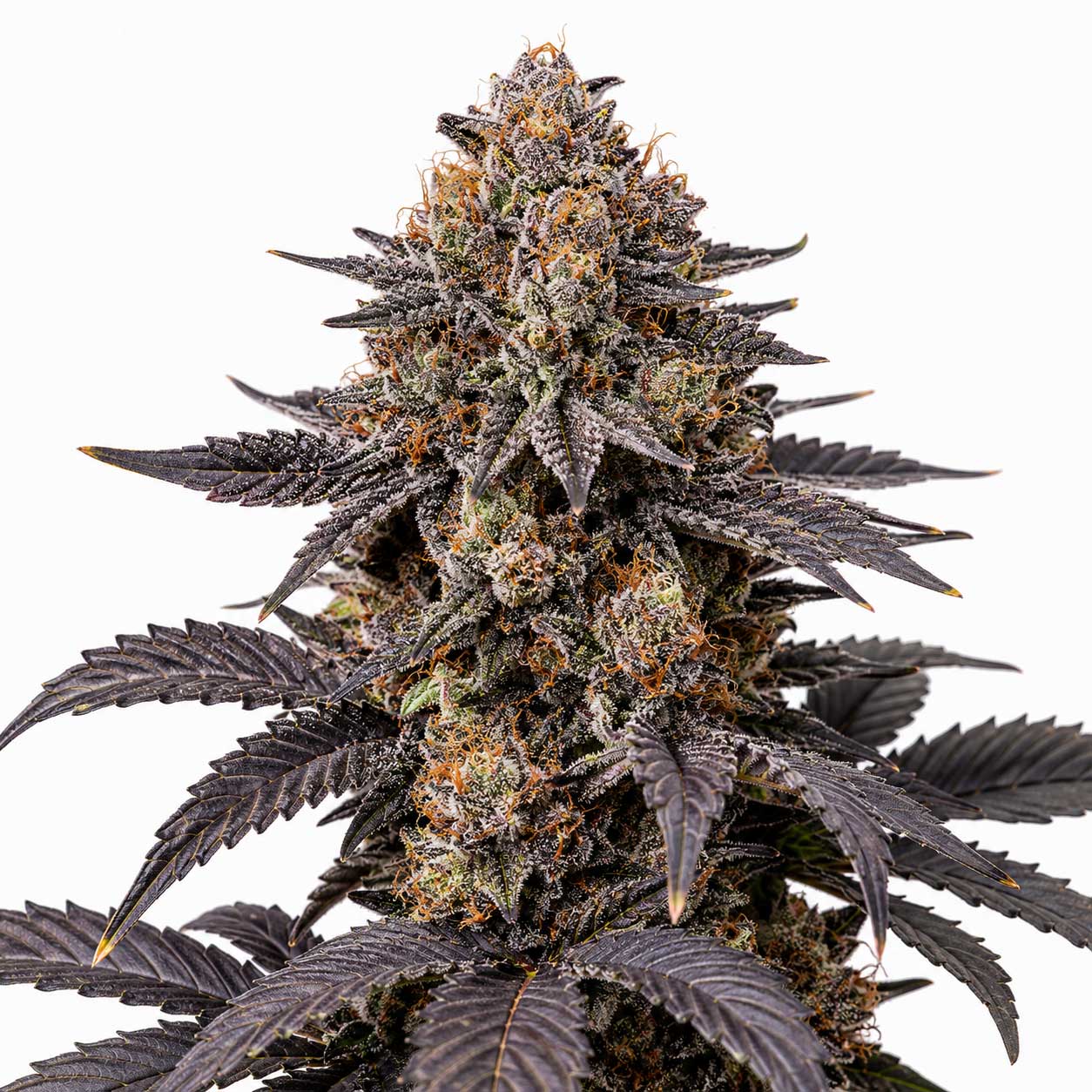
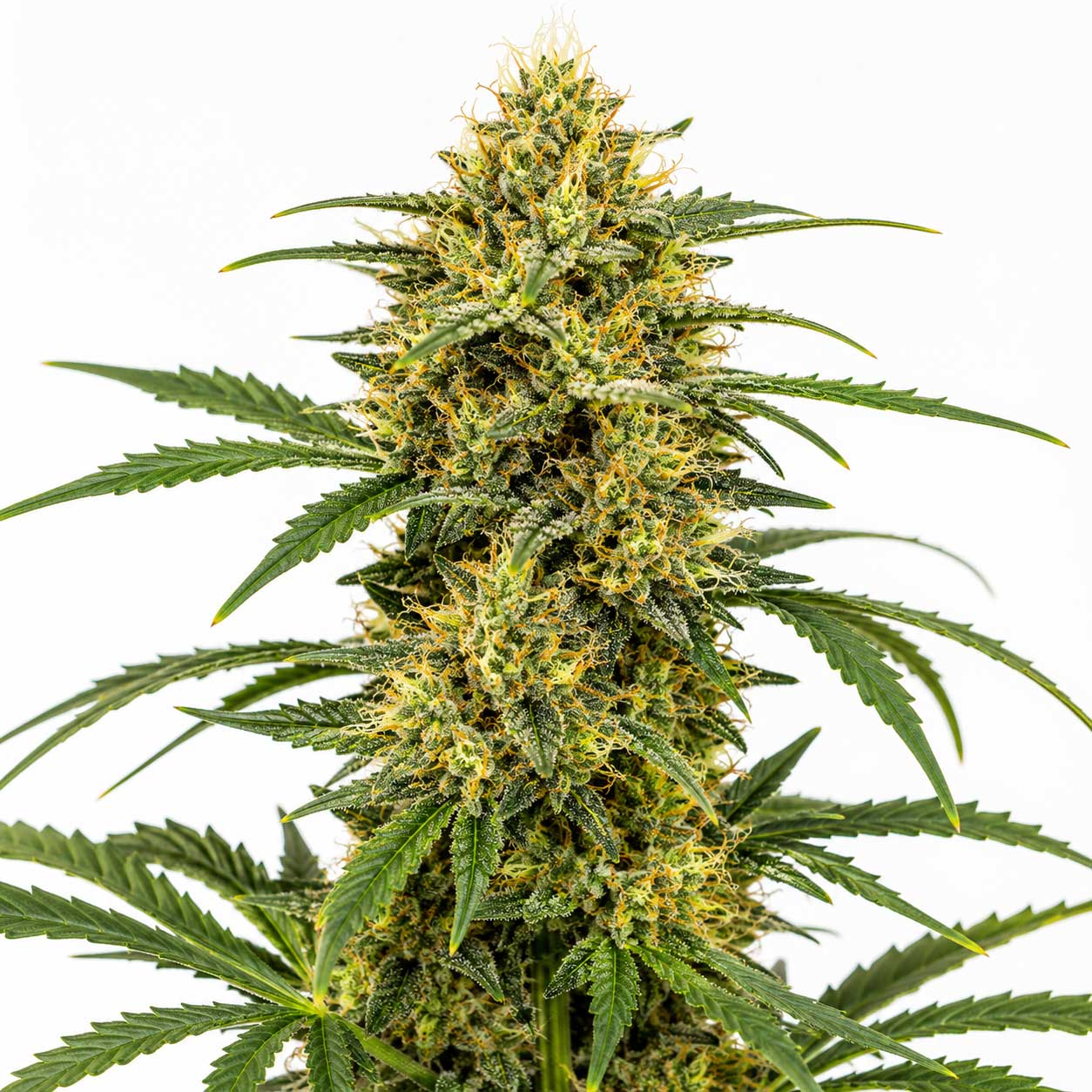
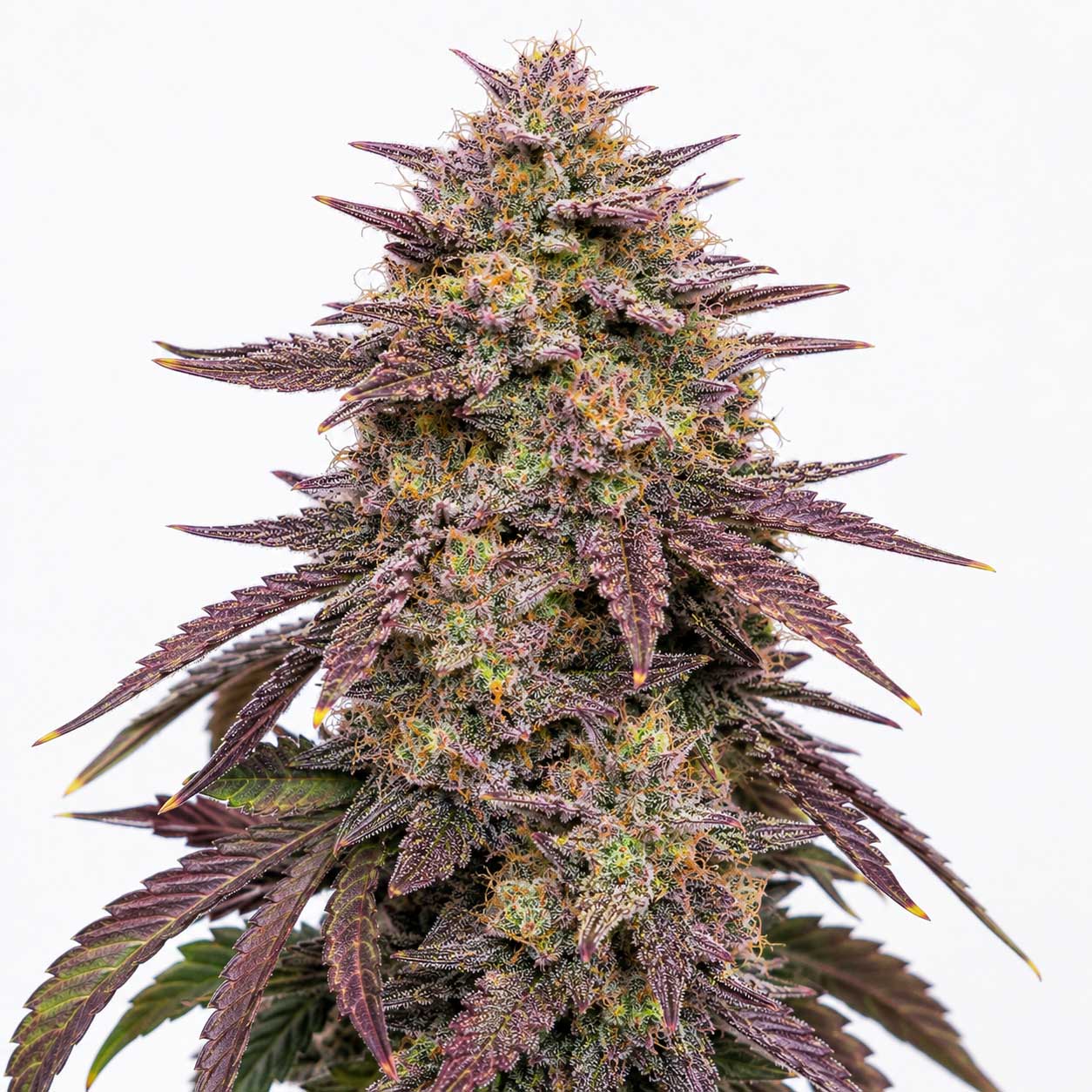
The flowers are typically dense, frost-heavy, and visually loud, with blue-purple undertones, pale trichome coverage, and a polished boutique finish that gives the strain strong shelf presence. Trichome heads are often described as large and greasy, contributing to the cultivar’s rich mouthfeel and loud room presence when grown well.
Botanically, Cotton Candy Lobster stands out because it successfully combines visual anthocyanin expression, high resin output, and a flavor-first terpene identity without collapsing into a one-dimensional candy profile. Instead, it keeps a subtle gas-and-musk undertone that helps ground the sweetness and give it more complexity.
Effects & Use-Cases (Reported)
Commonly reported effects: floaty euphoria, elevated mood, enhanced sensory enjoyment, and a smooth body relaxation that remains present without becoming fully sedating.
Use-case context: Cotton Candy Lobster is often described as highly versatile. Many users place it in the social daytime-to-evening range, where it can support conversation, creative thinking, music, or low-pressure winding down. It is often appreciated for offering physical ease without immediately dragging the session into heavy couch-lock territory.
Note: These observations are anecdotal reports and should not be interpreted as medical claims.
Aroma & Flavors
Aroma: Spun sugar, blueberry candy, pink cotton candy, creamy sweetness, and a soft blue-gas finish.
Flavor: The inhale is usually intensely candy-forward with a blue-berry tartness and sugary syrup feel, while the exhale turns creamier, smoother, and slightly gassier with a lingering sweet coating on the palate.
Terpene associations: Limonene, Linalool, and Myrcene are commonly associated with its candy-sweet, floral, and berry-musk profile.
Tested Cannabinoid & Terpene Ranges
| Compound | Typical Range* | Grower-Oriented Interpretation |
|---|---|---|
| Δ9-THC | 24%–28% | Strong, balanced potency that supports an intense but functional euphoric profile |
| Total Terpenes | Often notably high in premium flower | A major driver of the cultivar’s market appeal, especially its loud candy-forward nose |
| Limonene | Often dominant | Drives the sweet citrus-candy brightness and helps create the early euphoric spark |
| Linalool | Prominent in sweeter phenotypes | Adds sugary floral softness and helps create the smoother “weightless” feel |
| Myrcene | Secondary to prominent, phenotype-dependent | Supports the berry-musk depth and gives the cultivar more body than a purely bright candy strain |
*Ranges vary by phenotype, light intensity, growing method, harvest timing, and cure protocol. Cotton Candy Lobster is best understood as a flavor-first hybrid with a very strong boutique flower identity.
Cultivation Notes
- Vegetative Vigor: High; plants generally grow quickly and need regular pruning to keep secondary growth organized.
- Light Cycle: 18/6 vegetative and 12/12 flowering.
- Humidity Targets: Around 60% RH in veg, then gradually tightened toward 40%–45% in late flower to protect resin and finish quality.
- Nutrition: Often responds best to a cleaner feed profile rather than overly salty heavy-input programs. Many growers report stronger flavor from balanced organic or lower-salt systems.
- EC / Feeding Sensitivity: Moderate; can show leaf-tip sensitivity if nitrogen is pushed too aggressively during transition.
- Training: SCROG, topping, heavy defoliation, and lollipopping are all useful because dense node development can shadow lower sites quickly.
- Support Needs: High; elongated tops and heavy resin load often require a dual-layer trellis to keep the canopy upright and evenly spaced.
- Mold / Moisture Risk: Low to moderate when the canopy is properly cleaned and aired out, though dense flower clusters still require vigilance.
- Finish Timing: Slightly earlier harvests tend to preserve brighter candy character, while slightly later finishes may bring out more musky Blue Lobster depth.
- Harvest Window: Commonly around day 58–63, depending on the desired balance between sugar-forward brightness and deeper gas complexity.
Grower Notes (Week-by-Week Snapshot)
- Weeks 1–2 (Foundation): Plants typically show vigorous early growth, making this the ideal window to establish shape through topping and branch spacing.
- Weeks 3–4 (Canopy Set): Significant stretch is common, and growers usually finalize trellising and lower-canopy cleanup during this phase.
- Weeks 5–6 (Bud Formation): The room profile often starts leaning strongly candy-sweet, while resin begins stacking heavily on the calyxes and sugar leaves.
- Weeks 7–8 (Ripening): Blue-purple color expression becomes more obvious in stronger phenotypes, and buds take on the dense frosted boutique look the cultivar is known for.
- Weeks 8–9 (Finish Window): Final ripening usually brings harder flowers, louder sugary aroma, and the best expression of the blue-candy gas profile.
- Post-Harvest: A cool slow dry is especially important because the candy-heavy terpene fraction can fade quickly if handled too warm or too fast.
Genetic Lineage
Cotton Candy Lobster is a cross between Cotton Candy Runtz and Blue Lobster. This lineage makes practical sense from both a market and flavor perspective: Cotton Candy Runtz contributes spun-sugar sweetness, colorful boutique appeal, and a louder candy-top-note profile, while Blue Lobster adds density, deeper fruit-gas complexity, and the kind of resin-forward structure that gives the cross more seriousness than a simple candy strain.
The result is a cultivar that feels like a modern “hype” hybrid without being empty. It carries the sweetness consumers recognize instantly, but also enough complexity and structure to stand out among more one-dimensional exotic dessert cuts.
Research Insights
Cotton Candy Lobster is increasingly interesting in discussions around flavor-first breeding and visual stability. It shows how modern breeders can push strong anthocyanin expression, high resin density, and loud candy terpene output at the same time without necessarily sacrificing usable potency or overall plant quality.
From a grower’s perspective, the strain also highlights the importance of post-harvest handling. A large part of its value comes from preserving the volatile aromatic compounds that create its signature spun-sugar identity, which means drying and curing discipline matter almost as much as the grow itself.
Phenotype selection still matters. Some cuts may lean more toward blue-berry candy and syrup, while others may show more creamy gas, tropical sweetness, or deeper Lobster-style musk. That range is part of what makes the cultivar attractive for boutique growers and collectors.
Frequently Asked Questions
Is Cotton Candy Lobster an indica or sativa strain?
Cotton Candy Lobster is generally described as a balanced hybrid, offering both euphoric mental lift and smooth body relaxation.
What does Cotton Candy Lobster smell like?
It is commonly described as blue raspberry cotton candy, sugary syrup, creamy sweetness, and a soft gas finish.
Is Cotton Candy Lobster difficult to grow?
It is generally better suited to intermediate or advanced growers because its stretch, trellis needs, and volatile terpene profile require more careful management.
Why is Cotton Candy Lobster so popular?
Its popularity comes from combining elite bag appeal, dense frosted buds, and a rare candy-gas flavor profile that fits perfectly into the boutique exotic market.
What makes Cotton Candy Lobster stand out?
Its standout traits include spun-sugar aroma, blue-purple resinous buds, strong hybrid versatility, and a flavor profile that balances candy sweetness with subtle gas depth.
Educational Disclaimer
This page is provided for scientific and horticultural reference only. Cannabis laws vary by jurisdiction; always ensure compliance with local regulations.
Rate and review this strain
Ratings and reviews are accepted only from signed-in Google accounts.
Sign in with Google to leave a rating and written review.
Latest Reviews
0 reviewsNo reviews yet. Be the first Google user to rate and review this strain.