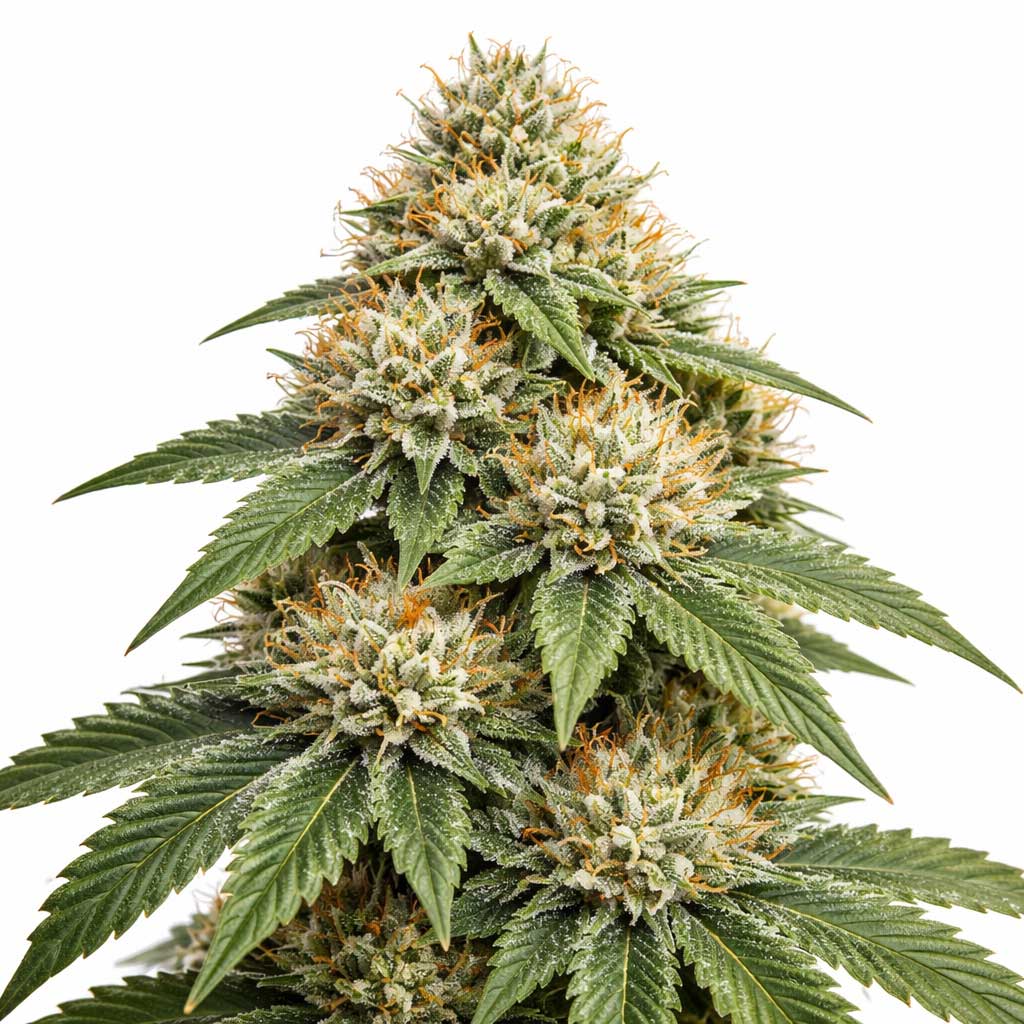
Trainwreck (Cannabis Strain) — Strainpedia
Trainwreck is a classic Sativa-Dominant Hybrid cannabis cultivar traditionally described as a cross of Mexican x Thai x Afghani. Long associated with Northern California cannabis culture, it is known for vigorous growth, sharp lemon-pine aromatics, dense resin production, and fast-hitting euphoric effects. In horticultural discussions, Trainwreck is often referenced as a high-energy cultivar that combines sativa-forward cerebral intensity with enough indica structure to support heavy flower formation. The information below is intended strictly for scientific and botanical reference.
Quick Facts
| Genetics | Mexican x Thai x Afghani |
|---|---|
| Variety | Sativa-Dominant Hybrid |
| Flowering Time | ~8 weeks indoors |
| Yield Potential | High under favorable conditions |
| Plant Height | Medium to tall; vigorous with notable stretch |
| Climate Preference | Moderate climates; adaptable with stable indoor management |
| Difficulty | Easy to Intermediate |
Scientific & Botanical Overview
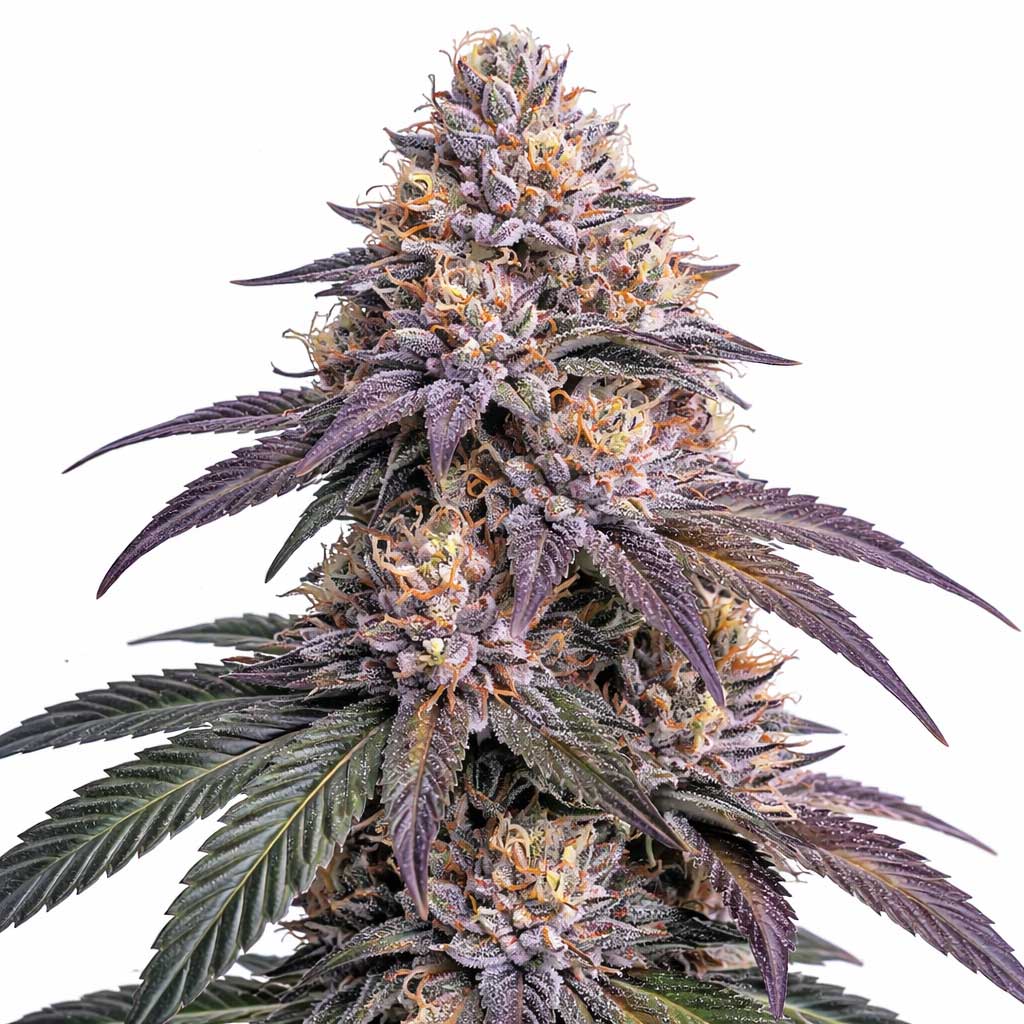
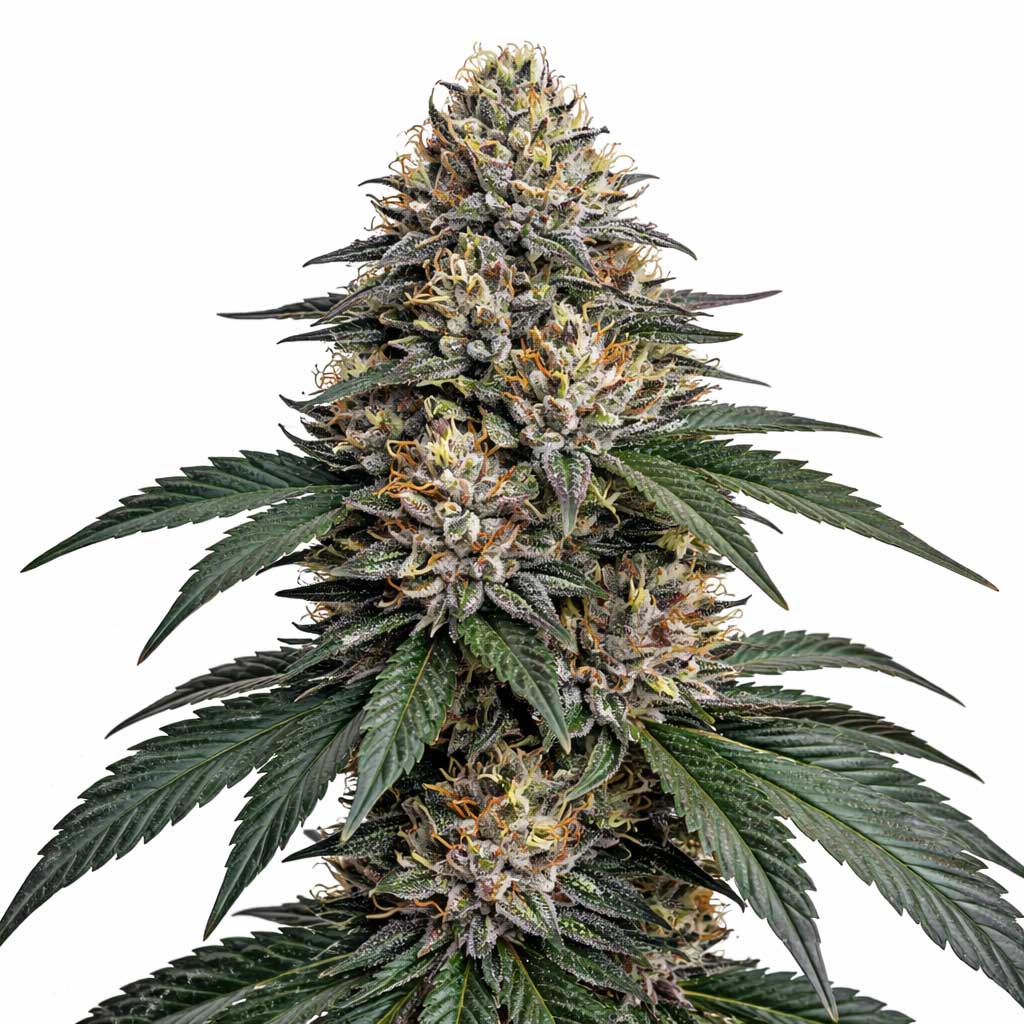
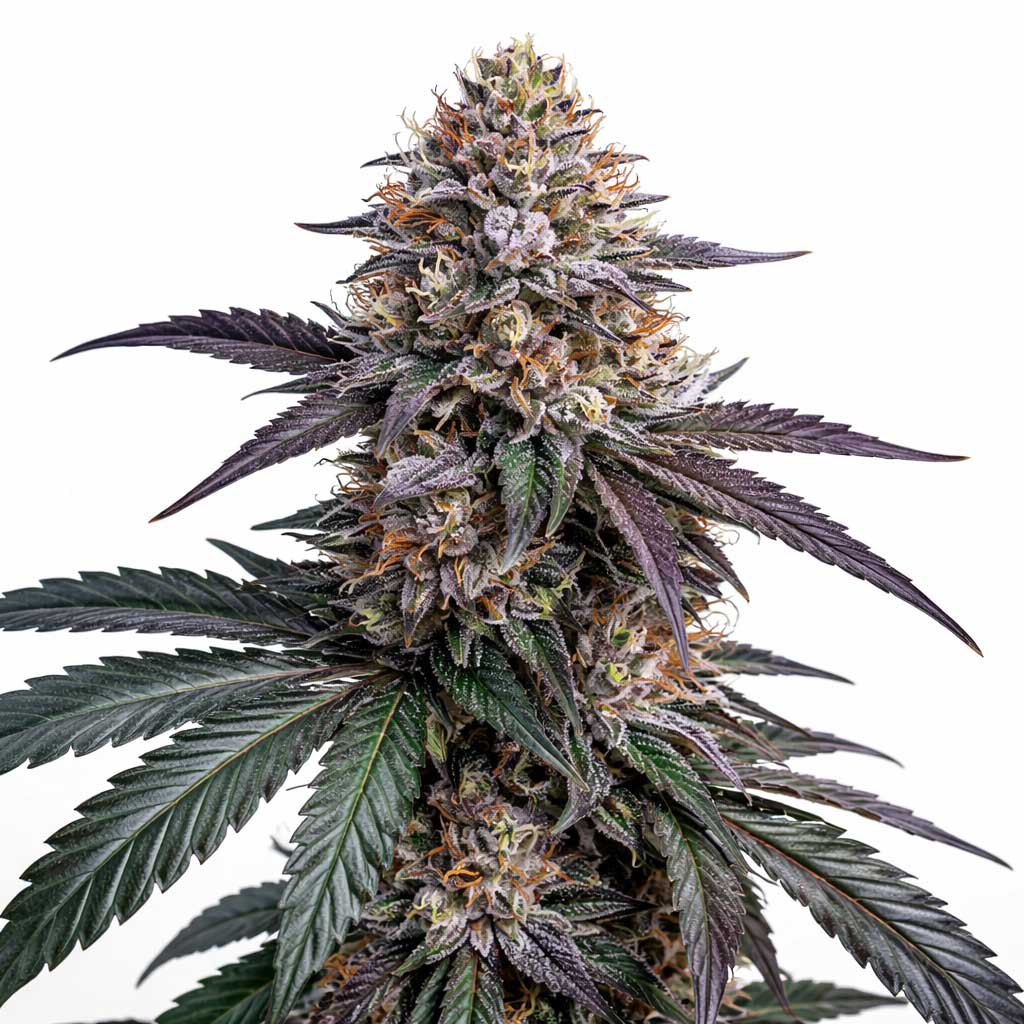
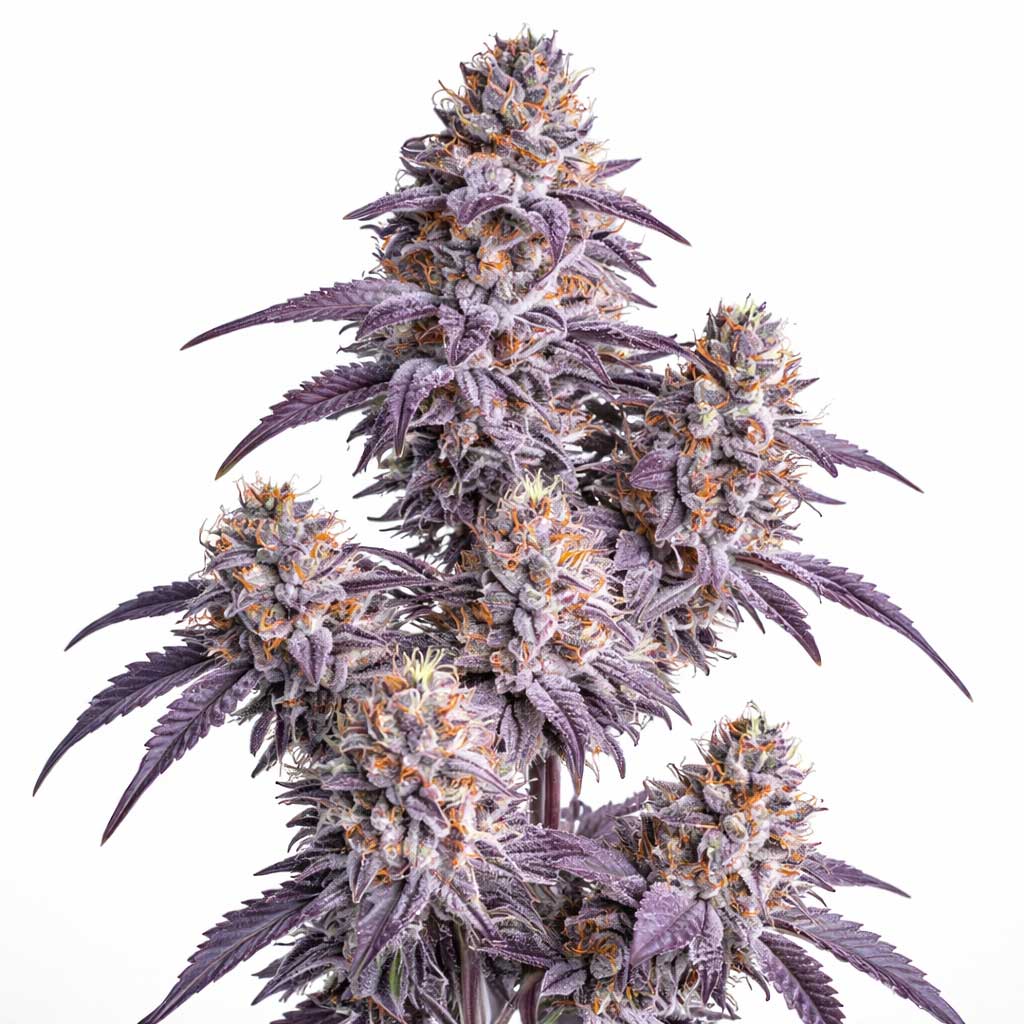
Trainwreck plants typically show a vigorous, branching structure with pronounced lateral growth and a tendency to stretch more than compact indica cultivars. The flowers are often dense and resinous, with lime-to-forest green coloration, bright pistils, and a frosted trichome layer. Although the cultivar is sativa-dominant in effect profile, the Afghani influence is often reflected in flower density and the plant’s ability to finish relatively quickly indoors compared with longer-flowering tropical lines.

Effects & Use-Cases (Reported)
- Commonly reported effects: euphoric, uplifting, creative, energetic, and mentally fast-acting.
- Use-case context: often discussed as a daytime or early-evening cultivar for users seeking strong cerebral stimulation with some physical relaxation underneath.
- Note: These are observational reports, not medical claims; outcomes are not guaranteed.
Aroma & Flavors
- Aroma: bright lemon and citrus layered over spicy pine, herbal sharpness, and earthy depth.
- Flavor: zesty and pine-forward on the inhale, with sweet citrus, spice, and lingering earthy notes on the finish.
- Terpene associations: commonly linked with terpinolene, myrcene, and pinene/caryophyllene in public strain descriptions.
Tested Cannabinoid & Terpene Ranges
| Compound | Typical Range* | Notes |
|---|---|---|
| Δ⁹-THC | ~18–25% | Frequently described as potent and fast-acting. |
| CBD | Low / trace | Typically present in minimal amounts. |
| Terpinolene | Not consistently quantified | Commonly associated with bright, fresh, complex top notes. |
| Myrcene | Not consistently quantified | May contribute herbal depth and supportive body effects. |
| Pinene / Caryophyllene | Not consistently quantified | Often linked to pine, spice, and structural aroma complexity. |
| Terpene Profile | Lemon-Pine-Spice | Best characterized by sharp citrus brightness over earthy, woody depth. |
*Ranges are approximate references and can vary by phenotype, environment, harvest timing, curing, and analytical method.
Cultivation Notes
- Light Cycle: 18/6 vegetative; 12/12 flowering
- Humidity Targets: around 40–50% in flower to protect resin-heavy buds and maintain airflow.
- Nutrition: vigorous plants generally respond well to a complete feeding program, especially during stretch and early flower.
- Training: topping, pruning, trellising, and SCROG can help manage stretch and improve canopy control.
- Harvest Window: approximately 8 weeks indoors; outdoor plants can finish relatively early for a sativa-leaning cultivar.
Grower Notes (Week-by-Week Snapshot)
- Weeks 1–2 (Transition/Stretch): expect active upward and lateral growth; establish support early and manage canopy height.
- Weeks 3–4: flower sites multiply quickly; prune interior growth where needed to improve airflow and light distribution.
- Weeks 5–6: resin and aroma intensify; lemon-pine character becomes more pronounced as flowers build density.
- Weeks 7–8: ripening window; monitor trichomes and structural support as branches can carry substantial flower weight.
- Post-Harvest: a careful dry and cure help preserve the cultivar’s bright citrus and pine expression.
Trainwreck can express meaningful differences in structure and vigor depending on cut, environment, and training style, so canopy management is especially important.
Genetic Lineage
Trainwreck is most commonly described as a three-way cross of Mexican and Thai sativas with an Afghani indica. That lineage helps explain its combination of bright, energetic cerebral effects, pungent lemon-pine aromatics, and denser flower structure than many tropical-leaning sativa cultivars. Over time, Trainwreck has become a foundational legacy strain and a parent in multiple hybrids, helping preserve its reputation as a standout Northern California classic.
Research Insights
Trainwreck is often used in strain education as an example of a cultivar that balances strong sativa-style mental stimulation with manageable flowering time and robust resin production. Its widely cited citrus-pine profile suggests a terpene mix that leans toward fresh, sharp aromatic compounds rather than purely sweet dessert notes. In breeding conversations, it remains notable for combining energetic expression with enough structural density and finishing speed to stay relevant in both legacy and modern gardens.
Frequently Asked Questions
Is Trainwreck an indica or sativa?
Trainwreck is generally classified as a sativa-dominant hybrid, known for energetic cerebral effects backed by some physical relaxation.
What does Trainwreck smell and taste like?
It is commonly described as having lemon, spicy pine, and earthy herbal notes.
How long does Trainwreck take to flower?
Trainwreck is commonly placed at about 8 weeks indoors.
Is Trainwreck easy to grow?
It is often described as easy to intermediate, though its vigor and stretch make training and canopy control important.
What are the typical effects of Trainwreck?
Reported effects usually include euphoria, creativity, uplifted mood, and a rapid cerebral onset.
Educational Disclaimer: This page is provided for scientific and horticultural reference only and does not constitute medical or promotional advice. Cannabis cultivation, possession, and use are regulated by local laws. Always comply with applicable legislation in your region.
Rate and review this strain
Ratings and reviews are accepted only from signed-in Google accounts.
Sign in with Google to leave a rating and written review.
Latest Reviews
0 reviewsNo reviews yet. Be the first Google user to rate and review this strain.