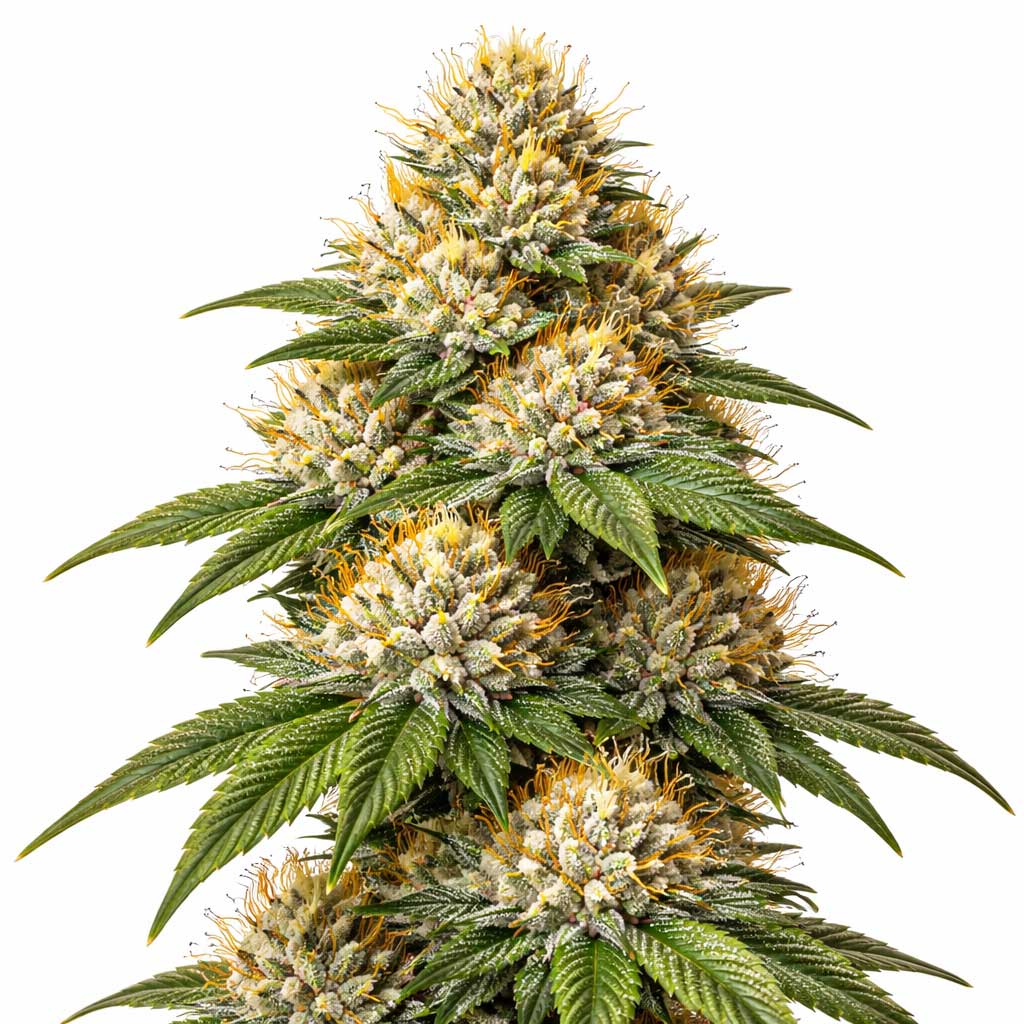
TK Skunk (Cannabis Strain)
TK Skunk, short for Triangle Kush Skunk, is a high-octane indica-dominant hybrid cannabis cultivar typically leaning 60% indica / 40% sativa. It is commonly associated with breeders such as CSI Humboldt and specialized selections linked to Dominion Seed Co., combining the legendary Triangle Kush with a potent Skunk #1 selection.
TK Skunk is prized for its industrial pungency, old-school intensity, and forceful body-led effect profile that bridges classic Kush gas with vintage skunk aggression. The information below is provided strictly for scientific and botanical reference.
Quick Facts
| Feature | Details |
|---|---|
| Genetics | Triangle Kush × Skunk #1 (selection) |
| Variety | Indica-dominant hybrid (approx. 60% indica / 40% sativa) |
| THC Range | 22%–28% |
| Flowering Time | 9–10 weeks (63–70 days indoors) |
| Yield Potential | High, with robust spear-shaped colas |
| Vibe | Heavy-lidded euphoria and deep physical surrender |
Scientific & Botanical Overview
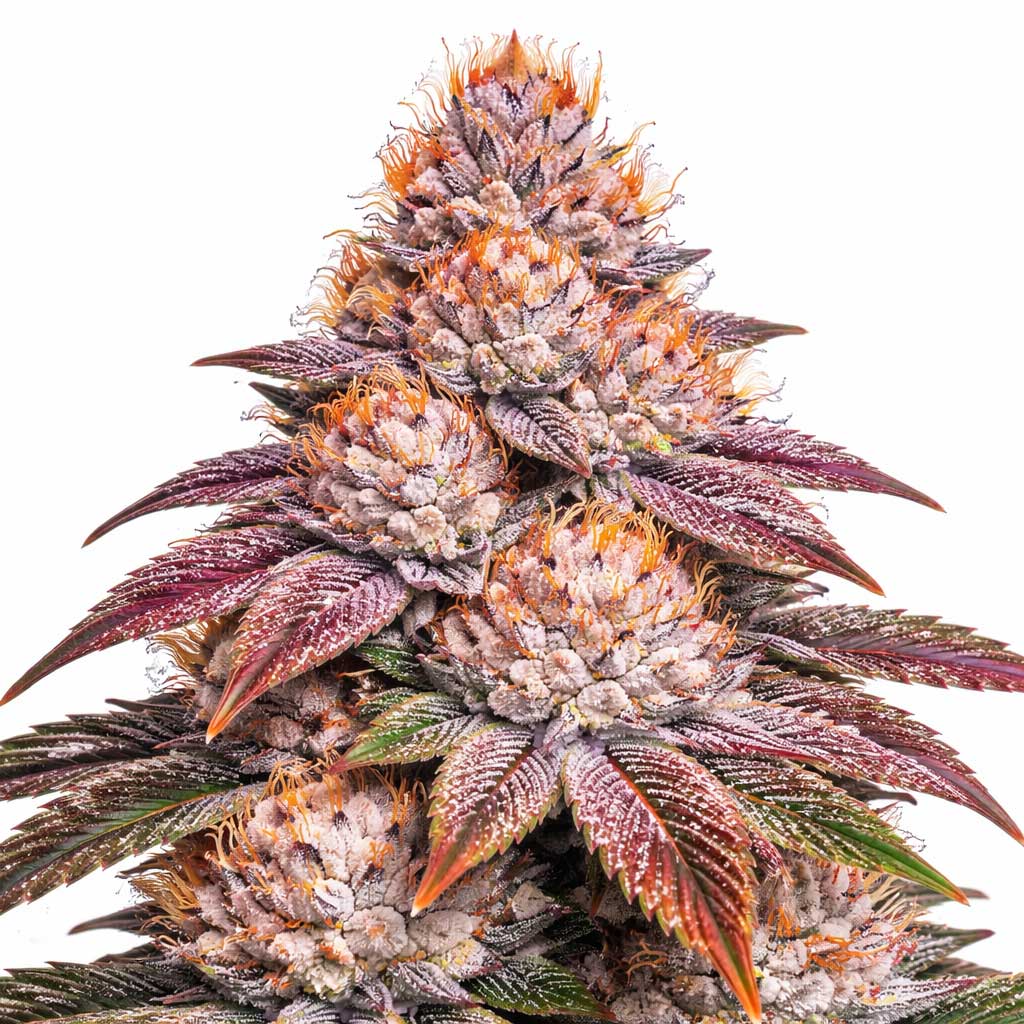
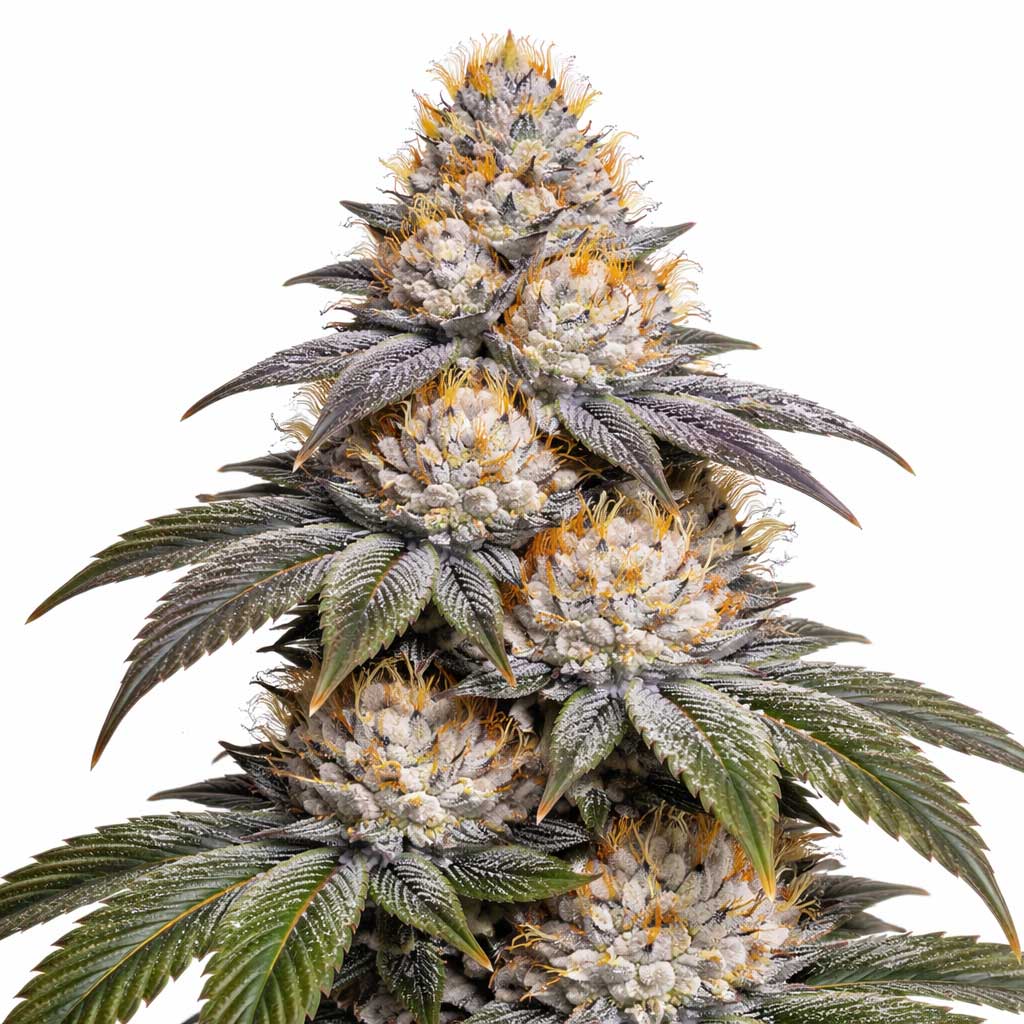
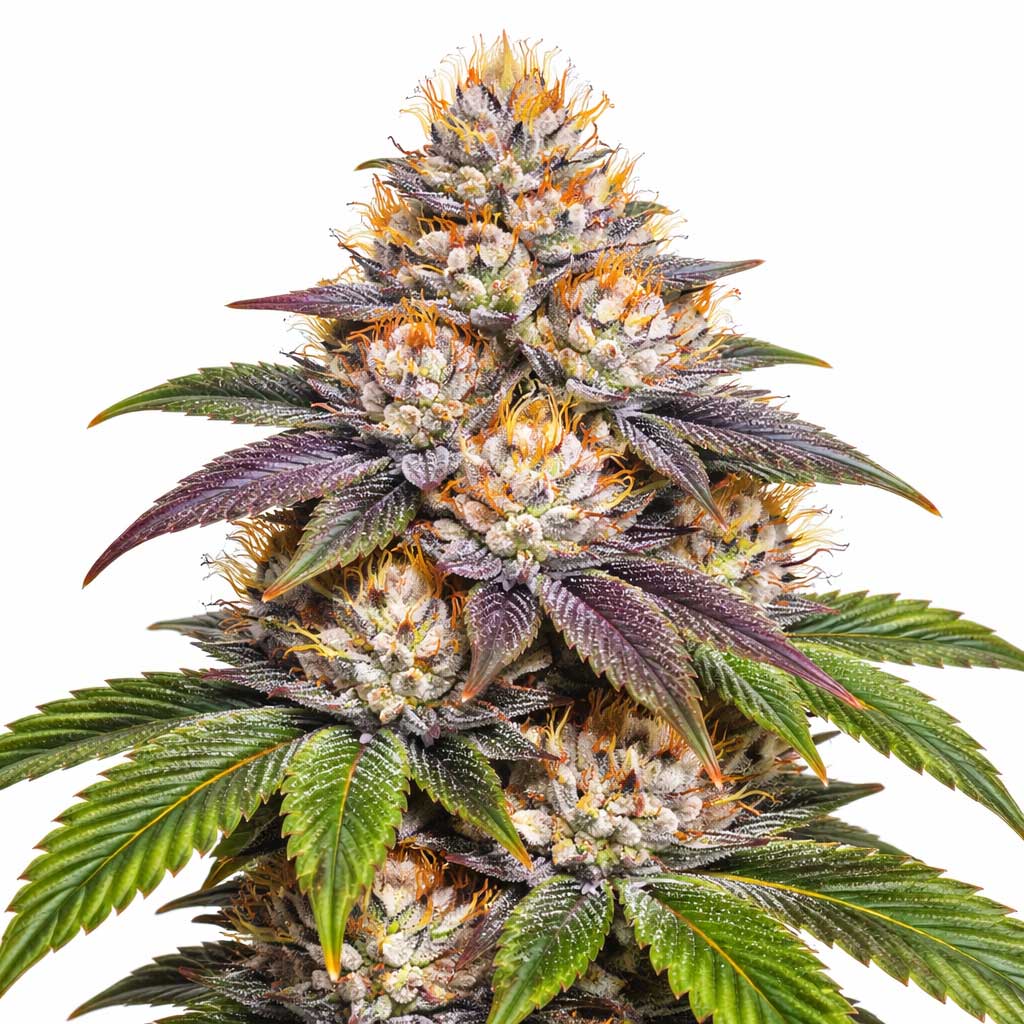
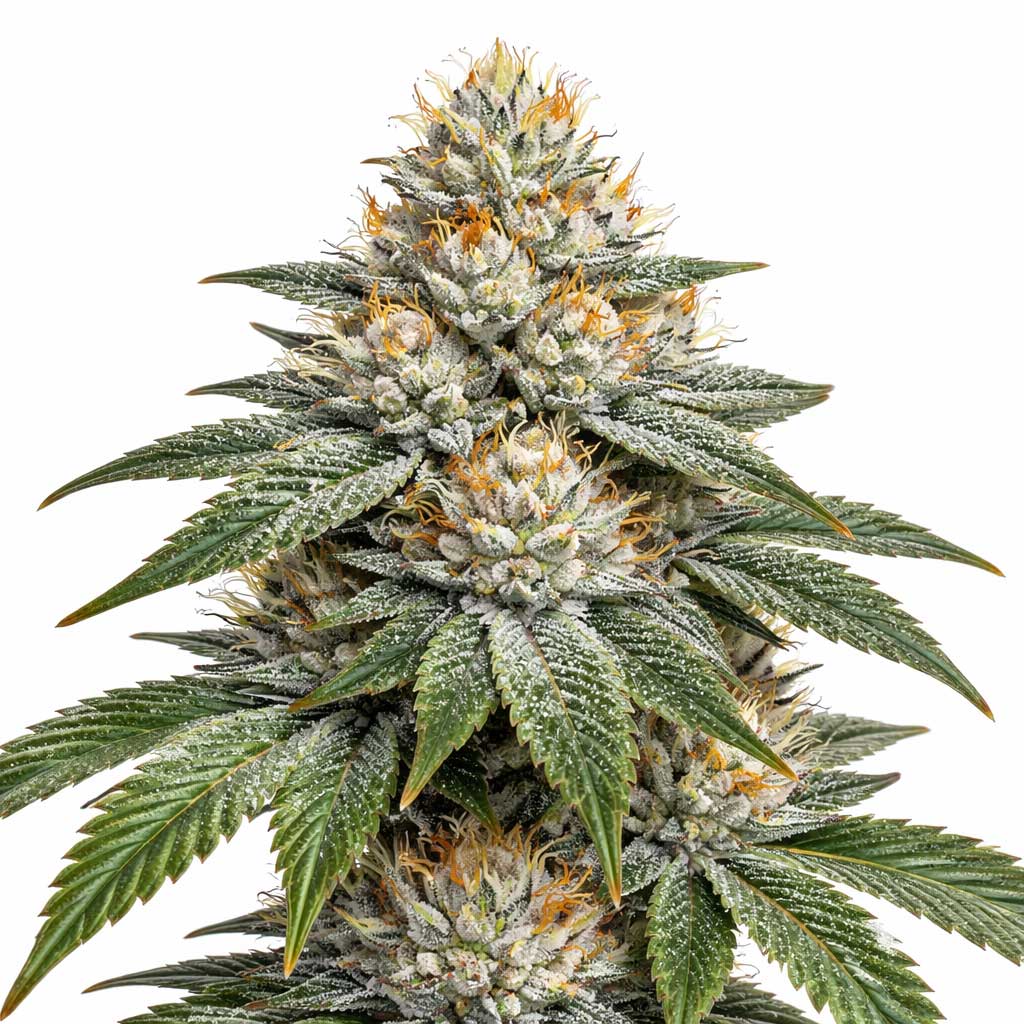
TK Skunk is often described as a botanical bridge between classic 1990s Kush fuel and the harsher skunk-forward expressions associated with older-school cannabis breeding. The plants typically show vigorous growth, hearty branching, and large lime-green flowers with a traditional spear-like structure.
Botanically, the cultivar is notable for its extreme aromatic volatility, often expressing its signature chemical-skunk odor early in vegetative growth. The Triangle Kush side contributes dense trichome production, heavy resin coverage, and a strong physical finish, while Skunk #1 appears to add improved branching, more generous yield, and a distinctly animalic aromatic layer.
TK Skunk stands out as a cultivar focused less on sweetness or dessert-style appeal and more on preserving the foul, loud, old-school character prized by connoisseurs of aggressive gas and skunk genetics.
Effects & Use-Cases (Reported)
Commonly reported effects: an immediate heavy-lidded onset, warm pressure behind the eyes, and a strong descent into body numbing calm. Many users describe the experience as deeply grounding, narcotic, and mentally simplifying, with little emphasis on stimulation.
Use-case context: TK Skunk is commonly associated with nighttime use, deep decompression, full-body relaxation, and situations where stillness and disengagement are preferred over functional daytime activity. Higher-tolerance consumers often describe it as an especially forceful end-of-day option.
Note: These observations are anecdotal reports and should not be interpreted as medical claims.
Aroma & Flavors
Aroma: An overwhelming mix of wet earth, sharp citrus-diesel, roadkill skunk, and burnt rubber, with a foul intensity that is highly sought after by lovers of classic skunk-fuel profiles.
Flavor: The inhale is often described as thick and oily, led by pine and fuel, while the exhale becomes intensely skunky, spicy, and slightly chemical with a long-lasting aftertaste.
Terpene associations: Myrcene, Caryophyllene, and Limonene.
Tested Cannabinoid & Terpene Ranges
| Compound | Typical Range* | Notes |
|---|---|---|
| Δ9-THC | 22.0%–28.0% | Strong potency range often associated with a long-lasting creeper finish |
| Myrcene | ~0.9%–1.6% | Often linked to the cultivar’s sedative and couch-lock character |
| Caryophyllene | ~0.6%–1.0% | Adds spicy funk and supports the strain’s deeper body feel |
| Limonene | ~0.4%–0.7% | Provides the citrus cut through the heavier fuel-skunk aroma |
*Ranges are based on literature-informed references and regional lab reporting, including Humboldt and Oregon market observations, and may vary by phenotype and harvest.
Cultivation Notes
- Odor Control: Strong carbon filtration is often considered essential due to the cultivar’s extremely loud skunk-fuel aroma
- Environment: Performs well indoors and can also show strong resilience in sungrown organic settings
- Structure: High vigor with notable stretch, often around 2× during early flower
- Training: Topping and trellising are commonly recommended to manage size and support heavy colas
- Harvest Window: Late October outdoors in the Northern Hemisphere
Grower Notes (Week-by-Week Snapshot)
- Early Vegetative Stage: Vigorous growth begins quickly, with sturdy branching and an already noticeable odor profile.
- Mid Vegetative to Pre-Flower: Plants expand strongly and may require topping and support planning before stretch intensifies.
- Mid Flower: Spear-like colas begin stacking while fuel, earth, and skunk notes become increasingly aggressive.
- Late Flower: Resin coverage thickens, and heavy flowers often benefit from additional support and strong airflow.
- Harvest Window: Indoor flowering generally finishes in 9–10 weeks, while outdoor harvest usually falls in late October.
Genetic Lineage
TK Skunk combines Triangle Kush and Skunk #1, bringing together two major pillars of classic cannabis breeding. The Triangle Kush side contributes Florida OG depth, strong resin production, and a more narcotic body finish, while Skunk #1 adds bulkier flower development, stronger branching, and the unmistakable foul skunk character.
This pairing creates a cultivar that feels unapologetically old-school, emphasizing loud aroma, physical potency, and dense flower production rather than softer contemporary dessert notes.
Research Insights
TK Skunk is notable because it reflects continued demand for traditional foul-gas and skunk cultivars in a market often dominated by candy-forward hybrids. Its appeal lies in reviving highly pungent terpene expressions that many legacy consumers and preservation-focused breeders consider foundational to cannabis culture.
From a cultivation perspective, the cultivar also demonstrates how combining OG and Skunk lines can improve branching and yield while still preserving the resin density and body-heavy effect profile associated with elite Kush selections.
Frequently Asked Questions
Is TK Skunk the same as Triangle Kush?
No. Triangle Kush is one of the parent strains, but TK Skunk adds Skunk #1, which brings more bulk, branching, and a sharper animal-skunk profile.
Is TK Skunk good for daytime use?
Generally, no. Most users describe it as too sedating and hazy for productive daytime tasks.
Why is it called TK?
TK stands for Triangle Kush, referencing the famed Florida-origin Kush lineage behind one side of the cross.
What makes TK Skunk stand out?
Its defining traits are extreme odor, dirty diesel-skunk flavor, robust spear-shaped buds, and a deeply numbing, old-school body effect.
Educational Disclaimer
This page is provided for scientific and horticultural reference only. Cannabis laws vary by jurisdiction; always ensure compliance with local regulations.