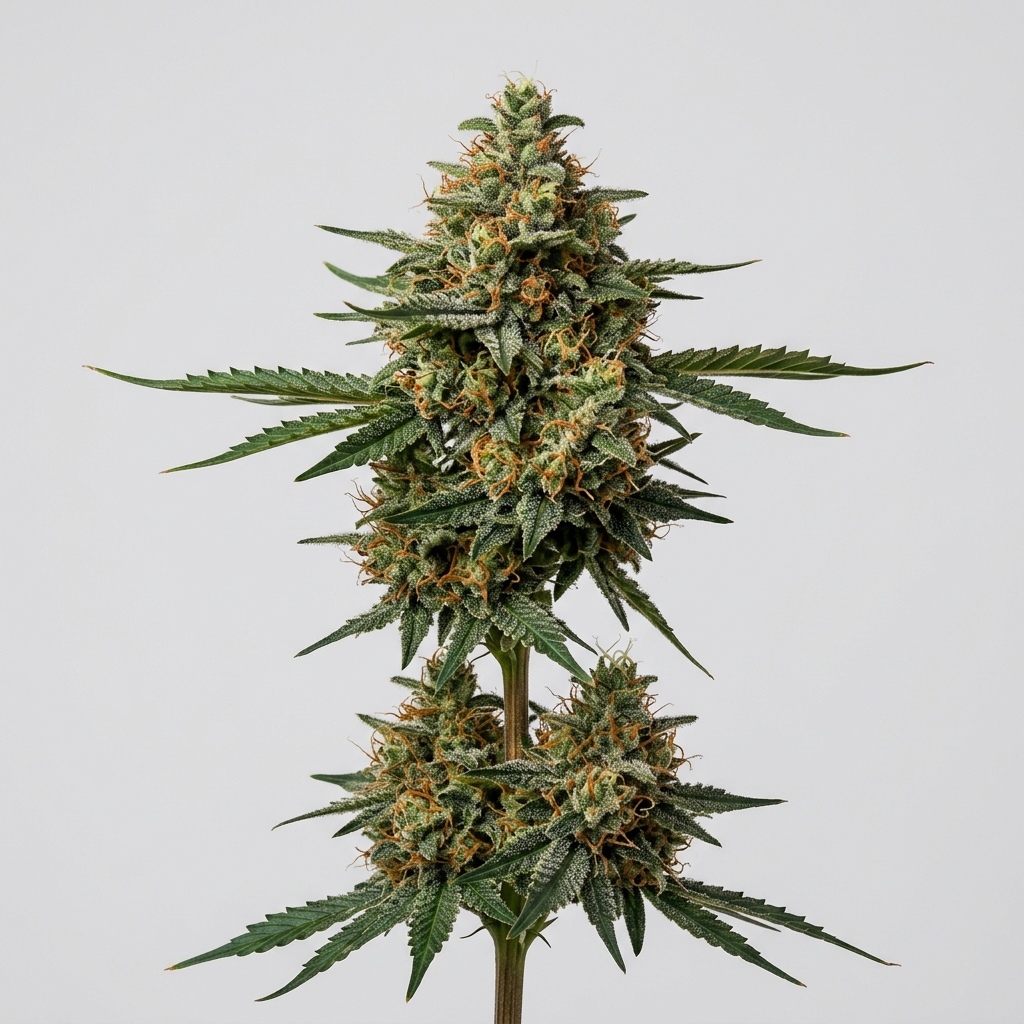
Super Skunk (Cannabis Strain)
Super Skunk is a legendary indica-dominant hybrid, typically testing between 16% and 22% THC, created by backcrossing the iconic Skunk #1 with a robust, resin-heavy Afghani hash plant. Renowned for its pungent, sweet-skunk aroma and deep earthy undertones, this cultivar produces dense, spear-shaped colas coated in greasy resin. Growers value its forgiving nature, rapid flowering cycle, and heavy yield potential, making it a foundational cornerstone of old-school cannabis genetics.
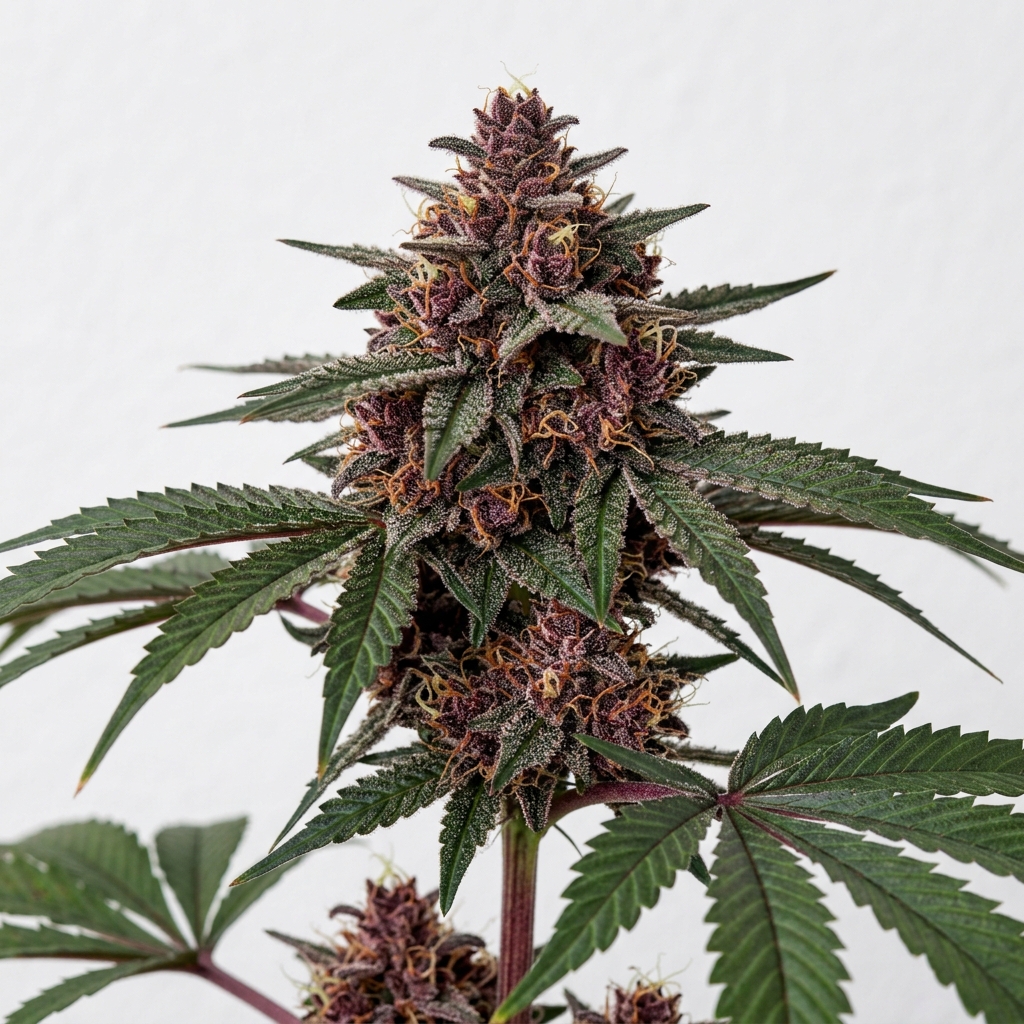
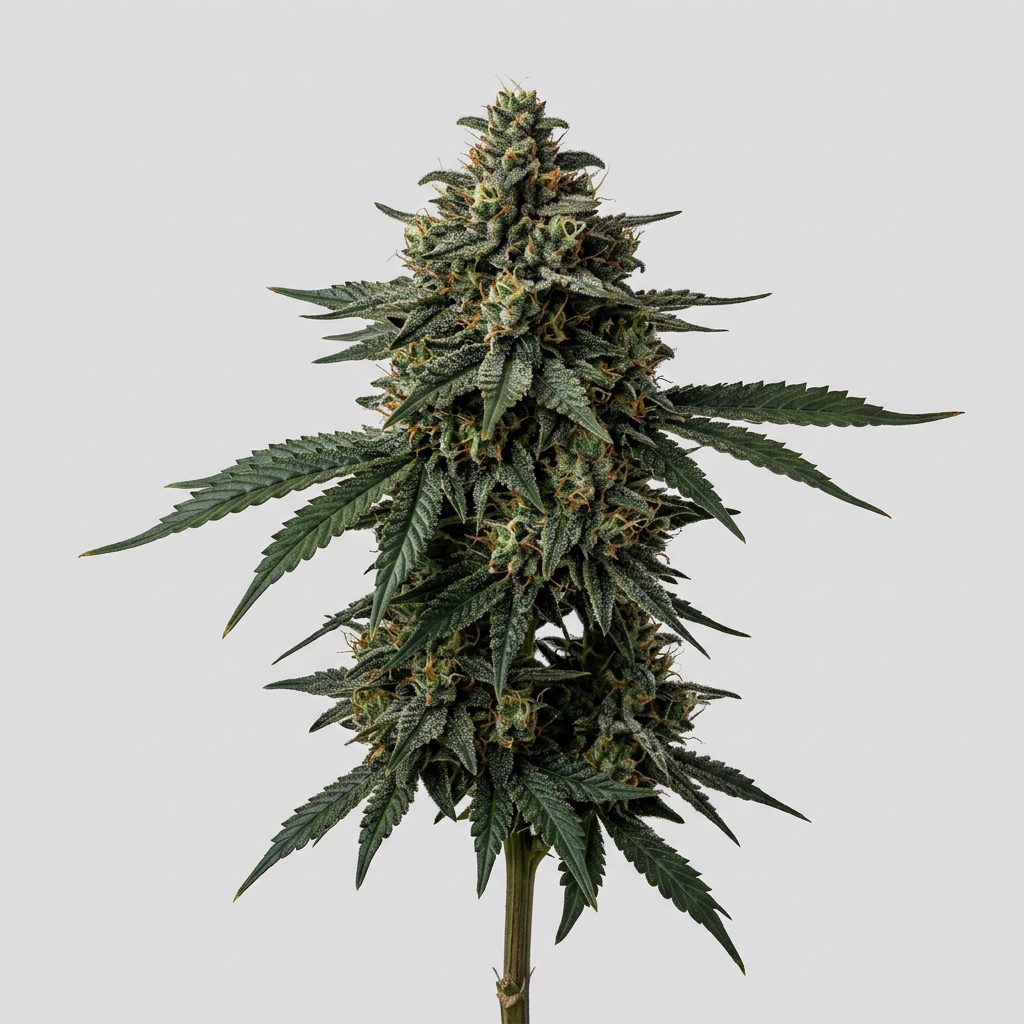
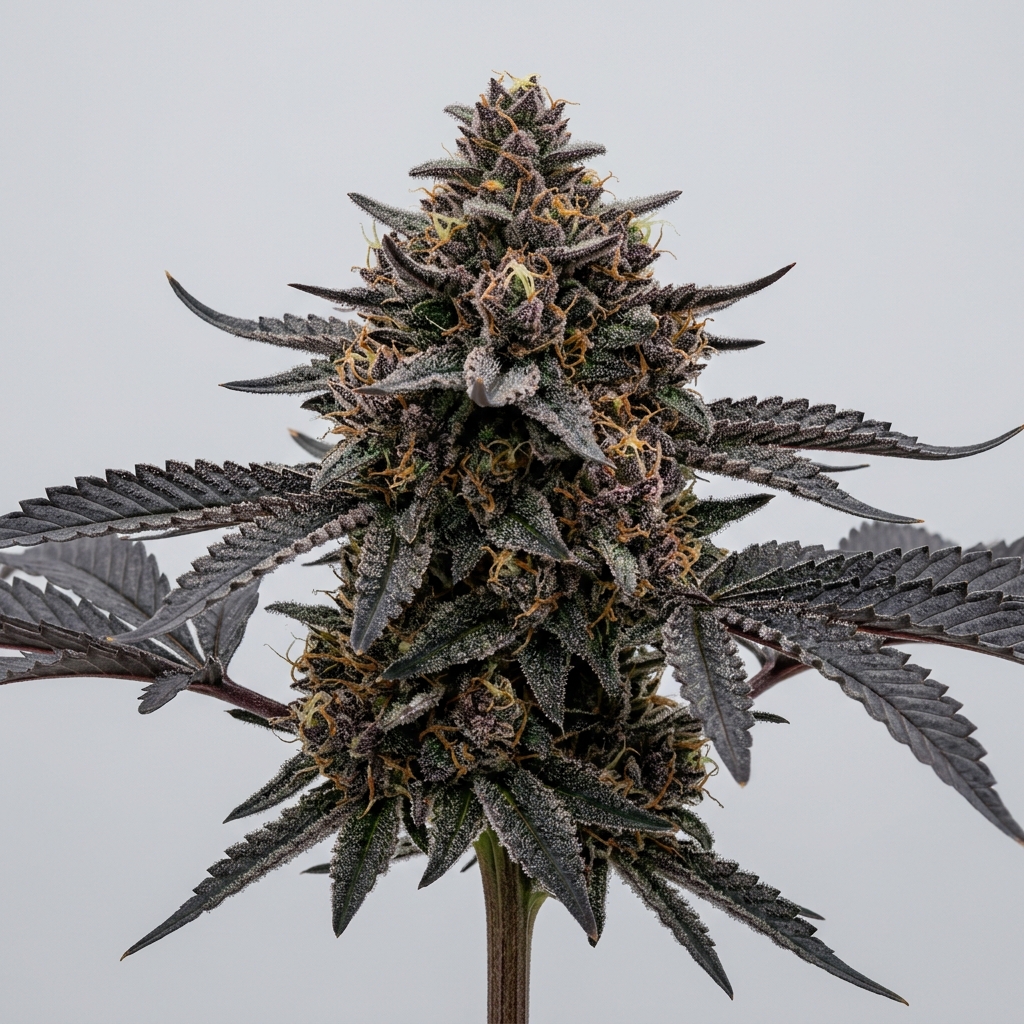
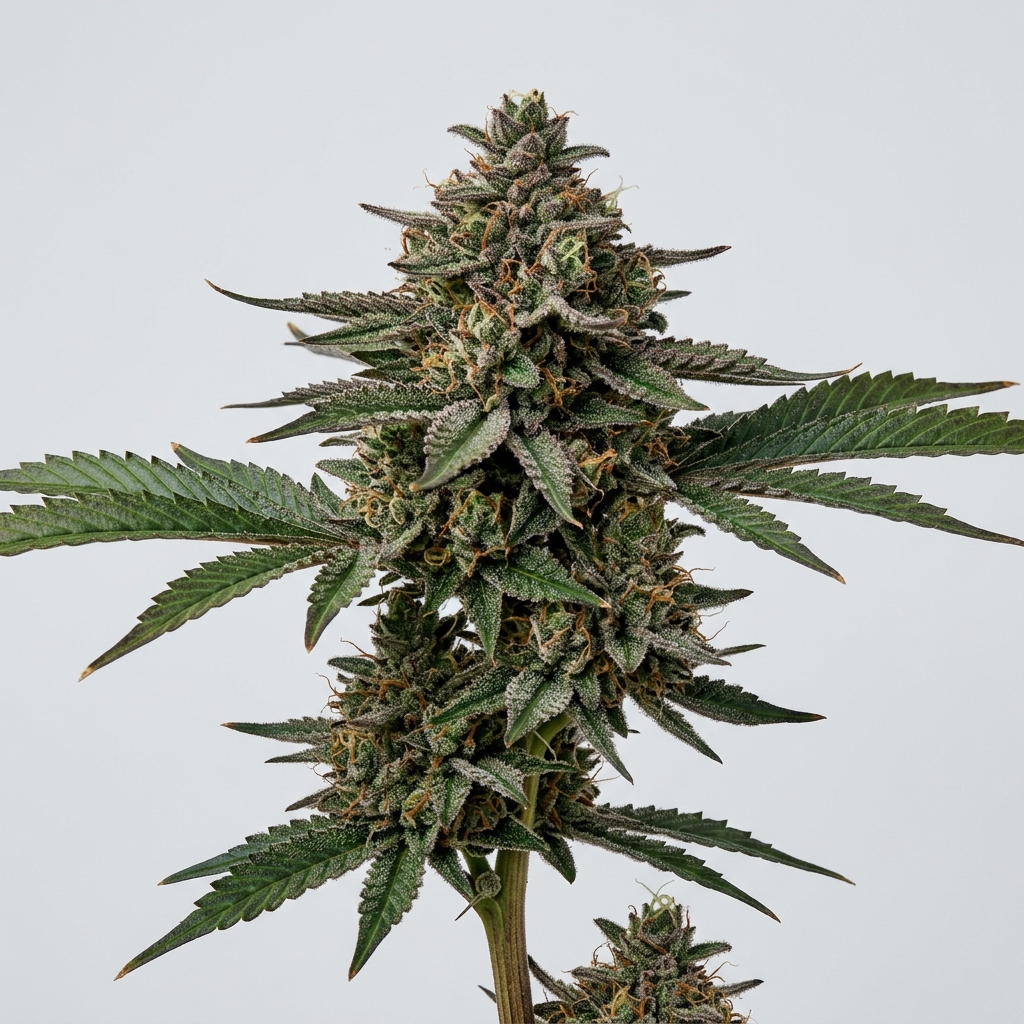
Since its release in the early 1990s, this strain has maintained a reputation for dependable physical relaxation and reliable cultivation performance. Its physical structure reflects its heavy Afghani heritage, producing thick stems and broad fan leaves that support substantial bud weight.
Quick Facts
| Trait | Details |
|---|---|
| Genetics | Skunk #1 × Afghani |
| Variety | Indica-dominant Hybrid |
| THC Range | 16% – 22% |
| Flowering Time | 7 – 8 Weeks |
| Yield Potential | High |
| Plant Height | Medium |
| Climate Preference | Temperate / Continental |
| Difficulty | Easy to Moderate |
Scientific & Botanical Overview
Botanically, Super Skunk shows a highly stable growth morphology, characterized by short internodal spacing and thick, woody stems. The plant develops a prominent central leader with strong lateral branches that hold heavy, dense bracts. During late bloom, the calyxes swell significantly, turning into tight, resin-rich clusters that resist common environmental stressors.
The foliar structure consists of deep green, broad fan leaves with sharp serrations, indicating its strong indica lineage. The cultivar shows an efficient uptake of nitrogen during vegetative growth and transitions smoothly into phosphorus and potassium-heavy requirements in early bloom. This efficient nutrient assimilation supports rapid inflorescence development without premature leaf senescence.
Its trichome distribution is exceptionally dense, covering not only the calyxes but also extending deep into the surrounding sugar leaves. The resin heads are typically capitate-stalked, holding a high concentration of volatile monoterpenes. This dense resin coat acts as a natural barrier, though its tight bud structure requires careful humidity management in late flower.
Effects & Use-Cases (Reported)
Commonly reported effects: Users frequently describe a warm, heavy physical relaxation accompanied by a calm, clear-headed mental ease. The initial onset is often noted as a gentle pressure behind the eyes before spreading evenly throughout the body.
Use-case context: Well-suited for late afternoon or evening use, this strain is commonly selected for unwinding after physical exertion or supporting a restful night. It is less suited for active, high-focus daytime tasks due to its tendency to induce a heavy, grounded sensation.
Note: Individual experiences may vary, and high doses can lead to pronounced physical heaviness or dry mouth.
Aroma & Flavors
Aroma: Pungent and sweet, dominated by a sharp, skunky musk balanced by damp earth and subtle notes of sour citrus.
Flavor: The smoke delivers a rich, savory profile with a sweet herbal base, leaving a lingering spice and hash-like finish on the palate.
Terpene associations: High concentrations of myrcene, caryophyllene, and pinene drive its complex, old-school profile.
Tested Cannabinoid & Terpene Ranges
| Compound | Typical Range |
|---|---|
| Δ9-THC | 16% – 22% |
| CBD | 0.1% – 0.5% |
| Myrcene | 0.4% – 1.2% |
| Caryophyllene | 0.2% – 0.7% |
| Pinene | 0.1% – 0.4% |
Note: Terpene and cannabinoid profiles are highly dependent on specific phenotype selections, growing mediums, and curing methods.
Cultivation Notes
- Maintain relative humidity below 45% during the final three weeks of flowering to prevent moisture retention in the dense colas.
- Apply moderate to heavy feeding regimens, as this cultivar responds well to consistent macronutrient inputs throughout its vegetative phase.
- use low-stress training (LST) or light defoliation to improve light penetration and airflow through the lower canopy.
- Plan for a moderate stretch of approximately 50% to 80% once the light cycle is switched to 12/12.
- Execute a slow dry over 10 to 14 days at 60°F and 60% relative humidity to preserve the delicate volatile terpenes.
Grower Notes (Week-by-Week Snapshot)
- Weeks 1–3 (Vegetative & Transition): Focus on building a strong root system; the plant develops broad fan leaves and tight internodes. Ensure early topping or training is completed before switching to the flowering cycle.
- Weeks 4–6 (Early to Mid-Bloom): White pistils form rapidly, grouping into dense clusters. The stretch is manageable, and the first signs of greasy resin appear along the bracts.
- Weeks 7–8+ (Late Bloom & Ripening): Calyxes swell and pistils turn orange to amber. Reduce humidity levels and monitor trichome maturity; most phenotypes are ready for harvest by day 50 to 56.
Genetic Lineage
Super Skunk was bred to enhance the performance and physical potency of the original Skunk #1. By introducing a select, highly resinous Afghani hash plant, breeders successfully increased the bud density and shortened the flowering window.
This hybridization preserved the sharp, pungent aroma of the Skunk lineage while adding a deep, earthy foundation. The resulting offspring became a benchmark for commercial viability and breeding stability worldwide.
Research Insights
Scientific interest in Super Skunk often centers on its robust terpene profile, particularly the high concentration of myrcene interacting with caryophyllene. This combination is frequently studied for its potential to modulate the physical effects of THC, contributing to the deep relaxation commonly reported by consumers.
Additionally, its stable genetic architecture makes it a preferred model for studying inheritance patterns in cannabis breeding. Its ability to consistently pass down traits of pest resistance and short flowering times has solidified its place in modern horticultural research.
Frequently Asked Questions
Is Super Skunk suitable for beginner growers?
Yes, it is highly recommended for beginners due to its robust genetics, high resistance to common pests, and forgiving nature under minor nutrient fluctuations.
What is the typical flowering time for Super Skunk?
This cultivar typically finishes its flowering cycle in 7 to 8 weeks when grown indoors.
How tall does Super Skunk grow?
It generally maintains a medium, manageable height, making it well-suited for indoor spaces with limited vertical clearance.
What does Super Skunk smell like?
It features a highly pungent, sweet, and musky skunk aroma with deep, spicy undertones of damp earth.
Educational Disclaimer
This content is intended solely for educational and informational purposes. It does not constitute medical advice or encourage illegal cultivation practices.
Rate and review this strain
Ratings and reviews are accepted only from signed-in Google accounts.
Sign in with Google to leave a rating and written review.
Latest Reviews
0 reviewsNo reviews yet. Be the first Google user to rate and review this strain.