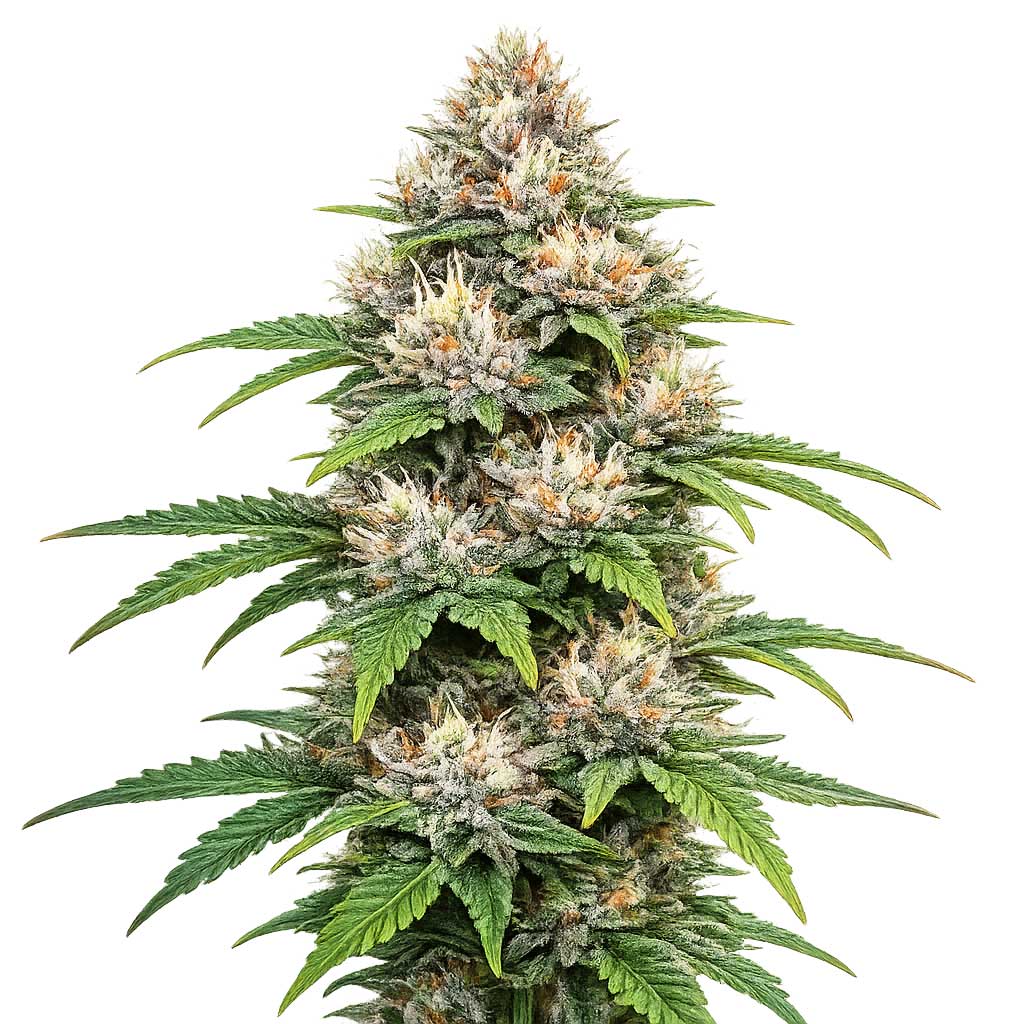
Strawberry Cough (Cannabis Strain)
Strawberry Cough is a classic sativa-dominant hybrid cannabis cultivar best known for its sweet berry aroma, uplifting cerebral effects, and the signature expansive smoke sensation that inspired its name. It is most commonly described as a cross between Haze and Strawberry Fields, although its exact origin story has been debated over time. That reported pairing helps explain its combination of bright mental lift, fruity sweetness, and haze-leaning energy.
Strawberry Cough became one of the most recognizable fruit-forward sativas in modern cannabis culture because it combines a memorable strawberry profile with clear, upbeat daytime appeal. It is especially associated with sweet red-berry aroma, sticky frosted flower, and an energizing but smooth experience that remains friendlier and more flavorful than many sharper old-school sativa lines. The information below is provided strictly for scientific and botanical reference.
Quick Facts
| Feature | Details |
|---|---|
| Genetics | Commonly described as Haze × Strawberry Fields |
| Variety | Sativa-dominant hybrid |
| THC Range | 18%–23% |
| Flowering Time | 8–10 weeks (about 56–70 days indoors) |
| Yield Potential | Moderate to High |
| Plant Height | Medium to Tall; lively, branchy, and haze-leaning in structure |
| Climate Preference | Warm outdoor conditions or controlled indoor rooms with strong light and airflow |
| Difficulty | Moderate |
Scientific & Botanical Overview
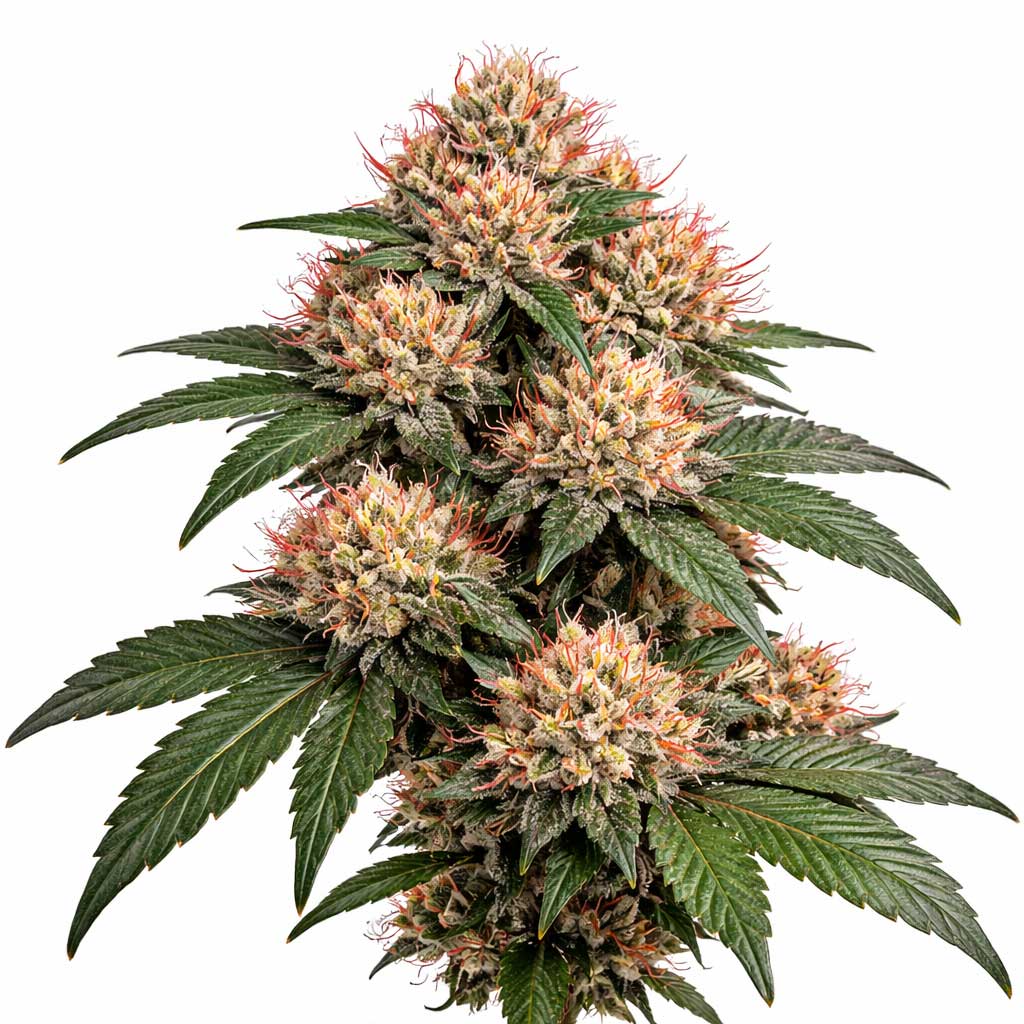
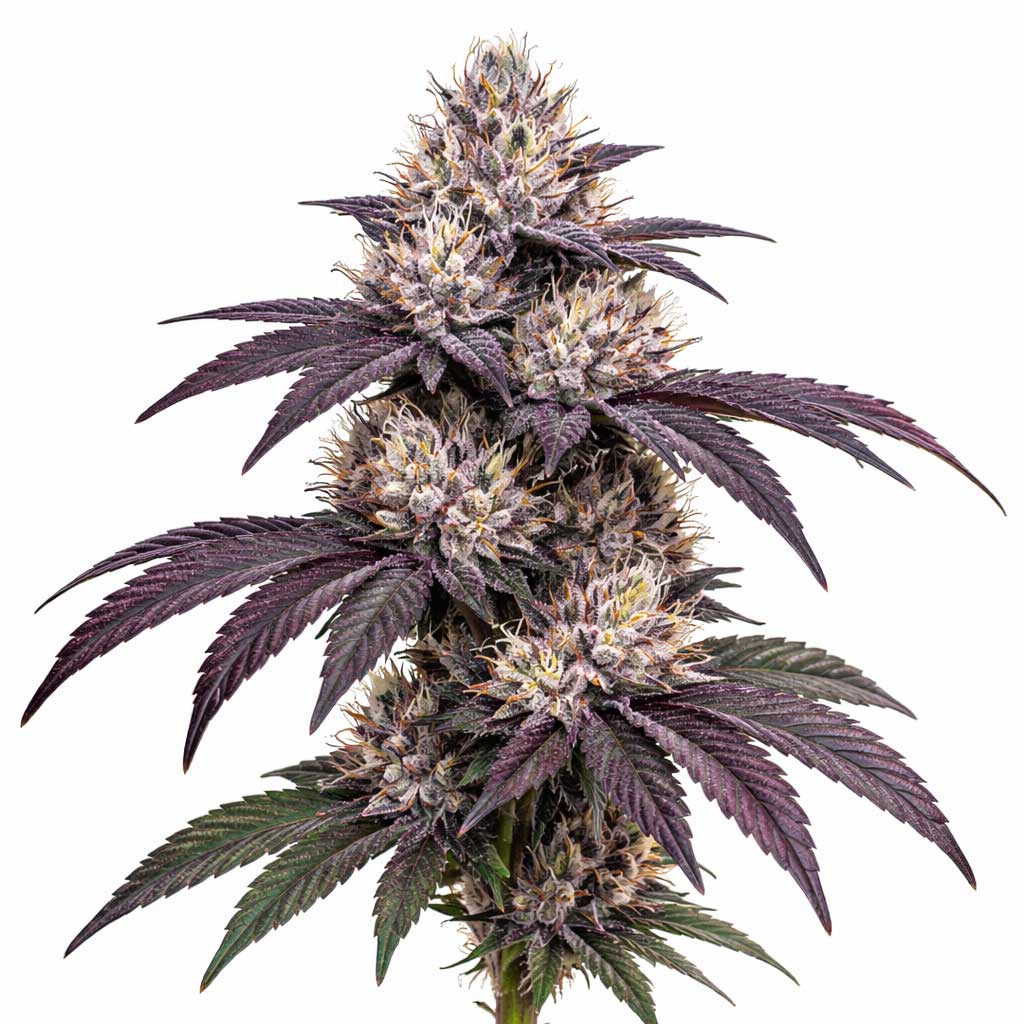
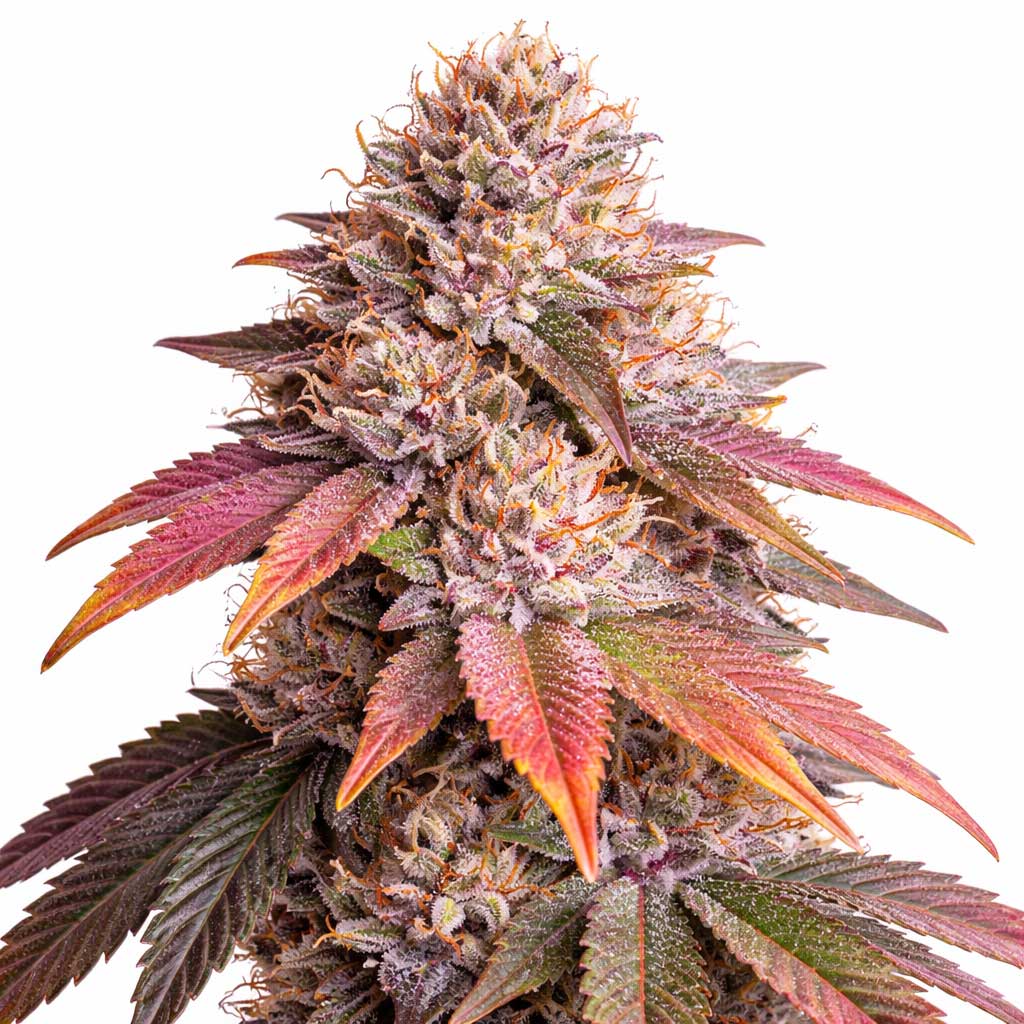
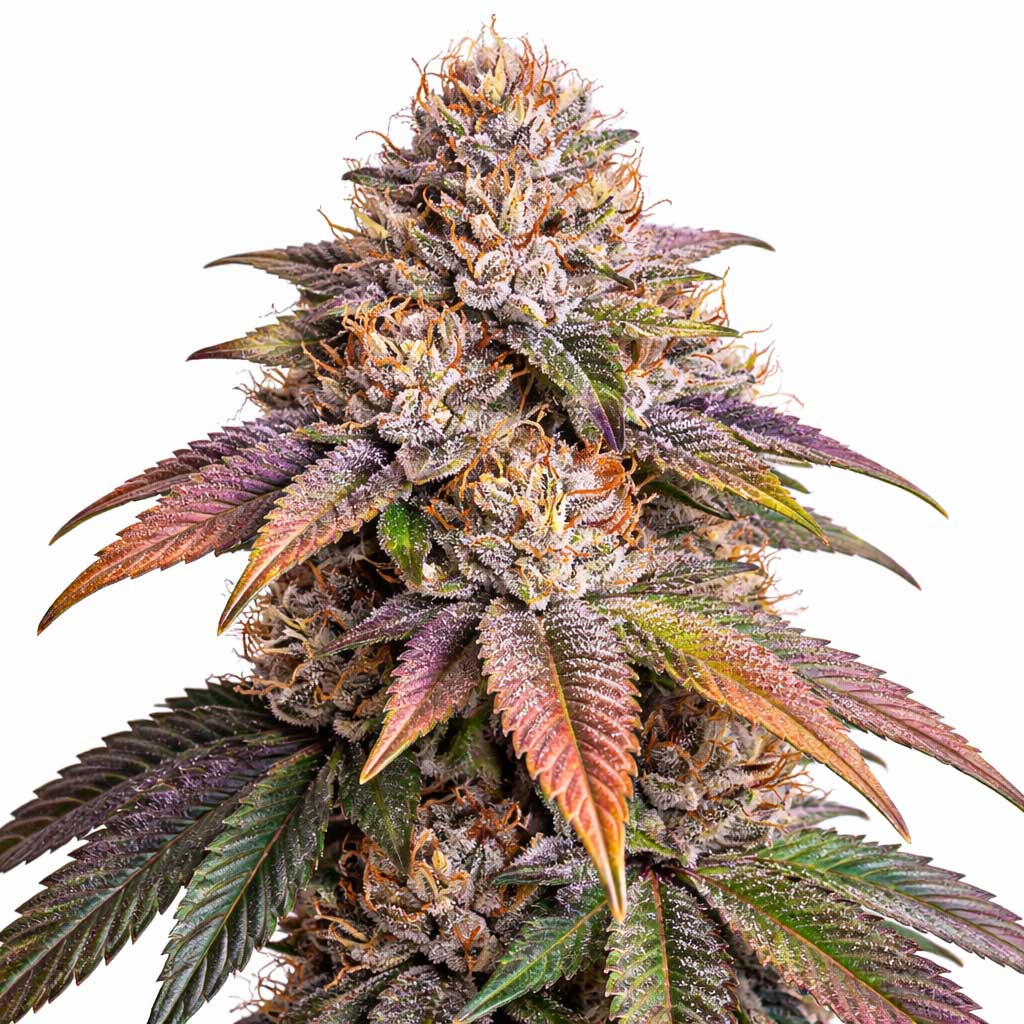
Strawberry Cough typically produces medium-density flowers with light to medium green coloration, bright orange pistils, and a generous frost layer that gives the buds a sticky, sparkling finish. Well-grown examples often show a fresh, lively look rather than the dark dense appearance associated with heavier dessert cultivars.
Botanically, the cultivar stands out for its fruit-forward terpene profile. Sweet strawberry, red berry, light earth, and spicy herbal haze notes are commonly associated with Strawberry Cough, giving it a distinct identity among classic uplifting strains. This berry-meets-haze expression helped the cultivar earn lasting recognition across multiple generations of growers and consumers.

Strawberry Cough remains especially notable because it captures a cheerful, energetic sativa experience in a sweeter and more approachable aromatic package than many sharper old-school haze selections.
Effects & Use-Cases (Reported)
Commonly reported effects: euphoric uplift, mental clarity, creative energy, sociability, and a light relaxing body feel without early heaviness.
Use-case context: Strawberry Cough is most often associated with morning or daytime use. It is frequently selected for social sessions, creative work, mood-brightening situations, and active daytime use where a stimulating sativa-leaning hybrid is preferred over a sedating cultivar.
Note: These observations are anecdotal reports and should not be interpreted as medical claims.
Aroma & Flavors
Aroma: Sweet strawberry, red berry, light skunk, and spicy herbal haze.
Flavor: The inhale is commonly described as fruity, juicy, and berry-forward, while the exhale becomes more spicy, earthy, lightly peppery, and haze-accented.
Terpene associations: Myrcene, Caryophyllene, Pinene, and Limonene.
Tested Cannabinoid & Terpene Ranges
| Compound | Typical Range* | Notes |
|---|---|---|
| Δ9-THC | 18.0%–23.0% | Classic potent range commonly associated with uplifting daytime flower |
| CBD | Low / Trace | Usually present at minor background levels |
| Myrcene | Commonly associated | Supports berry depth and a smoother body tone |
| Caryophyllene | Commonly associated | Adds spicy structure and a peppery herbal finish |
| Pinene | Sometimes prominent | Supports a fresher, clearer daytime aromatic edge |
| Limonene | Sometimes prominent | Can brighten the berry profile with a subtle citrus lift |
*Ranges are literature-informed public references and may vary by phenotype, cultivation environment, harvest timing, and analytical method.
Cultivation Notes
- Light Cycle: 18/6 vegetative and 12/12 flowering.
- Humidity Targets: Around 40%–50% RH in late flower is commonly preferred to protect resinous buds and maintain aromatic clarity.
- Nutrition: Balanced feeding with attention to stretch control and bloom support is commonly recommended.
- Training: Topping, low-stress training, and canopy control are often useful because the plant can develop a taller, more open sativa-leaning frame.
- Harvest Window: Typically early to mid-October outdoors in the Northern Hemisphere.
Grower Notes (Week-by-Week Snapshot)
- Weeks 1–3 (Transition): Noticeable stretch is common as the plant builds a taller hybrid structure with active branching.
- Weeks 4–6: Flower sites stack steadily and the sweet strawberry aroma begins to intensify throughout the room.
- Weeks 7–9: Resin coverage increases, berry sweetness deepens, and the spicy haze finish becomes more defined.
- Post-Harvest: A careful slow dry and proper cure are often recommended to preserve fresh strawberry sweetness and reduce harshness in the expanding haze-like smoke.
Genetic Lineage
Strawberry Cough is most commonly described as a cross between Haze and Strawberry Fields, although detailed origin records have not always been presented consistently in public strain history. Even with that ambiguity, most modern strain references agree on its core identity as a berry-forward, haze-leaning sativa hybrid.
Strawberry Fields is commonly associated with the cultivar’s sweet berry aroma and red-fruit personality, while Haze contributes the uplifting cerebral edge, spicy herbal character, and more active daytime structure. Together, these traits help explain why Strawberry Cough became such an enduring classic.
Research Insights
Strawberry Cough is often discussed in relation to Myrcene-Caryophyllene-Pinene interplay, a terpene pattern commonly associated with fruit sweetness, light spice, and a mentally bright overall tone. This helps explain why the cultivar is frequently described as flavorful, social, and motivating rather than deeply sedating.
From a market standpoint, Strawberry Cough remains important because it helped establish berry-forward sativas as a lasting commercial category. Its long-standing recognition reflects steady demand for strains that combine memorable flavor with clear daytime usability.
Frequently Asked Questions
Is Strawberry Cough indica or sativa?
Strawberry Cough is generally described as a sativa-dominant hybrid.
What does Strawberry Cough taste like?
It is widely described as tasting like sweet strawberry, red berries, light earth, and spicy herbal haze.
Why is it called Strawberry Cough?
The name is commonly linked to its strawberry-forward aroma and the expansive smoke sensation that can trigger coughing, especially for some users.
Educational Disclaimer
This page is provided for scientific and horticultural reference only. Cannabis laws vary by jurisdiction; always ensure compliance with local regulations.