Shiva Skunk (Cannabis Strain)
Shiva Skunk is a classic indica-dominant hybrid, typically testing between 15% and 22% THC, created by crossing the legendary Northern Lights #5 with Skunk #1. Renowned for its heavy, greasy resin production and dense, bulbous bud structure, this cultivar delivers a deeply pungent aroma of sweet musk, tart citrus, and oily skunk. It shows a compact, sturdy growth habit with minimal stretch, making it a reliable, high-yielding choice for both indoor and outdoor cultivators seeking old-school potency.
Originally released in the late 1980s under the name René’s Blend, this strain quickly established itself as a benchmark for pure physical power. The hybrid inherits the structural integrity of its Northern Lights parent alongside the prolific, fast-flowering nature of Skunk #1. Today, it remains highly regarded by traditional growers who value thick, resin-rich flowers and a reliable, deeply relaxing profile.
Quick Facts
| Attribute | Details |
|---|---|
| Genetics | Northern Lights #5 × Skunk #1 |
| Variety | Indica-dominant (85% / 15%) |
| THC Range | 15% – 22% |
| Flowering Time | 7 – 8 Weeks (45 – 55 Days) |
| Yield Potential | High |
| Plant Height | Compact to Medium |
| Climate Preference | Warm, temperate, dry climates |
| Difficulty | Easy to Moderate |
Scientific & Botanical Overview
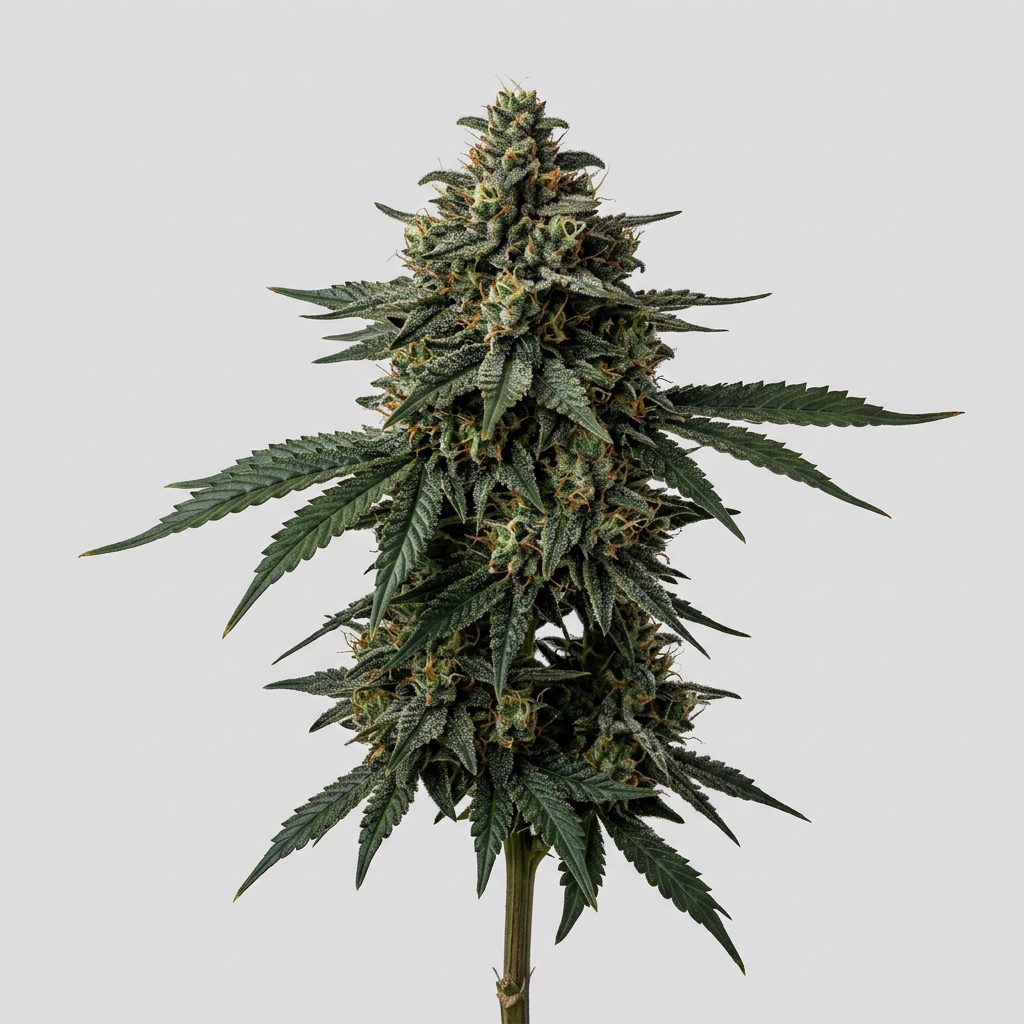
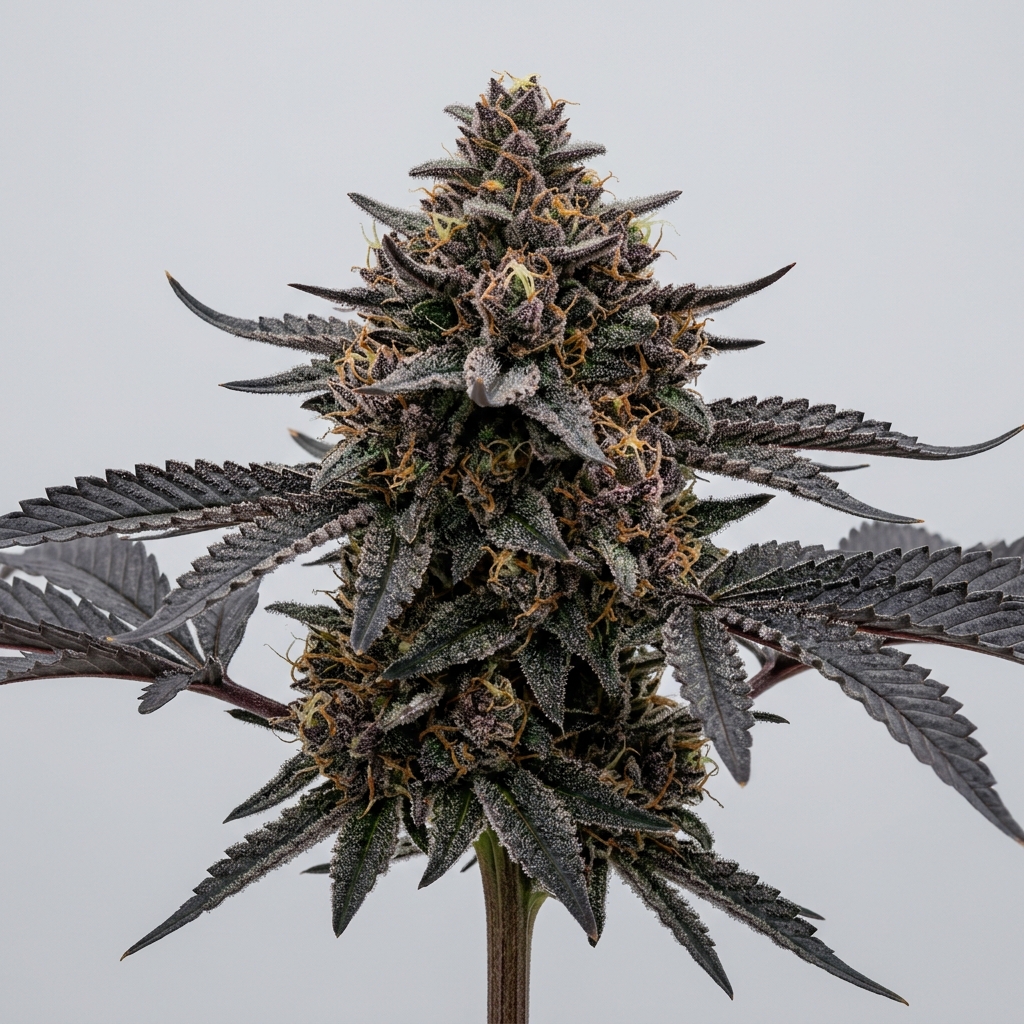
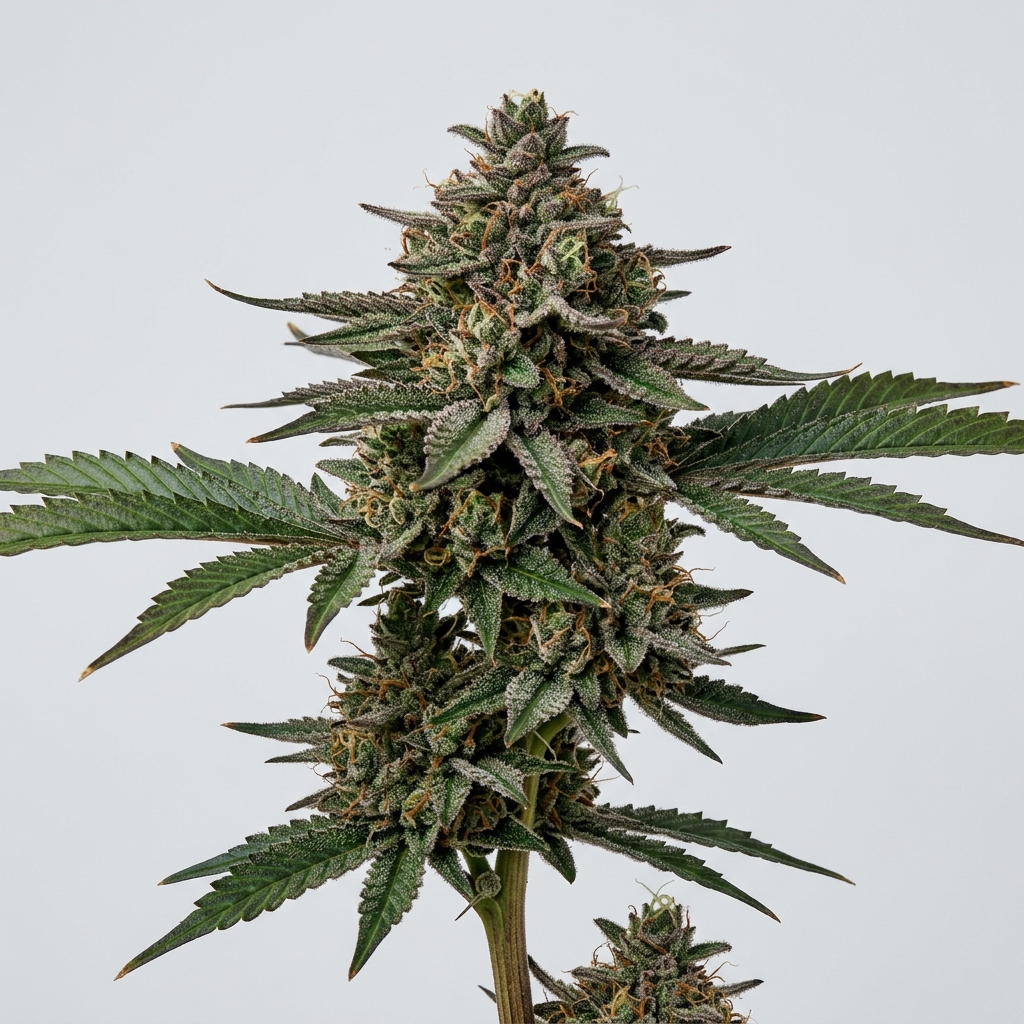
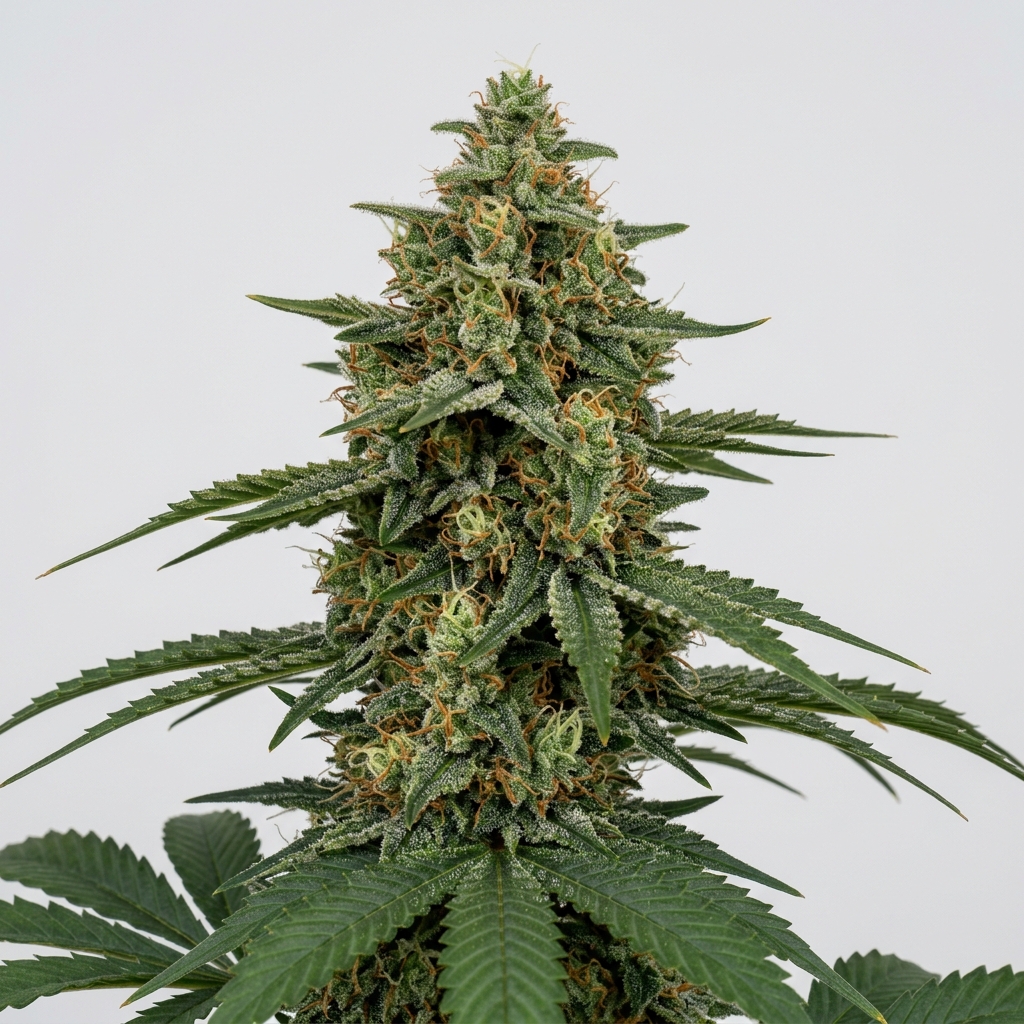
Botanically, Shiva Skunk displays classic indica morphology with broad fan leaves, thick woody stems, and tight internodes. The vegetative stage is characterized by rapid lateral branching, creating a dense canopy that benefits from early defoliation. As the plant transitions to flower, the nodes stack tightly, forming heavy, spear colas.
The dense bracts are exceptionally solid and swell significantly during the final weeks of bloom. Trichome coverage is dense and uniform, producing a greasy, wet frost that coats the flowers and surrounding sugar leaves. This heavy resin production is a direct inheritance from the Northern Lights #5 lineage, which consistently provides a thick layer of capitate-stalked resin glands.
The cultivar shows high resistance to common environmental stressors, though its dense bud structure requires careful humidity management during late bloom. Air circulation must remain consistent to prevent moisture buildup within the tightly packed calyxes. Indoors, keeping the canopy open ensures even light penetration and reduces microclimate humidity risks.
Effects & Use-Cases (Reported)
Commonly reported effects: A heavy, warm physical relaxation that settles quickly behind the eyes before spreading throughout the limbs. Many observe a calm, slow-paced mental state accompanied by a mild, dreamlike euphoria.
Use-case context: Best suited for evening or late-night use when physical rest is the primary goal. It is frequently selected by those looking to wind down after physical exertion or to assist with sleep transitions.
Note: Due to its rapid onset and heavy physical footprint, newer consumers should approach this cultivar with caution to avoid unexpected lethargy.
Aroma & Flavors
Aroma: Pungent and earthy, dominated by a sharp, oily skunk base with undertones of sweet musk, damp soil, and fermented citrus.
Flavor: Thick and expansive on the exhale, leaving a lingering finish of sweet, spicy hash, black pepper, and a subtle pine edge.
Terpene associations: Myrcene provides the deep earthy musk, while Caryophyllene adds a spicy, peppery bite, supported by Limonene for a faint citrus lift.
Tested Cannabinoid & Terpene Ranges
| Compound | Typical Range |
|---|---|
| Δ9-THC | 15.0% – 22.0% |
| CBD | 0.1% – 0.5% |
| Myrcene | 0.5% – 1.2% |
| Caryophyllene | 0.3% – 0.8% |
| Limonene | 0.2% – 0.6% |
The ranges presented above reflect typical laboratory testing data for this cultivar. Individual phenotypes and environmental conditions during cultivation will influence the final cannabinoid and terpene distribution.
Cultivation Notes
- Keep late-flower humidity strictly below 45% to protect the dense, heavy colas from moisture retention.
- Responds exceptionally well to Sea of Green (SOG) setups due to its compact vertical growth and dominant central colas.
- Requires moderate to heavy feeding during mid-flower, showing a high tolerance for nitrogen during vegetative growth and phosphorus/potassium during bloom.
- Prune the lower third of the canopy before transitioning to flower to improve airflow and direct energy to the upper canopy.
- The strong, pungent aroma begins early in flower, requiring robust carbon filtration systems.
Grower Notes (Week-by-Week Snapshot)
- Weeks 1–3 (Transition & Early Bloom): The plant undergoes a controlled stretch, typically doubling its vegetative height. Sturdy lateral branches begin to form tight clusters of white pistils at the nodes.
- Weeks 4–6 (Mid-Bloom & Swelling): Calyxes begin to swell rapidly, and the first visible layers of wet frost appear on the bracts. The classic skunky aroma becomes highly noticeable, and support stakes may be needed for heavy lower branches.
- Weeks 7–8 (Late Bloom & Ripening): Pistils turn amber, and the trichomes transition from clear to milky white with a scattering of amber heads. Reduce watering slightly and maintain low humidity to encourage final resin secretion.
Genetic Lineage
The heritage of Shiva Skunk is a masterclass in classic Dutch breeding, uniting two of the most influential building blocks in cannabis history. Northern Lights #5 contributes its signature resin production, compact stature, and deep physical potency. This genetic foundation ensures a highly stable growth pattern and structural resilience.
On the other side of the cross, Skunk #1 injects vigor, rapid flowering times, and its unmistakably pungent, sweet-skunk aromatic profile. The resulting hybrid preserves the best attributes of both parents, offering a reliable growth cycle with a highly predictable, heavy-hitting output.
Research Insights
Analytical profiles of Shiva Skunk highlight a terpene landscape dominated by myrcene and caryophyllene. This combination is of interest to researchers studying the relationship between monoterpenes and sesquiterpenes in relation to physical relaxation. The presence of these compounds in high concentrations supports the cultivar’s reputation for inducing deep physical ease.
Additionally, the exceptionally high density of trichomes on this cultivar makes it a valuable subject for studying gland development and resin synthesis. The genetic contribution of Northern Lights #5 ensures that the plant maintains a high concentration of active compounds even under varying environmental conditions, making it a stable reference point for hybrid breeding programs.
Frequently Asked Questions
Is Shiva Skunk suitable for beginner growers?
Yes, its sturdy structure, high resistance to pests, and predictable growth pattern make it an excellent choice for novice cultivators.
How long does Shiva Skunk take to flower?
This strain is a fast finisher, typically completing its flowering cycle within 7 to 8 weeks (45 to 55 days) when grown indoors.
What are the primary aromas of Shiva Skunk?
It features a pungent, sweet skunk profile mixed with earthy musk, spicy hash, and a light citrus undertone.
Does Shiva Skunk stretch much during flower?
No, it shows a very controlled stretch, usually only doubling its vegetative height, which is ideal for spaces with limited vertical clearance.
Educational Disclaimer
This profile is intended solely for educational and informational purposes. Cultivation of cannabis is subject to varying legal regulations globally; verify local laws before germinating seeds or cultivating any cannabis plants.
Rate and review this strain
Ratings and reviews are accepted only from signed-in Google accounts.
Sign in with Google to leave a rating and written review.
Latest Reviews
0 reviewsNo reviews yet. Be the first Google user to rate and review this strain.