Sherb Cream Pie (Cannabis Strain)
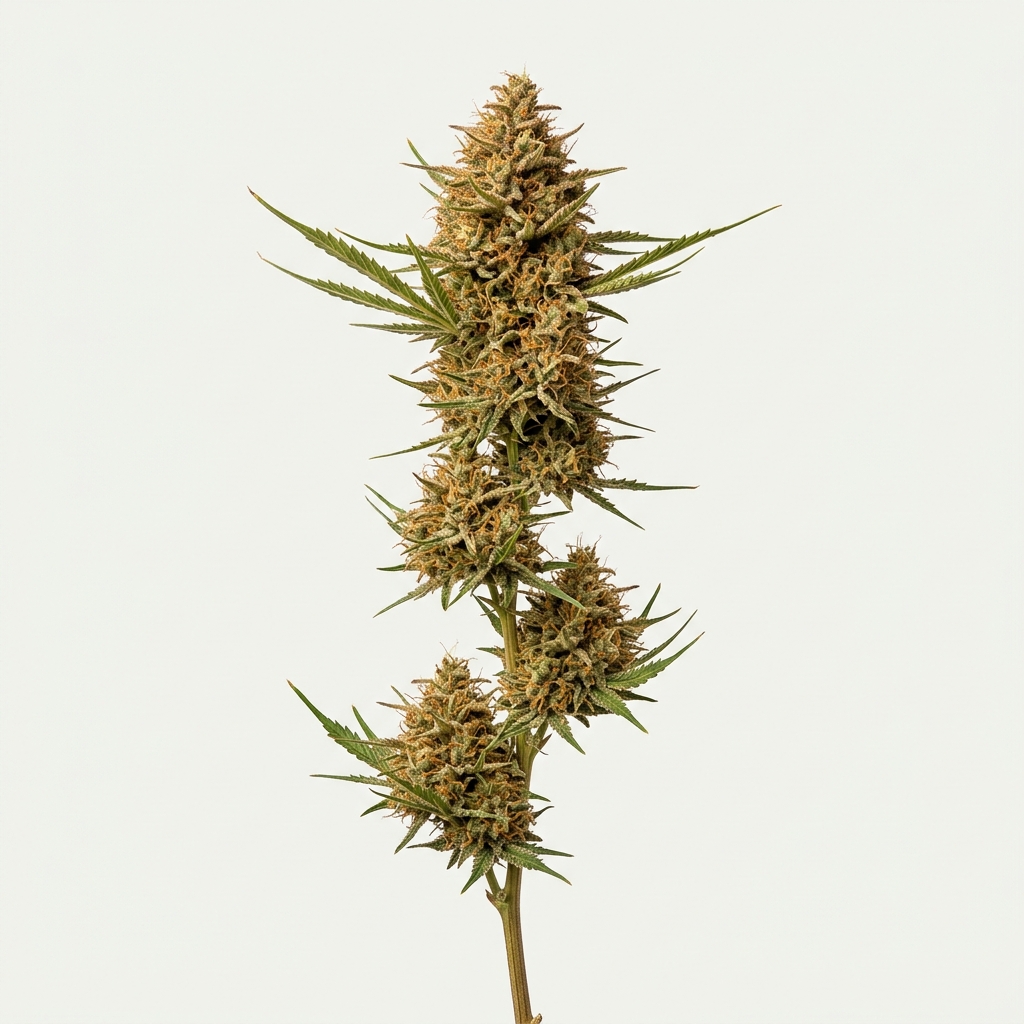
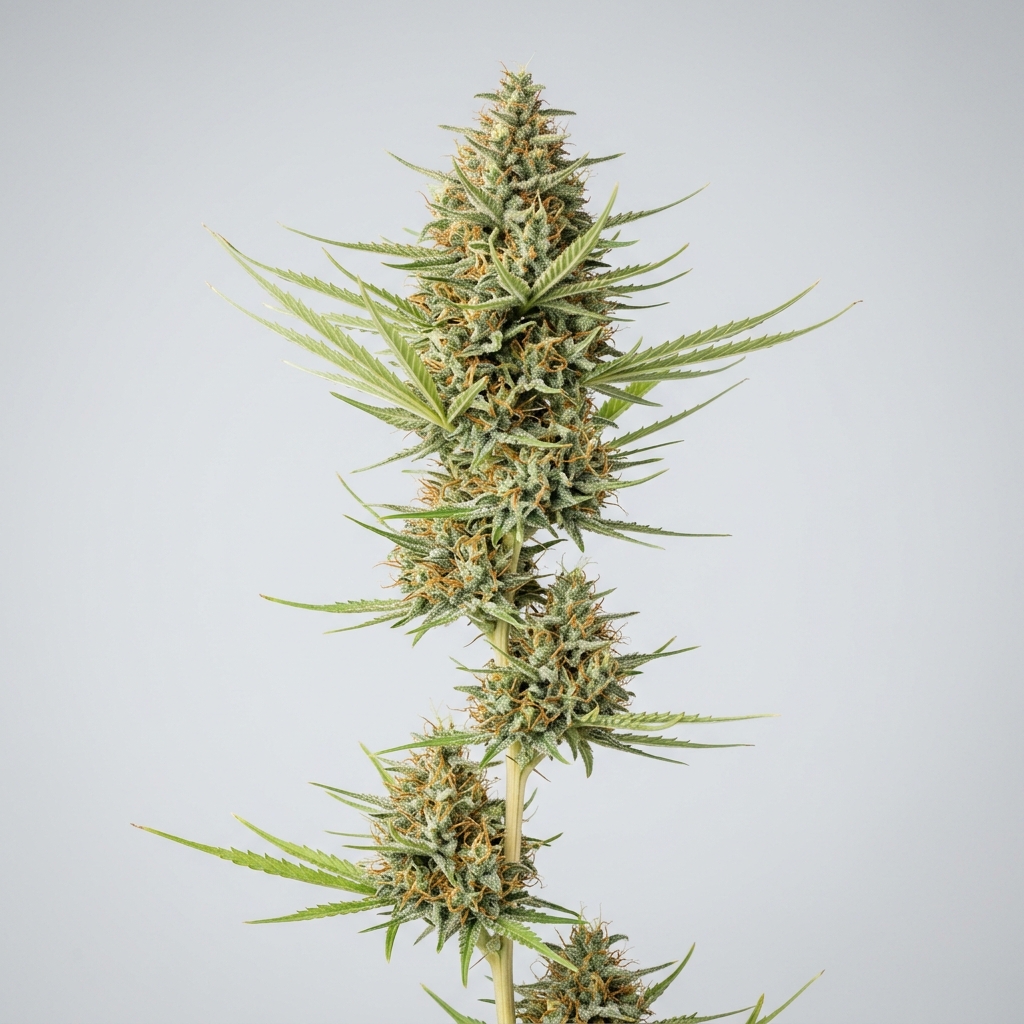
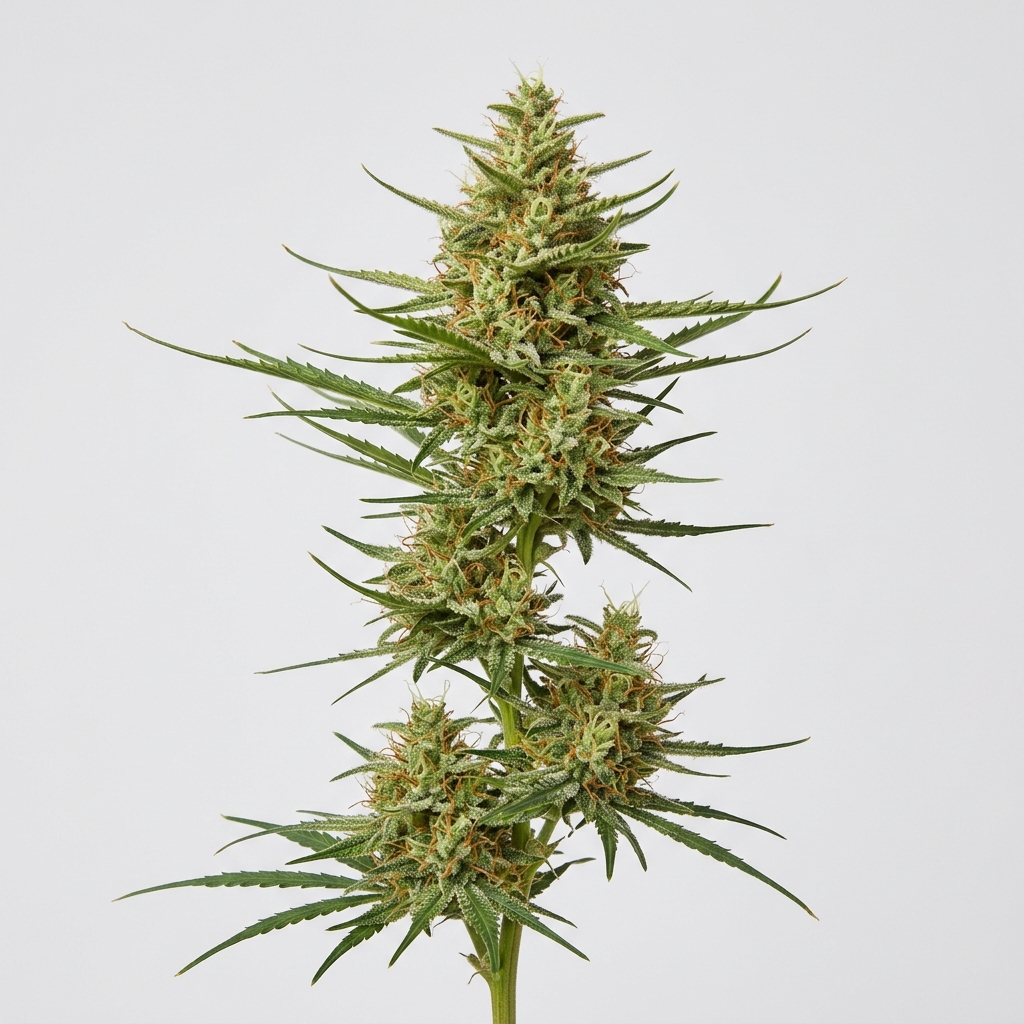
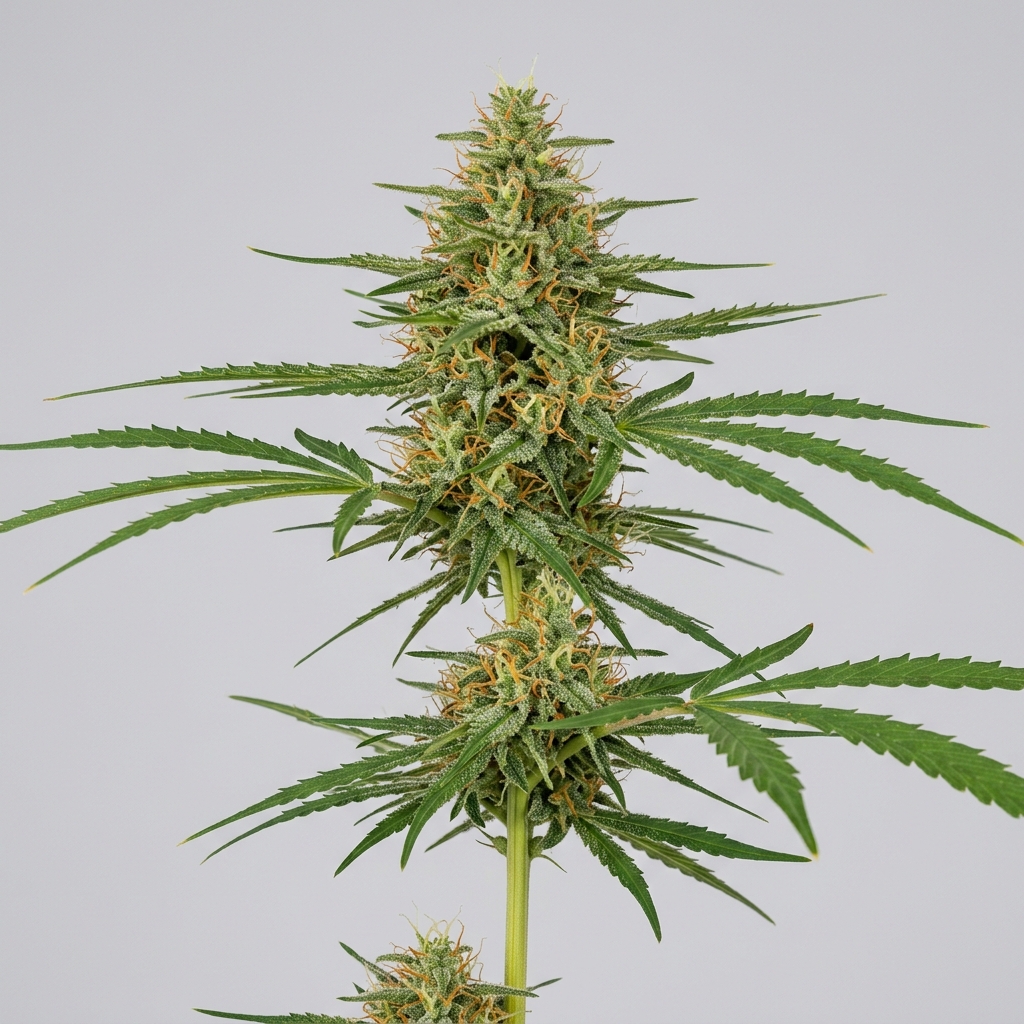
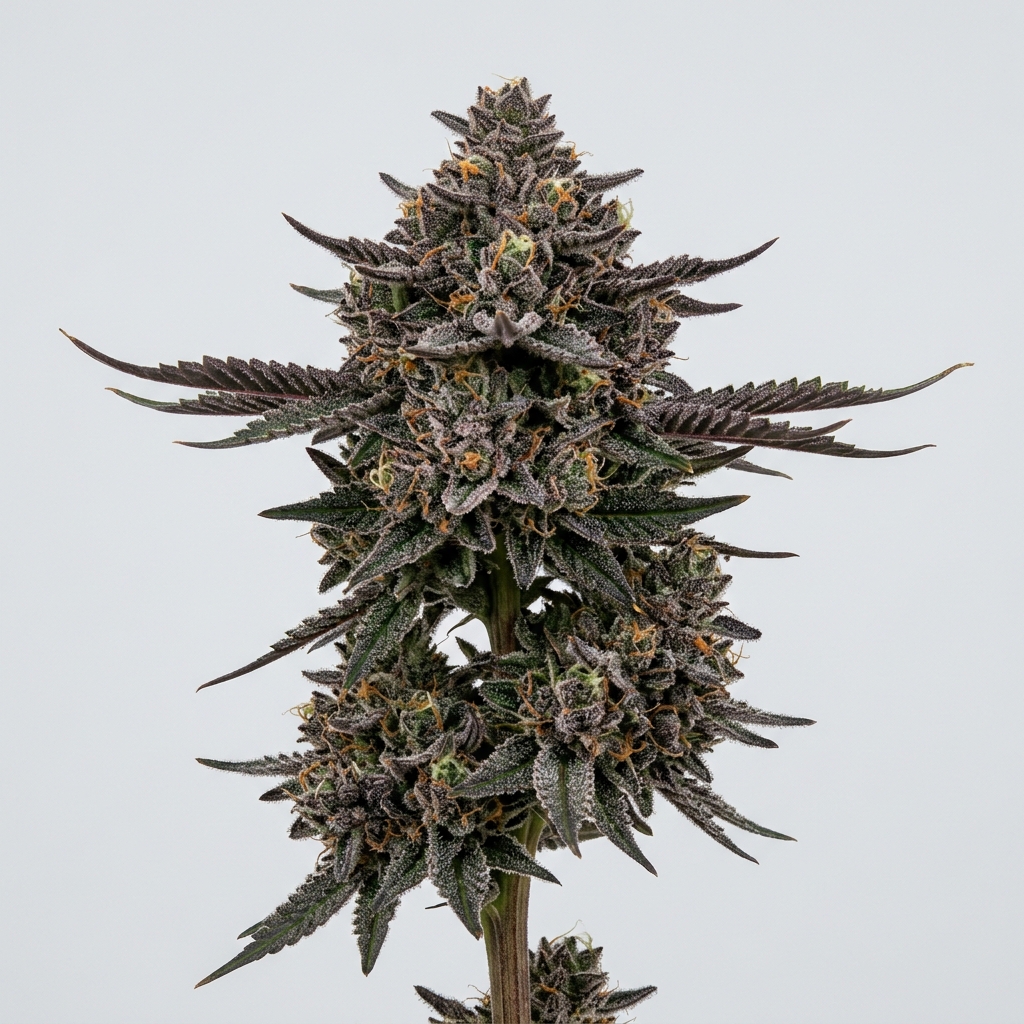
Sherb Cream Pie is an indica-dominant hybrid cultivar typically testing between 22% and 28% THC, bred by crossing the influential Sunset Sherbert with the resin-dense Ice Cream Pie. Known for its doughy, sweet berry aroma and smooth vanilla-gas finish, this cultivar produces dense, mid-sized flowers coated in a heavy layer of wet frost. Cultivators prize the plant for its manageable, controlled stretch and highly predictable lateral branching, making it an excellent fit for indoor canopy management.
The cultivar has earned a strong reputation among growers seeking high-performing extraction material due to its fragile, large-headed trichomes. Its visual appeal is defined by dark forest-green bracts that regularly turn deep violet when exposed to cooler night temperatures during late bloom.
Quick Facts
| Field | Details |
|---|---|
| Genetics | Sunset Sherbert × Ice Cream Pie |
| Variety | Indica-dominant Hybrid |
| THC Range | 22% – 28% |
| Flowering Time | 8 – 9 Weeks (56 – 63 Days) |
| Yield Potential | Moderate to Heavy |
| Plant Height | Medium |
| Climate Preference | Controlled Indoor / Warm, Low-Humidity Outdoor |
| Difficulty | Moderate |
Scientific & Botanical Overview
Sherb Cream Pie shows classic indica-dominant morphology, characterized by broad fan leaves and a sturdy, stocky frame. The tight internodes require targeted defoliation early in the flowering cycle to maintain adequate airflow through the lower canopy. This preventive pruning helps mitigate moisture pockets that can form in dense garden layouts.
As the plant transitions into generative growth, it develops rounded, golf-ball-sized buds rather than long spear colas. The swollen calyxes stack tightly in the final two weeks, pushing out a dense layer of sticky, greasy resin that clings to the fingers during handling. The plant’s structure supports this weight well without requiring excessive staking.
Anthocyanin accumulation is highly active in this cultivar, especially when nighttime temperatures drop below 65°F (18°C) in late flower. This process shifts the fan leaves and outer bud surfaces from a rich green to dark shades of plum and near-black. The contrast with the bright white trichomes gives the mature flowers significant visual depth.
Effects & Use-Cases (Reported)
Commonly reported effects: Users typically describe a heavy, relaxing physical sensation accompanied by a calm, slow-paced mental ease. The onset is gradual, starting as a soft pressure behind the eyes before settling into a deep, grounding body melt that encourages physical stillness.
Use-case context: Given its heavy physical profile, this strain is best suited for evening or late-night use. It is frequently chosen by those looking to wind down after physical activity or to assist with a quiet, restful night at home.
Note: Due to its high cannabinoid density, novice consumers should approach this cultivar with caution to avoid early sedation.
Aroma & Flavors
Aroma: The initial scent is dominated by sweet, creamy pastry dough and ripe berries, backed by a sharp, fuel-like undertone that intensifies when the buds are broken apart.
Flavor: On the exhale, it delivers a smooth, buttery vanilla taste mixed with a dark berry edge and a subtle, earthy kush base.
Terpene associations: Lab results typically show high concentrations of caryophyllene, limonene, and linalool, which dictate its complex dessert-and-gas profile.
Tested Cannabinoid & Terpene Ranges
| Compound | Tested Range |
|---|---|
| Δ9-THC | 22.0% – 28.0% |
| CBG | 0.5% – 1.2% |
| beta-Caryophyllene | 0.4% – 0.9% |
| d-Limonene | 0.3% – 0.7% |
| Linalool | 0.15% – 0.4% |
Note: Terpene and cannabinoid levels are highly variable and depend heavily on cultivation methods, environmental factors, and the specific phenotype grown.
Cultivation Notes
- Keep late-flower humidity below 45% to protect the dense, moisture-retaining buds from powdery mildew or botrytis.
- Responds well to low-stress training (LST) and topping, which encourages a more even canopy and maximizes light penetration to lower bud sites.
- Maintain a moderate nutrient regimen, as over-fertilizing can lead to nutrient burn, particularly during the mid-flowering stretch.
- Implement a slow dry over 10 to 14 days at 60°F (15°C) and 60% humidity to preserve the volatile dessert terpenes and maintain terpene clarity.
Grower Notes (Week-by-Week Snapshot)
- Weeks 1–3 (Vegetative & Early Bloom): The plant focuses on root development and lateral growth. Apply early topping and prune the lowest third of the plant to establish clean airflow before initiating the 12/12 light cycle.
- Weeks 4–6 (Mid-Bloom): Stretch is moderate, usually finishing at about 1.5 times the vegetative height. White pistils develop rapidly into dense clusters, and the first visible trichomes appear along the sugar leaves.
- Weeks 7–9 (Late Bloom & Flush): Buds swell and harden into tight, resinous clusters. Reduce temperatures during the final 10 days to encourage the expression of deep purple and violet hues, and flush with plain water to clear built-up salts.
Genetic Lineage
Sherb Cream Pie inherits its sweet, complex flavor profile directly from Sunset Sherbert, an influential modern classic bred from Girl Scout Cookies and Pink Panties. Sunset Sherbert contributed the creamy, citrus-berry foundation and the reliable, sturdy branch structure that supports the plant’s heavy flower load.
The other parent, Ice Cream Pie (Wedding Cake × Gelato 41), injects an extra layer of doughy vanilla sweetness and a massive boost in resin production. This lineage ensures that the resulting offspring carries an abundance of large, oil-rich trichome heads that make it highly sought after by modern hash makers.
Research Insights
Analytical testing indicates that the unique dessert-like aroma of Sherb Cream Pie is driven by the co-dominance of caryophyllene and limonene, balanced by minor amounts of linalool. This specific chemical ratio creates a soothing sensory profile while modulating the high-THC delivery via the entourage effect.
Horticultural researchers note that the strain’s thick, waxy leaf cuticle provides natural resilience against common soft-bodied pests. However, its high bud density requires close monitoring of microclimates within the indoor grow room to prevent localized humidity pockets.
Frequently Asked Questions
Is Sherb Cream Pie suitable for outdoor growing?
Yes, but it performs best in warm, semi-arid climates with low late-summer humidity. Because its dense buds can trap moisture, growers in wetter climates must provide overhead protection or stick to indoor cultivation.
What does Sherb Cream Pie smell like?
The strain has a rich, sweet aroma of baked goods, vanilla cream, and dark berries, cut by a subtle fuel and earthy spice undertone.
How long does Sherb Cream Pie take to flower?
Typically, this cultivar finishes its flowering cycle in 8 to 9 weeks (56 to 63 days) when grown indoors.
Is this strain good for concentrates?
Yes, its greasy, wet-looking trichomes and high terpene content make it highly productive for solventless extractions like live rosin.
Educational Disclaimer
This profile is for educational and informational purposes only. Cannabinoid and terpene profiles can vary significantly based on environmental factors, cultivation techniques, and individual phenotypes.
Rate and review this strain
Ratings and reviews are accepted only from signed-in Google accounts.
Sign in with Google to leave a rating and written review.
Latest Reviews
0 reviewsNo reviews yet. Be the first Google user to rate and review this strain.