
Sensei Runtz (Cannabis Strain) — Strainpedia
Sensei Runtz is an Indica-Dominant Hybrid cultivar (approx. 70% Indica / 30% Sativa) commonly described as a cross between Sensi Star x Runtz. Developed to merge classic Indica density with modern resin-rich candy genetics, this cultivar is noted for compact structure, high trichome coverage, and earthy-sweet terpene depth. It is frequently referenced in cultivation discussions for its dense bud formation and consistent indoor performance. The information below is intended strictly for scientific and botanical reference.
Quick Facts
| Genetics | Sensi Star x Runtz |
|---|---|
| Variety | Indica-Dominant Hybrid (approx. 70% Indica / 30% Sativa) |
| Flowering Time | 8–9 weeks (56–63 days indoors) |
| Yield Potential | 450–550 g/m² (Moderate to High) |
| Plant Height | 90–120 cm; compact and sturdy |
| Climate Preference | Temperate / Cool Nights Preferred |
| Difficulty | Intermediate (Requires airflow management) |
Scientific & Botanical Overview
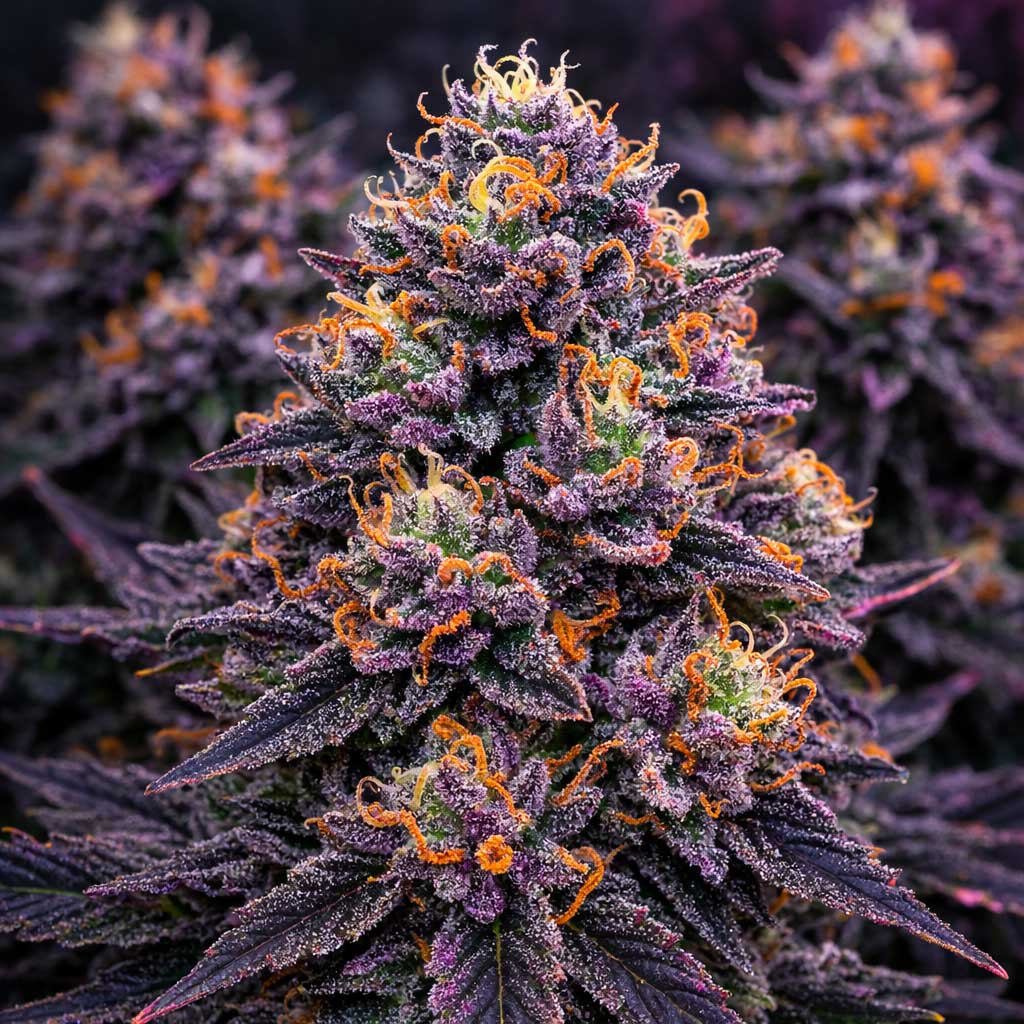
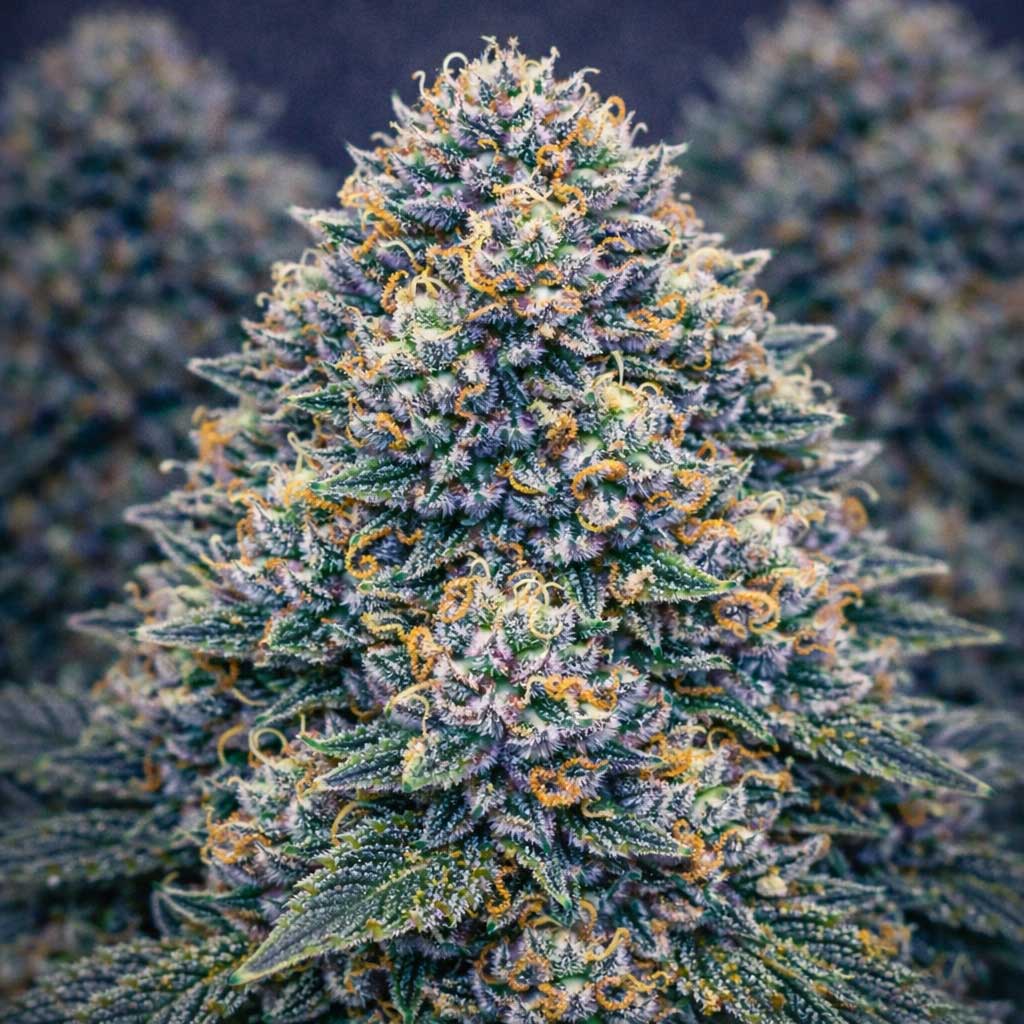
Sensei Runtz inherits a dense, compact morphology from its Sensi Star lineage. Plants typically produce tightly stacked, spherical buds with short internodal spacing and heavy trichome development. Bud coloration generally remains deep forest green with a silvery resin sheen. The cultivar’s compact height makes it suitable for indoor environments with limited vertical space. Dense flower structure requires attentive airflow management during late flowering stages.
Effects & Use-Cases (Reported)
- Commonly reported effects: calming mental state, full-body relaxation, gradual onset sedation, and reduced physical tension.
- Use-case context: often described as suitable for evening or nighttime relaxation.
- Note: These descriptions reflect anecdotal observations and are not medical claims. Individual responses may vary.
Aroma & Flavors
- Aroma: damp earth, metallic pine, subtle sour berry, and creamy sweetness.
- Flavor: herbal spice and hash-like earth on inhale, followed by sweet dough and mild tropical fruit undertones.
- Terpene associations: myrcene (dominant), caryophyllene, limonene.
Tested Cannabinoid & Terpene Ranges
| Compound | Typical Range* | Notes |
|---|---|---|
| Δ⁹-THC | ~24–28% | High potency depending on phenotype. |
| CBD | ~0.1–0.5% | Typically minimal. |
| Myrcene | ~0.8–1.3% | Associated with earthy aroma and physical relaxation. |
| Caryophyllene | ~0.6–0.9% | Adds peppery spice depth. |
| Limonene | ~0.3–0.5% | Contributes subtle citrus brightness. |
*Ranges are literature- and lab-report-informed references and may vary based on phenotype selection, cultivation environment, and laboratory testing.
Cultivation Notes
- Light Cycle: 18/6 vegetative; 12/12 flowering.
- Humidity Targets: Maintain 40–45% RH during flowering.
- Nutrition: Balanced organic feeding recommended; avoid excess nitrogen late in bloom.
- Training: Sea of Green (SOG) and light defoliation improve light penetration.
- Harvest Window: Early October (Northern Hemisphere).
Grower Notes (Week-by-Week Snapshot)
- Weeks 1–3: Minimal stretch; compact canopy development.
- Weeks 4–5: Early resin production; earthy aroma dominant.
- Weeks 6–8: Bud hardening phase; sweet undertones emerge.
- Weeks 9–Harvest: Ripening stage; harvest timing based on trichome maturity.
- Post-Harvest: Extended curing enhances earthy-sweet terpene balance.
Genetic Lineage
Sensei Runtz combines Sensi Star, a legacy Indica cultivar known for dense structure and pine-forward depth, with Runtz (Zkittlez x Gelato). This pairing blends traditional Indica morphology with modern resin density and candy sweetness.
Research Insights
Discussion within cultivation research frequently centers on the interaction between myrcene and caryophyllene within this cultivar’s terpene profile. Expression ratios may influence perceived relaxation depth and aroma complexity, though outcomes vary by phenotype and environmental conditions.
Frequently Asked Questions
Is Sensei Runtz better for daytime or nighttime use?
It is generally described as more suitable for evening or nighttime use.
What does it smell like?
Most phenotypes exhibit earthy pine notes layered with subtle sweet undertones.
How tall does it grow?
It typically remains compact, rarely exceeding 120 cm indoors.
Is it beginner-friendly?
It is considered intermediate due to dense bud structure and airflow management requirements.
Educational Disclaimer: This page is provided for scientific and horticultural reference only and does not constitute medical, legal, or promotional advice. Cannabis cultivation, possession, and use are regulated by local laws. Always comply with applicable legislation in your jurisdiction.