
Royal Moby (Cannabis Strain)
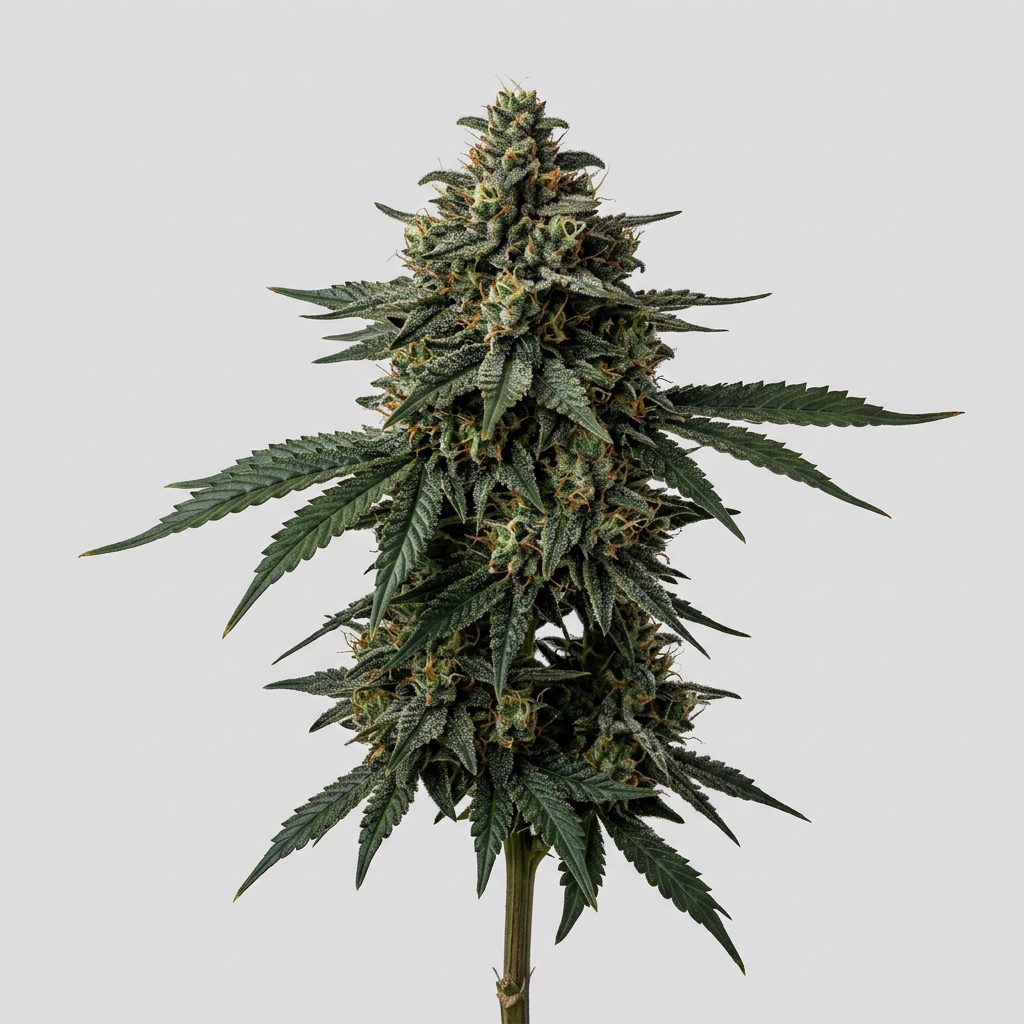
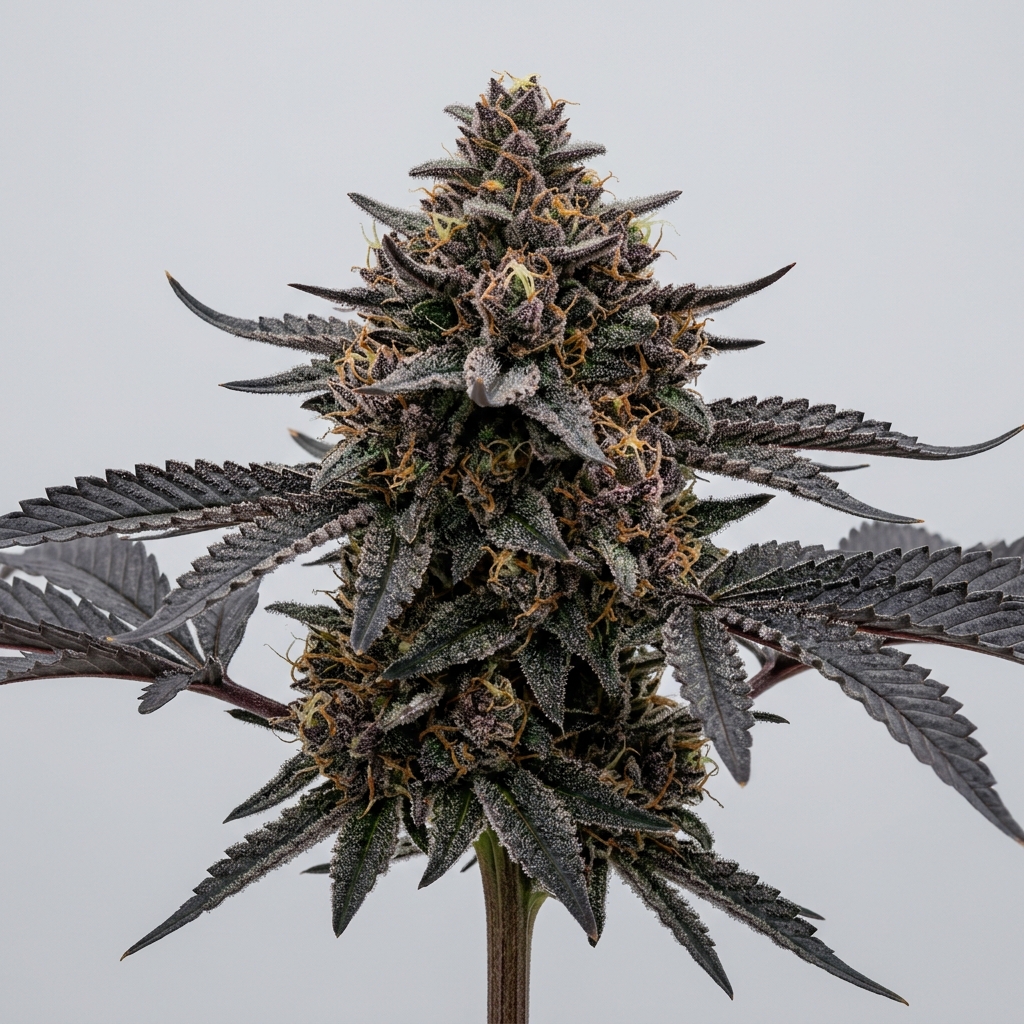
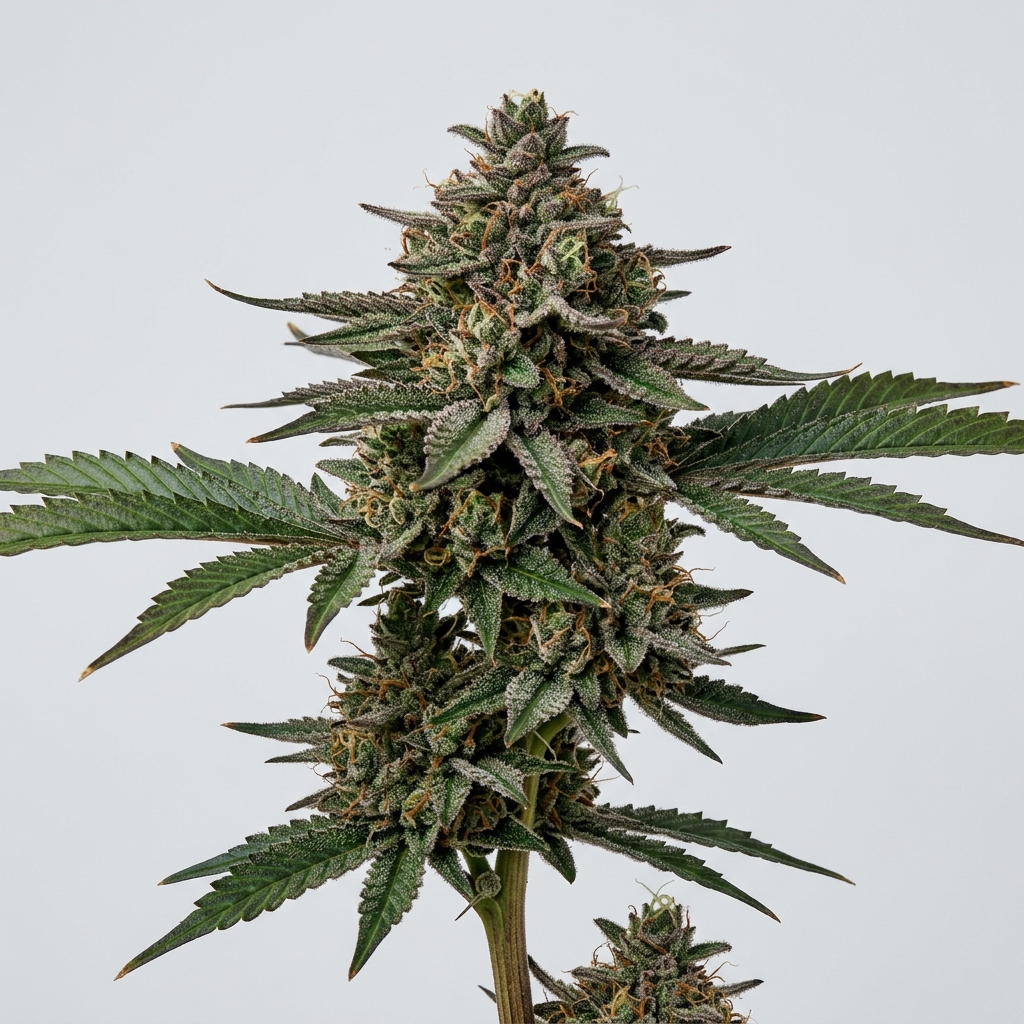
Royal Moby is a Sativa-dominant hybrid (typically testing between 19% and 22% THC) bred by crossing the legendary Haze and White Widow lineages. This cultivar is recognized for its massive spear colas, heavy resin production, and a sharp, wood-and-citrus aroma profile. In the garden, it behaves like a classic Dutch Sativa, demanding ample vertical space and exhibiting a vigorous stretch before packing on dense, resin-rich flowers.
While many modern hybrids lean heavily toward dessert profiles, this variety preserves the piney, herbal, and fuel-like notes of its old-school pedigree. Cultivators prize it for its high yield potential, though its massive size requires careful canopy management.
Quick Facts
| Trait | Details |
|---|---|
| Genetics | Haze × White Widow |
| Variety | Sativa-dominant Hybrid (approx. 65% Sativa / 35% Indica) |
| THC Range | 19% – 22% |
| Flowering Time | 9 – 10 weeks |
| Yield Potential | High |
| Plant Height | Tall (significant stretch) |
| Climate Preference | Warm, sunny, low late-flower humidity |
| Difficulty | Moderate to Experienced |
Scientific & Botanical Overview
Royal Moby shows a classic Sativa morphology, characterized by broad internodal spacing and thin-bladed fan leaves during its vegetative stage. Once flowering begins, the plant undergoes a rapid vertical stretch, often doubling or tripling in height. This vigorous vegetative growth requires early intervention in indoor environments to prevent canopy crowding.
The floral structure consists of elongated, spear-shaped colas with swollen calyxes that stack heavily along the branches. Despite its Sativa lineage, the buds develop a dense, compact core reminiscent of its White Widow parent, coated in a thick layer of glassy trichomes. This density makes the mature flowers exceptionally heavy, often requiring structural support as harvest approaches.
This cultivar is known for its high transpiration rate and heavy nutrient uptake, particularly during transition. Managing microclimates in the canopy is essential, as the sheer density of the mature colas makes them susceptible to moisture retention in late flower. Keeping airflow consistent and humidity low is critical to preventing botanical pathogens.
Effects & Use-Cases (Reported)
Commonly reported effects: Users frequently report a clear, energetic head lift accompanied by a subtle, grounding physical relaxation that does not induce heavy sedation. It is often described as a functional, bright experience that keeps the mind active while easing physical tension.
Use-case context: This variety is often selected for daytime activities, creative projects, or social settings where mental clarity and focus are desired. Its balanced physical feedback also makes it popular for light physical activities or outdoor tasks.
Please note: Individual experiences may vary, and higher doses may produce a more pronounced cerebral intensity due to its Sativa heritage. Cautious dosing is recommended for those sensitive to energetic cultivars.
Aroma & Flavors
Aroma: Dominant notes of fresh cedar, damp earth, and sharp pine, backed by a subtle citrus undertone that intensifies when the buds are broken apart.
Flavor: A clean, herbal smoke featuring a spicy pepper finish and a distinct lemon-lime tartness on the exhale.
Terpene associations: Typically rich in terpinolene, myrcene, and caryophyllene, which drive its woody, herbal, and spicy characteristics.
Tested Cannabinoid & Terpene Ranges
| Compound | Tested Range |
|---|---|
| Δ9-THC | 19.0% – 22.0% |
| CBD | < 1.0% |
| Terpinolene | 0.4% – 0.8% |
| Myrcene | 0.3% – 0.6% |
| Caryophyllene | 0.2% – 0.5% |
Note: Cannabinoid and terpene levels are highly variable and depend on specific phenotypes, environmental conditions, and cultivation techniques.
Cultivation Notes
- Vertical Space: Ensure adequate vertical clearance, as this variety can easily reach heights of over two meters when left untrained.
- Nutrient Regimen: This cultivar is a heavy feeder, requiring robust nitrogen levels during vegetative growth and steady potassium and phosphorus during peak flower.
- Canopy Management: Employ techniques like topping, LST, or a Scrog net early to manage the canopy and encourage lateral branching.
- Humidity Control: Keep relative humidity below 45% during the final three weeks of flowering to protect the dense, heavy colas from moisture issues.
- Harvest Timing: Look for amber-flecked trichomes on the calyxes around day 65 to 70 for an optimal balance of cerebral and physical qualities.
Grower Notes (Week-by-Week Snapshot)
- Weeks 1–3 (Transition & Stretch): The plant begins an aggressive stretch immediately upon switching to a 12/12 light cycle. Implement early canopy training and tucking to keep the growth level.
- Weeks 4–6 (Bud Formation): Small, glassy button buds form along the elongated branches. Increase feeding to support the rapid development of the structural framework.
- Weeks 7–9+ (Maturation & Flush): Colas swell significantly, stacking dense bracts. Reduce humidity, monitor stem support as branches bend under weight, and initiate a thorough flush in the final 10 days.
Genetic Lineage
Royal Moby descends from a classic pairing of Haze and White Widow, combining two of the most influential genetic lines in modern cannabis breeding. The Haze parent contributes the soaring, energetic traits and the signature spicy-citrus terpene profile. This lineage is responsible for the plant’s massive size and long, spear-shaped bud architecture.
The White Widow parent tempers the wild, long-flowering Sativa growth habit by shortening the flowering window and introducing a dense, resin-heavy bud structure. This combination yields a plant that grows with Sativa vigor but finishes with Indica-like resin density, making it a highly productive option for commercial and home growers alike.
Research Insights
Analytical data indicates a terpene profile dominated by terpinolene, which is relatively uncommon in modern dessert-leaning hybrids. This compound, when combined with moderate levels of myrcene, is believed to influence the cultivar’s distinct uplifting yet grounded character, offering a different functional profile than standard limonene-heavy Sativas.
Breeders study this lineage to understand the inheritance of high yield traits and mold resistance in large-stature plants. The genetic stability of the parental lines makes this variety a reliable reference point for Sativa-dominant hybridization projects targeting vigor and resin density.
Frequently Asked Questions
Is Royal Moby suitable for indoor growing?
Yes, but it requires active height management. Indoor growers often use ScrOG (Screen of Green) setups and short vegetative times to control the significant stretch this cultivar shows during the transition to flower.
How long does Royal Moby take to flower?
It typically finishes flowering in 9 to 10 weeks, which is relatively fast for a Sativa-dominant hybrid with Haze genetics.
What does Royal Moby smell like?
The aroma is a mix of cedar wood, pine, and earthy spices, accented by a clean, sharp citrus lift that intensifies during the cure.
What are the main challenges when growing this strain?
Controlling its rapid vertical growth and managing late-flower humidity are the primary challenges, as its large, dense colas require excellent airflow to prevent moisture buildup.
Educational Disclaimer
This content is for educational and informational purposes only. Cannabis laws and regulations vary by jurisdiction. Consult local laws and professional horticultural resources before attempting cultivation.
Rate and review this strain
Ratings and reviews are accepted only from signed-in Google accounts.
Sign in with Google to leave a rating and written review.
Latest Reviews
0 reviewsNo reviews yet. Be the first Google user to rate and review this strain.