Ricky’s Cherry Kush (Cannabis Strain)
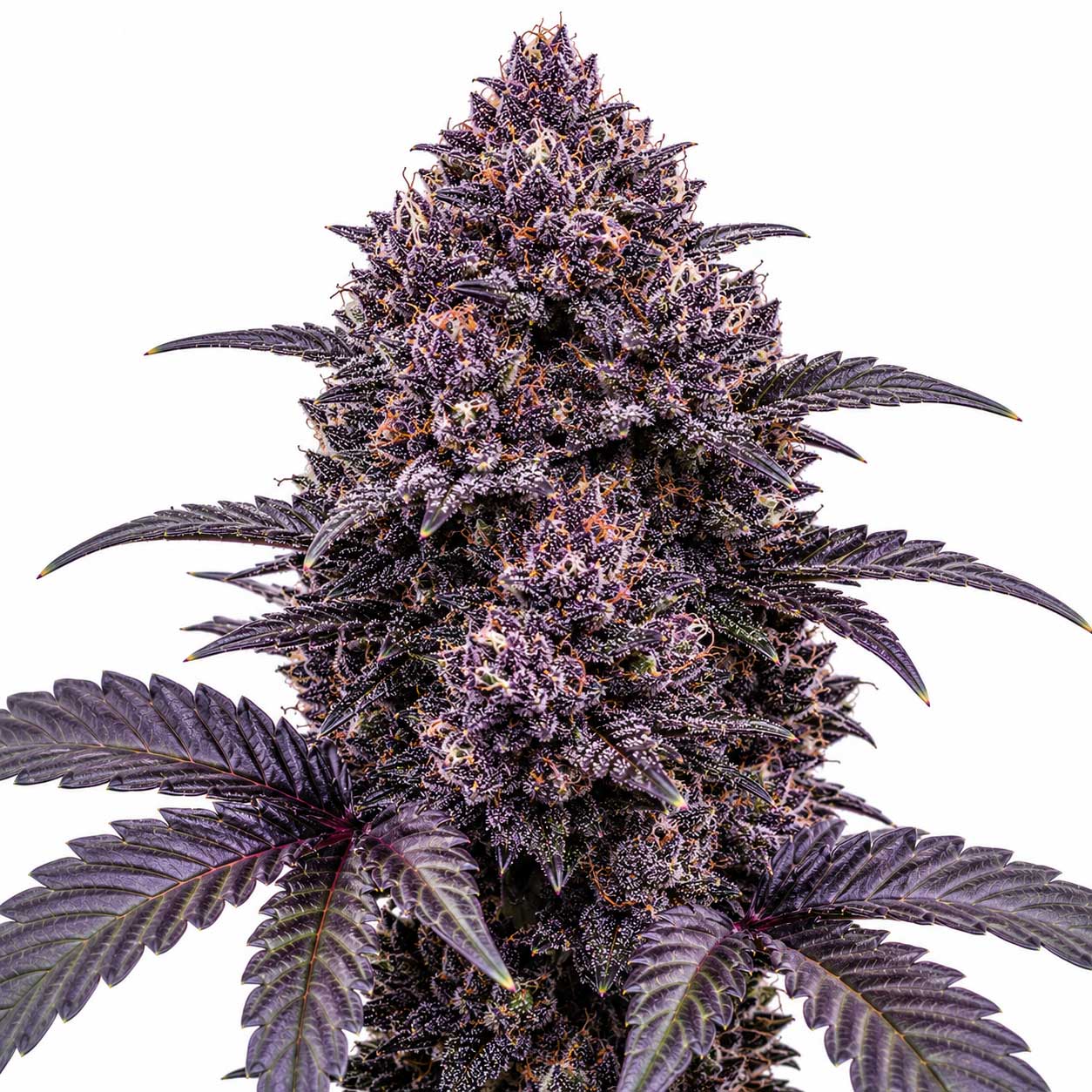
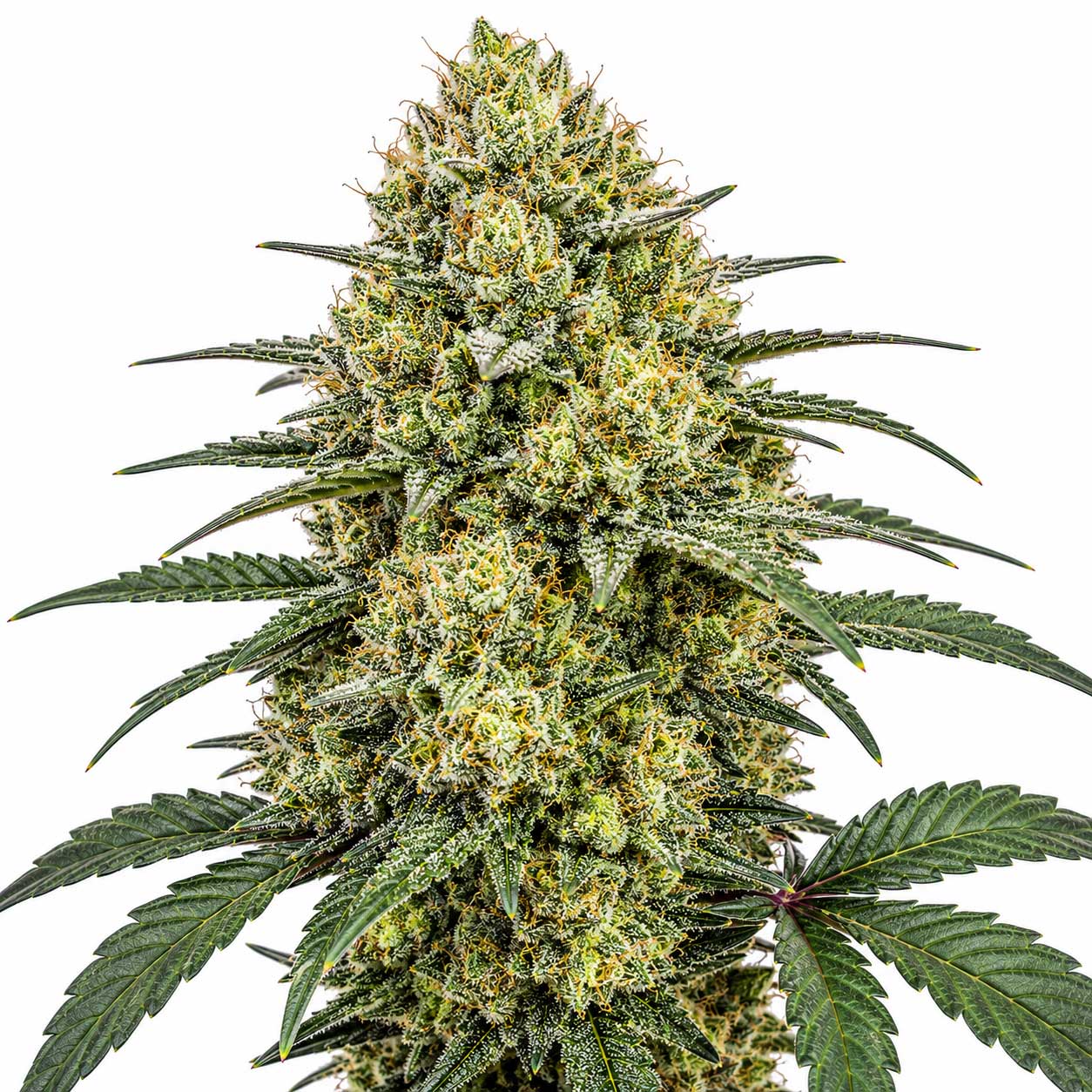
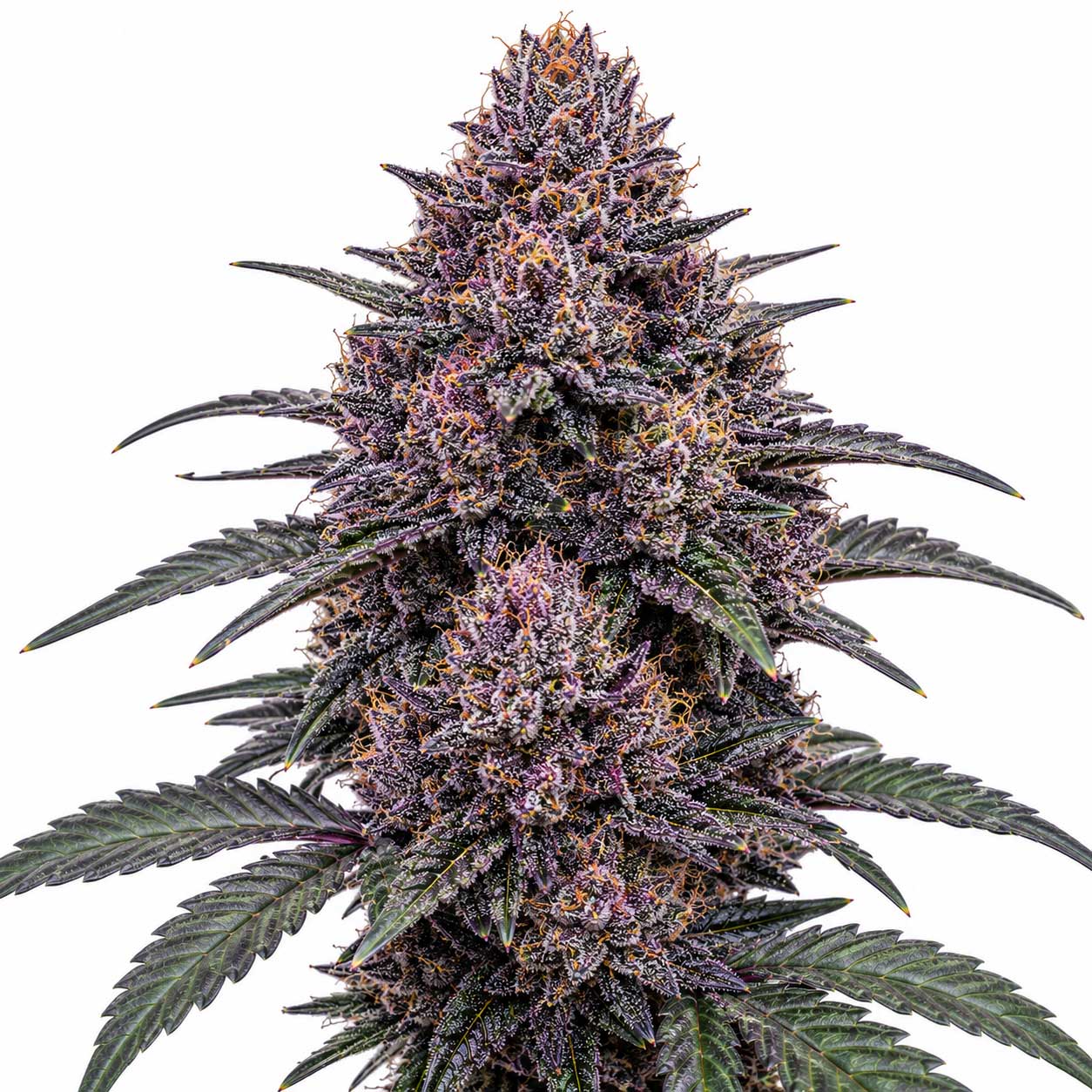
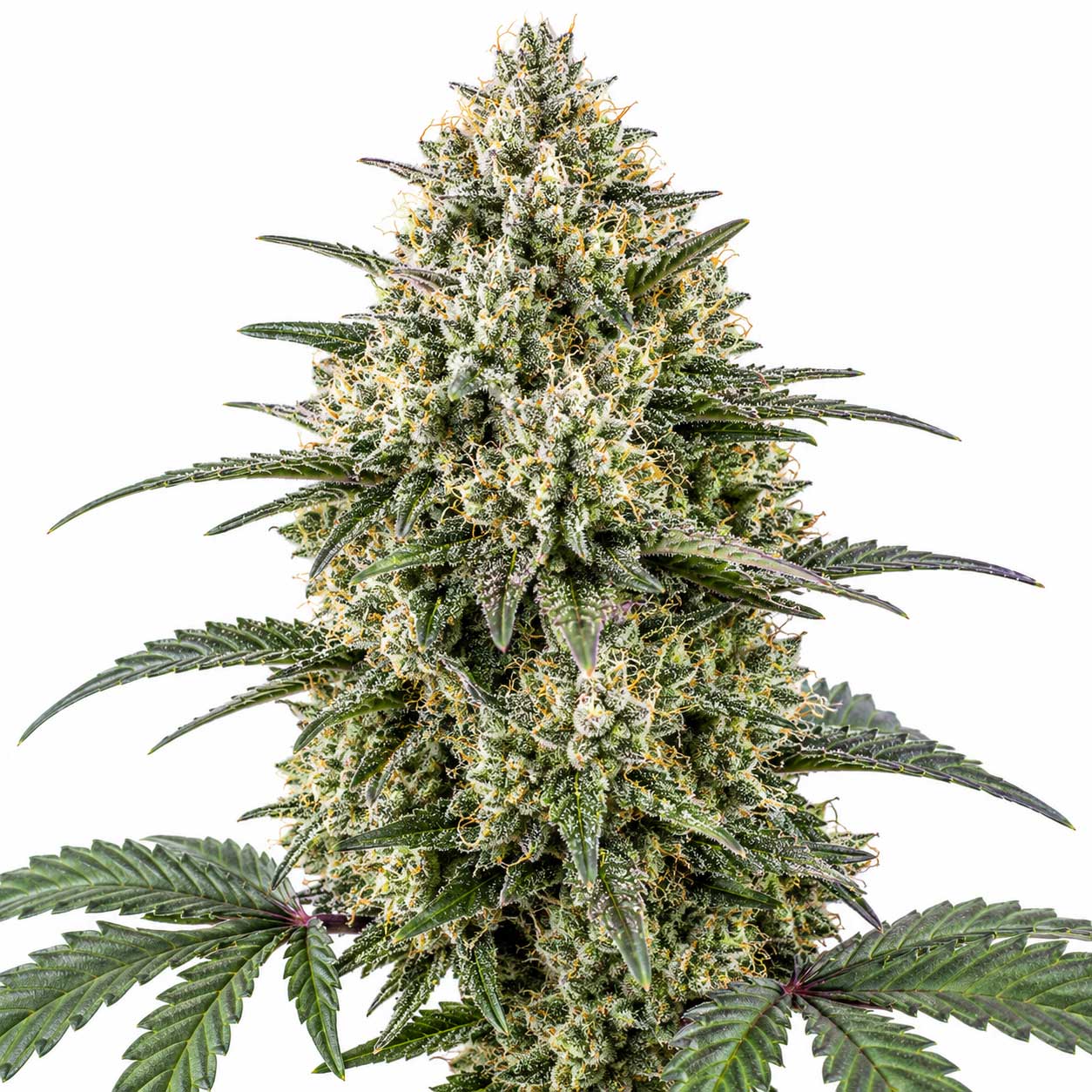
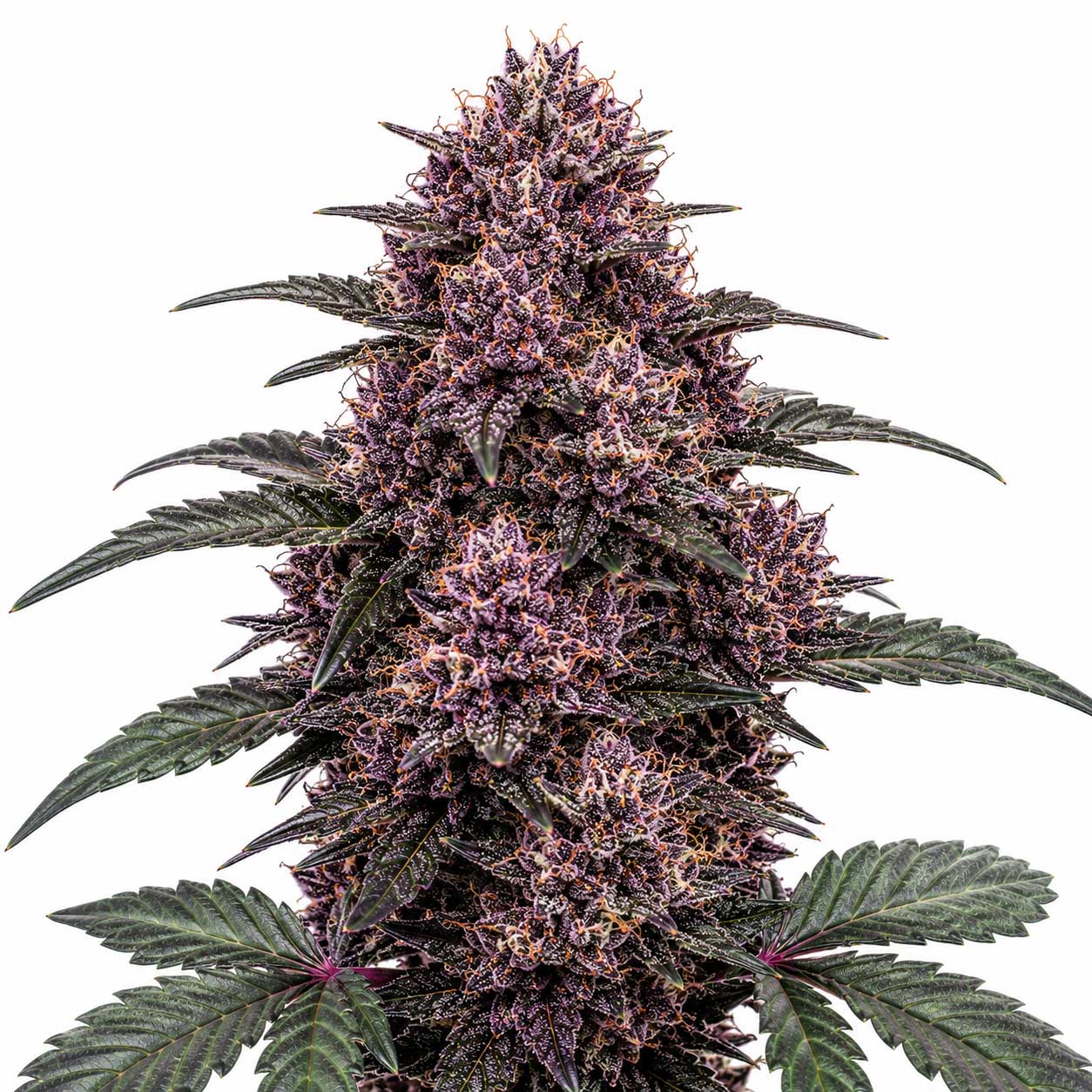
Ricky’s Cherry Kush (RCK) is a hybrid cultivar crossing Ricky’s Brothers Kush (RBK) and Double Lemon Cherry #75. Developed by James Loud Genetics, this feminized variety combines a localized Snoop Dogg OG phenotype lineage with Double Lemon Cherry genetics. The strain is characterized by its fruit-forward profile, structural density, and prominent resin production, yielding dark, purple-tinted flowers heavily coated in crystalline trichomes.
Introduced to the exotic market as a limited regular/feminized drop running through mid-June 2026, Ricky’s Cherry Kush has garnered attention for its high visual appeal and pungent terpene delivery. Cultivators select this strain for its robust, tight colas that maintain physical density throughout the drying and curing processes, satisfying growers prioritizing clear aromatic profiles and high cosmetic bag appeal.
Quick Facts
| Metric | Details |
|---|---|
| Genetics | Ricky’s Brothers Kush × Double Lemon Cherry #75 |
| Variety | Hybrid |
| Breeder | James Loud Genetics |
| Seed Type | Feminized Seeds |
| THC Range | 22.0% – 28.5% |
| Flowering Time | 8 – 9 Weeks |
| Yield Potential | Moderate to High |
| Plant Height | Medium |
| Climate Preference | Temperate, low late-flower humidity |
| Difficulty | Moderate |
Scientific & Botanical Overview
Ricky’s Cherry Kush exhibits standard hybrid morphology, producing broad fan leaves and structurally rigid, semi-flexible lateral branches. Due to its relatively tight internodal spacing, strategic defoliation during the vegetative state is required to secure adequate light penetration and airflow to lower flowering sites.
Upon transitioning into the photoperiod flowering phase, the cultivar shows significant bract swelling and an optimal calyx-to-leaf ratio. Anthocyanin accumulation is highly pronounced in this genetic line; exposure to reduced nocturnal temperatures during late flower triggers a deep pigmentation shift, turning the foliage and flowers deep violet and dark forest green.
The resin profile consists primarily of capitate-stalked trichomes that emerge early in the third week of flowering. This high concentration of resin glands covers the entire surface architecture of the bud in a dense, stable layer of glandular trichomes that persists through the harvesting and curing stages.
Effects & Use-Cases (Reported)
Commonly reported effects: User feedback highlights a rapid onset of cerebral clarity accompanied by a foundational physical relaxation. The initial experience is frequently characterized as euphoric and mentally stimulating, which progressively transitions into a stable, centered physical state without immediate sedation.
Use-case context: Due to its balanced properties, this cultivar is commonly selected for late afternoon or evening use, acting as a functional transition following daily activities. It is preferred by individuals seeking physical relaxation while retaining appropriate focus for creative projects or social interactions.
Note: Individual physiological experiences vary based on dosage, personal tolerance, and specific phenotype chemistry.
Aroma & Flavors
Aroma: Olfactory evaluation reveals a strong initial profile of sweet cherry pastry and dark berry jam, backed by an underlying pungent, gassy earthiness. The aromatic compounds are highly volatile, dispersing a deep, complex sweetness accented by a sharp lemon citrus zest.
Flavor: On inhalation, the smoke carries distinct notes of ripe dark berries and candied stone fruits. The exhalation emphasizes a sharper, doughy diesel taste, leaving a clean, lingering herbal and citrus finish on the palate.
Terpene associations: Phytochemical testing of this genetic lineage typically indicates a dominance of limonene, caryophyllene, and linalool, which collectively drive the sweet, citrusy, and spicy-floral components of its profile.
Tested Cannabinoid & Terpene Ranges
| Compound | Typical Range |
|---|---|
| Δ9-THC | 22.0% – 28.5% |
| CBD | < 1.0% |
| CBG | 0.5% – 1.5% |
| Limonene | 0.5% – 0.9% |
| Beta-Caryophyllene | 0.4% – 0.8% |
| Linalool | 0.2% – 0.5% |
Note on ranges: Cannabinoid and terpene expressions are highly variable and depend directly on environmental inputs, cultivation methodologies, and the specific phenotype selected.
Cultivation Notes
- Humidity Management: Maintain relative humidity (RH) below 45% during the final three weeks of flowering to prevent moisture accumulation inside the dense, heavy colas.
- Nutrient Feeding: This cultivar responds best to a moderate nutrient regimen and exhibits sensitivity to high nitrogen levels during early vegetative growth.
- Canopy Control: Implementing low-stress training (LST) and early topping during the vegetative cycle helps distribute an even canopy and maximizes uniform light exposure.
- Temperature Control: Lowering night-cycle temperatures by 10°F during late flowering assists in accelerating the expression of deep purple hues and optimizing trichome development.
- Harvest Timing: Optimal harvest windows occur when trichome heads are predominantly milky white, with approximately 10% to 15% showing amber coloration, securing a full-spectrum profile.
Grower Notes (Week-by-Week Snapshot)
- Weeks 1–3 (Vegetative & Early Stretch): Prioritize establishing a robust root system before applying a light top. Upon shifting to a 12/12 light cycle, the plants undergo a moderate vertical stretch of 50% to 80%.
- Weeks 4–6 (Mid-Flower & Bud Formation): Internodes fill out with dense, resinous flower clusters. Conduct selective defoliation of lower fan leaves to sustain airflow through the center of the canopy.
- Weeks 7–9 (Late Flower & Ripening): Calyxes swell and anthocyanins manifest, driving dark purple coloration across the bracts. Reduce ambient humidity and evaluate trichomes closely as the cherry-gas scent peaks.
- Post-Harvest (Dry & Cure): Maintain a steady 10-to-14-day drying period at 60°F and 60% relative humidity. A subsequent minimum three-week cure in glass jars is required to properly preserve the volatile candy and citrus terpenes.
Genetic Lineage
Ricky’s Cherry Kush represents a precise integration of two prominent West Coast hybrid lines. The maternal side, Ricky’s Brothers Kush, passes down a stabilized, heavy, and gassy structure derived from its Snoop Dogg OG phenotype roots, providing the backbone for the strain’s structural density and trichome accumulation.
The paternal lineage is driven by Double Lemon Cherry #75, infusing the hybrid with a rich, tart cherry and citrus-forward terpene composition. This genetic combination successfully preserves the distinct, exotic flavor components of the Cherry lines while strengthening the plant architecture and raw yield consistency compared to standard candy strains.
Research Insights
Laboratory data reveals a high presence of monoterpenes relative to sesquiterpenes within this cultivar’s essential oil matrix. The direct interaction of limonene and caryophyllene is actively observed by breeders, as this combination modulates both the sharp fuel-citrus aroma and the balanced physical properties reported by consumers.
Cultivators and breeders track this genetic cross due to its high post-harvest terpene retention and structural trichome stability. The physical size and density of the glandular trichome heads offer potential for solventless extraction workflows, though it remains widely utilized in raw flower format.
Frequently Asked Questions
Is Ricky’s Cherry Kush indica or sativa?
Ricky’s Cherry Kush is a balanced hybrid strain that offers a functional blend of physical ease and cerebral clarity, drawing balanced traits from its hybrid parents.
What does Ricky’s Cherry Kush smell like?
The aromatic profile consists of distinct glazed cherry pastry, sweet dark berry jam, and pungent gas with a sharp lemon citrus finish.
Is this strain difficult to grow?
It is classified as moderate. Successful cultivation requires regular canopy training, strategic leaf removal, and tight humidity control in late flower to protect its highly compacted colas.
Who bred Ricky’s Cherry Kush?
Ricky’s Cherry Kush was bred by James Loud Genetics, utilizing a cross of Ricky’s Brothers Kush and Double Lemon Cherry #75.
Educational Disclaimer
This content is for educational and informational purposes only. Information regarding reported effects, cannabinoid profiles, and cultivation techniques is derived from breeder reports and general horticultural literature. It is not intended as medical advice or legal guidance.
Rate and review this strain
Ratings and reviews are accepted only from signed-in Google accounts.
Sign in with Google to leave a rating and written review.
Latest Reviews
0 reviewsNo reviews yet. Be the first Google user to rate and review this strain.