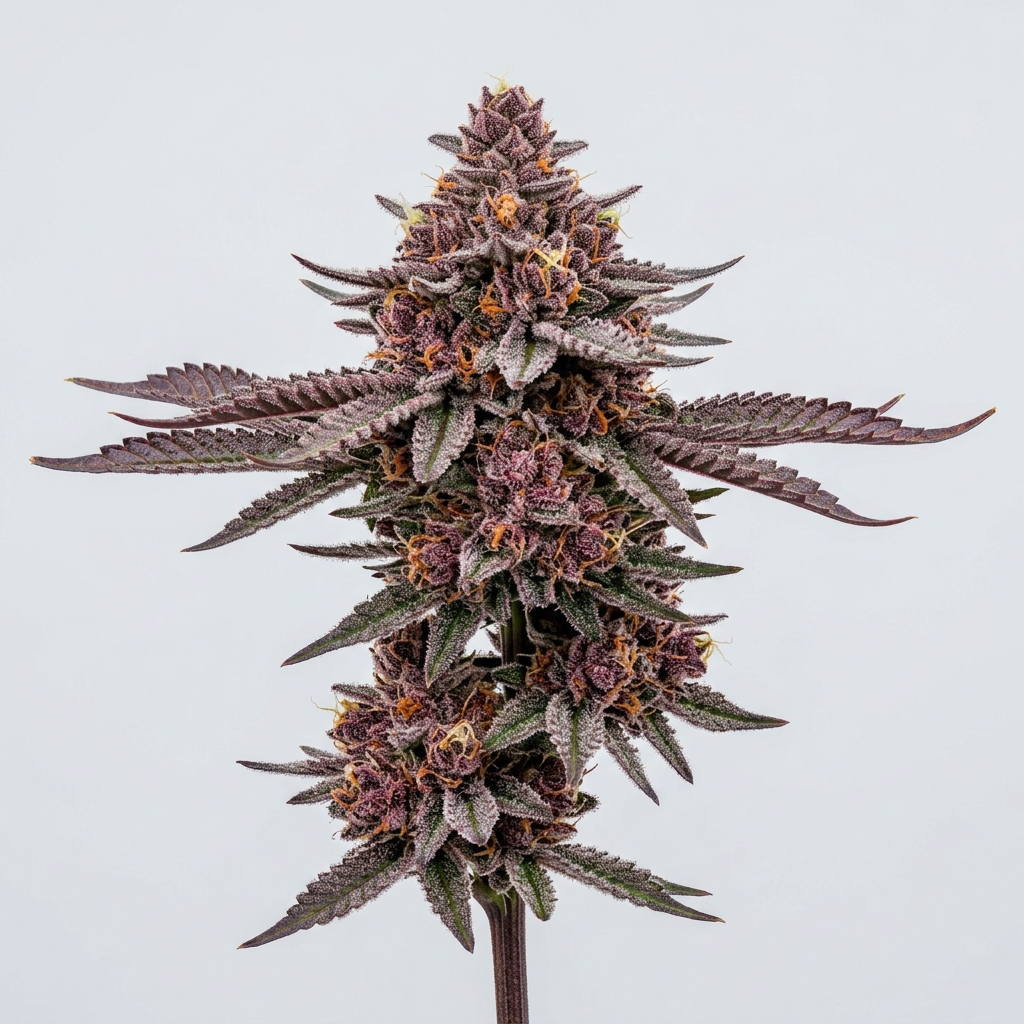
Red Runtz S1 (Cannabis Strain)
Red Runtz S1 is a highly sought-after hybrid featuring a THC range of 22% to 28%, created by selfing the celebrated Red Runtz (Red Pop × Runtz) cultivar. This selection is prized for its intense cherry candy and tart gas aroma, glassy resin coverage, and striking deep purple and crimson coloration during late flower. The plant shows a controlled stretch with sturdy lateral branching, producing dense, resin-rich flowers that appeal to both boutique growers and extraction artists seeking high terpene clarity.
By selfing the original clone-only cut, breeders stabilized the most desirable traits of the parent lineage, resulting in uniform, candy-forward phenotypes. Growers frequently select this strain for its reliable resin output and the distinct red-licorice terpene profile that carries through to the cured bud.
Quick Facts
| Trait | Details |
|---|---|
| Genetics | Red Runtz × Red Runtz (S1) |
| Variety | Hybrid |
| THC Range | 22% – 28% |
| Flowering Time | 8 – 9 weeks (56 – 63 days) |
| Yield Potential | Moderate to High |
| Plant Height | Medium |
| Climate Preference | Temperate, controlled indoor |
| Difficulty | Moderate |
Scientific & Botanical Overview
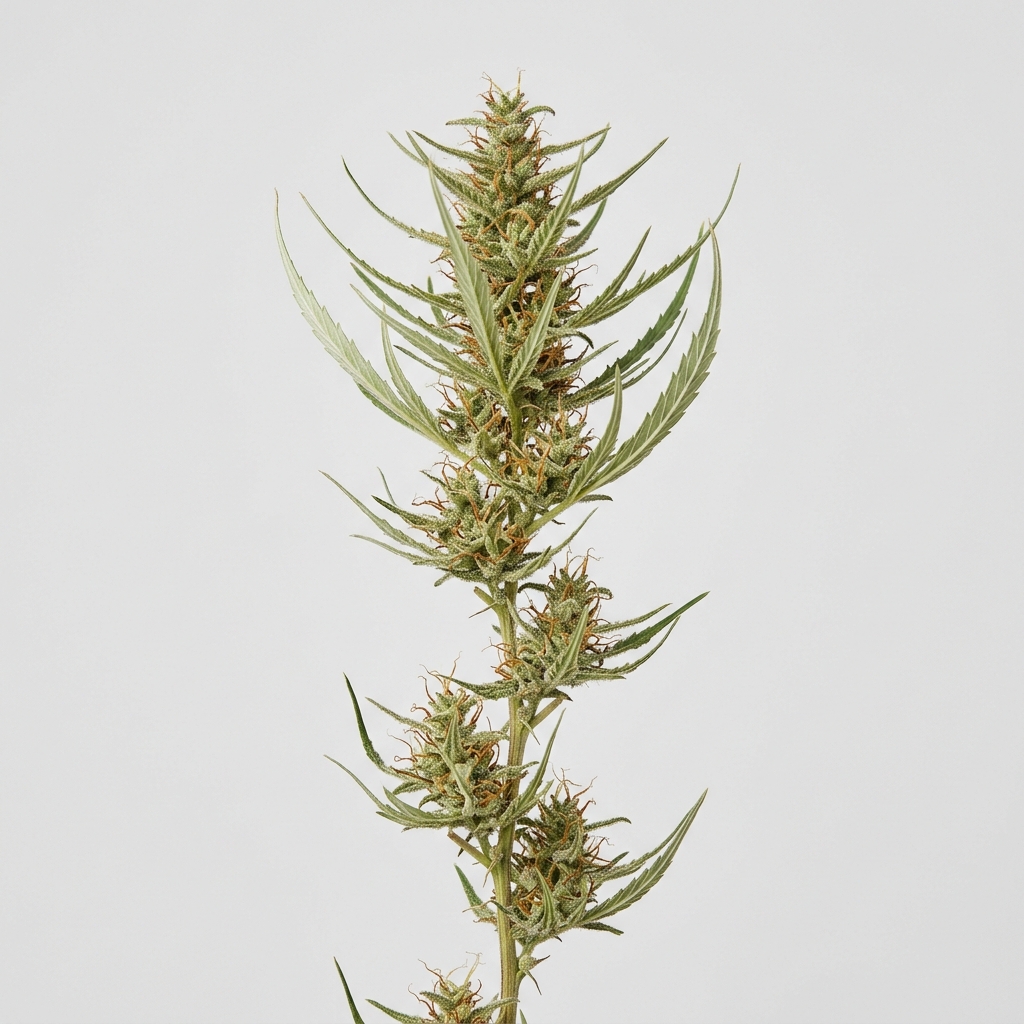
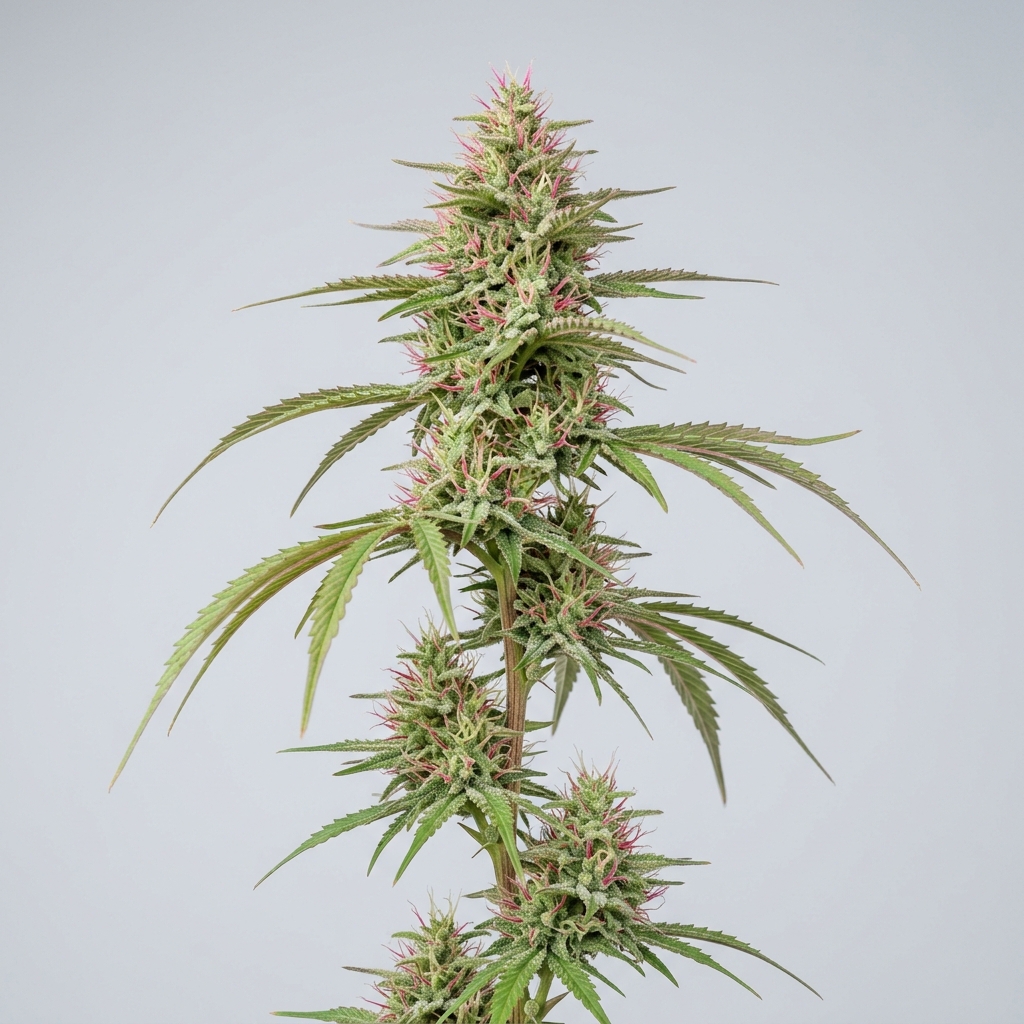
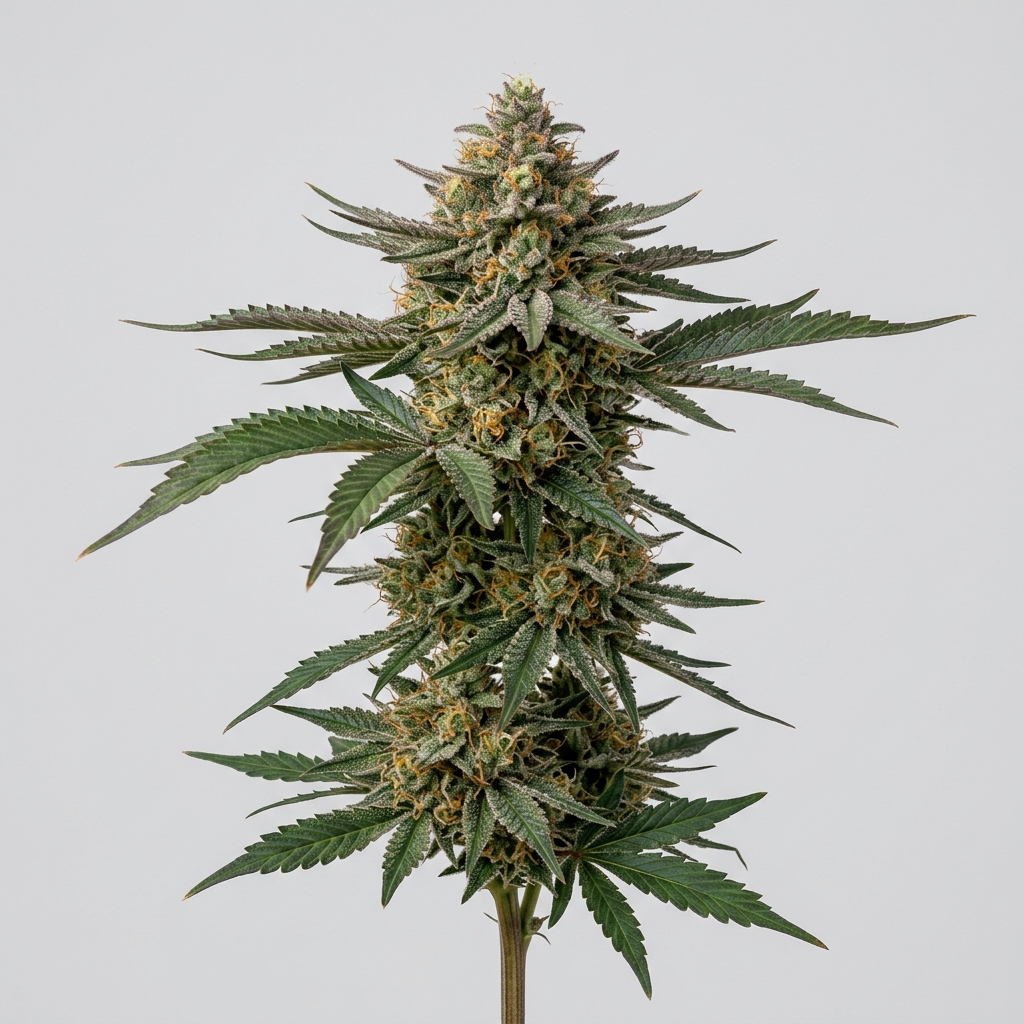
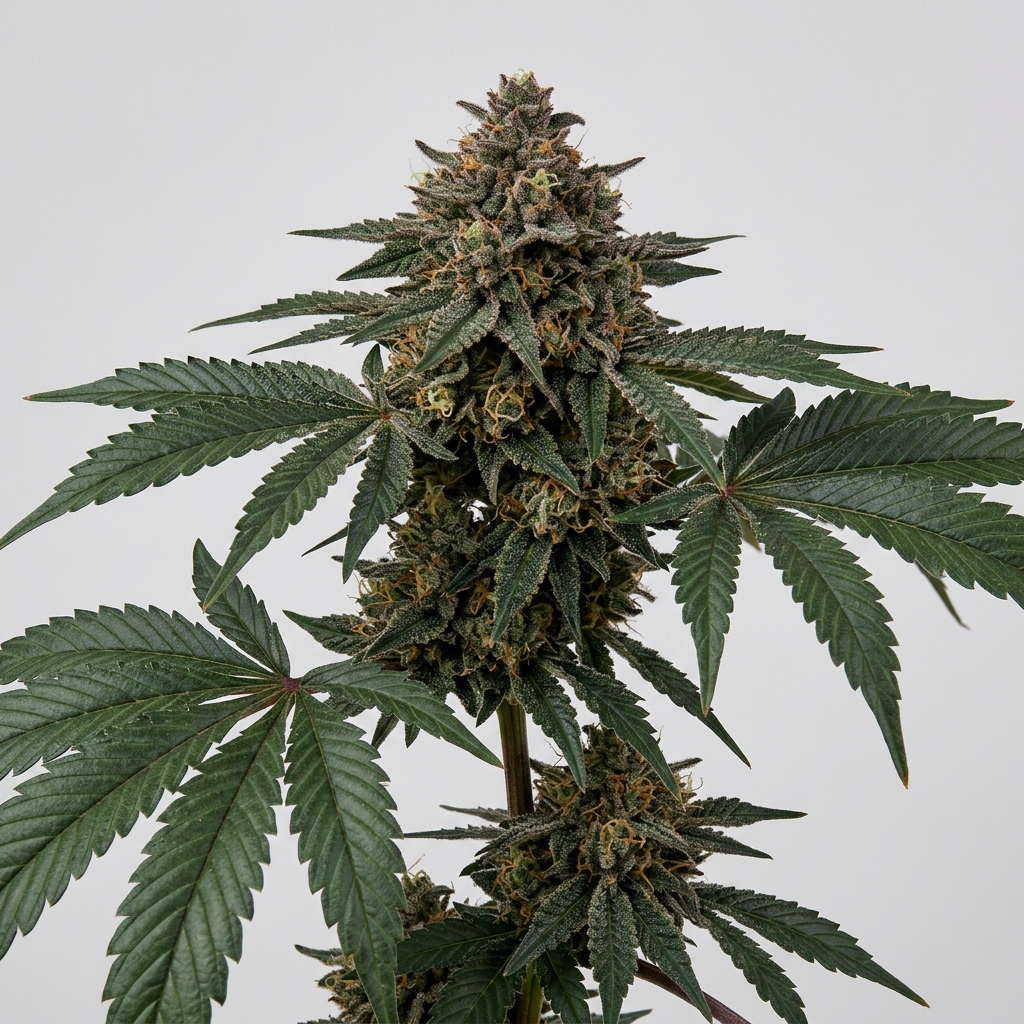
Red Runtz S1 displays classic hybrid morphology, characterized by broad fan leaves and tight internodal spacing during the vegetative phase. As the plant transitions to flower, it develops stout, spear-shaped colas with highly swollen calyxes that stack closely along the stems. The sturdy frame supports the heavy flower weight well, though strategic pruning is recommended to maintain optimal airflow.
The cultivar is notable for its intense anthocyanin production, which triggers deep violet and ruby hues across the bracts and sugar leaves when exposed to cooler night temperatures. This color shift is accompanied by a dense layer of wet frost, where capitate-stalked trichomes cover almost every surface of the dense bracts. The greasy resin layer develops early in flower, making the buds exceptionally sticky to the touch.
Horticultural observations show that transpiration rates remain moderate, requiring careful humidity management to protect the thick, resin-packed flower clusters in the final weeks. The plant reacts predictably to environmental steering, making it a reliable choice for growers utilizing high-performance indoor facilities.
Effects & Use-Cases (Reported)
Commonly reported effects: Physical relaxation, mental ease, and a gentle sensory lift. Users typically describe a soothing wave that eases tension in the limbs while leaving the mind clear and functional.
Use-case context: Ideal for late afternoon or evening sessions, providing a calming physical weight without immediate heavy sedation. It serves well for winding down after active days or facilitating quiet, creative tasks.
Note: Individual tolerance levels and phenotype variations can influence the overall intensity of the physical and mental effects.
Aroma & Flavors
Aroma: Sharp cherry candy, tart red licorice, and a distinct fuel-forward undertone that intensifies when the buds are broken apart.
Flavor: Sweet berry syrup on the inhale, transitioning to a sour gas and subtle earthy musk on the exhale, leaving a lingering sugary coat on the palate.
Terpene associations: Caryophyllene, Limonene, Linalool.
Tested Cannabinoid & Terpene Ranges
| Compound | Typical Range |
|---|---|
| Δ9-THC | 22.0% – 28.0% |
| CBD | < 0.5% |
| CBG | 0.5% – 1.2% |
| Limonene | 0.3% – 0.8% |
| beta-Caryophyllene | 0.2% – 0.6% |
| Linalool | 0.1% – 0.4% |
These values represent typical laboratory profiles. Individual results vary depending on cultivation practices, media selection, and environmental factors.
Cultivation Notes
- Keep late-flower humidity below 45% to prevent moisture retention in the dense, resinous colas.
- Respond well to moderate nitrogen levels in veg, with an increased demand for potassium and phosphorus during mid-to-late bloom.
- Implement low-stress training (LST) and early topping to encourage a uniform canopy and maximize light penetration to lower nodes.
- use a slow dry at 60°F (15°C) and 60% relative humidity for 12 to 14 days to preserve the volatile cherry and gas terpenes.
- Monitor phenotypes for variation in stretch; some selections may require slightly more vertical space during the first three weeks of flower.
Grower Notes (Week-by-Week Snapshot)
- Weeks 1–3 (Transition & Stretch): Plants undergo a moderate, predictable stretch of approximately 50-80%. Focus on tucking large fan leaves and establishing the primary canopy structure before the first flower clusters form.
- Weeks 4–6 (Flower Development & Resin Onset): Bud sites begin to stack rapidly, forming tight, resinous clusters. Shifting temperatures down slightly at night starts to coax out early lavender and magenta hues in the sugar leaves.
- Weeks 7–9 (Ripening & Flush): The calyxes swell significantly, and the greasy resin layer thickens, releasing a heavy cherry-gas aroma. Reduce humidity, perform a thorough flush based on your medium, and monitor trichome amber ratios for peak harvest.
Genetic Lineage
The lineage of Red Runtz S1 traces back to the crossing of Red Pop and Runtz. Red Pop contributes a distinct, artificial cherry soda sweetness and structural stability, while the Runtz parent brings its signature creamy, candy-gas terpene profile and heavy resin production.
By selfing this hybrid clone (S1), breeders locked in the unique combination of the “red” terpene profile and the resin-heavy morphology of the Runtz line. This process increases the likelihood of finding uniform phenotypes that exhibit the coveted sweet-and-sour cherry gas profile from seed.
Research Insights
Phytochemical analysis of this cultivar highlights a dominant combination of beta-caryophyllene and limonene, which shapes its sweet yet spicy aroma. The presence of linalool in smaller, consistent amounts contributes to the floral and berry undertones frequently noted by growers.
Horticultural observations indicate that the selfing process (S1) has successfully preserved the high trichome density of the parent clone. This stability makes the cultivar a reliable subject for research into terpene preservation during post-harvest drying and curing.
Frequently Asked Questions
What is the main difference between Red Runtz and Red Runtz S1?
Red Runtz is the original cross of Red Pop and Runtz, whereas Red Runtz S1 is created by selfing a selected Red Runtz clone. The S1 generation helps stabilize the specific traits of that selected phenotype, allowing growers to access those exact characteristics from seed.
Does Red Runtz S1 require trellis support?
Yes. While the plant has sturdy lateral branching, the dense, heavy colas produced in late flower can cause branches to bow. Installing a double trellis net during the early flowering stage helps support the weight of the ripening buds.
What does the terpene profile smell like?
The profile is dominated by sweet cherry, red licorice, and tart candy notes, backed by a sharp, gassy finish. It inherits the artificial cherry-soda sweetness of Red Pop and the creamy gas of Runtz.
How does this strain handle cooler temperatures?
Red Runtz S1 responds very well to cooler night temperatures in late flower. Dropping the temperature by 10-15°F during the final two weeks encourages the expression of deep purple, ruby, and dark crimson hues across the buds.
Educational Disclaimer
This article is for educational and informational purposes only. Cannabis cultivation and consumption are subject to local laws and regulations. Consult with professional horticulturalists and local compliance guidelines before undertaking any cultivation activities.
Rate and review this strain
Ratings and reviews are accepted only from signed-in Google accounts.
Sign in with Google to leave a rating and written review.
Latest Reviews
0 reviewsNo reviews yet. Be the first Google user to rate and review this strain.