Purple Kush (Cannabis Strain)
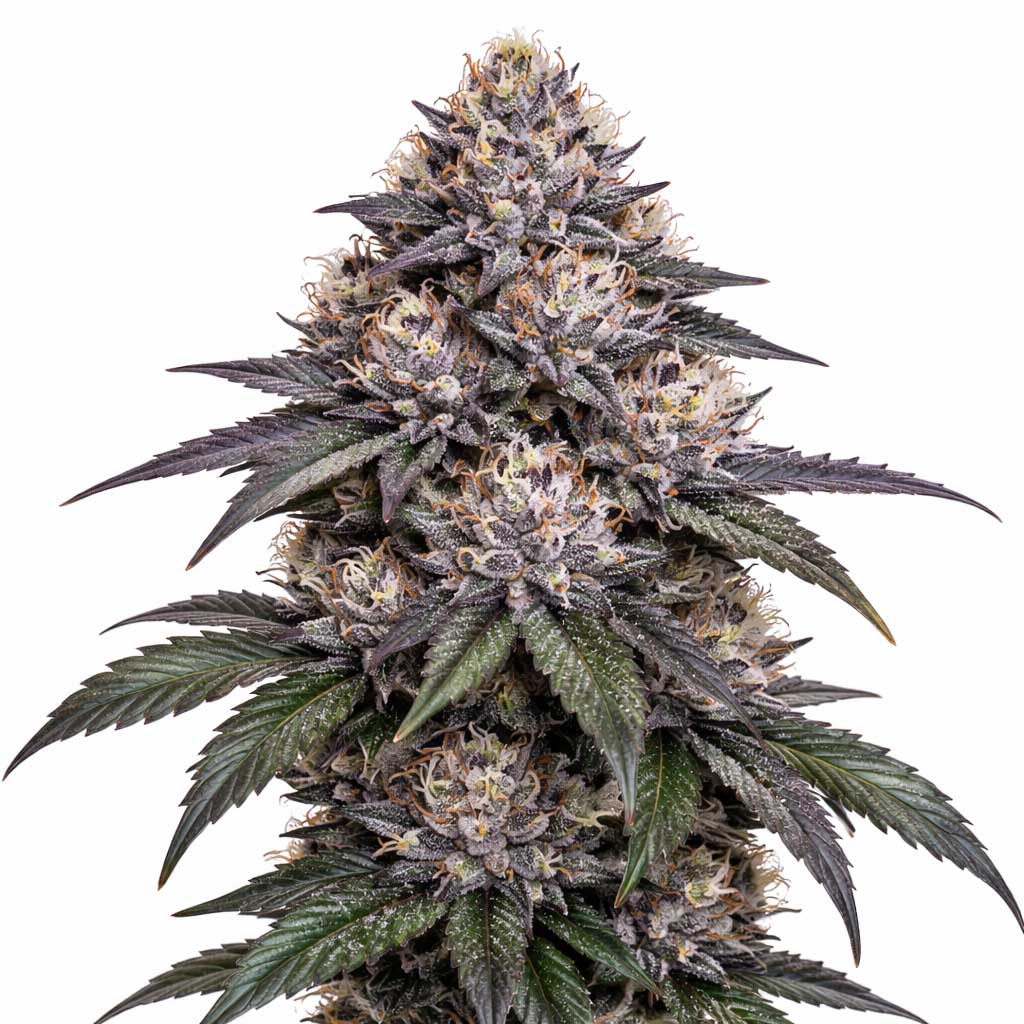
Purple Kush is a classic pure indica cannabis cultivar prized for its dark colorful flower, deeply calming body effects, and rich old-school Kush character. It is most commonly described as a cross between Hindu Kush and Purple Afghani, a lineage that gives the cultivar its compact structure, broad-leafed indica profile, and signature combination of earthy depth and sweet purple-fruit aroma.
Among traditional indica strains, Purple Kush stands apart for its unmistakable look and mood. Rather than chasing bright citrus or dessert-candy notes, it leans into a darker, heavier profile built around grape, earth, pine, and floral sweetness. Its reputation has remained strong because it delivers a distinctly evening-style experience that feels classic, weighty, and unmistakably Kush. The information below is provided strictly for scientific and botanical reference.
Quick Facts
| Feature | Details |
|---|---|
| Genetics | Hindu Kush × Purple Afghani |
| Variety | Pure indica |
| THC Range | 17%–27% |
| Flowering Time | 7–8 weeks indoors |
| Yield Potential | Moderate to High; often around 500 g/m² indoors in favorable conditions |
| Plant Height | Short to Medium; wide, bushy, and indica-heavy in structure |
| Climate Preference | Dry outdoor climate or controlled indoor rooms with strong airflow |
| Difficulty | Easy to Intermediate |
Scientific & Botanical Overview
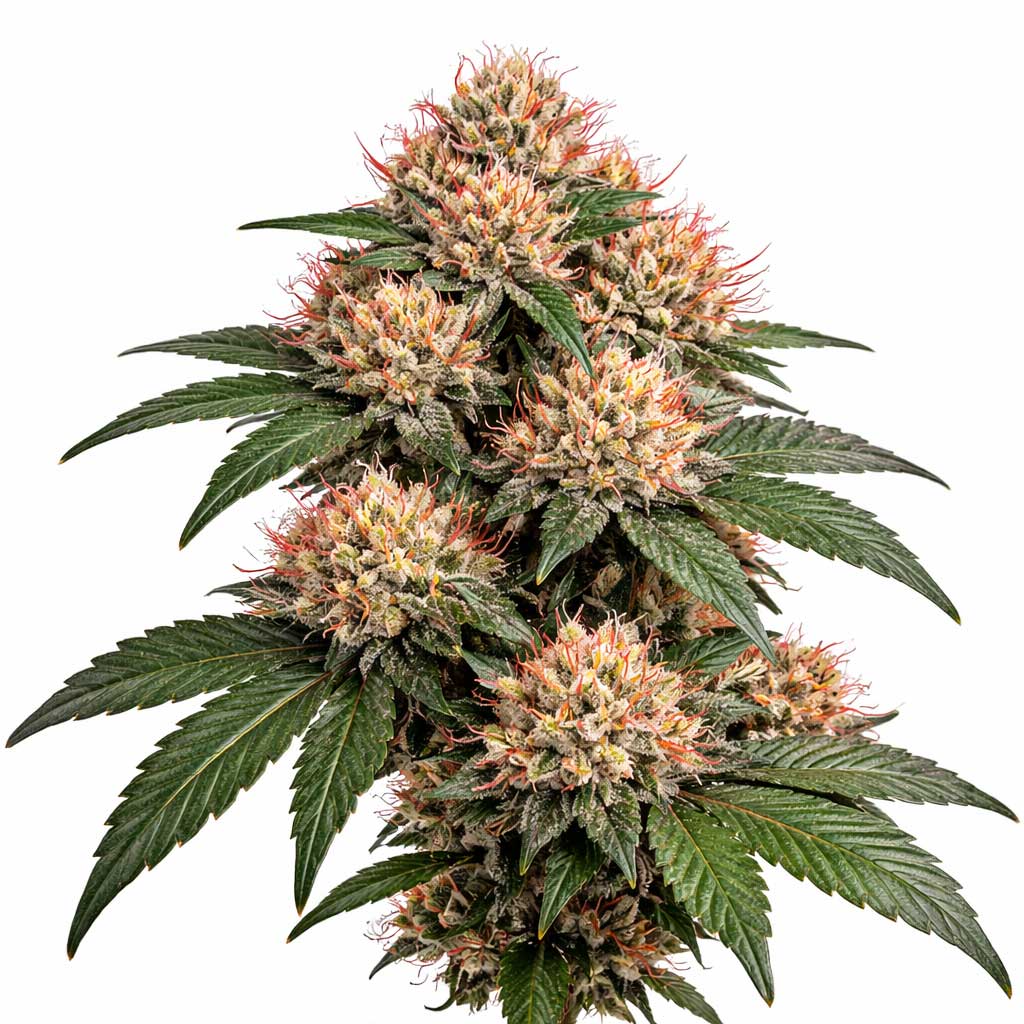
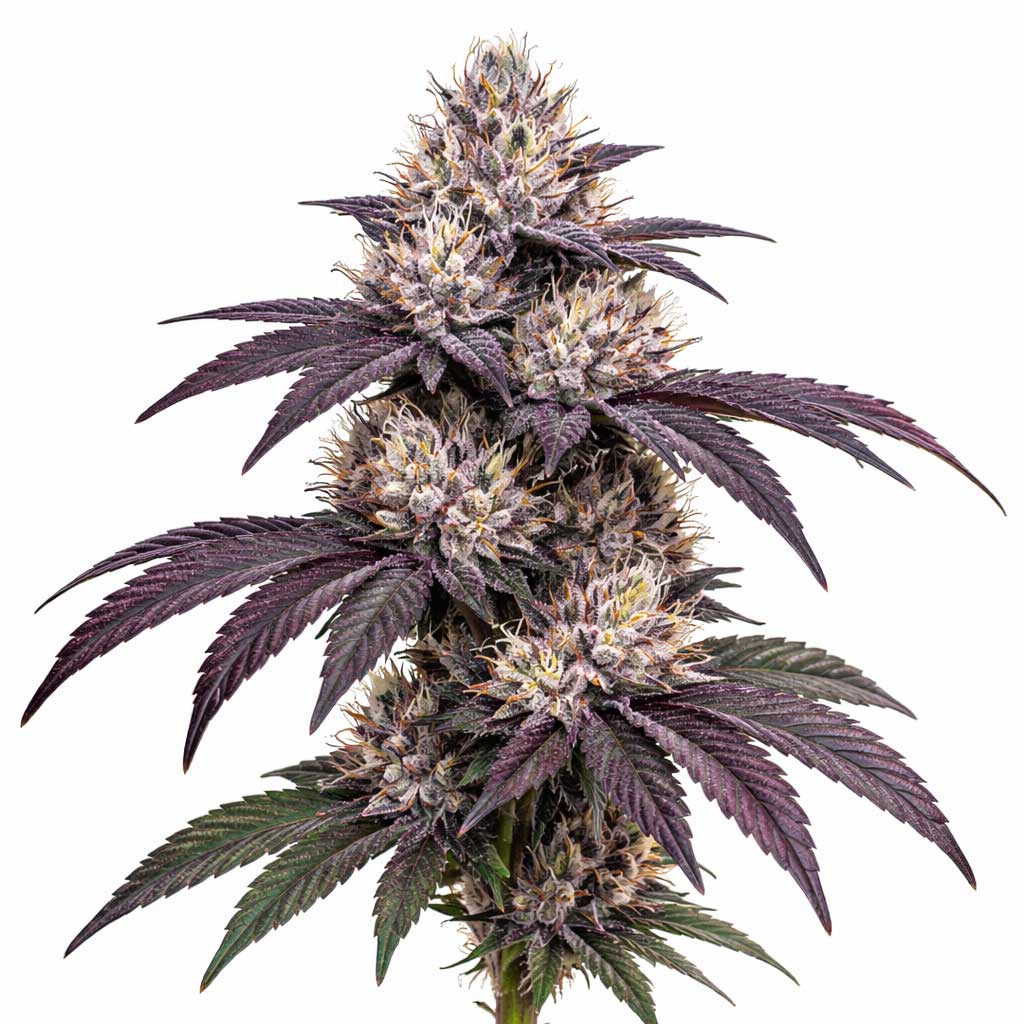
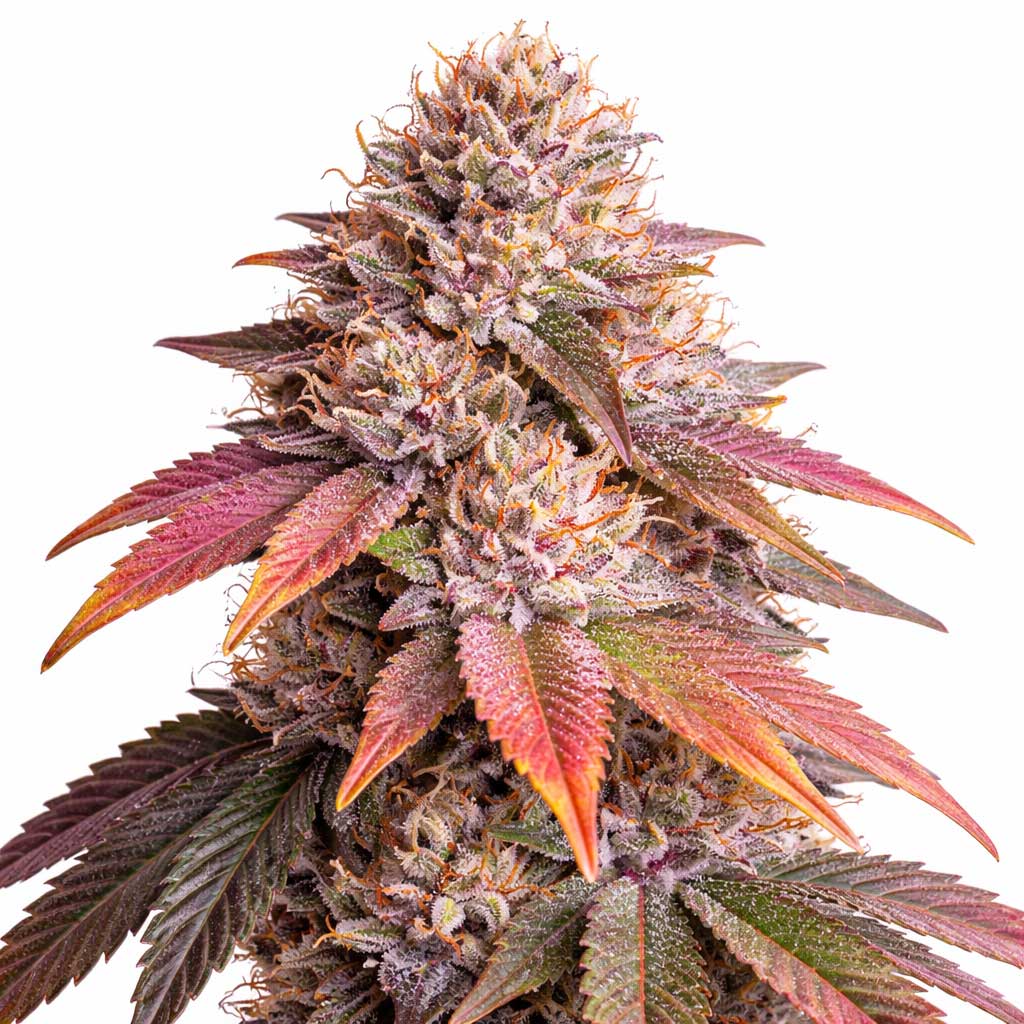
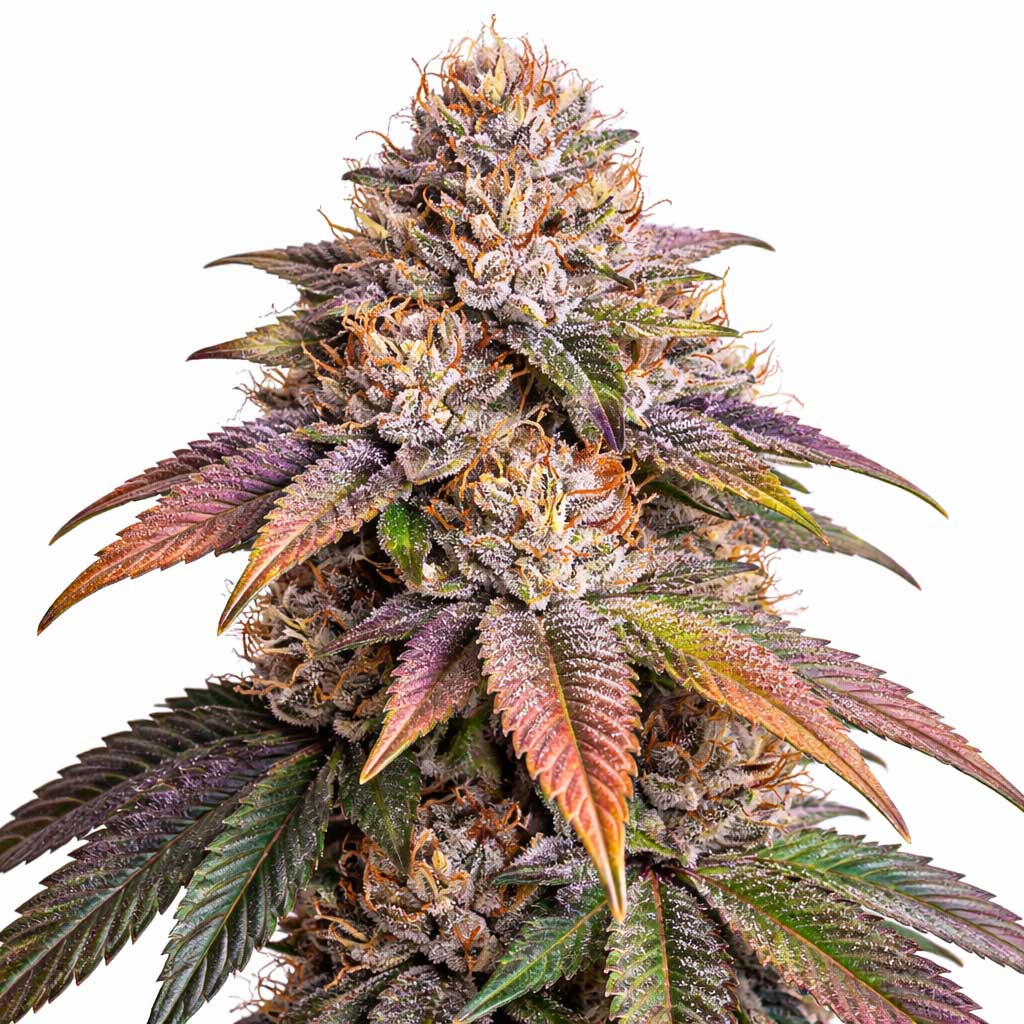
Purple Kush typically forms dense, broad, resin-coated flowers with dark green to deep purple coloration, short orange hairs, and a thick frosting of trichomes. Visually, it often presents as a heavy-bodied indica with compact flower clusters and a darker palette than brighter tropical or haze-leaning cultivars.
Its aromatic profile is equally distinctive. Purple Kush is widely associated with notes of grape, violet, moist earth, forest pine, and sweet herbal spice. That combination gives the cultivar a slower, deeper, more evening-oriented identity than many modern hybrids that push bright fruit or candy forward. It smells less flashy than some exotics, but more grounded and unmistakably traditional.
From a botanical and market perspective, Purple Kush remains important because it represents a more foundational style of premium indica: resinous, compact, sedative, and built around classic Kush depth rather than novelty.
Effects & Use-Cases (Reported)
Commonly reported effects: heavy physical relaxation, body warmth, mental quieting, drowsy calm, and a gradually deepening sedative finish.
Use-case context: Purple Kush is most often associated with evening or nighttime use. It is frequently selected for quiet indoor sessions, late-night unwinding, couch-bound relaxation, and situations where strong physical ease is preferred over energetic or social stimulation.
Note: These observations are anecdotal reports and should not be interpreted as medical claims.
Aroma & Flavors
Aroma: Sweet grape, earthy pine, violet-like florals, and dark Kush spice.
Flavor: The inhale is commonly described as sweet, earthy, and grape-tinged, while the exhale becomes more piney, herbal, slightly peppery, and softly floral.
Terpene associations: Myrcene, Pinene, and Caryophyllene.
Tested Cannabinoid & Terpene Ranges
| Compound | Typical Range* | Notes |
|---|---|---|
| Δ9-THC | 17.0%–27.0% | Often reported in the moderate-to-potent indica range depending on cut and test result |
| CBD | Low / Trace | Usually present at minor background levels |
| Myrcene | Commonly dominant | Supports the cultivar’s heavy body tone and earthy sweetness |
| Pinene | Commonly prominent | Adds forest-pine freshness beneath the darker fruit notes |
| Caryophyllene | Commonly prominent | Brings peppery structure and classic Kush depth to the finish |
*Ranges are literature-informed public references and may vary by phenotype, cultivation environment, harvest timing, and analytical method.
Cultivation Notes
- Light Cycle: 18/6 vegetative and 12/12 flowering.
- Humidity Targets: Around 40%–50% RH in late flower is commonly preferred to protect the dense indica buds from trapped moisture.
- Nutrition: Purple Kush often responds well to steady bloom feeding without excessive nitrogen late in flower.
- Training: Low-stress training, selective defoliation, and canopy opening can help improve airflow because the plant tends to grow broad rather than tall.
- Harvest Window: Typically late September to early October outdoors in the Northern Hemisphere, depending on local conditions.
Grower Notes (Week-by-Week Snapshot)
- Weeks 1–2 (Transition): Stretch is usually modest, with the plant staying compact and widening through lateral growth.
- Weeks 3–5: Flower clusters begin thickening quickly and the darker earthy-grape aroma starts becoming more noticeable.
- Weeks 6–8: Buds harden, trichome coverage intensifies, and cooler finishing conditions may help deepen the purple coloration in some expressions.
- Post-Harvest: A patient dry and controlled cure are often recommended to preserve sweet grape notes while keeping the earthy Kush finish smooth and full.
Genetic Lineage
Purple Kush is most commonly described as a cross between Hindu Kush and Purple Afghani. That lineage places it firmly in the old-school indica tradition, with both parents contributing dense flower structure, broad-leafed growth, and the deep physical heaviness expected from mountain-origin Kush lines.
Hindu Kush contributes the classic earthy, resinous, body-centered foundation, while Purple Afghani adds darker fruit tones, richer color expression, and the floral-grape dimension that gives Purple Kush its signature identity. Together, they created a cultivar that feels less like a trendy exotic and more like a benchmark for traditional purple indica breeding.
Research Insights
Purple Kush is often discussed as a reference-point pure indica because it expresses a terpene profile centered on Myrcene-Pinene-Caryophyllene rather than brighter citrus or candy combinations. That helps explain its slower, more grounded sensory character and its reputation for strong physical sedation.
From a historical and commercial standpoint, Purple Kush remains relevant because it represents a durable category of cannabis that never fully goes out of demand: dark, aromatic, night-oriented indicas with recognizable grape-earth-Kush identity. In a market full of newer hybrids, it still serves as a familiar anchor for consumers seeking traditional heavy relaxation.
Frequently Asked Questions
Is Purple Kush indica or sativa?
Purple Kush is generally described as a pure indica.
What does Purple Kush taste like?
It is widely described as tasting like grape, earth, pine, sweet florals, and classic Kush spice.
Is Purple Kush considered a nighttime strain?
Yes. Purple Kush is most often associated with evening or nighttime use because of its strongly relaxing and sedative effect profile.
Educational Disclaimer
This page is provided for scientific and horticultural reference only. Cannabis laws vary by jurisdiction; always ensure compliance with local regulations.