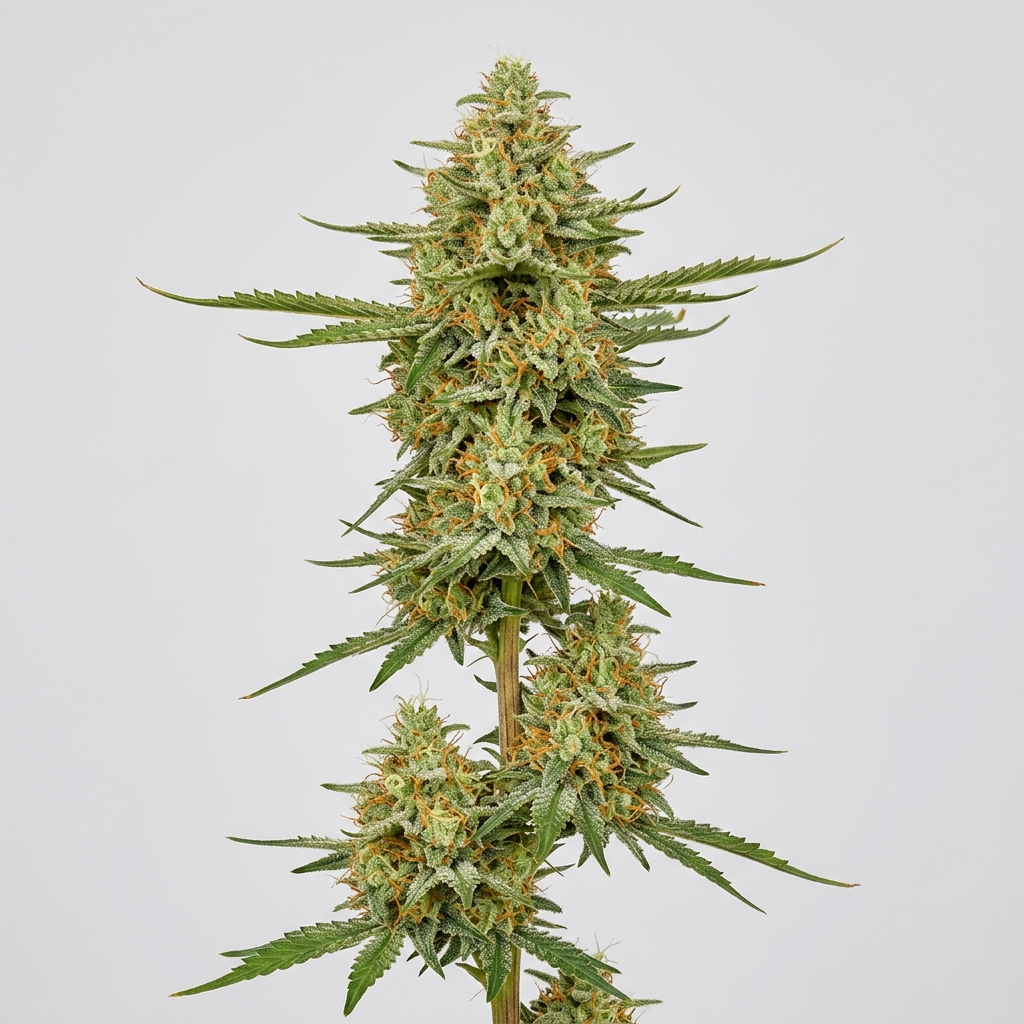
Power Plant (Cannabis Strain)
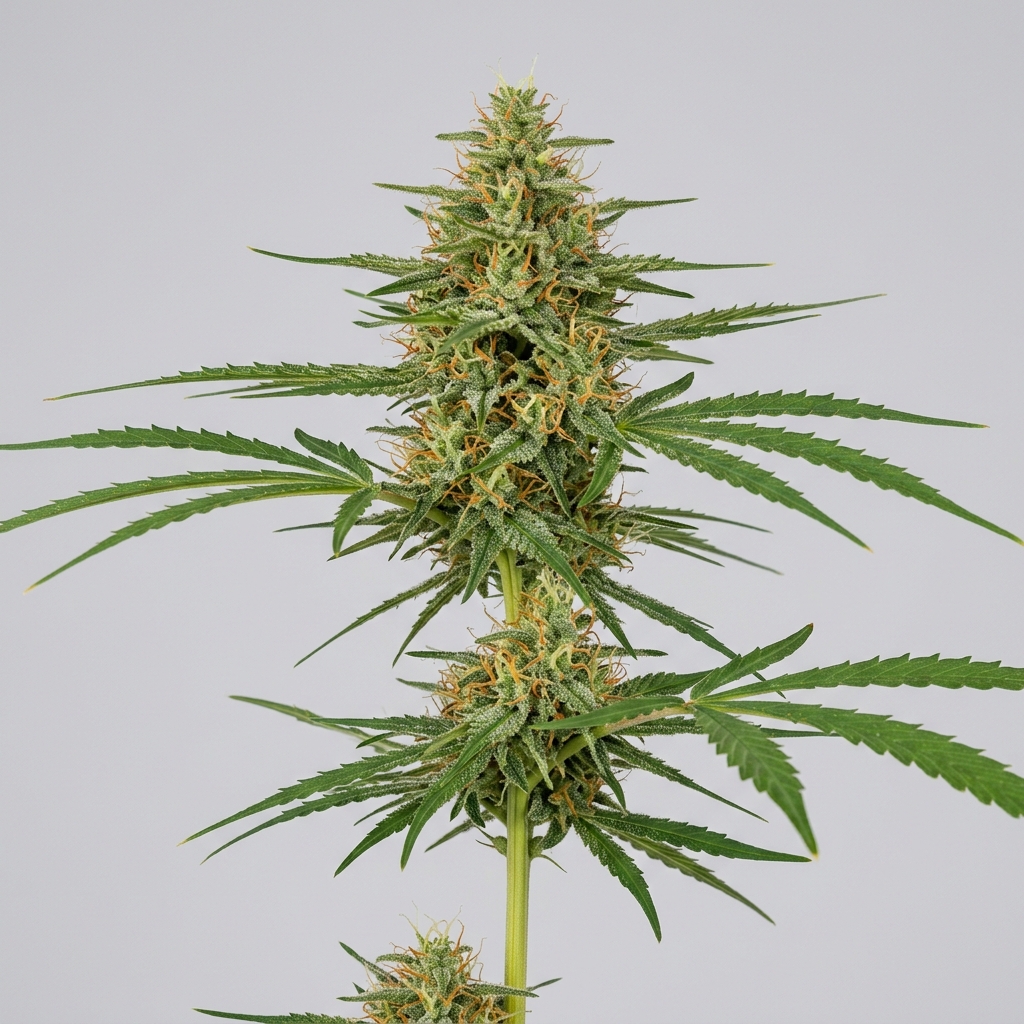
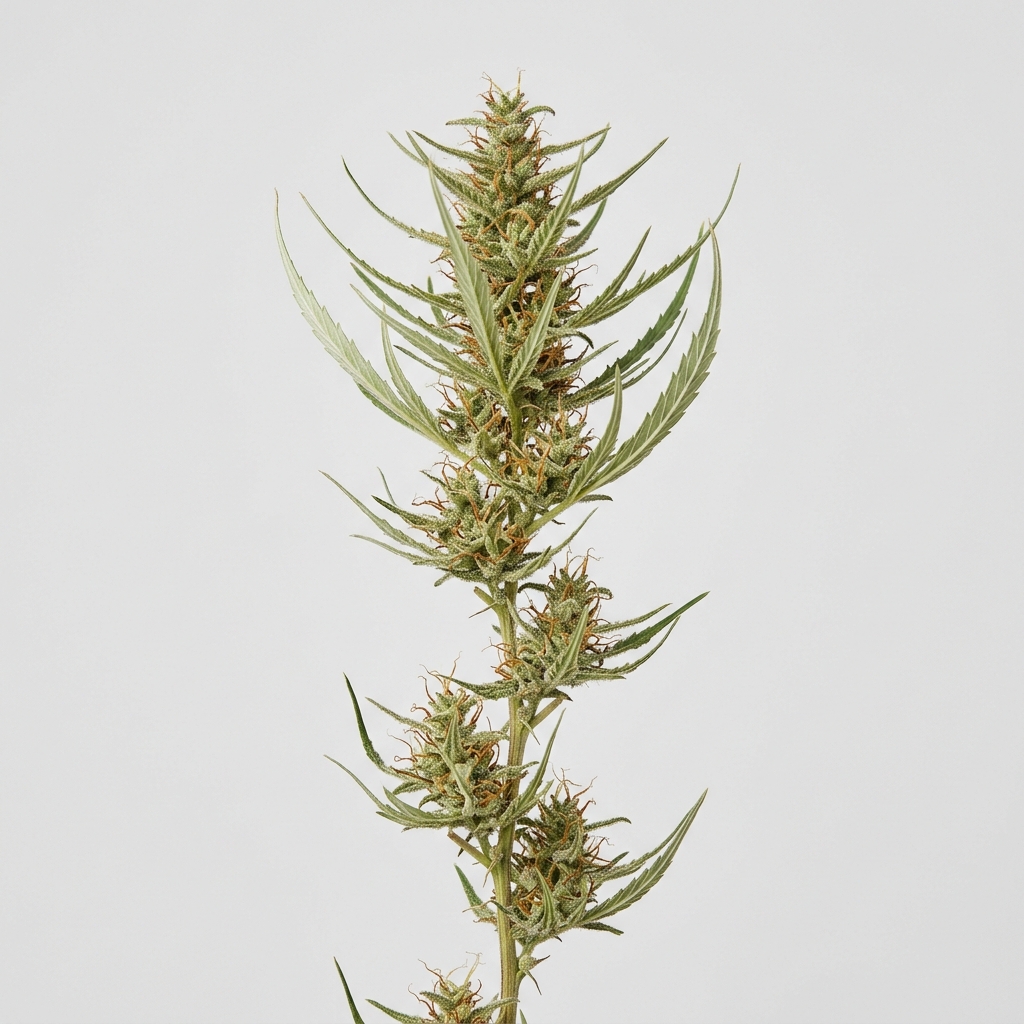
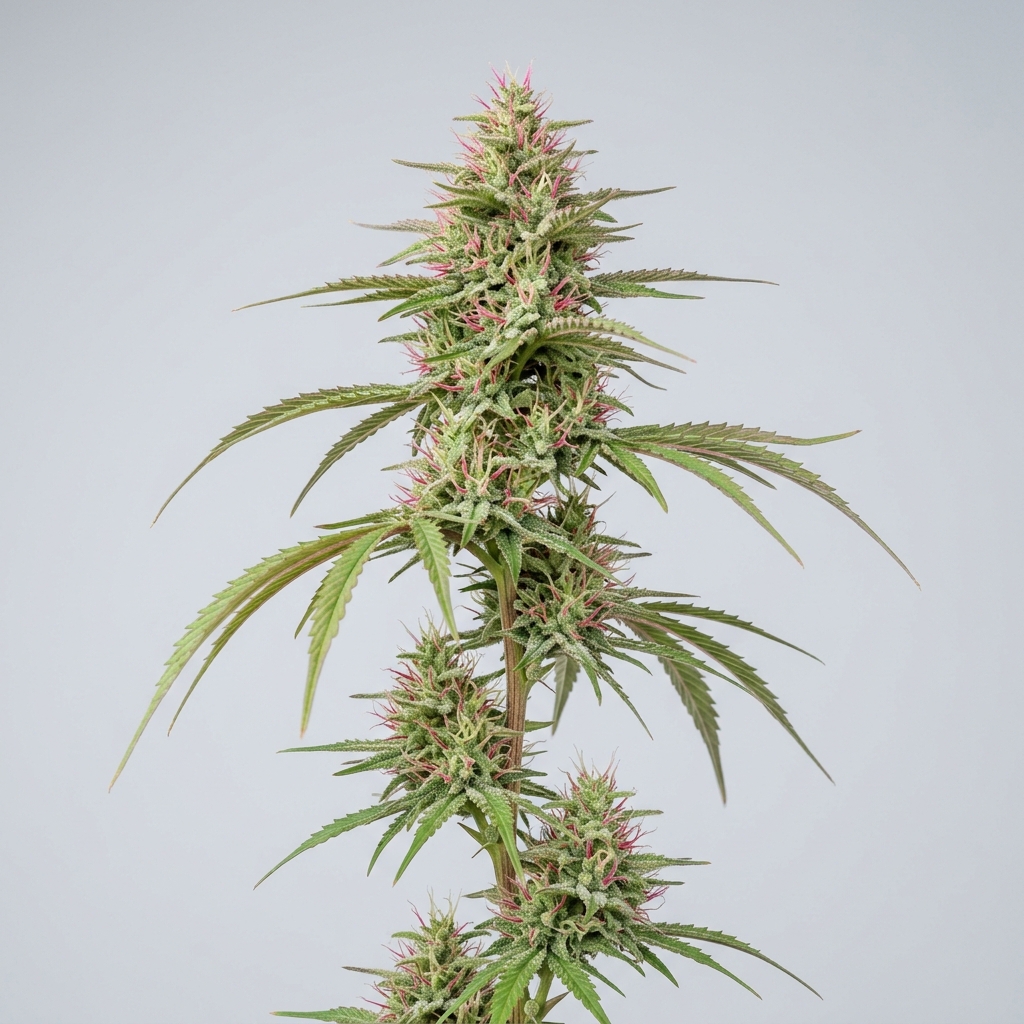
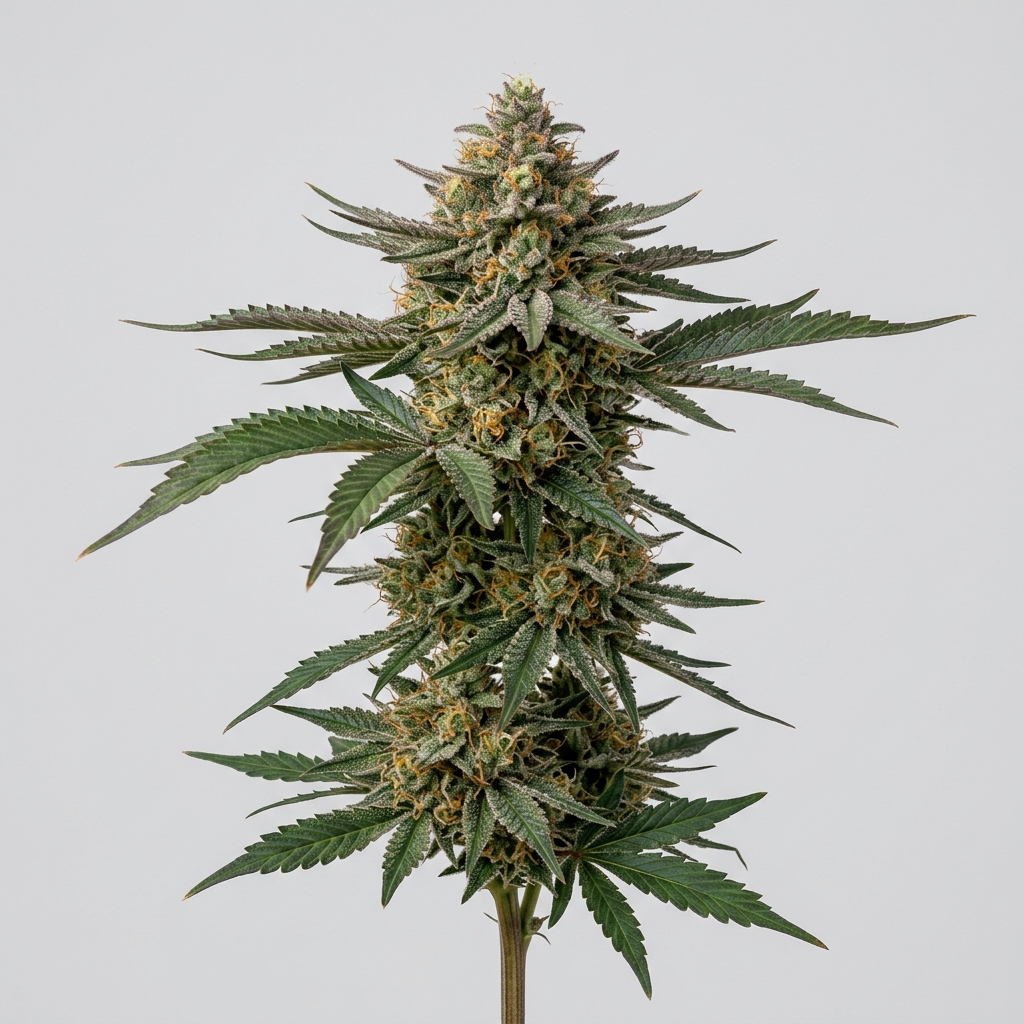
Power Plant is a classic Sativa-dominant cultivar developed in the late 1990s from pure South African landrace genetics. Known for its moderate to high THC range of 15% to 20%, this strain is defined by its long, dense spear colas, light green bracts, and a clean, glassy trichome layer. It delivers a traditional aroma of rich earth, wood, and spice, accented by a sharp citrus lift that has made it a staple in Dutch coffeeshops and commercial facilities for decades.
Cultivators favor this cultivar for its exceptional productivity and rapid development cycle. Unlike typical landrace-derived sativas that require extended flowering windows, it finishes quickly with a highly uniform canopy. Its structural resilience and reliable yield potential make it a standard choice for large-scale sea of green (SOG) setups and growers seeking a low-maintenance, high-output crop.
Quick Facts
| Field | Details |
|---|---|
| Genetics | South African Sativa landrace selection |
| Variety | Sativa-dominant Hybrid |
| THC Range | 15% – 20% |
| Flowering Time | 7 – 9 weeks |
| Yield Potential | High to Very High |
| Plant Height | Medium to Tall |
| Climate Preference | Warm, temperate, Mediterranean-style climates |
| Difficulty | Easy to Moderate |
Scientific & Botanical Overview
The botanical profile of this cultivar reflects its pure South African heritage, stabilized and adapted for indoor cultivation. It features a strong branching habit and an upright frame that supports heavy, elongated colas. Unlike wild landrace sativas that stretch uncontrollably, this selection maintains tight internodes and a manageable height when transitioned to flower early.
The inflorescence develops into substantial, spear-shaped structures with highly swollen calyxes and minimal leaf-to-bud ratio. This lack of excess foliage simplifies the post-harvest trimming process. The trichomes are predominantly capitate-stalked, producing a clean, silver-blue sheen across the flowers rather than a wet, sticky resin layer.
Its vegetative vigor is pronounced, allowing the plant to establish a robust root system quickly. The broad fan leaves transition to narrower leaflets during the flowering stage, optimizing light penetration through the lower canopy. This structural efficiency helps prevent microclimate humidity pockets, reducing the risk of mold in dense flower clusters.
Effects & Use-Cases (Reported)
Commonly reported effects: Clear-headed stimulation, cerebral energy, enhanced focus, and physical lightness. Users frequently report an immediate sense of alertness that promotes productivity and conversational flow without causing physical heaviness or sedation.
Use-case context: Well-suited for daytime activities, creative projects, and active social environments. The clean, functional lift makes it a popular choice for morning or afternoon use when mental clarity and stamina are required.
Note: Due to its pure sativa lineage and rapid onset, high doses may cause mild sensory sensitivity or pacing thoughts in individuals prone to anxiety in stimulated states.
Aroma & Flavors
Aroma: Dominated by a pungent, earthy base with distinct notes of fresh pine, dry wood, and a sharp citrus lift that intensifies when the buds are crushed.
Flavor: The smoke is clean and herbal, featuring a sweet anise undertone, black pepper, and a dry, woody finish on the exhale.
Terpene associations: High concentrations of myrcene provide the warm, earthy foundation, while pinene delivers the sharp pine notes, and caryophyllene adds a subtle spicy edge.
Tested Cannabinoid & Terpene Ranges
| Compound | Typical Range |
|---|---|
| Δ9-THC | 15.0% – 20.0% |
| CBD | < 1.0% |
| Myrcene | 0.3% – 0.8% |
| Pinene | 0.2% – 0.5% |
| Caryophyllene | 0.1% – 0.4% |
Note: Cannabinoid and terpene profiles are variable and depend heavily on cultivation methods, environmental conditions, and curing protocols.
Cultivation Notes
- Humidity Management: Keep late-flower humidity below 45% to protect the dense, heavy colas from internal moisture buildup and bud rot.
- Nutrient Requirements: Responds well to moderate feeding; avoid heavy nitrogen inputs during mid-to-late bloom to prevent leaf burn and preserve terpene clarity.
- Training Techniques: Highly responsive to topping, FIMing, and trellising, which help distribute weight evenly across the long spear branches.
- Environmental Adaptation: Performs exceptionally well in warm, dry outdoor climates but is highly optimized for indoor commercial setups using hydroponics or soil.
- Harvest Window: Look for amber trichome development starting around day 50; harvest early for a more energetic profile or let run to 60 days for increased weight and physical depth.
Grower Notes (Week-by-Week Snapshot)
- Weeks 1–3 (Transition & Stretch): The plants show rapid vertical growth and open up their structure. Early trellising or support should be installed to manage the upcoming stretch, which is moderate for a sativa.
- Weeks 4–6 (Flower Development): Long, thin white pistils form dense clusters along the branches. Bud sites merge into continuous spear colas, requiring careful monitoring of airflow through the lower canopy.
- Weeks 7–9 (Ripening & Flush): Calyxes swell significantly, and pistils turn a deep orange-red. Execute a clean water flush during the final 10 days to encourage the natural fading of fan leaves and clean up the herbal flavor profile.
- Post-Harvest (Dry & Cure): Implement a slow dry at 60°F (15°C) and 60% relative humidity for 10 to 14 days, followed by a minimum three-week cure to lock in the woody, spicy terpene profile.
Genetic Lineage
The genetic origin of this cultivar traces back to a pure Sativa selection sourced directly from South Africa in the late 1990s. Dutch breeders focused on selecting phenotypes that exhibited high yield potential, fast flowering speeds, and uniform growth habits. The resulting line was stabilized without crossing it to indica genetics, preserving its classic sativa characteristics.
By keeping the lineage unhybridized with heavy indica lines, breeders maintained the uplifting, clear-headed qualities of the original landrace. The strain has since served as a foundational building block for numerous modern sativa-dominant hybrids, prized for its structural reliability and consistent production performance.
Research Insights
Analytical testing of this cultivar highlights a distinct terpene profile dominated by myrcene and pinene, a combination that influences its clear-headed, alert qualities. Pinene acts to support focus and mental clarity, counteracting the heavier, sedative qualities often associated with high-myrcene profiles. This chemical relationship explains the functional, daylight-friendly reputation of the strain.
Additionally, its rapid flowering cycle for a sativa-dominant plant makes it a subject of study for breeding programs aiming to reduce flowering times in other long-season cultivars. Its natural resistance to fluctuating temperatures and common pests suggests a highly resilient genetic background shaped by its landrace origins.
Frequently Asked Questions
Is Power Plant a pure Sativa?
While derived entirely from South African Sativa landrace genetics, it has been stabilized and selected for indoor commercial cultivation. It behaves as a Sativa-dominant hybrid, offering the uplifting qualities of a sativa with the fast flowering time and dense bud structure typical of hybrid cultivars.
How long does it take to flower?
This cultivar has an exceptionally short flowering window for a sativa-dominant strain, typically requiring only 7 to 9 weeks (50 to 63 days) of 12/12 light to reach maturity.
What does the strain smell like?
It features a classic, old-school aroma dominated by rich earth, dry wood, and sharp pine, with a distinct herbal and spicy undertone that becomes sweet and licorice-like upon curing.
Is this strain suitable for beginner growers?
Yes. It is highly resilient, tolerates minor feeding errors, and adapts well to various training methods, making it one of the easiest sativa-dominant varieties to cultivate successfully.
Educational Disclaimer
This article is intended strictly for educational, historical, and botanical reference purposes. It does not promote, condone, or encourage the illegal cultivation, distribution, or consumption of cannabis. Always consult local laws and regulations regarding cannabis cultivation and use in your jurisdiction.
Rate and review this strain
Ratings and reviews are accepted only from signed-in Google accounts.
Sign in with Google to leave a rating and written review.
Latest Reviews
0 reviewsNo reviews yet. Be the first Google user to rate and review this strain.