Power Flower (Cannabis Strain)
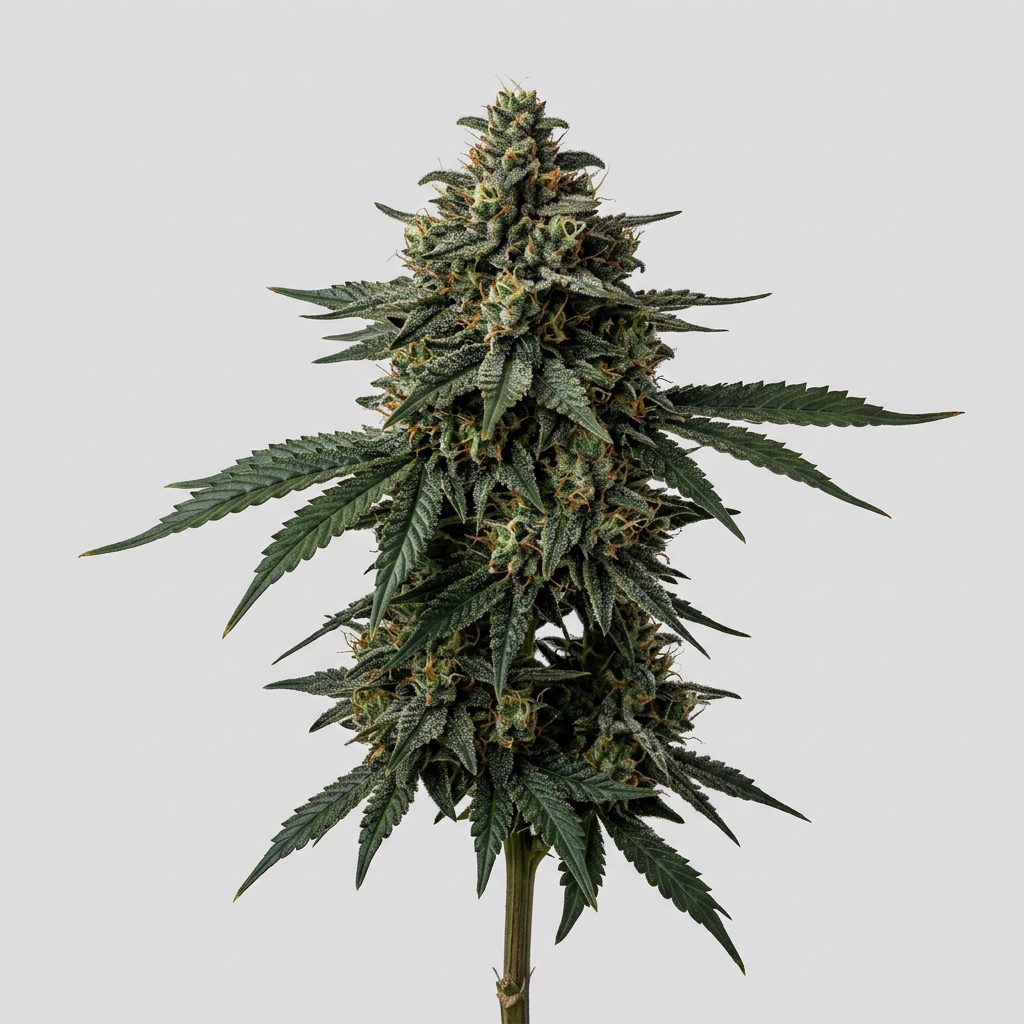
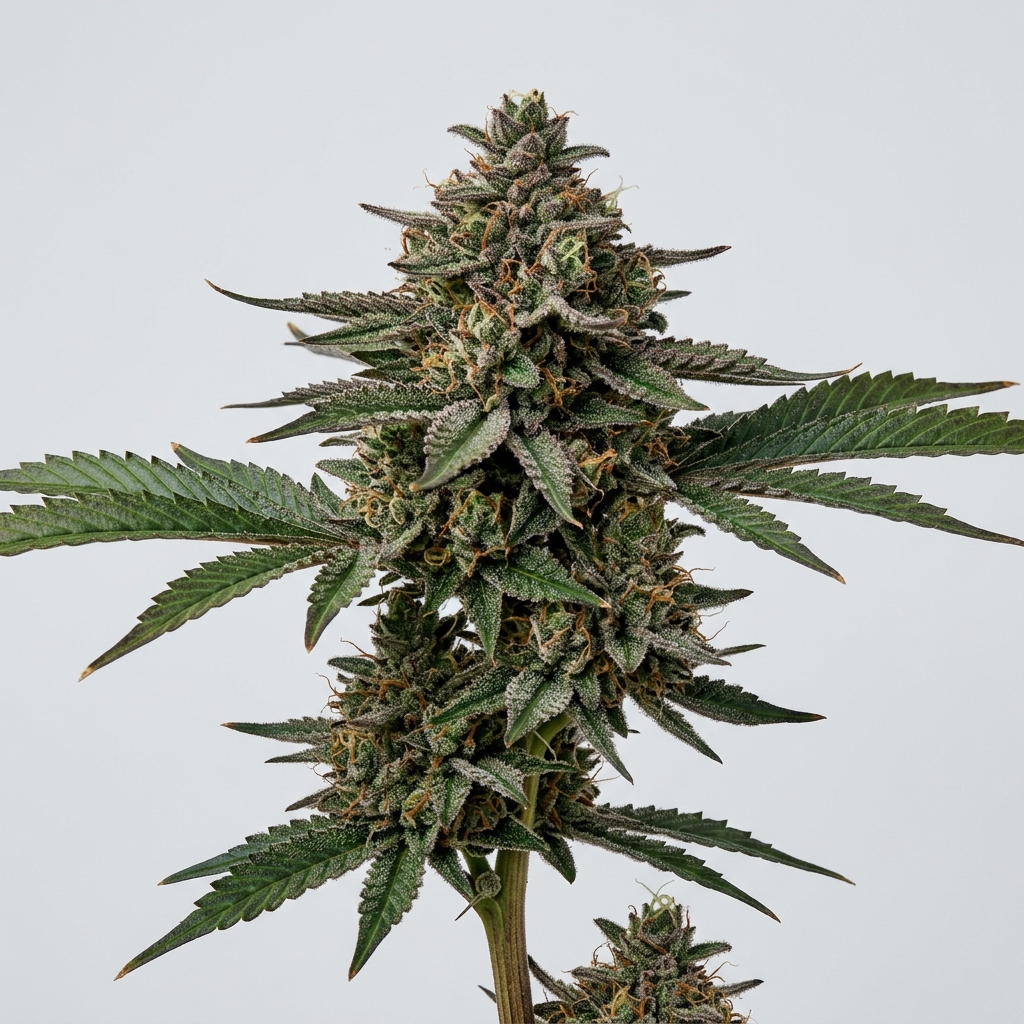
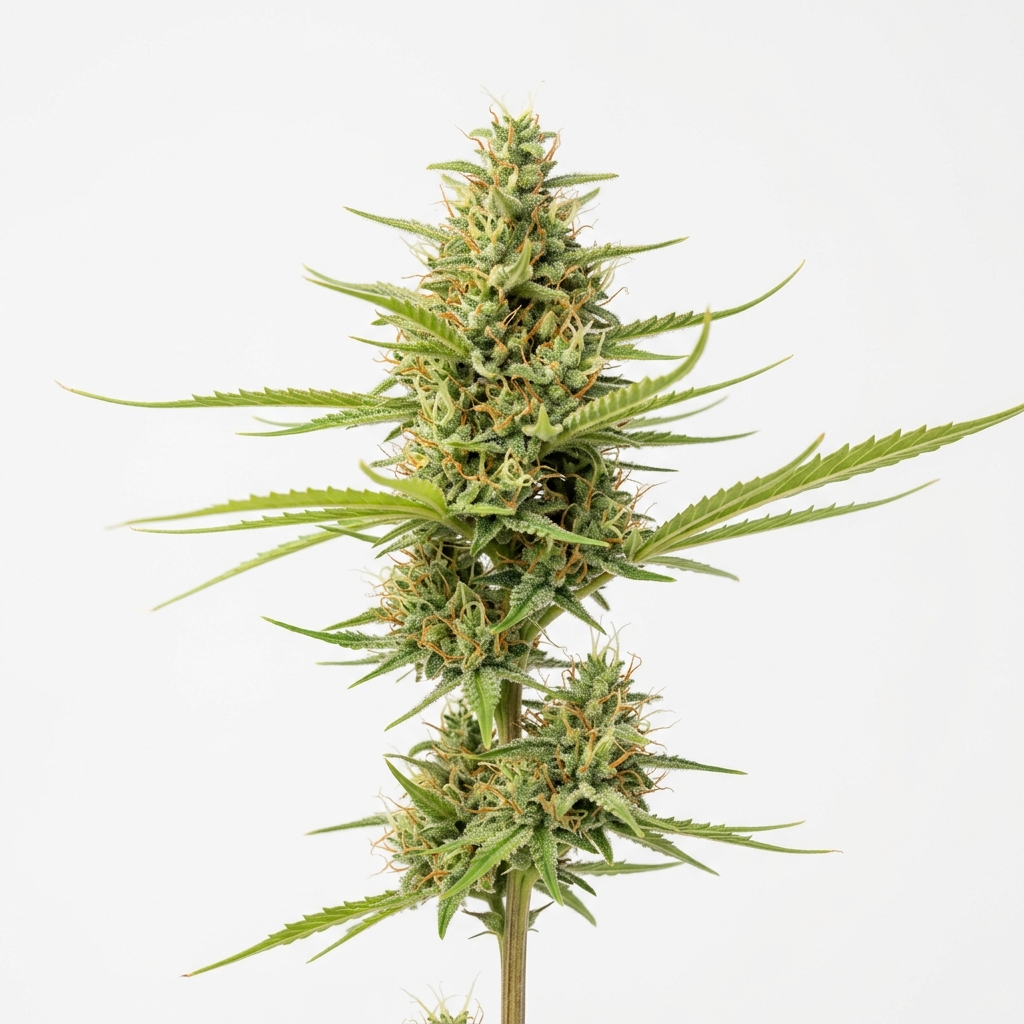
Power Flower is a sativa-dominant cultivar engineered to deliver the classic, uplifting energy of South African landrace genetics within a commercially viable, fast-flowering growth cycle. Averaging between 15% and 19% THC, this strain is celebrated for its sweet, citrus-forward profile accented by a spiced-pine undertone and clean, glassy resin. Unlike traditional sativas that stretch uncontrollably, it maintains a manageable structure while producing dense, light-green spear colas.
Developed as a refined selection of the legendary Power Plant lineage, this cultivar bridges the gap between old-school landrace vitality and modern indoor cultivation demands. Growers favor it for its rapid bloom cycle and reliable yields, making it a staple for those seeking active, daytime-oriented sensory profiles without the typical sativa wait times.
Quick Facts
| Metric | Details |
|---|---|
| Genetics | South African Sativa Selection (Power Plant lineage) |
| Variety | Sativa-dominant (approx. 88% Sativa / 12% Indica) |
| THC Range | 15.0% – 19.0% |
| Flowering Time | 8 – 9 Weeks |
| Yield Potential | Moderate to High (approx. 500-550g/m² indoor) |
| Plant Height | Medium (approx. 80cm – 120cm indoor) |
| Climate Preference | Warm, temperate, mild Mediterranean |
| Difficulty | Easy to Moderate |
Scientific & Botanical Overview
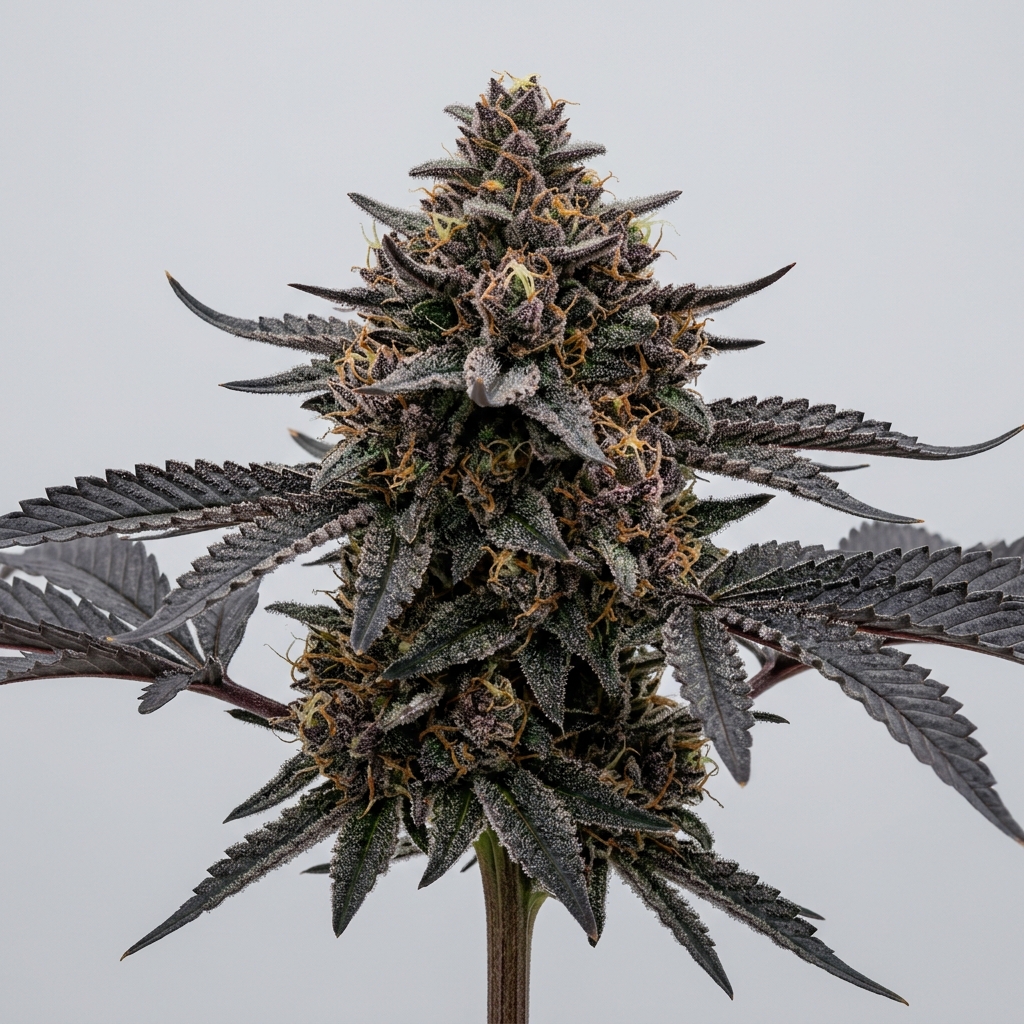
Botanically, Power Flower shows a growth habit that defies its heavy sativa heritage. While its narrow-fingered fan leaves and pale green foliage point to its South African ancestry, its internodal spacing remains surprisingly tight, preventing the leggy, fragile structure common to pure sativas. This structural compactness allows for efficient light penetration across the lower canopy.
The flowering phase is characterized by the rapid development of elongated, spear-shaped colas. Swollen calyxes stack tightly along the branches, producing a high calyx-to-leaf ratio that simplifies the post-harvest trimming process. The trichome heads are small to medium-sized, forming a uniform, glassy layer of resin that preserves the volatile monoterpenes during the curing phase.
This cultivar is highly responsive to environmental parameters, particularly light intensity. Under high-output LED or HPS setups, the plant maximizes its photosynthetic efficiency, driving dense bract development without requiring excessive nitrogen inputs during the transitional vegetative phase.
Effects & Use-Cases (Reported)
Commonly reported effects: Users frequently describe a rapid, clear-headed cerebral lift that promotes focus, physical energy, and creative clarity. The physical sensation is lightweight and non-sedating, making it highly suitable for daytime activities or social engagement.
Use-case context: Ideal for morning use, creative projects, or outdoor activities where mental clarity must be maintained. It is often selected by those seeking an active daytime buzz without the heavy, physical drag or couch-lock associated with indica-dominant hybrids.
Note: Individual sensitivity to sativa-dominant cultivars varies. High doses may induce mild physical jitters or elevated sensory awareness in sensitive individuals; cautious initial titration is recommended.
Aroma & Flavors
Aroma: Opening a jar of cured Power Flower releases a dominant wave of sweet citrus and fresh pine, followed closely by an earthy, herbal undertone reminiscent of damp forest soil. A subtle, peppery spice emerges when the buds are broken apart or ground.
Flavor: On the palate, the smoke or vapor is remarkably smooth, tasting of zesty lemon peel and sweet, candy-like undertones. The exhale leaves a crisp, clean finish characterized by a lingering mint and spiced wood background.
Terpene associations: Laboratory analyses typically indicate a terpene profile rich in myrcene, limonene, and caryophyllene, which combine to deliver its signature sweet, citrusy, and spiced character.
Tested Cannabinoid & Terpene Ranges
| Compound | Typical Range | Classification |
|---|---|---|
| Δ9-THC | 15.0% – 19.0% | Primary Cannabinoid |
| CBD | < 1.0% | Minor Cannabinoid |
| Myrcene | 0.4% – 0.8% | Primary Terpene |
| Limonene | 0.3% – 0.6% | Secondary Terpene |
| Caryophyllene | 0.2% – 0.5% | Secondary Terpene |
| Pinene | 0.1% – 0.3% | Minor Terpene |
Note: Cannabinoid and terpene profiles are highly variable and depend on specific phenotype, cultivation environment, curing methods, and testing methodologies.
Cultivation Notes
- Humidity Management: Keep relative humidity (RH) at 50-55% during early bloom, reducing to 40-45% in the final two weeks to protect the dense spear colas from mold and bud rot.
- Nutrient Regimen: Keep nitrogen levels moderate during the vegetative phase to prevent excessive stretching; transition to a phosphorus- and potassium-rich formula early in flower.
- Canopy Training: Responds exceptionally well to Low-Stress Training (LST) and Screen of Green (ScrOG) setups, which help maximize light exposure across all flowering sites.
- Temperature Control: Maintain daytime temperatures between 70°F and 80°F (21°C to 26°C), with a slight drop at night to stimulate terpene production and preserve the bright green coloration.
- Harvest Timing: Harvest when the trichomes are mostly milky-white with about 10% amber for the most energetic, clear-headed effect profile.
Grower Notes (Week-by-Week Snapshot)
- Weeks 1–3 (Transition & Stretch): The plant undergoes a controlled stretch, typically doubling in height. Implement early LST or tuck branches under a trellis screen to establish an even canopy.
- Weeks 4–6 (Mid-Flower & Bud Formation): Elongated pistils form dense clusters along the nodes. Resin production begins to coat the calyxes, and the sweet, citrus aroma becomes noticeable in the grow room.
- Weeks 7–9 (Late Flower & Ripening): Colas swell and harden. Flush the medium with plain, pH-balanced water during the final 10 to 14 days, monitoring trichome clarity daily as they transition from clear to milky.
- Post-Harvest (Dry & Cure): Hang-dry the entire plant at 60°F (15°C) and 60% RH for 10 to 14 days. Cure in airtight glass jars for a minimum of three weeks to fully develop the sweet, spiced-pine terpene profile.
Genetic Lineage
The genetic foundation of Power Flower lies in the legendary landrace sativas of South Africa, specifically selected through the famous Power Plant lineage developed in the late 1990s. Breeders sought to isolate a phenotype that preserved the soaring, energetic high of wild African sativas while dramatically reducing the long, impractical flowering times typically associated with equatorial cultivars.
Through rigorous backcrossing and indoor adaptation, this selection stabilized into a highly uniform, fast-flowering sativa-dominant hybrid. The resulting lineage retains the resilient growth characteristics and pest resistance of its landrace ancestors, packaged into a structure that performs exceptionally well in modern controlled-environment agriculture.
Research Insights
Scientific study of cultivars like Power Flower focuses on the high concentration of limonene combined with moderate myrcene levels. This specific terpene ratio is frequently studied for its potential to modulate the psychoactive effects of THC, offering a clear, uplifting experience without the sudden onset of anxiety sometimes triggered by pure, low-myrcene sativas.
Additionally, the genetic stability of South African landrace derivatives makes them valuable subjects for breeding projects aiming to introduce mold resistance and rapid flowering traits into commercial gene pools. The robust calyx structure of this strain provides physical protection against moisture retention, representing an evolutionary adaptation to variable outdoor climates.
Frequently Asked Questions
Is Power Flower an indoor or outdoor strain?
Power Flower performs exceptionally well in both environments. Indoors, its manageable height makes it ideal for tents, while outdoors it thrives in warm, sunny climates, ripening by late September or early October in the Northern Hemisphere.
How long does Power Flower take to flower?
This cultivar has a remarkably short flowering time for a sativa-dominant strain, typically completing its bloom cycle in 8 to 9 weeks when grown indoors.
What does Power Flower smell like?
It features a sweet, citrus-forward aroma dominated by fresh lemon and orange peel, supported by a grounding base of earthy pine and a subtle hint of black pepper.
Is Power Flower suitable for beginner growers?
Yes, its resistance to common pests, forgiving nutrient requirements, and controlled stretch make it one of the most user-friendly sativa-dominant cultivars available for novice cultivators.
Educational Disclaimer
This guide is for educational and informational purposes only. Local laws regarding cannabis cultivation and consumption vary widely. Always consult local regulations before germinating seeds or consuming cannabis products.
Rate and review this strain
Ratings and reviews are accepted only from signed-in Google accounts.
Sign in with Google to leave a rating and written review.
Latest Reviews
0 reviewsNo reviews yet. Be the first Google user to rate and review this strain.