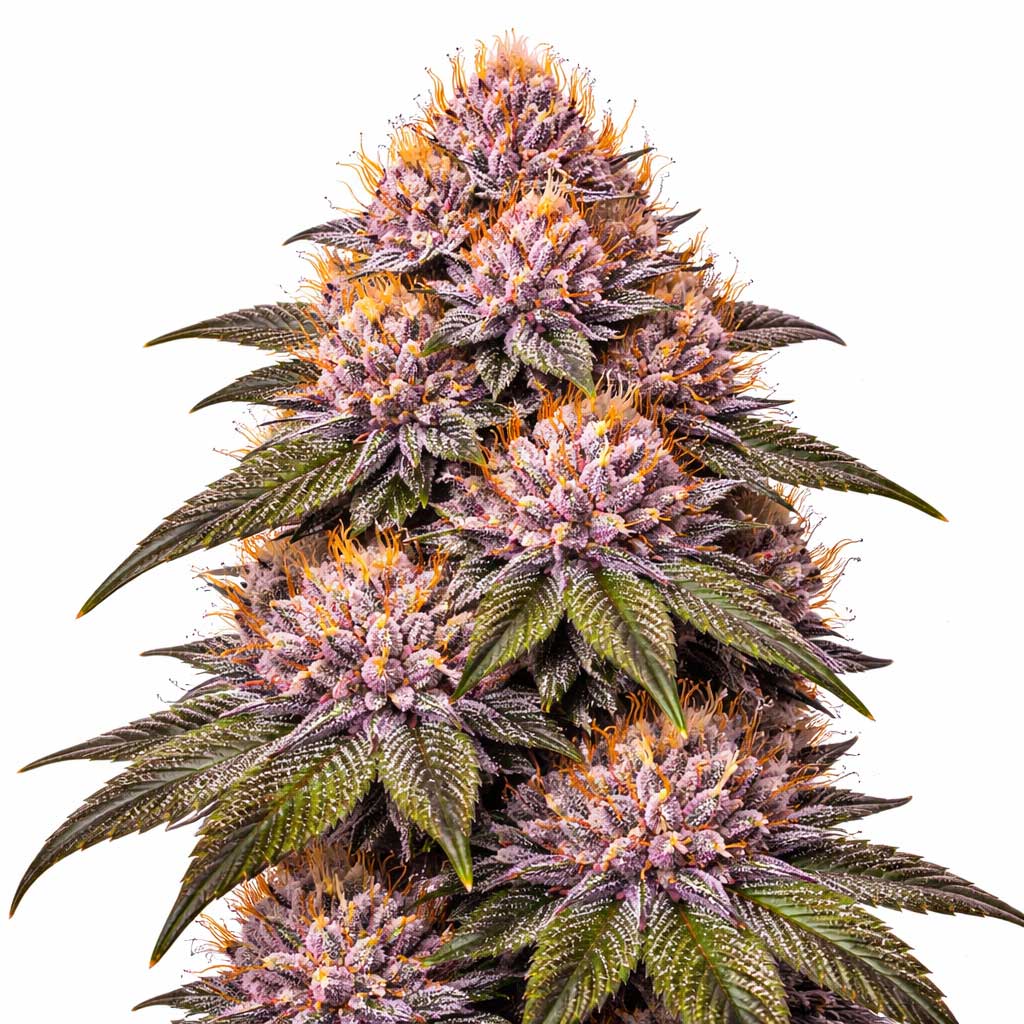
Pink Gator (Cannabis Strain)
Pink Gator is a high-performance indica-dominant hybrid cannabis cultivar typically classified as 70% indica / 30% sativa. Developed by boutique breeders seeking to bridge candy sweetness with heavy OG gas, it is a strategic cross between Pink Runtz and Gator Breath (Motorbreath 15 × SFV OG).
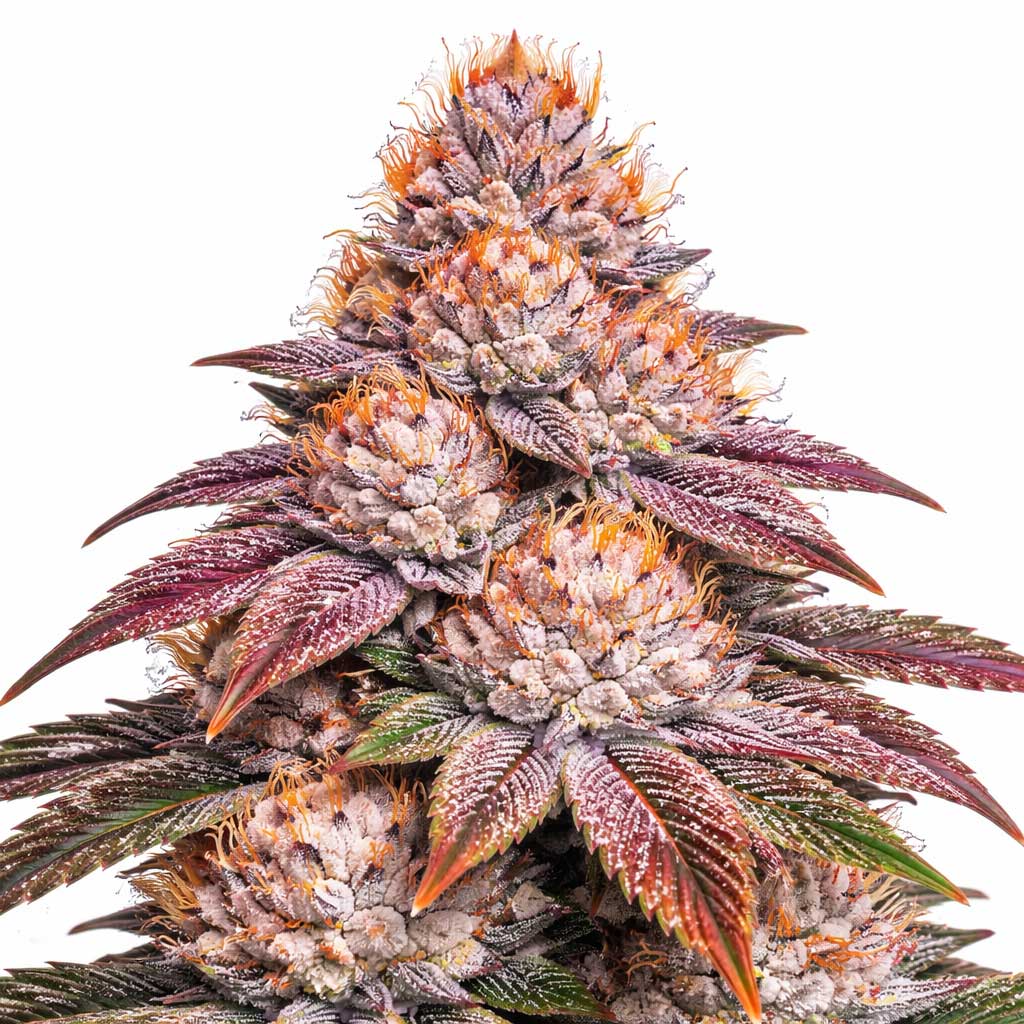
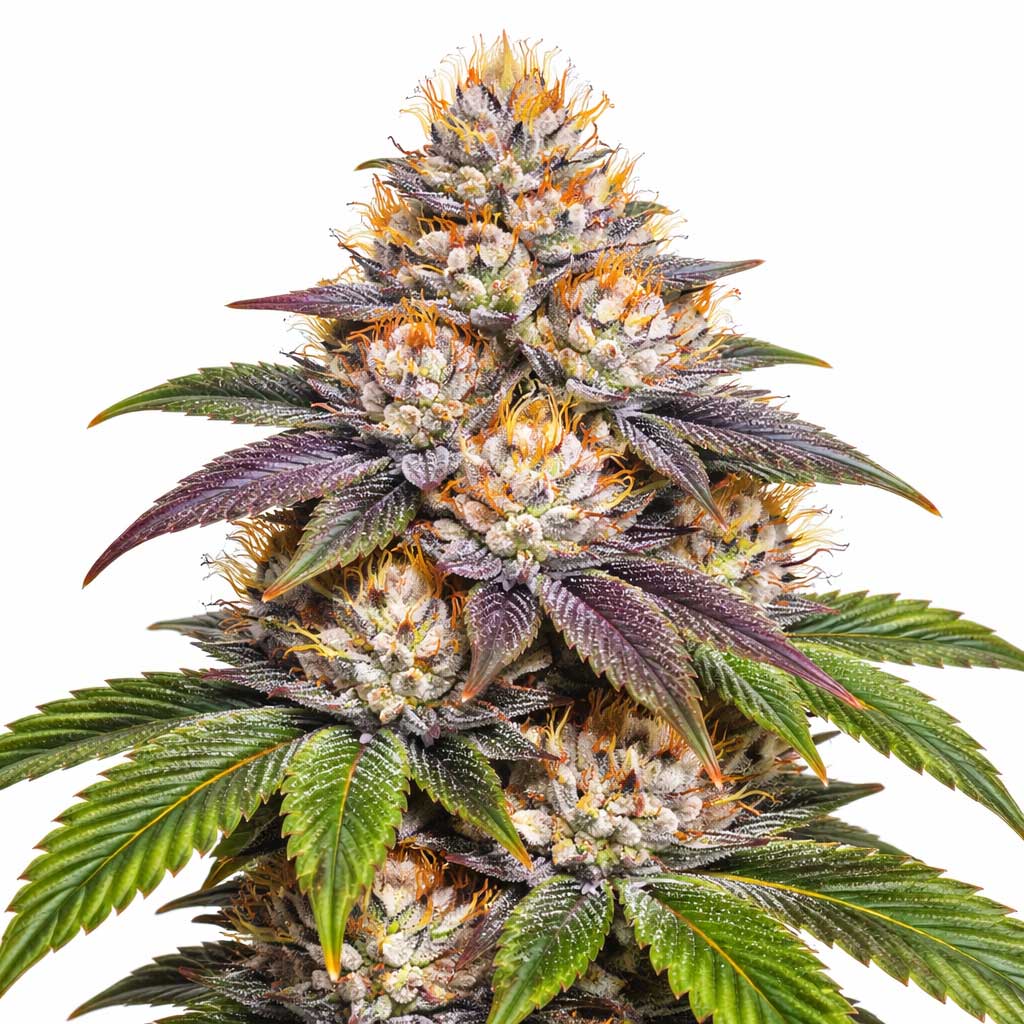
Pink Gator has gained traction in the 2025–2026 exotic market for its swampy-sweet aromatic profile and visually striking flowers that combine neon-purple coloration with large, resin-heavy structure. The information below is provided strictly for scientific and botanical reference.
Quick Facts
| Feature | Details |
|---|---|
| Genetics | Pink Runtz × Gator Breath |
| Variety | Indica-dominant hybrid (approx. 70% indica / 30% sativa) |
| THC Range | 24%–30% |
| Flowering Time | 8–9 weeks (56–63 days indoors) |
| Yield Potential | High, with dense and fleshy bud structure |
| Vibe | Heavy-hitting relaxation with a playful cerebral spark |
Scientific & Botanical Overview
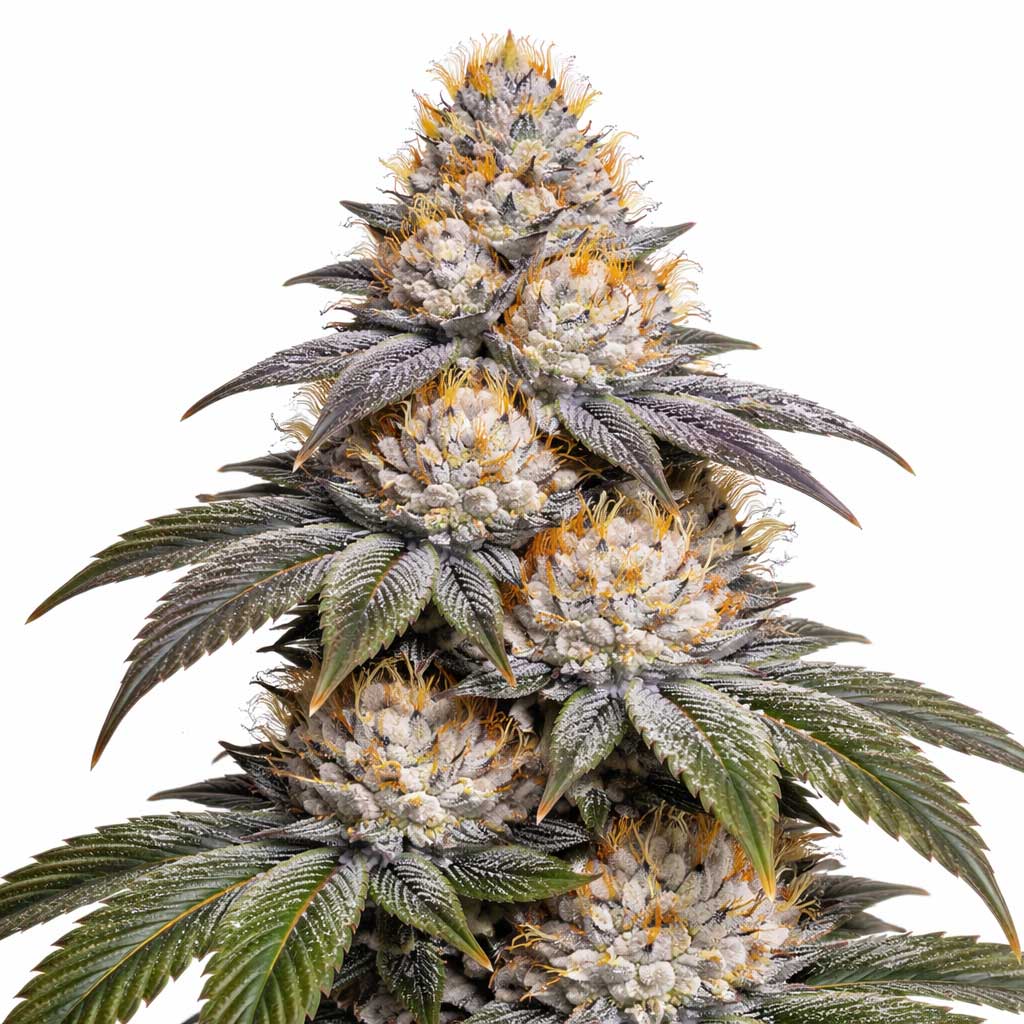
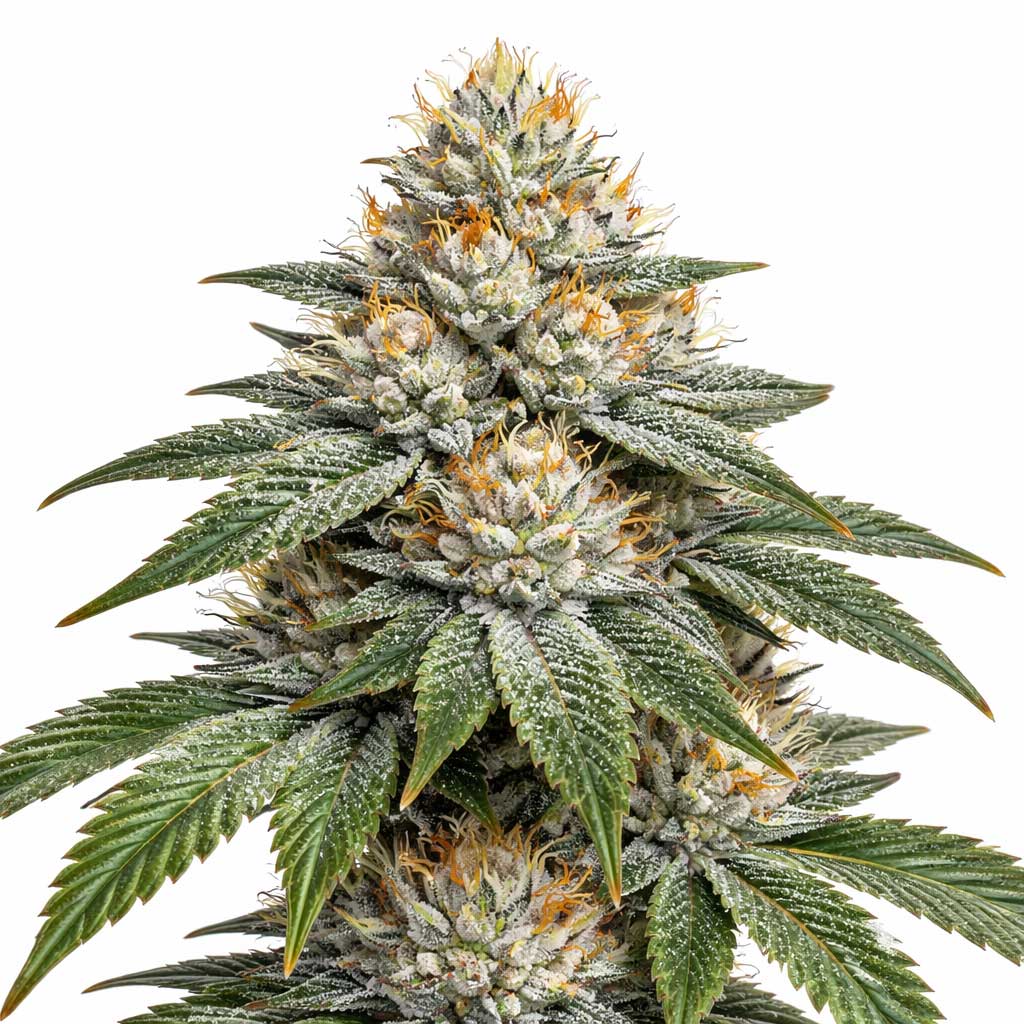
Pink Gator is a visual landmark of modern hybridization, producing exceptionally dense, spade-shaped flowers with a frosted-grape appearance. Botanically, it is notable for high anthocyanin expression, which allows many phenotypes to develop deep magenta and violet coloration even without major temperature drops during finishing.
The cultivar also shows notably large and oily trichome heads, a trait commonly associated with the Motorbreath side of the Gator Breath lineage. This heavy resin profile makes Pink Gator especially appealing in discussions around premium hash and solventless extraction potential.
Its structure and presentation place it squarely in the modern exotic category, combining candy-forward aesthetics with more forceful OG-backed density and body effect potential than many lighter fruit-forward hybrids.
Effects & Use-Cases (Reported)
Commonly reported effects: a two-stage experience beginning with a bright, giggly, and talkative euphoric lift often associated with the Pink Runtz side, followed by a slower-building creeper body effect that becomes deeply grounding and physically heavy.
Use-case context: Pink Gator is most often associated with evening use, late-night relaxation, mood elevation, and situations where both an upbeat opening and substantial body comfort are desired. Many users describe it as a cultivar that begins social and ends sedative.
Note: These observations are anecdotal reports and should not be interpreted as medical claims.
Aroma & Flavors
Aroma: A pungent profile of fermented berries, sour cherry, sweet cream, diesel fuel, wet earth, and skunky swamp-like funk.
Flavor: The inhale is often described as sugary fruit and smooth candy sweetness, while the exhale turns sharper and more gaseous with chemical-diesel notes and an earthy lingering finish.
Terpene associations: Limonene, Myrcene, and Caryophyllene.
Tested Cannabinoid & Terpene Ranges
| Compound | Typical Range* | Notes |
|---|---|---|
| Δ9-THC | 24.0%–30.0% | Potent range associated with long-lasting physical effects |
| Limonene | ~0.6%–1.0% | Associated with citrus-candy lift and mood-brightening aroma |
| Myrcene | ~0.7%–1.2% | Supports earthy depth and heavier body relaxation |
| Caryophyllene | ~0.5%–0.9% | Adds peppery gas structure and a more grounded physical finish |
*Ranges are based on literature-informed references and regional lab reports from 2025–2026 batches and may vary by phenotype, harvest, and cultivation method.
Cultivation Notes
- Environment: Often optimized for indoor cultivation where CO2, light intensity, and airflow can be carefully managed
- Structure: Medium-height plants with bushy lateral growth and dense interior bud development
- Canopy Management: Strategic defoliation is commonly recommended to improve light penetration and airflow
- Feeding: Frequently described as a hungry cultivar that responds well to robust mineral nutrition during bloom bulking
- Harvest Window: Mid-to-late October outdoors in the Northern Hemisphere
Grower Notes (Week-by-Week Snapshot)
- Early Vegetative Stage: Healthy hybrid vigor appears with strong lateral growth and a sturdy branching pattern.
- Mid Vegetative to Pre-Flower: Bushier structure develops, making early canopy planning helpful for later flower density.
- Mid Flower: Buds begin stacking heavily while berry-candy and fuel notes become more pronounced.
- Late Flower: Resin production intensifies, and flowers may develop deep magenta and violet coloration with a greasy frosted look.
- Harvest Window: Indoor flowering usually finishes in 8–9 weeks, while outdoor plants often finish in mid-to-late October.
Genetic Lineage
Pink Gator combines Pink Runtz and Gator Breath, bringing together a candy-forward fruit profile and colorful modern exotic appeal with the heavier gas, structure, and body effect potential associated with Motorbreath 15 × SFV OG ancestry.
This pairing creates a cultivar that feels more forceful and sedative than standard Pink Runtz-style expressions while still preserving the bright opening mood lift and strong bag appeal that make fruit-forward hybrids so commercially attractive.
Research Insights
Pink Gator is notable because it reflects a major breeding direction in the current exotic market: combining highly visual candy strains with more classic fuel-heavy OG-derived lines to create cultivars that offer both bag appeal and deeper physical weight. Its resin texture and coloration also make it especially relevant in premium flower and solventless conversations.
From a botanical perspective, the cultivar illustrates how anthocyanin-rich lines can be paired with large-headed, oily-resin genetics to create flowers that are both visually dramatic and structurally dense, helping distinguish them from softer, less resin-saturated candy cultivars.
Frequently Asked Questions
Is Pink Gator the same as Gator Breath?
No. Gator Breath is one of its parent strains, but Pink Gator adds Pink Runtz, which contributes sweeter fruit notes, brighter coloration, and a more playful euphoric onset.
Is Pink Gator good for daytime use?
Generally, it is better suited for later-day or evening use. Small amounts may feel manageable for some users, but higher doses are often described as strongly relaxing and sedative.
Why is it called Pink Gator?
The name reflects both parent lines: the pink-purple color and candy character associated with Pink Runtz and the swampy, heavier power associated with Gator Breath.
What makes Pink Gator stand out?
Its standout traits include deep purple-magenta coloration, greasy trichome coverage, candy-coated fuel aroma, and a two-stage effect that begins upbeat and ends deeply physical.
Educational Disclaimer
This page is provided for scientific and horticultural reference only. Cannabis laws vary by jurisdiction; always ensure compliance with local regulations.