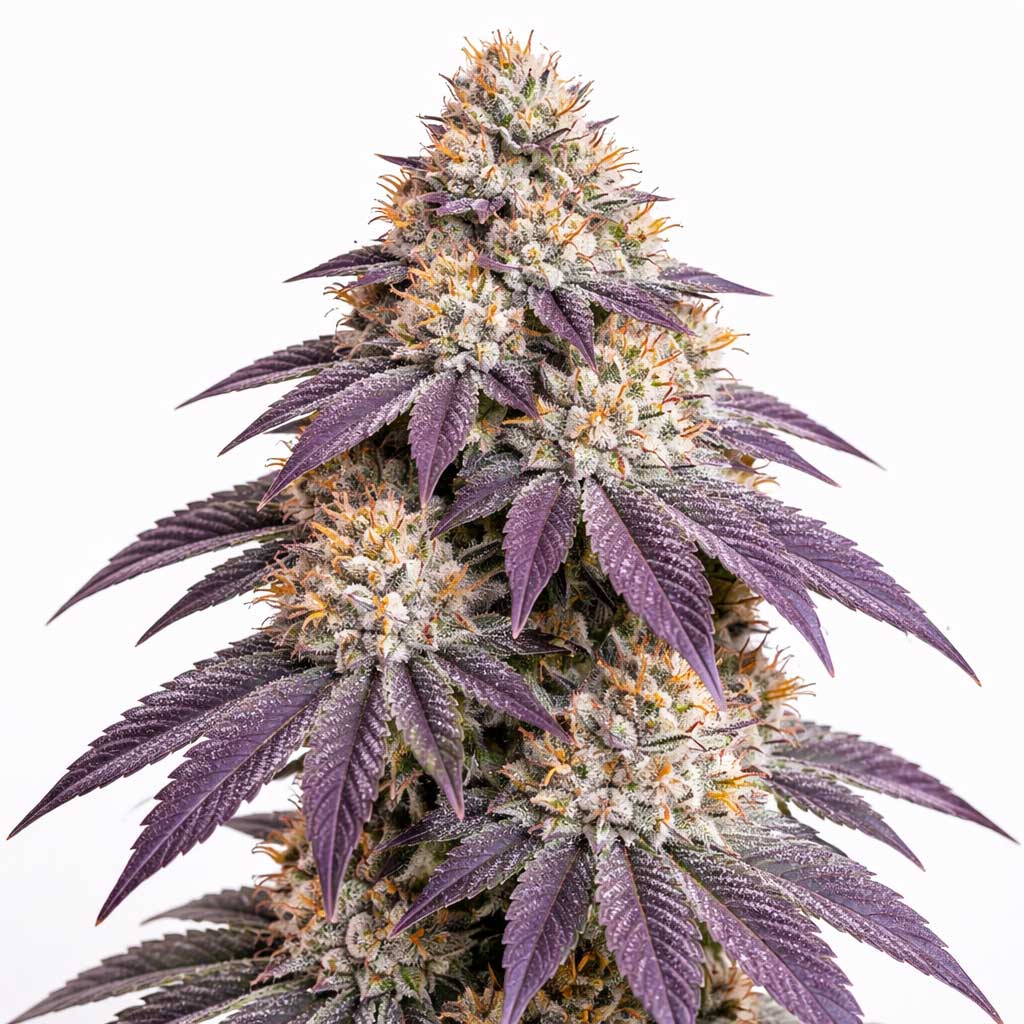
Mimosa (Cannabis Strain)
Mimosa is a well-known sativa-dominant hybrid cannabis cultivar created by Symbiotic Genetics and most commonly identified as a cross between Clementine and Purple Punch. Over time, it has earned strong recognition for its bright orange-forward aroma, attractive flower coloration, and upbeat daytime character. In modern cannabis markets, Mimosa is often associated with a polished, functional profile that suits active daytime settings better than heavier late-evening varieties.
One reason Mimosa stands out is its ability to pair sparkling citrus intensity with enough sweetness, density, and composure to feel complete rather than overly sharp. Many expressions open with orange peel and grapefruit, then move into softer berry notes, light floral tones, and a faintly woody finish. That layered sensory profile, combined with high visual appeal and reliable cultivation interest, has made Mimosa one of the more recognizable contemporary fruit-forward hybrids. The information below is provided strictly for scientific and botanical reference.

Quick Facts
| Attribute | Detail |
|---|---|
| Genetics | Clementine × Purple Punch |
| Variety | Sativa-Dominant Hybrid (approx. 70% Sativa / 30% Indica) |
| Flowering Time | 9 weeks (63 days) |
| Yield Potential | High (450–550 g/m² indoors; 500 g+ per plant outdoors) |
| Plant Height | Medium to Tall; strong stretch in early bloom |
| Climate Preference | Mediterranean / Warm and Sunny |
| Difficulty | Intermediate (benefits from height management) |
Scientific & Botanical Overview
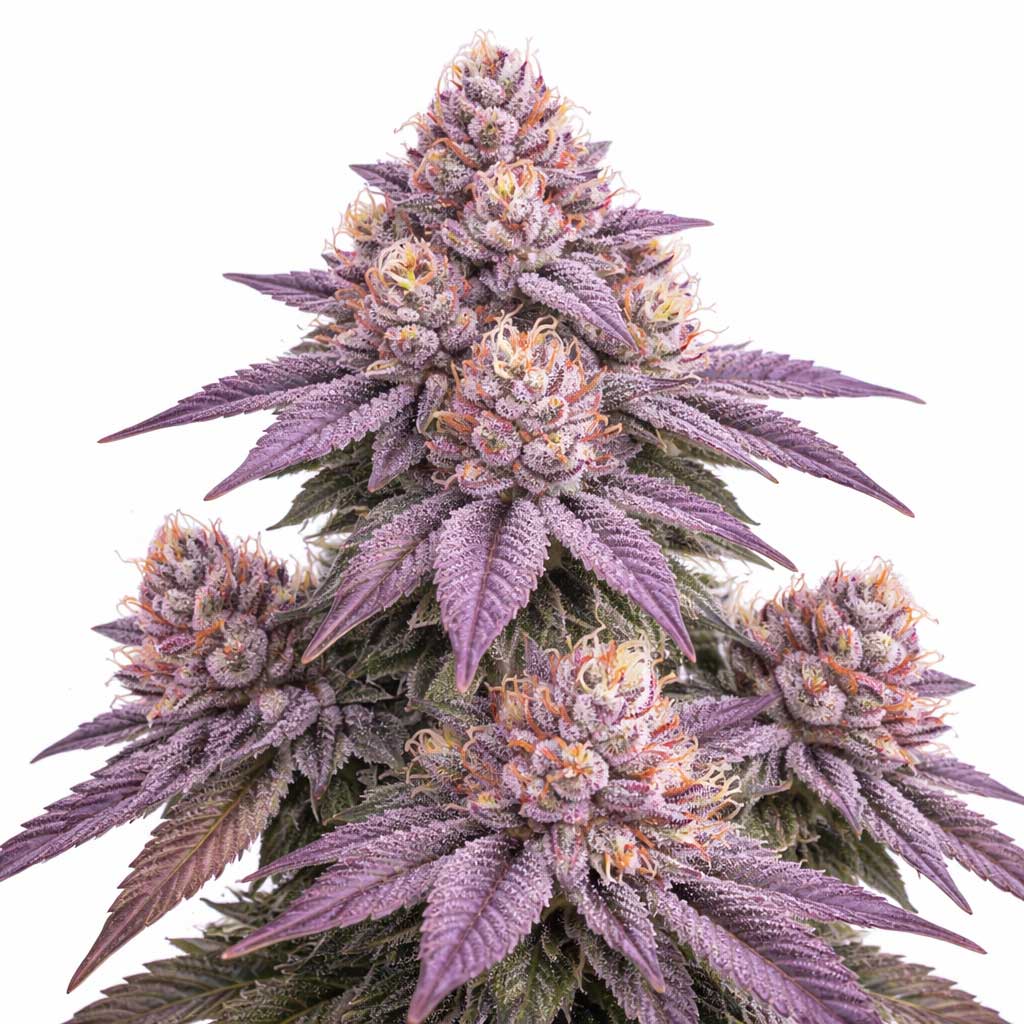
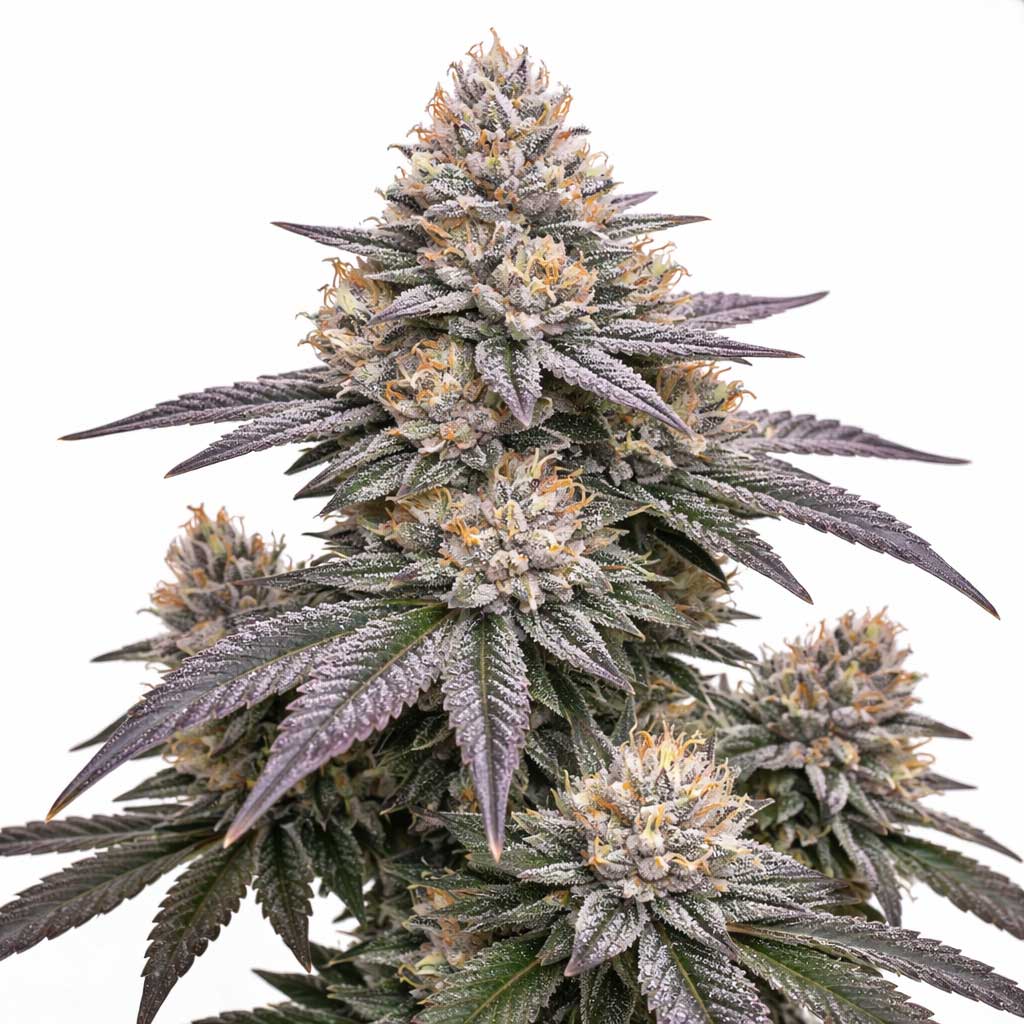
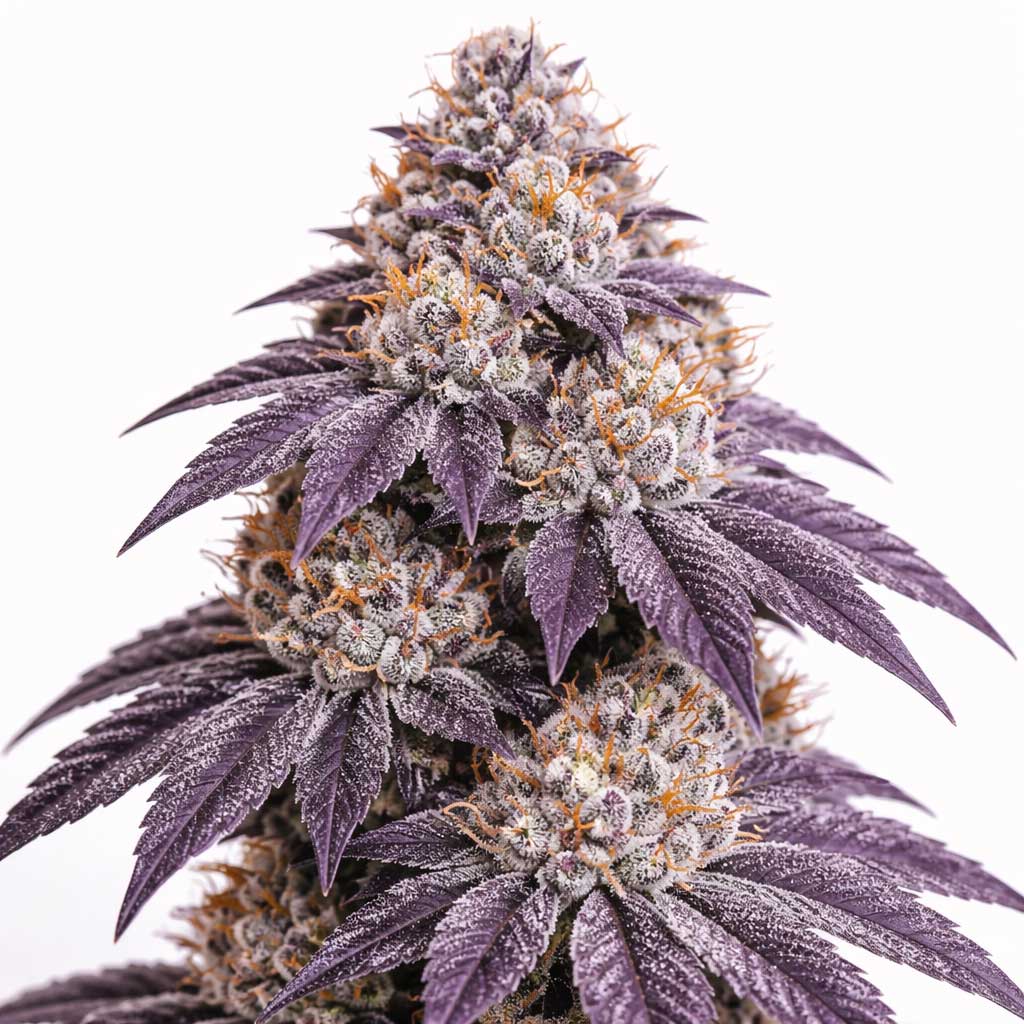
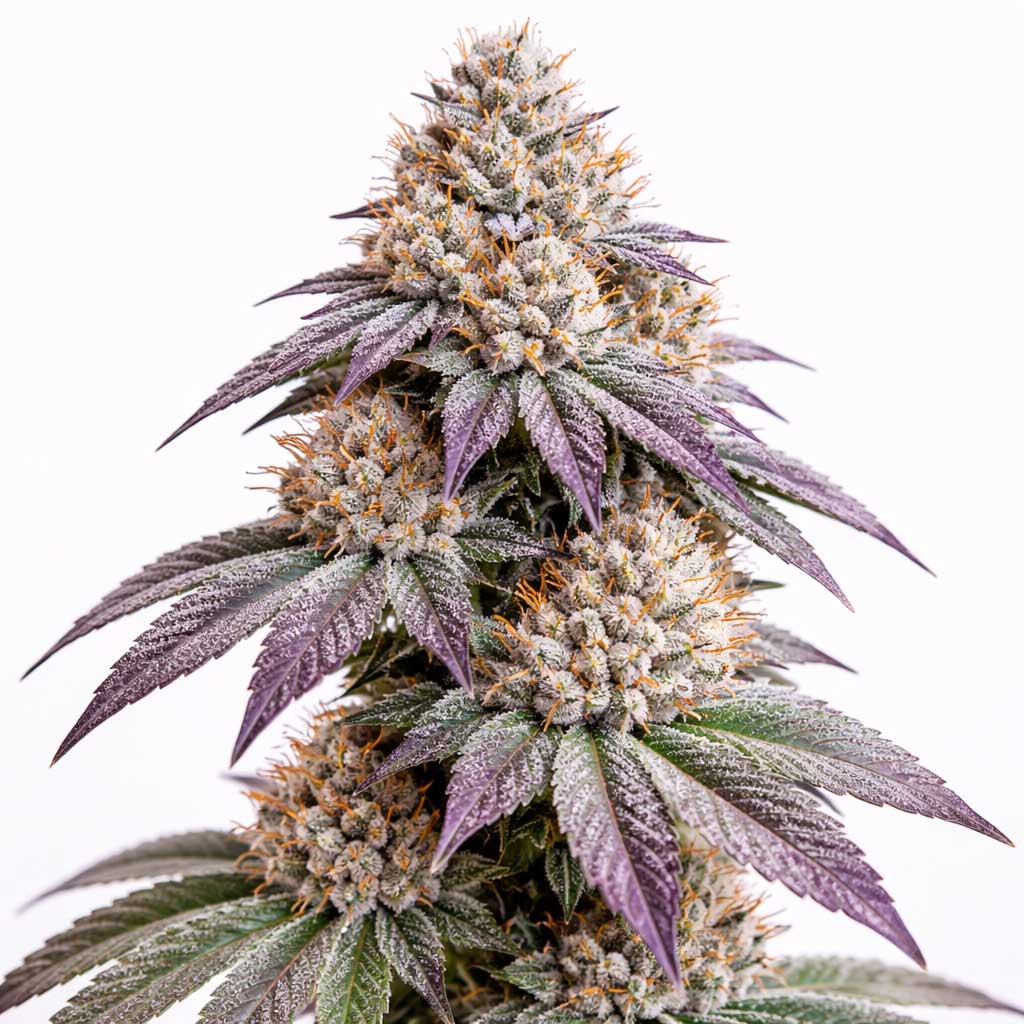
Mimosa plants are visually distinctive and often develop a striking contrast between lime-green flower tissue, darker purple-toned leaves, and a heavy layer of resin. Some phenotypes show a festive, colorful structure that gives the plant a standout shelf presence at maturity. The flowers are often large, rounded, and fuller than many narrower citrus-led cultivars, helping Mimosa maintain strong visual appeal from harvest through final presentation.
From a structural perspective, Mimosa reflects the influence of Clementine through its more vigorous, energetic branching pattern while drawing on Purple Punch for denser flower formation, stronger coloration, and heavier frost. It is typically considered a robust grower that responds well to sufficient root space, stable environmental control, and strong lighting intensity, all of which can help support terpene expression and flower development.
That balance between lively architecture and finished bud quality is central to the cultivar’s reputation. Mimosa offers expressive citrus breeding while still delivering the density, color, and resin coverage associated with premium modern hybrids.
Effects & Use-Cases (Reported)
Commonly reported effects: fast cerebral uplift, enhanced focus, increased sociability, and a bright energetic character that many users find smoother and less scattered than more racy sativa-leaning varieties.
Use-case context: Mimosa is commonly associated with mornings, daytime creative work, social gatherings, and active routines where users prefer a clearer and more upbeat expression rather than a heavy or sleepy finish.
Note: These observations are anecdotal reports and should not be interpreted as medical claims.
Aroma & Flavors
Aroma: Orange zest, grapefruit peel, sweet berry accents, and light earthy-floral undertones.
Flavor: The inhale is often described as juicy, sweet, and citrus-forward, while the exhale becomes smoother with subtle herbal, woody, and faint floral notes.
Terpene associations: Limonene, Myrcene, Beta-Caryophyllene, and Pinene.
Tested Cannabinoid & Terpene Ranges
| Compound | Typical Range* | Notes |
|---|---|---|
| Δ9-THC | ~19%–27% (some selections may test higher) | Often reported in a potent modern hybrid range |
| CBD | <1% | Typically low in reported profiles |
| Limonene | ~0.8%–1.2% | Primary contributor to Mimosa’s citrus-led aromatic profile |
| Myrcene | ~0.4%–0.7% | Adds earthy depth and softens the sharper bright-fruit edge |
| Beta-Caryophyllene | ~0.3%–0.6% | Brings a mild warm spice note and helps round out the profile |
*Ranges are based on breeder-informed and lab-reported references and may vary by phenotype, cultivation environment, harvest timing, and analytical method.
Cultivation Notes
- Light Cycle: 18/6 during vegetative growth and 12/12 during flowering.
- Humidity Targets: Around 45%–50% RH in flower, with strong and consistent air circulation recommended for dense colas.
- Nutrition: Moderate feeder that may show nutrient sensitivity if pushed too aggressively. Many growers adjust phosphorus and potassium upward during the later bulking stage.
- Training: Topping and low-stress training are commonly used. SCROG can be especially effective because transition stretch is often substantial.
- Harvest Window: Early to mid-October outdoors in the Northern Hemisphere.
Grower Notes (Week-by-Week Snapshot)
- Weeks 1–3 (Transition): Plants often stretch rapidly and benefit from early canopy shaping to maintain a balanced structure.
- Weeks 4–6: Flower sites begin stacking more heavily, the citrus profile becomes sharper, and purple coloration may start appearing in more expressive phenotypes.
- Weeks 6–8: Bud mass increases noticeably, resin production intensifies, and the plant develops its fuller frosted finish.
- Post-Harvest: A careful dry and cure are commonly recommended to preserve bright orange-grapefruit top notes and maintain overall aromatic depth.
Genetic Lineage
Mimosa is most commonly described as the result of pairing Clementine with Purple Punch. Clementine, often linked to Tangie × Lemon Skunk, contributes the cultivar’s dominant citrus direction and brighter mental character. Purple Punch, commonly associated with Larry OG × Granddaddy Purple, brings stronger flower density, sweeter fruit undertones, deeper color expression, and a calmer finishing influence.
That lineage helps explain why Mimosa feels both lively and composed. The Clementine side gives it its sparkling orange identity, while Purple Punch adds the weight, sweetness, and visual richness that make the cultivar feel more complete.
Research Insights
Mimosa is often discussed in cultivar and terpene-profile conversations as a useful example of a citrus-forward hybrid shaped by strong Limonene expression, supported by Pinene, Myrcene, and Beta-Caryophyllene. This combination is frequently used to explain why the cultivar is often described as bright and functional rather than overly heavy or mentally unfocused.
From a breeding and market perspective, Mimosa remains important because it helped define a popular modern orange-fruit category with strong retail recognition. Its reputation is tied to the combination of vivid bag appeal, memorable citrus aroma, and a daytime-oriented expression that has broad consumer appeal.
Frequently Asked Questions
Is Mimosa an indica or sativa?
Mimosa is generally classified as a sativa-dominant hybrid, most commonly described around a 70/30 sativa-to-indica ratio.
Does Mimosa usually feel energizing or sleepy?
Many users describe Mimosa as bright, active, and social in lighter amounts, while heavier intake may bring out more of the calmer influence associated with its Purple Punch side.
Is Mimosa suitable for new growers?
It is generally considered an intermediate cultivar because its vertical stretch and feeding sensitivity require regular observation and canopy control.
How does Mimosa express in a vaporizer?
At lower temperatures, many users report especially clear orange-peel, grapefruit, and light tropical-fruit notes with a clean and lively finish.
Educational Disclaimer
This page is provided for scientific and horticultural reference only and does not constitute medical or promotional advice. Cannabis cultivation, possession, and use are regulated by local laws. Always comply with applicable legislation in your region.